Normal Science Worksheets for Ages 5-8 - Page 14
315 filtered results
-
From - To
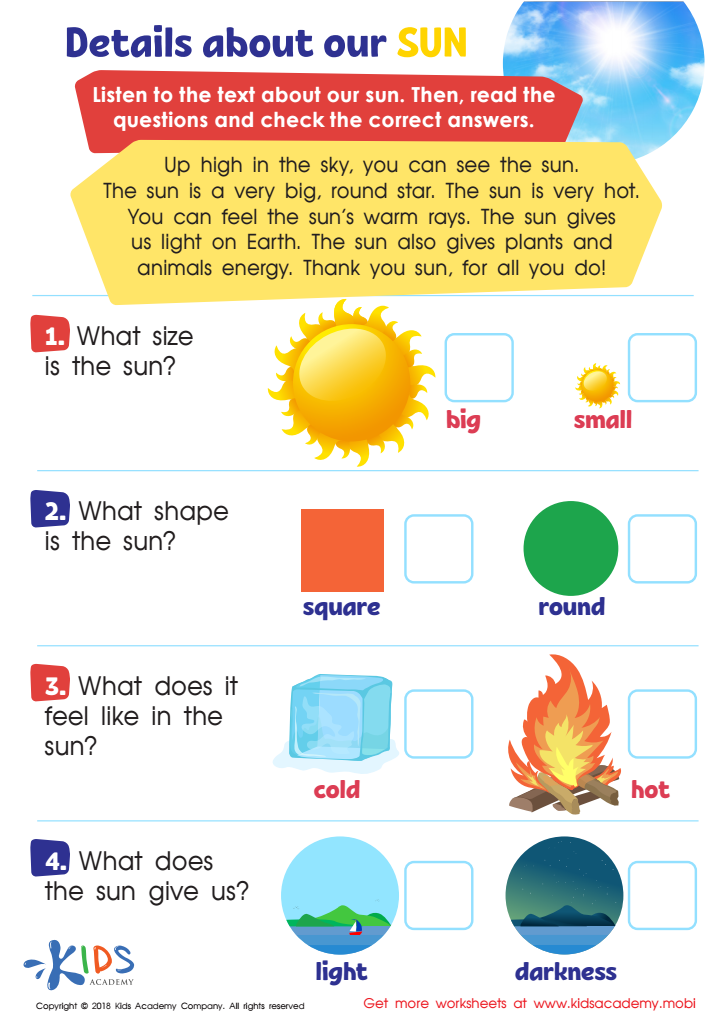
Details About Our Sun Worksheet
 Assign to My Students
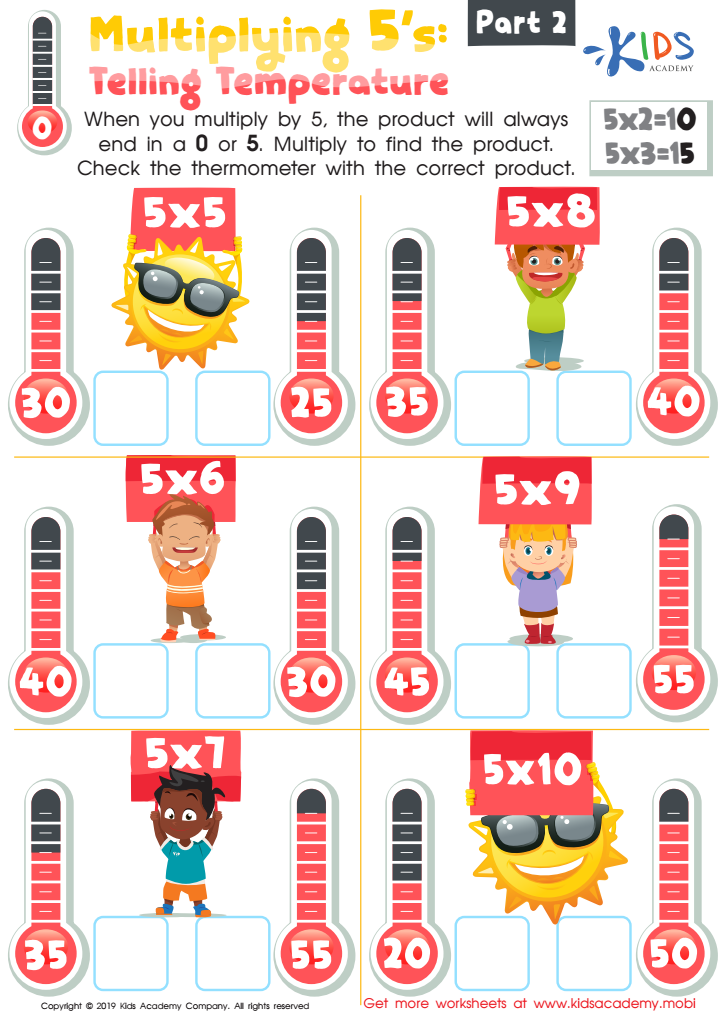
Multiplying 5’s: Telling Temperature Part 2 Worksheet
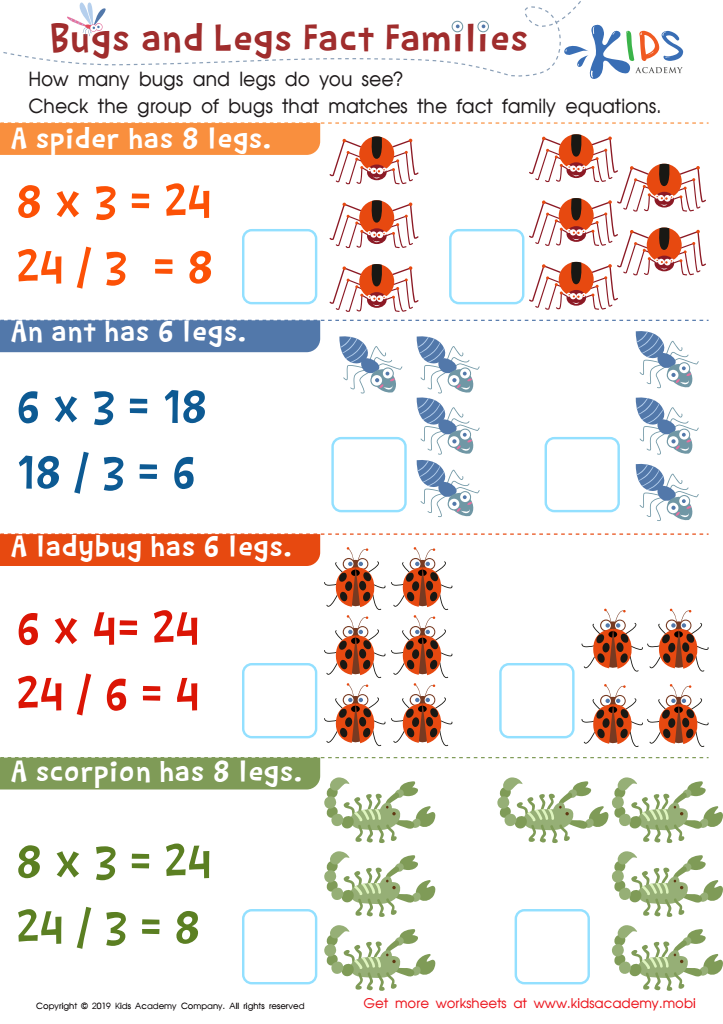
Bugs and Legs Fact Families Worksheet




.jpg)
.jpg)

Normal science, which involves routine work conducted within the framework of established scientific theories, plays a critical role in early education for ages 5-8. Introducing children to these fundamental principles provides them with a strong foundation for understanding more complex scientific concepts as they grow. Engaging with normal science at a young age sparks curiosity and fosters a lifelong love for learning. Activities such as observing plant growth, understanding weather patterns, or exploring basic physics through play allow children to experience the scientific method firsthand.
Parents and teachers should care because normal science develops critical thinking skills. Asking questions, forming hypotheses, and conducting simple experiments help children learn problem-solving techniques and how to reason logically. In addition, early science education promotes literacy and numeracy as children learn to follow procedures, record observations, and interpret data.
Furthermore, normal science activities build collaboration and communication skills. Working in groups to complete science projects teaches teamwork and helps children articulate their ideas. This early exposure to scientific thinking can also inspire future careers in STEM (Science, Technology, Engineering, Mathematics) fields, contributing to a well-rounded, knowledgeable society. Caring about normal science instruction in the early years ensures children are equipped with the tools they need to succeed academically and beyond.







