Learning about ecosystems Normal Plants and Animals Worksheets for Ages 5-8
3 filtered results
-
From - To
Explore the fascinating world of ecosystems with our "Learning about Ecosystems: Normal Plants and Animals Worksheets" designed specifically for children ages 5-8. These engaging worksheets offer young learners the opportunity to discover the intricate relationships between plants and animals within their environments. With vibrant illustrations and fun activities, children will gain a deeper understanding of biodiversity, habitats, and the importance of conservation. Each worksheet encourages critical thinking and creativity, making learning about ecosystems both educational and enjoyable. Perfect for homeschooling or classroom use, these resources are a great way to spark curiosity and foster a love for science in young minds!
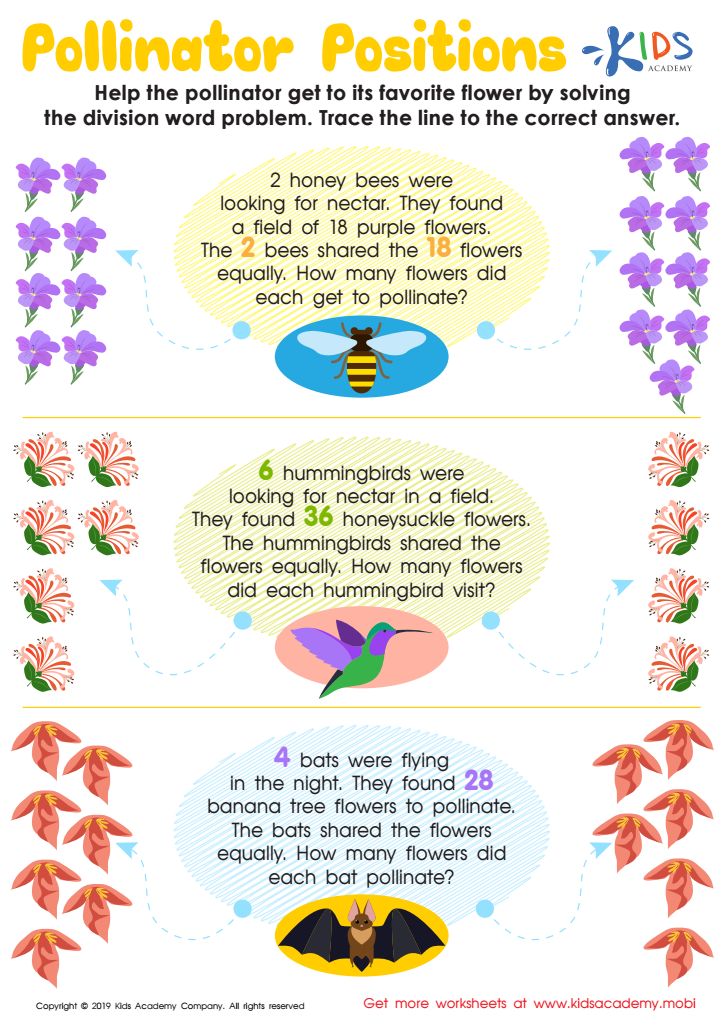
Pollinator Positions Worksheet
 Assign to My Students











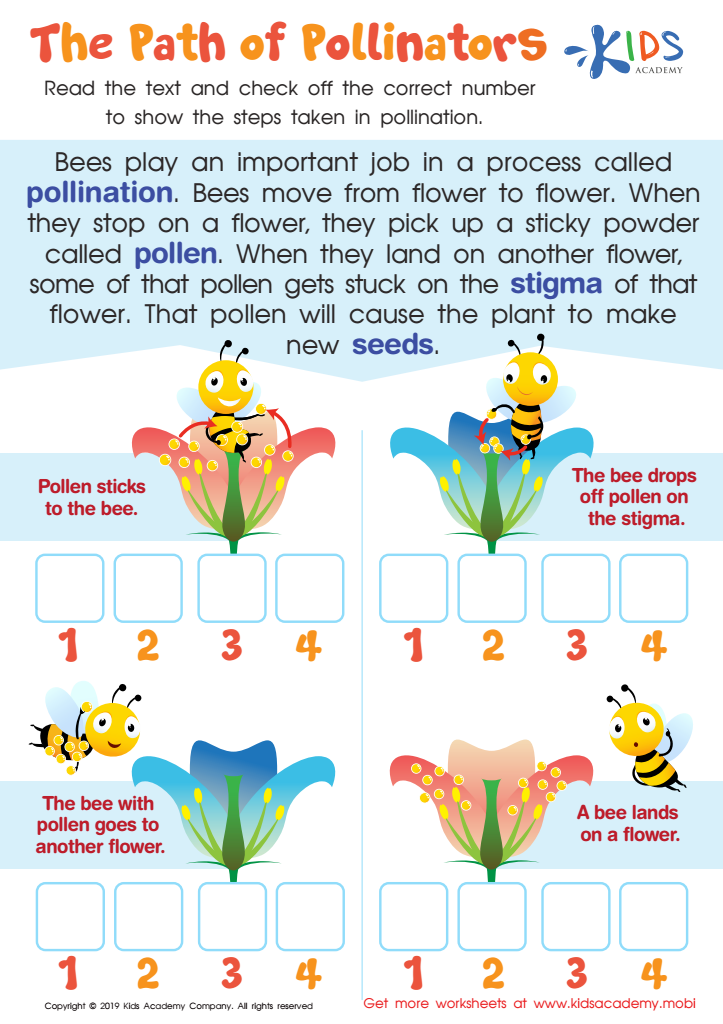
The Path of Pollinators Worksheet
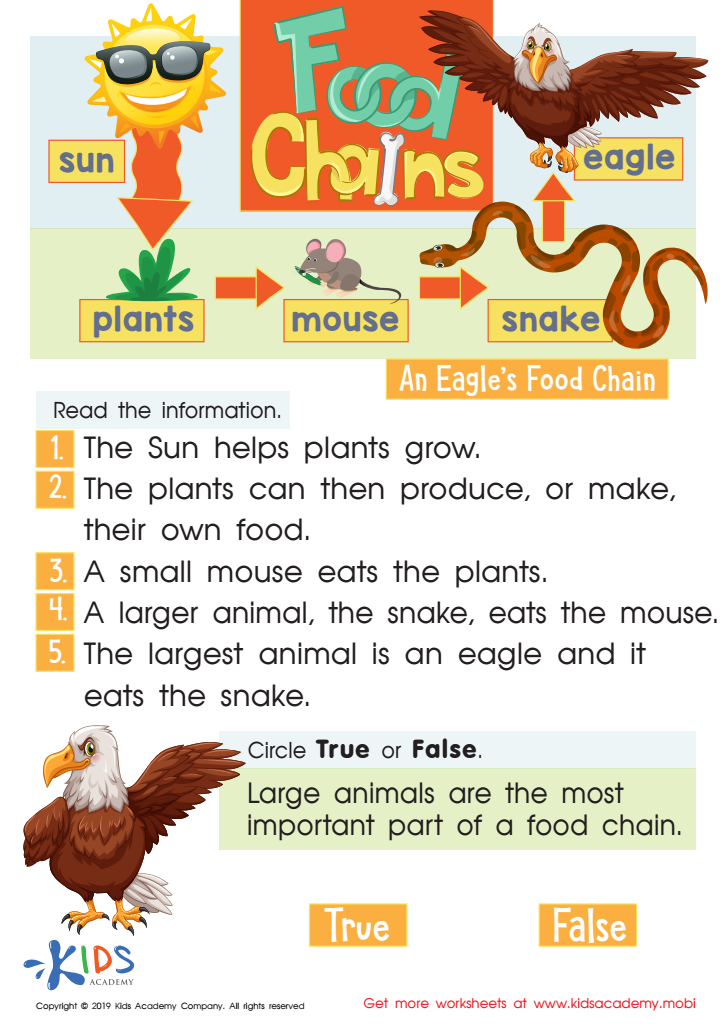
Food Chains Worksheet




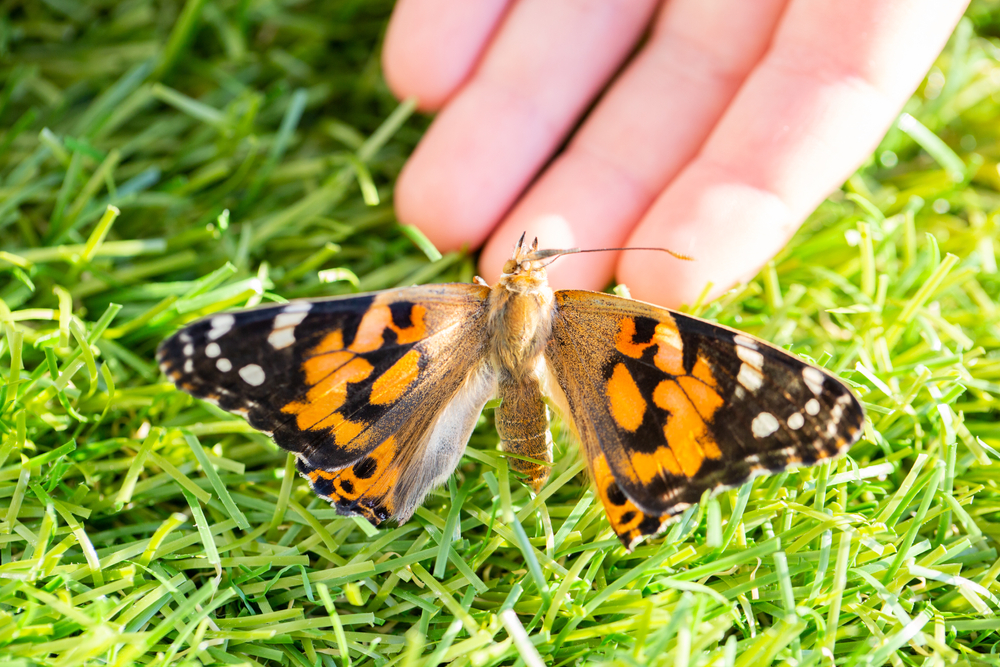



Learning about ecosystems, including native plants and animals, is crucial for young children aged 5-8 for several reasons. Firstly, this age group is naturally curious about the world around them. Introducing them to ecosystems nurtures this curiosity and encourages exploration, fostering a deeper understanding of nature's intricacies. Moreover, young learners begin to recognize the interconnectedness of all living things, which instills a sense of responsibility for the environment.
Understanding plants and animals helps children build foundational knowledge about biodiversity and conservation. This awareness promotes respect for nature and cultivates environmentally conscious habits early on. As they learn to identify local species and their habitats, children can develop observational skills and empathy toward living creatures, encouraging stewardship of their surroundings.
Additionally, ecosystem exploration supports interdisciplinary learning. It integrates science, geography, art, and even literature, which can enrich the curriculum and make learning engaging. Lastly, these early lessons on ecosystems can inspire future generations to address environmental challenges, fostering leadership and innovation in conservation efforts. Therefore, parents and teachers play a pivotal role in guiding children through this essential part of their education, shaping environmentally aware citizens of tomorrow.







