Understanding ecosystems Normal Plants and Animals Worksheets for Ages 5-8
4 filtered results
-
From - To
Explore our "Understanding Ecosystems: Normal Plants and Animals Worksheets" designed for children ages 5-8! Ideal for early learners, these engaging worksheets introduce young minds to the interconnected world of ecosystems. Through fun activities, kids will learn about various plants and animals, their habitats, and the importance of environmental balance. Our resource promotes critical thinking and observational skills, allowing children to understand how living organisms interact with each other and their surroundings. Perfect for home or classroom use, these worksheets encourage a love for science and foster a sense of responsibility towards nature. Start your child’s ecological journey today!
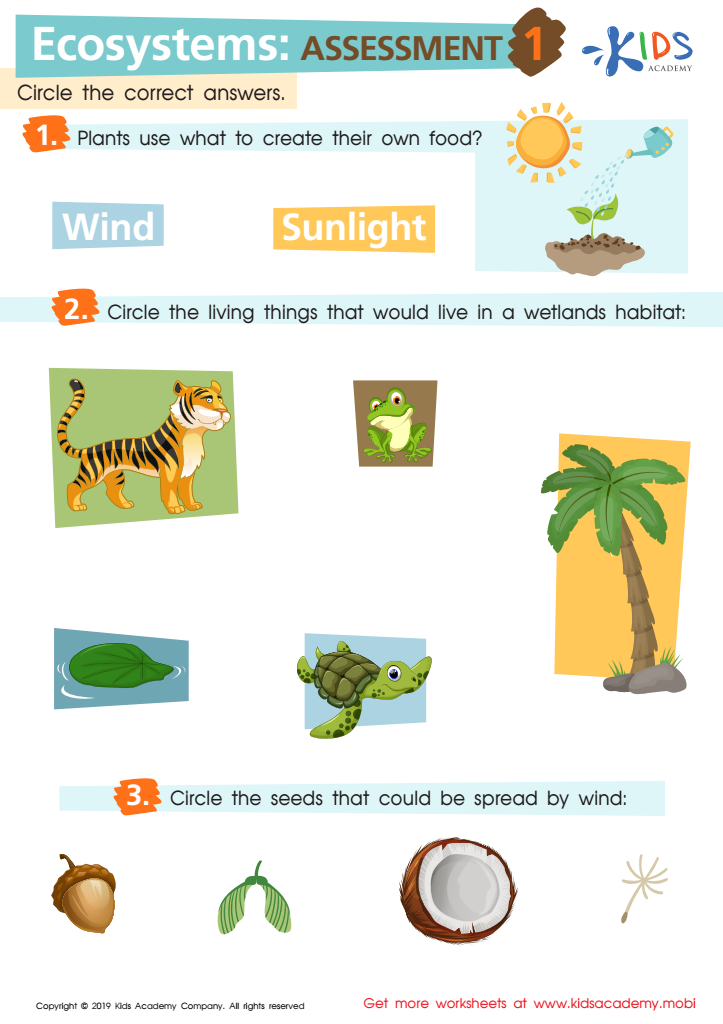
Ecosystems: Assessment 1 Worksheet
 Assign to My Students











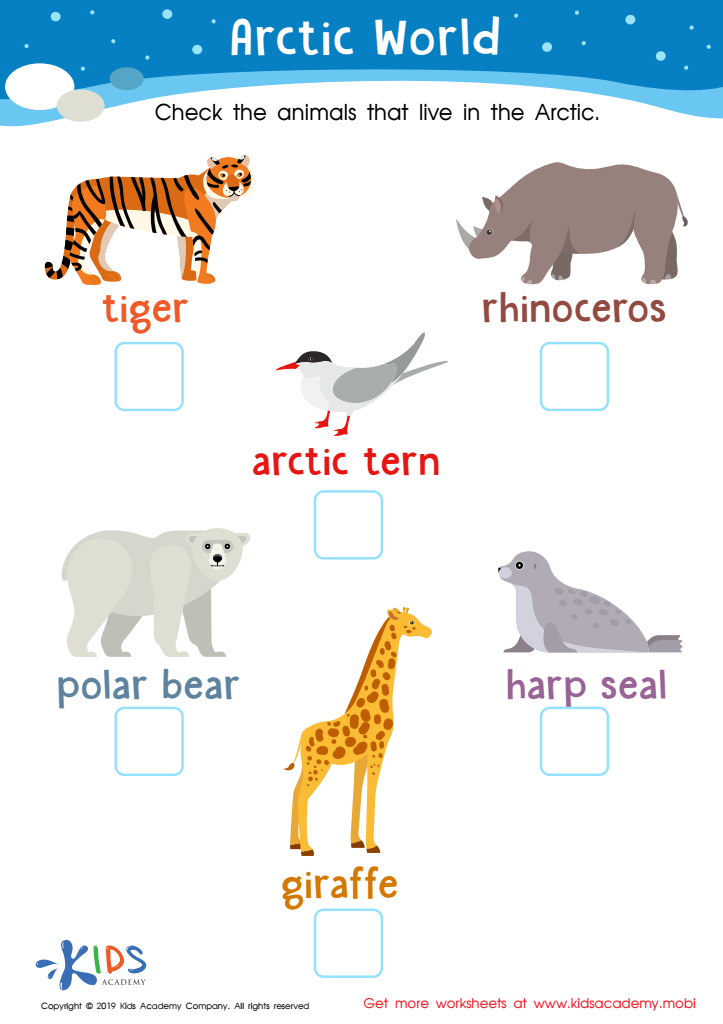
Arctic World Worksheet
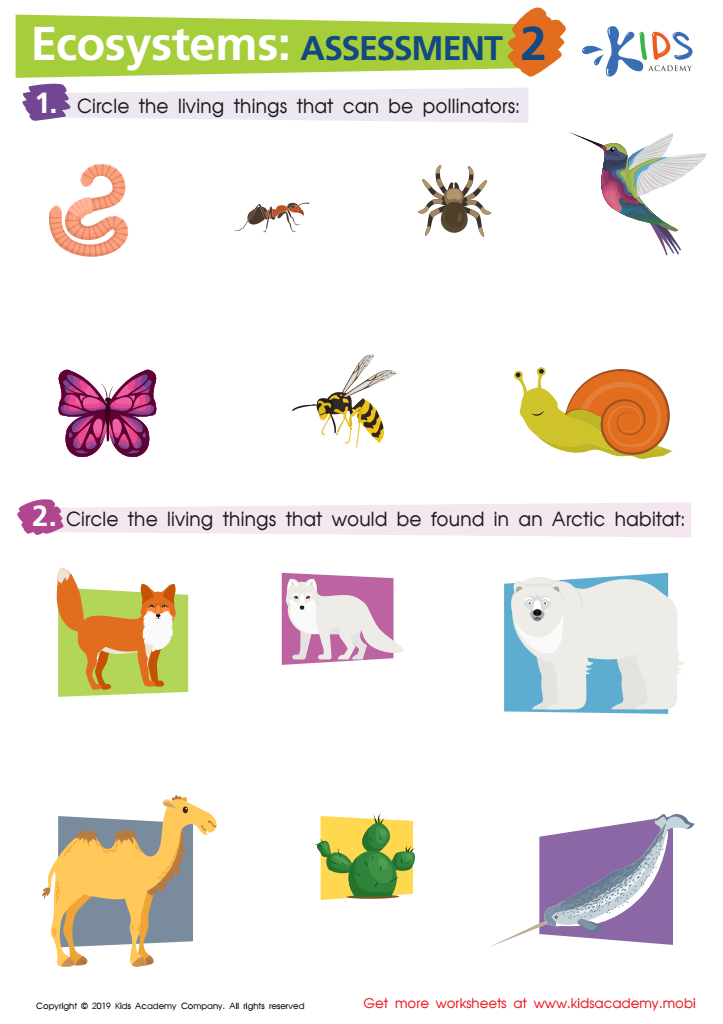
Ecosystems: Assessment 2 Worksheet
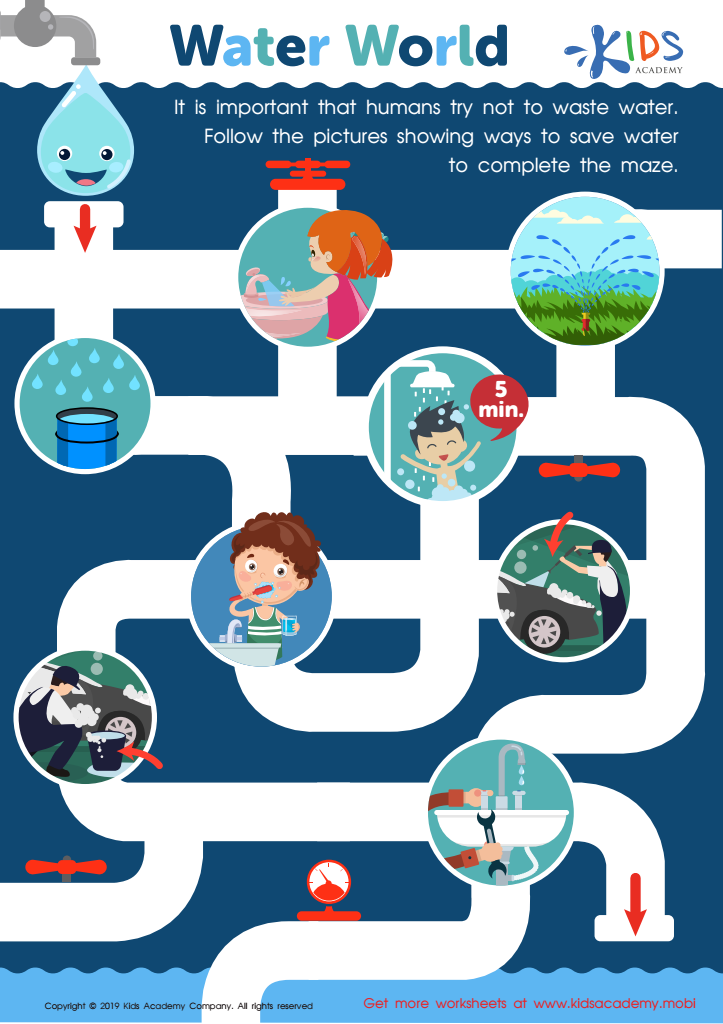
Water World Worksheet







Understanding ecosystems and the normal interactions between plants and animals is vital for young learners, particularly ages 5-8, as it nurtures a foundational appreciation for the environment. At this age, children's natural curiosity is heightened, and introducing concepts of ecosystems fosters a sense of wonder and responsibility towards nature.
Through exploring local ecosystems, children develop observational skills and learn to recognize the diversity of life. This builds a sense of stewardship, encouraging them to care for the environment as they understand the roles each plant and animal plays within their habitat.
Additionally, discussions about ecosystems promote critical thinking and problem-solving skills. For example, understanding how plants provide food and oxygen for animals helps children grasp interdependence within nature, highlighting the delicate balance essential for life.
Moreover, incorporating lessons on ecosystems aligns with many educational standards, enhancing cross-disciplinary learning in science, geography, and art.
In this digital age, where screens often dominate, encouraging outdoor exploration of ecosystems can reconnect children with nature. By caring about these lessons, parents and teachers equip children with knowledge and values crucial for future environmental advocacy and sustainability. Engaging young minds in this way can inspire future generations to safeguard our planet.







