Critical Thinking Normal Community Worksheets for Ages 5-8
5 filtered results
-
From - To
Our "Critical Thinking Normal Community Worksheets for Ages 5-8" are an engaging collection designed to enhance young minds' cognitive abilities while introducing them to the concept of community. These printable worksheets offer a variety of exercises focused on problem-solving, logical reasoning, and analytical thinking. Ideal for early grade students, they foster skills essential for academic success and everyday interactions. Through fun and interactive activities, children will learn to think critically about their surroundings and participate more meaningfully in their communities. Give your child the tools to excel both inside and outside the classroom with our curated worksheets.
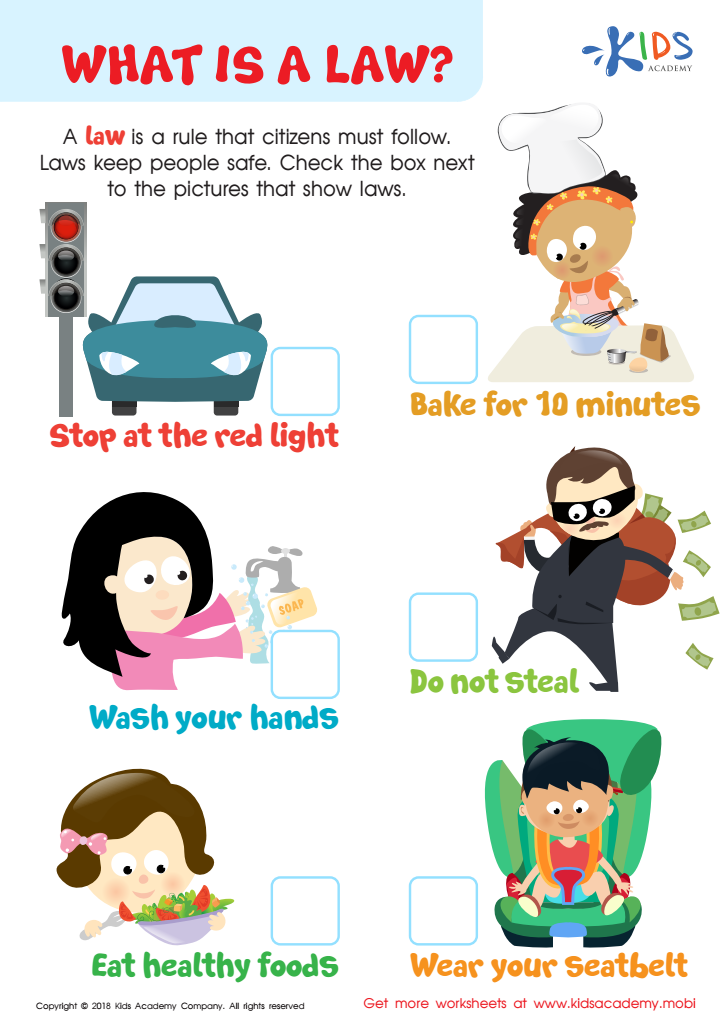
What is a Law? Worksheet
 Assign to My Students
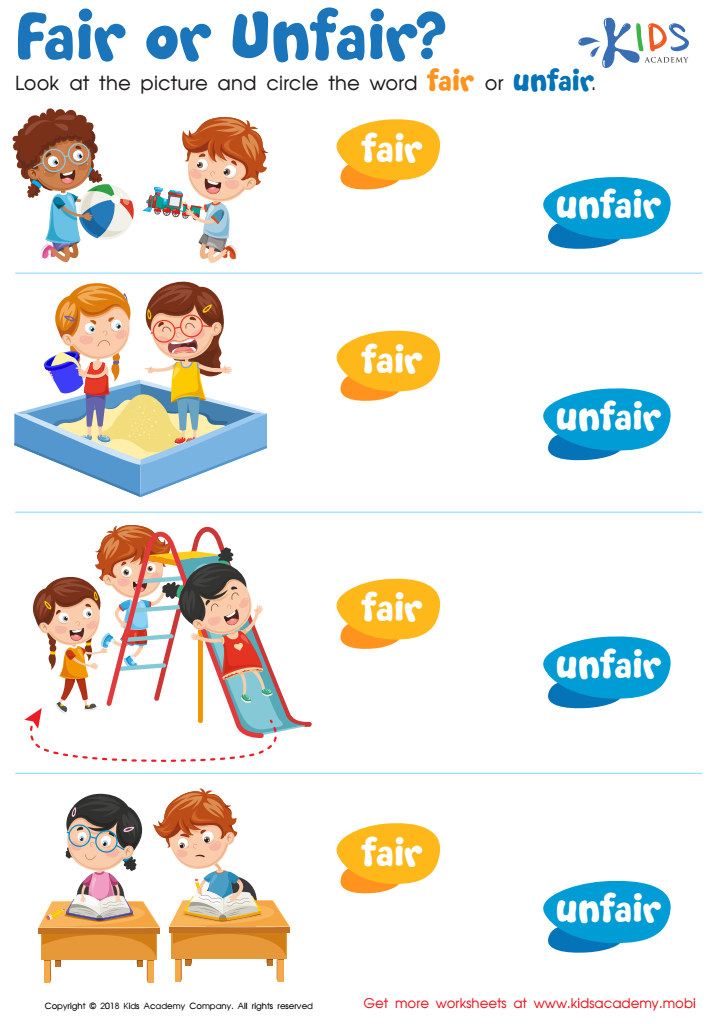
Fair or Unfair Worksheet
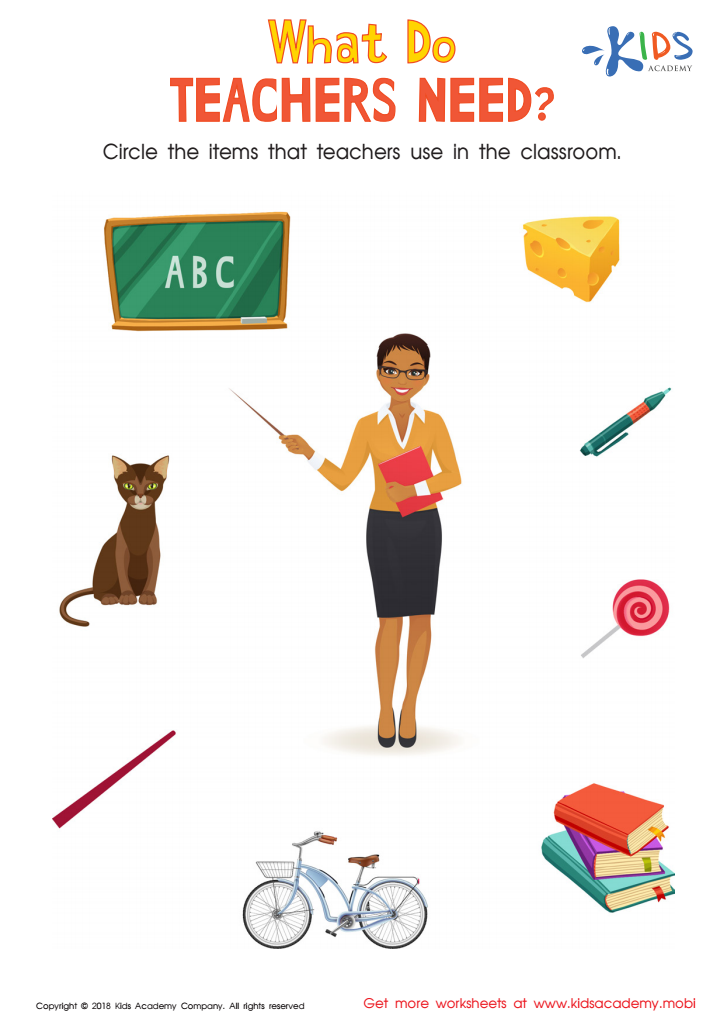
What Do Teachers Need Worksheet

Traditional Music Worksheet
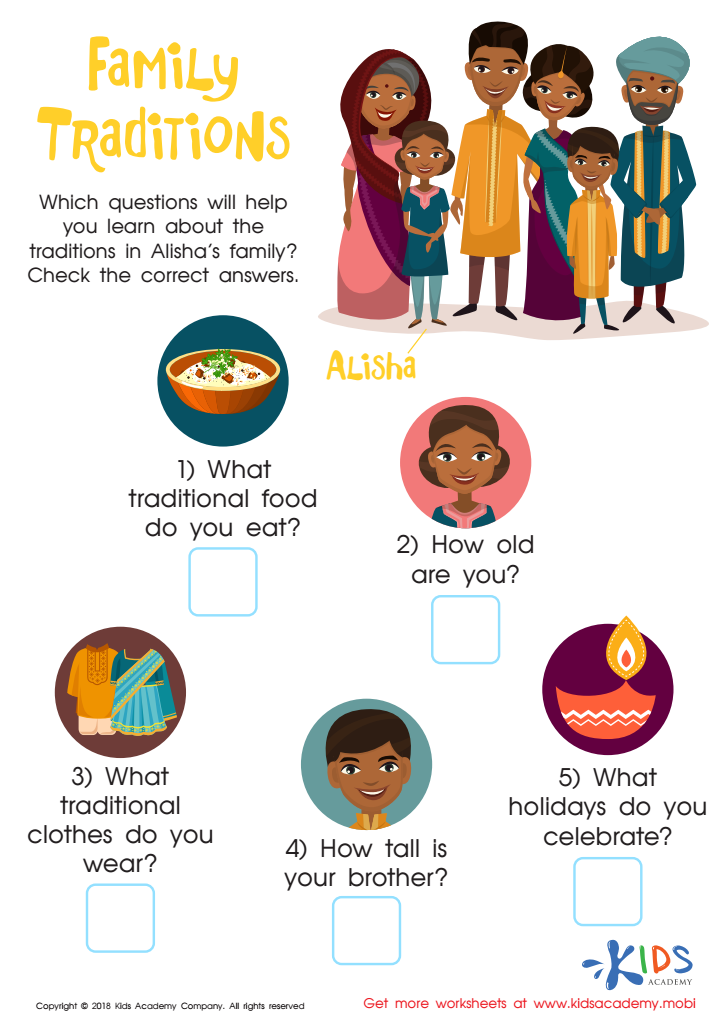
Family Traditions Worksheet







Critical thinking is a fundamental skill that parents and teachers should prioritize for children aged 5-8 because it lays the foundation for effective problem-solving and informed decision-making. At this early stage of development, children are starting to learn how to analyze information, recognize patterns, and ask questions that help them understand the world around them. Encouraging critical thinking helps children become more curious and independent learners, who are capable of forming their own opinions based on evidence rather than simply accepting information at face value.
Moreover, fostering a strong critical thinking community among young learners promotes collaborative skills. Children learn to listen to different perspectives, communicate their ideas clearly, and respect the viewpoints of others. This collaborative approach not only enhances their social skills but also prepares them for future academic and professional settings where teamwork is essential.
Critical thinking also supports emotional and social development. By learning to assess situations and consider potential outcomes, children can better manage their emotions and make more thoughtful decisions. This enhances their resilience and adaptability in various situations, contributing to overall well-being.
In summary, nurturing critical thinking in young children equips them with essential cognitive, social, and emotional tools that will benefit them throughout their lives. By creating an environment where critical thinking is valued, parents and teachers set the groundwork for lifelong learning and success.