Critical thinking skills Normal Social Studies Worksheets for Ages 5-8
5 filtered results
-
From - To
Enhance your child's learning journey with our "Critical Thinking Skills Normal Social Studies Worksheets" designed for ages 5-8. These engaging, printable worksheets promote cognitive development and instill essential critical thinking abilities through relatable social studies themes. Each activity encourages kids to analyze, evaluate, and interpret information, fostering a deeper understanding of their community and the world around them. Perfect for at-home practice or classroom use, our worksheets inspire creativity while encouraging independent thought. Watch your young learners thrive as they cultivate the skills necessary for problem-solving and informed decision-making in a fun and interactive way. Explore our collection today!
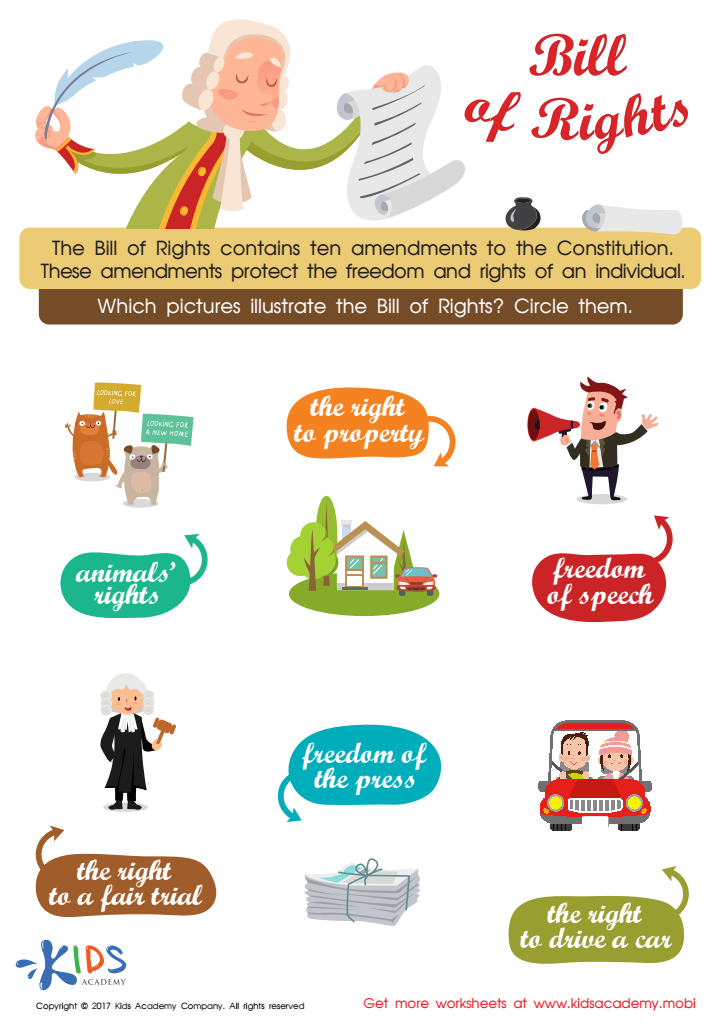
Bill of Rights Worksheet
 Assign to My Students
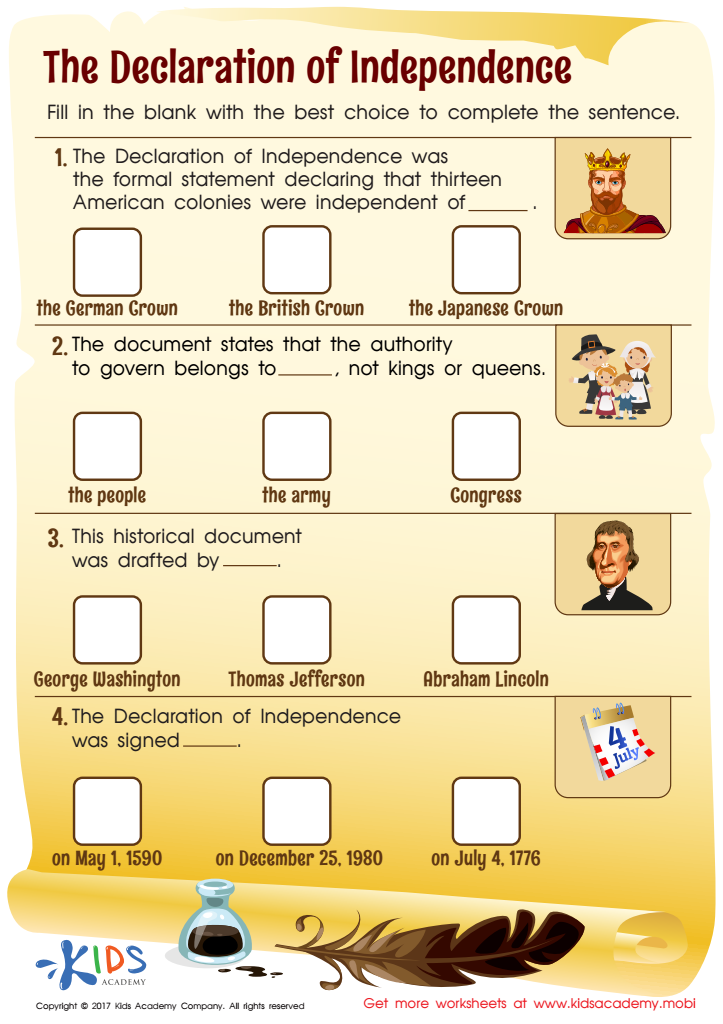
Declaration of Independence Worksheet
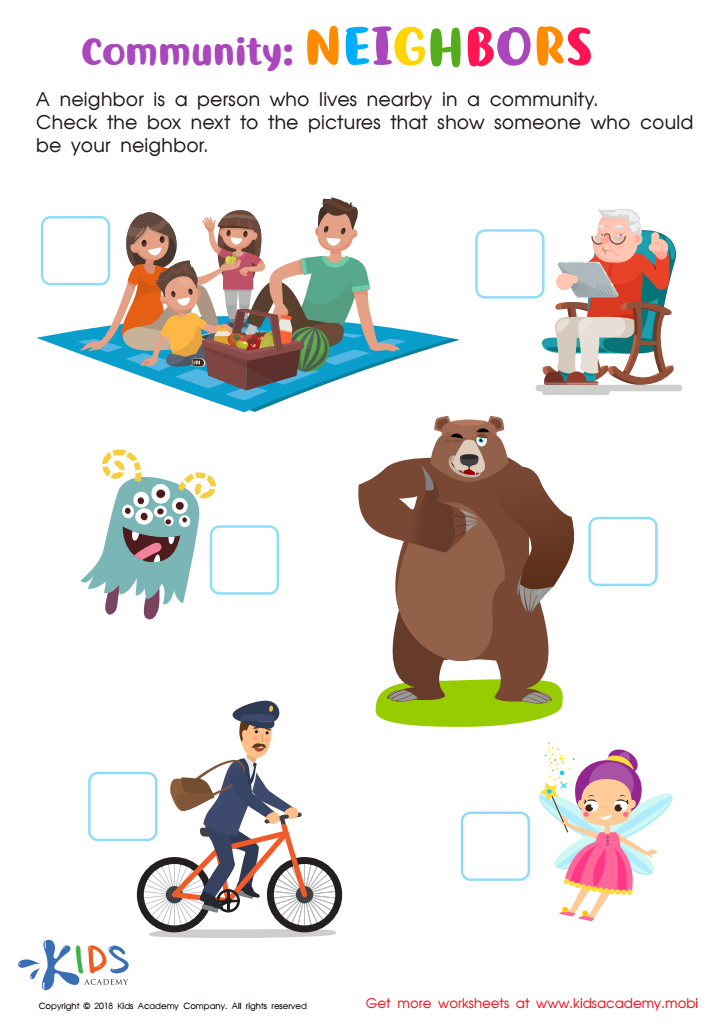
Community: Neighbors Worksheet
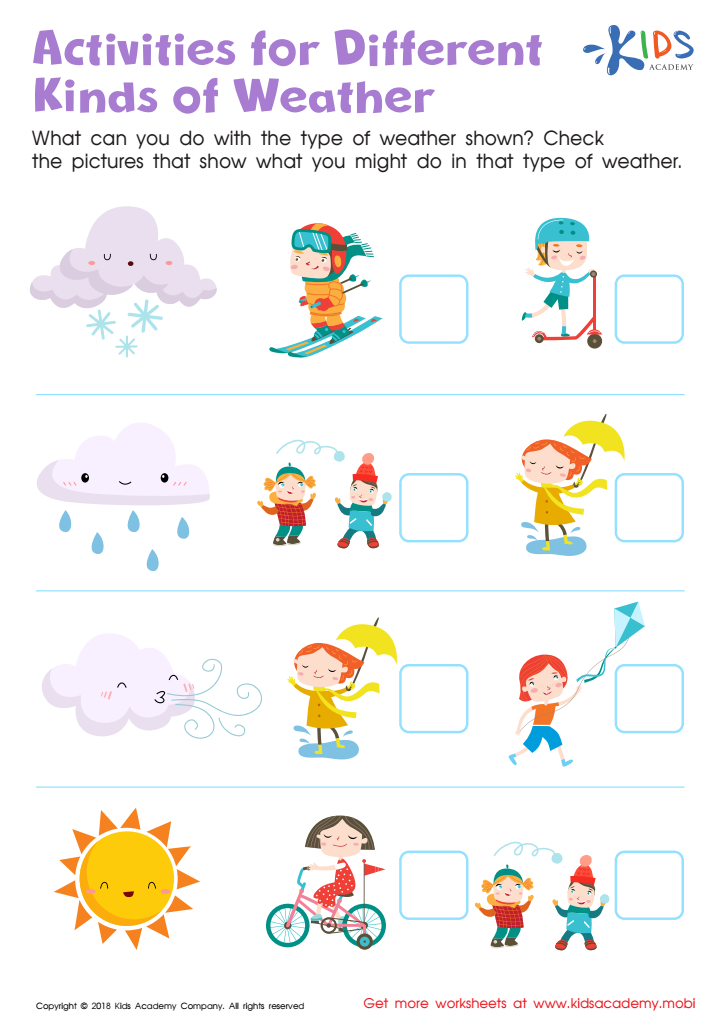
Activities for Different Kinds of Weather Worksheet
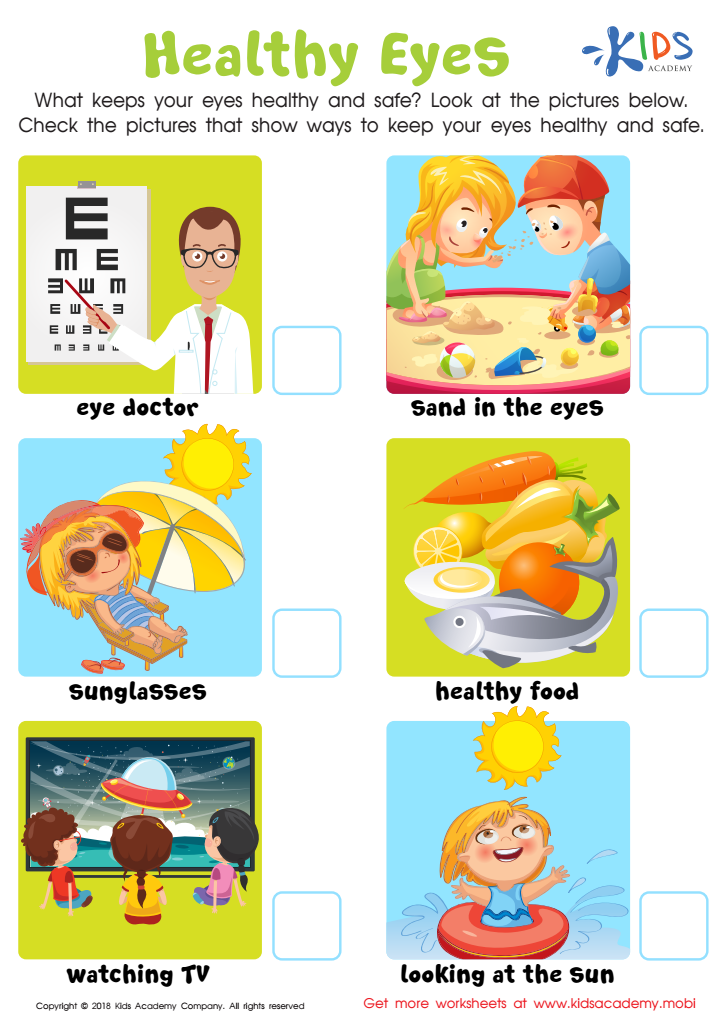
Healthy Eyes Worksheet








Critical thinking skills are essential for young learners, especially in the context of social studies. For ages 5-8, when children's cognitive and social abilities are rapidly developing, fostering these skills is particularly important. Parents and teachers should care about critical thinking because it helps children understand and interpret the world around them, encouraging them to ask questions and think independently.
In social studies, critical thinking allows children to analyze different perspectives on historical events, community issues, and cultures. For instance, when learning about their own community, children can evaluate opinions and evidence, leading to a more nuanced understanding of social dynamics. This ability to question and critically assess information not only enhances their knowledge but also builds empathy and respect for diversity.
Moreover, teaching critical thinking in social studies encourages curiosity, collaboration, and problem-solving. These foundational skills empower children to become active participants in their communities and society as a whole. By cultivating an environment that celebrates inquiry and reflection, parents and teachers are instilling the confidence necessary for lifelong learning. Ultimately, the skills acquired during these formative years lay the groundwork for responsible citizenship, fostering thoughtful individuals who can engage with various societal issues effectively.