Word identification Normal Writing Worksheets for Ages 5-8
5 filtered results
-
From - To
Enhance your child’s literacy skills with our "Word Identification Normal Writing Worksheets" designed for ages 5-8. These engaging and interactive worksheets aid young learners in recognizing and understanding words, fostering their reading and writing abilities. Featuring colorful illustrations and age-appropriate activities, our worksheets encourage practice in a fun and stimulating way. Each worksheet is tailored to build word recognition, spelling, and vocabulary skills, laying a solid foundation for future learning. Whether at home or in the classroom, our worksheets make learning to identify words an enjoyable experience. Start your child's journey towards literacy today with Kids Academy’s thoughtfully crafted resources!
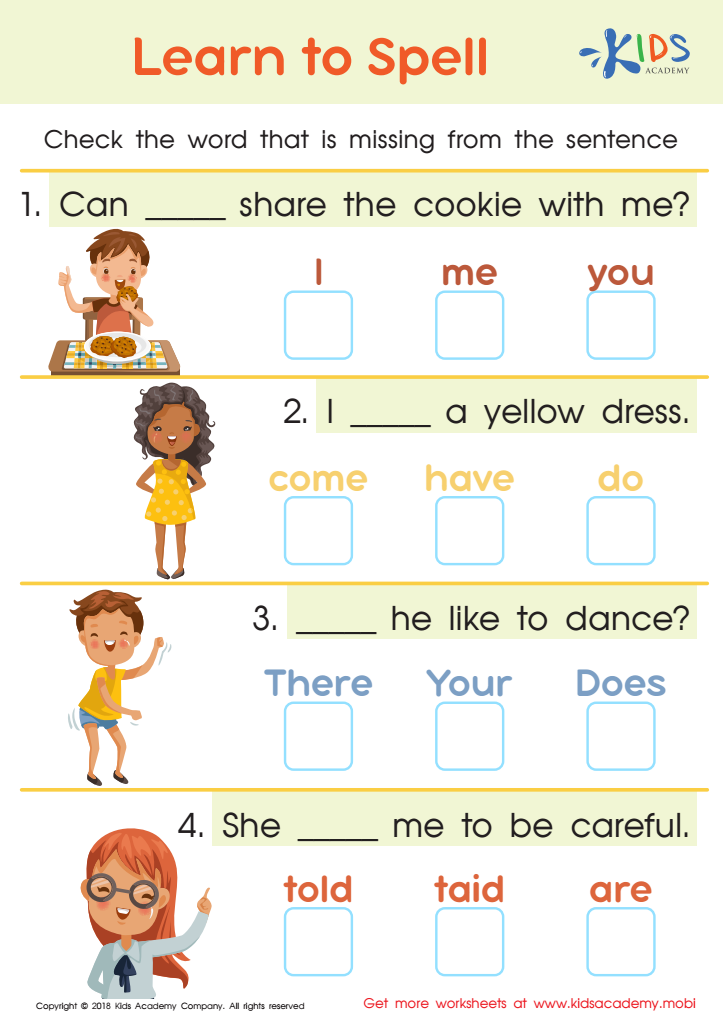
Learn to Spell Worksheet
 Assign to My Students
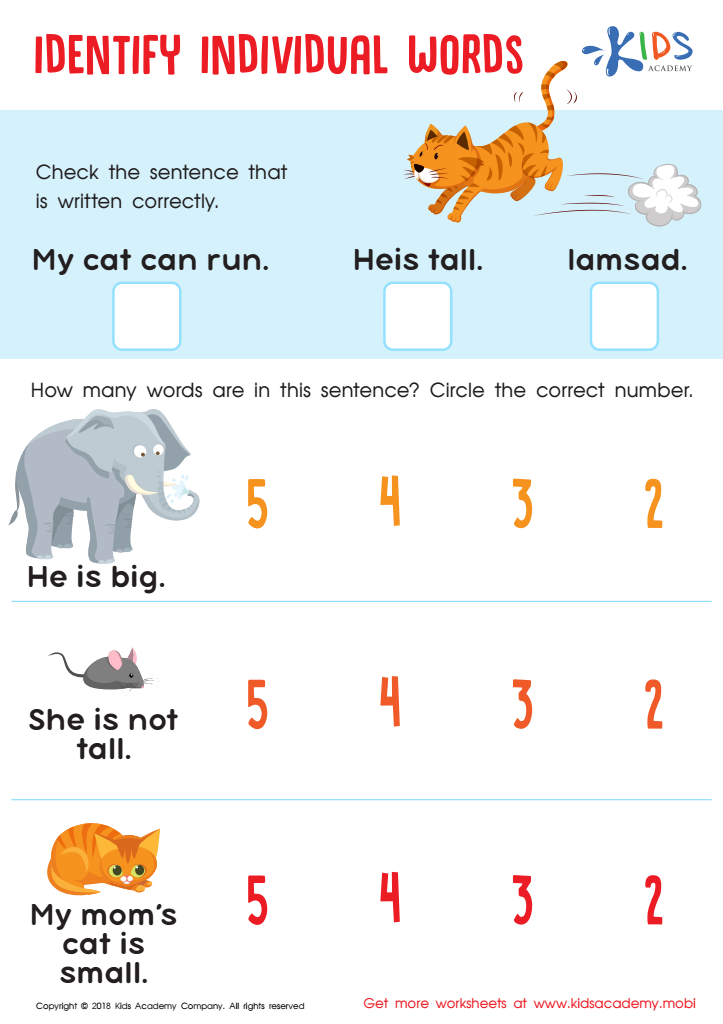
Identify Individual Words Worksheet
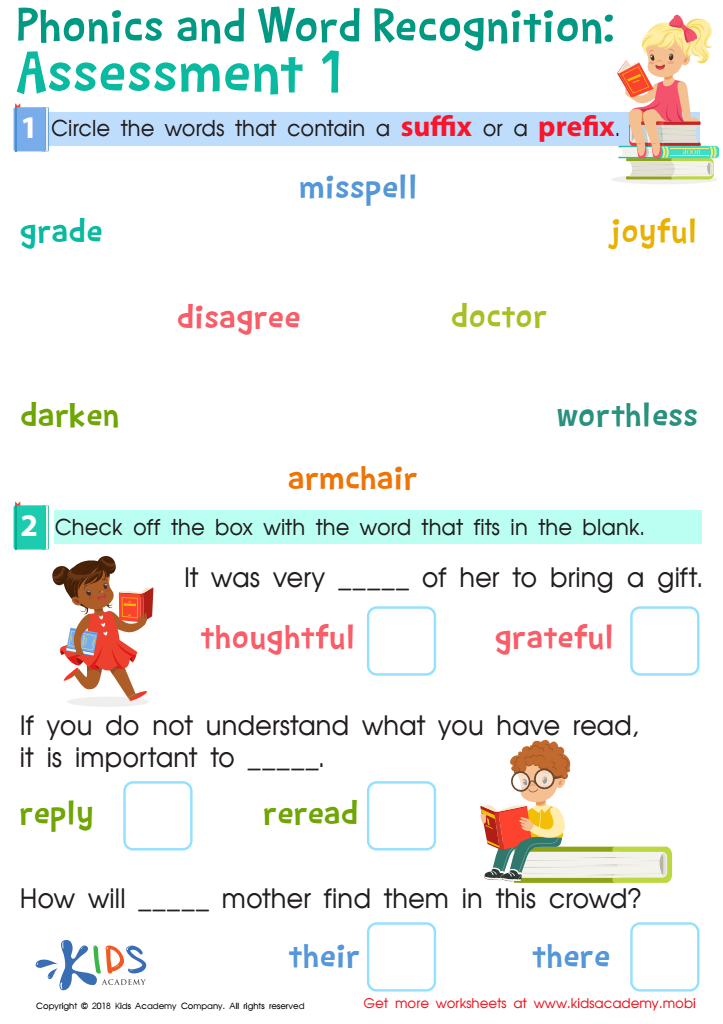
Phonics and Word Recognition: Assessment 1 Worksheet
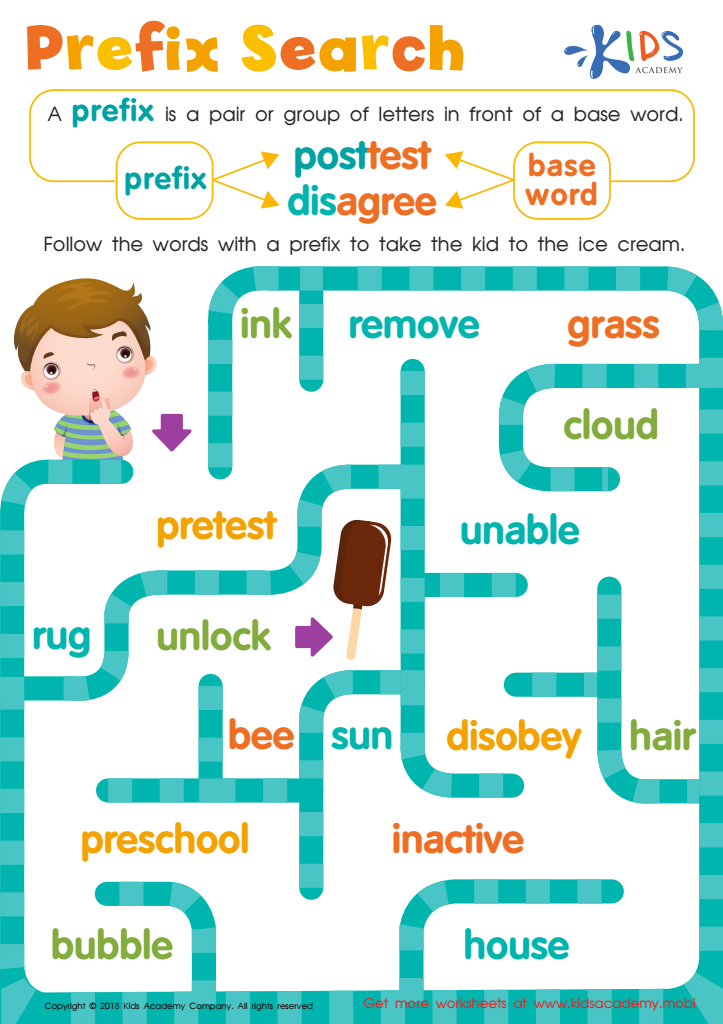
Reading: Prefix Search Worksheet
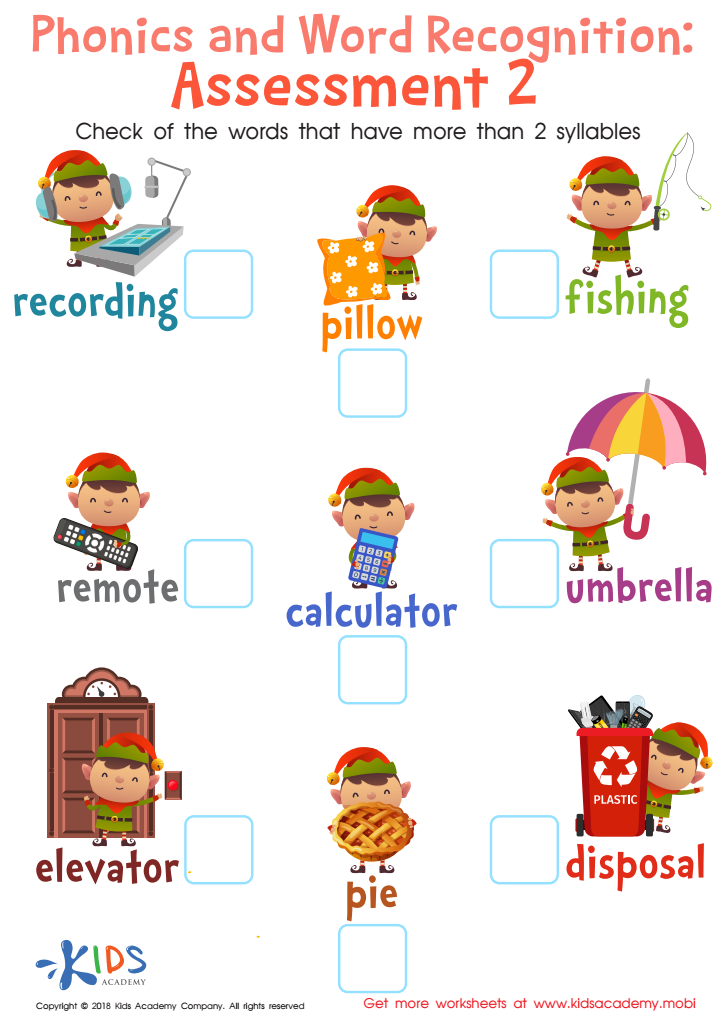
Phonics and Word Recognition: Assessment 2 Worksheet



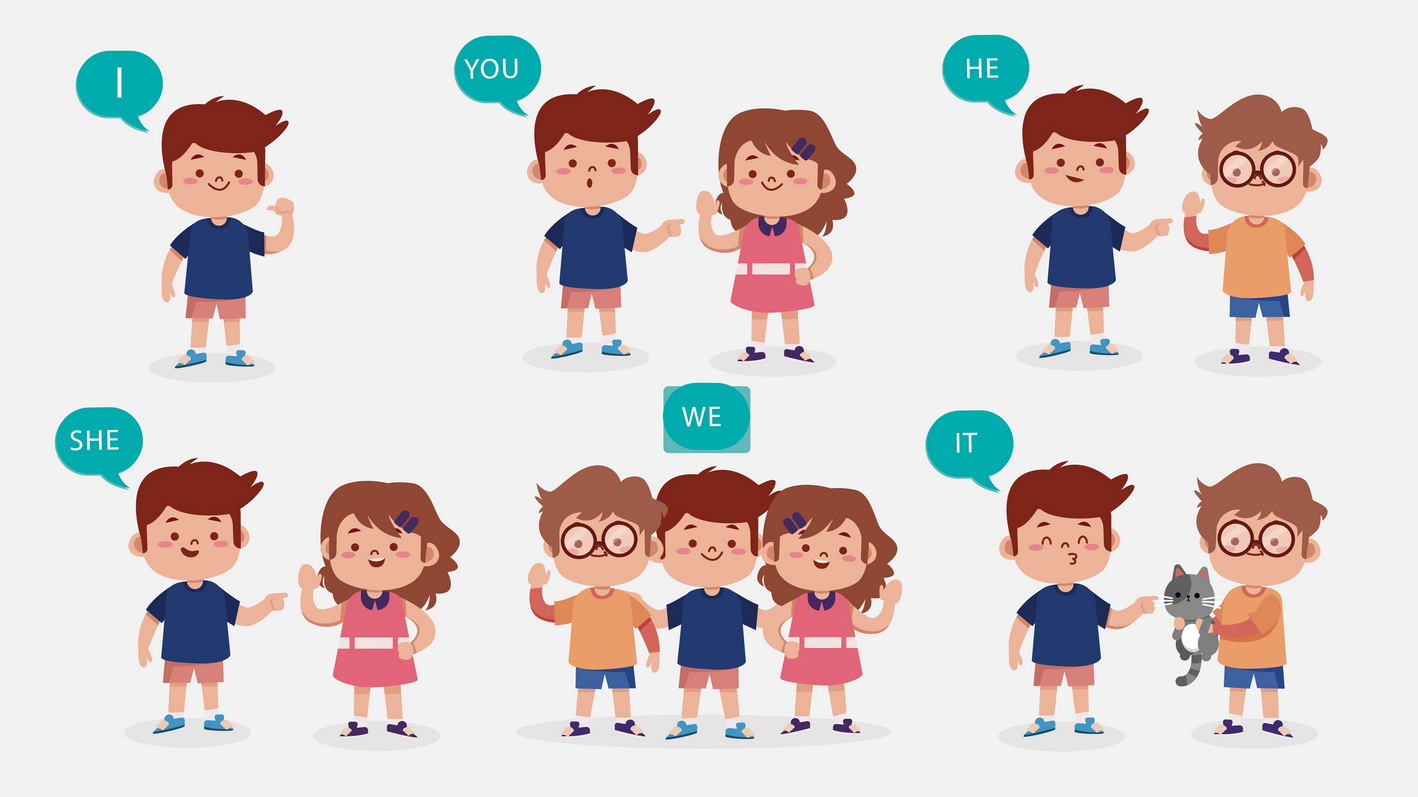




Word identification is a critical skill for children aged 5-8, as it lays the foundation for their reading and writing abilities. Parents and teachers should be invested in this developmental process because it significantly impacts a child's academic success. Mastery of word identification enables children to decode text effectively, which in turn boosts their comprehension and overall literacy skills.
At this age, children are beginning to encounter a wide range of vocabulary and simple texts. By supporting word identification, adults can help children become more fluent readers, instilling confidence and encouraging a lifelong love for reading. Books and literature help in developing creativity and imagination, and word identification plays a key role in accessing those resources.
Moreover, fluency in word identification can positively affect a child's self-esteem, enabling them to participate more fully in classroom activities and discussions. When children struggle with reading, they may feel discouraged and disengaged, which can hinder their desire to learn. Therefore, it is essential for both parents and teachers to prioritize word identification through engaging activities, games, and supportive environments, fostering not just literacy skills but also a positive attitude toward learning.