Normal Upper & Lowercase Letters Worksheets for Ages 5-9 - Page 2
44 filtered results
-
From - To
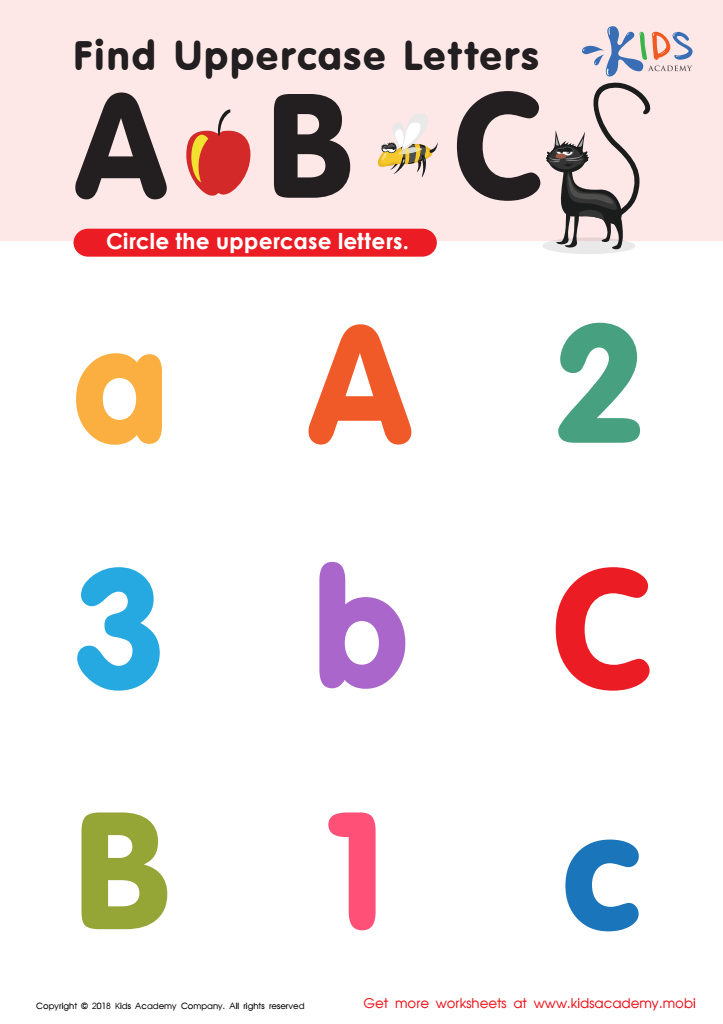
Find Uppercase Letters A, B, and C Worksheet
 Assign to My Students

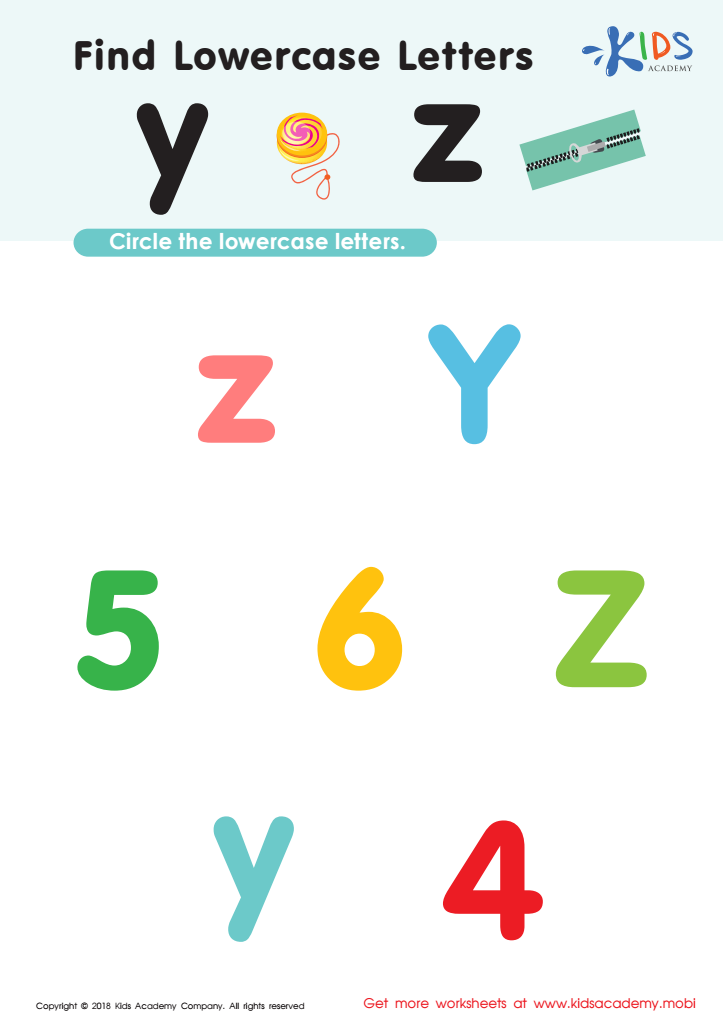
Find Lowercase Letters y z Worksheet
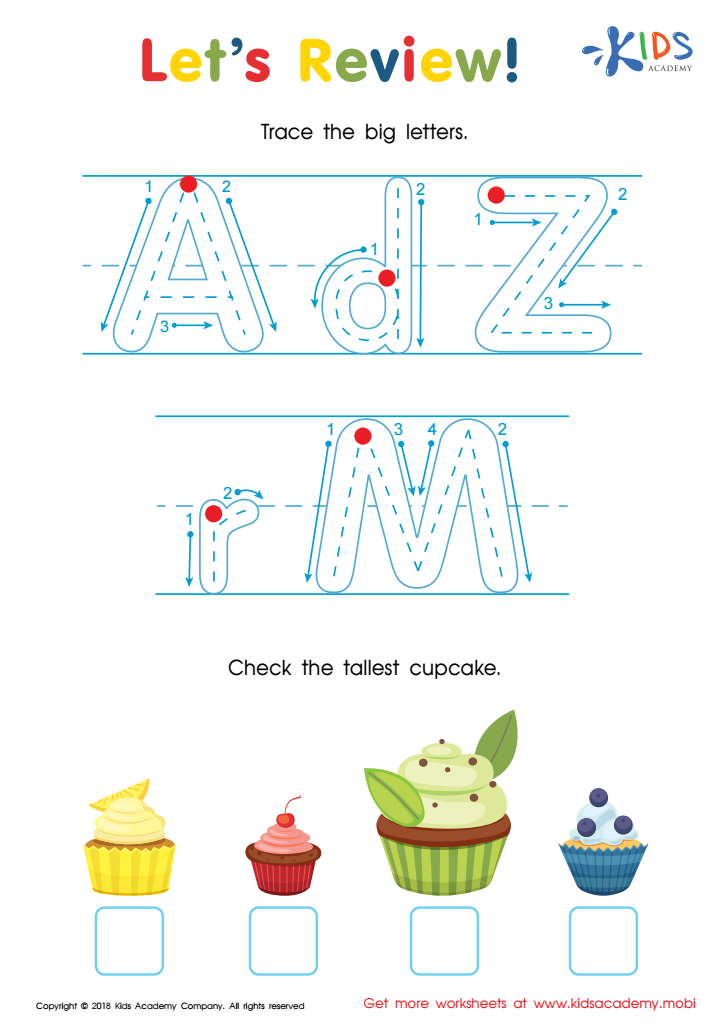
Let's Review! Big Letters Worksheet

Lowercase Letters m n o Worksheet
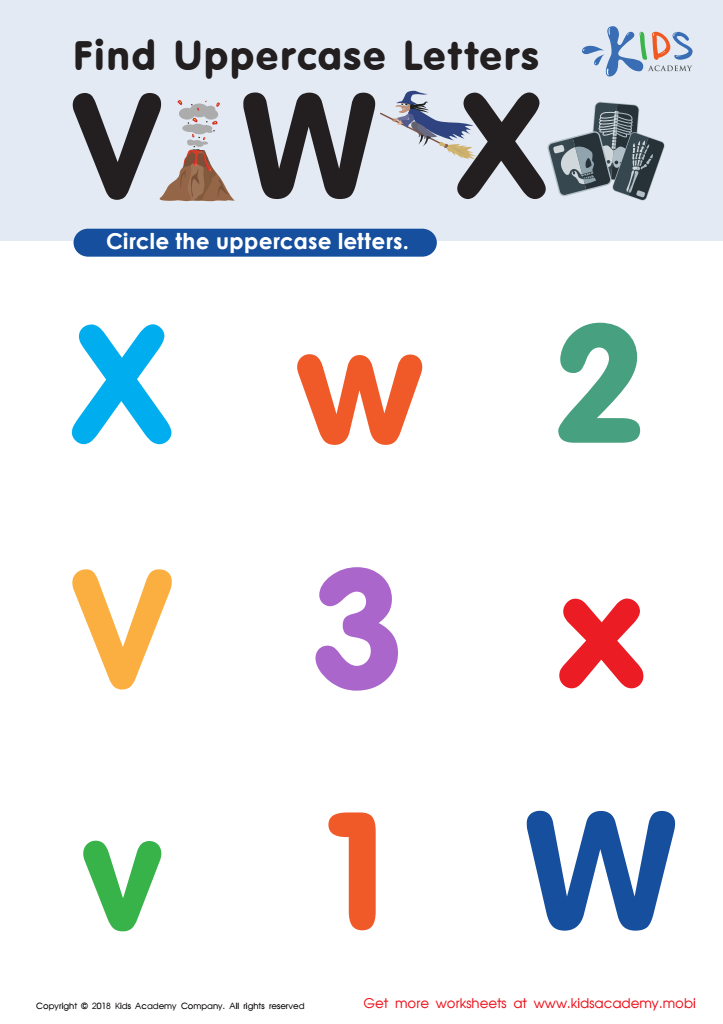
Find Uppercase Letters V, W, X Worksheet

Lowercase Letters d e f Worksheet
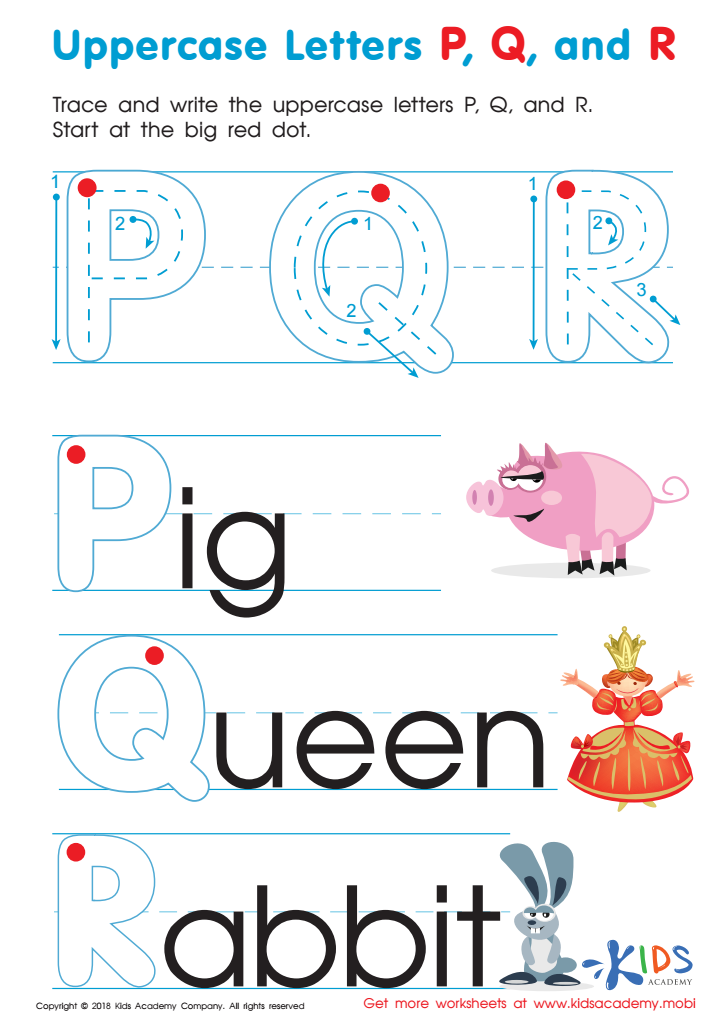
Uppercase Letters P, Q, and R Worksheet
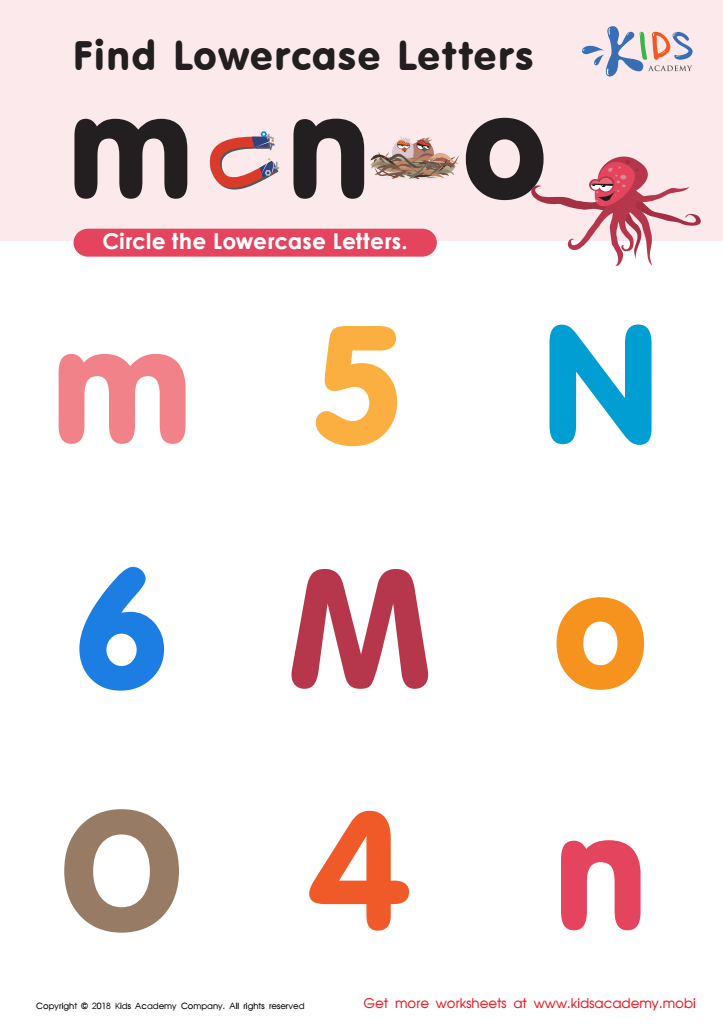
Find Lowercase Letters m n o Worksheet
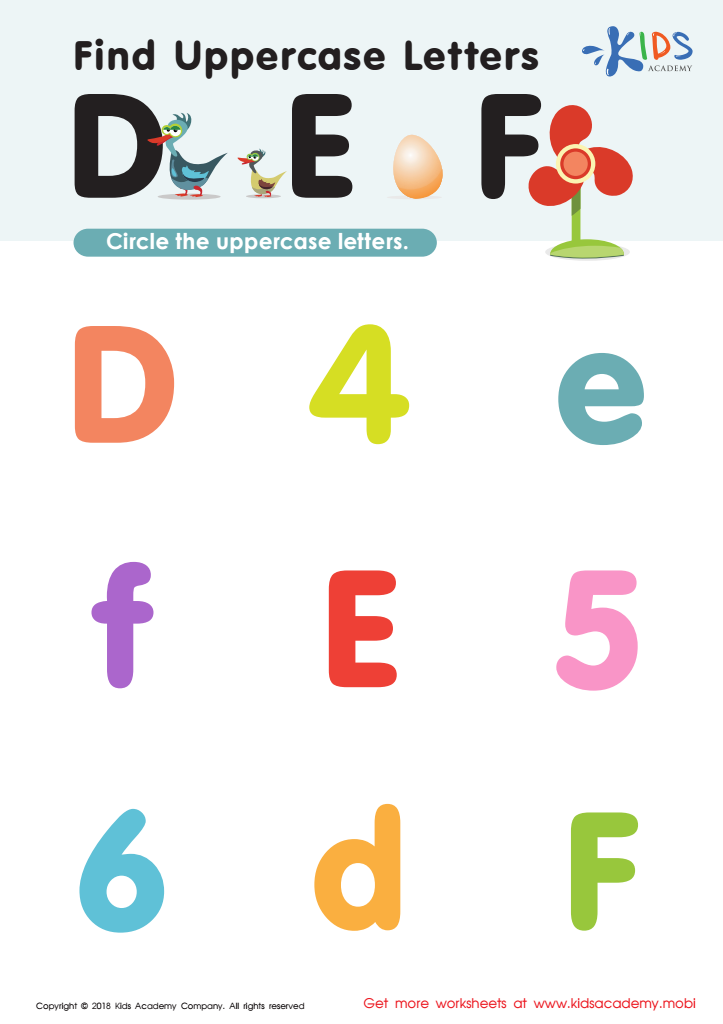
Find Uppercase Letters D, E, and F Worksheet
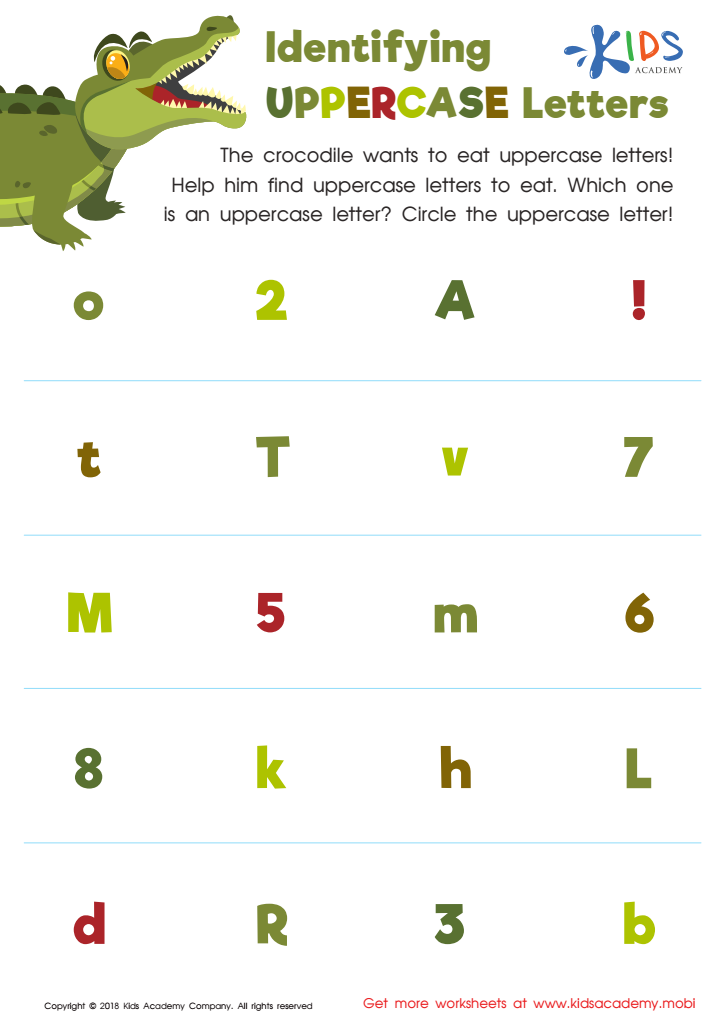
Identifying Uppercase Letters Worksheet
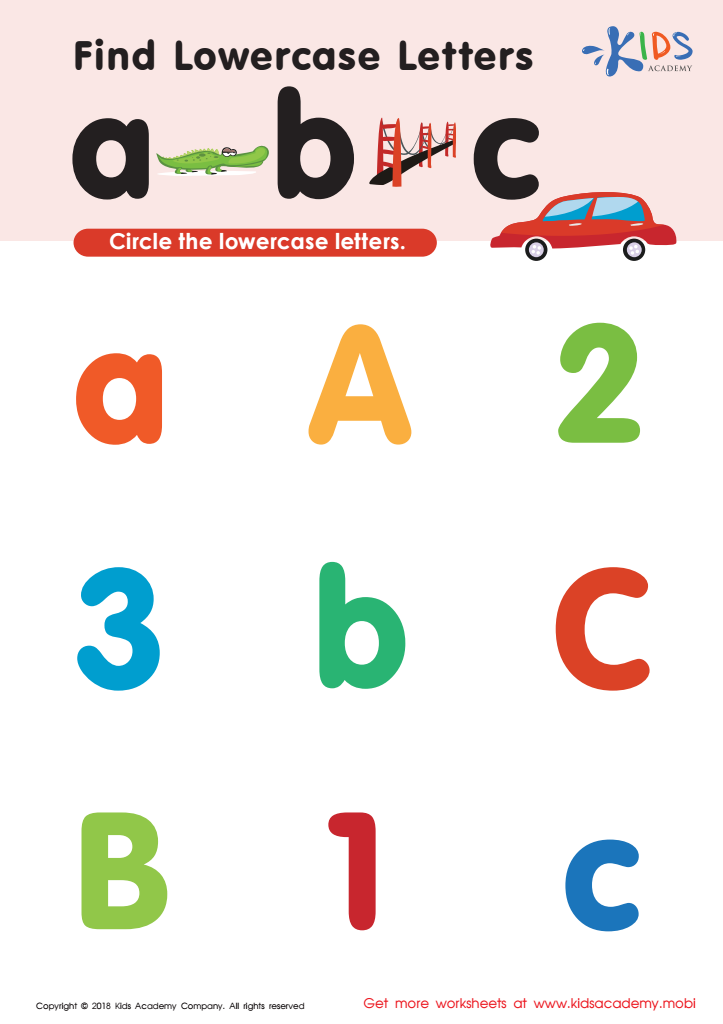
Find lowercase letters a b c Worksheet
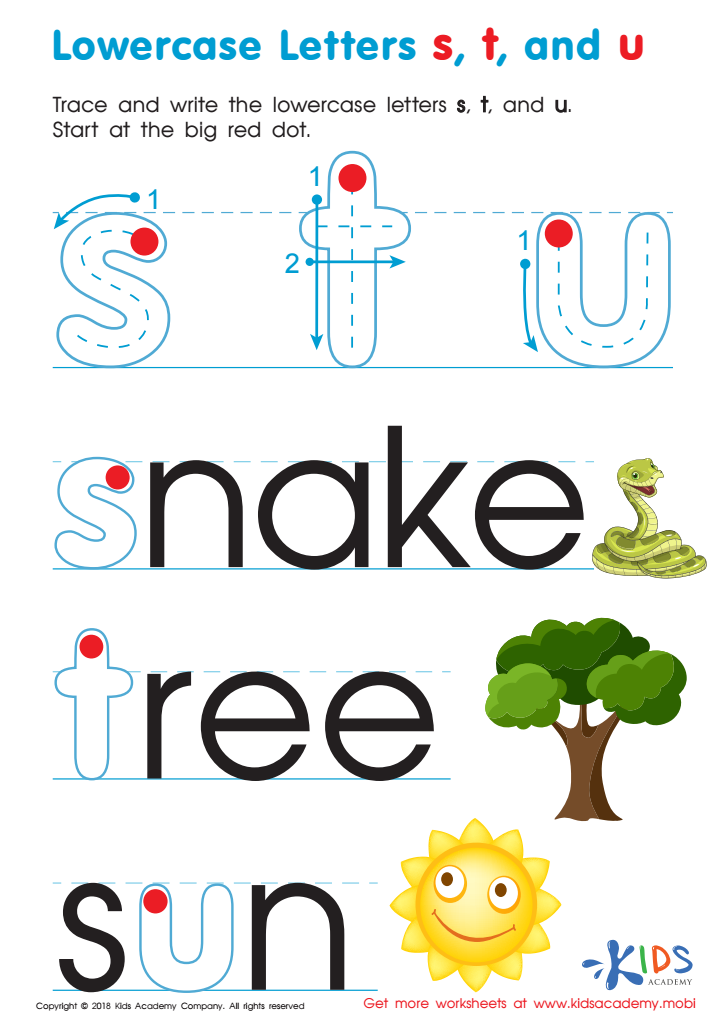
Lowercase Letters s t u Worksheet
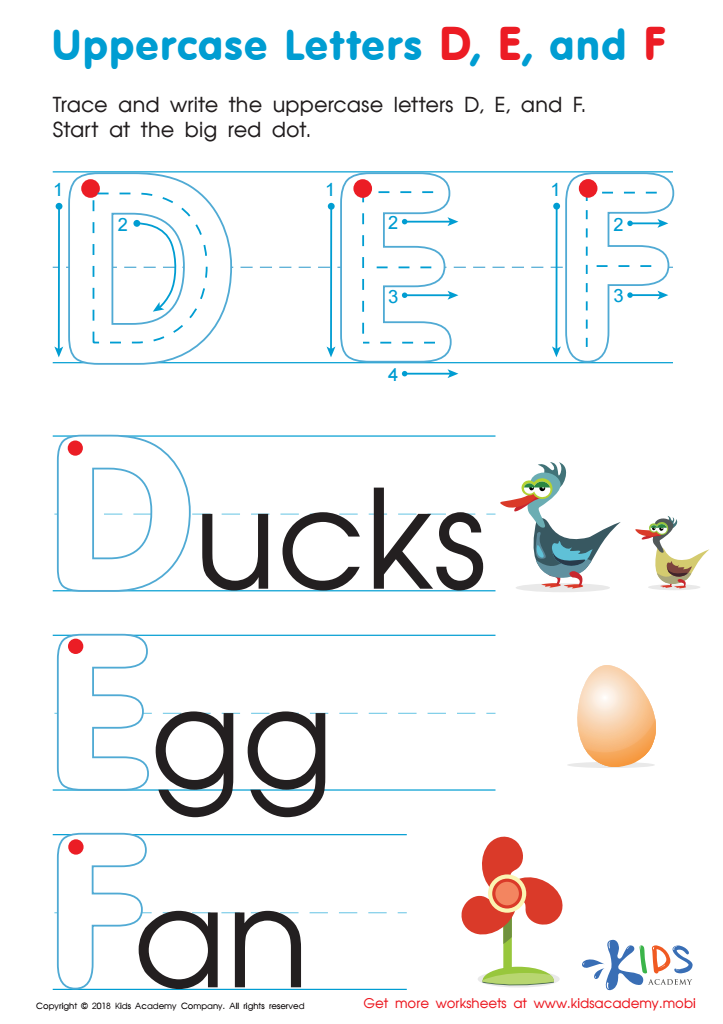
Uppercase Letters D, E, and F Worksheet
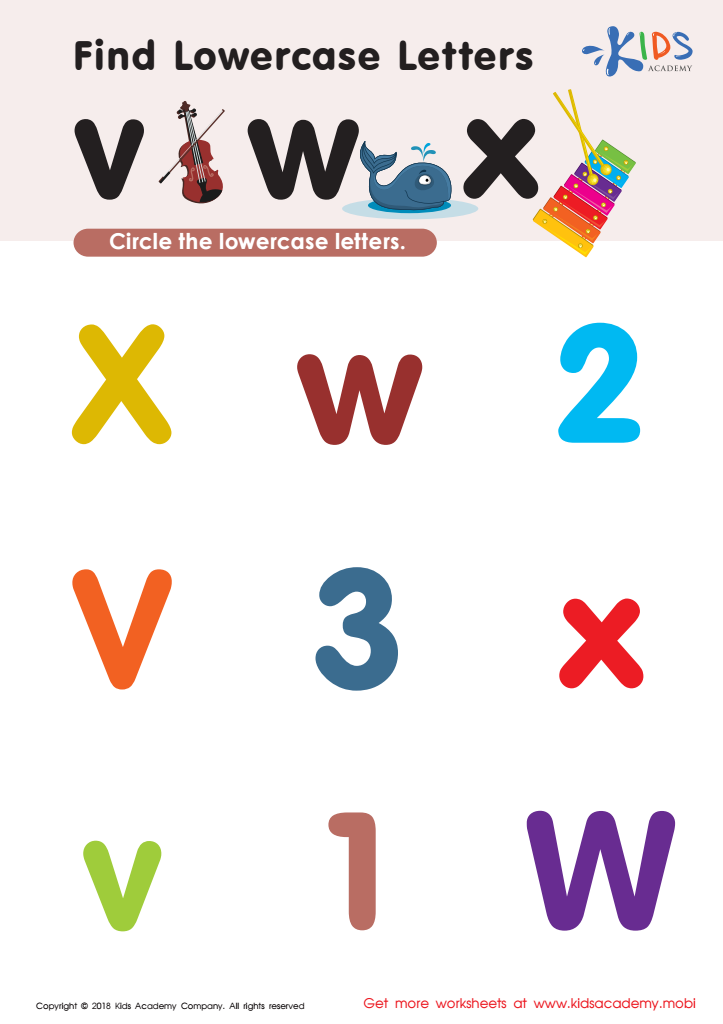
Find Lowercase Letters v w x Worksheet
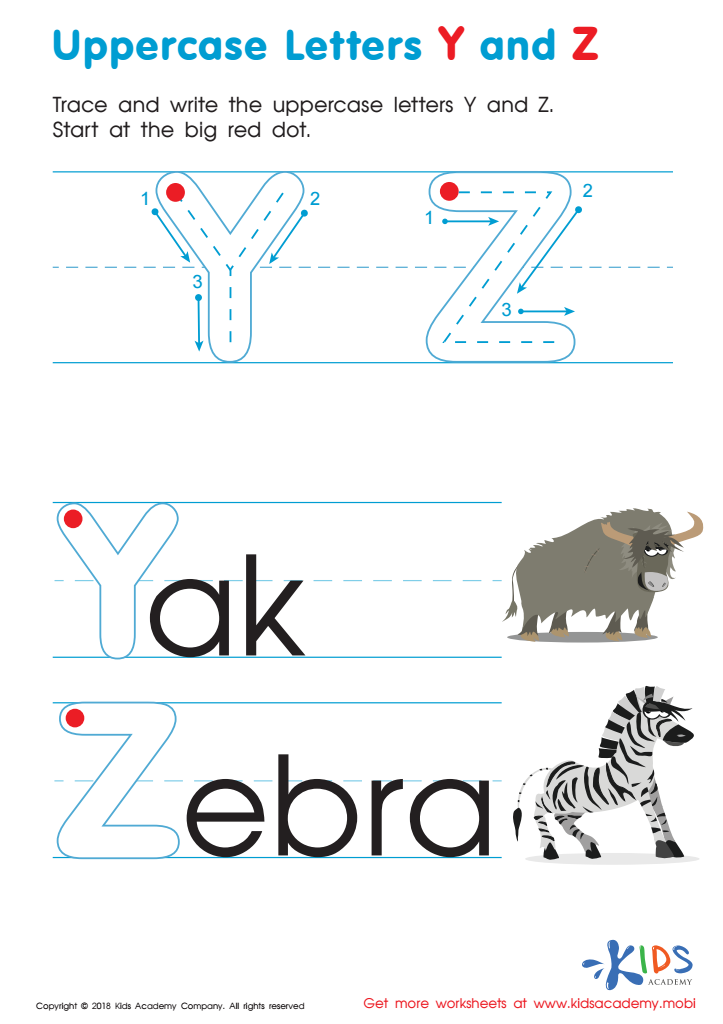
Uppercase Letters Y Z Worksheet
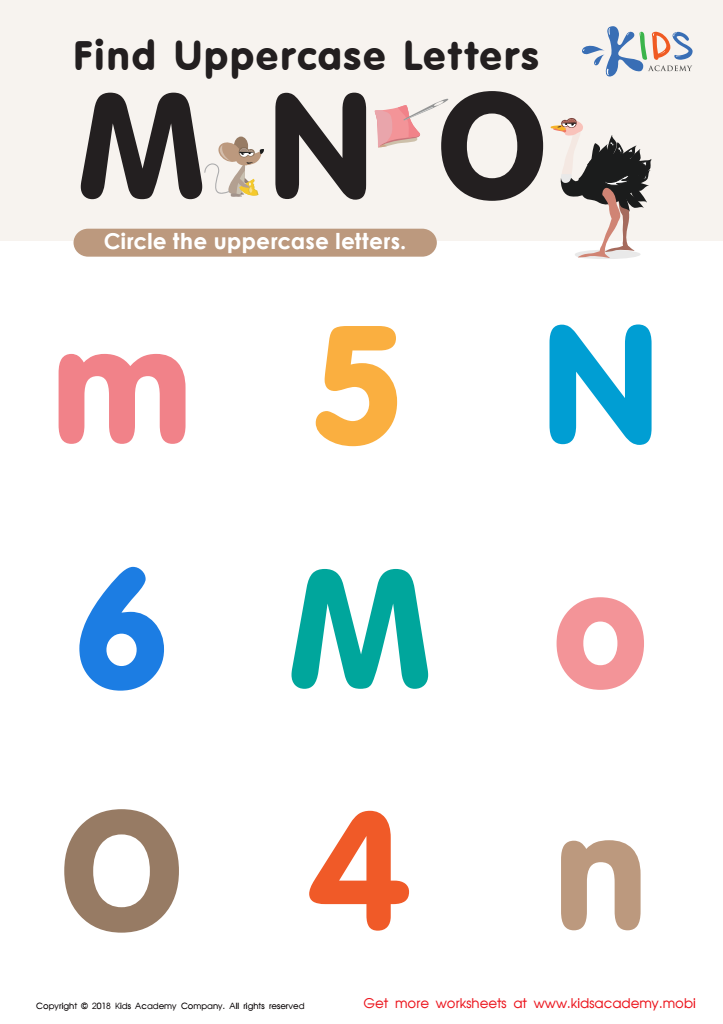
Find Uppercase Letters M, N, and O Worksheet
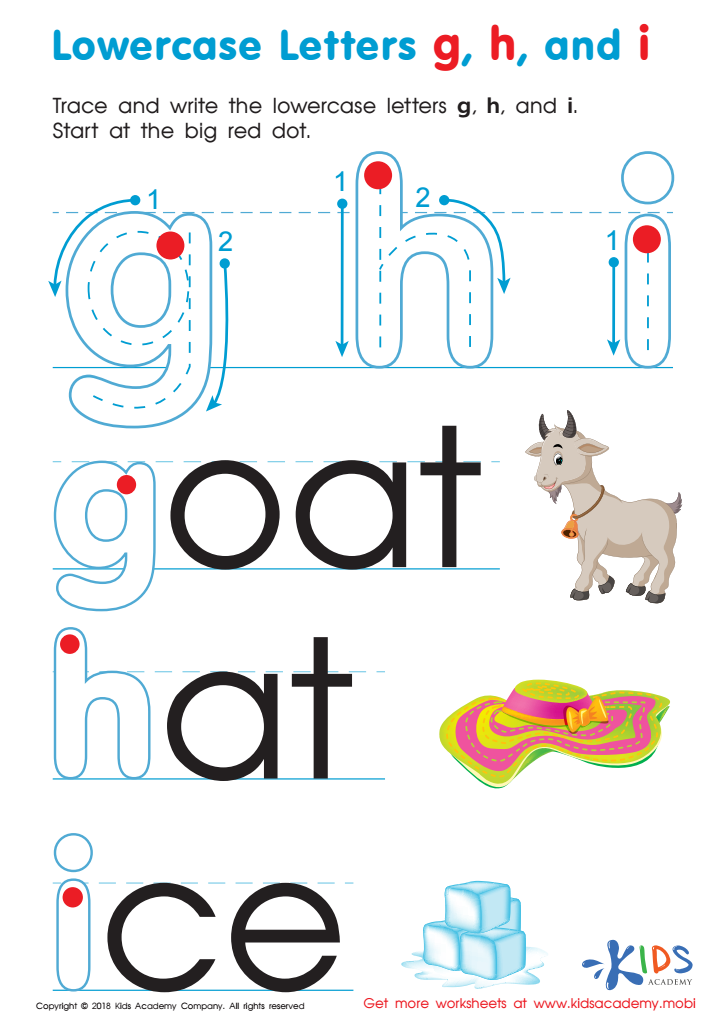
Lowercase Letters g h i Worksheet
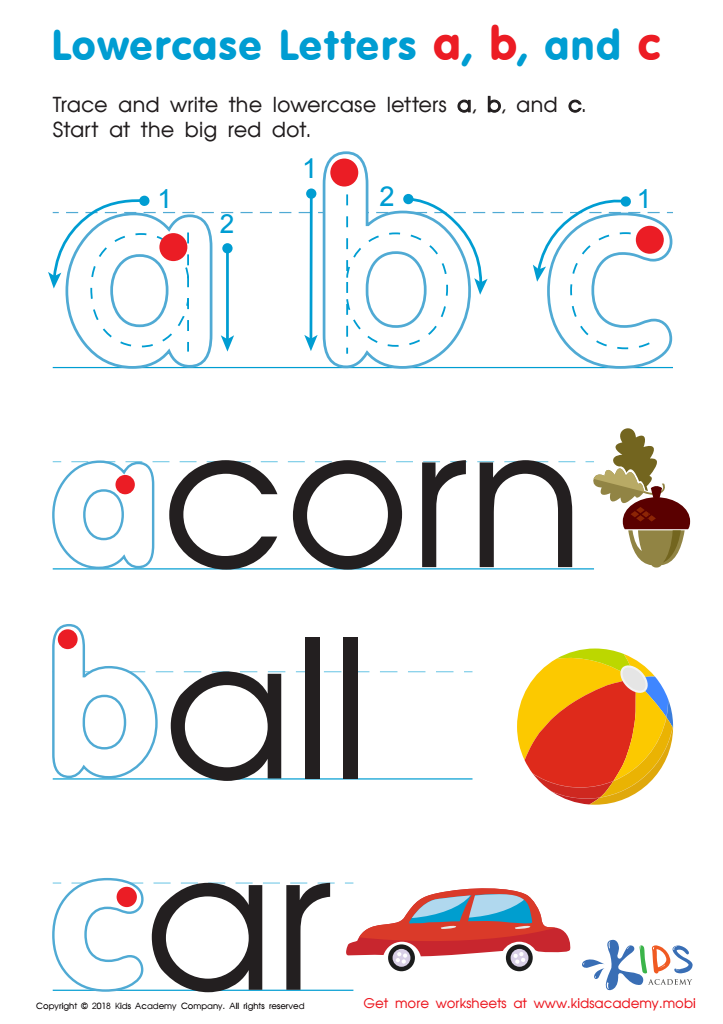
Lowercase Letters a b c Worksheet
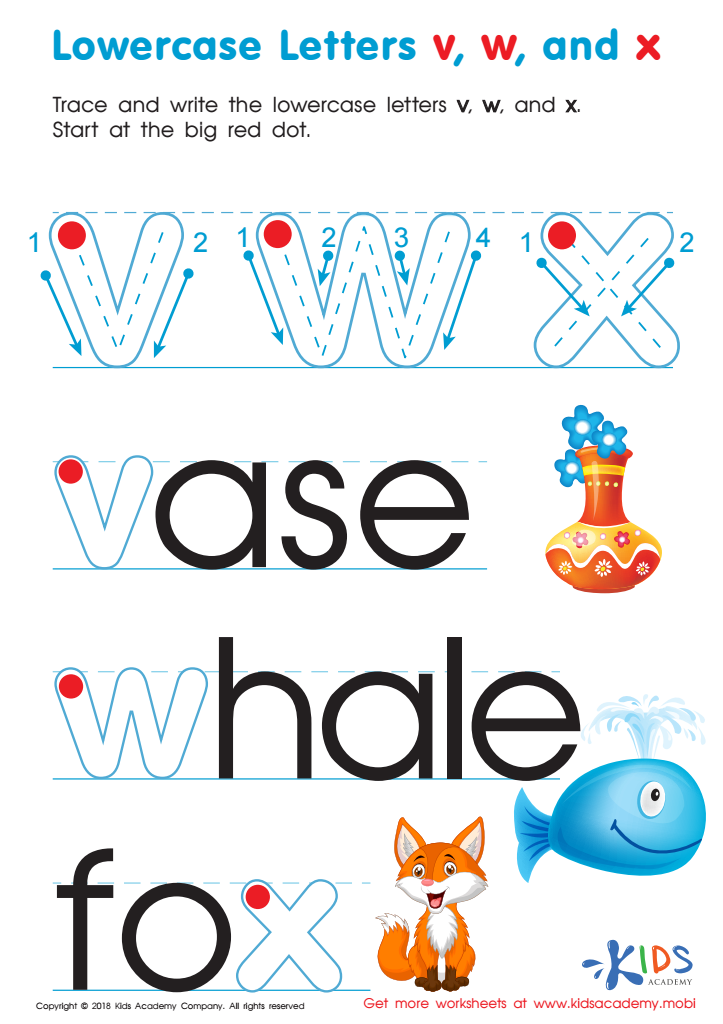
Lowercase Letters v w x Worksheet

Uppercase Letters V, W, and X Worksheet






Ensuring that children aged 5-9 understand and use normal uppercase and lowercase letters correctly is of paramount importance in their early learning development. At this stage, children are at a critical point in developing literacy skills. Recognizing and using uppercase and lowercase letters appropriately helps in several key areas of their educational growth.
Firstly, reading fluency is greatly enhanced when children can distinguish between uppercase and lowercase letters. This ability contributes to better word recognition and comprehension, which are fundamental for effective reading. If a child reads more fluently, they are likely to enjoy the reading experience, fostering a lifelong love of books and learning.
Secondly, proper use of uppercase and lowercase letters is essential for writing skills. Knowing when to use each case—such as capitalizing the first letter in a sentence or in proper nouns—adds clarity and professionalism to their writing. This skill forms the basis for grammar and punctuation rules they will encounter in higher grades.
Moreover, independence in both reading and writing is encouraged when children master this skill. As they recognize letters efficiently, they become capable of reading signs, labels, and simple books, boosting their confidence.
Overall, grasping the differences and correct use of normal uppercase and lowercase letters lays a strong foundation for future academic success, making it a crucial focus for educators and parents.







