Sound recognition Normal Worksheets for Ages 5-9
13 filtered results
-
From - To
Welcome to our Sound Recognition Normal Worksheets for Ages 5-9! Designed to enhance auditory skills, these engaging worksheets help young learners identify and distinguish different sounds. Ideal for early childhood education, our resources provide a variety of fun activities that foster listening comprehension and sound discrimination. Each worksheet promotes critical thinking while aligning with early learning objectives. Parents and teachers can easily incorporate these activities into their teaching framework, making learning both effective and enjoyable. Explore a world of sound with our carefully crafted worksheets that inspire and support children's educational journey in recognizing sounds in their environment. Perfect for home or classroom use!
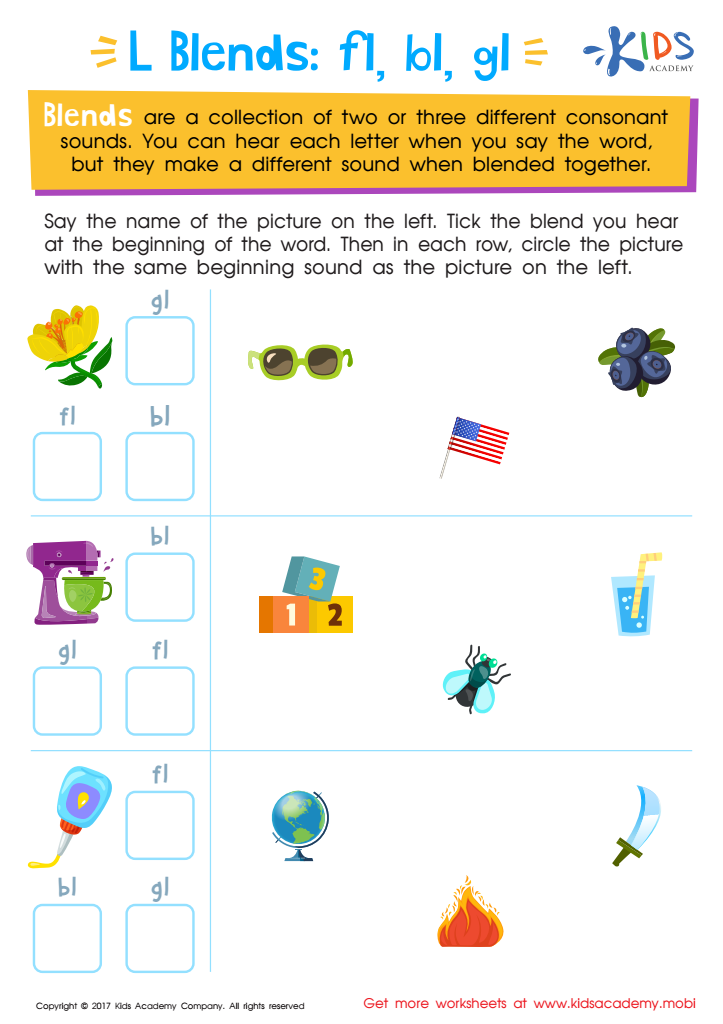
Blending Consonants: "Fl", "Bl" and "Gl" Printable
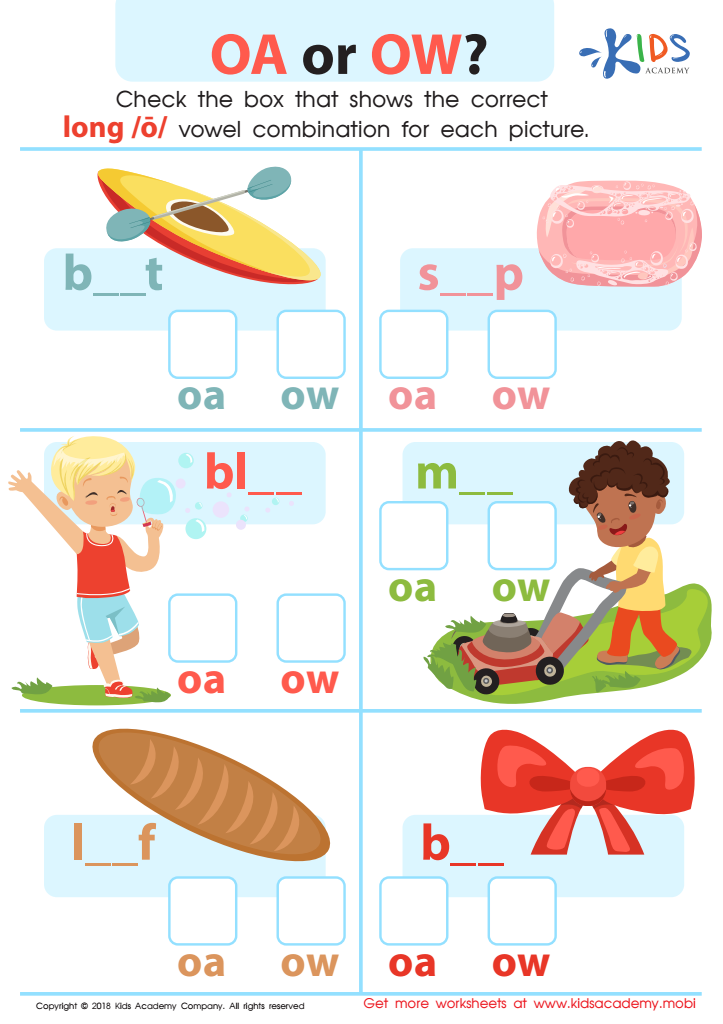
Reading: OA or OW Worksheet
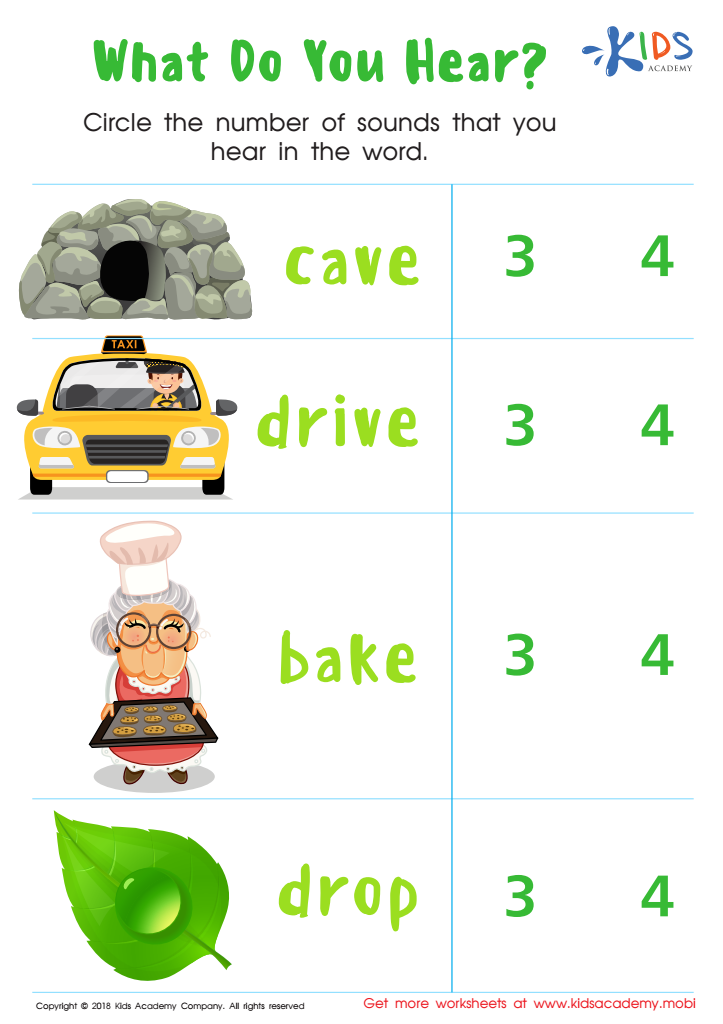
What Do You Hear? Worksheet
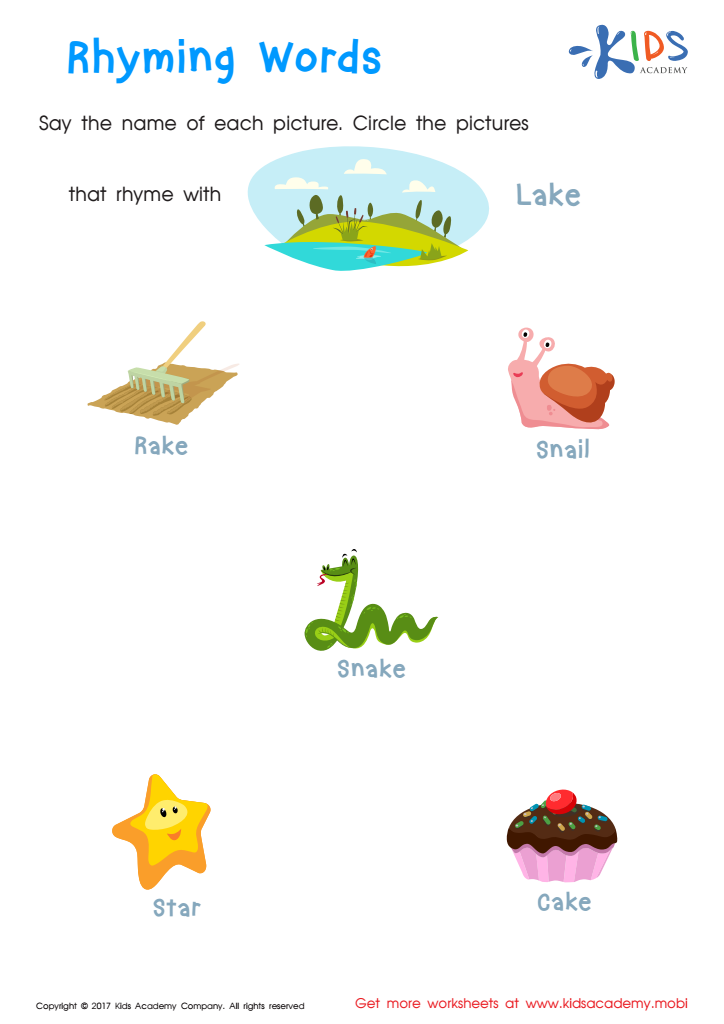
Rhyming Words Rhyming Worksheet
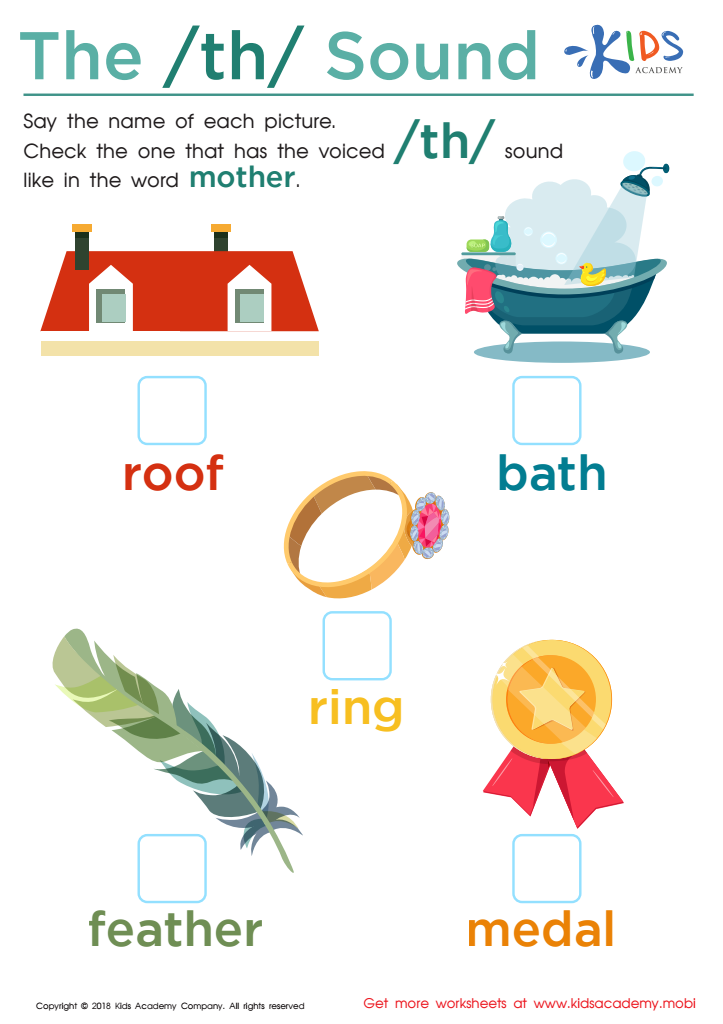
The /th/ Sound Worksheet
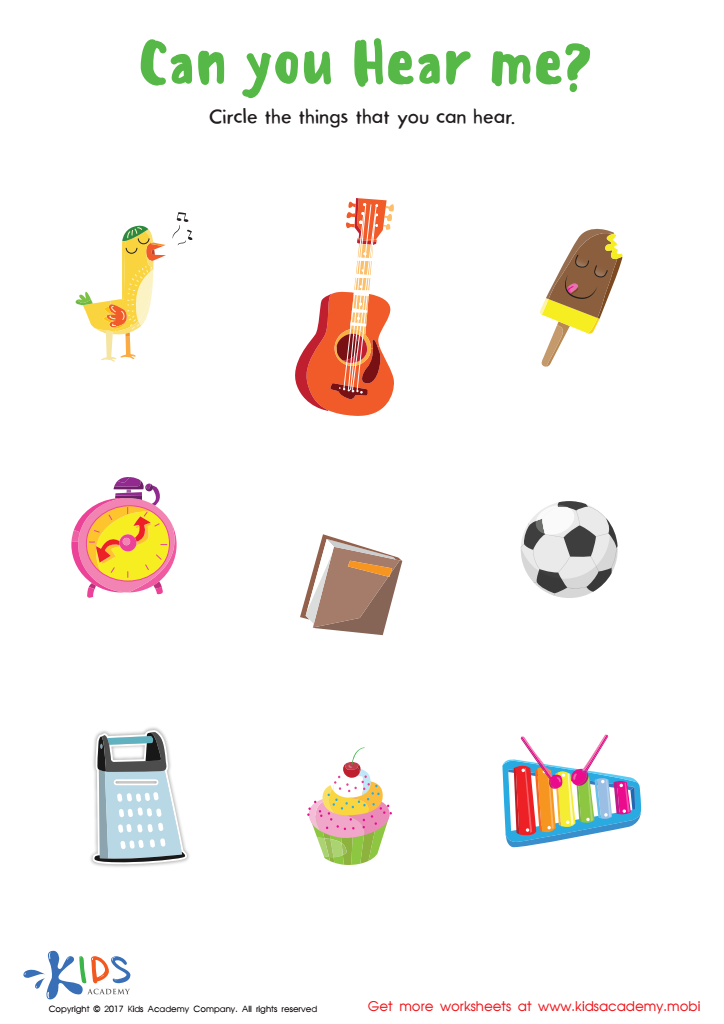
Can You Hear Me Worksheet

Long and Short U Worksheet
 Assign to My Students
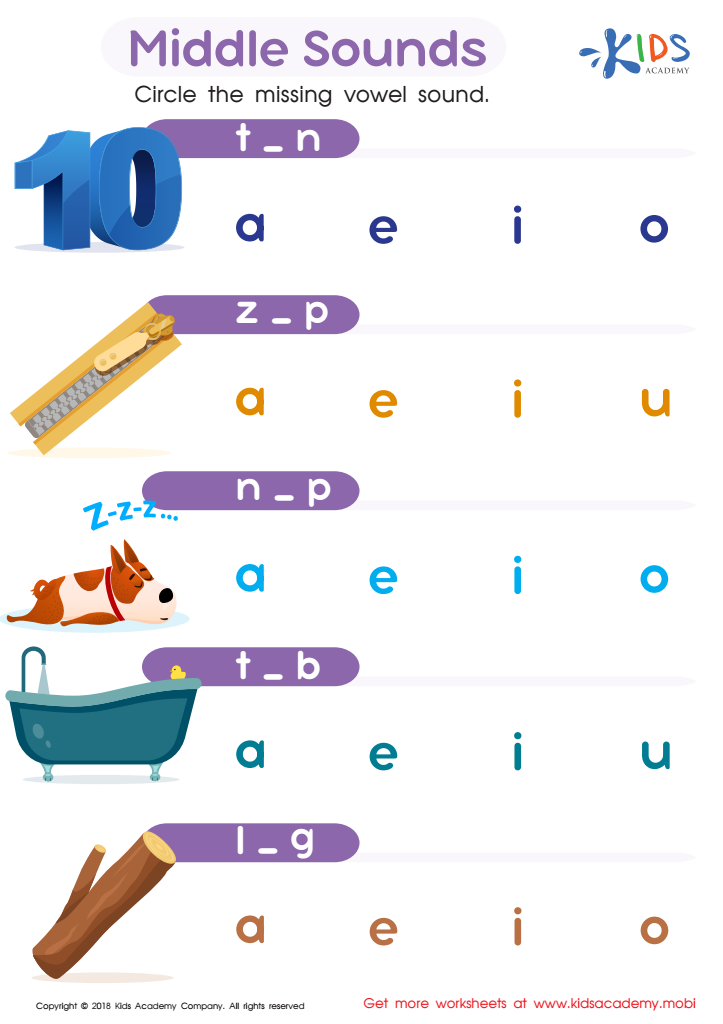
Middle Sounds Worksheet
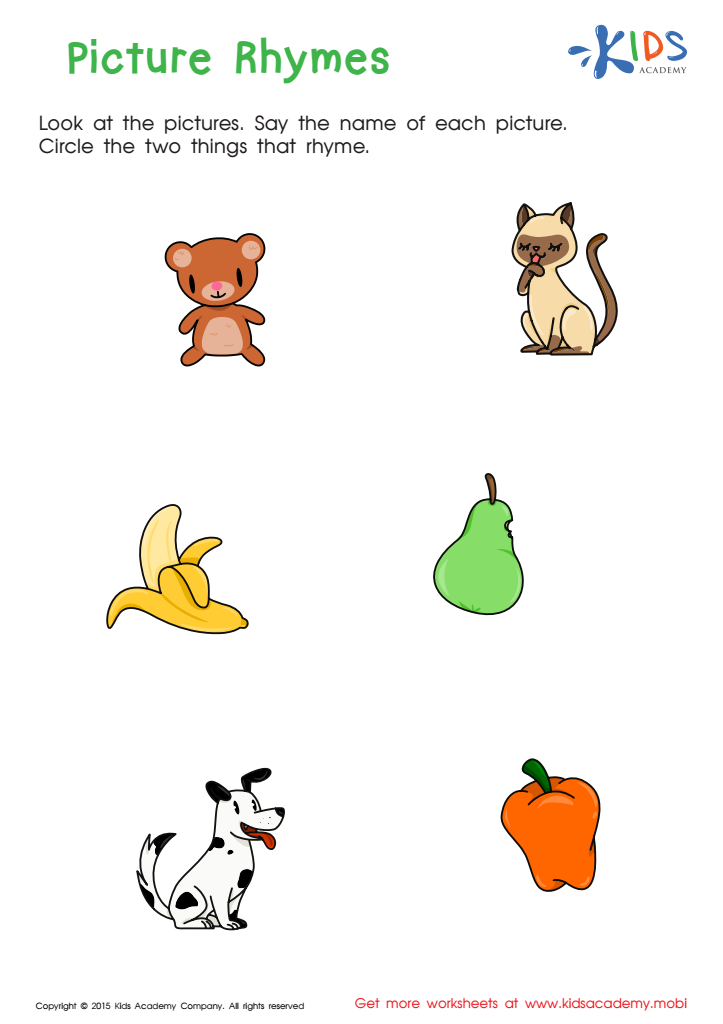
First Words: Picture Rhymes Worksheet
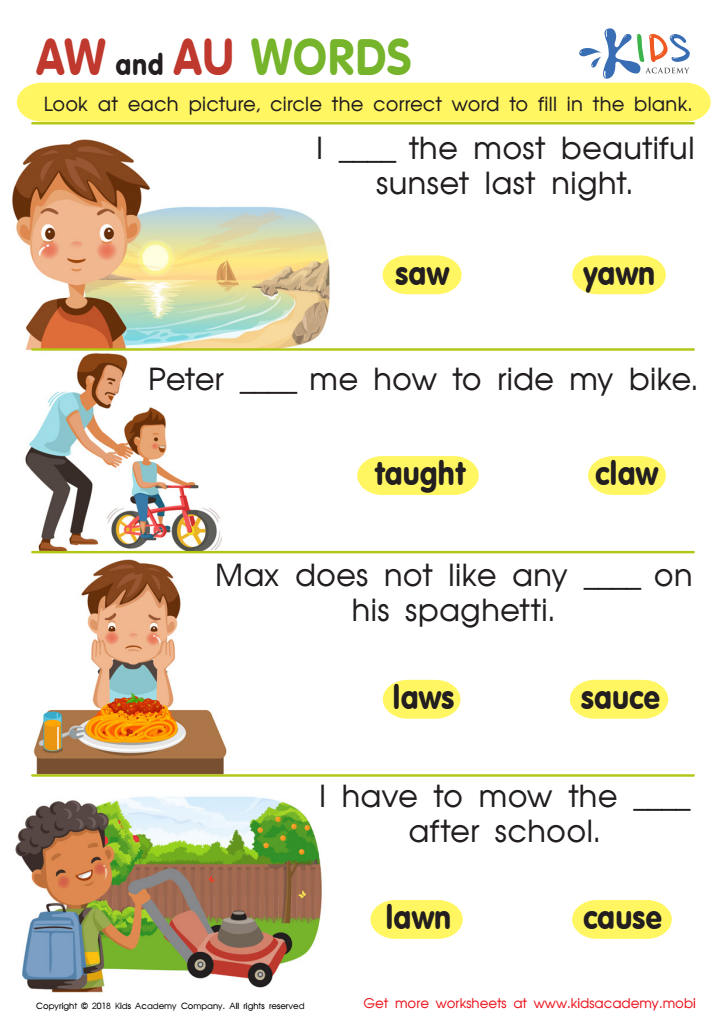
Reading: AW and AU Words Worksheet
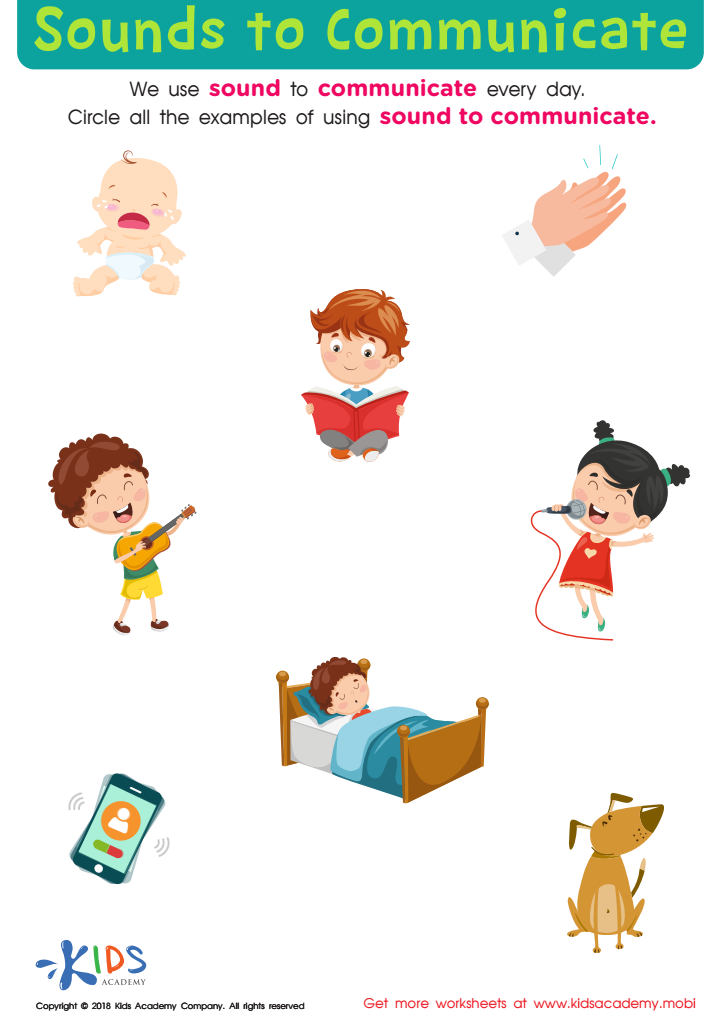
Sounds to Communicate Worksheet
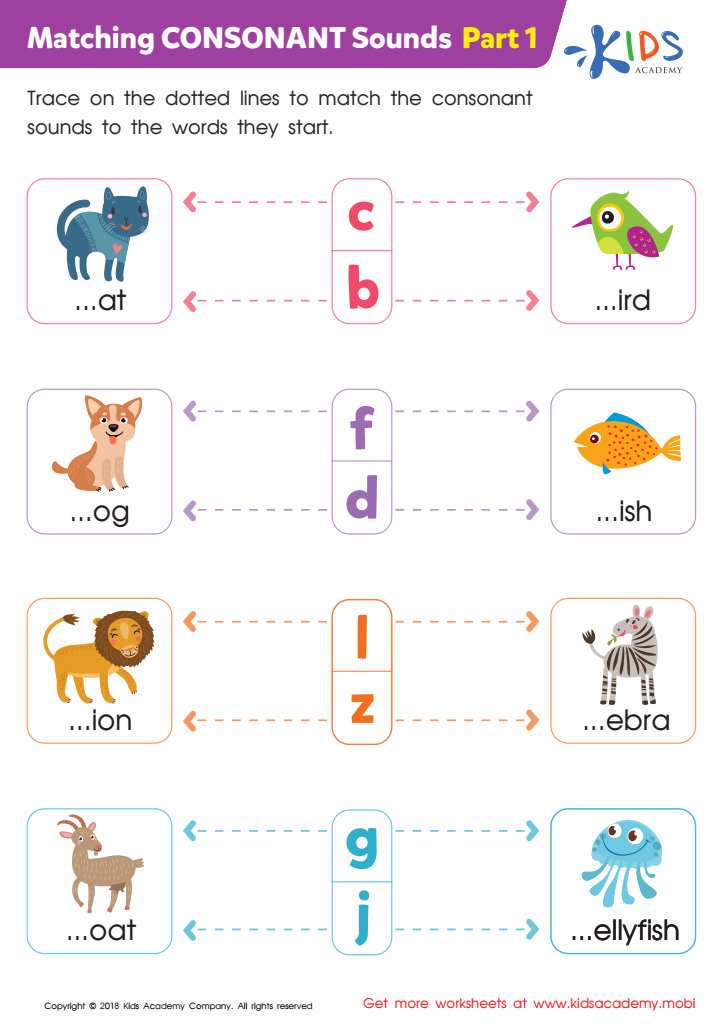
Matching Consonant Sounds: Part 1 Worksheet
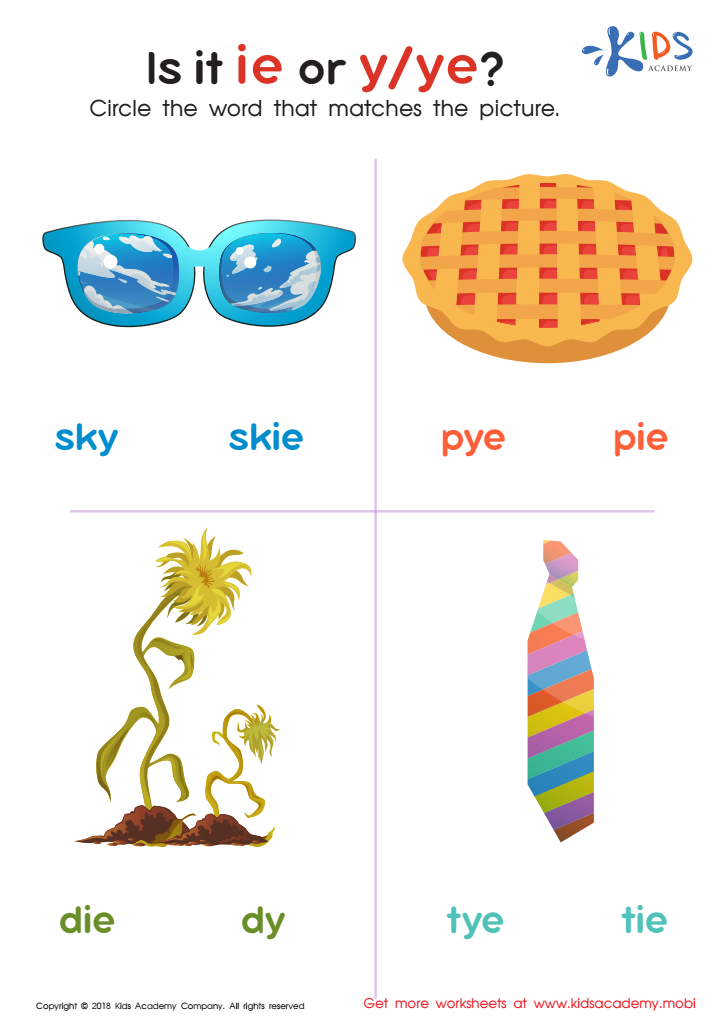
Is It IE or Y/Ye? Worksheet



.jpg)

Sound recognition is a crucial skill for children aged 5-9 as it lays the foundation for effective communication, literacy, and overall cognitive development. At this stage, children are beginning to decode written language and rely heavily on phonetic awareness. By recognizing different sounds, children can better understand letter-sound relationships, which are vital for reading fluency and vocabulary building.
Moreover, sound recognition enhances listening skills and attention spans, which are essential for classroom learning. Through activities that focus on distinguishing between sounds, children develop auditory discrimination. This ability aids them in processing spoken instructions and contributing to group interactions.
Furthermore, sound recognition supports language development by providing a pathway to articulate thoughts and feelings appropriately. It fosters better social skills, as children learn to engage and respond to their peers effectively. Teachers and parents involved in sound orientation activities, such as rhyming games and sound identification exercises, empower children not only academically but also socially.
Investing time in sound recognition prepares children for more advanced language concepts, significantly impacting their future success. Recognizing its importance helps shape supportive environments that contribute to holistic child development and a lifelong love of learning.








