Fine Motor Skills Normal 2D Shapes Worksheets for Ages 5-9
5 filtered results
-
From - To
Enhance your child's fine motor skills with our engaging 2D Shapes Worksheets designed for ages 5-9. These interactive worksheets blend fun and learning, helping young learners identify and manipulate various two-dimensional shapes while refining their dexterity. Each activity is crafted to promote coordination and control, essential for their developmental milestones. Students will enjoy tracing, coloring, cutting, and assembling shapes, making learning an enjoyable experience. Perfect for home or classroom use, our fine motor skills worksheets support the development of essential skills that lay the groundwork for future math success. Download your free printable worksheets today and watch your child's abilities grow!
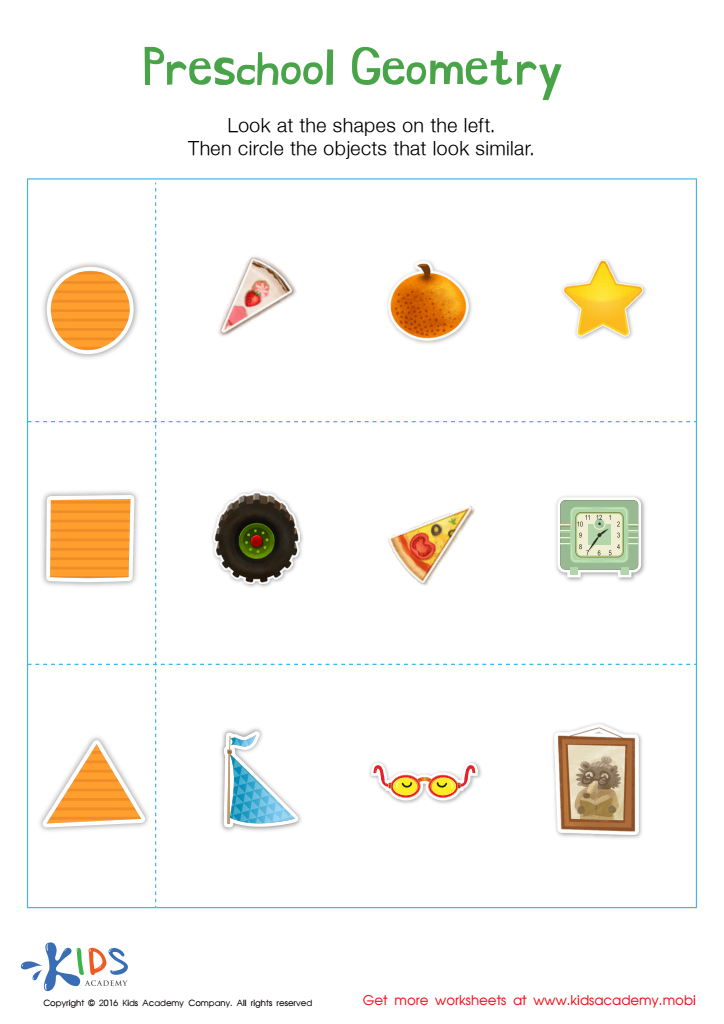
Preschool Geometry Match Up Worksheet
 Assign to My Students










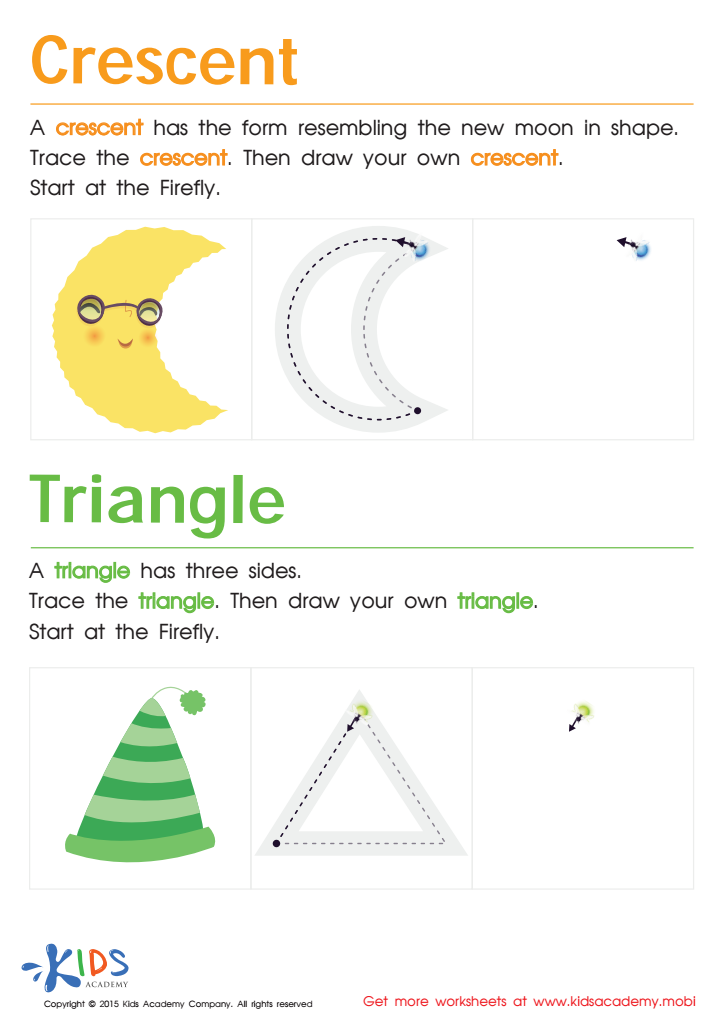
Learning to Draw Crescents And Triangles Worksheet
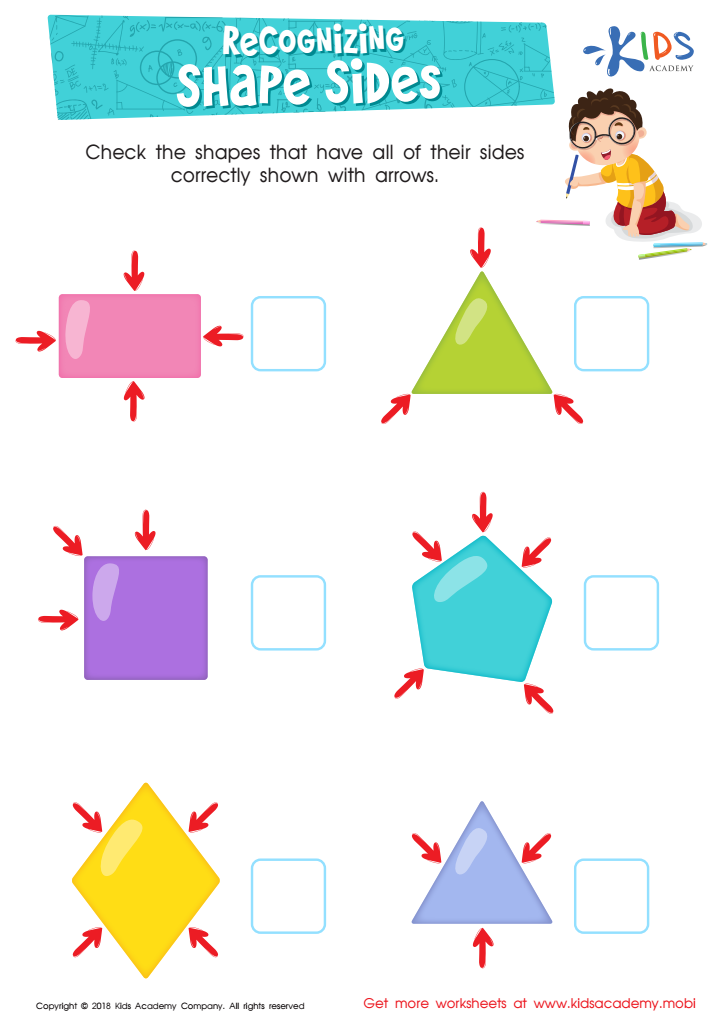
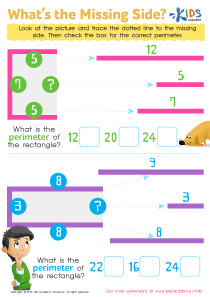
Recognizing Shape Sides Worksheet
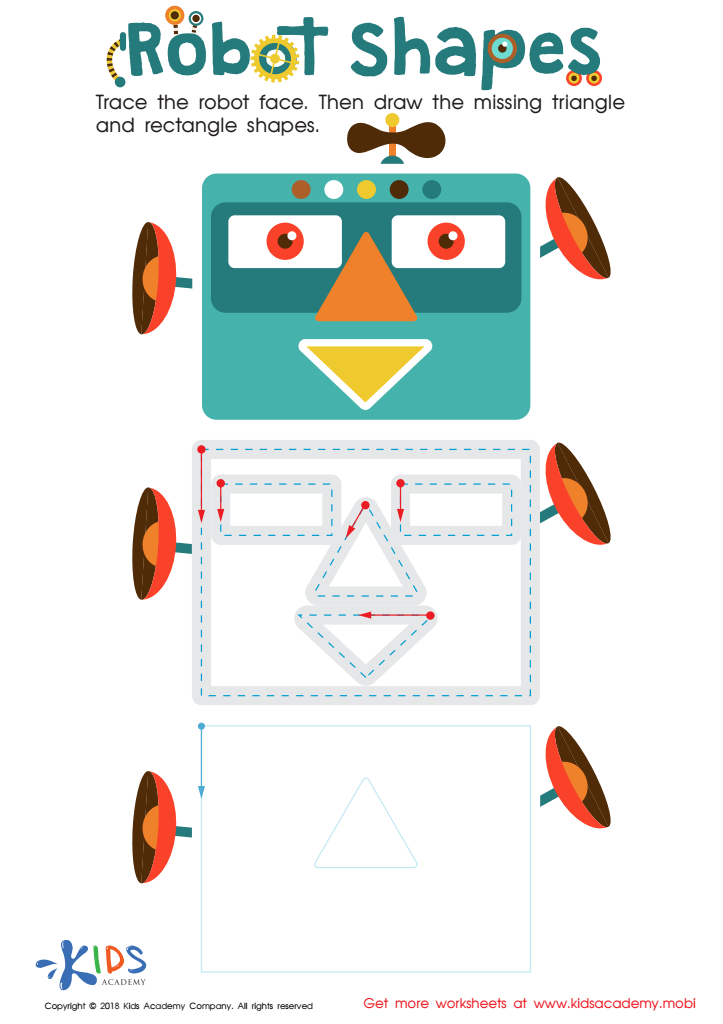
Robot Shapes Worksheet
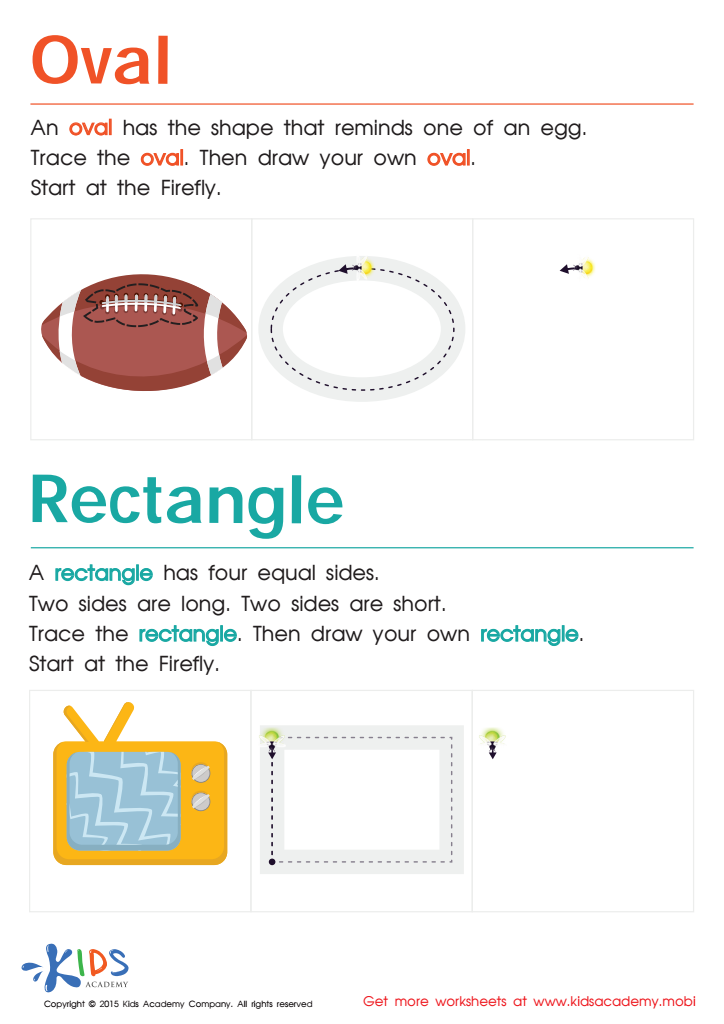
Easy Drawing of Ovals And Rectangles Worksheet








Fine motor skills are crucial for children aged 5-9 as they lay the foundation for a range of everyday activities, from writing to self-care tasks. At this developmental stage, understanding normal 2D shapes enhances fine motor skill development. Engaging with shapes through various activities, such as drawing, cutting, and assembling puzzles, helps refine hand-eye coordination and dexterity.
Moreover, 2D shapes are vital for cognitive development. Recognizing and manipulating shapes contributes to spatial awareness and problem-solving abilities, which are essential skills in mathematics and logical thinking. As children learn to identify shapes in their environment, they begin to make connections and understand the world around them better.
Teachers and parents can foster these skills through fun, interactive activities that involve tracing, constructing, and sorting shapes. This not only strengthens fine motor skills but also promotes critical thinking and creativity. Encouraging students to engage with shapes in multiple contexts prepares them not only for future academic challenges but also for personal tasks like handwriting and art. In essence, nurturing fine motor skills and shape recognition is a vital investment in a child’s overall growth and independence, paving the way for lifelong learning and success.