Problem-Solving Skills Normal Addition and Subtraction Word Problems Worksheets for Ages 5-9
14 filtered results
-
From - To
Enhance your child's problem-solving skills with our engaging Addition and Subtraction Word Problems Worksheets, designed specifically for ages 5-9. These worksheets focus on normal addition and subtraction scenarios, encouraging young learners to apply their mathematical knowledge in practical contexts. Each activity promotes critical thinking and helps children understand how to approach real-life problems. With a variety of fun, age-appropriate questions, kids will develop confidence in their math abilities while improving their reading comprehension and analytical thinking. Perfect for at-home learning or classroom use, these worksheets make math enjoyable and meaningful. Start nurturing essential problem-solving skills today!
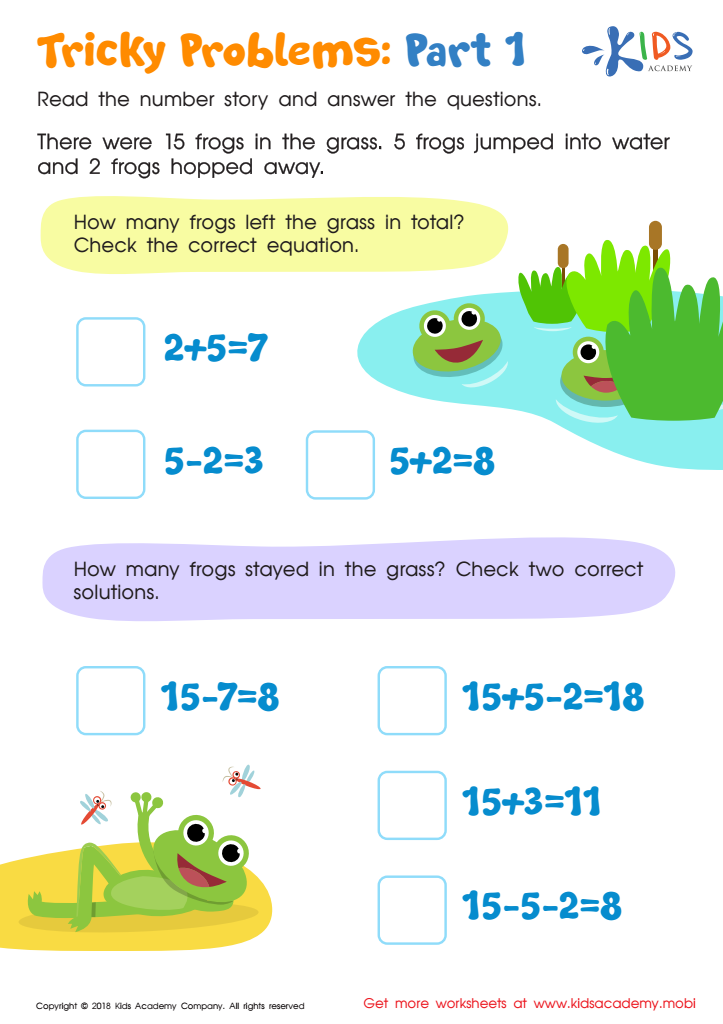
Tricky Problems Worksheet: Part 1
 Assign to My Students
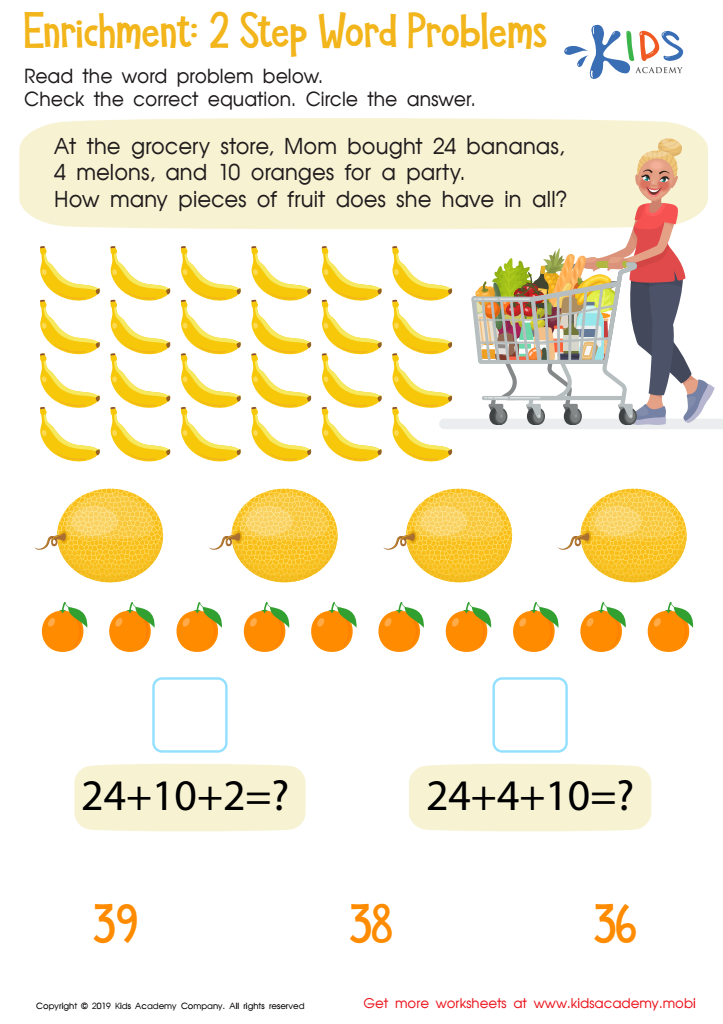
Enrichment -2 Step Word Problems Worksheet
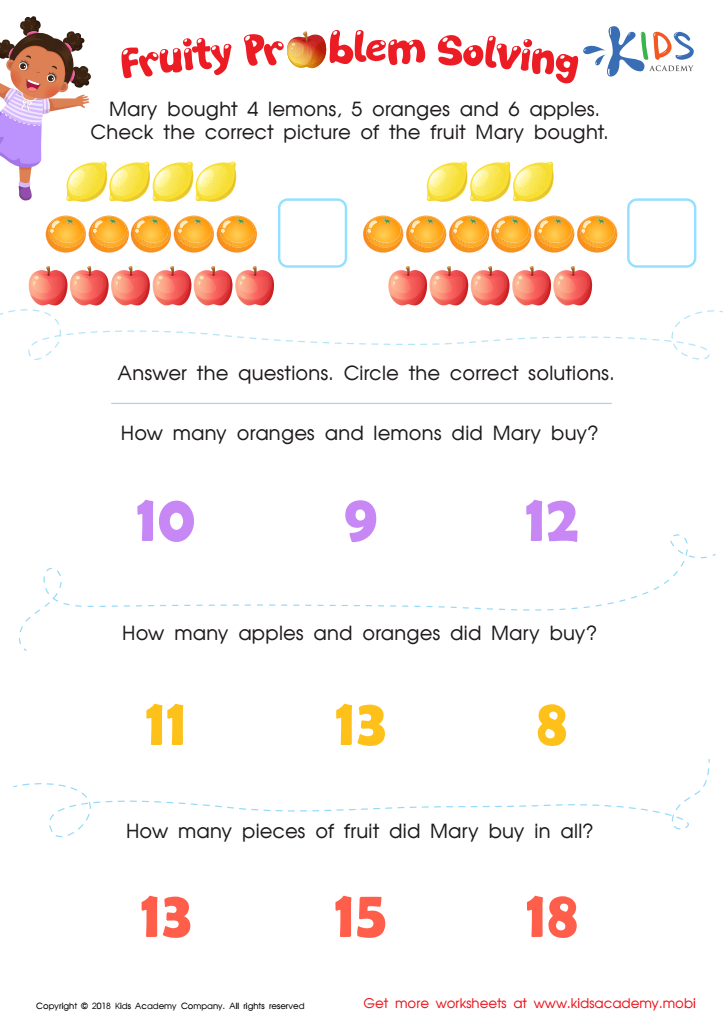
Fruity Problem Solving Worksheet
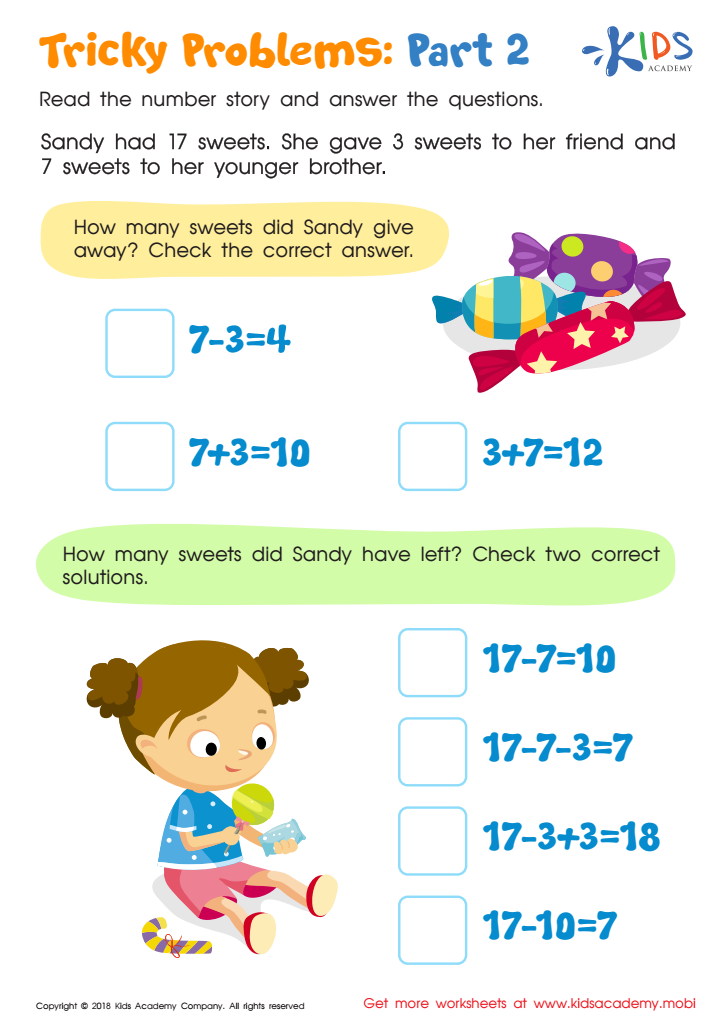
Tricky Problems Worksheet: Part 2
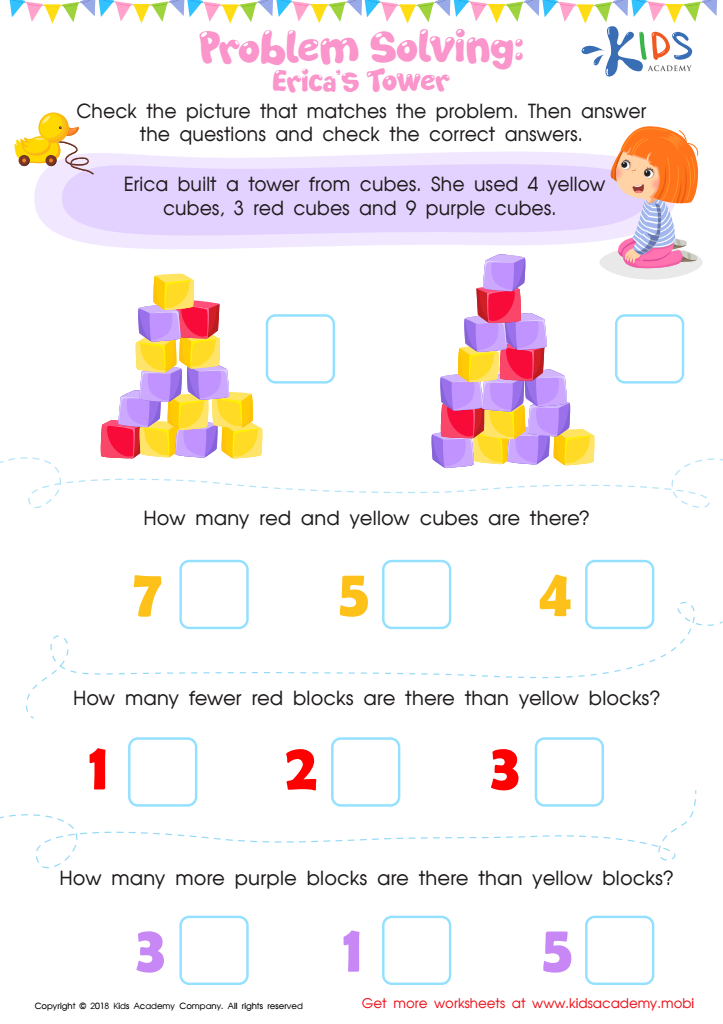
Problem Solving: Erica's Tower Worksheet
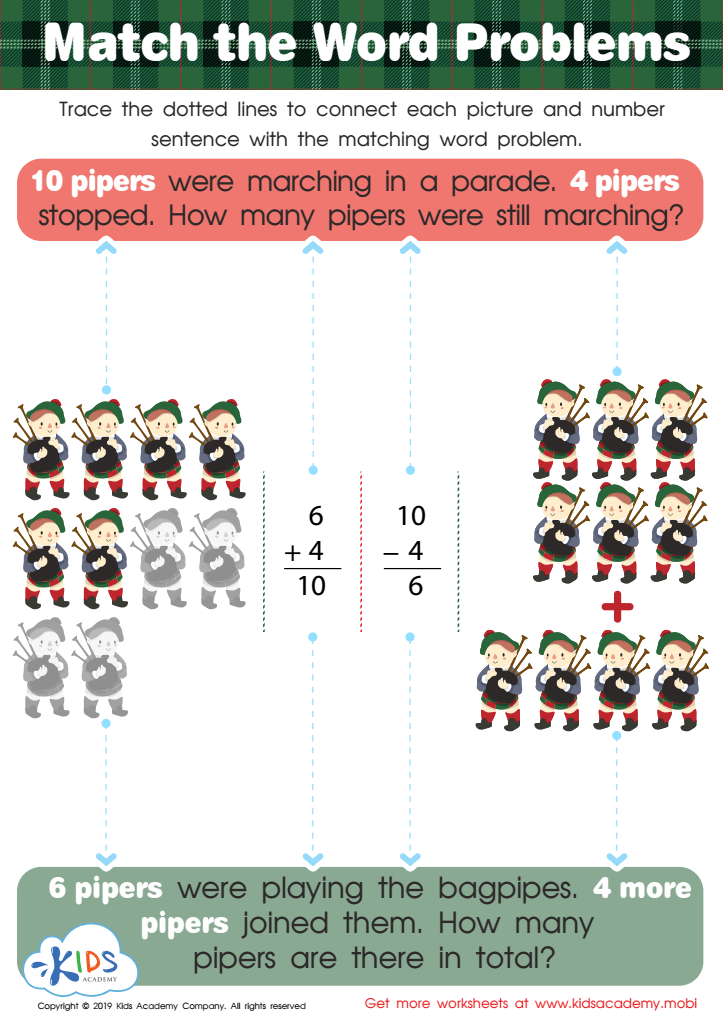
Match the Word Problems Worksheet
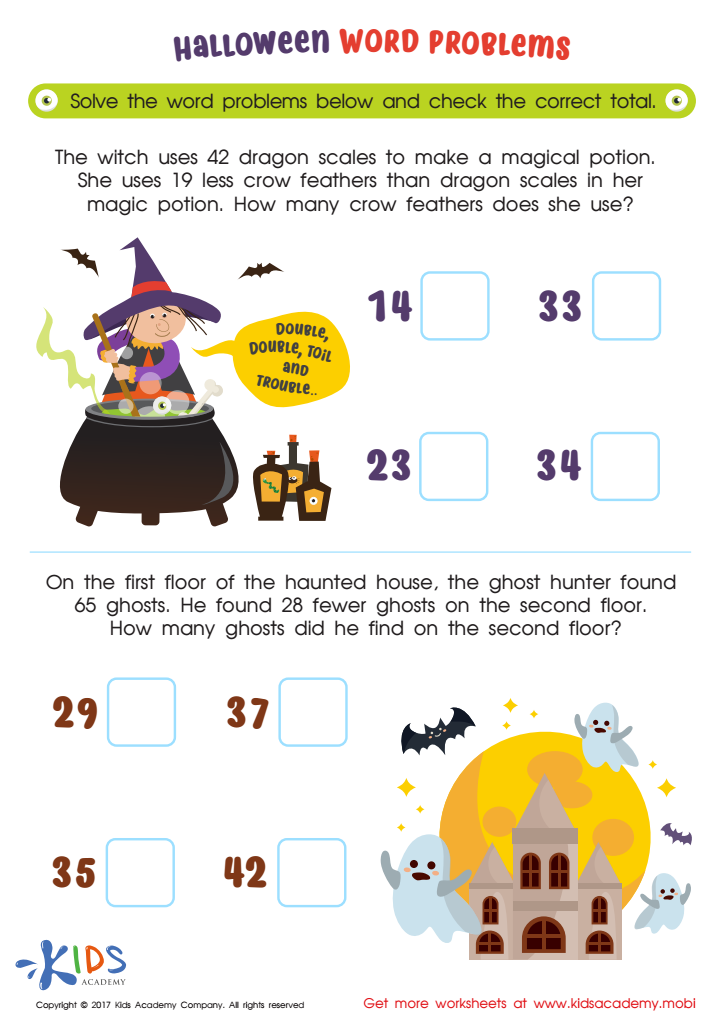
Halloween Word Problems Printable
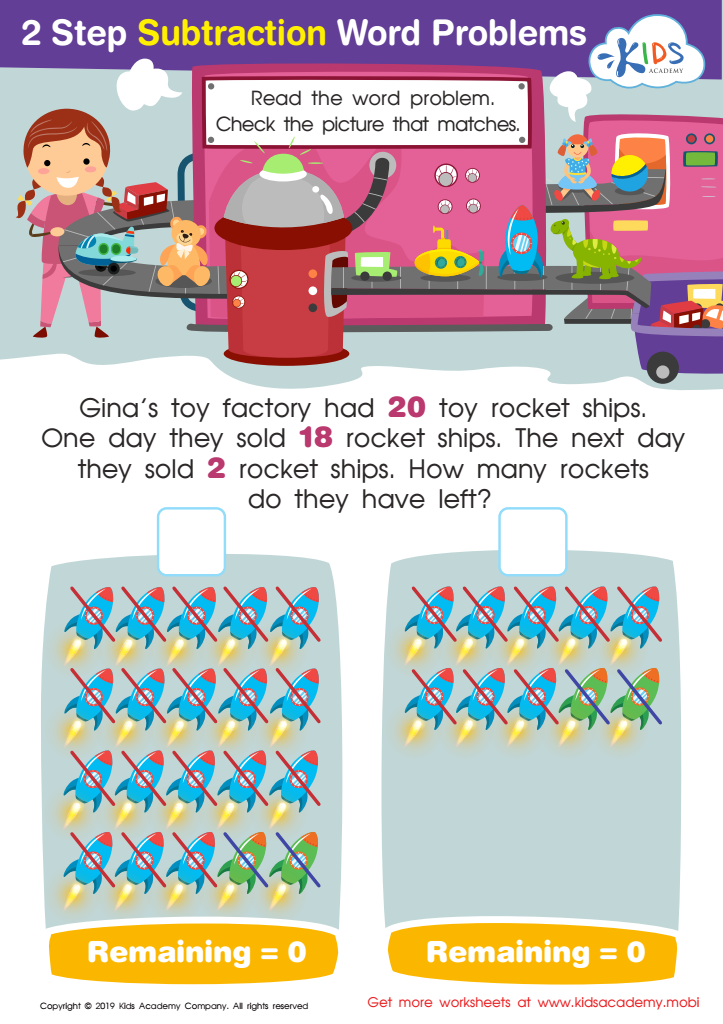
Step Subtraction Word Problems Worksheet
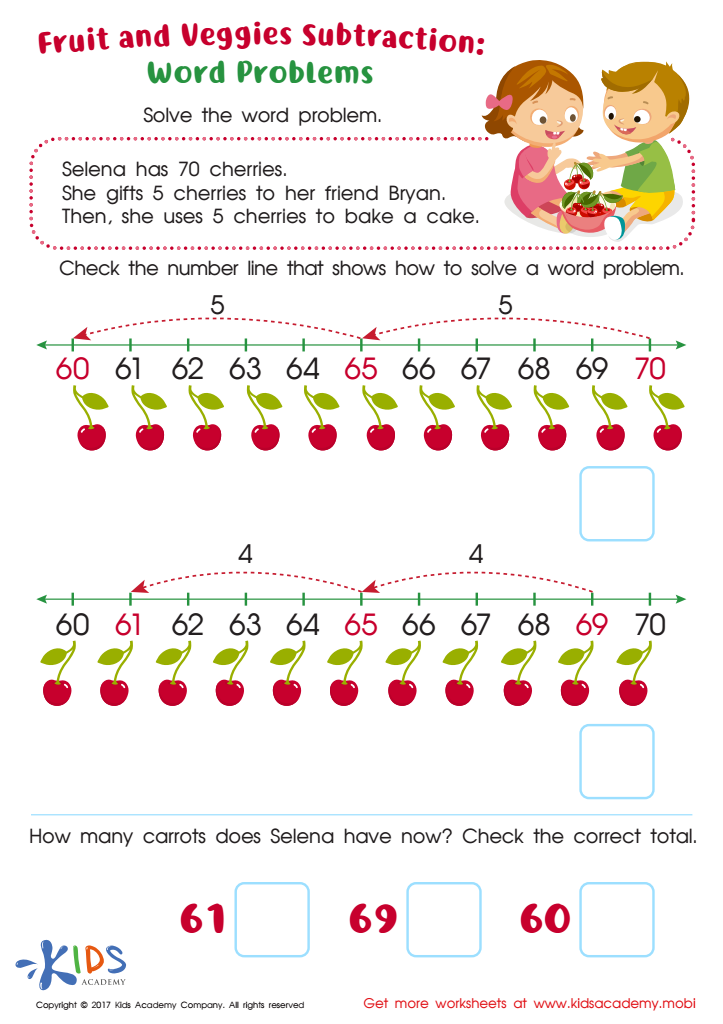
Subtraction Word Problems Free Printable
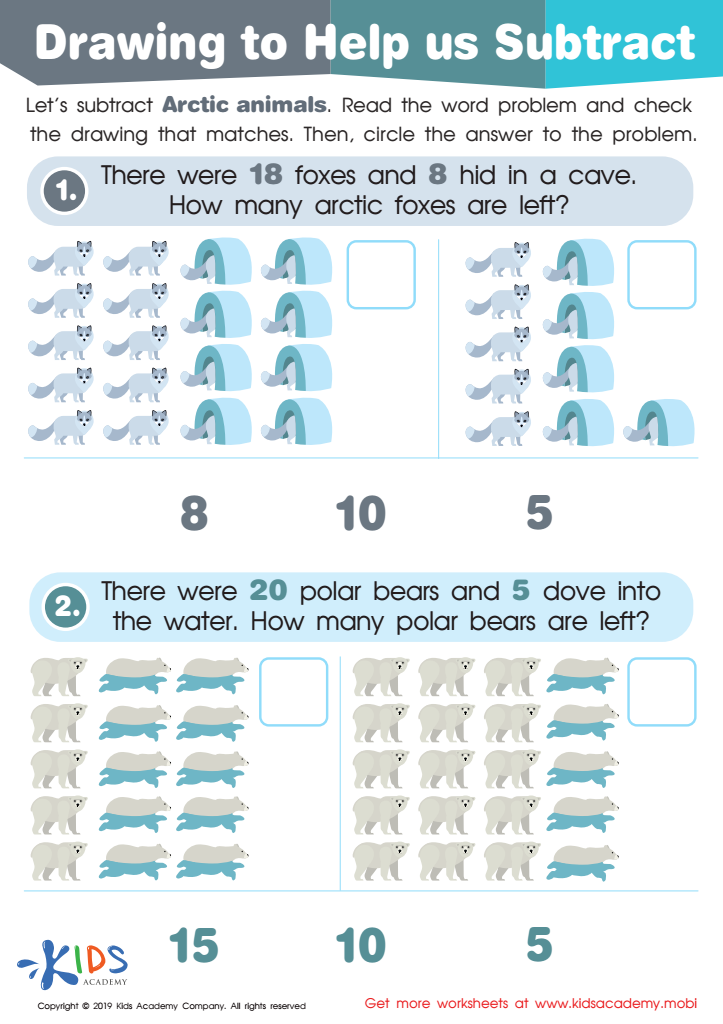
Drawing to Help Us Subtract Worksheet
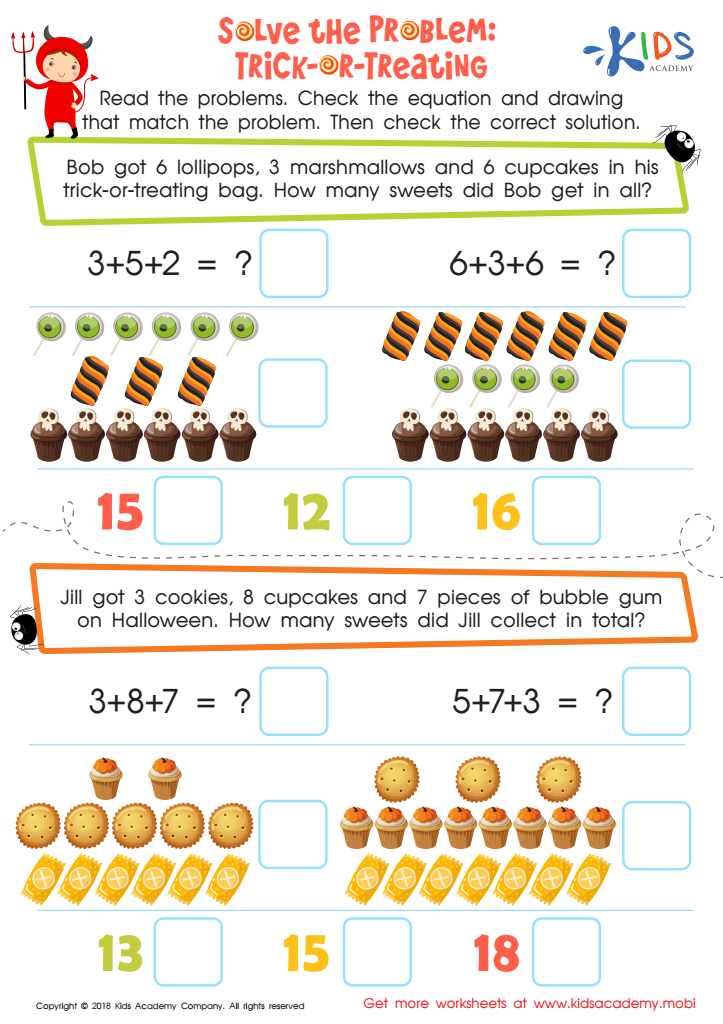
Solve the Problem: Trick–or–treating Worksheet
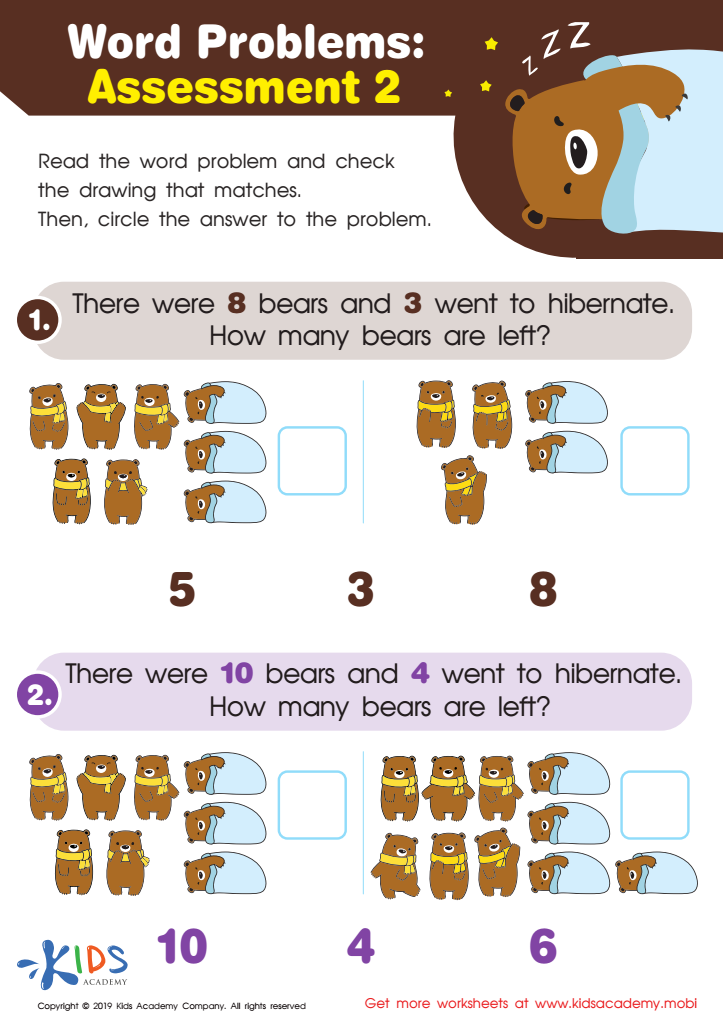
Word Problems: Assessment 2 Worksheet
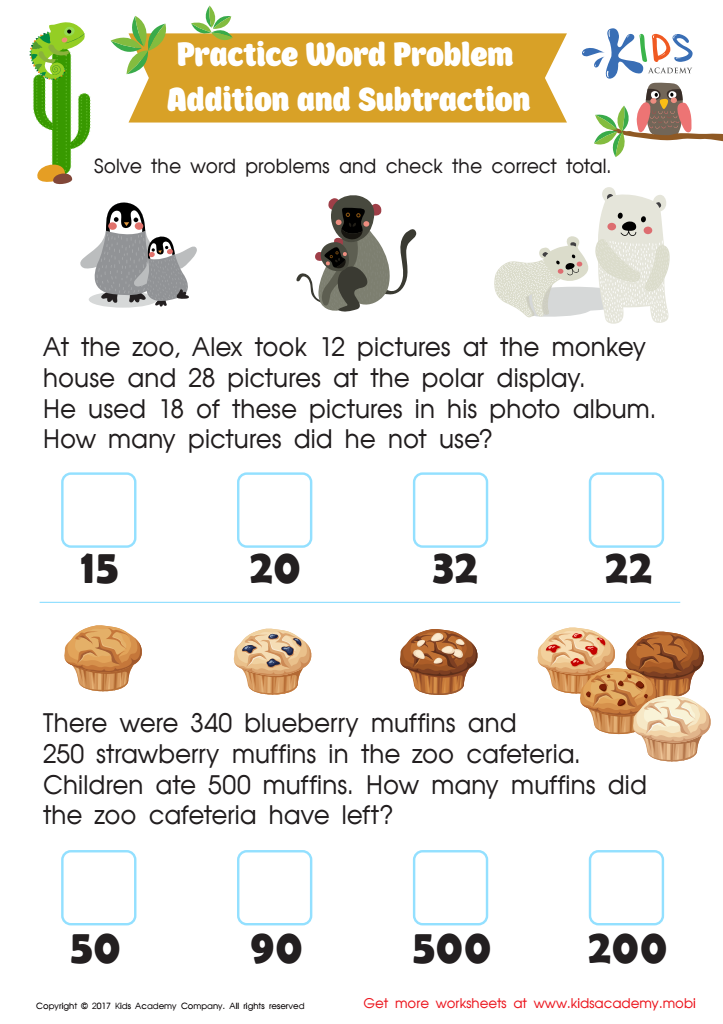
Addition and Subtraction: Word Problems Worksheet
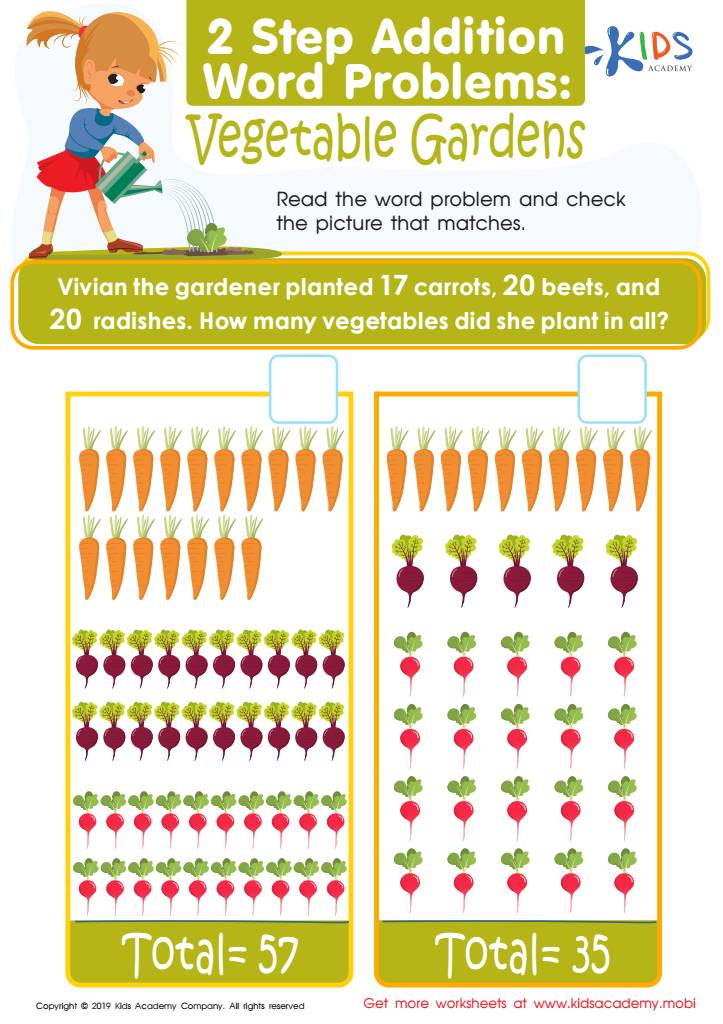
Vegetable Gardens Worksheet








Problem-solving skills in normal addition and subtraction word problems are crucial for children aged 5-9. First, these foundational skills serve as a bridge between concrete experiences and abstract mathematical concepts. Engaging with real-life scenarios helps children to visualize and comprehend the relevance of math in everyday situations.
Moreover, mastering problem-solving aids in developing critical thinking. It prompts children to analyze information, strategize, and evaluate different approaches to find a solution. This process nurtures resilience as they learn to approach challenges constructively, fostering a growth mindset where mistakes become part of the learning journey.
Additionally, these skills promote language development as children explain their thought processes and reasoning, enhancing their vocabulary and communication abilities. Working together on word problems can also foster collaboration and build confidence as they discuss their ideas and solutions with peers or adults.
Lastly, strong problem-solving skills are linked to greater academic success across subjects. As students progress, the confidence gained from mastering addition and subtraction in contextual settings equips them for more complex mathematics and life situations. Thus, both parents and teachers play vital roles in encouraging this engagement, ensuring that children thrive both academically and personally.