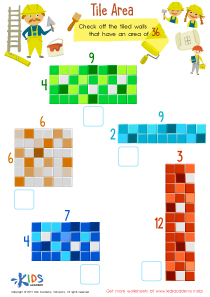
Counting practice Normal Numbers Worksheets for Ages 5-9
19 filtered results
-
From - To
Enhance your child’s counting skills with our "Counting Practice Normal Numbers Worksheets" designed specifically for ages 5-9. These engaging worksheets from Kids Academy are perfect to help young learners practice counting in a fun and effective way. Each worksheet is carefully crafted to improve number recognition, sequencing, and basic arithmetic skills. The colorful and interactive exercises will hold your child’s attention and make learning numbers an enjoyable experience. Suitable for use both at home and in the classroom, these worksheets are an excellent resource for nurturing essential math skills in early learners. Download now to start their numerical journey!
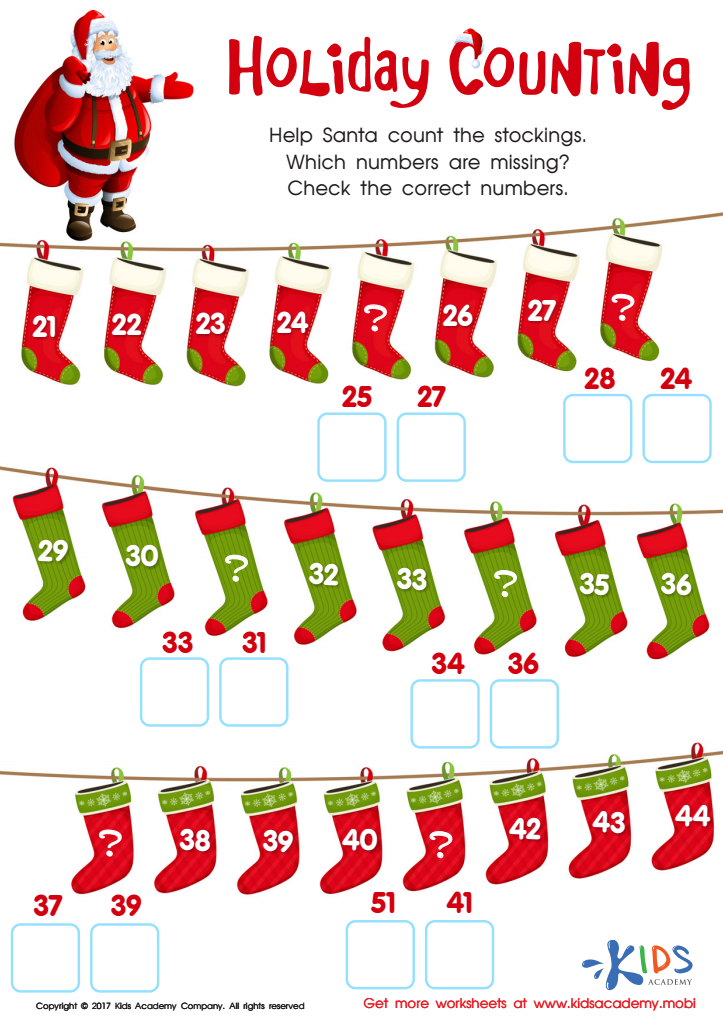
Holiday Counting Worksheet
 Assign to My Students
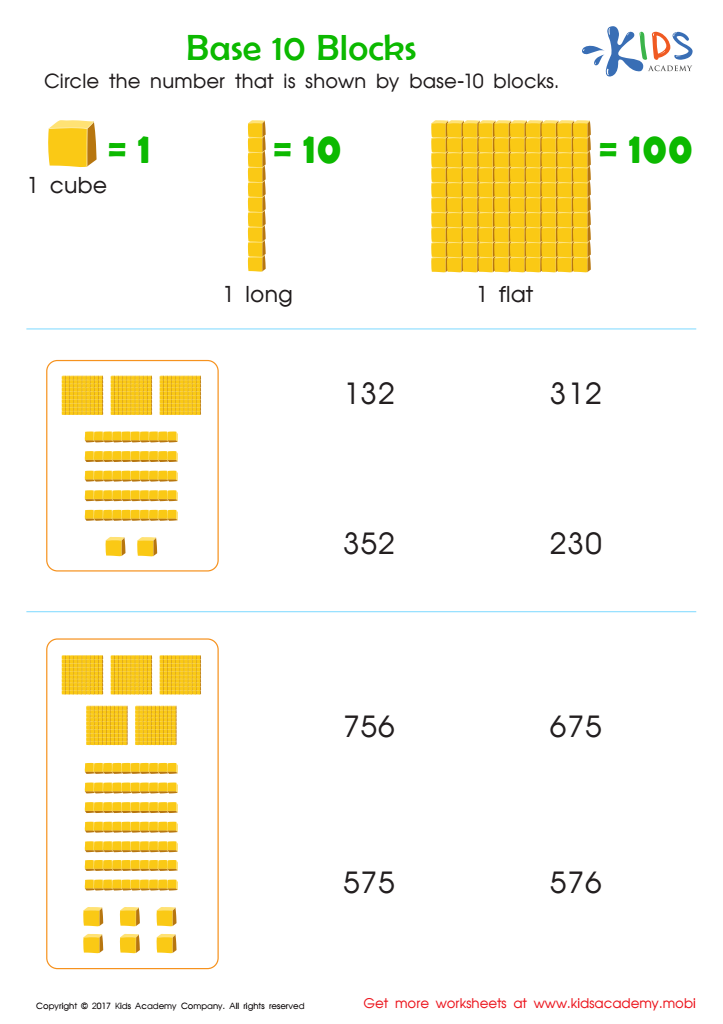
Base Ten Blocks Worksheet
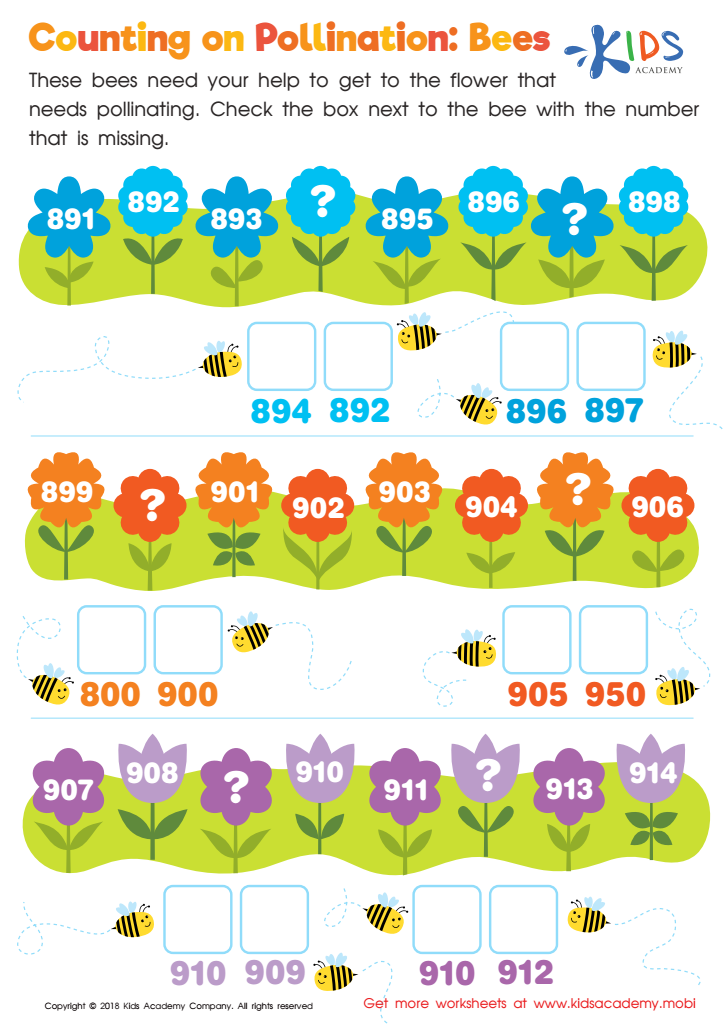
Counting on Pollination: Bees Worksheet
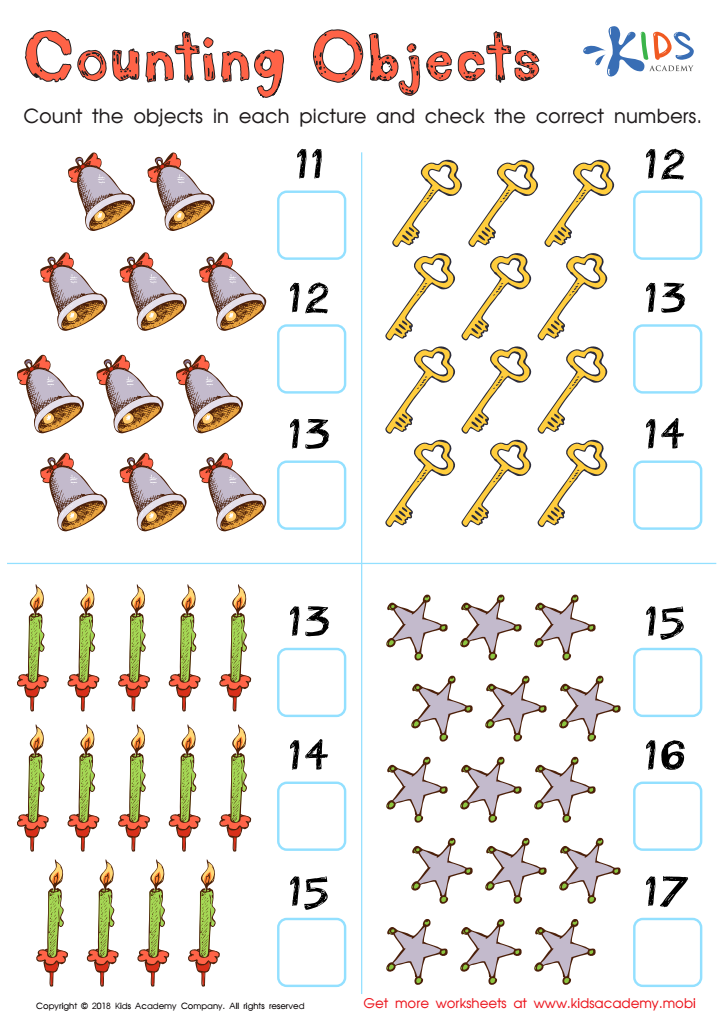
Counting Numbers Worksheet For Kindergarten
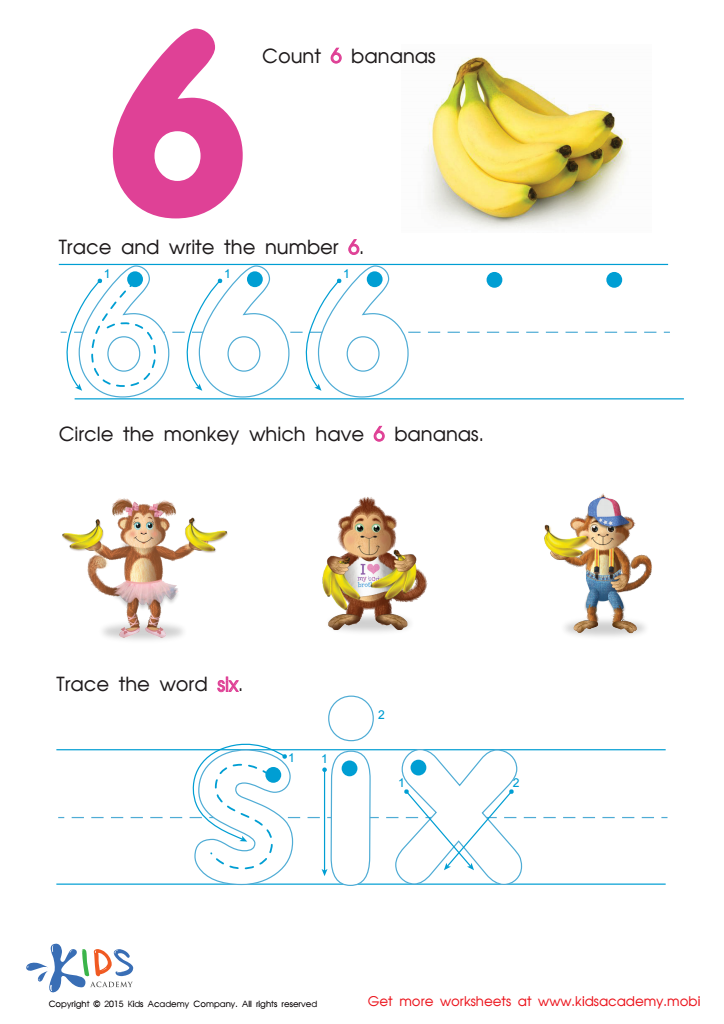
Tracing And Writing Number 6 Worksheet
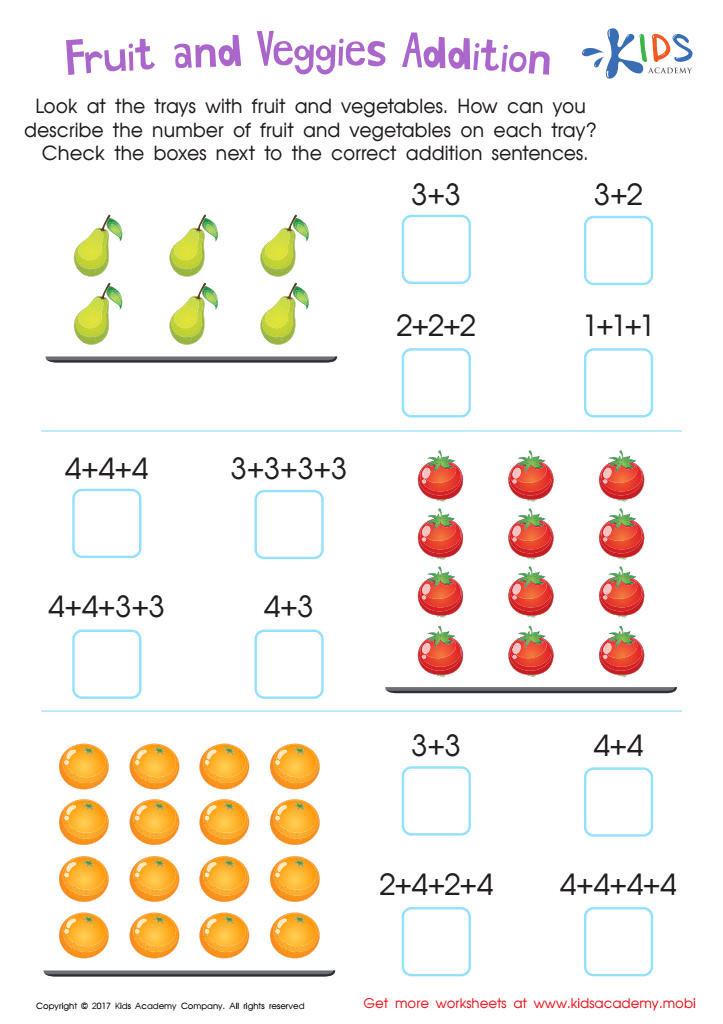
Fruit and Veggies Worksheet
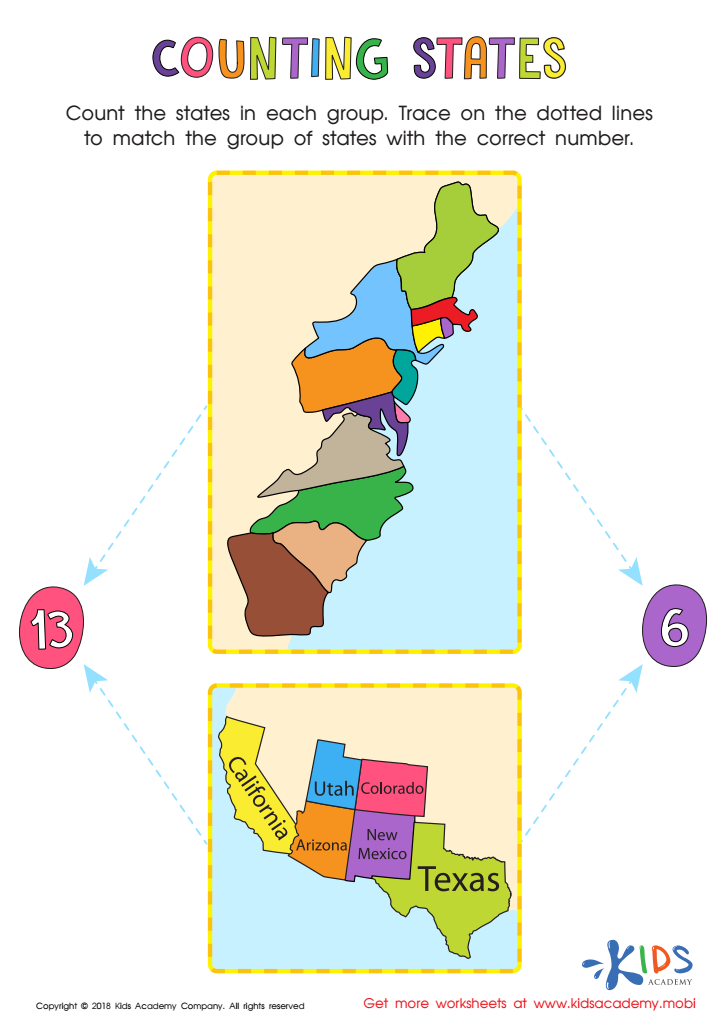
Counting States Worksheet
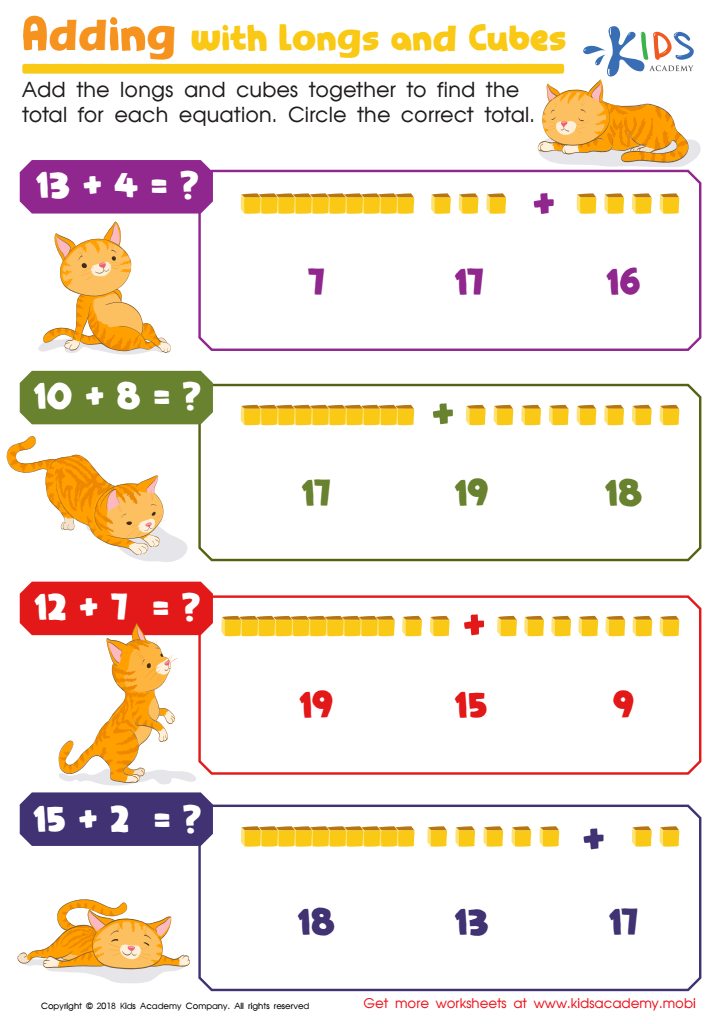
Adding With Longs and Cubes Worksheet
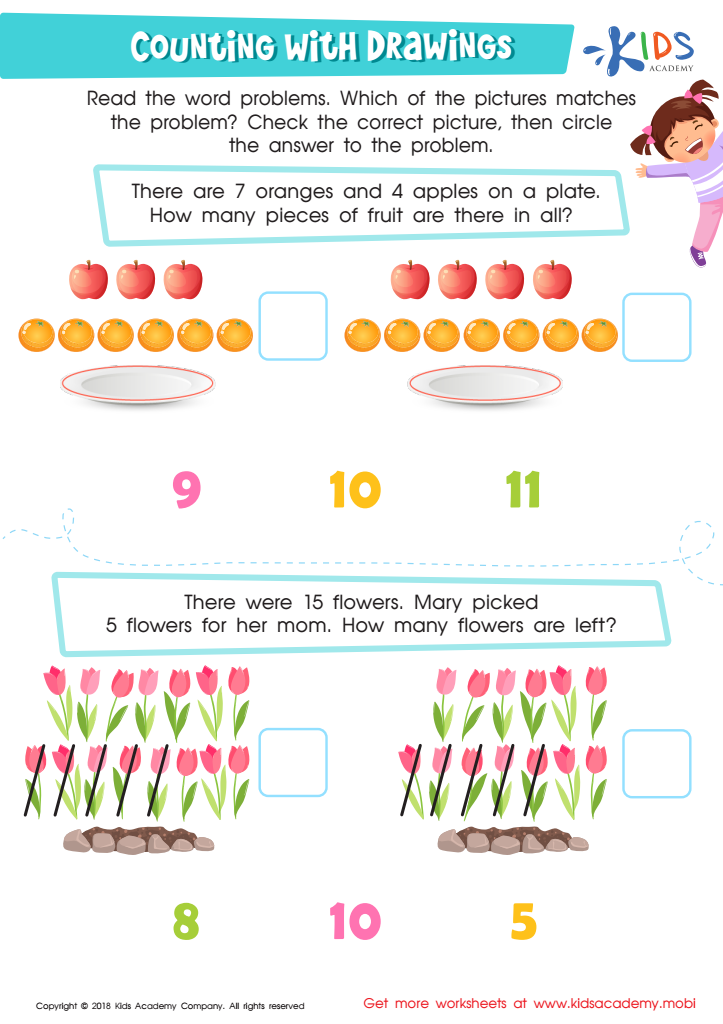
Counting with Drawings: Fruits & Chocolates Worksheet
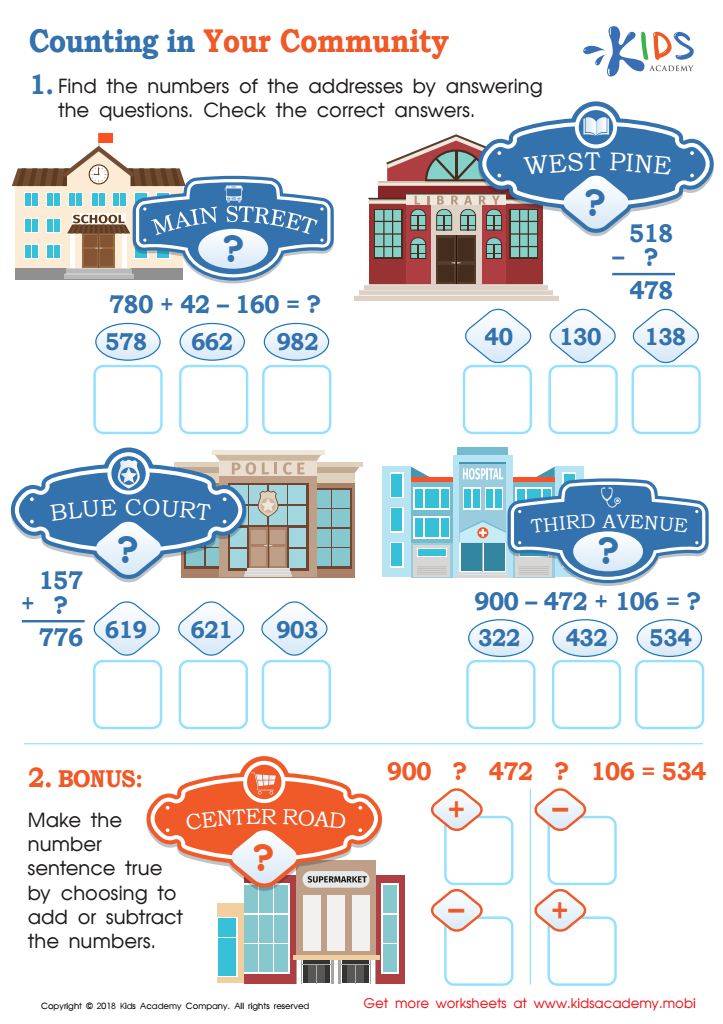
Counting in Your Community Worksheet
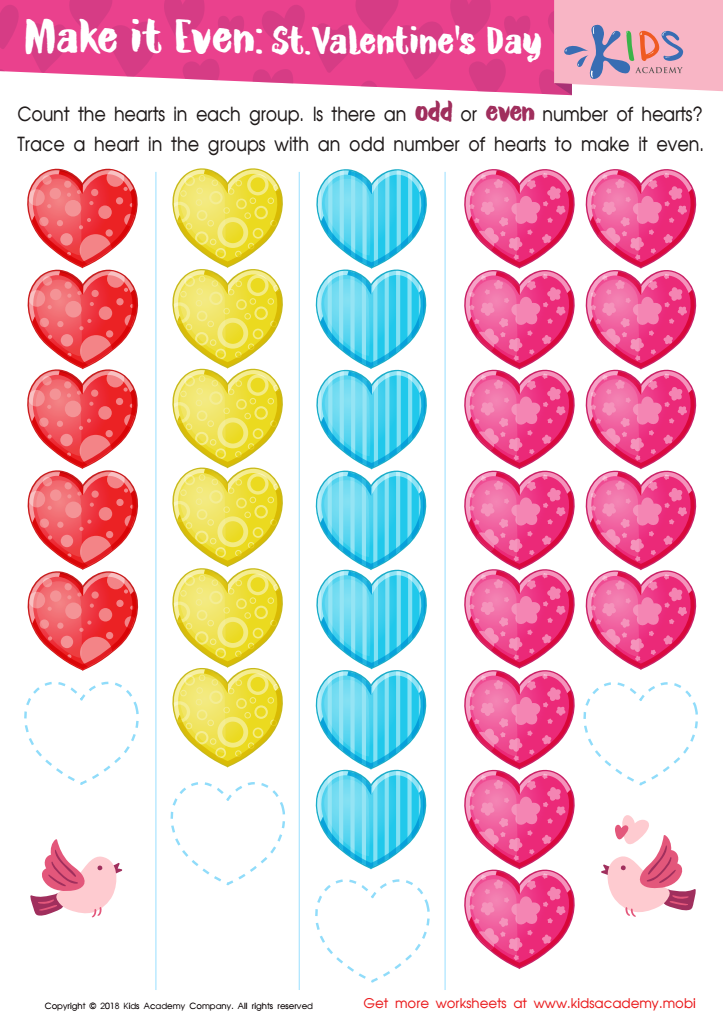
Make it Even: St. Valentine's Day Worksheet
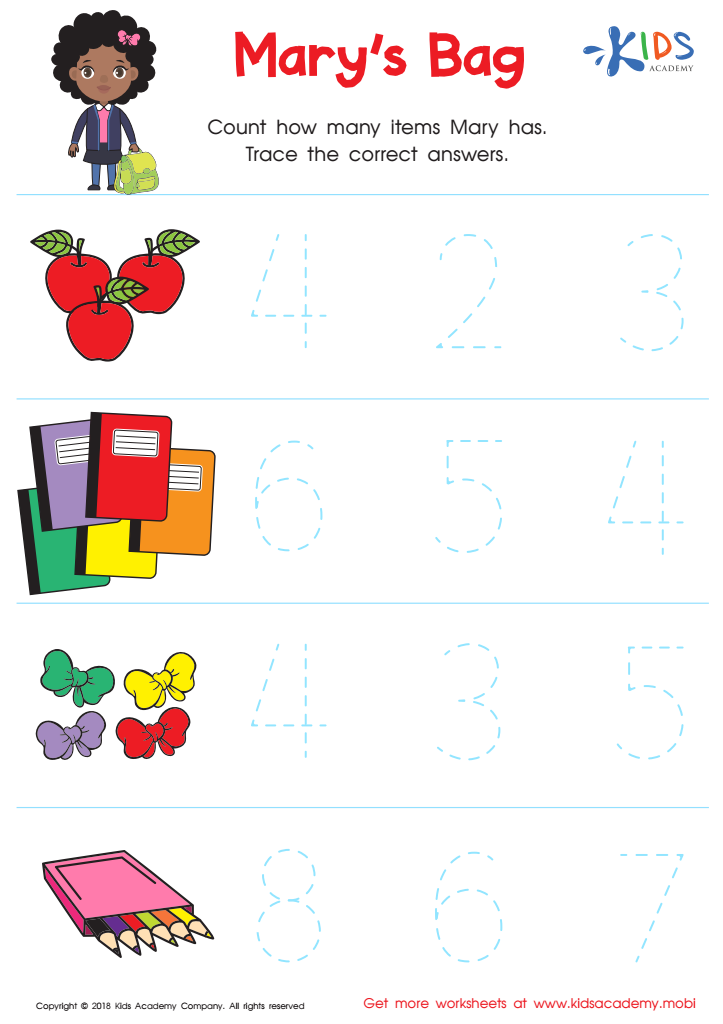
Kindergarten Number Tracing: Mary's Bag Worksheet
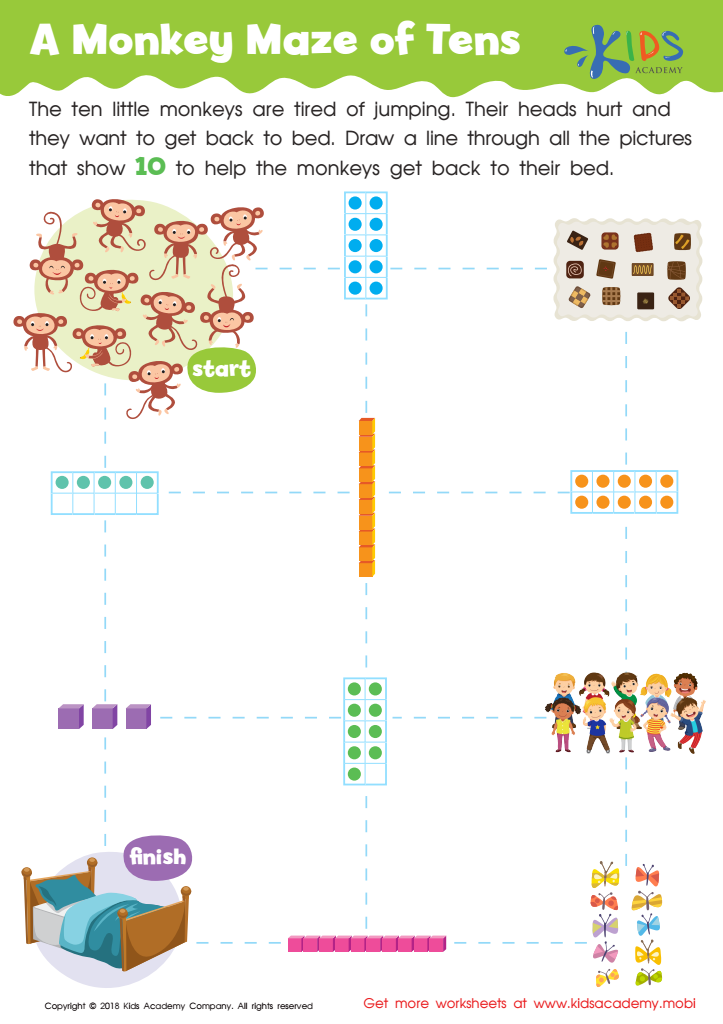
A Monkey Maze of Tens Worksheet
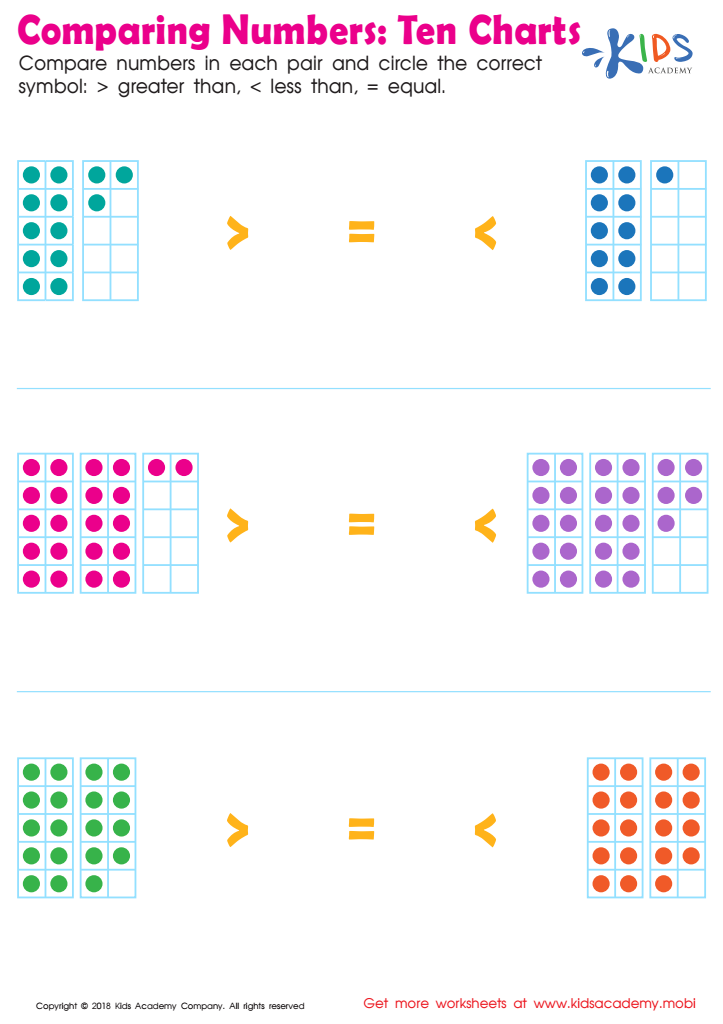
Ten Charts Worksheet
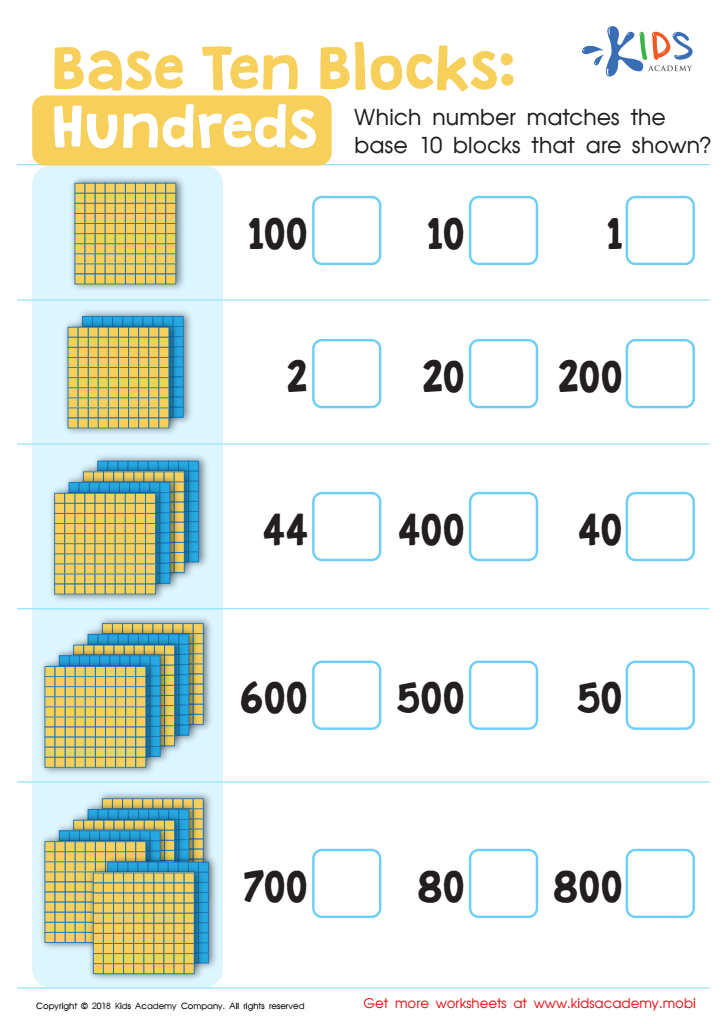
Base Ten Blocks: Hundreds Worksheet
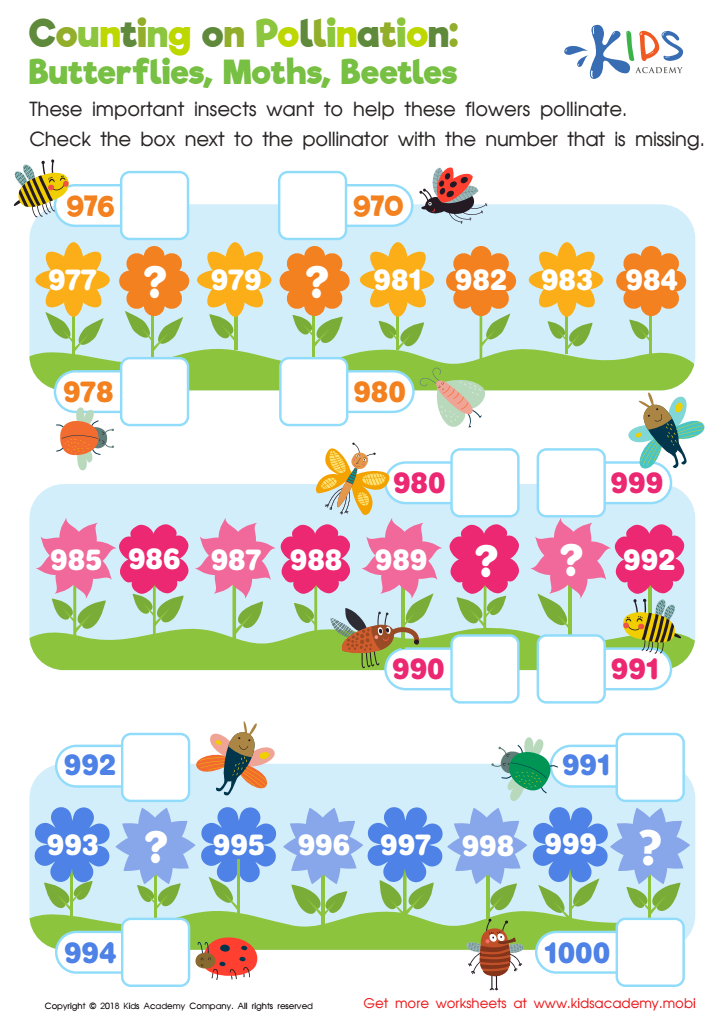
Counting on Pollination: Butterflies, Moths, Beetles Worksheet
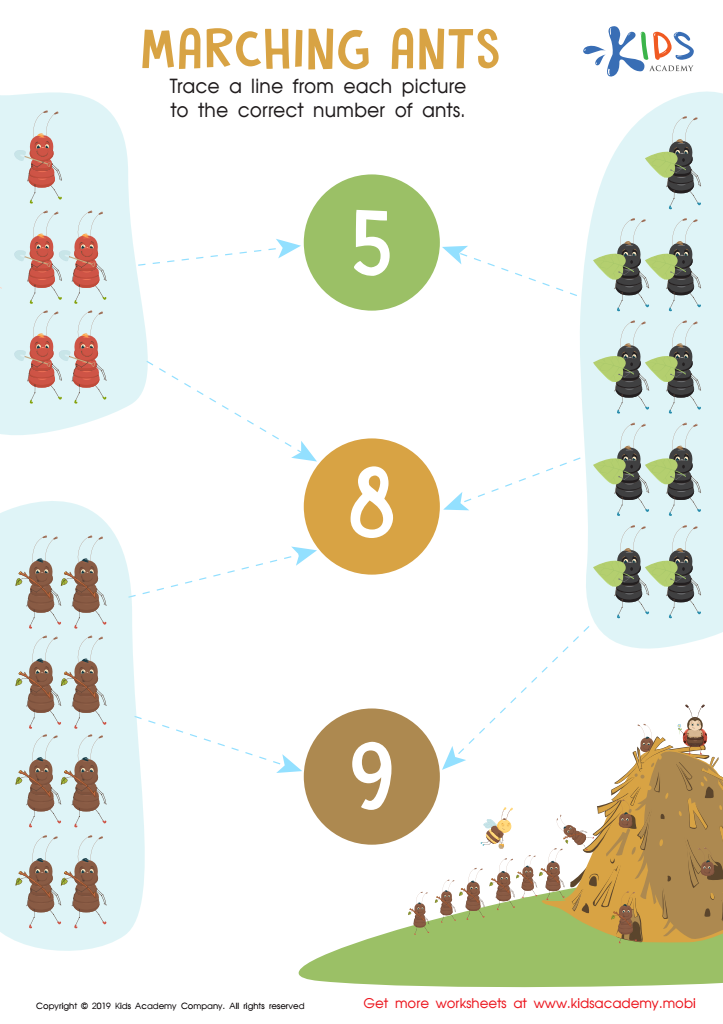
Marching Ants Worksheet
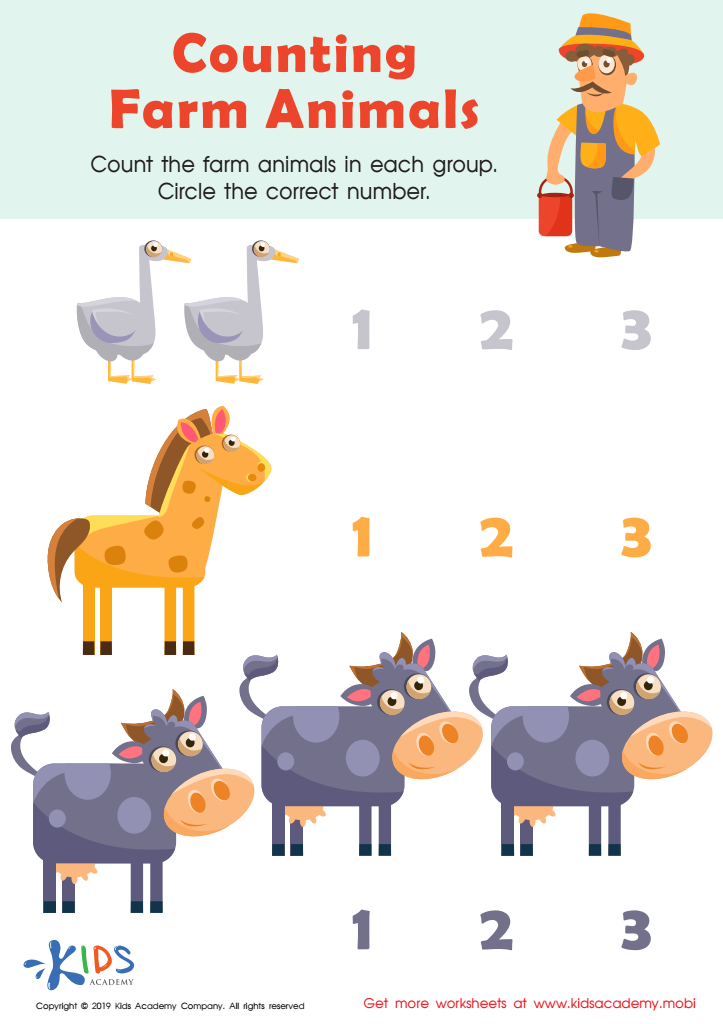
Counting Farm Animals Worksheet
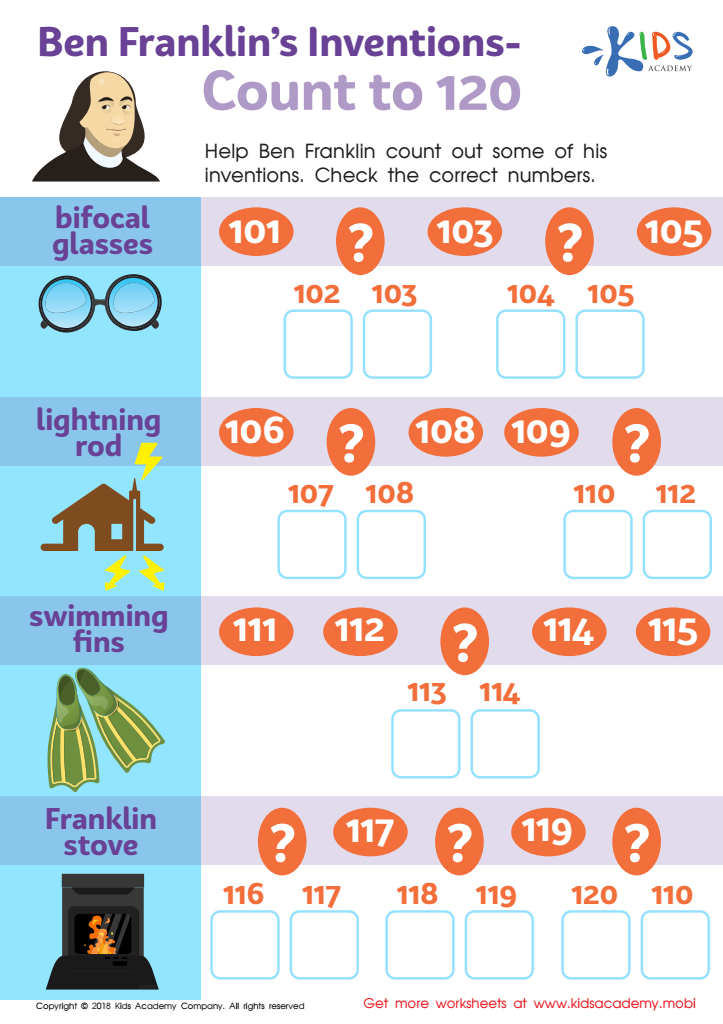
Ben Franklin’s Inventions – Count to 120 Worksheet








Counting practice for children ages 5-9 is crucial for their early mathematical development. First, counting is the foundation upon which more complex math skills are built. When children become confident with counting, they gain the skills needed for addition and subtraction, number recognition, and problem-solving.
Additionally, understanding the sequence of numbers helps students grasp the concept of place value, which is essential as they progress to more sophisticated arithmetic tasks. Counting practice also enhances a child's ability to recognize patterns, an important cognitive skill that extends beyond math and into everyday problem-solving.
Parents and teachers play a pivotal role in fostering this skill. Encouraging regular counting activities, such as counting objects around the house or during play, makes learning engaging and relatable. This helps children see math in their daily lives and reduces math anxiety.
Moreover, early counting practice supports language development. Children learn number names and sequences, which strengthens both their verbal and cognitive abilities.
In an educational environment where foundational skills pave the way for future academic success, investing time in counting practice at ages 5-9 is a critical step. It equips children with necessary skills for lifelong learning and ensures they are prepared for more complex mathematical concepts.