Understanding patterns Normal Math Worksheets for Ages 5-9
10 filtered results
-
From - To
Explore our comprehensive collection of "Understanding Patterns" normal math worksheets designed specifically for children aged 5-9. These engaging and thoughtfully crafted worksheets help young learners recognize, create, and extend various patterns, enhancing their mathematical reasoning and critical thinking skills. Perfect for classroom use or at-home learning, these resources are aligned with early educational standards, ensuring that children build a solid foundational understanding of patterns. Dive into a vibrant world of shapes, colors, and sequences while fostering a love for math in your little ones. Empower their learning journey with fun, interactive exercises that make understanding patterns a delightful experience!
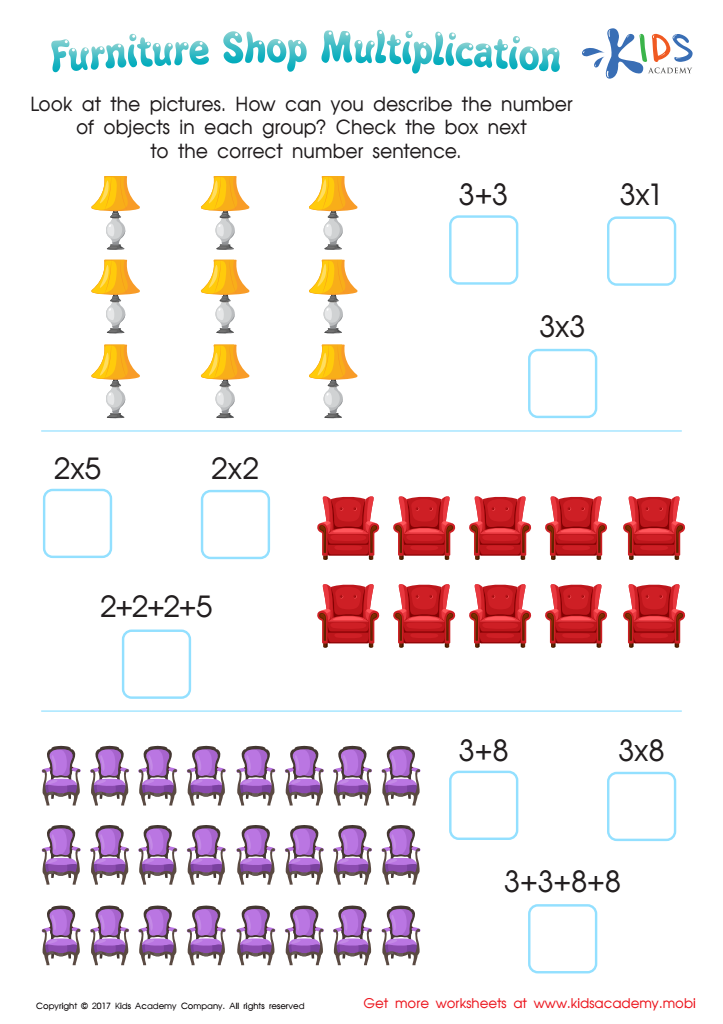
Furniture Shop Worksheet
 Assign to My Students
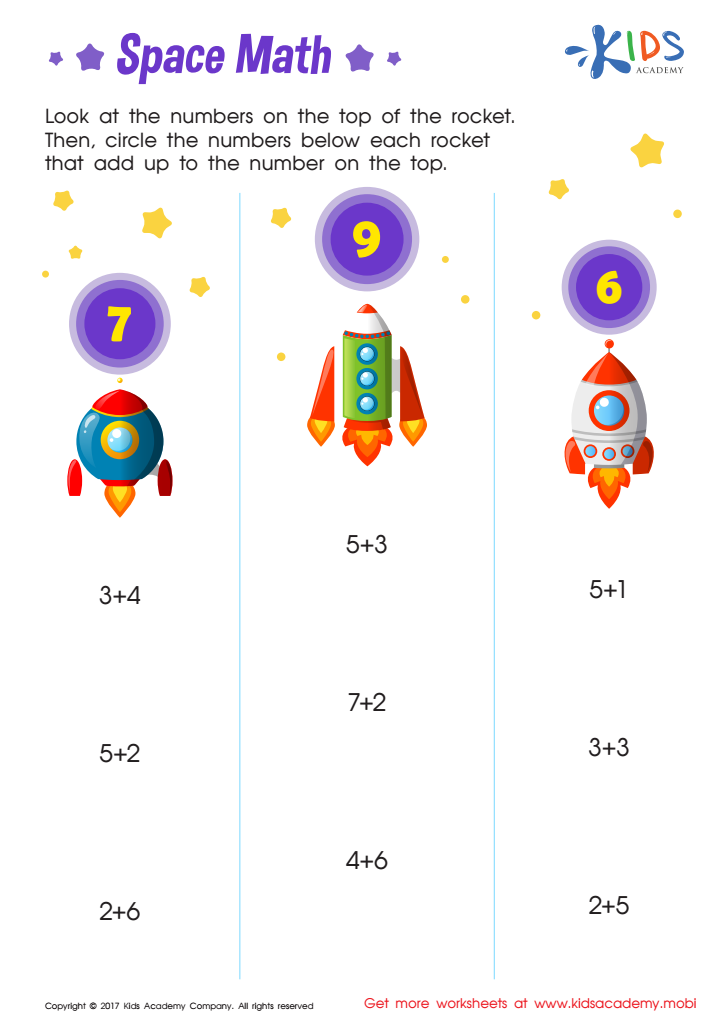
Addition: Space Math Worksheet
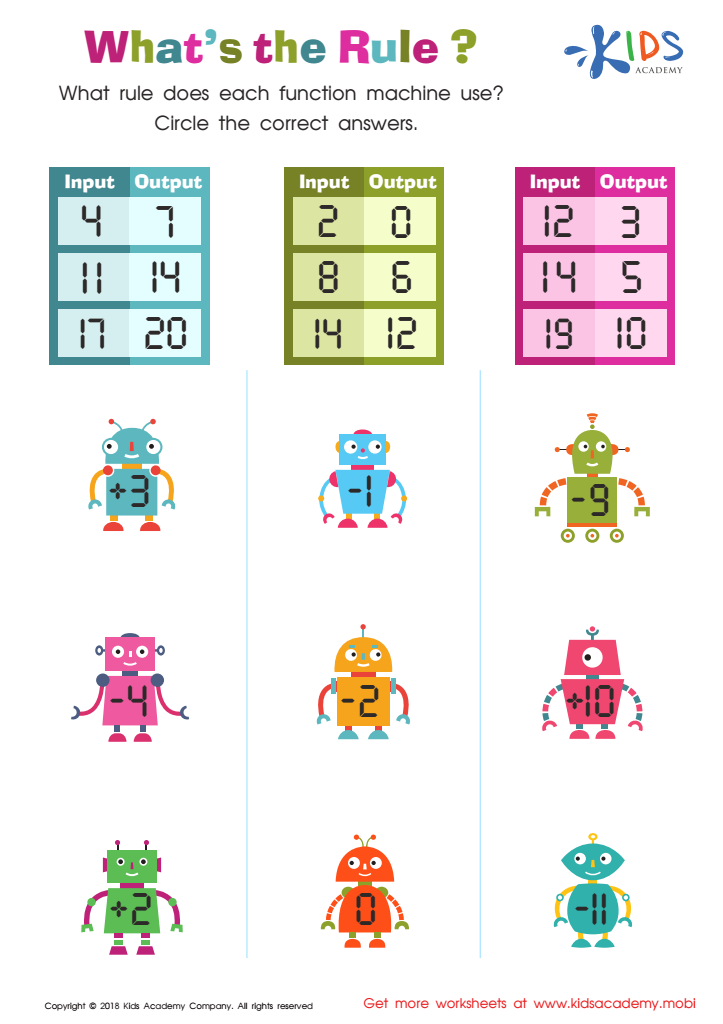
What's the Rule Worksheet
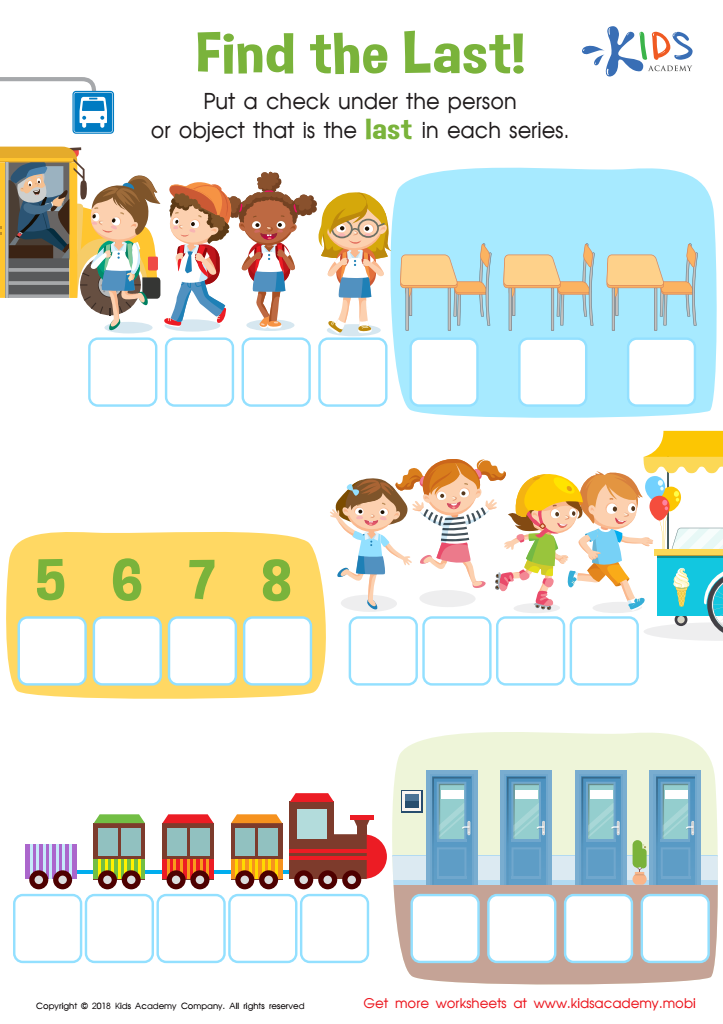
Find the Last! Worksheet
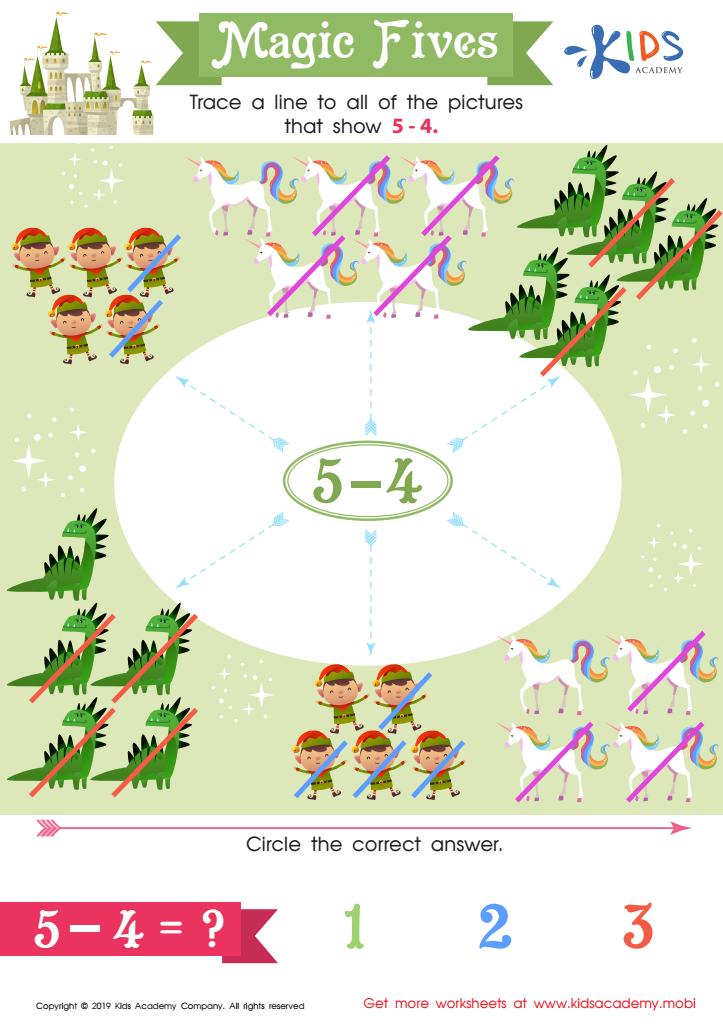
Magic Fives Worksheet
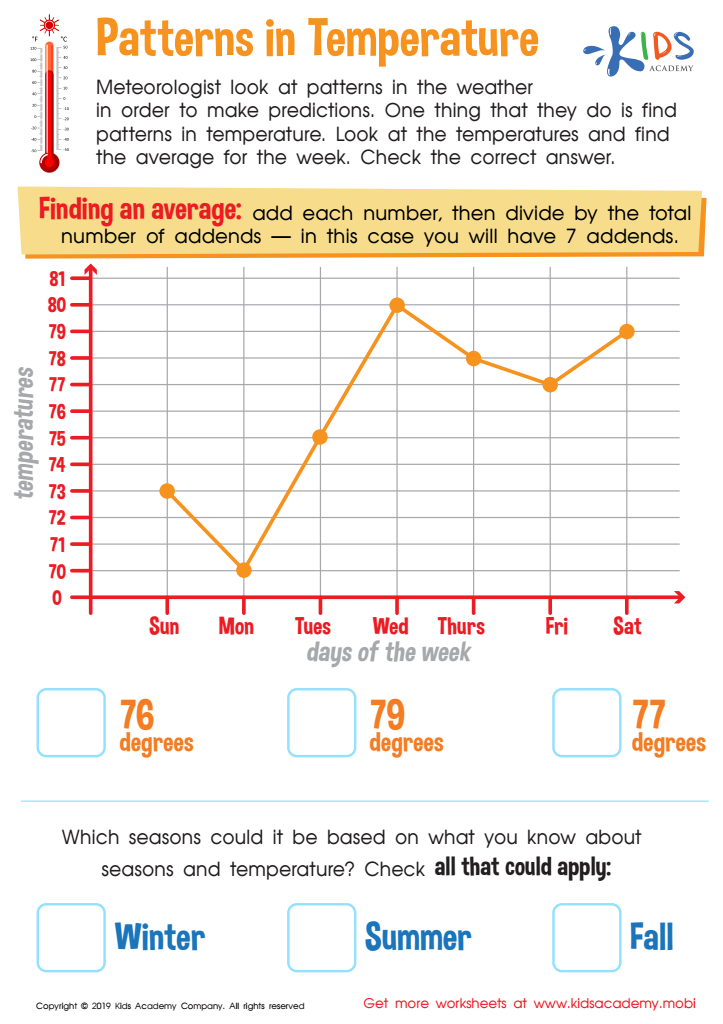
Patterns in Temperature Worksheet
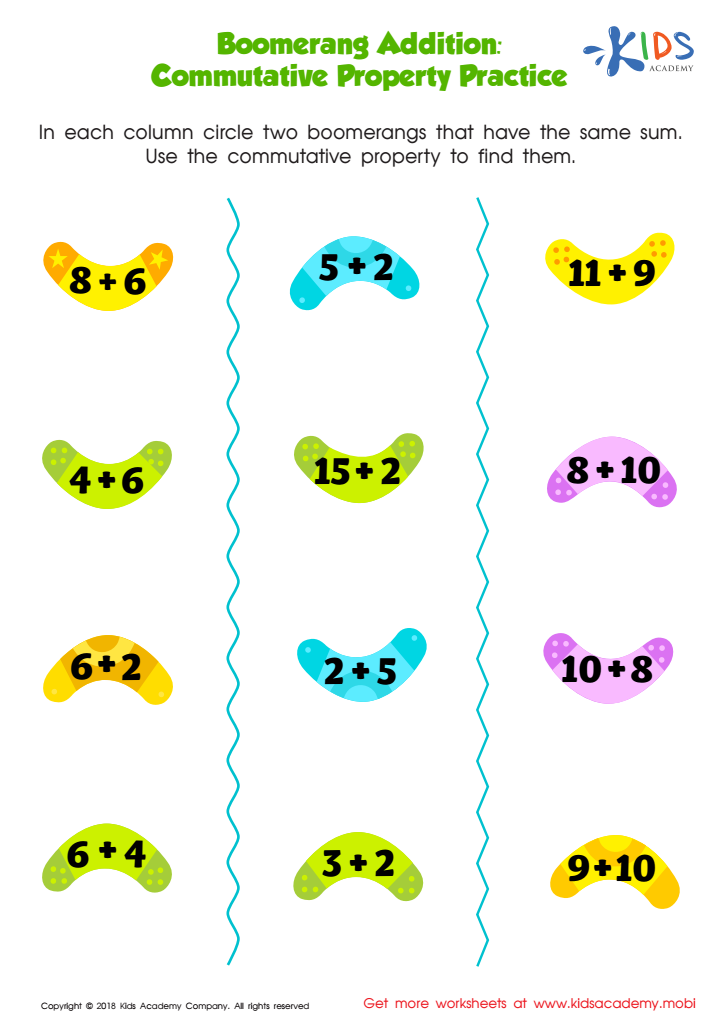
Boomerang Addition Worksheet
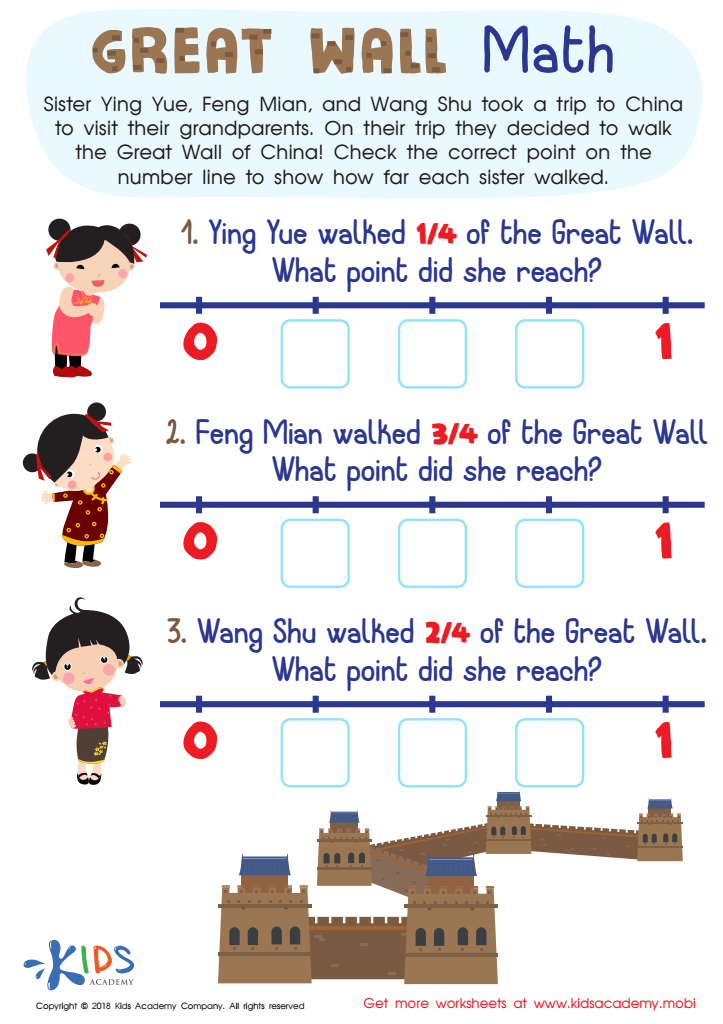
Great Wall Math Worksheet
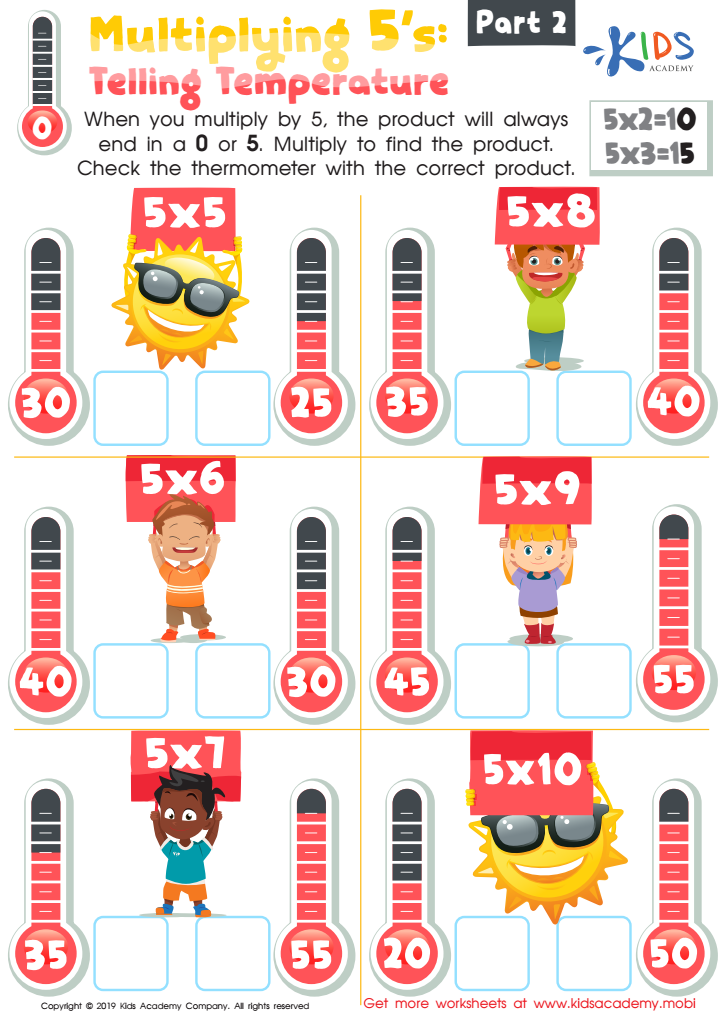
Multiplying 5’s: Telling Temperature Part 2 Worksheet
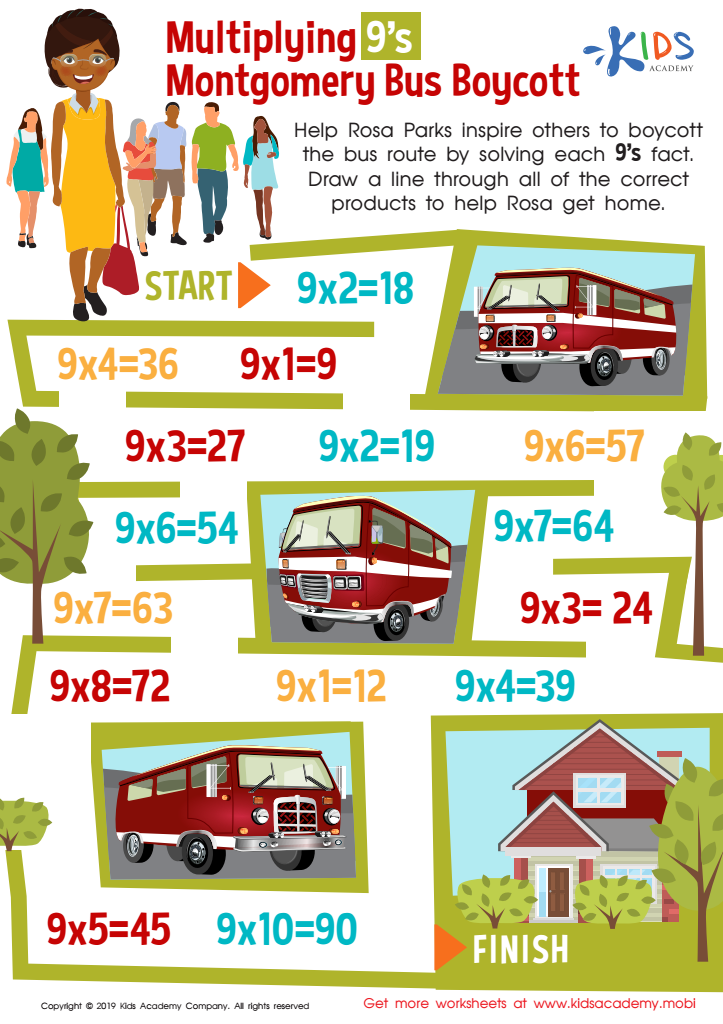
Multiplying 9’s Montgomery Bus Boycott Worksheet








Understanding patterns in normal math for children aged 5-9 is crucial for several reasons. At this developmental stage, children are building foundational cognitive skills that will serve them throughout their education and in everyday life. Patterns help young learners identify relationships between numbers and shapes, which enhances their problem-solving abilities.
Firstly, recognizing patterns promotes critical thinking and logical reasoning. When children can see and predict patterns, they develop early algebraic thinking, which is pivotal as they progress to more complex mathematical concepts. For instance, identifying patterns in counting introduces them to the number sequence, fostering fluency and accuracy in math.
Secondly, learning about patterns encourages creativity and curiosity. Engaging children in discovering patterns in nature, art, or music can make math feel relevant and enjoyable, thereby cultivating a lifelong love for learning.
Additionally, the ability to recognize and apply patterns advances skills that are essential beyond math, such as logical organization and systematic thinking – competencies increasingly valued in today’s world.
Ultimately, parents and teachers should prioritize pattern recognition in math, as it not only establishes a strong mathematical foundation but also nurtures a holistic approach to cognitive development.








