Visual perception improvement Normal Math Worksheets for Ages 5-9
4 filtered results
-
From - To
Enhance your child’s visual perception skills with our Normal Math Worksheets designed for ages 5-9! At Kids Academy, we offer a variety of engaging activities that make learning math fun while improving critical visual perception skills like pattern recognition, spatial awareness, and shape discrimination. Our carefully crafted worksheets help young learners develop essential math skills in an enjoyable and interactive way. Whether your child is identifying shapes, solving puzzles, or tackling basic arithmetic, our resources are tailored to support their cognitive growth and academic success. Boost your child's confidence and abilities in math with our specialized visual perception improvement worksheets today!
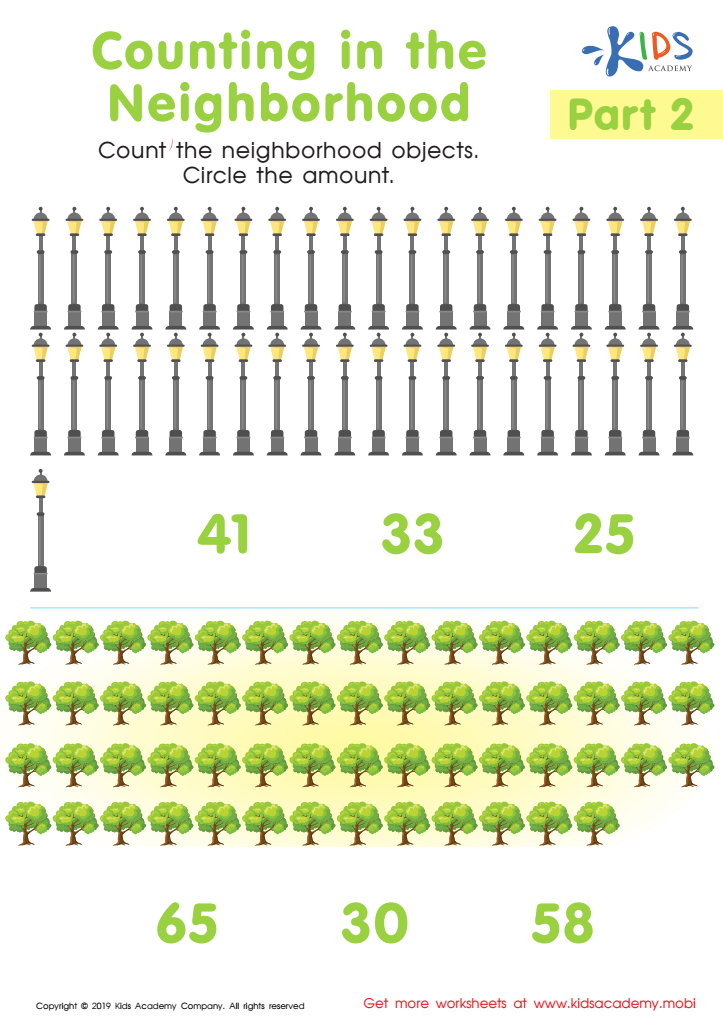
Counting In The Neighborhood Part 2 Worksheet
 Assign to My Students
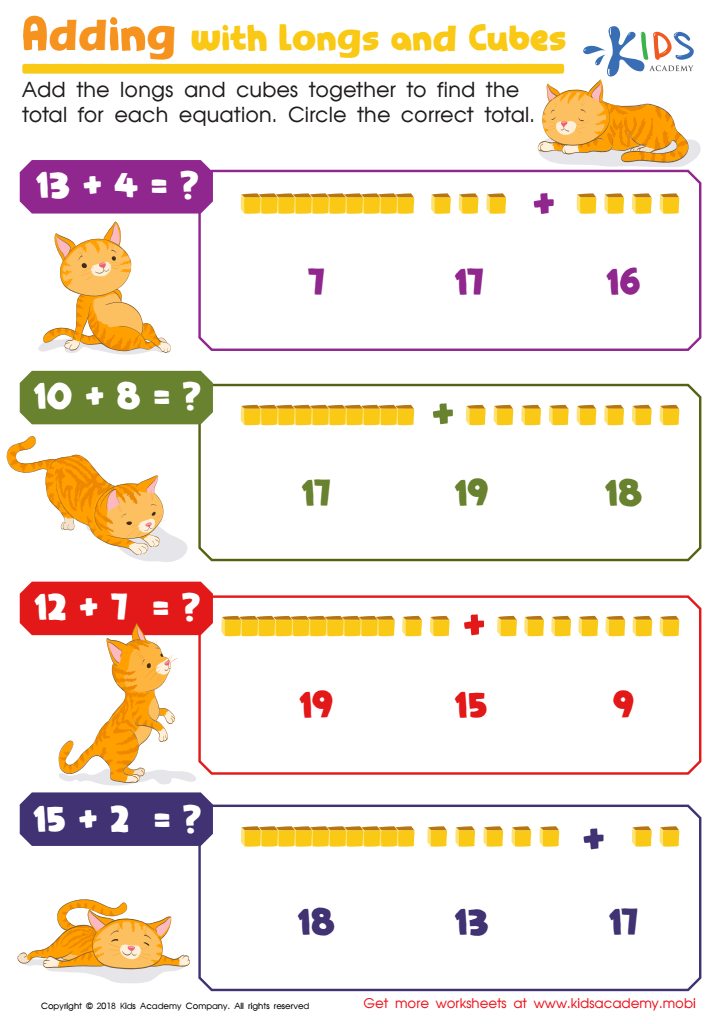
Adding With Longs and Cubes Worksheet
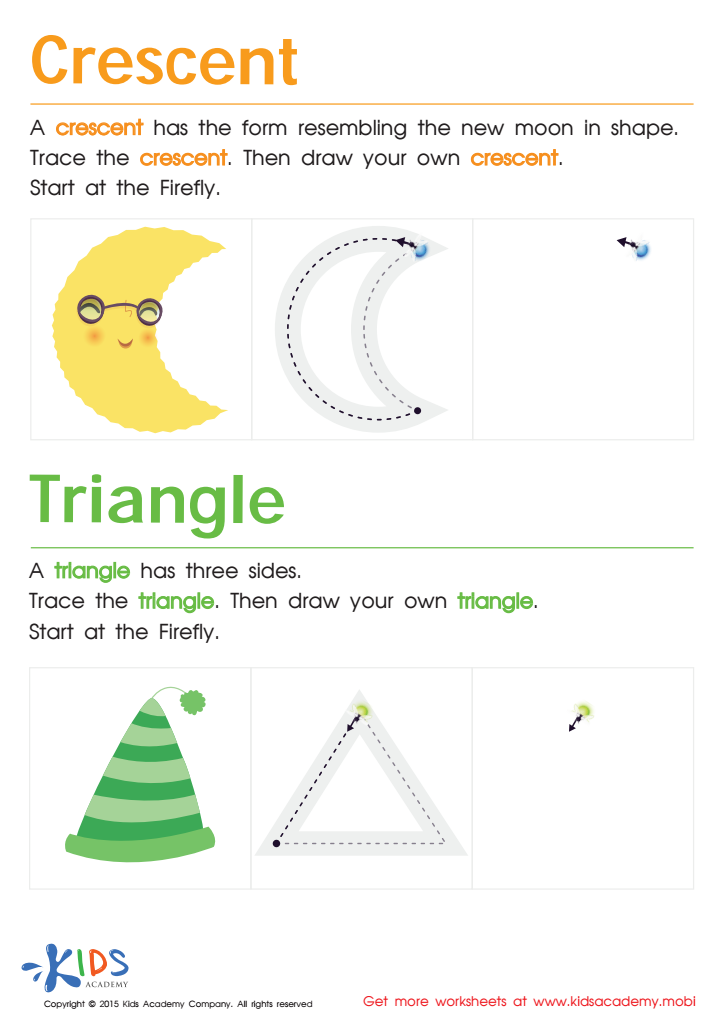
Learning to Draw Crescents And Triangles Worksheet
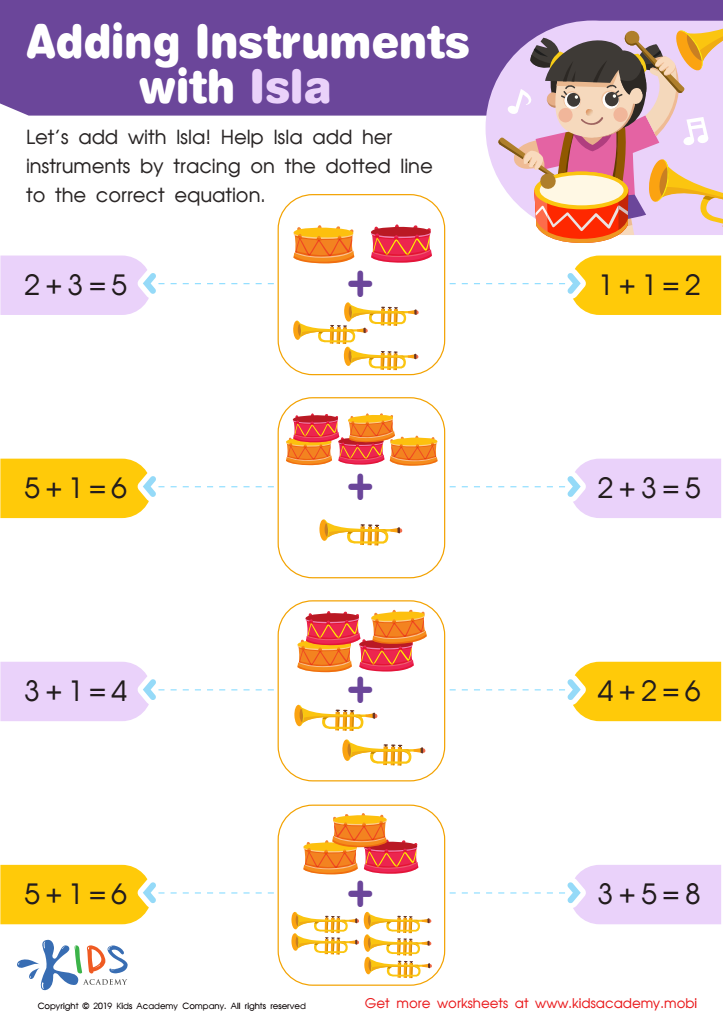
Adding Instruments with Isla Worksheet







Visual perception is a critical cognitive skill for young children, particularly in the realm of mathematics. For children aged 5-9, enhancing visual perception improves their ability to interpret and understand the world around them, directly influencing their mathematical learning and problem-solving capabilities.
Visual perception helps young learners differentiate between shapes, sizes, and patterns, which are fundamental in grasping basic mathematics concepts like geometry and spatial awareness. These skills allow children to better understand more complex concepts such as measurement, number sense, and symmetry.
Additionally, improved visual perception aids in accurate reading and writing of numbers and math symbols, reducing errors and enhancing overall mathematical communication. It also supports the child’s ability to follow along in lessons, visually scan math problems, and recognize mathematical relationships and sequences.
Parents and teachers play a significant role in fostering these skills. Through activities such as puzzles, drawing, or even simple games that involve counting and comparing objects, adults can create a stimulating environment that nurtures visual perception.
By prioritizing the enhancement of these abilities in formative years, parents and teachers help lay a strong foundation for future academic success across various disciplines, not just in mathematics. This holistic approach to early education ultimately encourages confident, capable learners.








