Vocabulary Building Normal Math Worksheets for Ages 5-9
7 filtered results
-
From - To
Enhance your child's learning experience with our Vocabulary Building Normal Math Worksheets, specifically designed for kids aged 5-9. These engaging and interactive worksheets help young learners develop essential vocabulary related to math concepts, enhancing both comprehension and communication skills. Each worksheet features fun exercises and activities that encourage children to explore mathematical terms while reinforcing their understanding of numbers and operations. Perfect for classrooms or at-home learning, these worksheets support early literacy and math connections, ensuring a well-rounded educational foundation. Start fostering your child's confidence in math and language with our carefully crafted vocabulary building resources today!
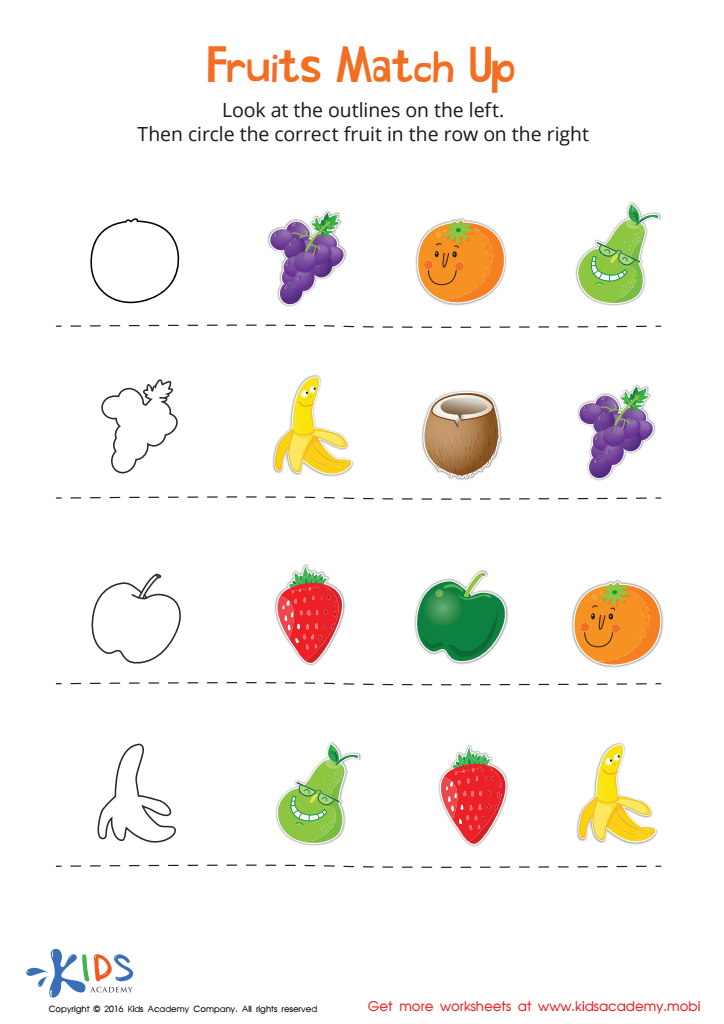
Fruits Match Up Worksheet
 Assign to My Students
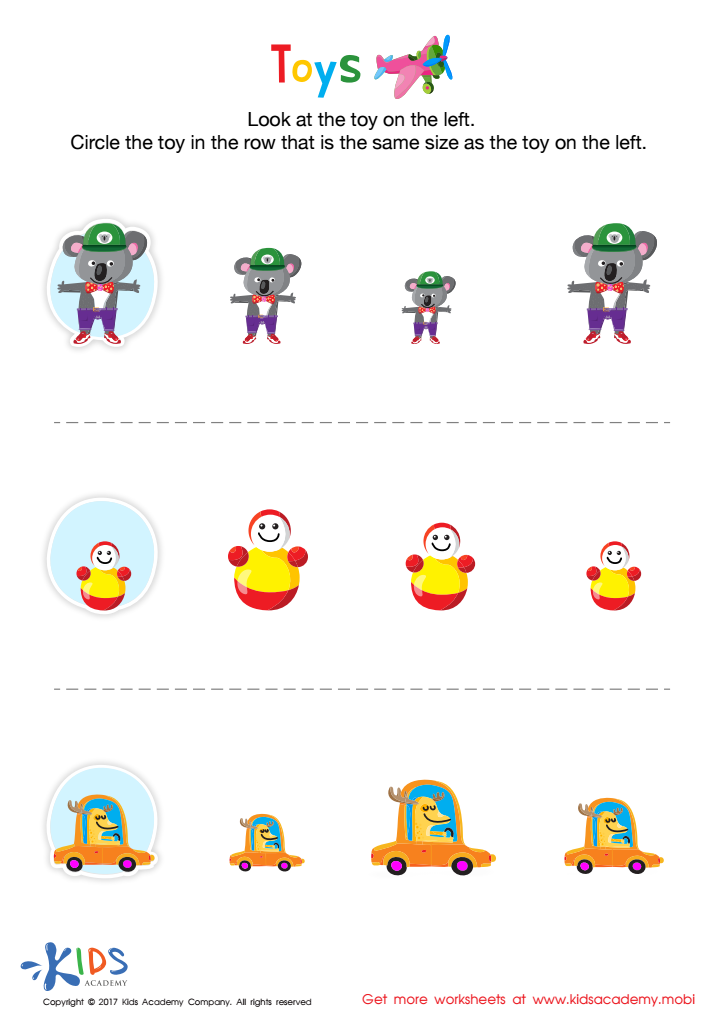
Matching: Classifying Toys by Size Worksheet
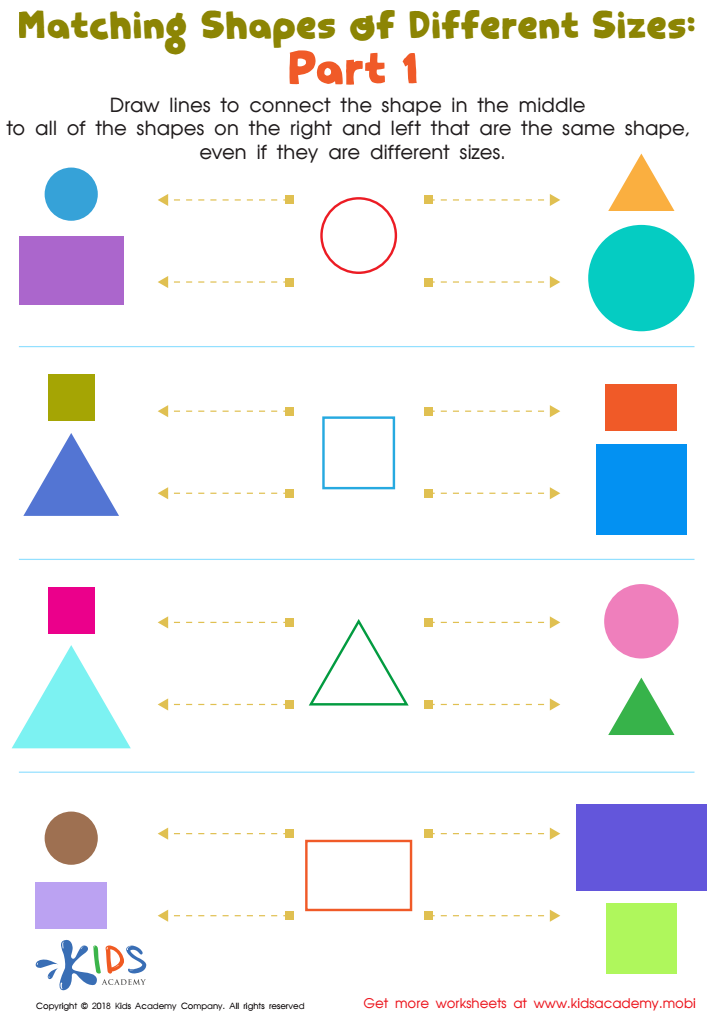
Geometry: part 1 Worksheet
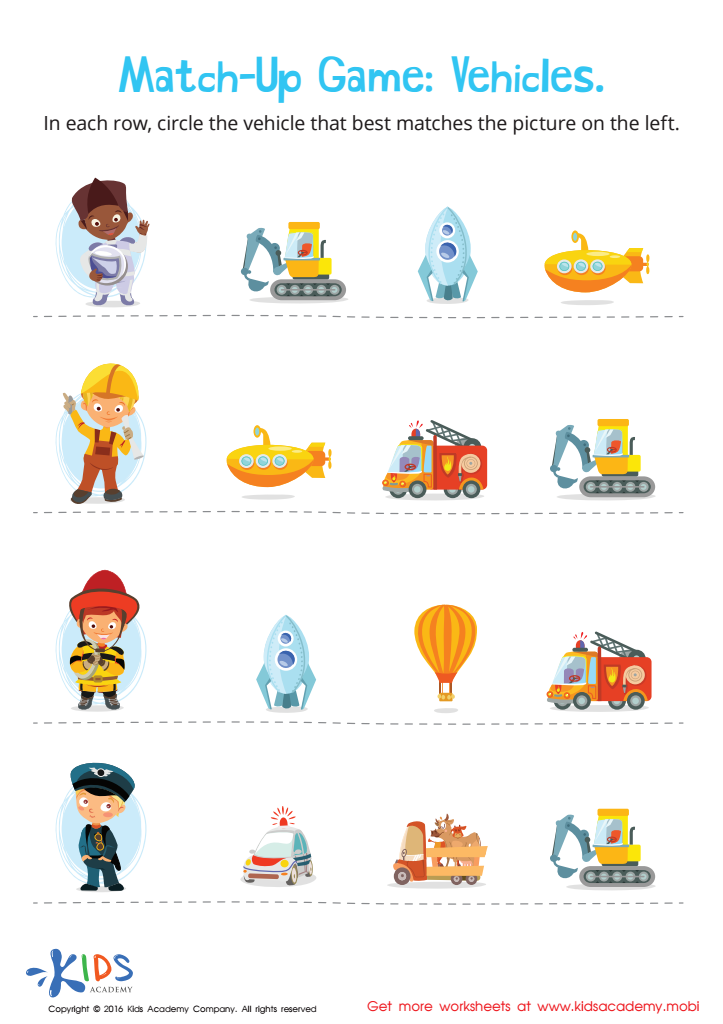
Vehicles Worksheet
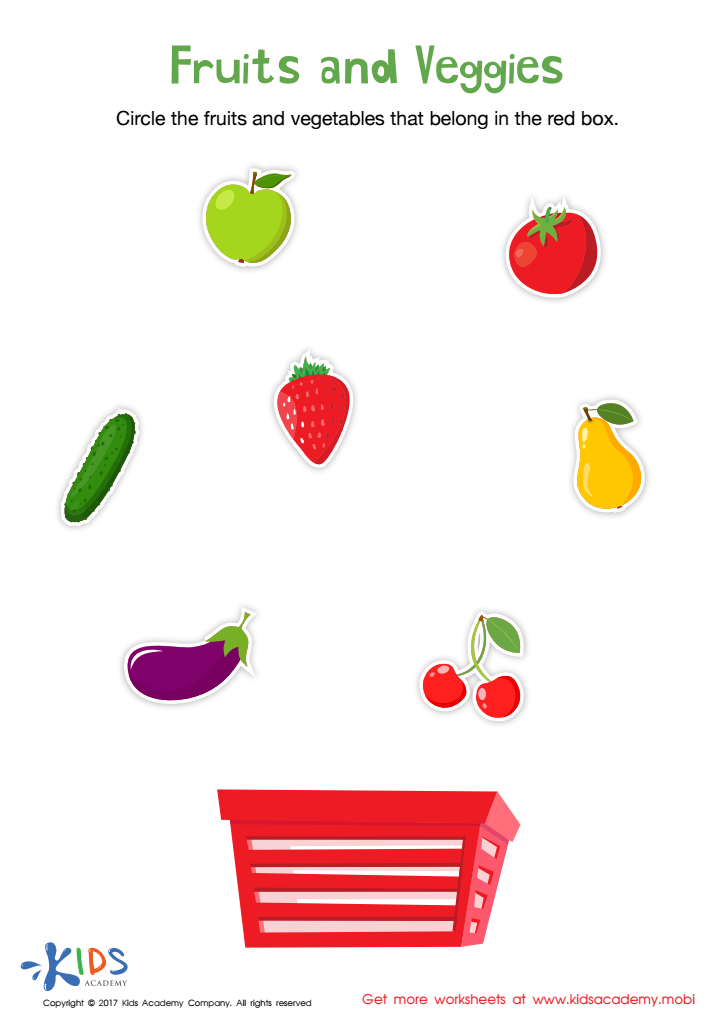
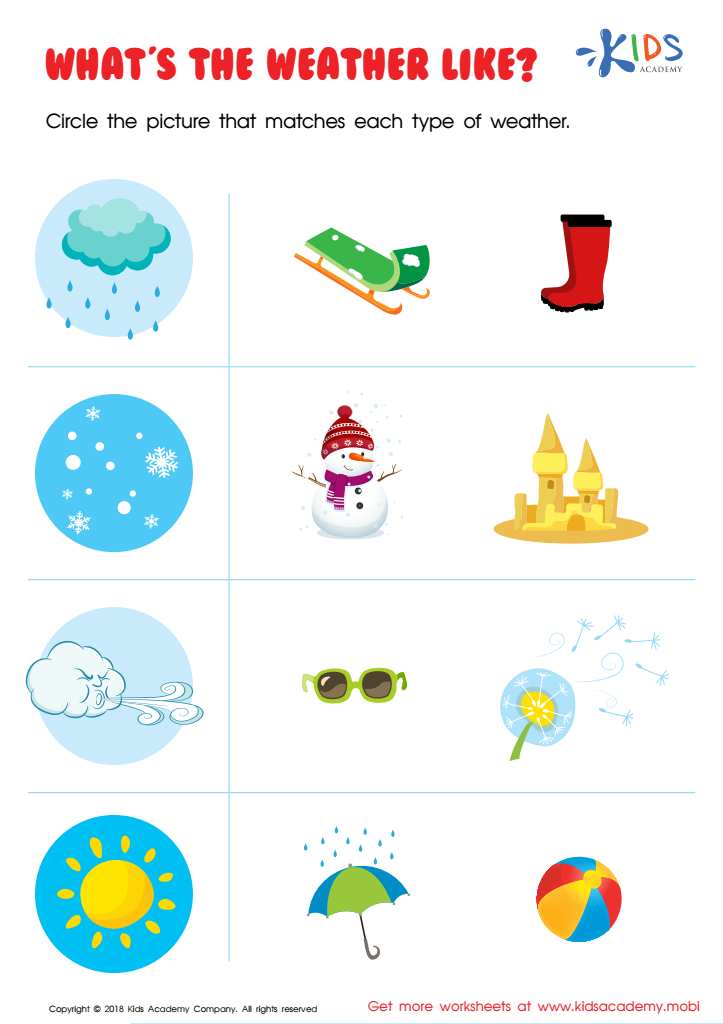
What's the Weather Like? Worksheet
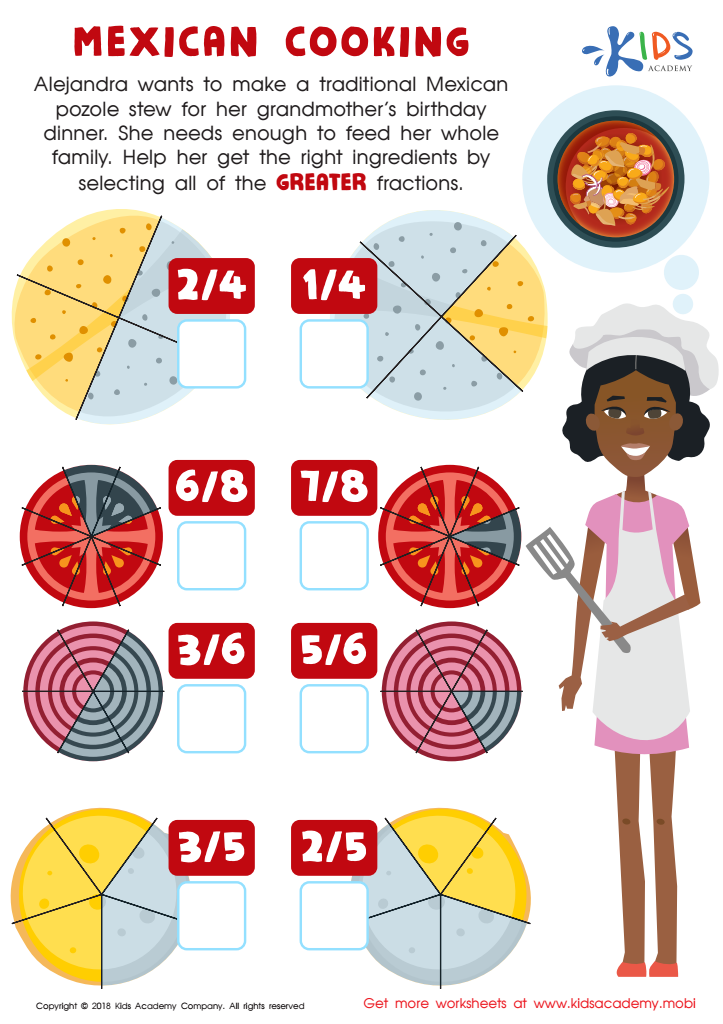
Mexican Cooking Worksheet








Vocabulary building in early math education for children ages 5-9 is crucial because it lays the foundation for effective communication and comprehension. At this age, children are developing crucial cognitive skills, and a strong mathematical vocabulary enhances their ability to understand concepts and solve problems. When children can articulate their thought processes using terms like “add,” “subtract,” “greater than,” and “less than,” they can grasp mathematical ideas more fully and confidently.
Parents and teachers should be concerned with vocabulary building in math because it directly impacts a child's academic success. Children who struggle with mathematical language often experience difficulties in grasping concepts, which can lead to frustration and a negative attitude toward math. Incorporating vocabulary into everyday conversations and lessons not only enriches their language skills but also deepens their understanding of math concepts.
Moreover, fostering a robust mathematical vocabulary opens doors to higher-level thinking and problem-solving skills. As math becomes more complex in later grades, a solid vocabulary will enable children to approach new topics with confidence. Ultimately, enhancing their vocabulary in math helps children succeed in school and prepares them for lifelong learning and critical thinking. Supporting vocabulary development is an investment in a child's educational journey.








