Reading comprehension Normal Reading Fiction Worksheets for Ages 5-9
76 filtered results
-
From - To
Discover a collection of engaging reading comprehension fiction worksheets designed specifically for children aged 5-9. These thoughtfully crafted activities aim to enhance your child’s understanding and enjoyment of stories while developing essential literacy skills. Each worksheet combines captivating narratives with comprehension questions, encouraging kids to think critically and connect with the material. Perfect for classroom use or at-home learning, our worksheets make reading fun and interactive. Foster a love for literature and improve your child's reading skills today with our accessible resources, tailored to young readers. Start exploring now and watch your child's confidence soar in reading comprehension!
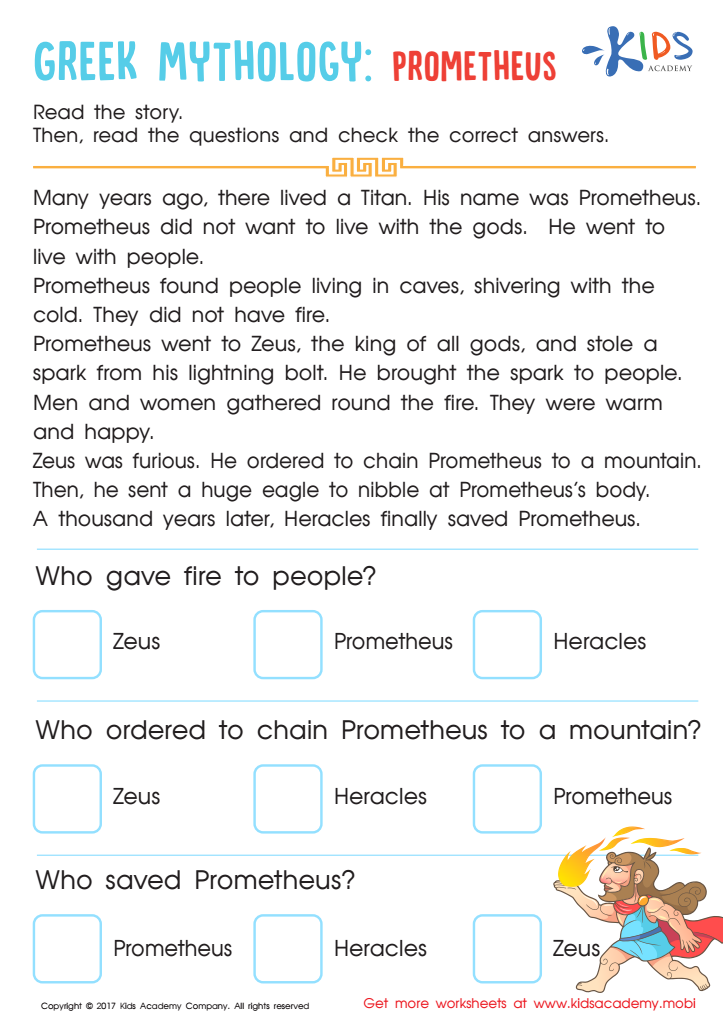
Prometheus Story Worksheet
 Assign to My Students
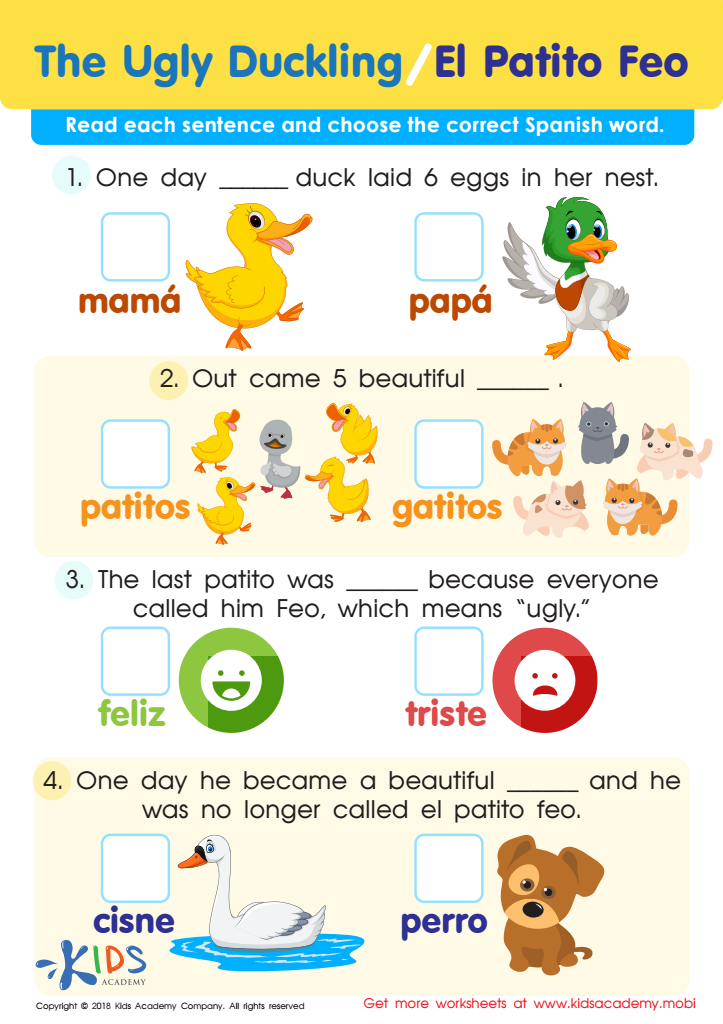
The Ugly Duckling / El Patito Feo Worksheet
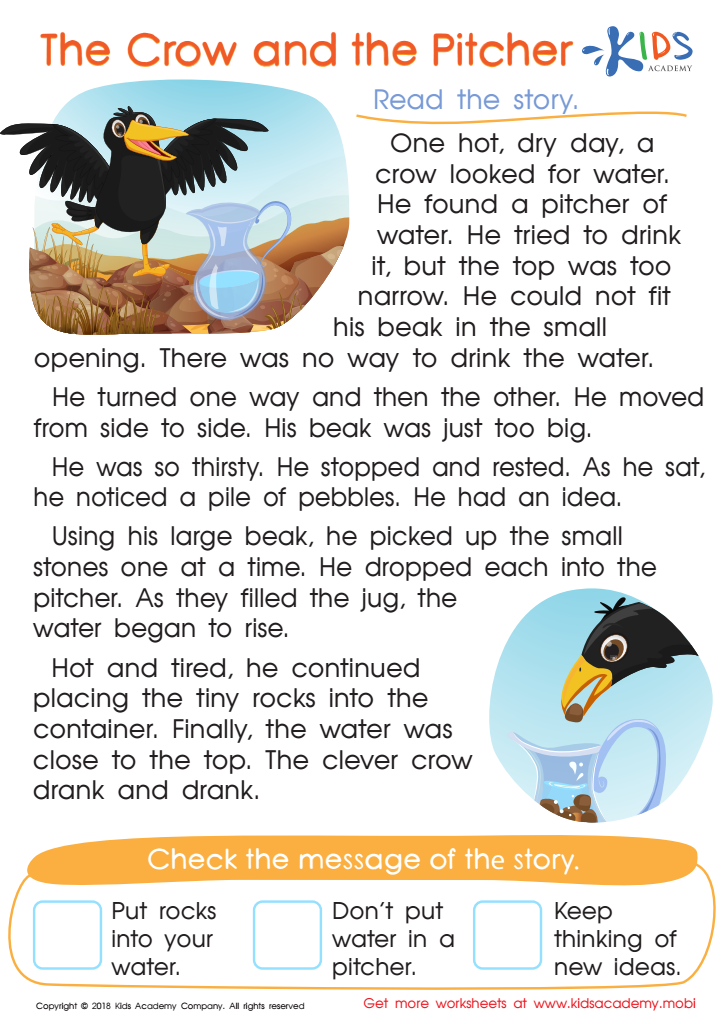
The Crow and the Pitcher Worksheet
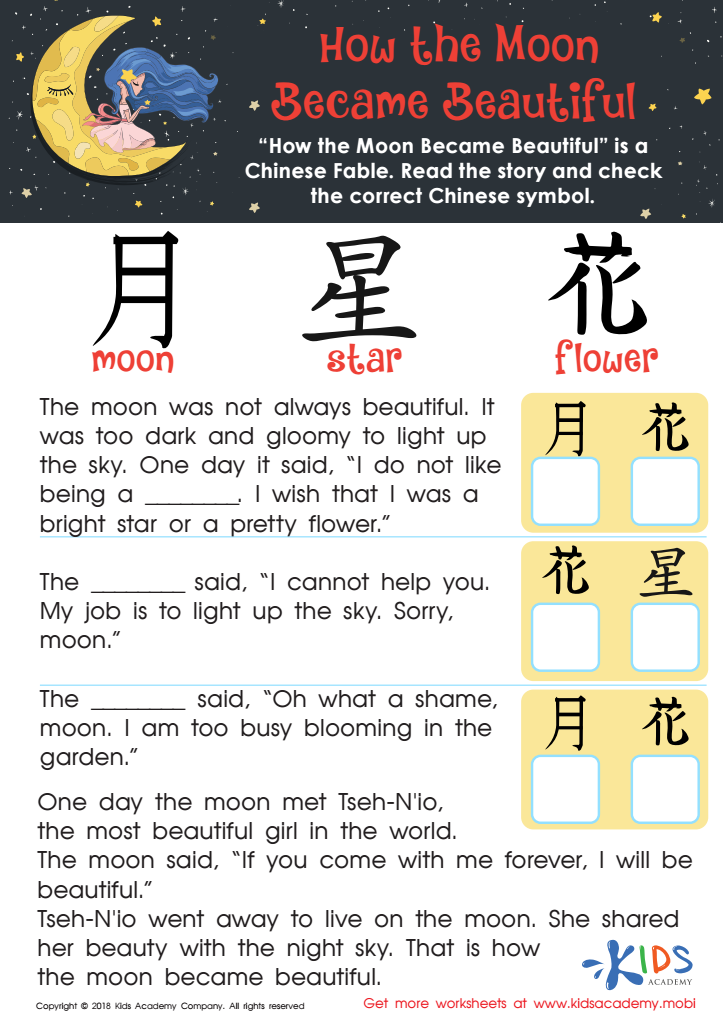
How the Moon Became Beautiful Worksheet
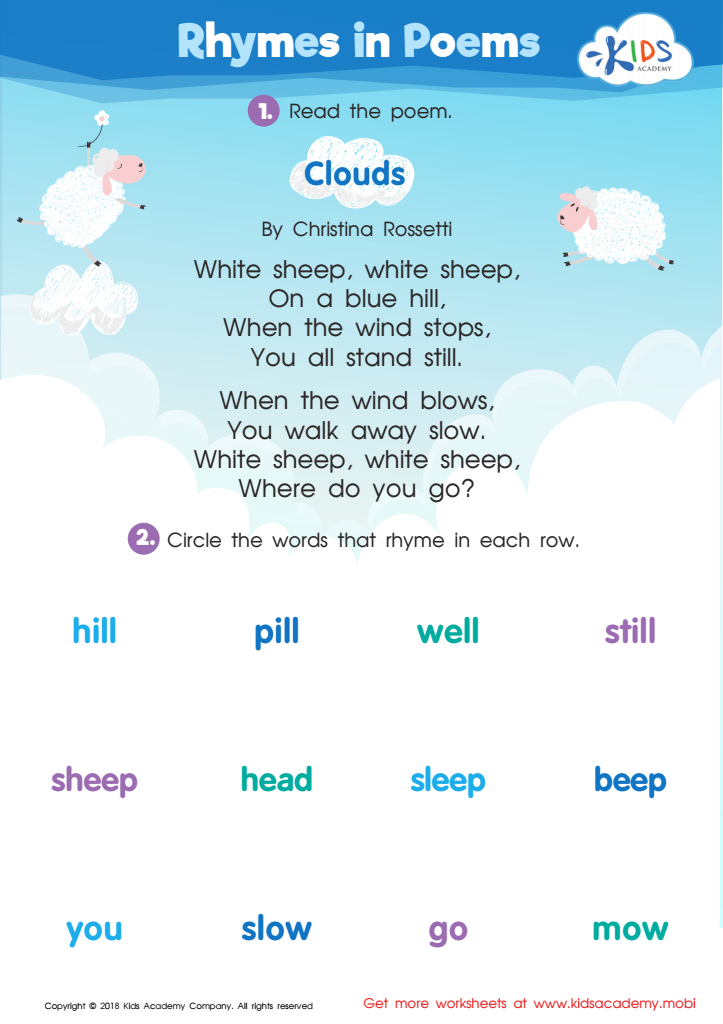
Rhymes in Poems Worksheet
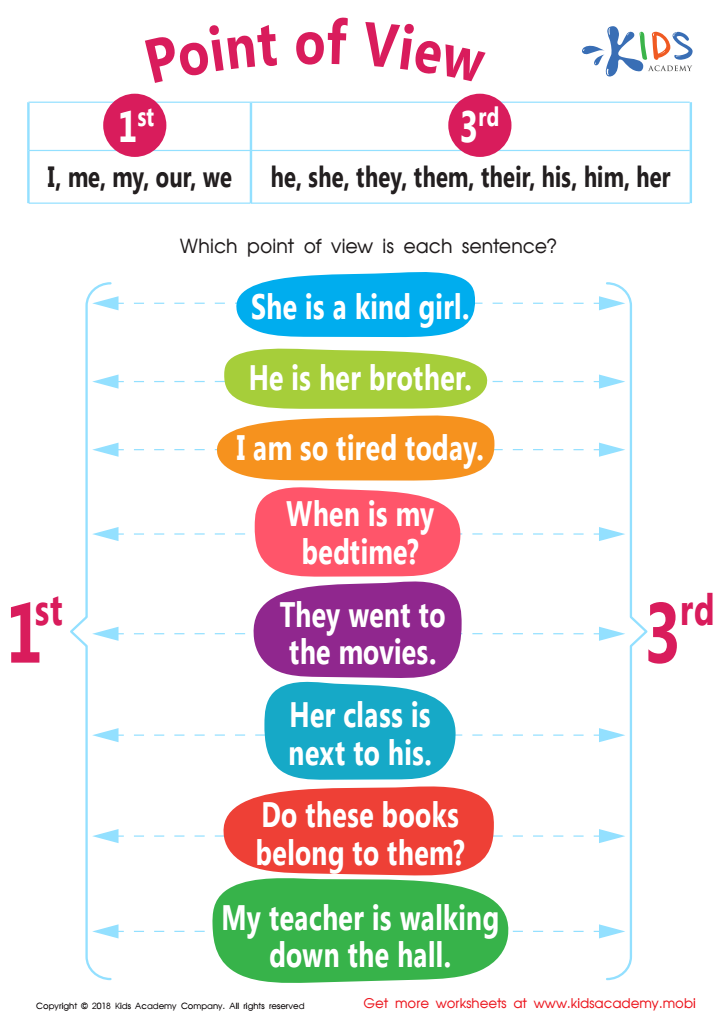
Point of View Worksheet
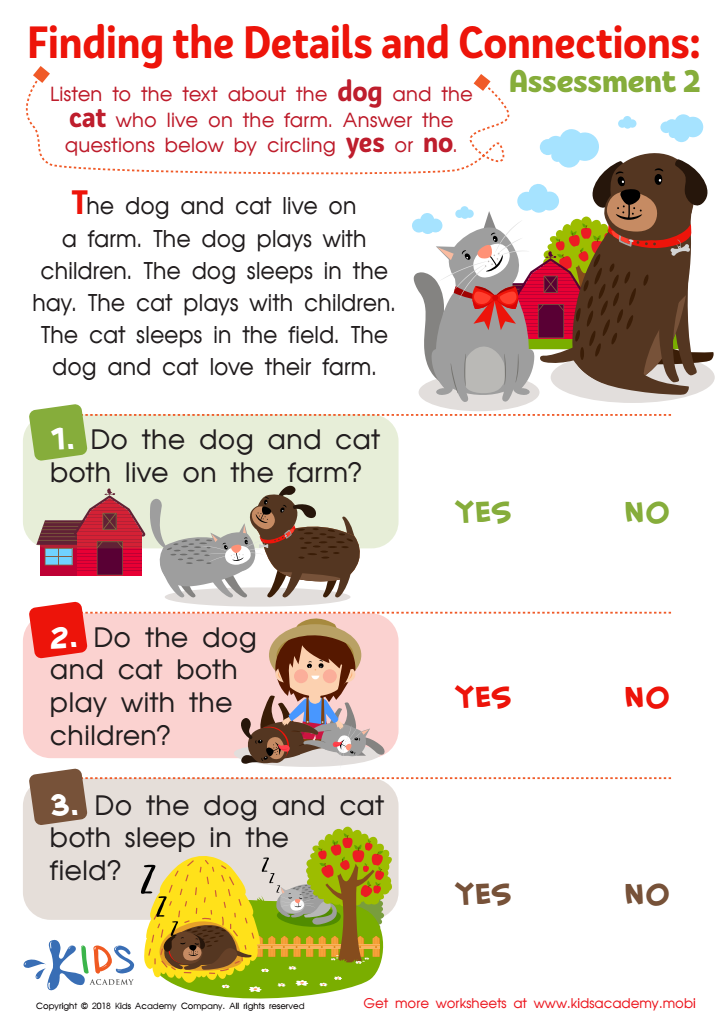
Finding the Details and Connections: Assessment 2 Worksheet
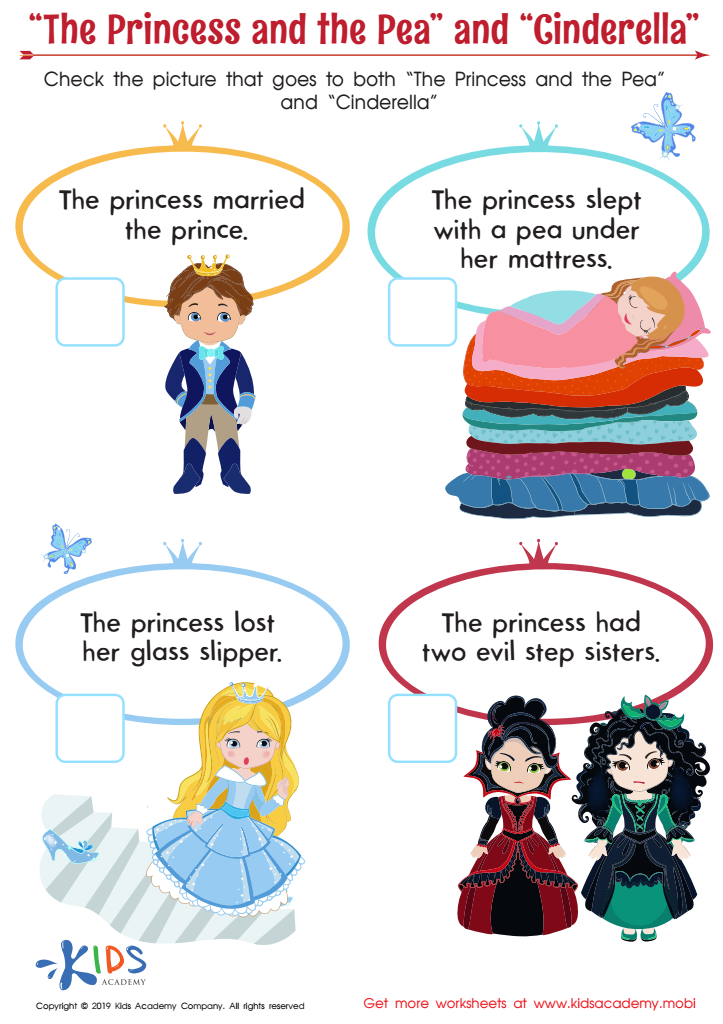
“The Princess and the Pea” and “Cinderella” Worksheet
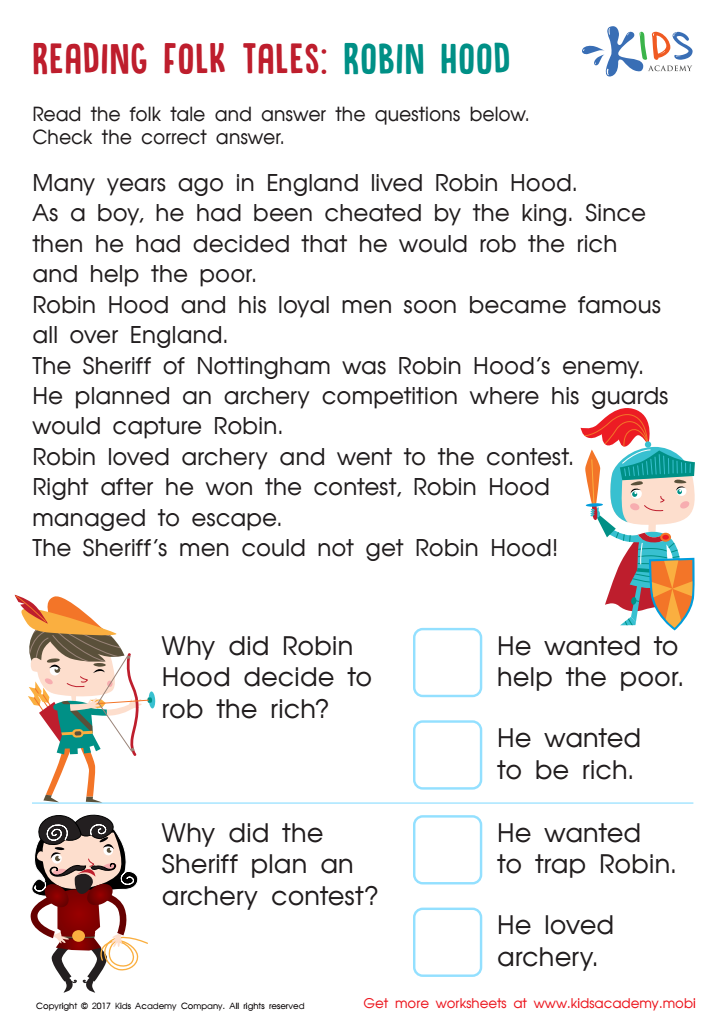
Robin Hood Folktale Worksheet
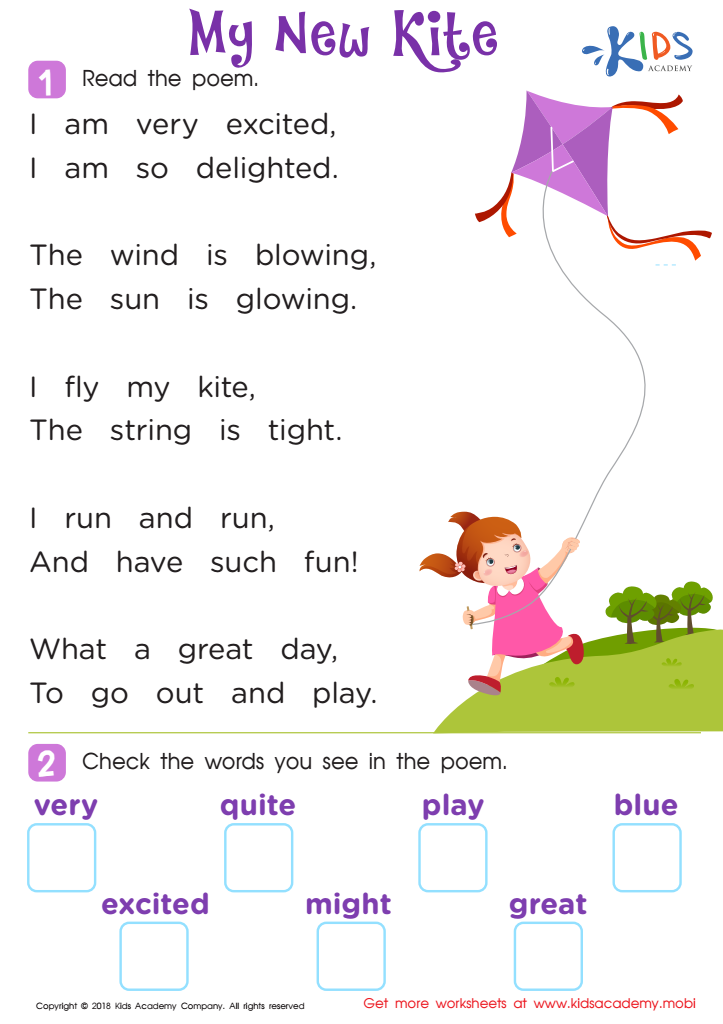
Poem: My New Kite Worksheet
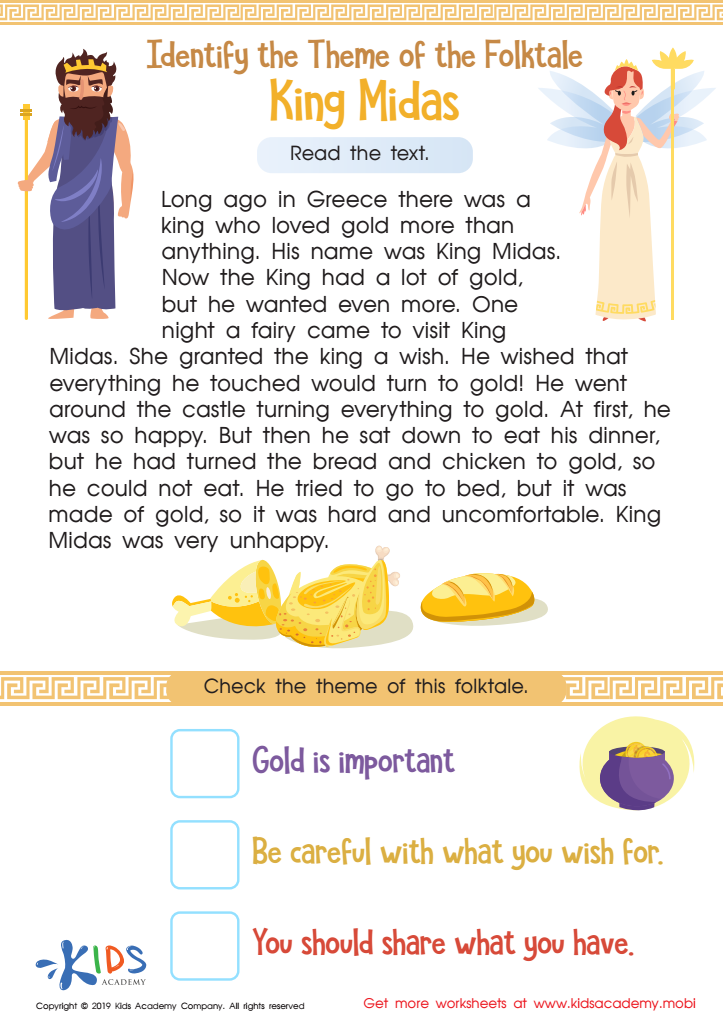
King Midas Worksheet
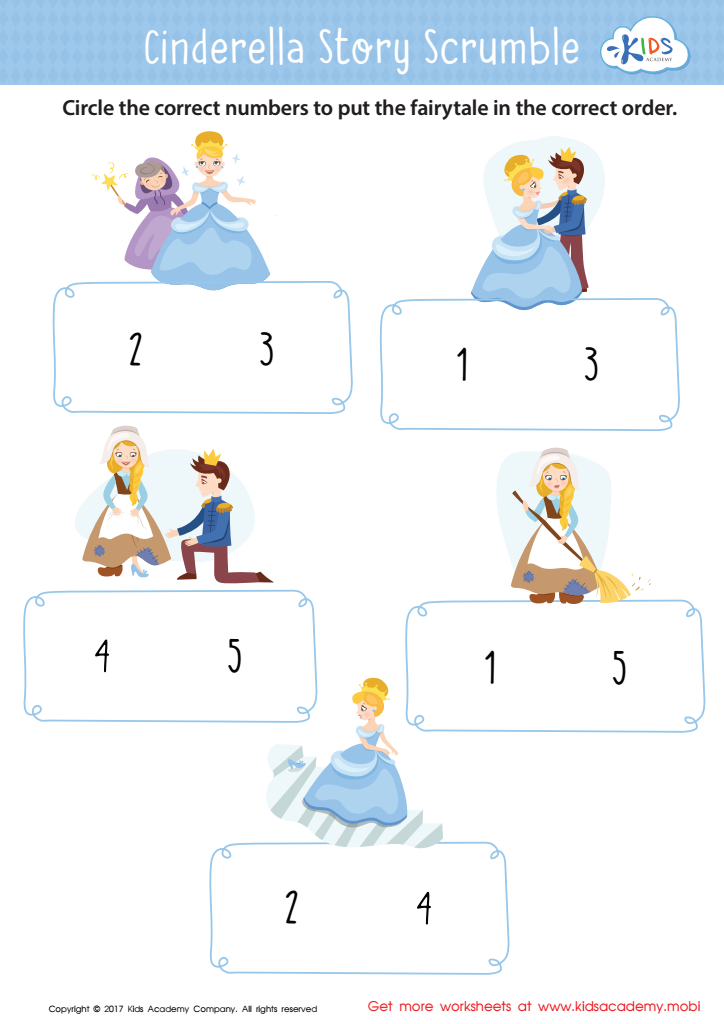
Cinderella Story Sequencing Worksheet
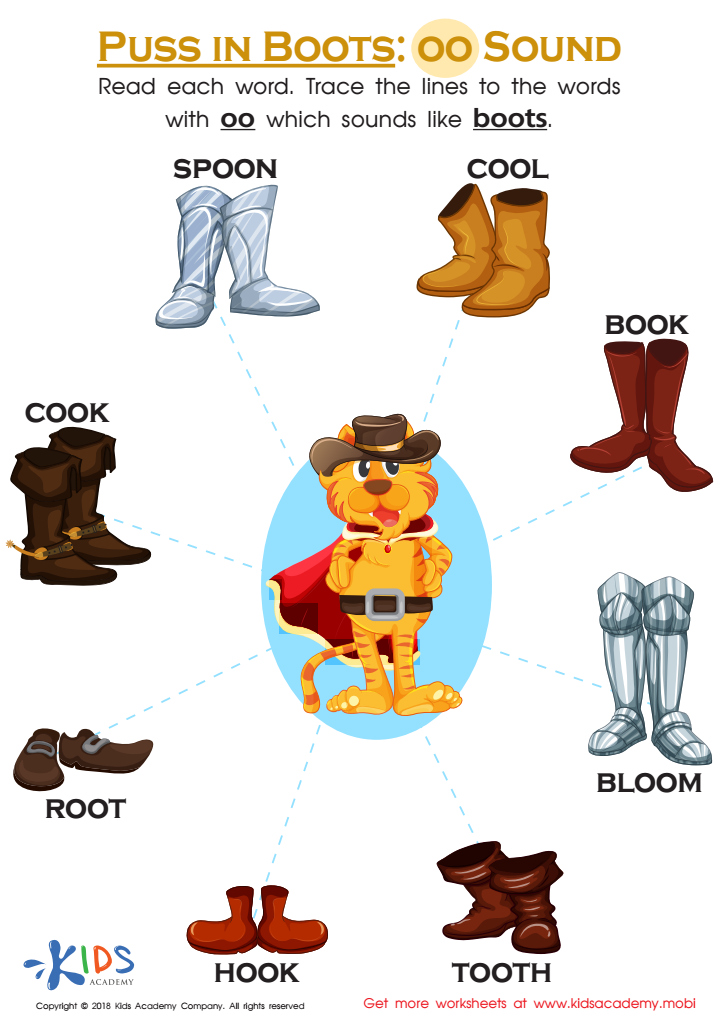
Puss in Boots: OO Sound Worksheet
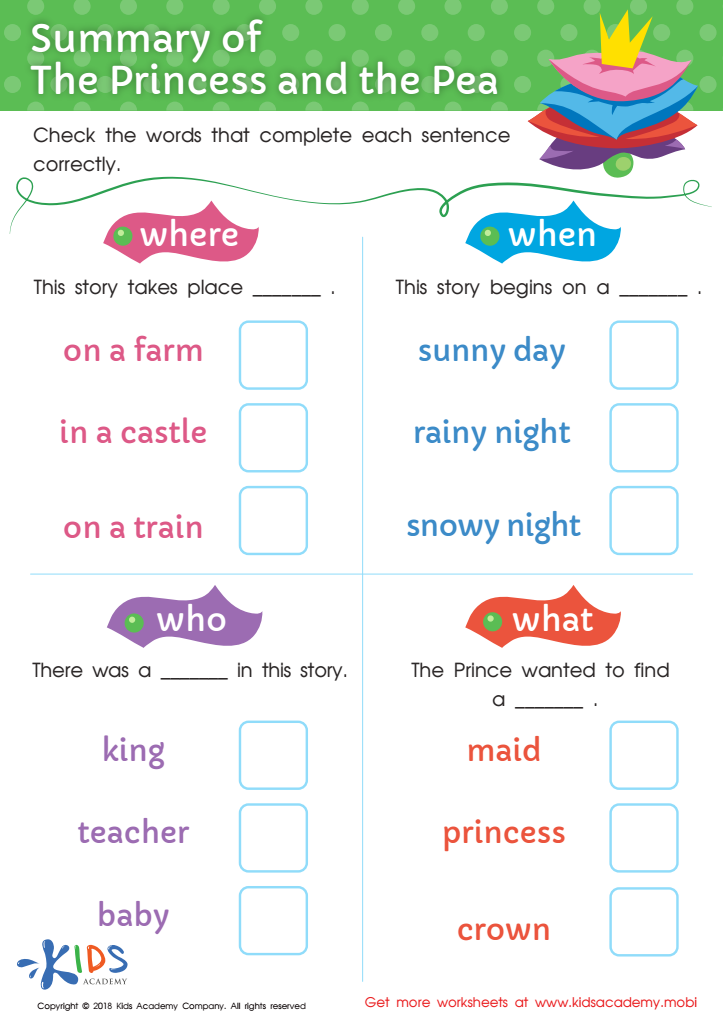
The Summary of the Princess and the Pea Worksheet
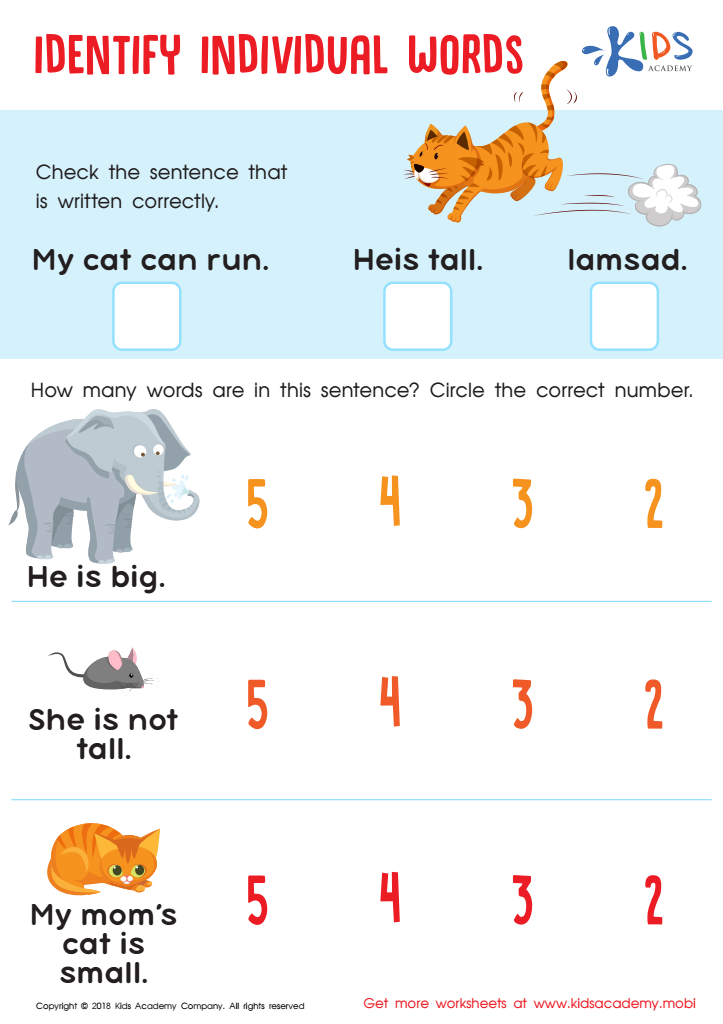
Identify Individual Words Worksheet
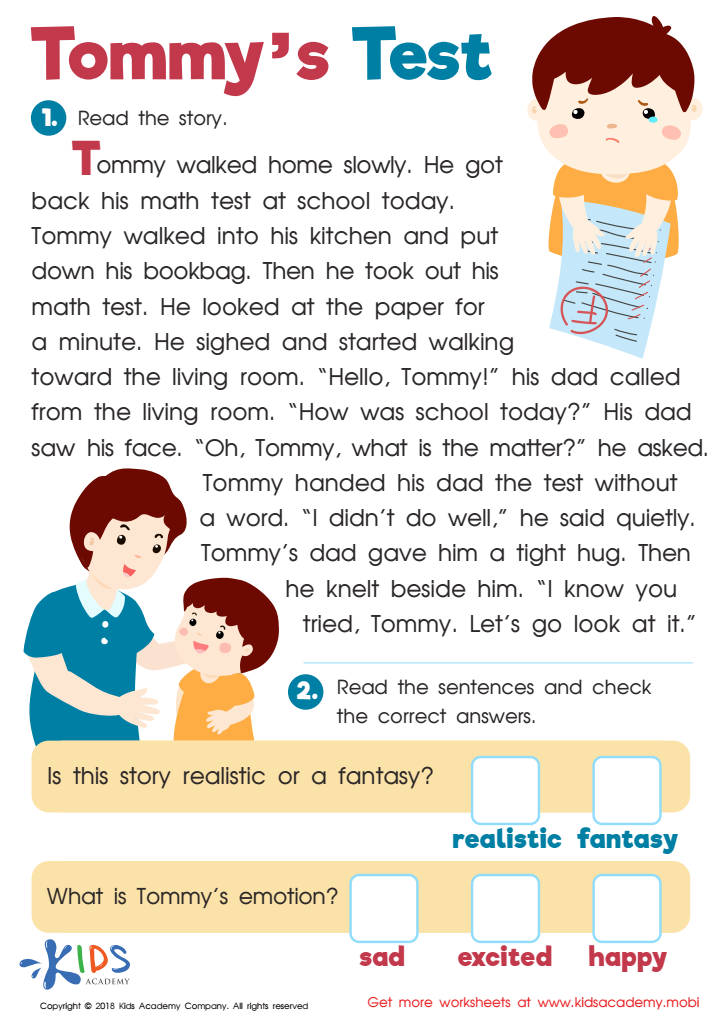
Tommys Test Worksheet
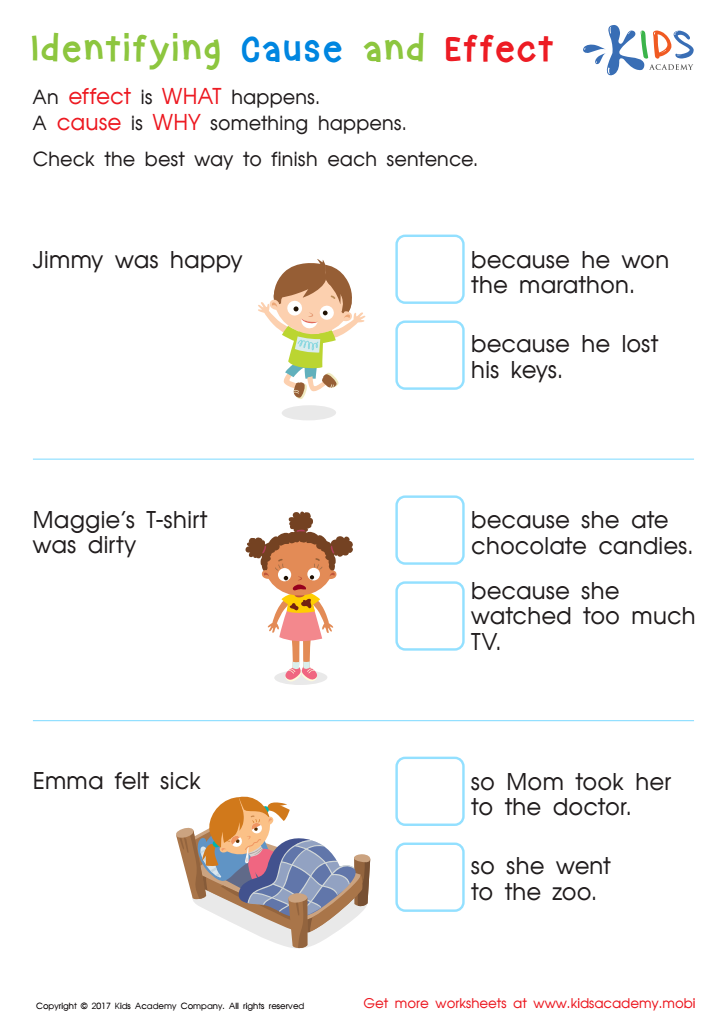
Indentifying Cause and Effect Worksheet
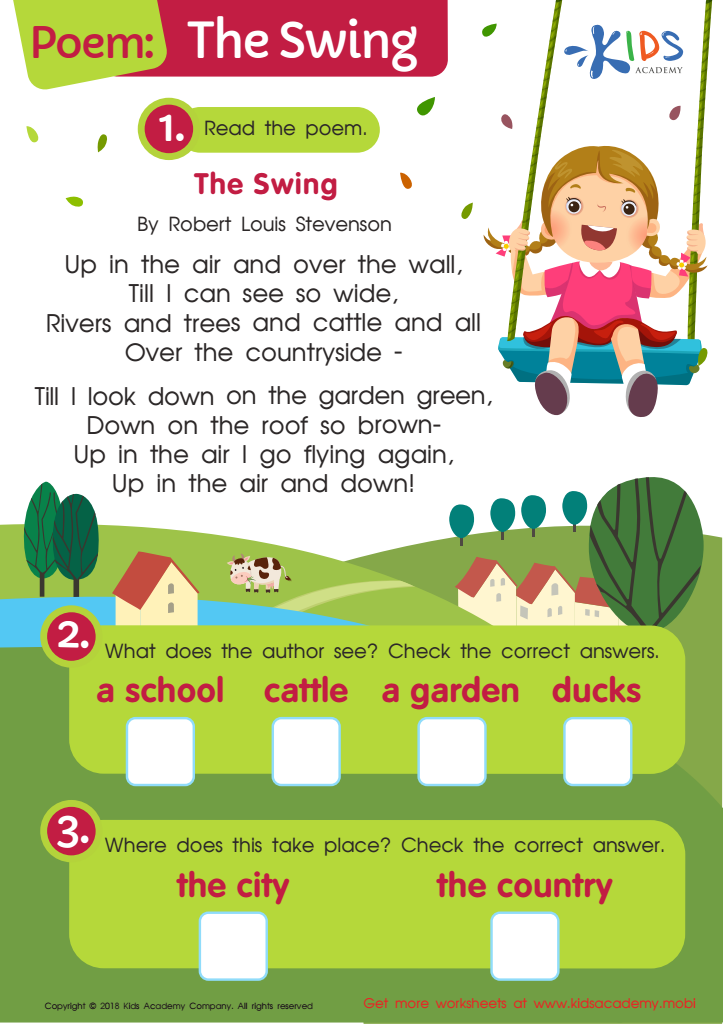
Poem: The Swing Worksheet
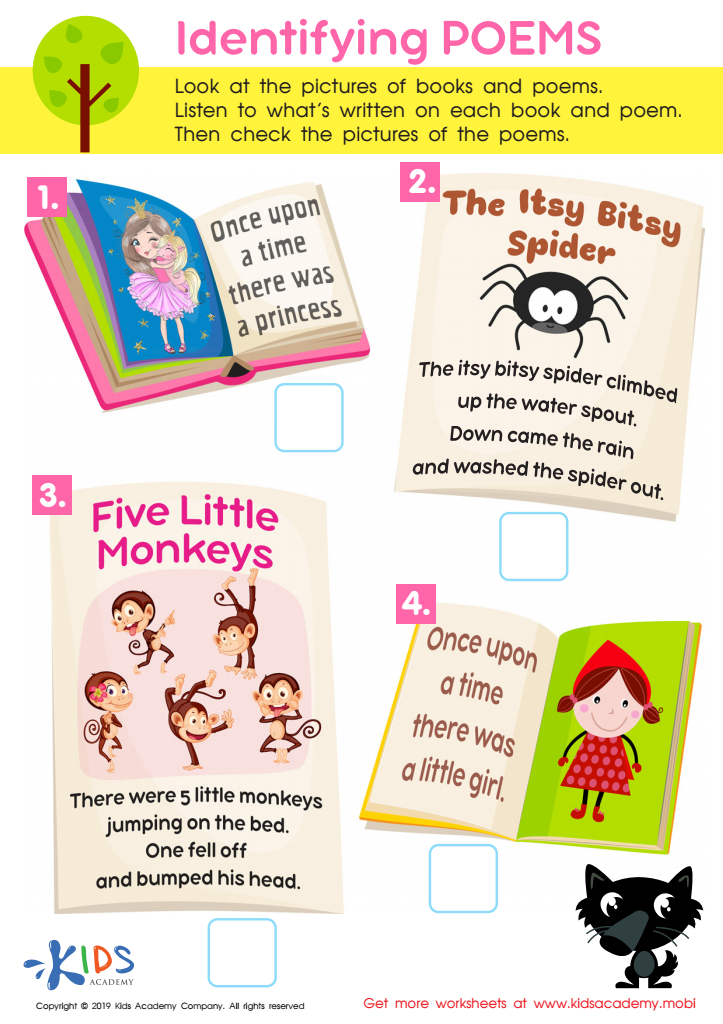
Identifying Poems Worksheet
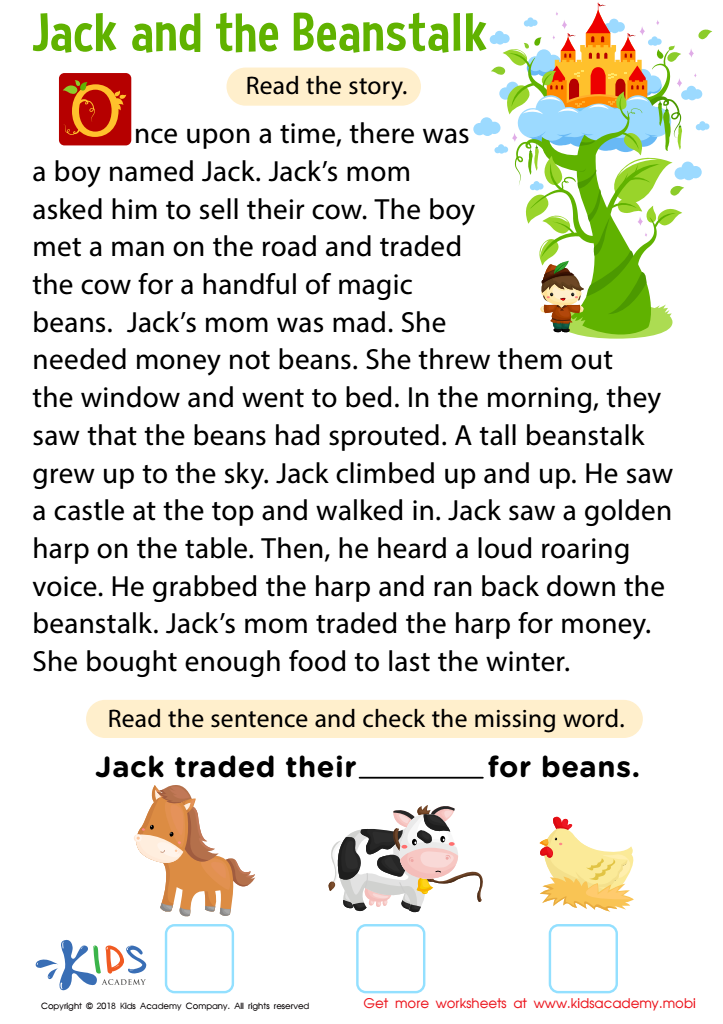
Jack and Beanstalk Worksheet
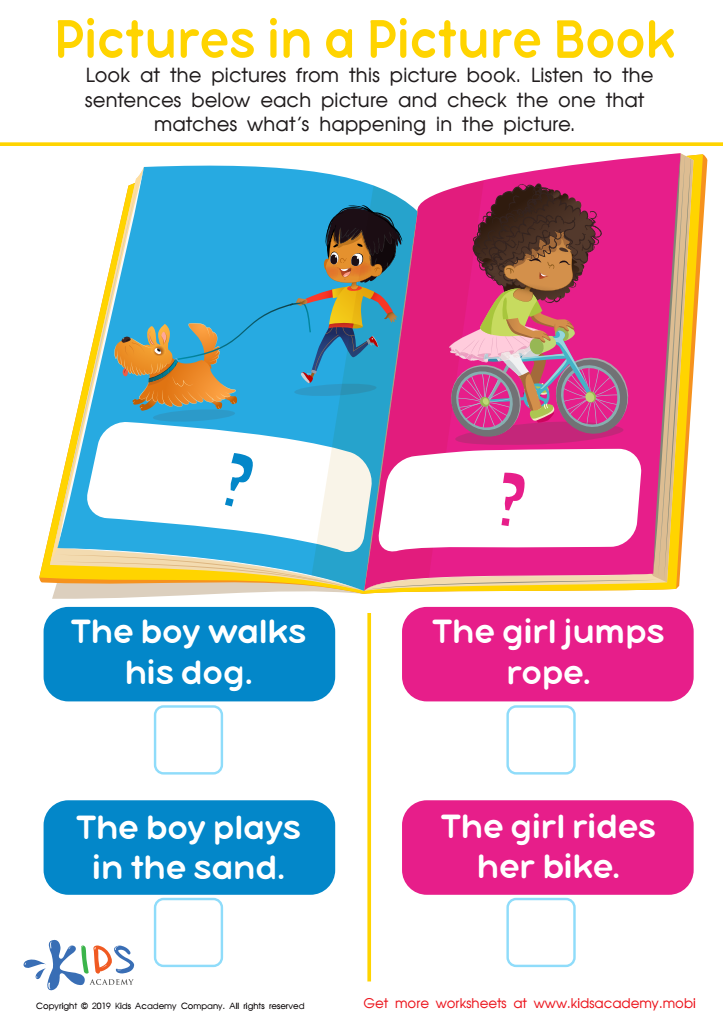
Picture in Books Worksheet
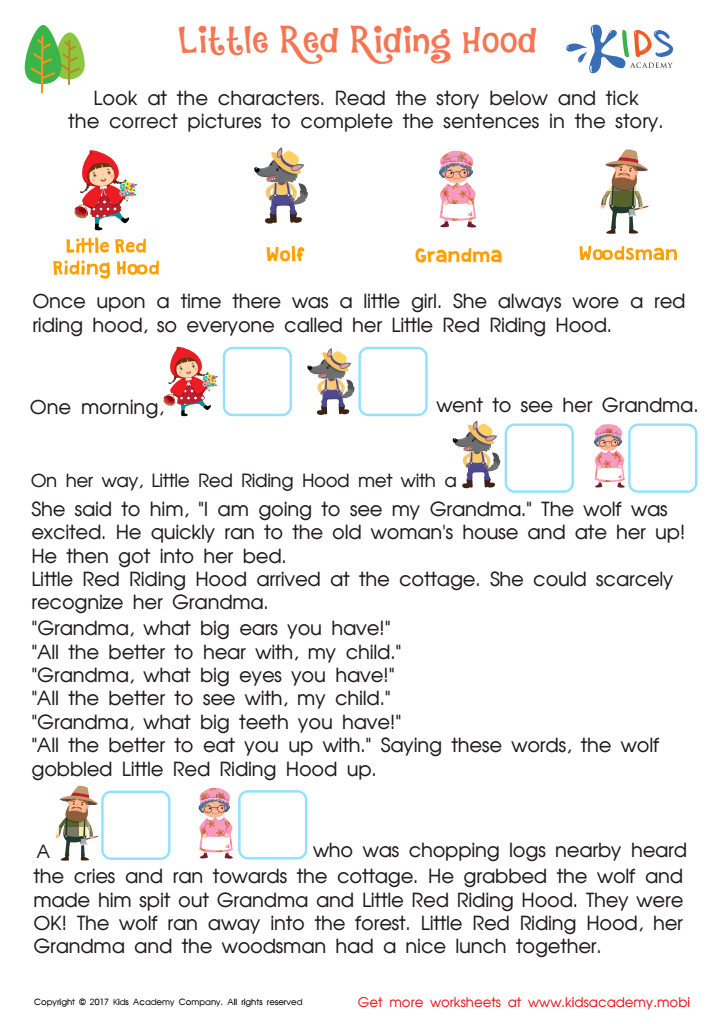
Little Red Riding Hood Printable
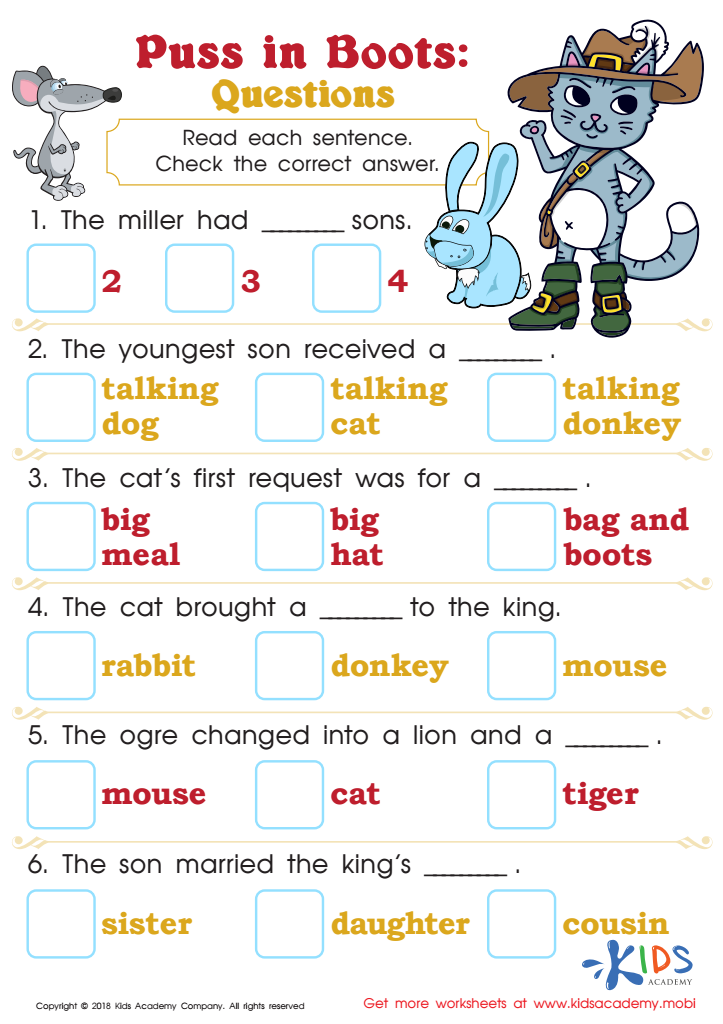
Puss in Boots: Questions Worksheet
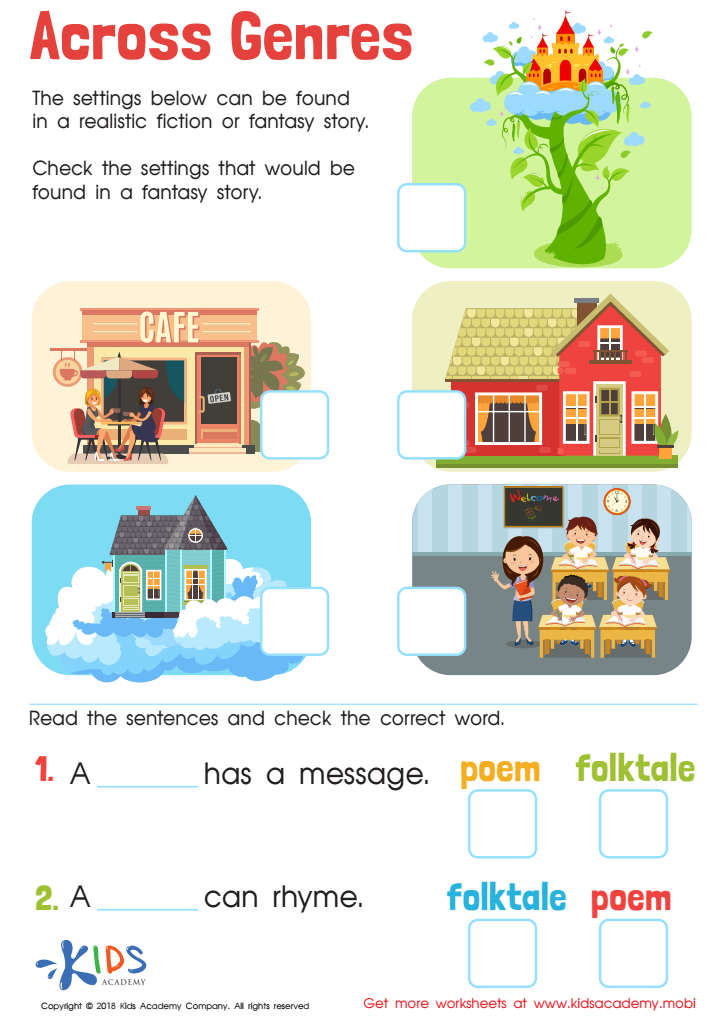
Across Genres Worksheet


.jpg)





Reading comprehension is a critical skill that underpins a child's academic success and lifelong learning. For children aged 5-9, normal reading fiction plays a vital role in developing this skill. Fictional stories captivate young minds, sparking imagination and encouraging critical thinking. When parents and teachers read together, they create opportunities for children to retell, predict outcomes, and discuss characters' emotions—practices that enhance comprehension.
Furthermore, fiction exposes children to diverse experiences and cultures, fostering empathy and broadening their worldviews. Understanding story structure, such as plot and character development, teaches children to follow narratives and grasp underlying themes that are essential for deeper learning.
Supporting reading comprehension during these formative years lays the groundwork for more complex texts in the future. Skills acquired through reading fiction—such as interpreting tone, understanding context, and making inferences—will benefit children across subjects, beyond literature.
Moreover, the joy of storytelling ignites a love for reading, encouraging lifelong habits of literacy and curiosity. Parents and teachers play a pivotal role in nurturing these skills, making it essential to prioritize reading comprehension in young learners' educational journeys. Ultimately, fostering this ability helps children not only in school but in their emotional and social development, enriching their overall growth.







