Logical thinking development Normal Worksheets for 5-Year-Olds
6 filtered results
-
From - To
Enhance your child's cognitive skills with our engaging logical thinking worksheets designed specifically for 5-year-olds. These printable activities foster problem-solving abilities and critical thinking, laying a strong foundation for future learning. Each worksheet incorporates fun challenges that encourage kids to identify patterns, sequences, and relationships between objects. With vibrant illustrations and age-appropriate tasks, children will enjoy exploring concepts while developing essential logical reasoning skills. Perfect for both classroom and home use, our worksheets provide caregivers and teachers with valuable resources to support early learning. Start nurturing your child's analytical mindset today and watch them thrive with confidence and creativity!
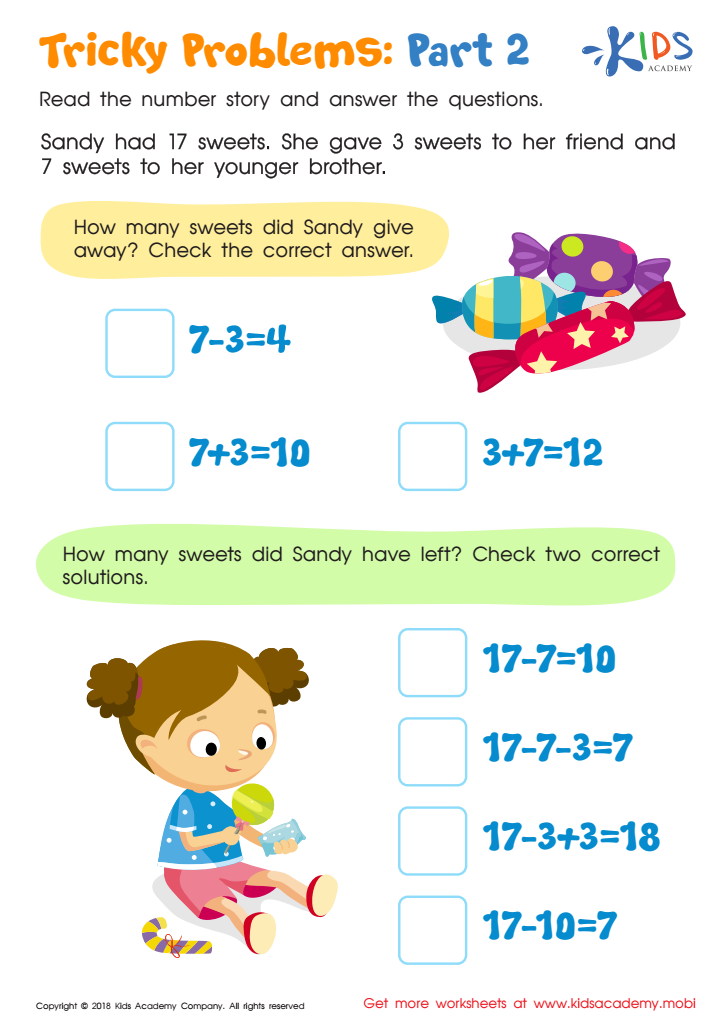
Tricky Problems Worksheet: Part 2
 Assign to My Students

Match the Word Problems Worksheet
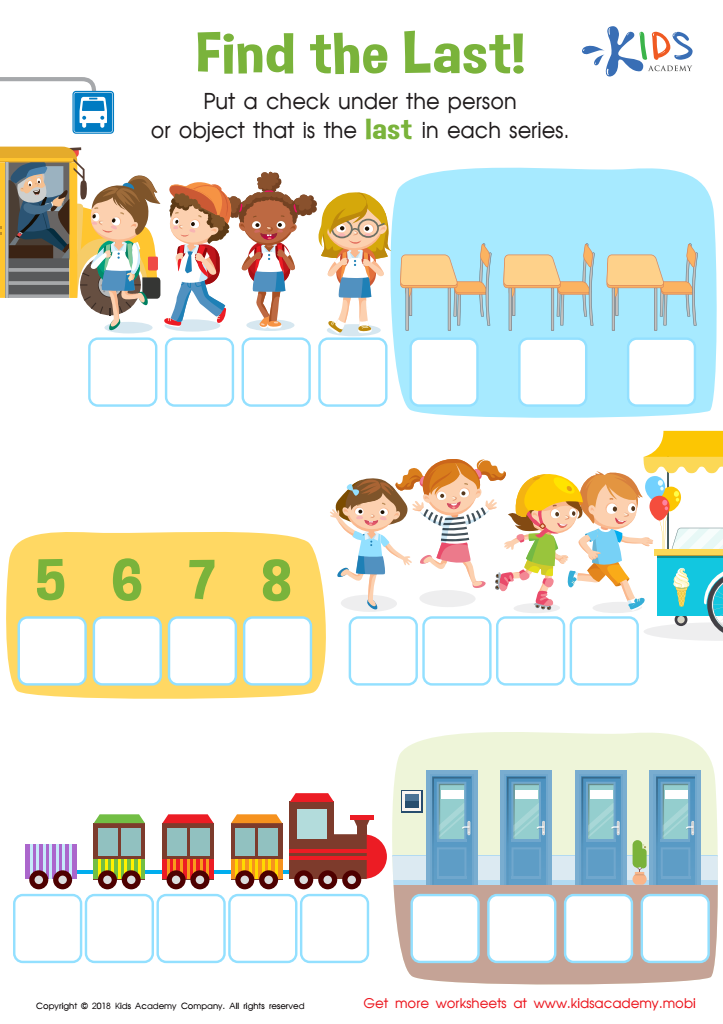
Find the Last! Worksheet

Which Direction Will it Go? Worksheet
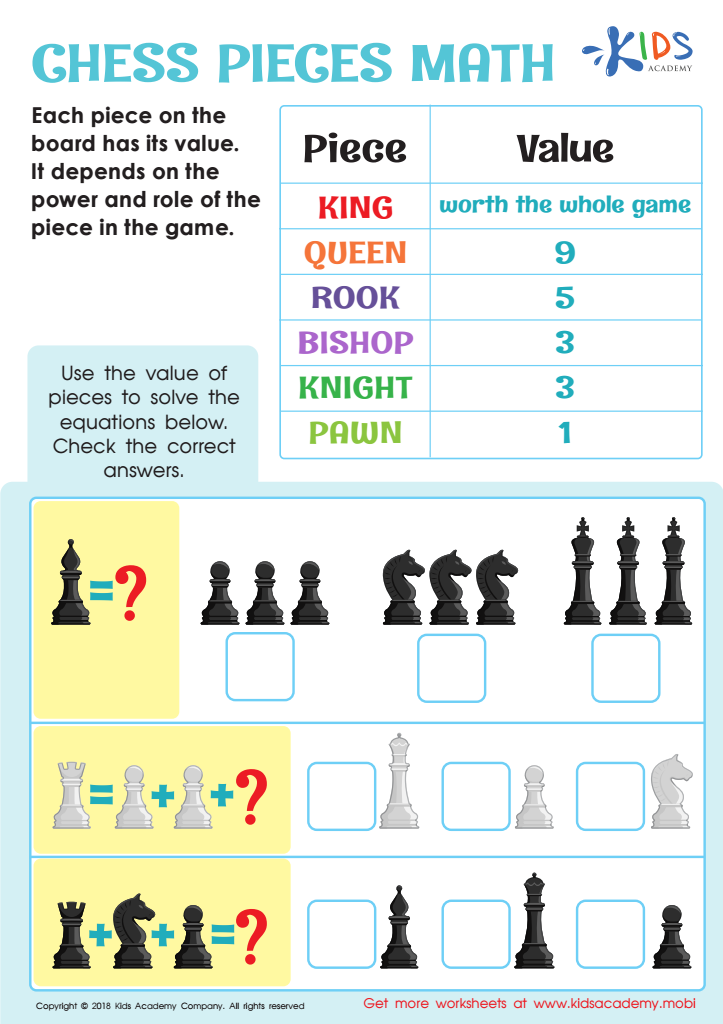
Chess Pieces Math Worksheet
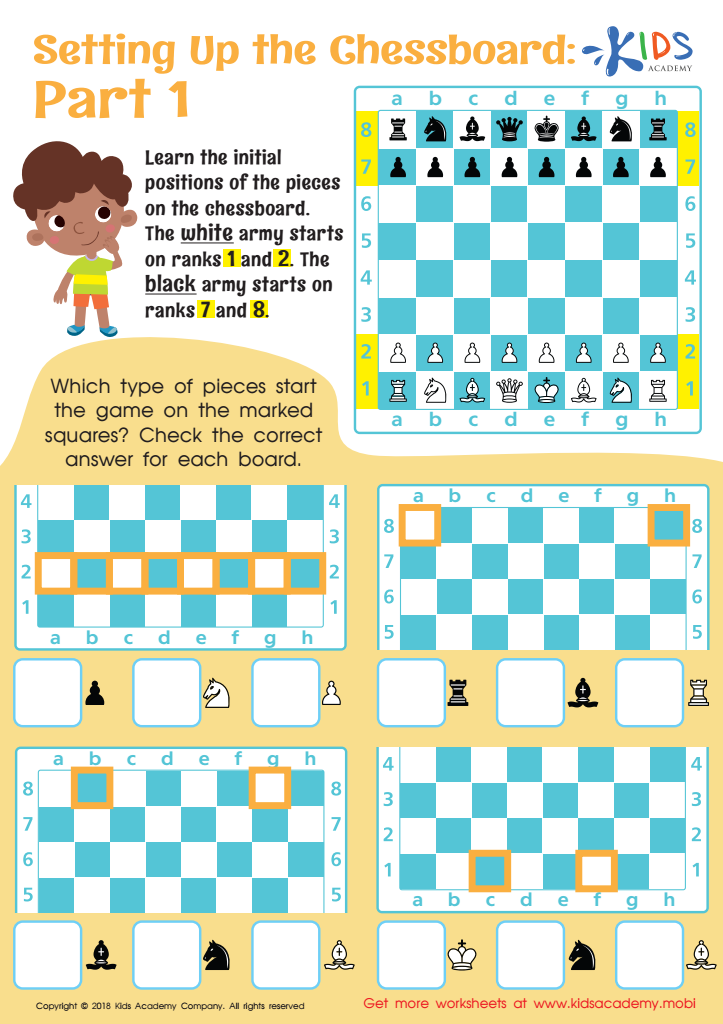
Setting up the Chessboard: Part 1 Worksheet








Logical thinking development in five-year-olds is crucial for several reasons. At this age, children begin to explore the world more profoundly, making logical thinking skills foundational for their cognitive growth. When parents and teachers encourage logical thinking, they help children develop problem-solving abilities, which are essential for making decisions and understanding cause-and-effect relationships.
Moreover, engaging children in logical thinking enhances their ability to analyze information, which contributes to better comprehension skills in both math and literacy. This foundation can lead to improved academic success as they progress through their educational journey. Through activities like puzzles, matching games, and simple reasoning tasks, children learn to think systematically and make connections between ideas.
Furthermore, promoting logical thinking nurtures creativity. As children reason through challenges, they also learn to think outside the box, providing them with the tools to approach problems innovatively. Importantly, these skills support social development as well, enabling children to navigate interactions by understanding others’ viewpoints and collaborating effectively.
In summary, investing time in developing logical thinking not only benefits a child's immediate educational experience but also lays the groundwork for lifelong learning and critical thinking skills. Parents and teachers thus play a vital role in shaping these essential competencies.








