Vocabulary development Normal Worksheets for 5-Year-Olds
29 filtered results
-
From - To
Looking to enhance your 5-year-old’s vocabulary? Our engaging "Vocabulary Development Normal Worksheets" are designed specifically for early learners. These worksheets provide a fun and interactive way for children to explore new words and improve their language skills. With a variety of colorful activities, including matching words with images and filling in the blanks, your child will gain confidence in using language effectively. Each worksheet encourages creativity and critical thinking, making vocabulary building an enjoyable experience. Download these age-appropriate resources and watch your child’s language skills flourish, setting a strong foundation for their future learning journey! Perfect for home and classroom use.
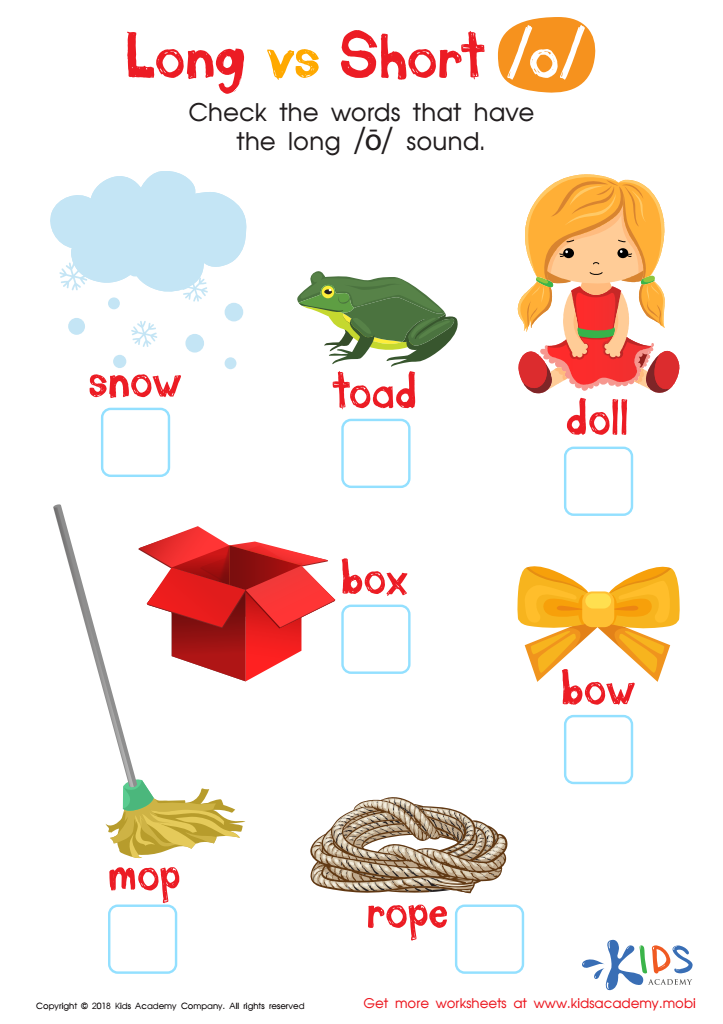
Long vs Short O Reading Worksheet
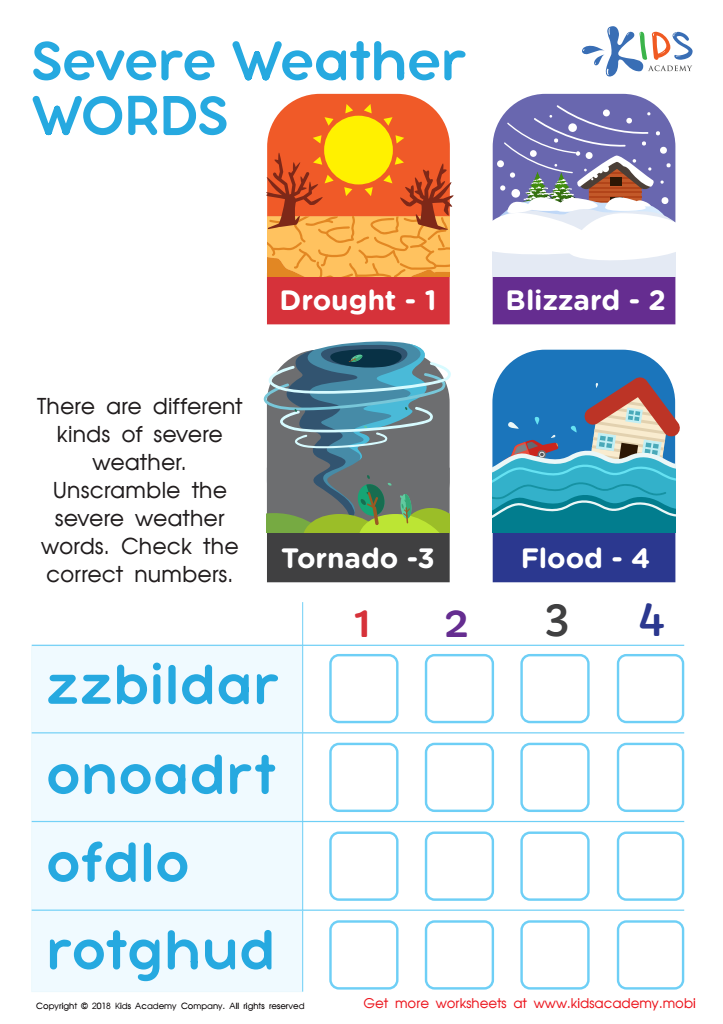
Severe Weather Words Worksheet
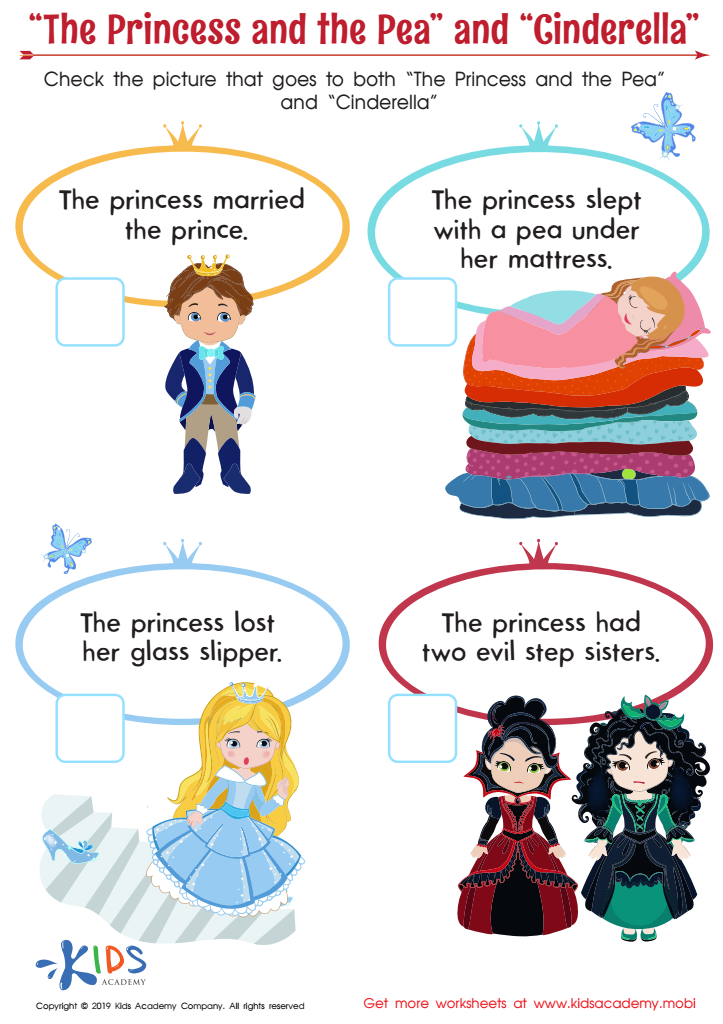
“The Princess and the Pea” and “Cinderella” Worksheet
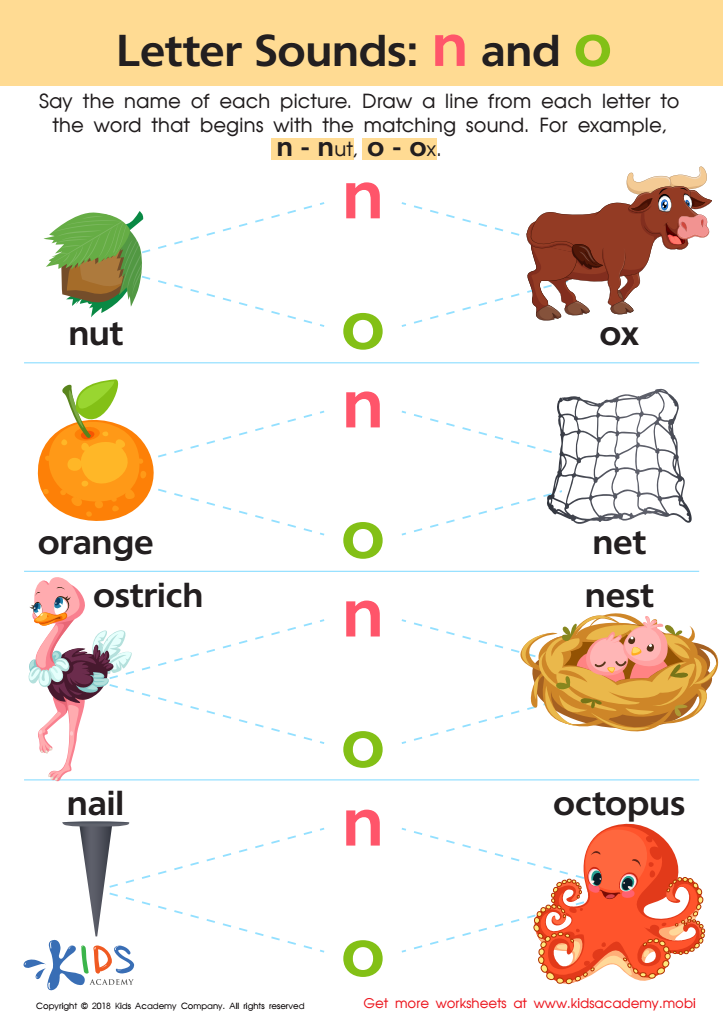
Letter N and O Sounds Worksheet
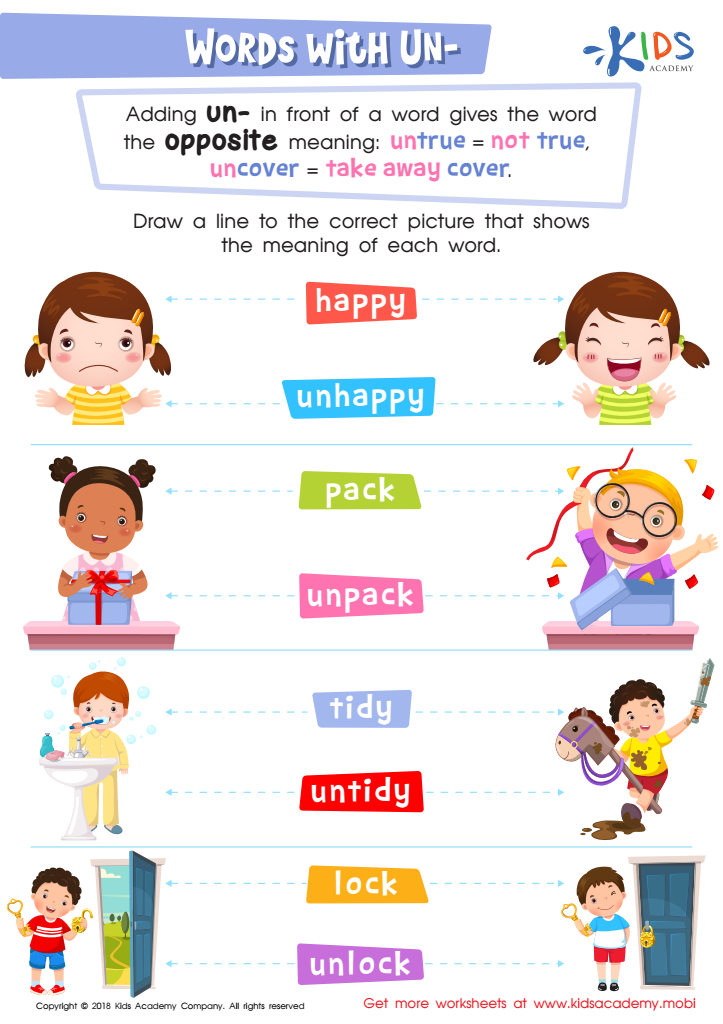
Words with Un– Worksheet
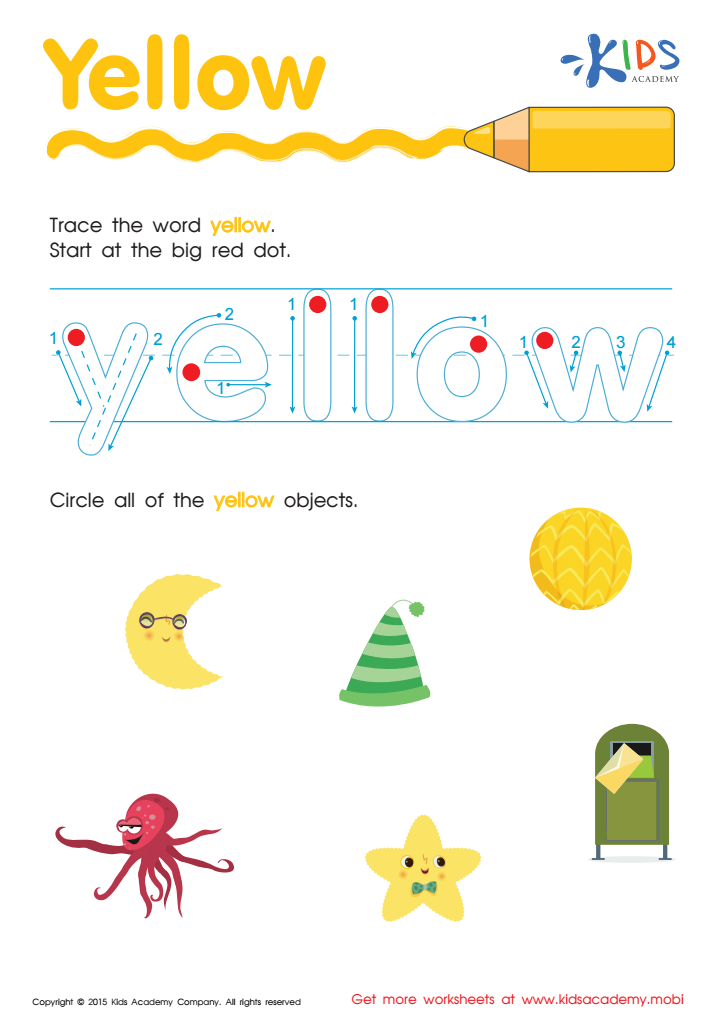
Yellow Tracing Color Words Worksheet
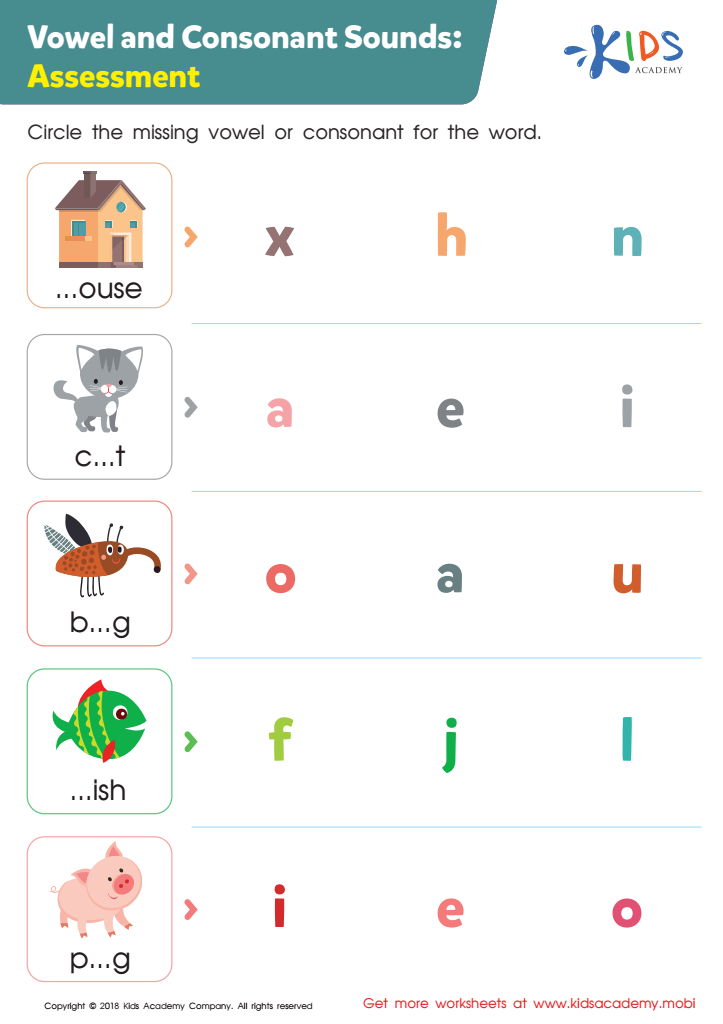
Vowel and Consonant Sounds: Assessment Worksheet
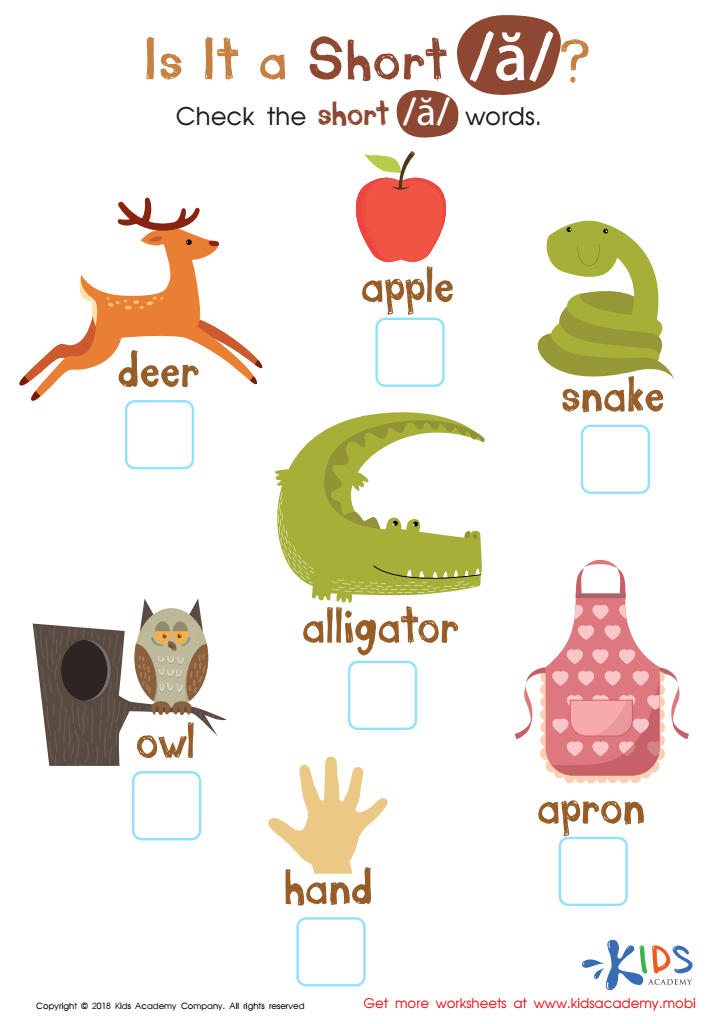
Is It Short A? Reading Worksheet
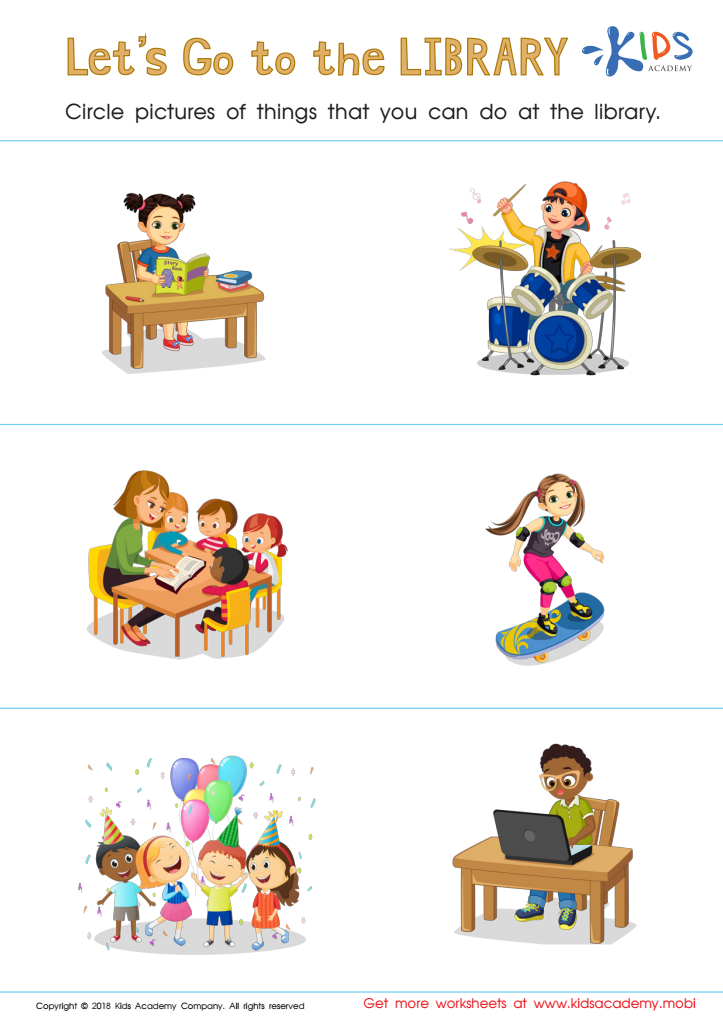
Let's Go to the Library! Worksheet
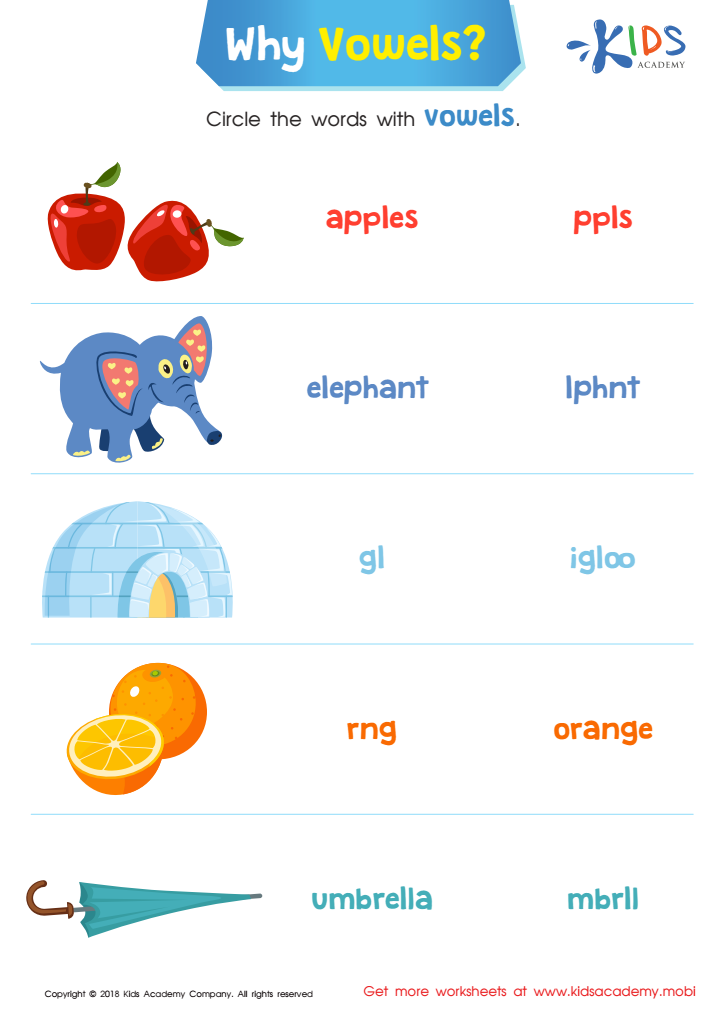
Why Vowels? Reading Worksheet
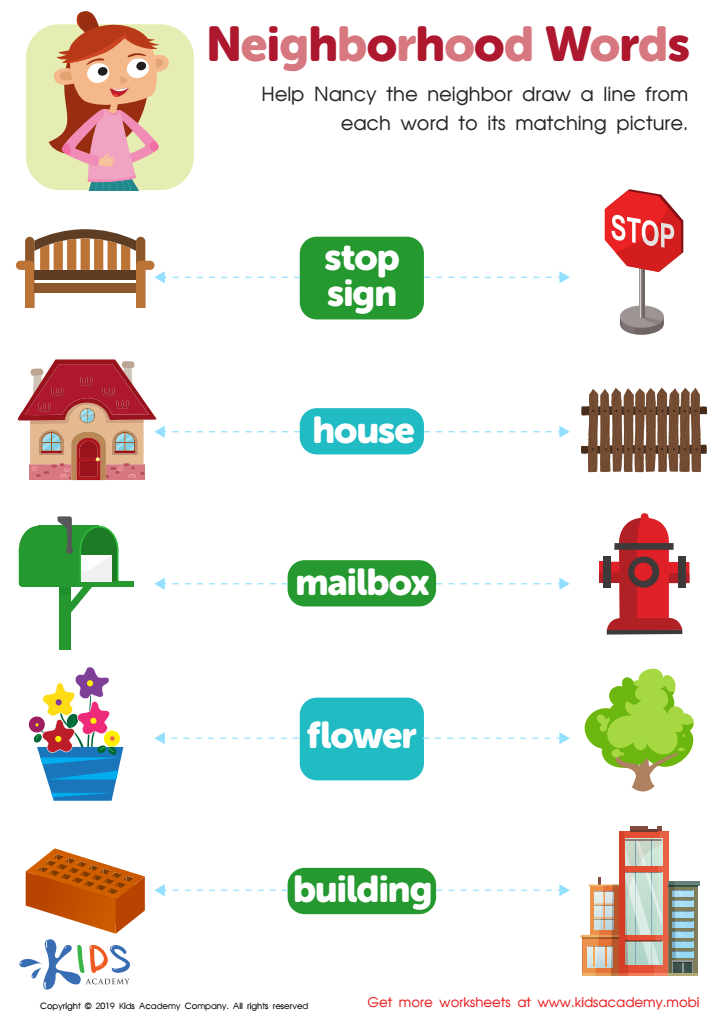
Neighborhood Words Worksheet
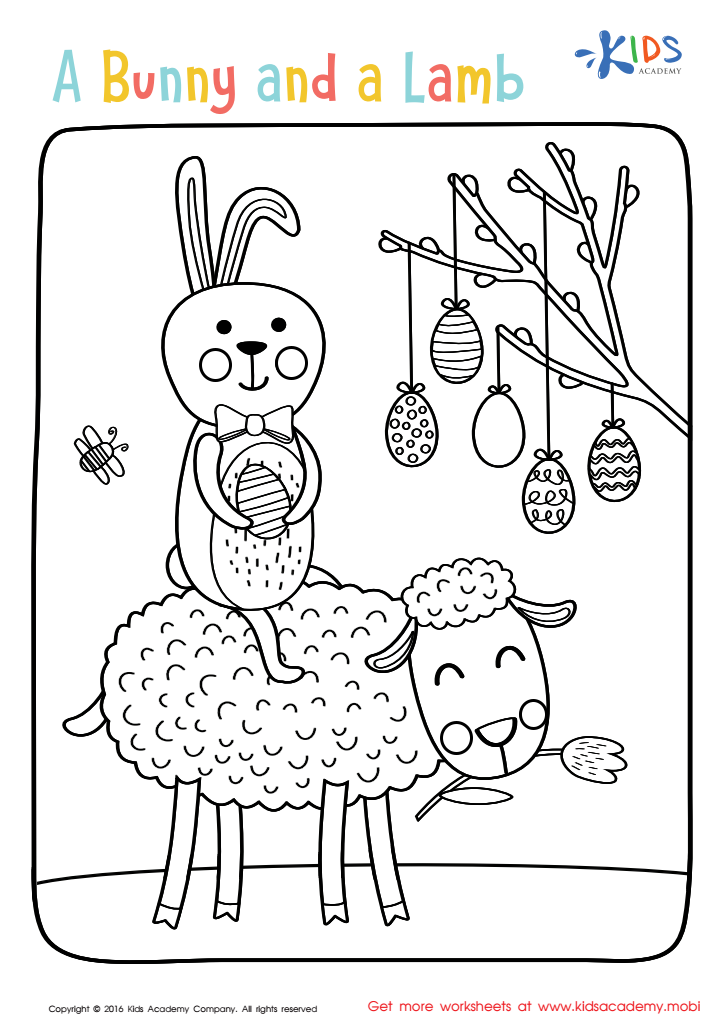
Easter: a Bunny and a Lamb Worksheet
 Assign to My Students
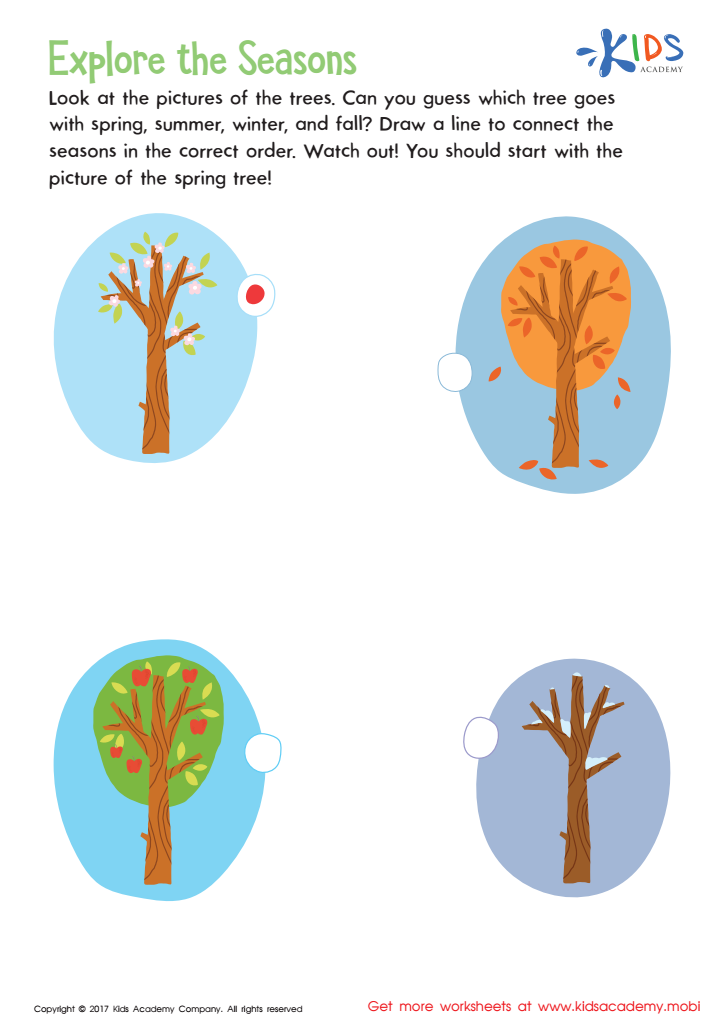
Explore the Seasons Worksheet
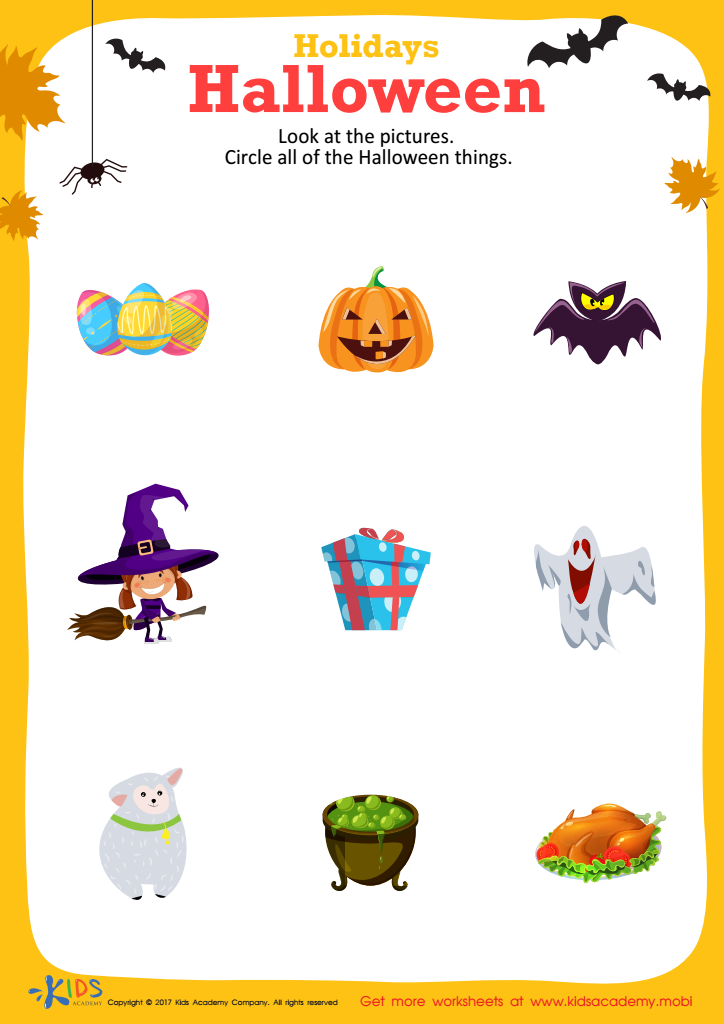
Halloween Holiday Worksheet
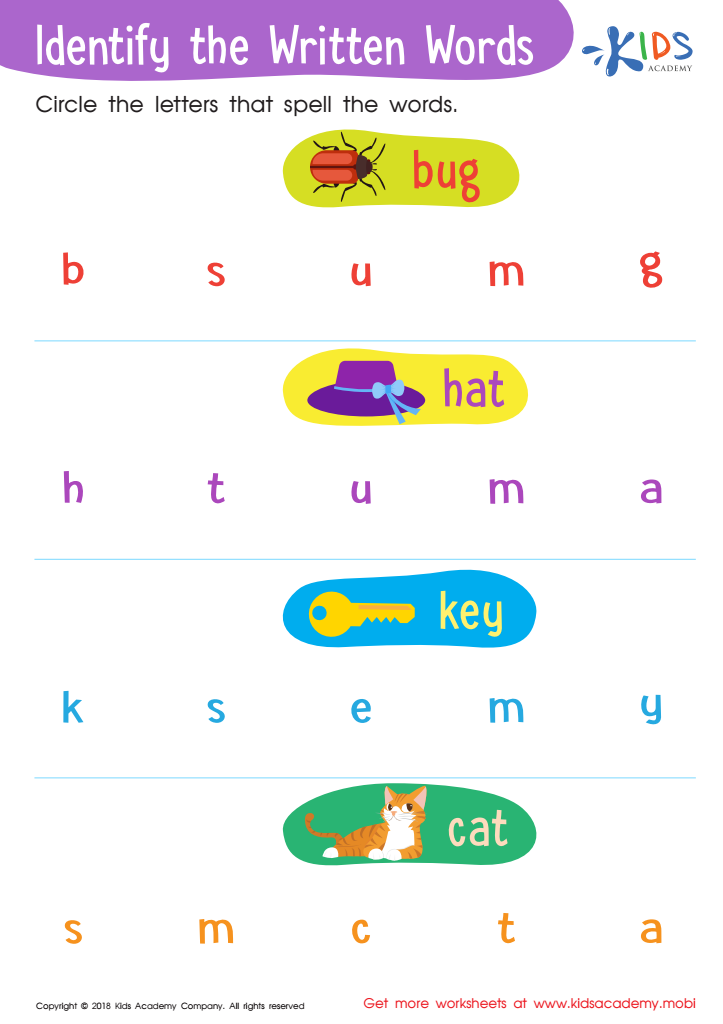
Identify the Written Words Worksheet
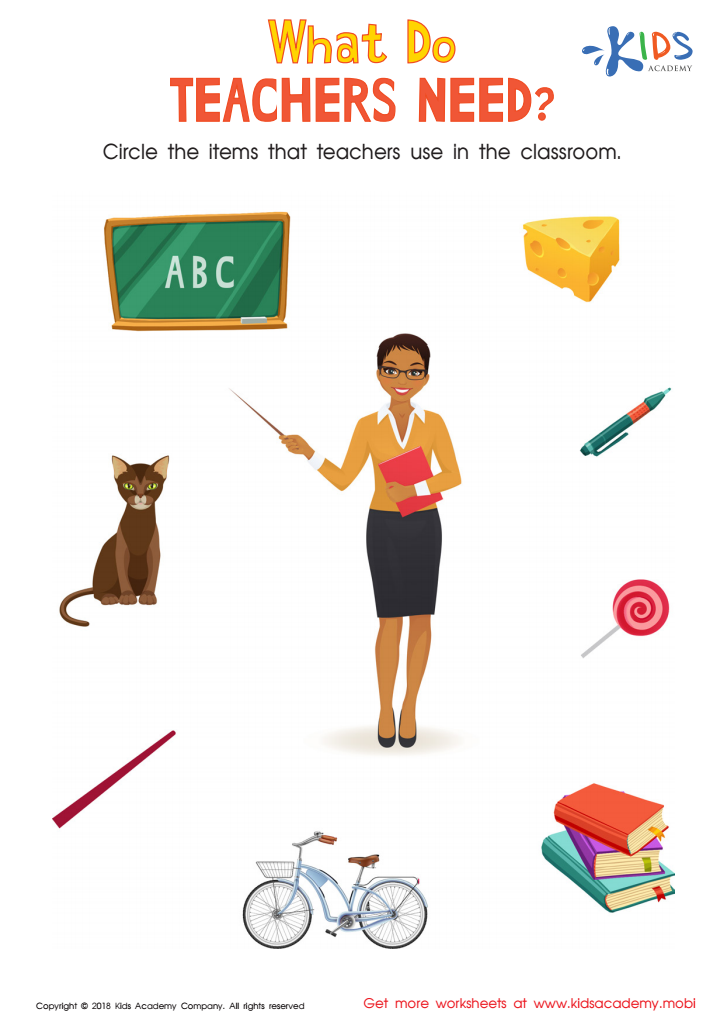
What Do Teachers Need Worksheet
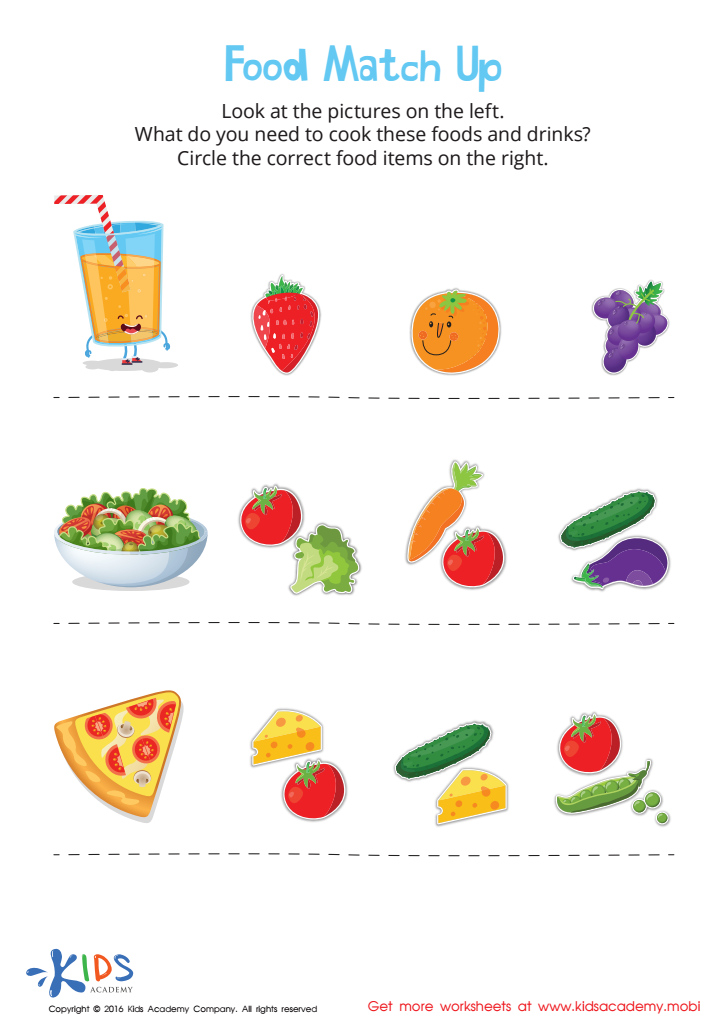
Food Match Up Worksheet
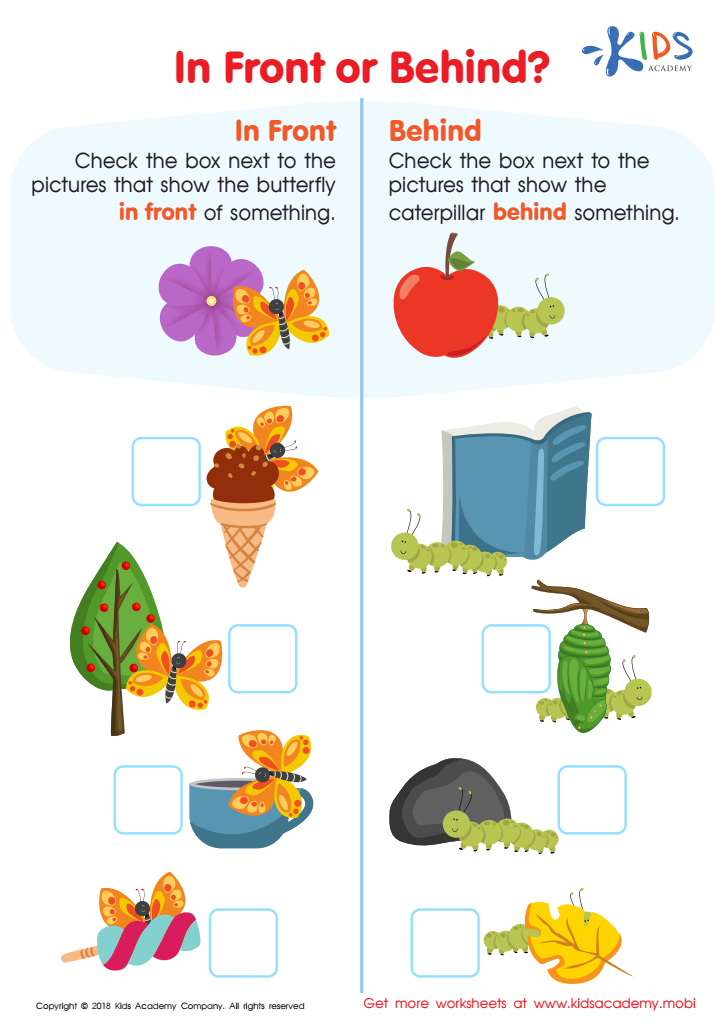
In Front or Behind Worksheet
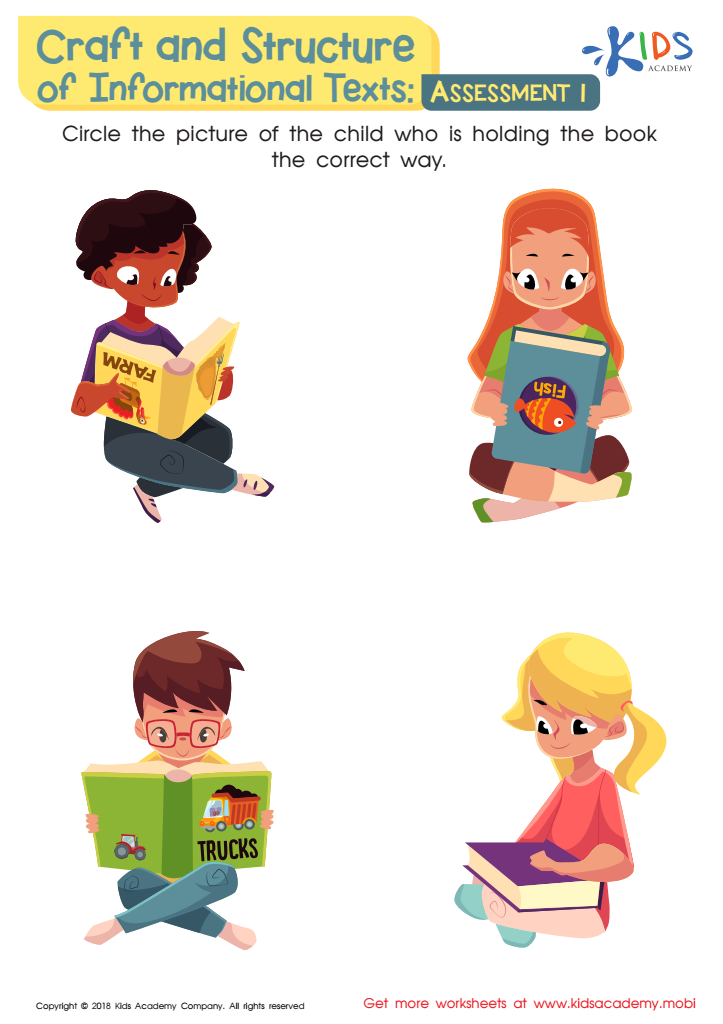
Craft and Structure of Informational Texts: Assessment 1 Worksheet
Turkey Thanksgiving Day Worksheet
Assign to My Students
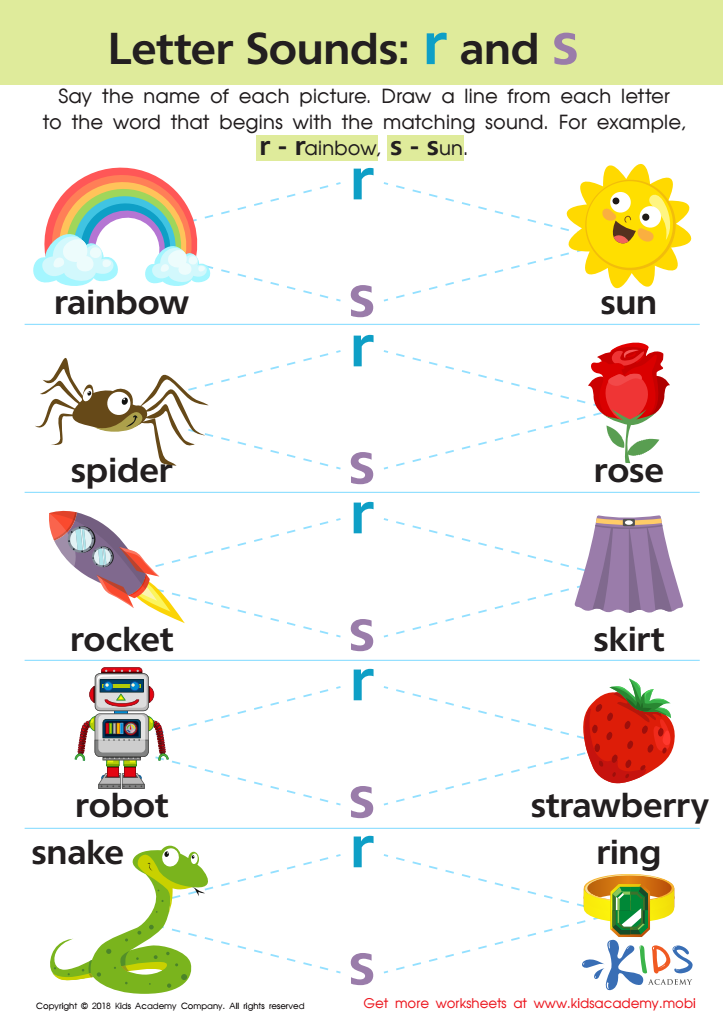
Letter R and S Sounds Worksheet
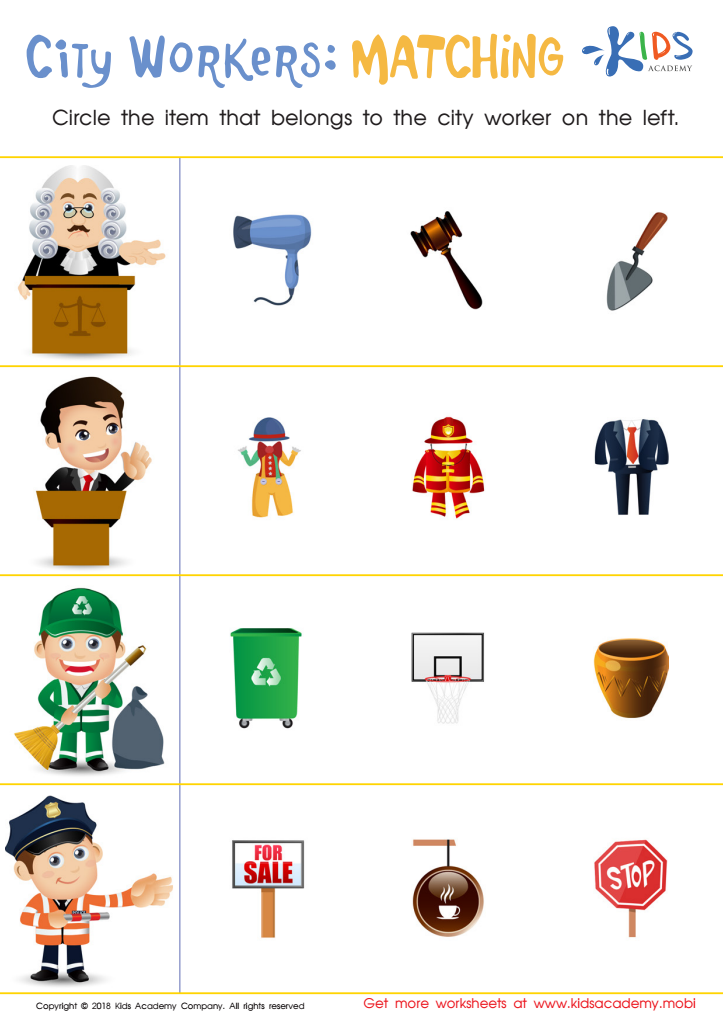
City Workers: Matching Worksheet
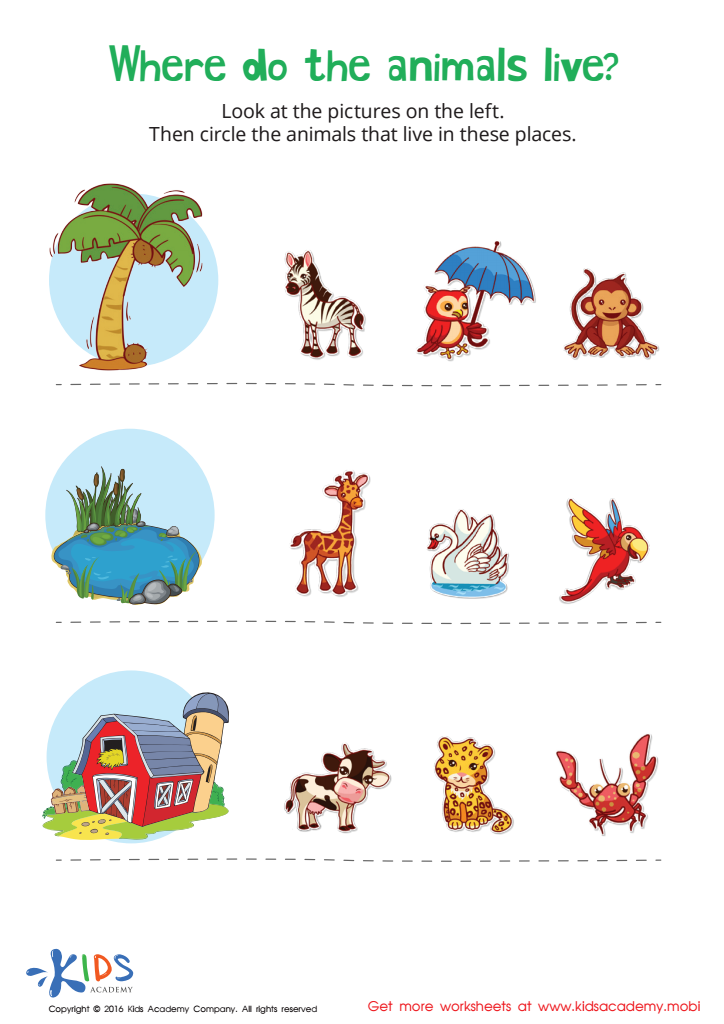
Where Animals Live Worksheet
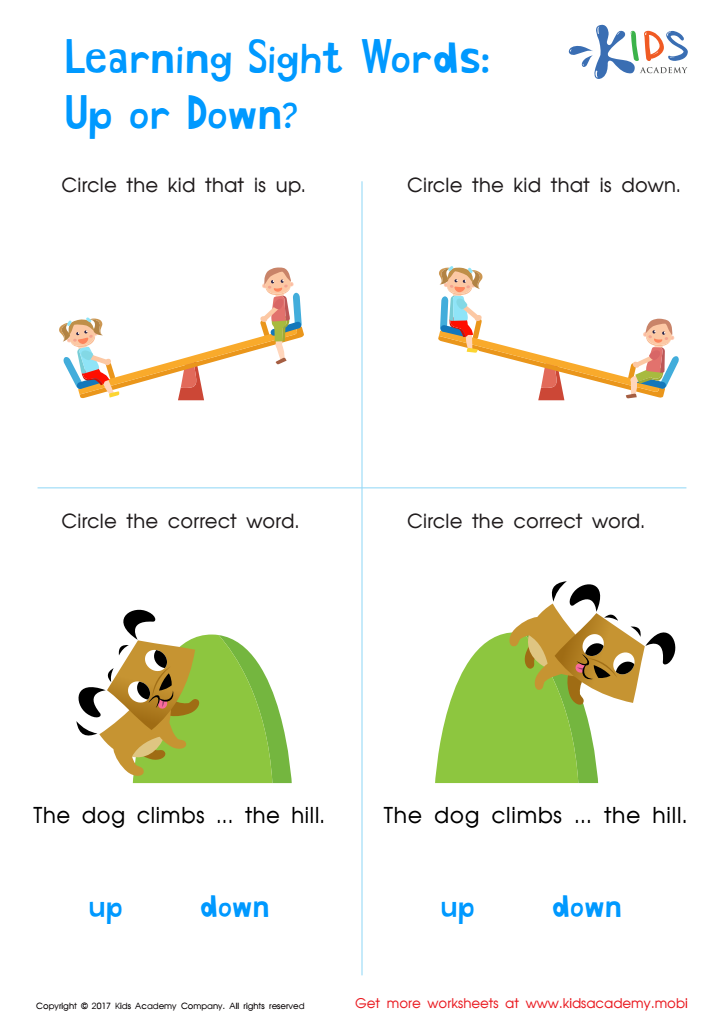
Up or Down Printable Sight Words Worksheet





.jpg)


Vocabulary development is crucial for 5-year-olds as it lays the foundation for future language skills, reading comprehension, and effective communication. At this age, children are in a critical period of language acquisition, and exposing them to a rich vocabulary can significantly enhance their cognitive development.
Parents and teachers should prioritize vocabulary growth because strong language skills promote social interactions, helping children express their thoughts and feelings clearly, leading to better friendships and collaborations. Additionally, a well-developed vocabulary is linked to better academic achievement. Children who can articulate their ideas and understand new concepts are more likely to excel in reading and writing as they progress through school.
Furthermore, vocabulary is a gateway to literacy; the more words children know, the more easily they comprehend texts. This not only fuels their love for reading but also broadens their knowledge of the world. Engaging children in conversations, reading diverse books, and introducing new words through playful activities can create a rich language environment. By fostering vocabulary development, parents and teachers not only support communications skills but also encourage critical thinking and creativity in young learners, equipping them for future learning experiences and challenges.








