Vocabulary enhancement Normal Geometry Worksheets for 5-Year-Olds
6 filtered results
-
From - To
Transform your child's learning experience with our "Vocabulary Enhancement Normal Geometry Worksheets for 5-Year-Olds." Designed to seamlessly blend vocabulary development with fundamental geometry concepts, these worksheets are perfect for young learners. Each activity boosts shape recognition while expanding your child's language skills. Engaging tasks promote understanding of basic geometric terms, aiding in cognitive growth and early math proficiency. Our expertly crafted printable worksheets offer a fun, educational journey, ensuring your 5-year-old excels in geometry and vocabulary. Support your child's learning journey today with these exciting, interactive resources from Kids Academy!
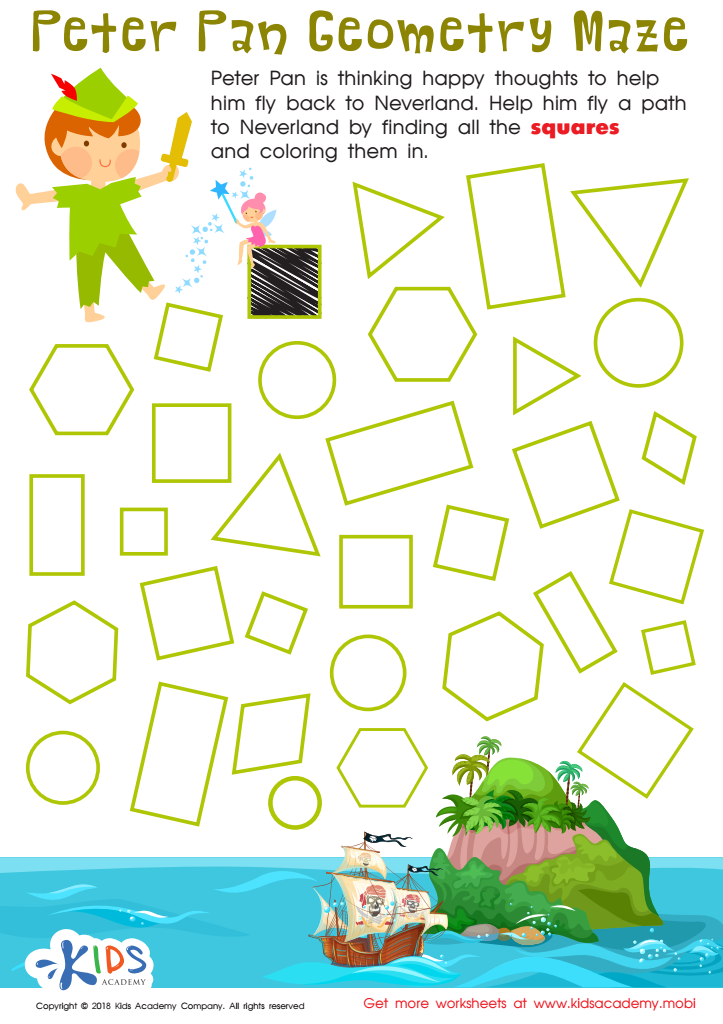
Peter Pan Worksheet
 Assign to My Students











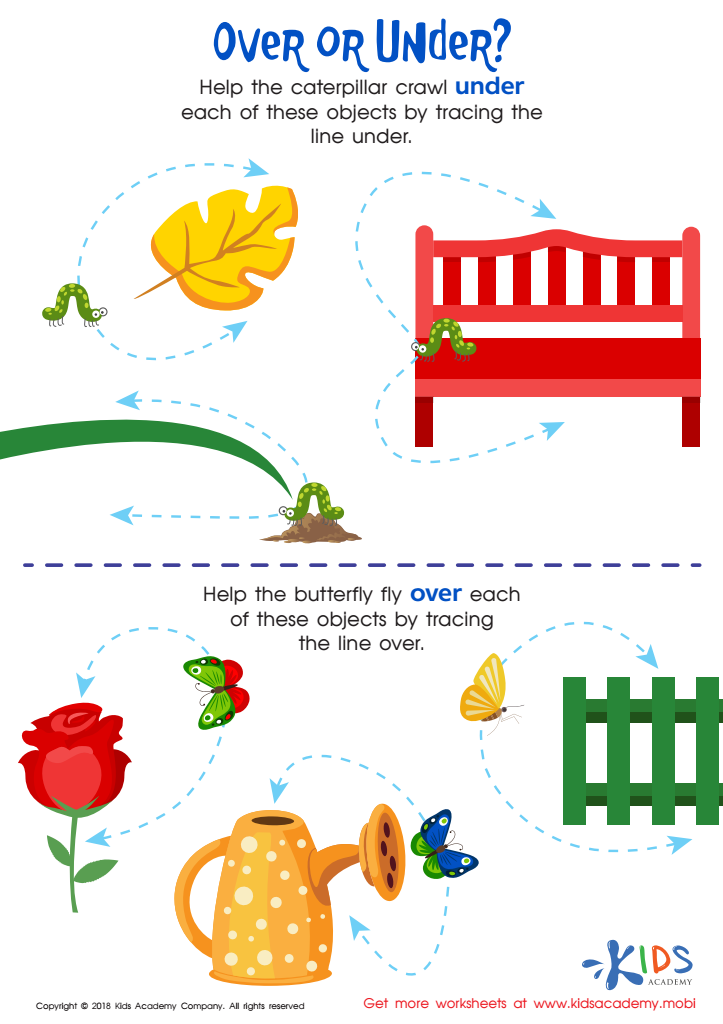
Over or Under? Worksheet
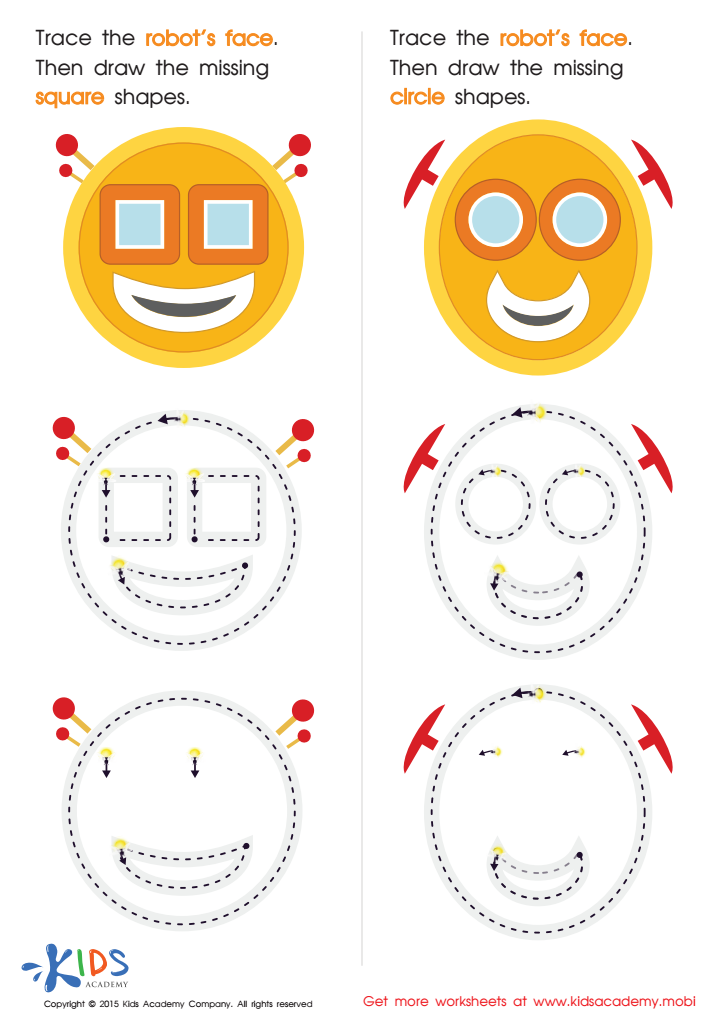
Practicing to Draw Circles And Squares Printable
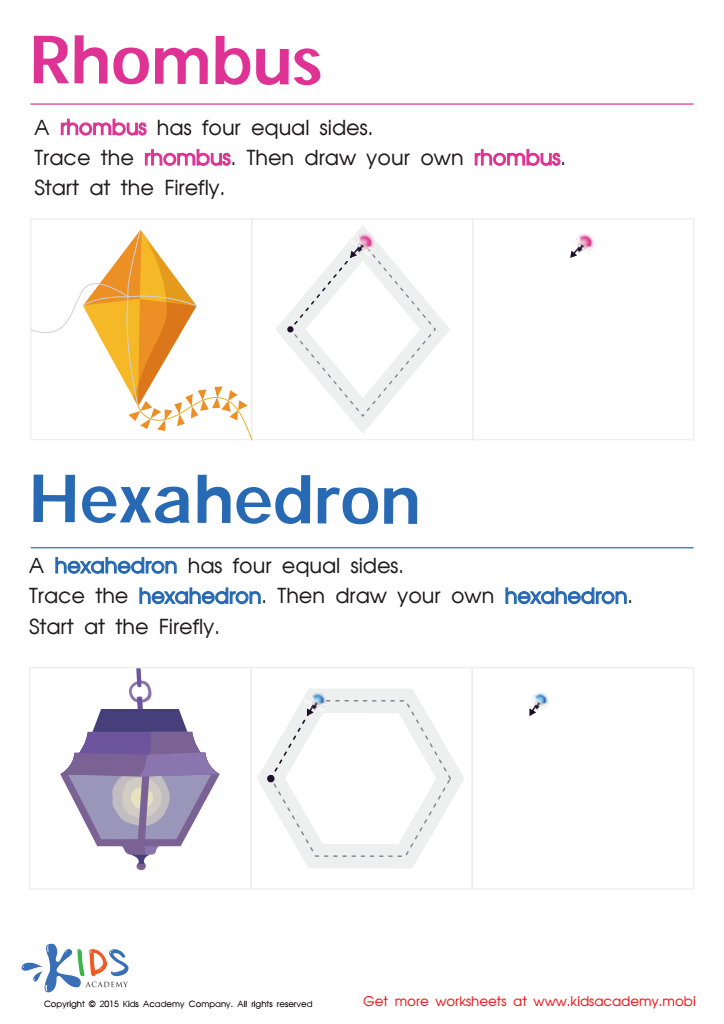
Draw a Rhombus And a Hexahedron Printable
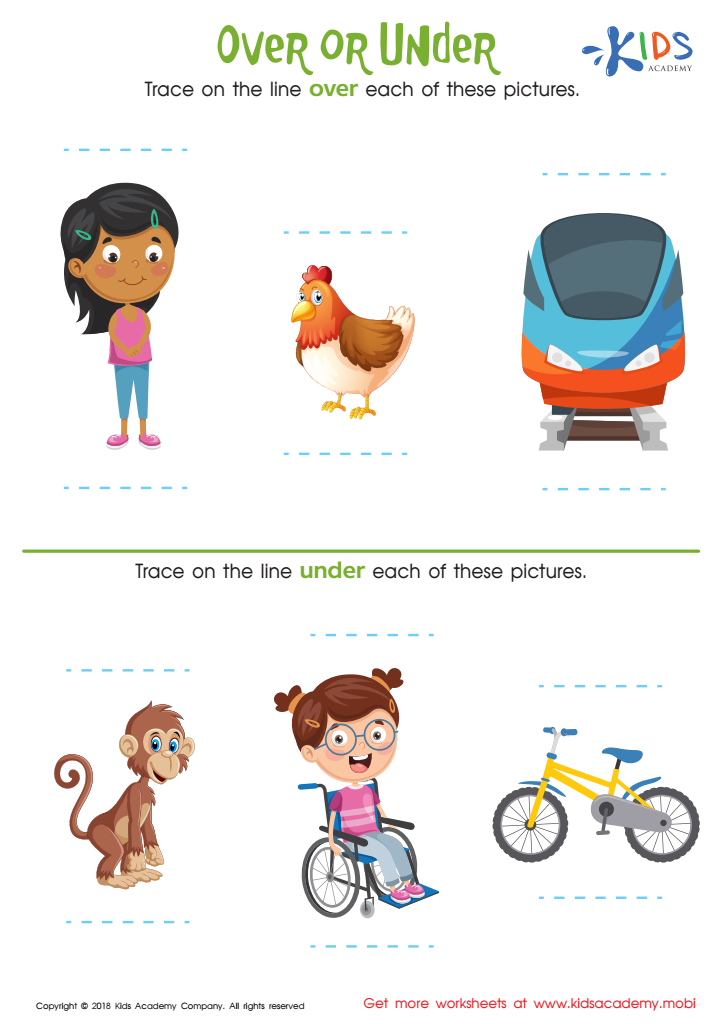
Over or Under Worksheet
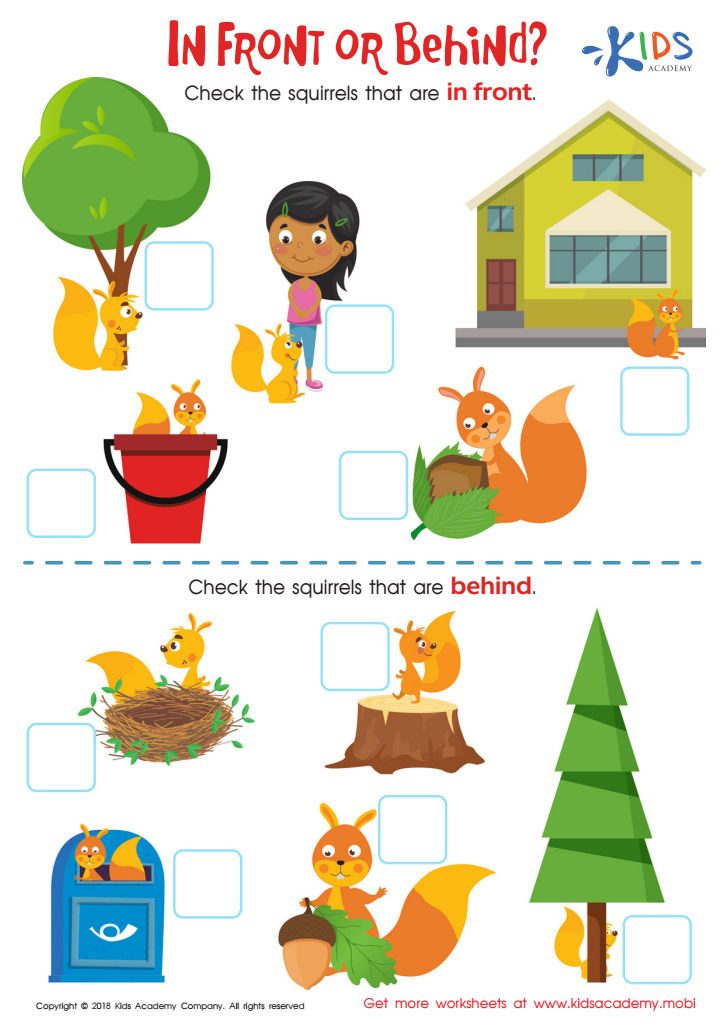
In Front or Behind: Part 2 Worksheet








Enhancing a child's vocabulary in normal geometry by the age of five can have enduring benefits for their cognitive and academic development. At this critical developmental stage, children are particularly receptive to new information and highly responsive to interactive and engaging learning experiences. Introducing them to basic geometric concepts and vocabulary, such as shapes like circles, squares, and triangles, as well as spatial relations like "above," "below," "next to," or "between," becomes the building block for later mathematical competency.
Early exposure to geometric terms bolsters their descriptive language, enabling them to articulate observations of the world around them more accurately. For example, when playing with blocks or arranging toys, children can begin to use specific language to describe their actions, fostering clear communication skills. This foundational vocabulary not only aids in their general language development but also sets the stage for complex problem-solving skills.
Moreover, familiarizing young learners with geometry helps demystify mathematics, promoting positive attitudes towards the subject. Practical and hands-on activities illustrate that math is not intimidating but interesting and fun. This nurturing environment of early geometric exploration encourages children to approach future mathematical concepts with confidence and curiosity. Therefore, both parents and teachers should commit to integrating geometric vocabulary into early learning activities, helping pave a smoother educational journey.








