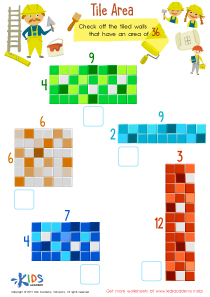
Addition Practice Normal Numbers Worksheets for 5-Year-Olds
5 filtered results
-
From - To
Welcome to our exciting Addition Practice Worksheets tailored for 5-year-olds! Designed to make math fun and engaging, these worksheets introduce young learners to the fundamentals of normal number addition. Each worksheet features colorful illustrations and age-appropriate problems, ensuring children develop essential math skills while enjoying their learning experience. Perfect for homeschool or classroom settings, our worksheets encourage problem-solving and critical thinking in a playful way. Parents and educators can easily download and print these resources to provide children with the practice they need to master addition. Start your child's math journey today with our interactive and enjoyable addition worksheets!
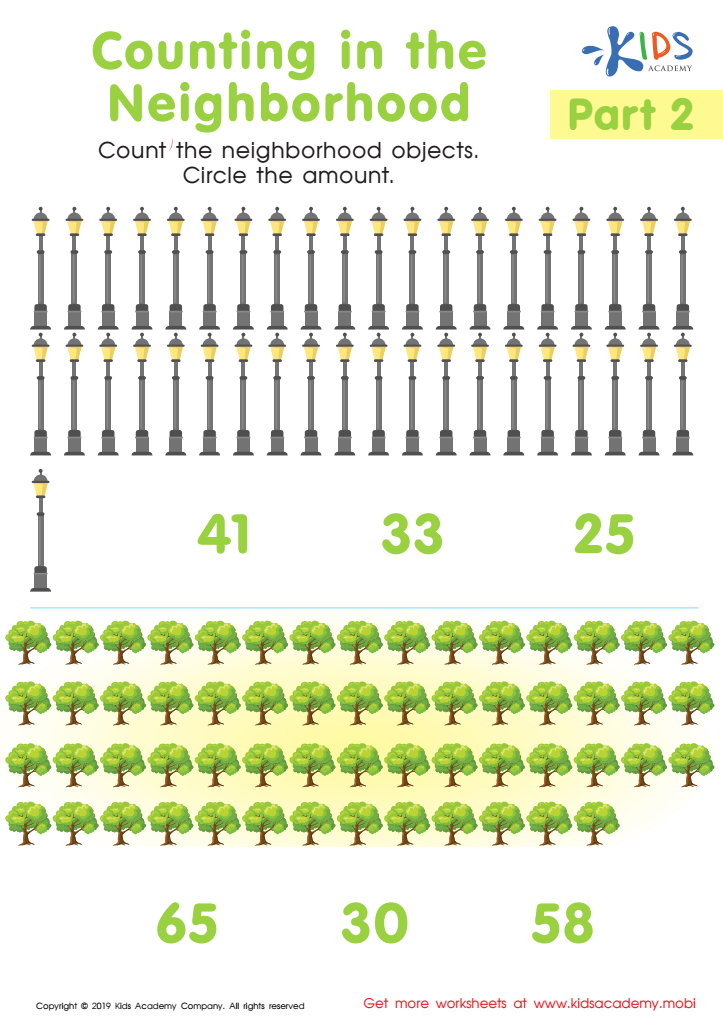
Counting In The Neighborhood Part 2 Worksheet
 Assign to My Students
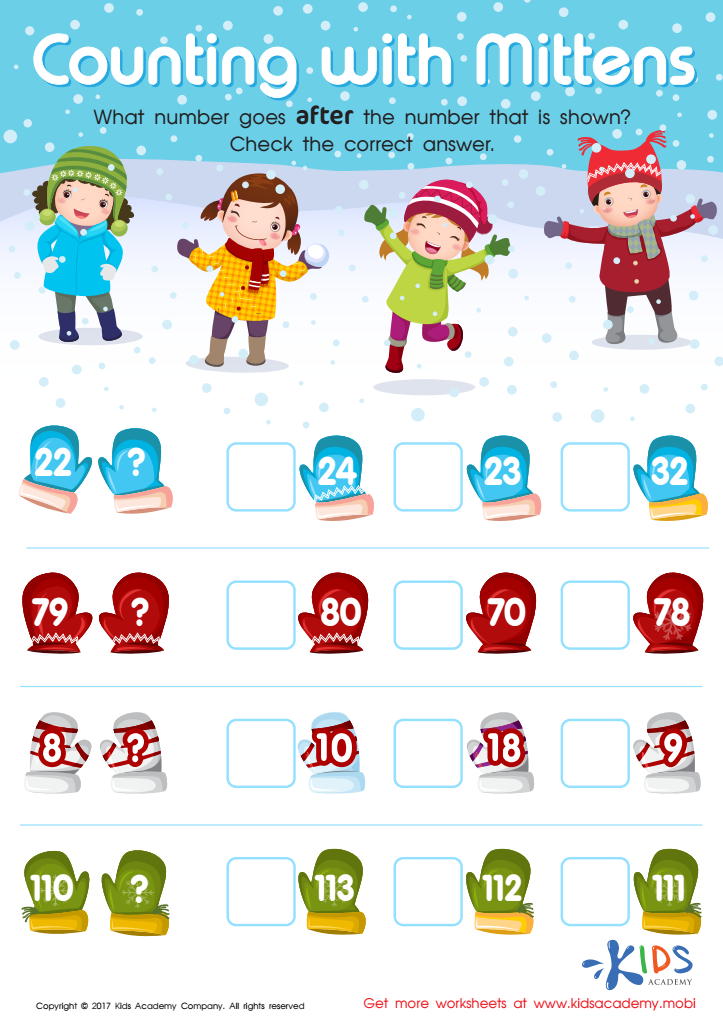
Counting with Mittens Worksheet
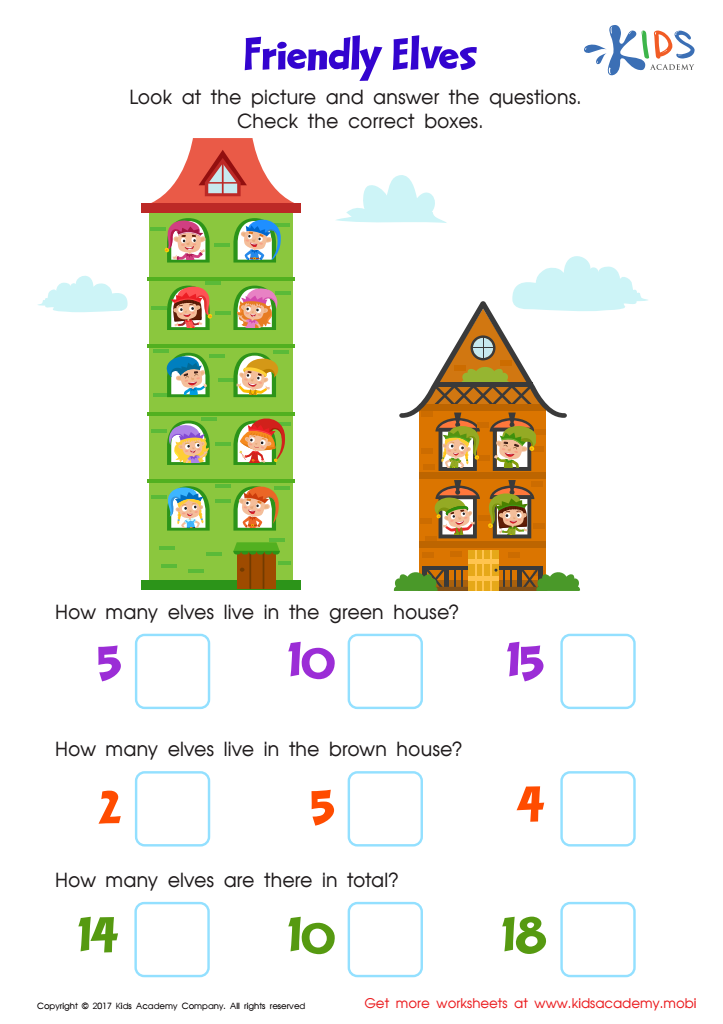
Place Value: Friendly Elves Worksheet
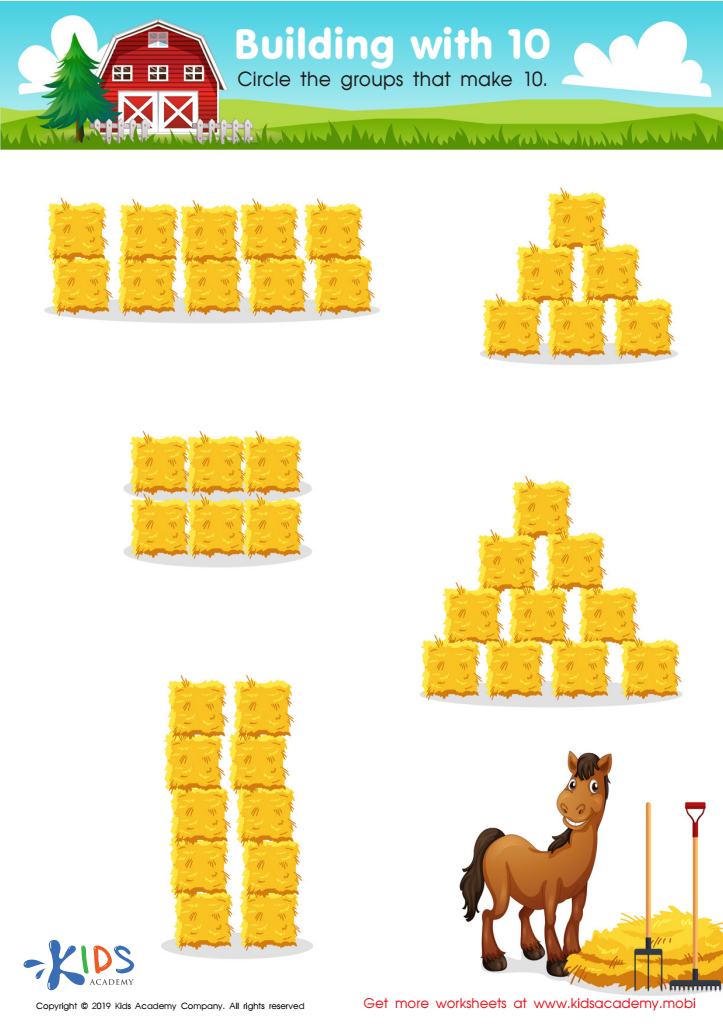
Building with 10 Worksheet
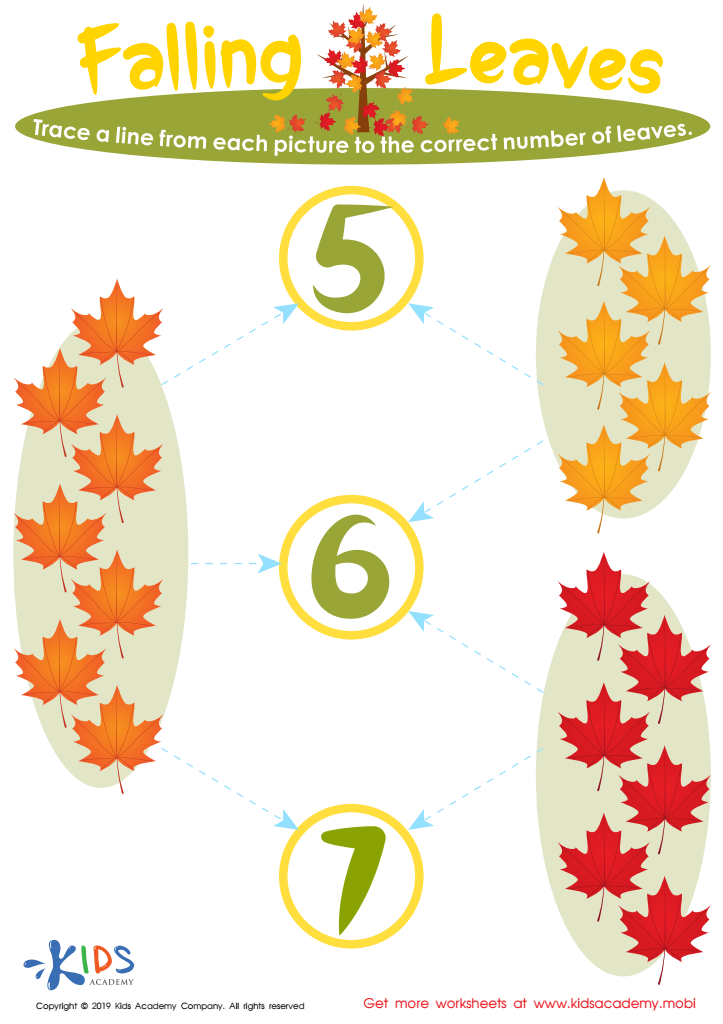
Falling Leaves Worksheet


.jpg)




Addition practice with normal numbers is crucial for 5-year-olds as it lays the foundation for their mathematical understanding. At this age, children are naturally curious and eager to explore new concepts. Engaging them in addition activities fosters not only number recognition but also critical thinking, problem-solving, and cognitive skills. Practicing addition helps young learners develop their ability to group objects, understand quantity, and draw connections between numbers, which are essential skills in both informal and formal mathematical contexts.
Moreover, mastering addition encourages confidence and a positive attitude toward math, dispelling the anxiety that can sometimes accompany the subject later in life. A strong grasp of addition also enhances children's ability to tackle more complex arithmetic, ensuring they are prepared for future learning.
Additionally, this practice is an excellent opportunity for parents and teachers to contribute to a child’s educational journey, offering guidance and support as they navigate early mathematical concepts. Through fun games, engaging activities, and hands-on learning experiences, adults can create a rich mathematical environment. This not only fosters educational growth but also strengthens the bond between children and their caregivers by making learning enjoyable and interactive.