Subtraction practice Normal Math Worksheets for 5-Year-Olds
7 filtered results
-
From - To
Discover engaging and educational subtraction practice worksheets designed specifically for 5-year-olds! Our Normal Math Worksheets provide a fun and interactive way for young learners to master essential subtraction skills. These age-appropriate activities encourage children to explore simple equations while promoting critical thinking and problem-solving abilities. Each worksheet features colorful illustrations and playful themes, making math enjoyable for kids. Designed to align with early learning standards, our resources help build a strong foundation in math while fostering a love for learning. Perfect for both classroom and homeschooling environments, our subtraction worksheets are a fantastic tool for developing essential math skills. Join the fun today!
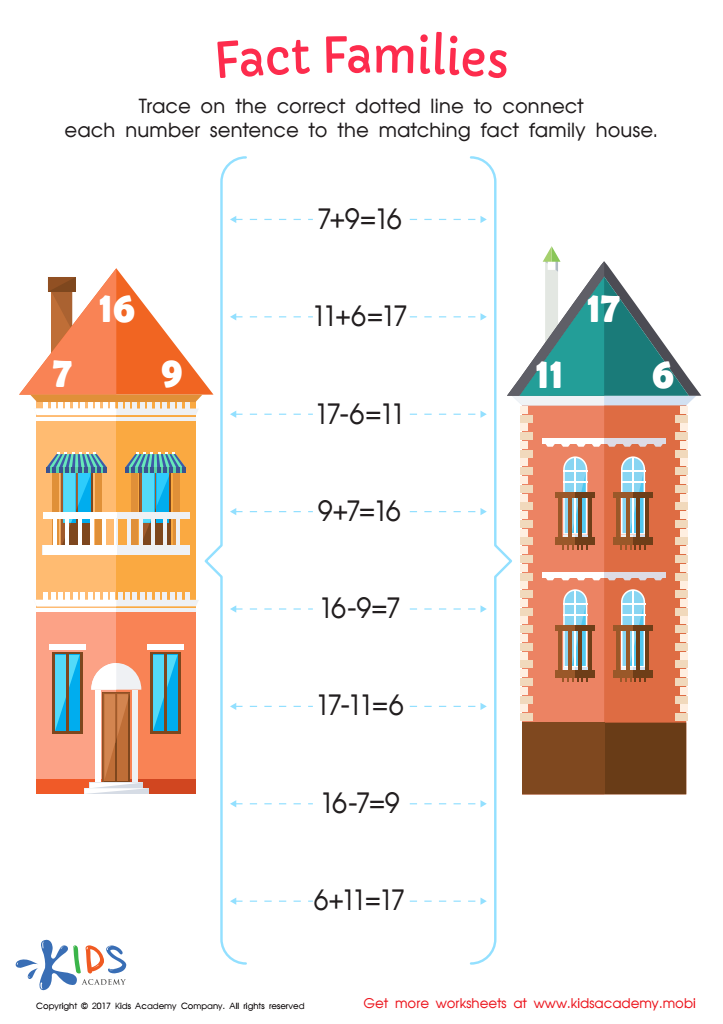
Fact Families — Add and Subtract Worksheet
 Assign to My Students
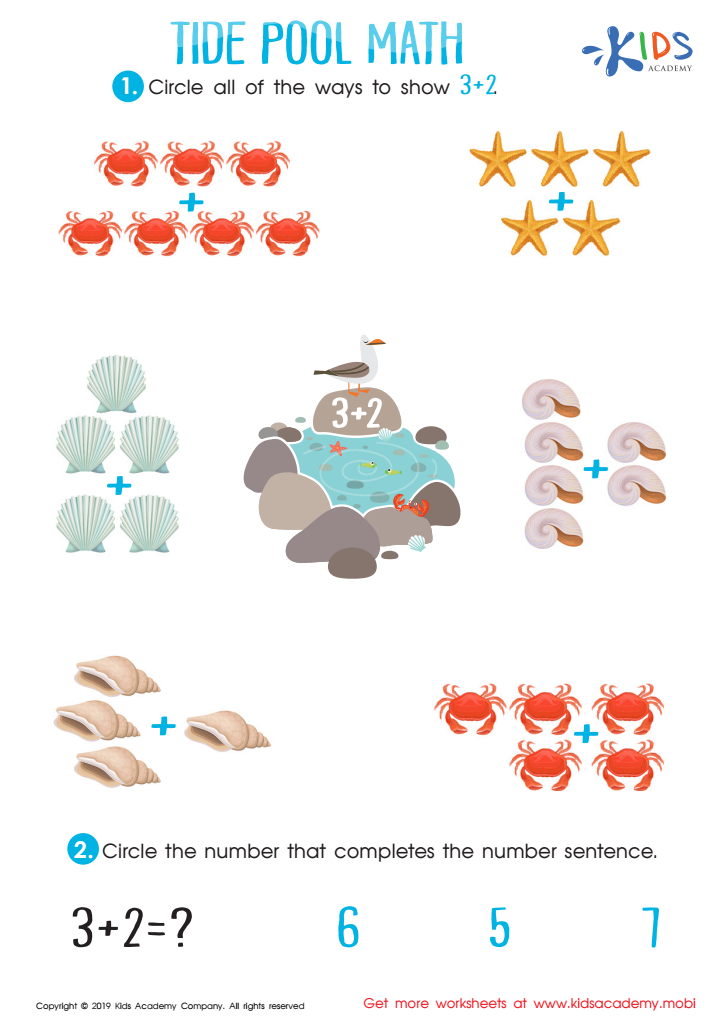
Tide Pool Math Worksheet
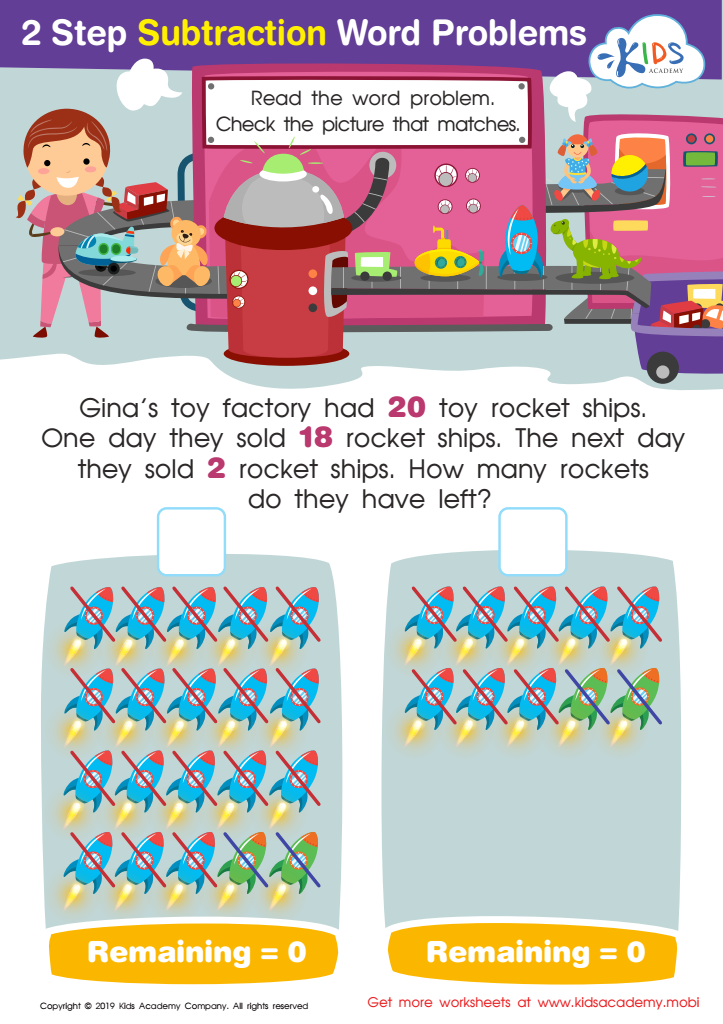
Step Subtraction Word Problems Worksheet
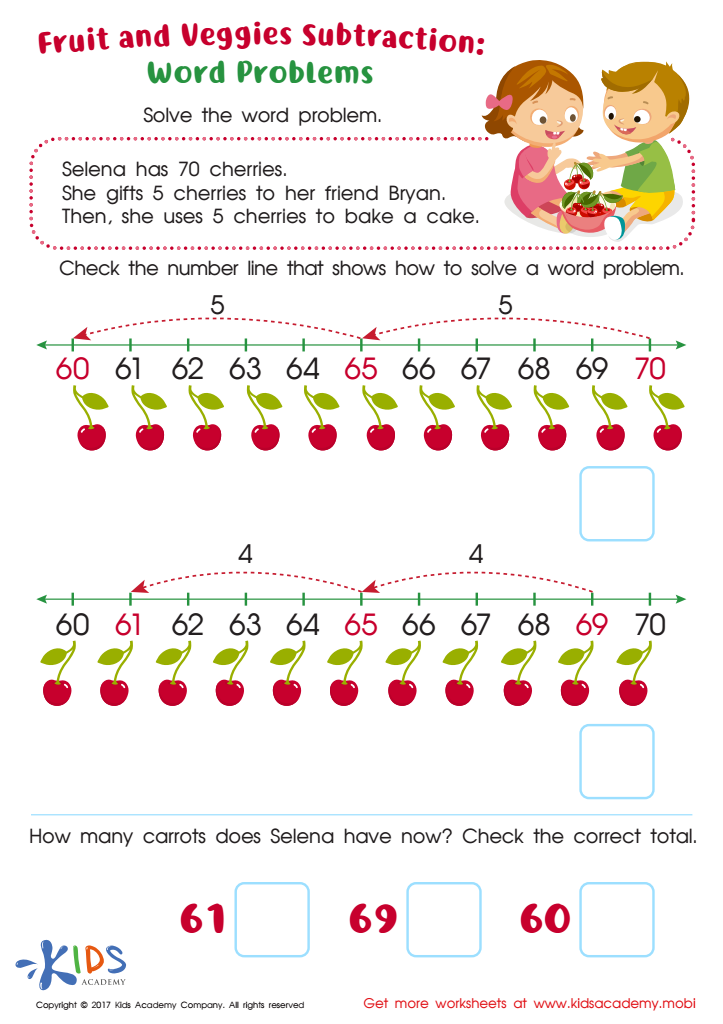
Subtraction Word Problems Free Printable
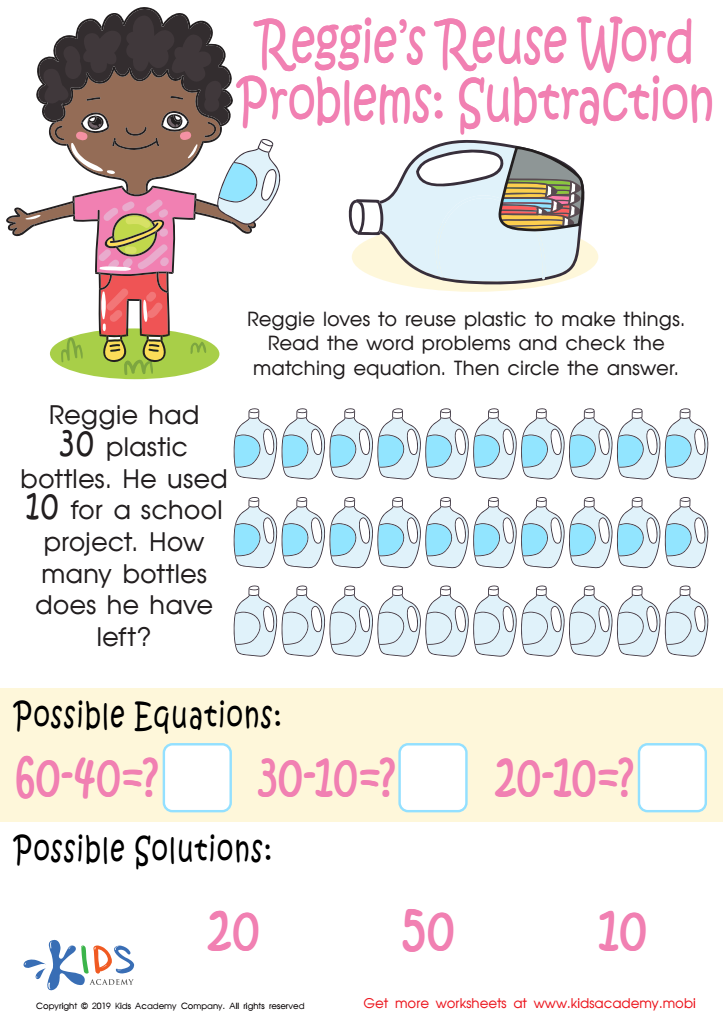
Reggie's Reuse Word Problems: Subtraction Worksheet
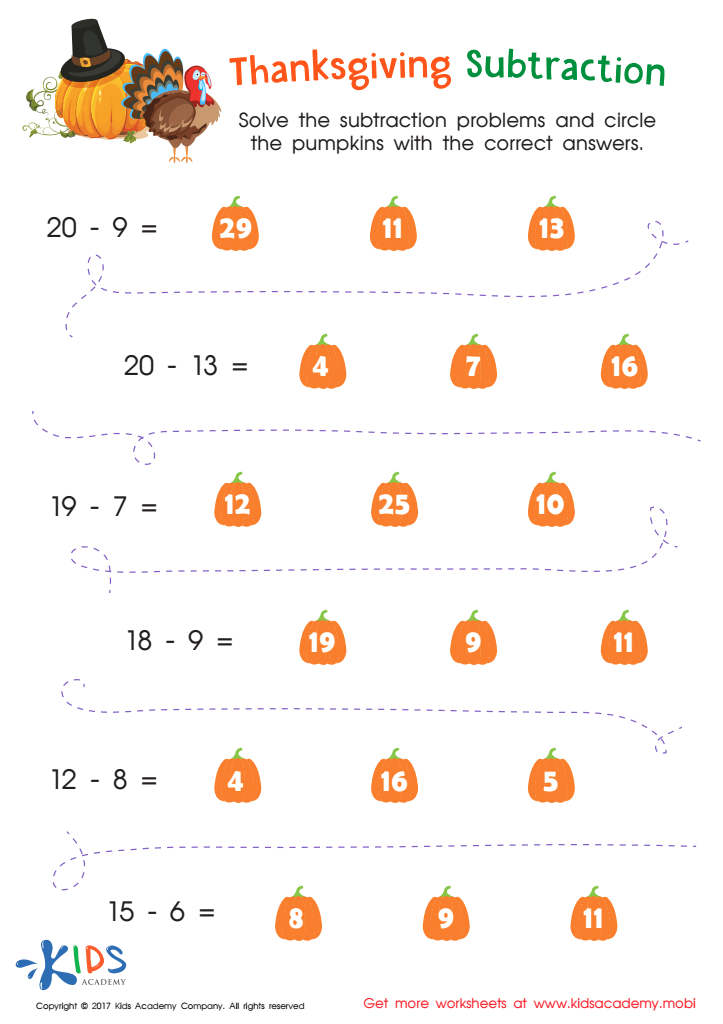
Thanksgiving Subtraction Substraction Worksheet
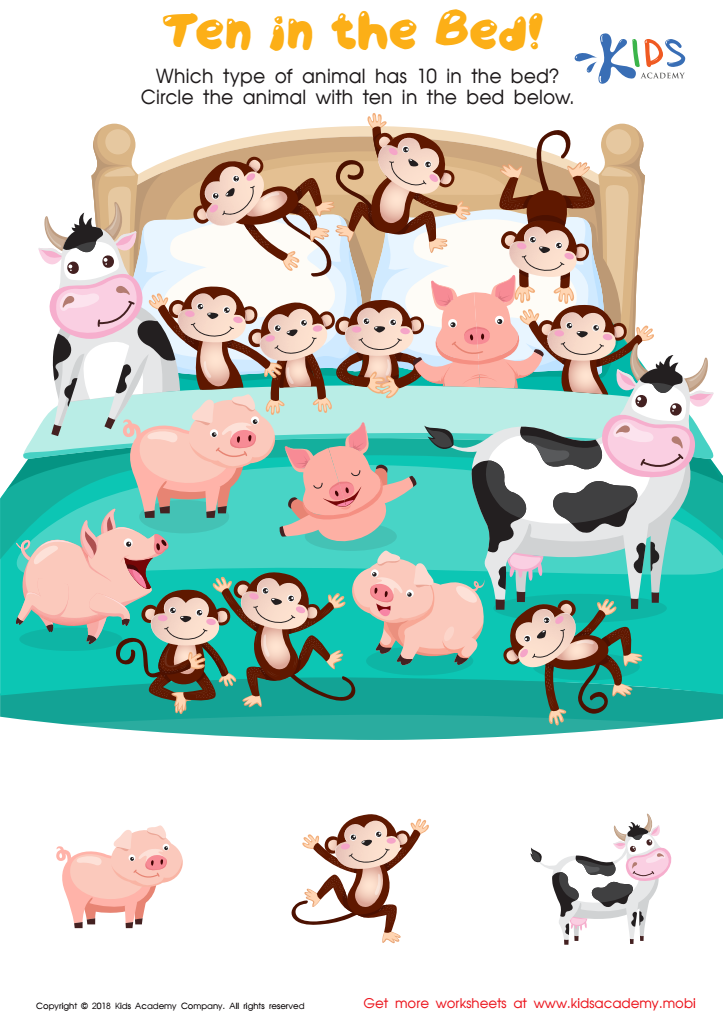
Ten in the Bed Worksheet






Subtraction practice is essential for 5-year-olds as it lays the groundwork for critical mathematical skills and cognitive development. At this age, children are developing their number sense, learning how quantities relate to one another, and understanding basic mathematical operations, which include subtraction. Engaging in focused subtraction practice helps children grasp essential concepts like “taking away,” which enriches their comprehension of numbers in real-world scenarios.
Parents and teachers should prioritize subtraction exercises to foster a love for learning and build confidence in math abilities. When children master subtraction, they gain problem-solving skills that benefit them beyond mathematics, enhancing their logical thinking and decision-making. Regular practice can also aid in developing fine motor skills through writing and manipulating objects when solving problems.
Additionally, incorporating games and hands-on activities into subtraction practice can make learning enjoyable, reducing anxiety around math and encouraging persistence. By showing interest and offering support, adults can create a positive learning environment that motivates children to explore and excel in math, setting the stage for future success in more complex mathematical concepts. This foundation not only prepares them for further academic challenges but also equips them with skills needed for daily life.








