Visual discrimination Normal Math Worksheets for 5-Year-Olds
8 filtered results
-
From - To
Enhance your 5-year-old's math skills with our Visual Discrimination Normal Math Worksheets. Designed to promote learning through engaging, age-appropriate activities, these worksheets help young students identify differences and similarities in shapes, colors, and patterns. By focusing on visual discrimination, children improve their attention to detail, critical thinking, and problem-solving abilities. Specifically curated for early learners, our worksheets provide a solid foundation for more complex mathematical concepts, making learning both fun and effective. Ideal for classroom use or at-home practice, they are an excellent resource to support your child's educational journey. Start exploring today!
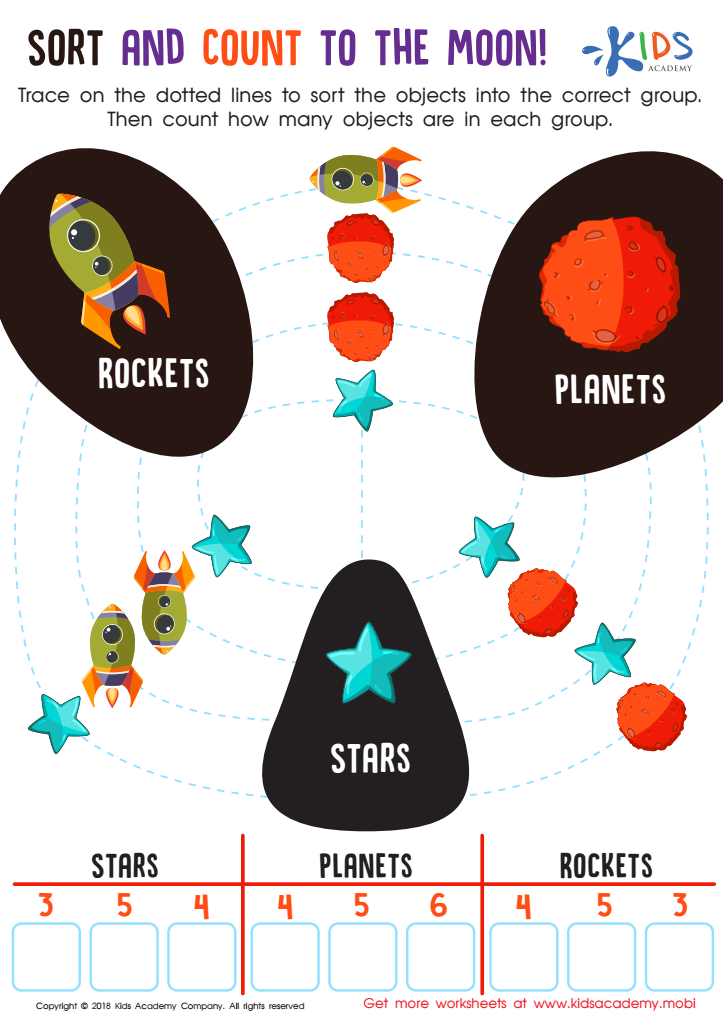
Sort and Count to the Moon Worksheet
 Assign to My Students
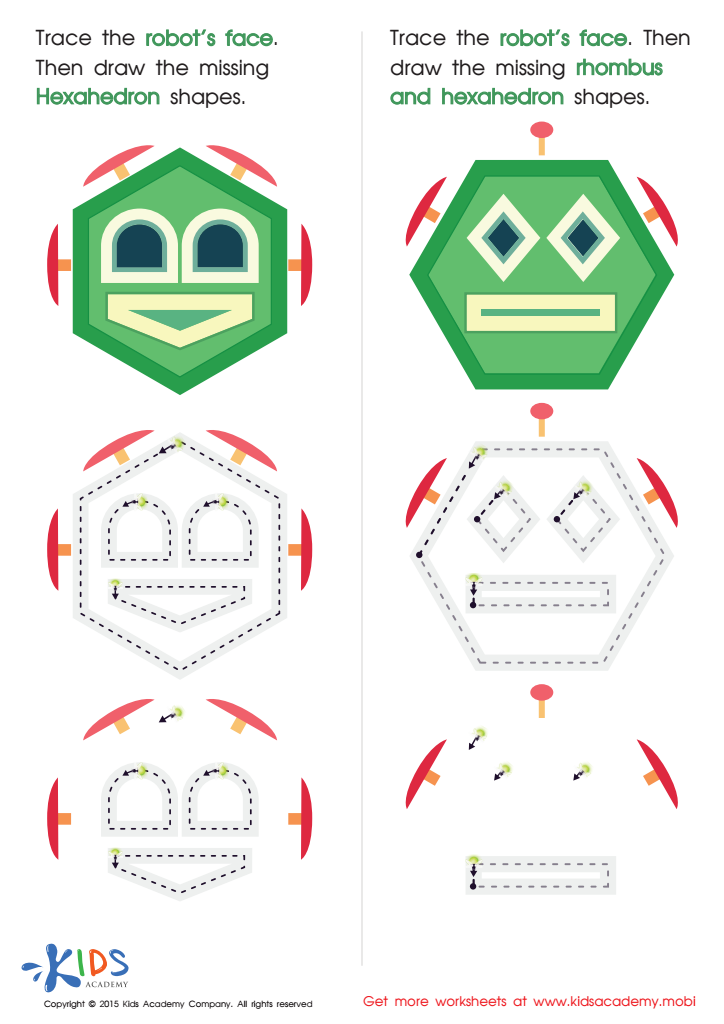
Practice Drawing Hexahedrons And a Rhombus Worksheet
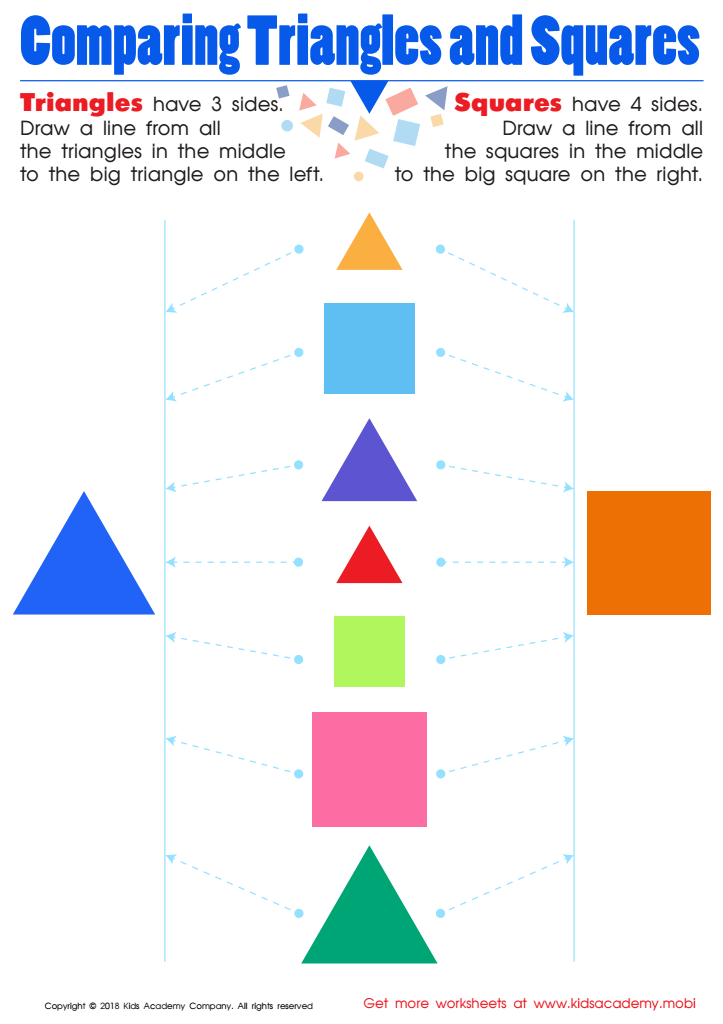
Comparing Triangles Squares Worksheet
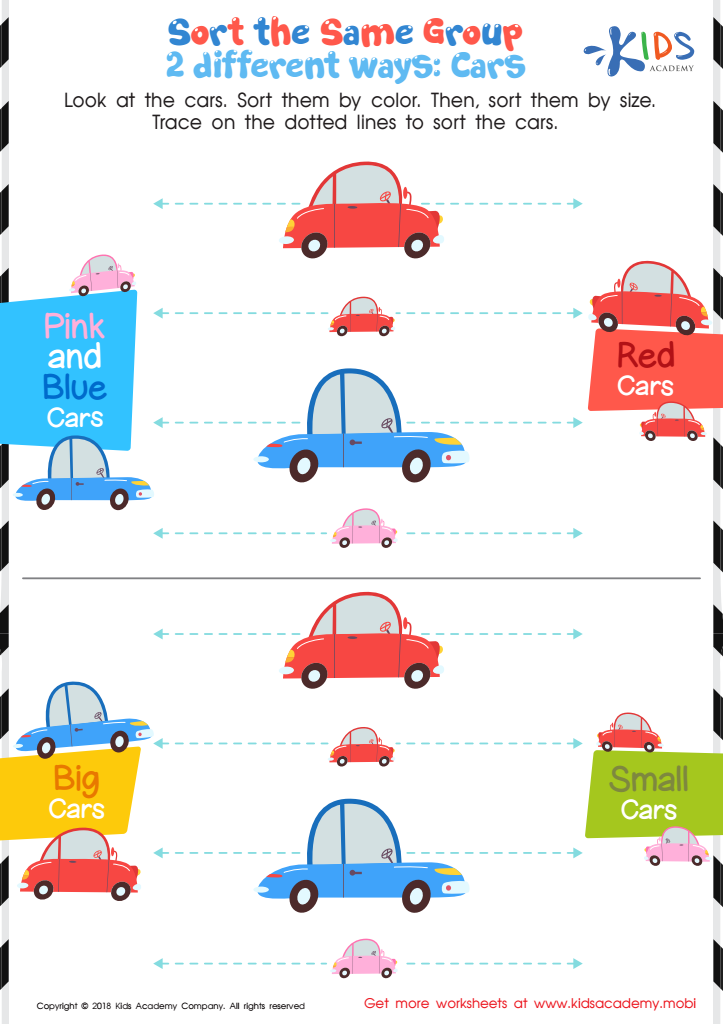
Sort the Same Group 2 Different Ways: Cars Worksheet
Food Match Up Worksheet
Find 0 Worksheet
Silhouettes – Shapes Worksheet



.jpg)



Visual discrimination skills are crucial for 5-year-olds as they lay the foundation for academic success, particularly in subjects like mathematics. At this early age, children are just beginning to recognize and interpret different symbols and shapes, which is essential for understanding numbers, patterns, and basic math operations.
Visual discrimination helps children distinguish between different numbers and shapes, reducing confusion and enhancing their ability to follow instructions and complete tasks accurately. For example, differentiating between the numbers 6 and 9 or between a square and a rectangle is fundamental for solving math problems correctly. Without these skills, children can easily misinterpret symbols, leading to mistakes and frustration.
These skills are also essential for recognizing visual patterns, which are a big part of early math curricula. Pattern recognition strengthens logical thinking and the ability to predict sequences, directly supporting problem-solving abilities. Additionally, strong visual discrimination skills contribute to successful reading comprehension, as they allow children to tell apart similar-looking letters and words, further enriching their educational journey.
In summary, parents and teachers should focus on fostering visual discrimination skills in 5-year-olds, as it impacts not only their mathematical abilities but also overall cognitive development, paving the way for a smoother and more enjoyable learning experience.








