Reading proficiency Normal Alphabet Worksheets for Ages 6-7
7 filtered results
-
From - To
Unlock the world of reading for your child with our Reading Proficiency Normal Alphabet Worksheets for ages 6-7. These expertly designed worksheets are perfect for enhancing your child's alphabet recognition, phonics, and reading skills. Each activity is tailored to engage young learners, helping them master letter sounds and improve their reading fluency through fun and interactive exercises. Our worksheets foster a love for learning with colorful, age-appropriate illustrations that make every lesson enjoyable. Build a strong literacy foundation and watch your child’s confidence soar. Perfect for both classroom use and at-home practice. Start the reading adventure today!
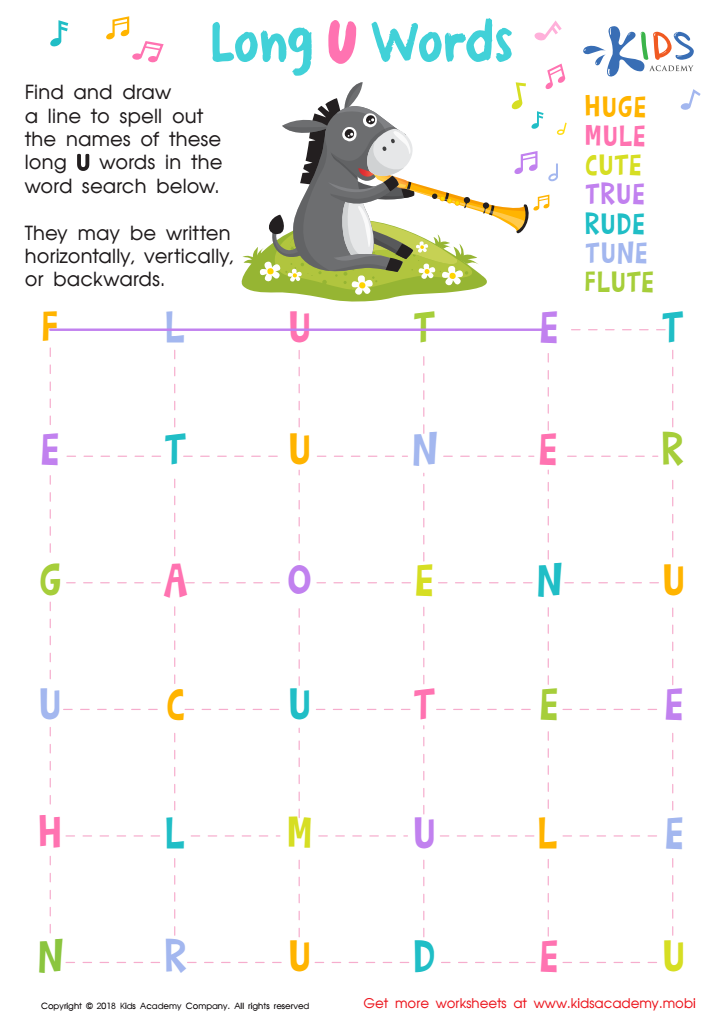
Long /u/ Words Worksheet
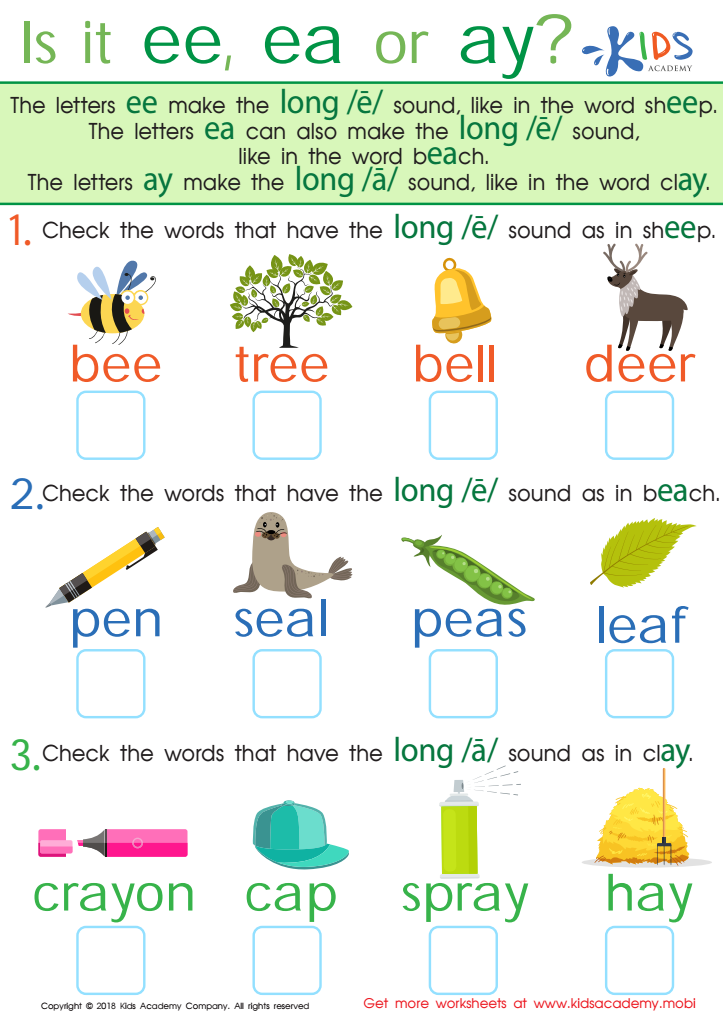
Is It EE, EA, or AY? Worksheet
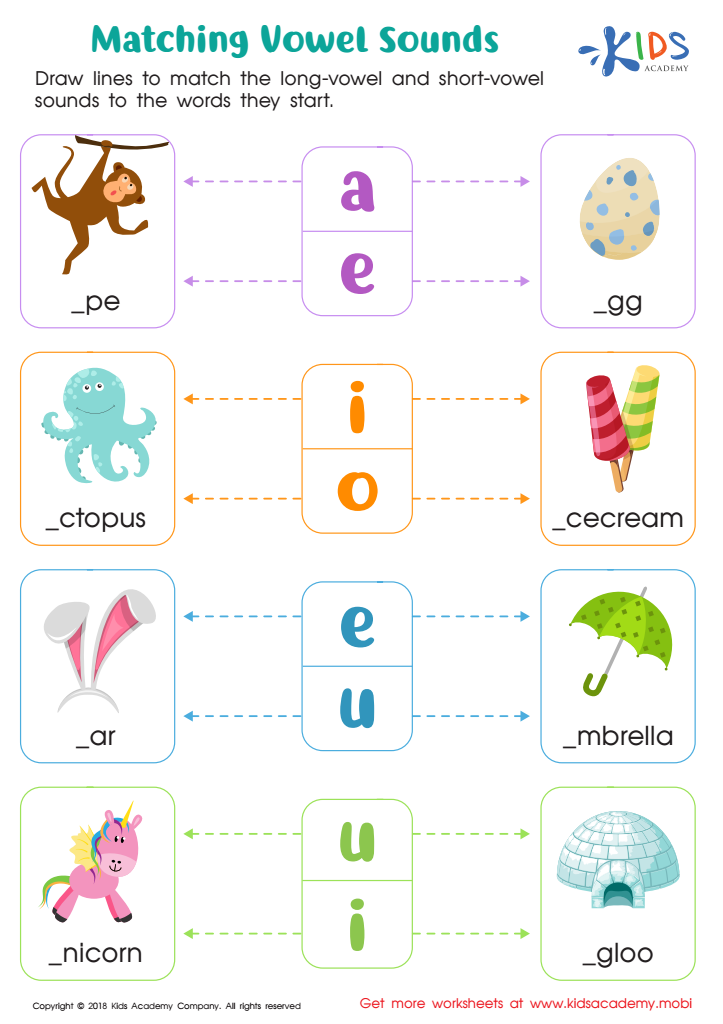
Matching Vowel Sounds Worksheet

Long and Short U Worksheet
 Assign to My Students
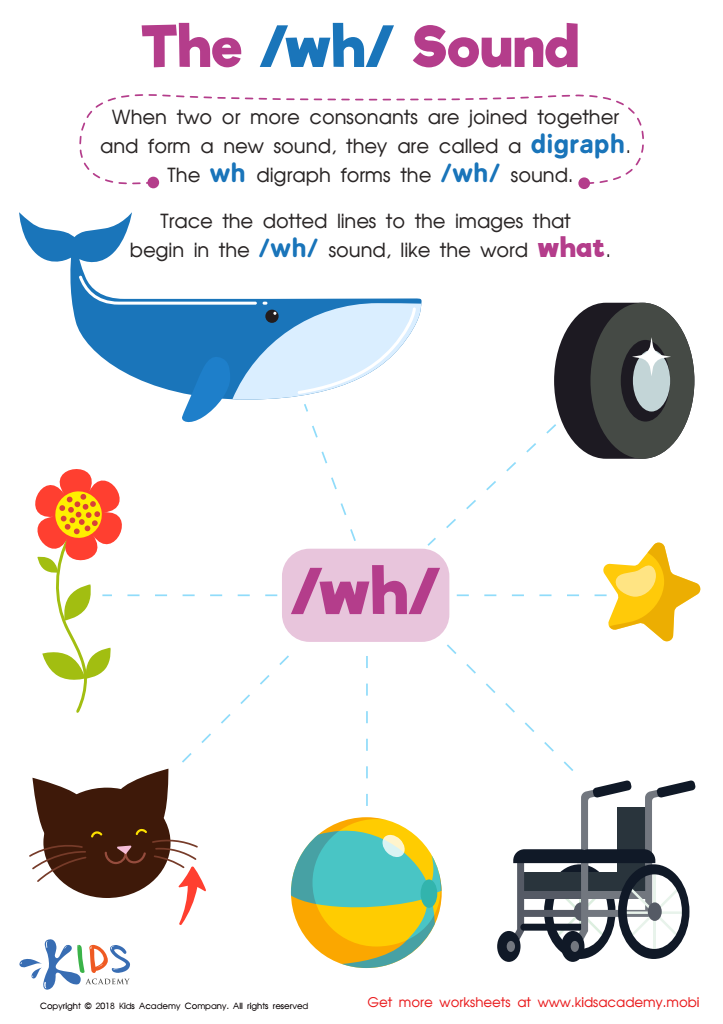
The /wh/ Sound Worksheet
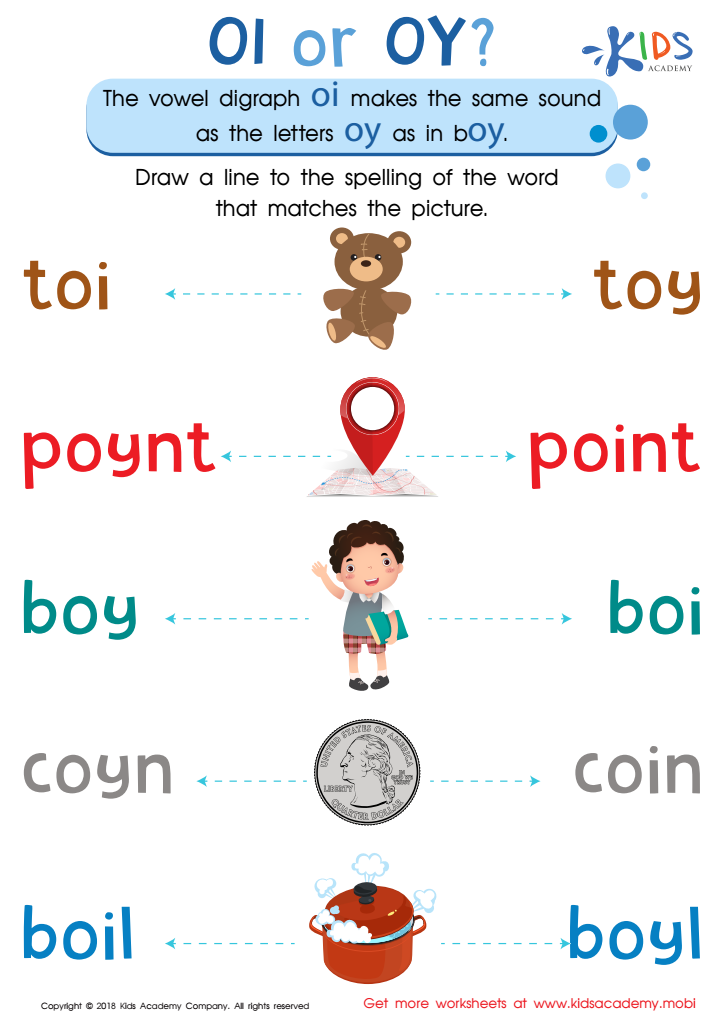
Reading: OI and OY Worksheet
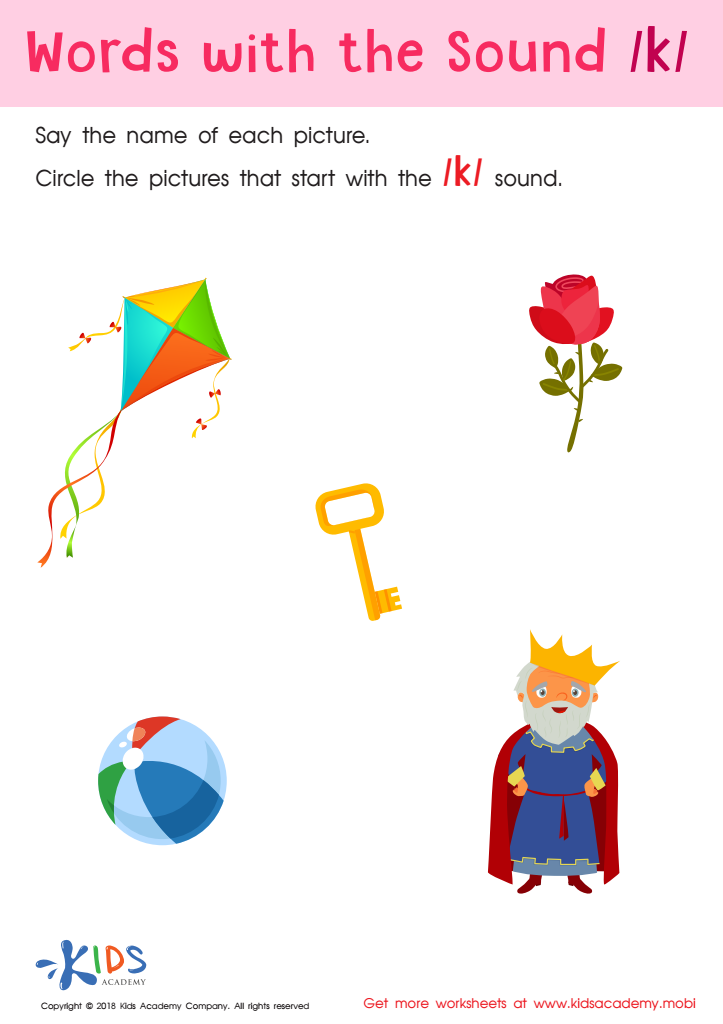
Words with sound k Reading Worksheet







Reading proficiency in children ages 6-7 is crucial as it serves as the foundation for a lifetime of learning and academic success. At this early stage, children transition from recognizing letters and sounds to reading sentences and simple stories. Proficiency in reading equips them with critical skills for understanding and processing information, which are vital across all subjects. Parents and teachers should focus on this because strong reading abilities are predictive of future academic achievement, including better performance in subjects like math, science, and social studies.
Moreover, reading proficiency fosters cognitive development. It enhances vocabulary, improves comprehension skills, and stimulates imagination and creativity. When children can read proficiently, they are more likely to develop a love for reading, leading to sustained lifelong learning and curiosity.
Teachers and parents should also be concerned regarding the socio-emotional development associated with reading proficiency. Children who struggle with reading may experience frustration, low self-esteem, and disinterest in school. Early identification and intervention can prevent these negative outcomes.
By investing time in improving reading skills at ages 6-7, parents and teachers help children build a solid educational foundation, positively impacting their future academic, cognitive, and emotional well-being. This early support sets the stage for scholastic success and holistic development.







