Normal Upper & Lowercase Letters Worksheets for Ages 6-7 - Page 2
43 filtered results
-
From - To
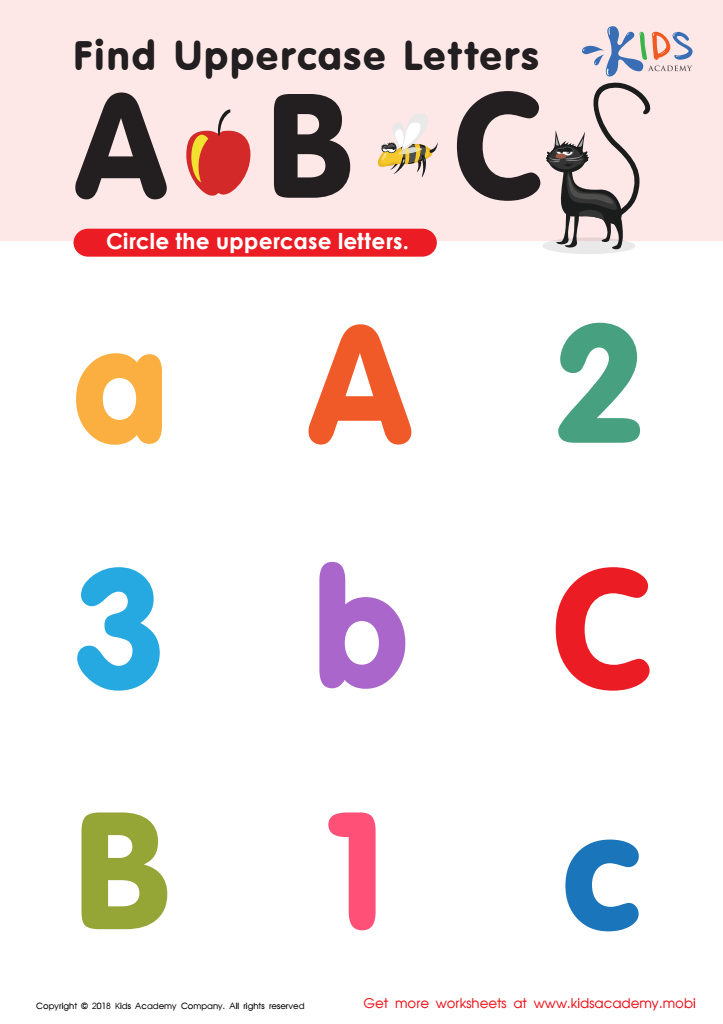
Find Uppercase Letters A, B, and C Worksheet
 Assign to My Students

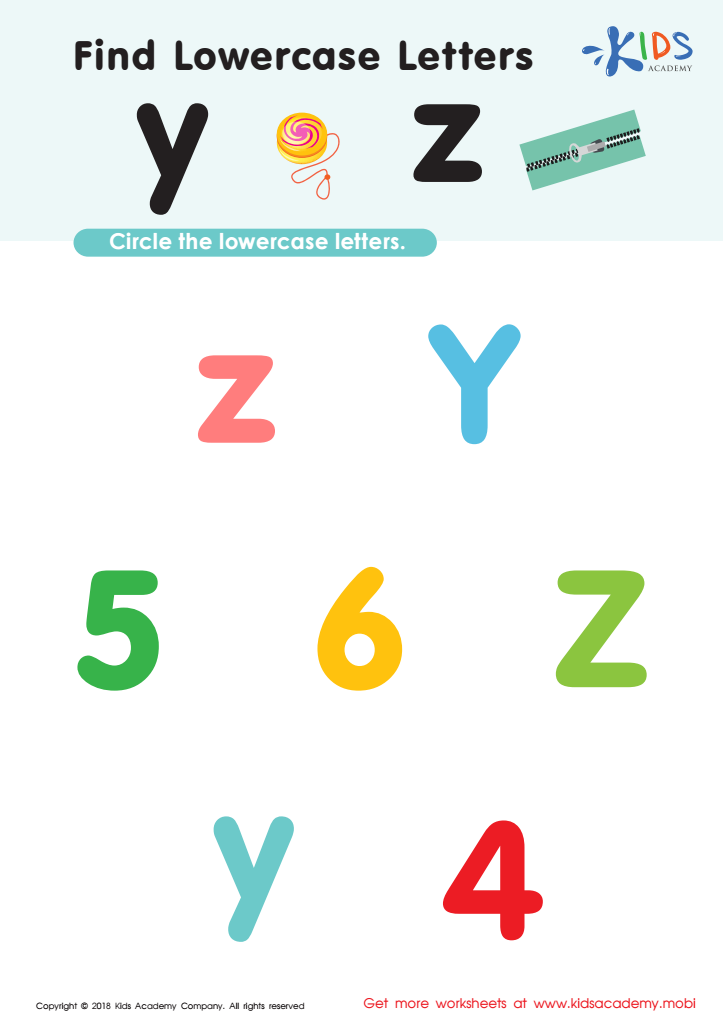
Find Lowercase Letters y z Worksheet
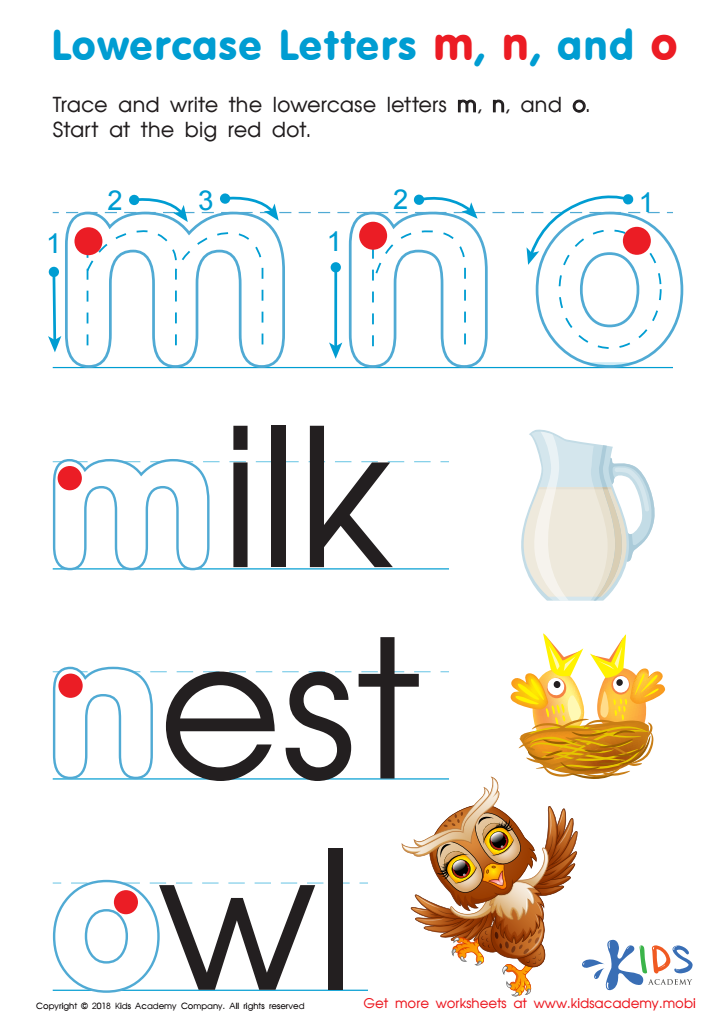
Lowercase Letters m n o Worksheet
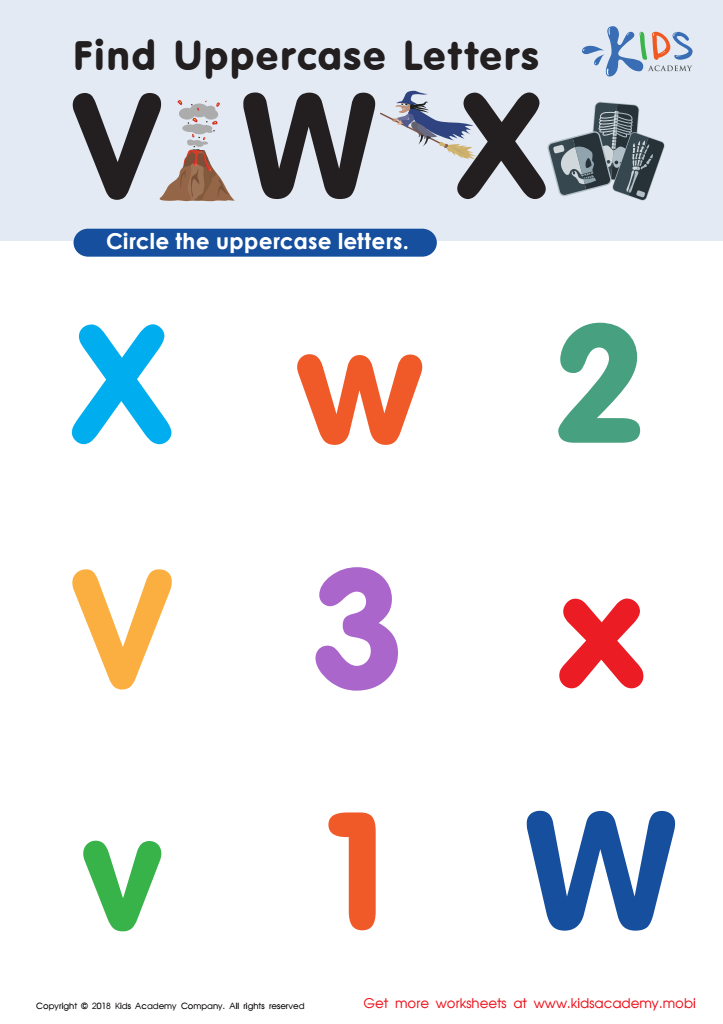
Find Uppercase Letters V, W, X Worksheet
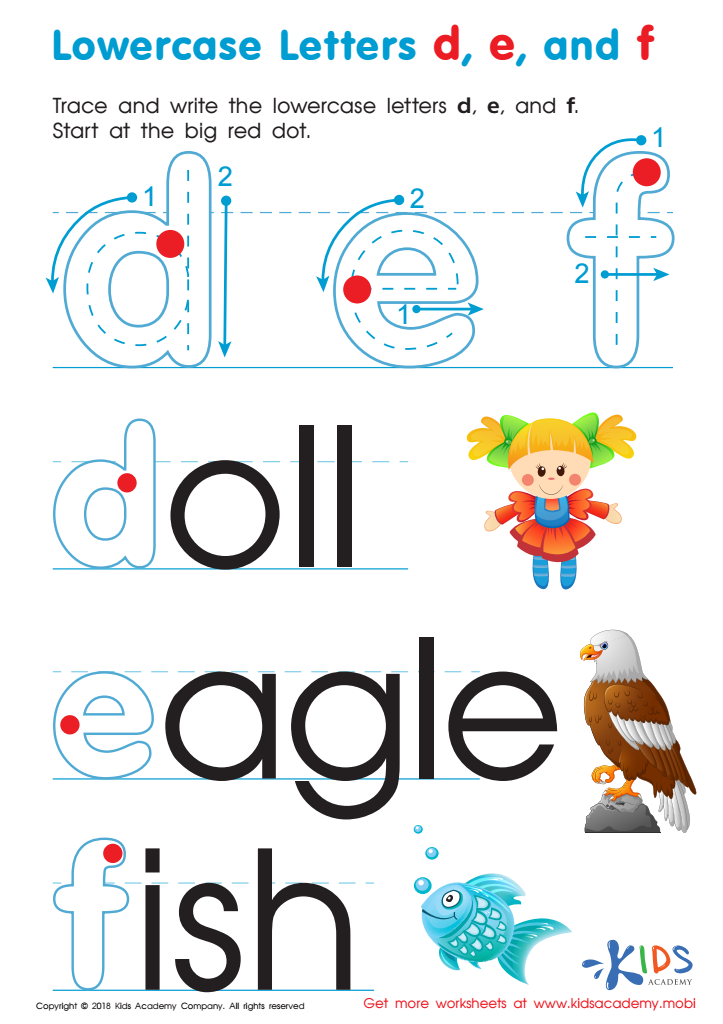
Lowercase Letters d e f Worksheet
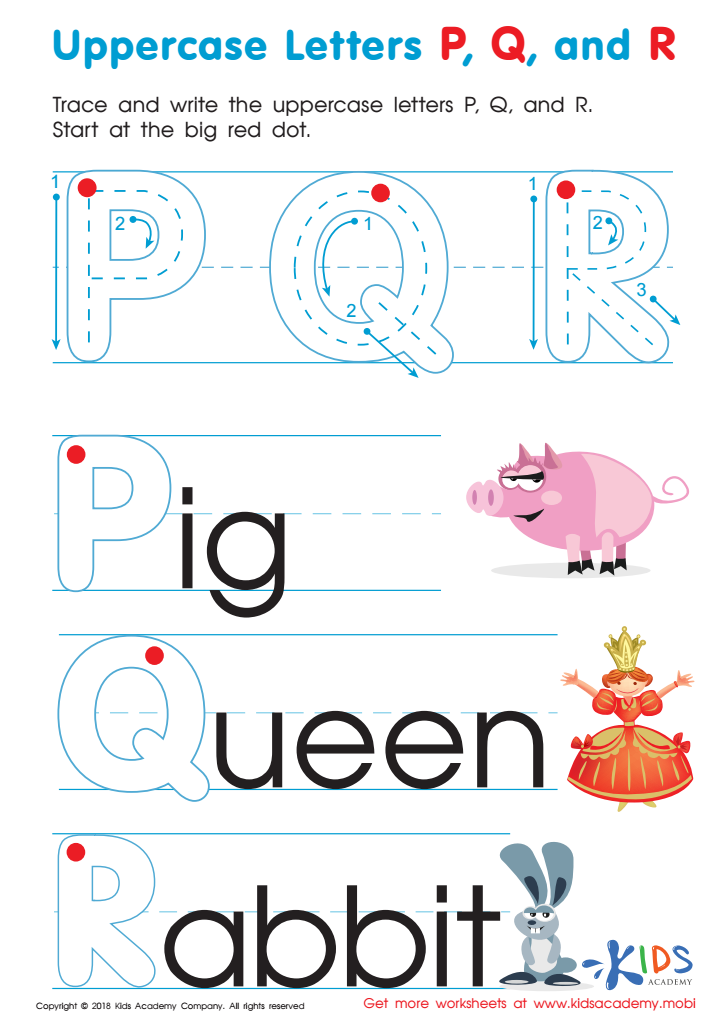
Uppercase Letters P, Q, and R Worksheet
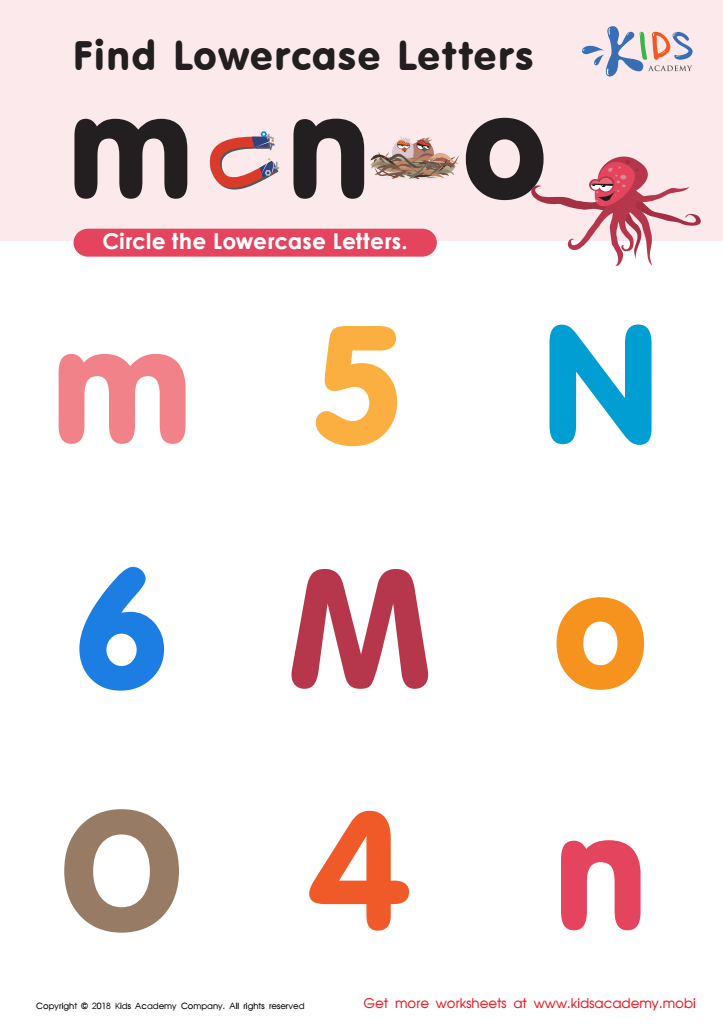
Find Lowercase Letters m n o Worksheet
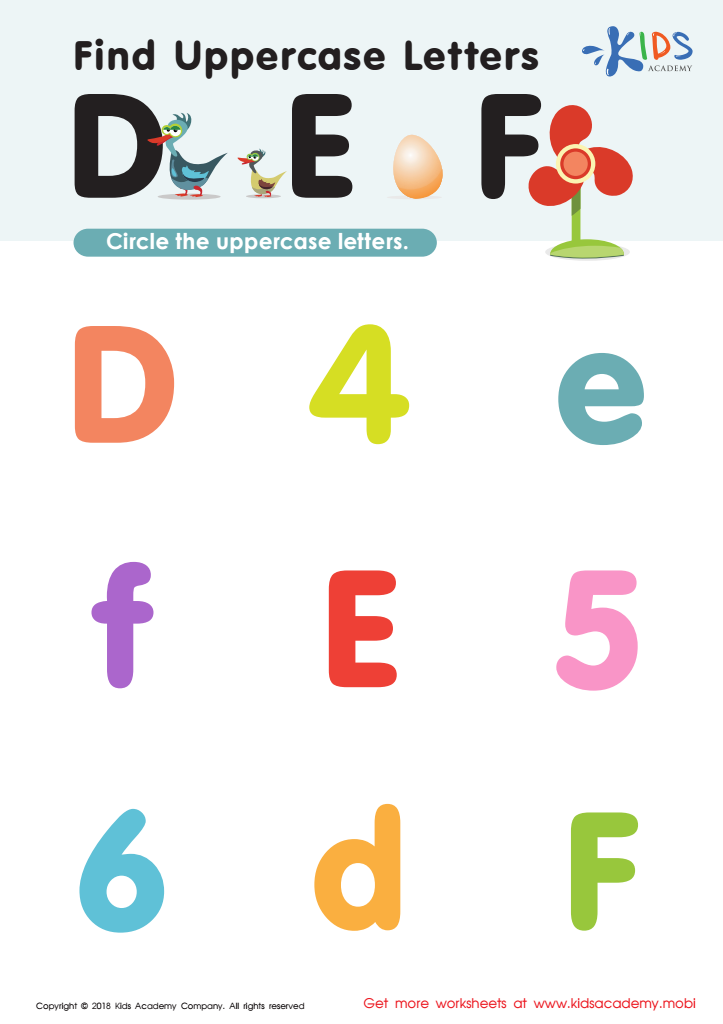
Find Uppercase Letters D, E, and F Worksheet
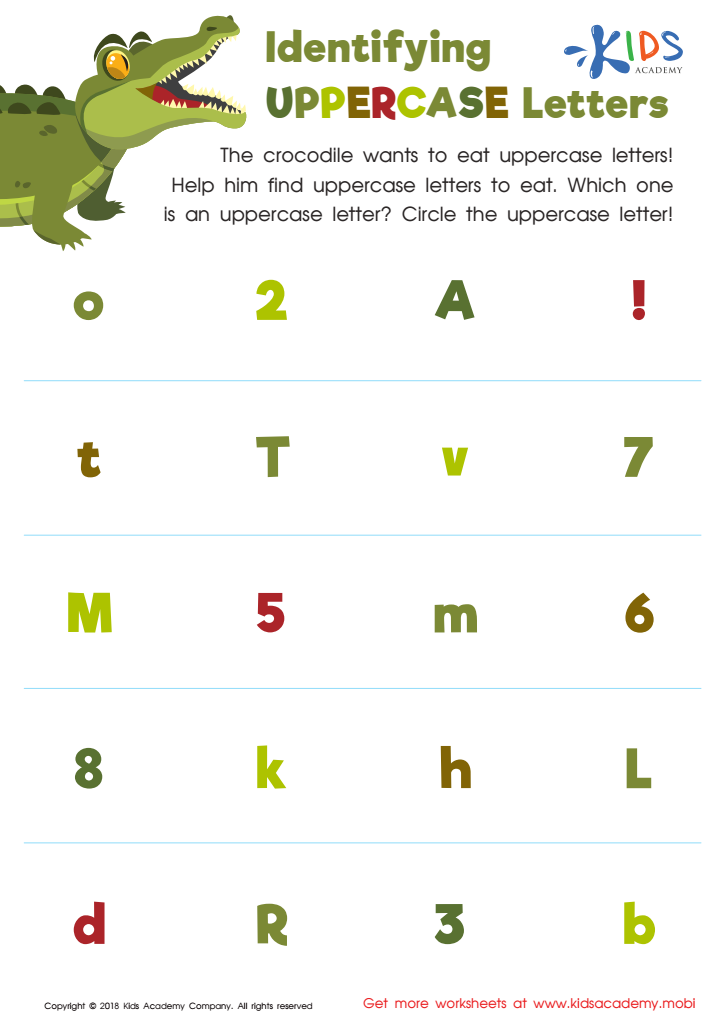
Identifying Uppercase Letters Worksheet
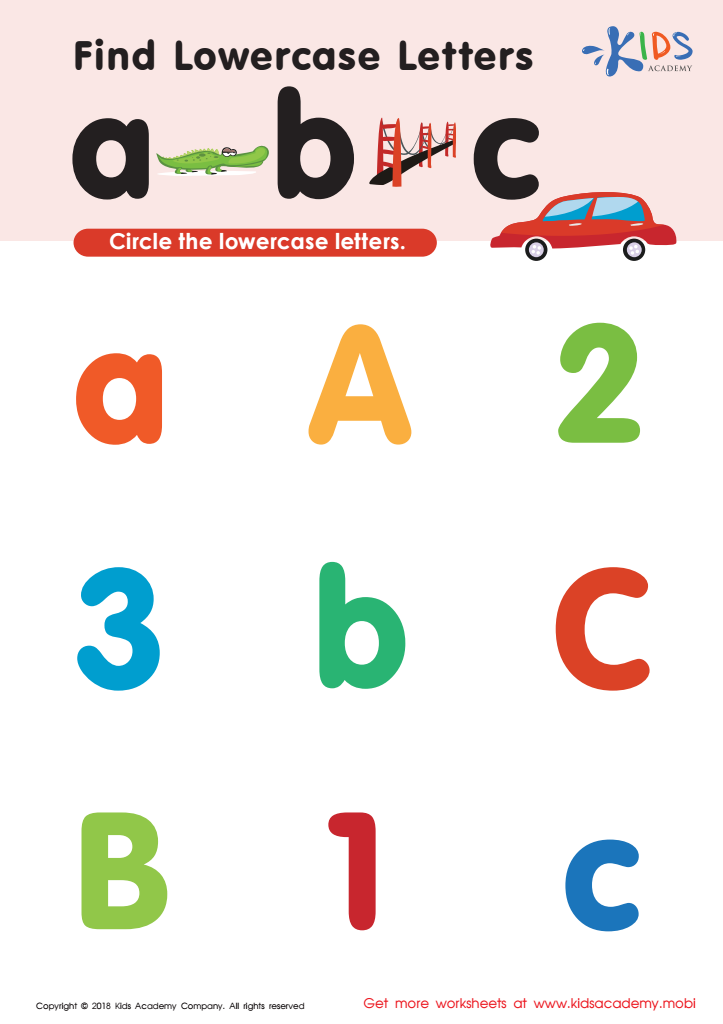
Find lowercase letters a b c Worksheet
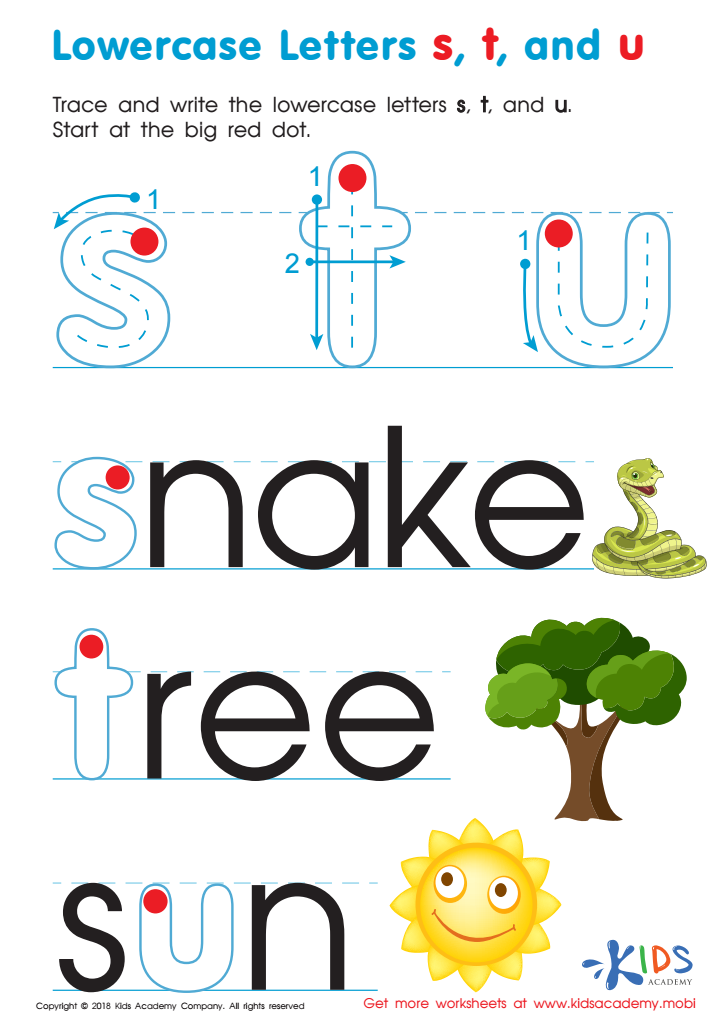
Lowercase Letters s t u Worksheet
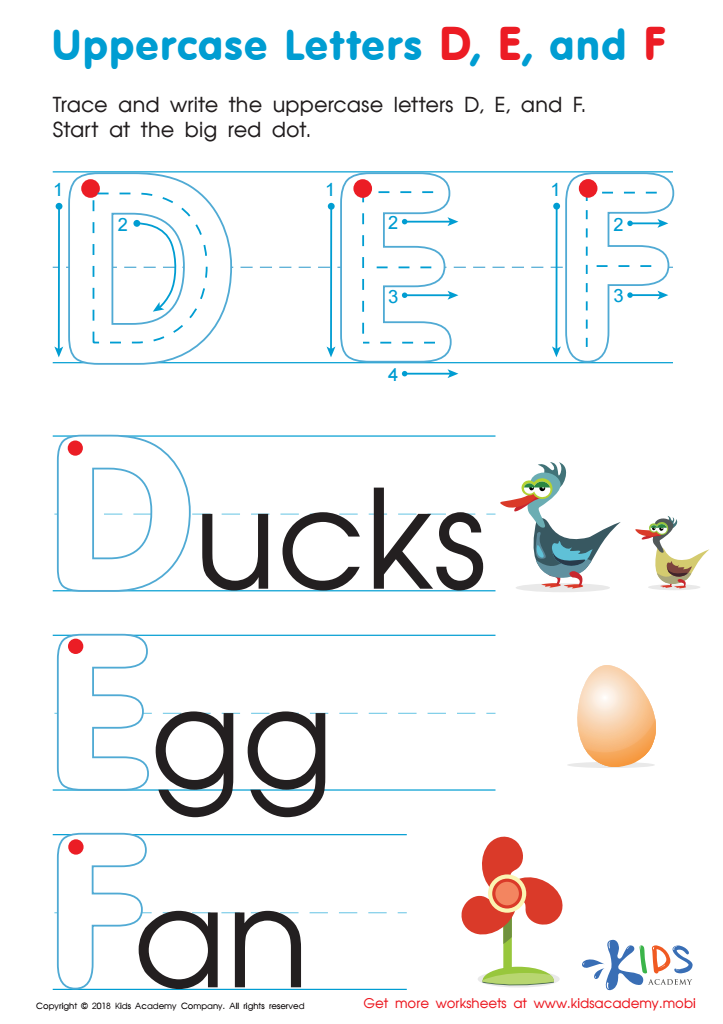
Uppercase Letters D, E, and F Worksheet
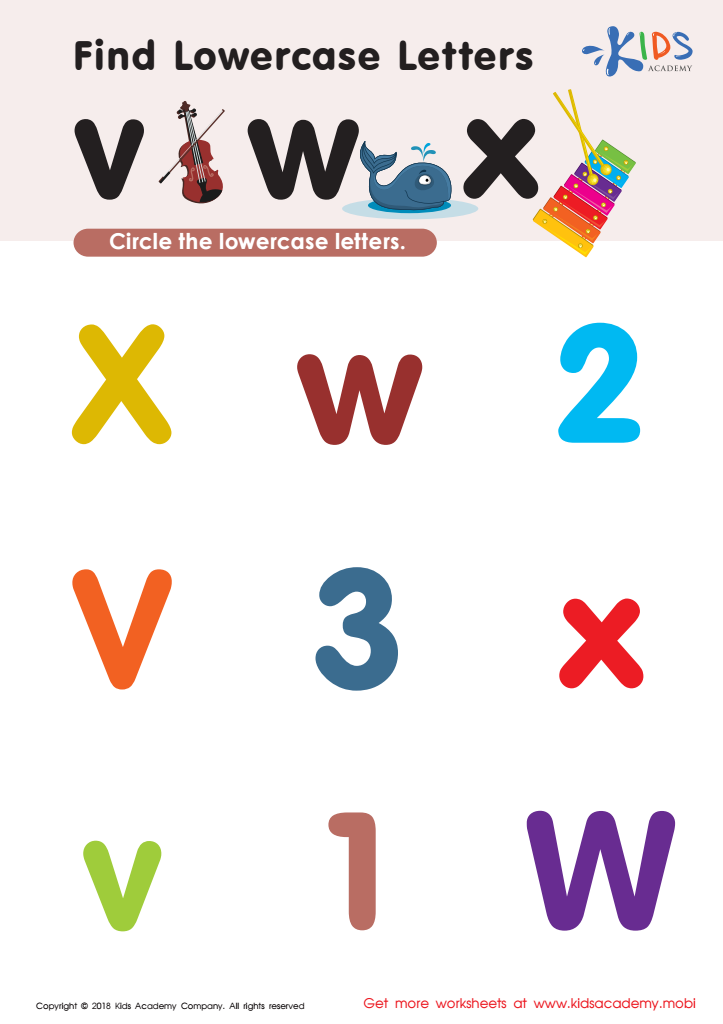
Find Lowercase Letters v w x Worksheet

Uppercase Letters Y Z Worksheet
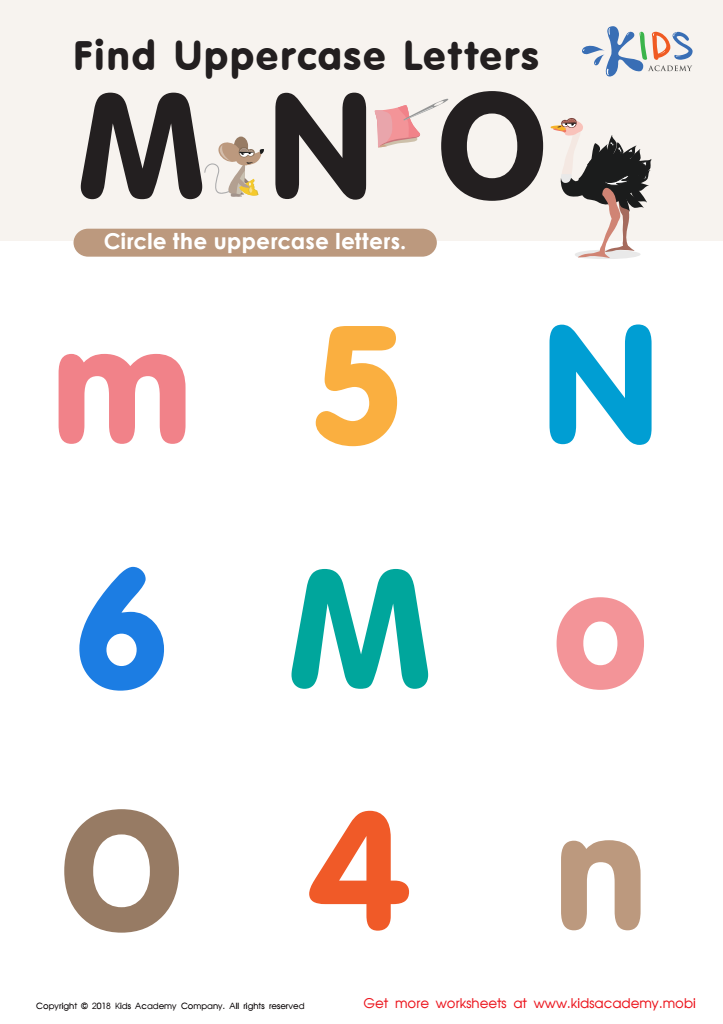
Find Uppercase Letters M, N, and O Worksheet
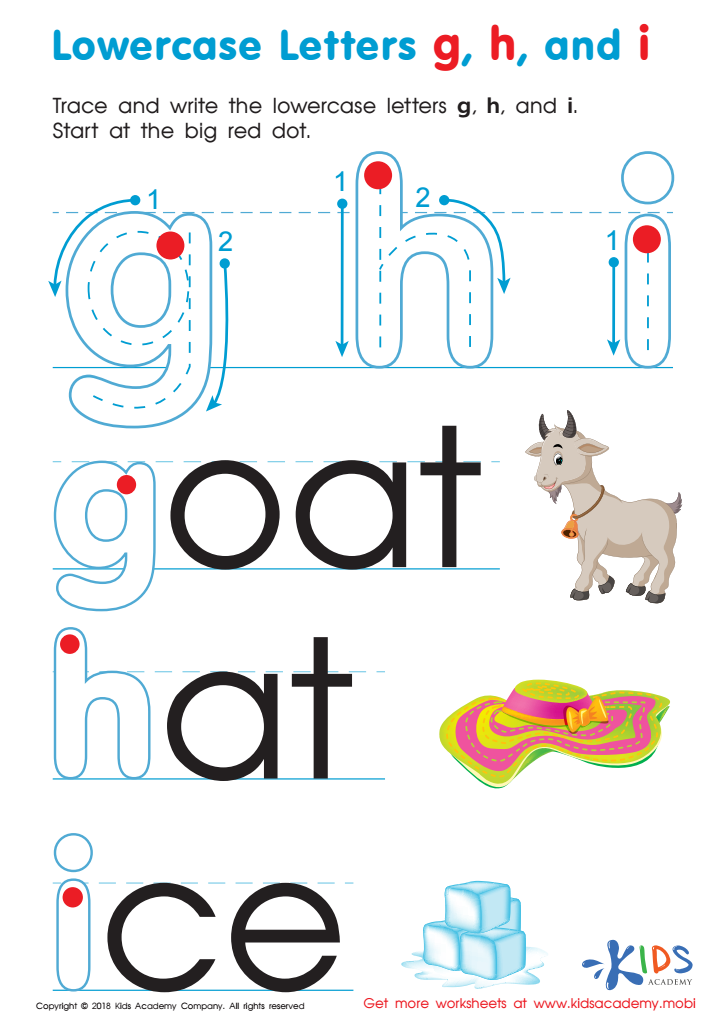
Lowercase Letters g h i Worksheet
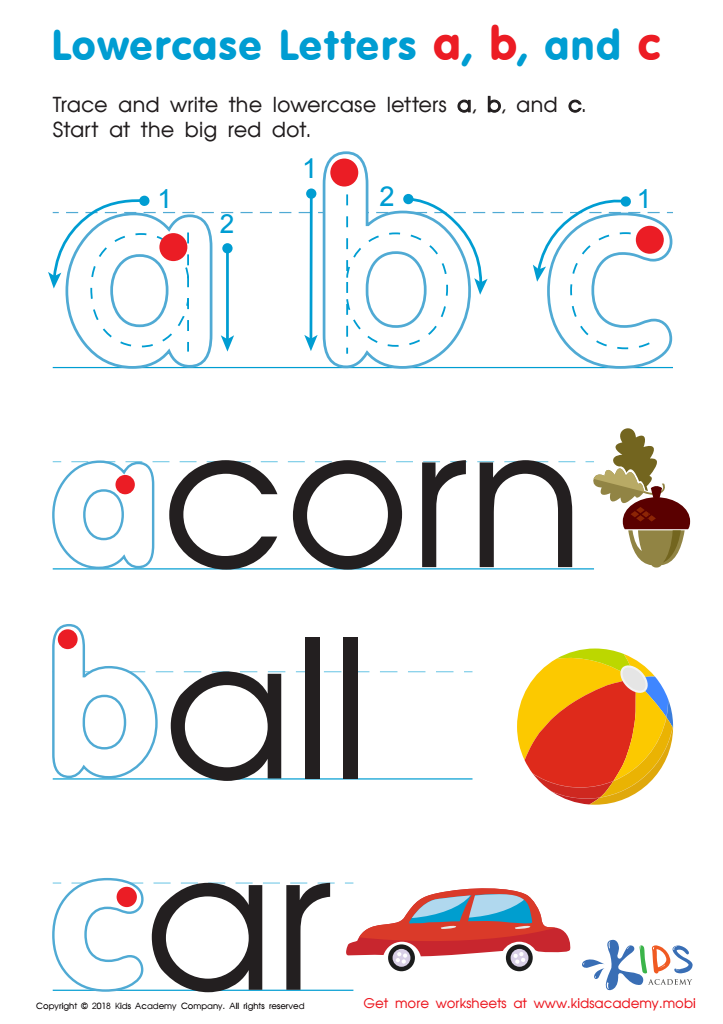
Lowercase Letters a b c Worksheet
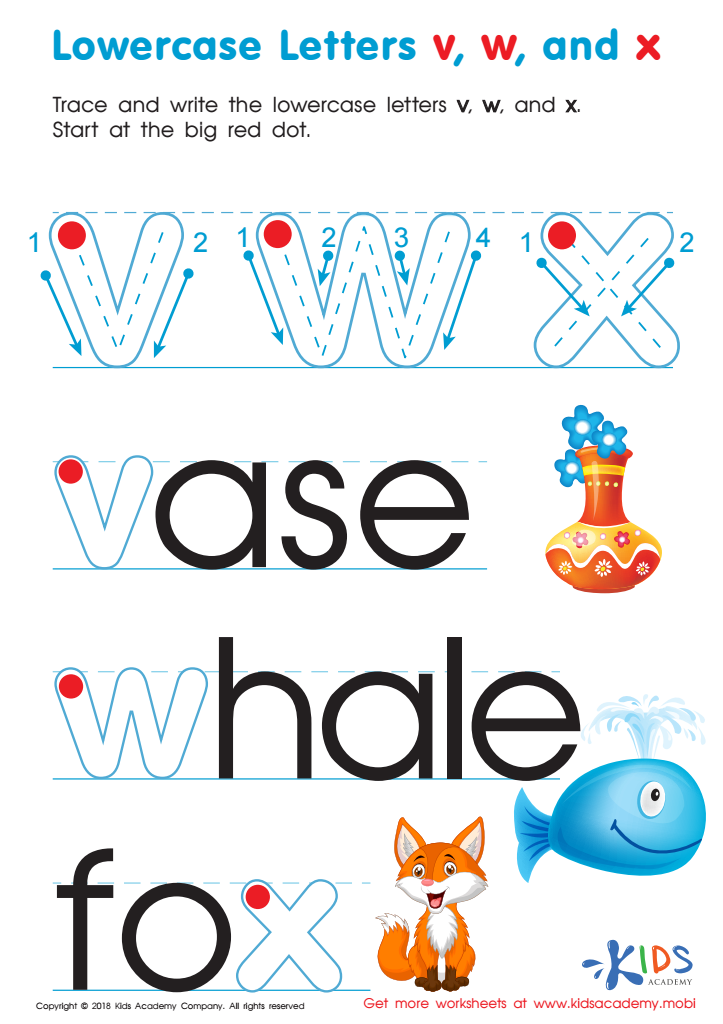
Lowercase Letters v w x Worksheet
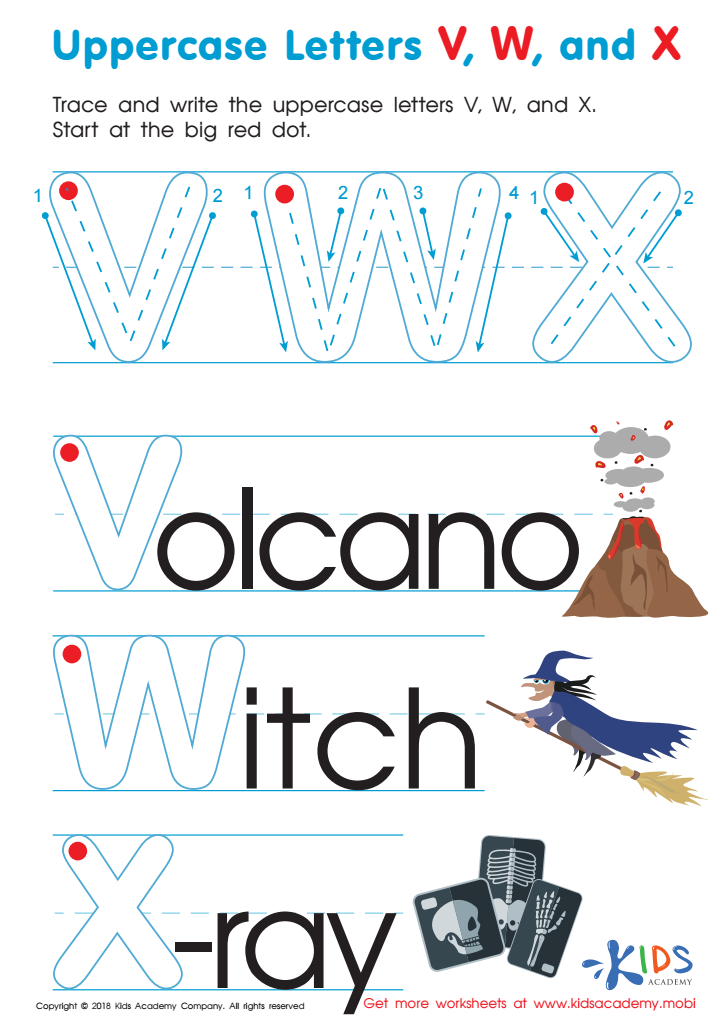
Uppercase Letters V, W, and X Worksheet






Understanding normal uppercase and lowercase letters is crucial for children aged 6-7 as it lays the foundational skills for their reading and writing development. At this age, children begin to transition from learning letters to recognizing how they combine to form words and sentences. Familiarity with both uppercase and lowercase letters enables them to read more fluently and isolate sounds in words, leading to better phonemic awareness.
Uppercase letters often serve specific functions, such as signaling the start of sentences or proper nouns, which helps children grasp basic grammar rules. Recognizing the difference between the two cases also aids in developing strong writing skills. Proper capitalization is important for clarity and correctness, directly influencing their communication abilities in both oral and written forms.
Moreover, mastery of both types of letters is key for cognitive development. Activities that involve letter games, storytelling, and writing practices engage their critical thinking and creative skills. By encouraging competence in uppercase and lowercase letters, parents and teachers set a solid foundation for literacy, fostering a love for reading and writing that can benefit children throughout their educational journey.







