Logical thinking Normal Worksheets for Ages 6-7
7 filtered results
-
From - To
Enhance your child's cognitive skills with our "Logical Thinking Normal Worksheets for Ages 6-7." Designed specifically for young learners, these engaging worksheets foster critical thinking and problem-solving abilities through fun activities. Children will explore patterns, categorization, sequencing, and more, all tailored to their developmental stage. These worksheets not only encourage logical reasoning but also promote independent learning and build a foundation for future academic success. Ideal for both home and classroom use, these resources provide parents and educators with valuable tools to stimulate young minds. Download the worksheets today and help your child embrace the world of logical thinking with confidence!
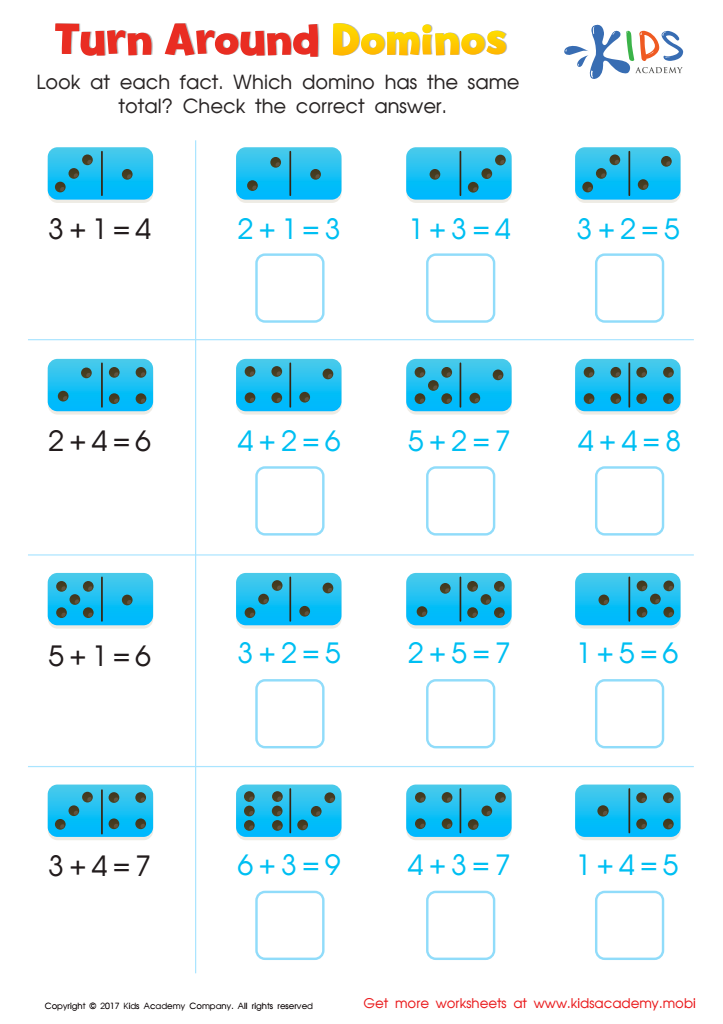
Turn Around Dominos Worksheet
 Assign to My Students
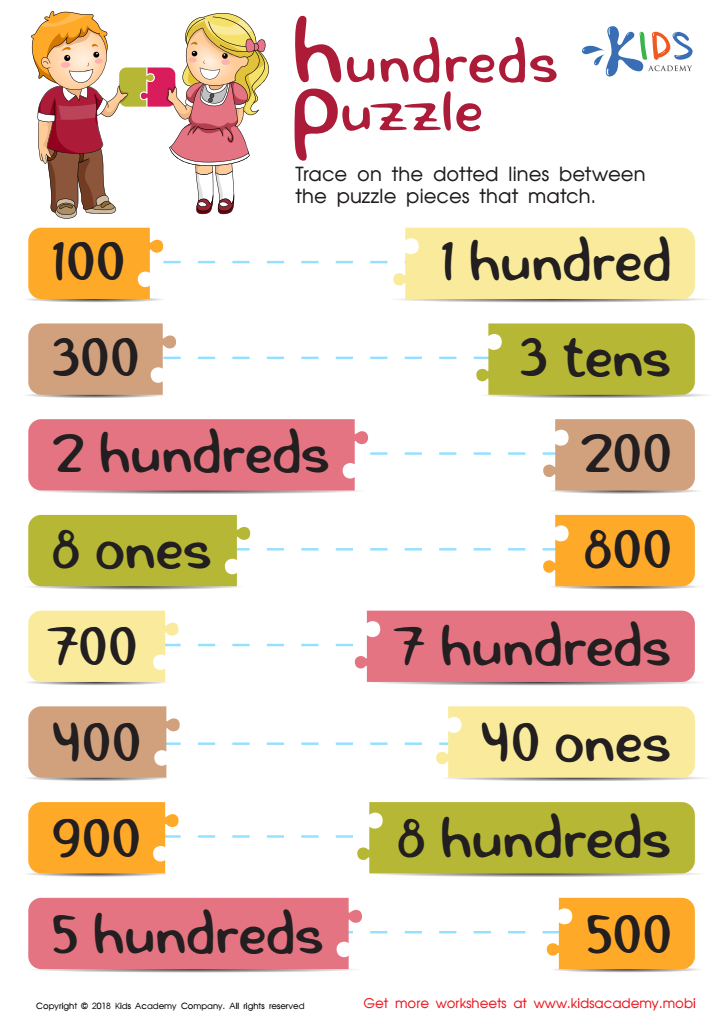
Hundreds Puzzle Worksheet

Cinderella Geometry Maze Worksheet
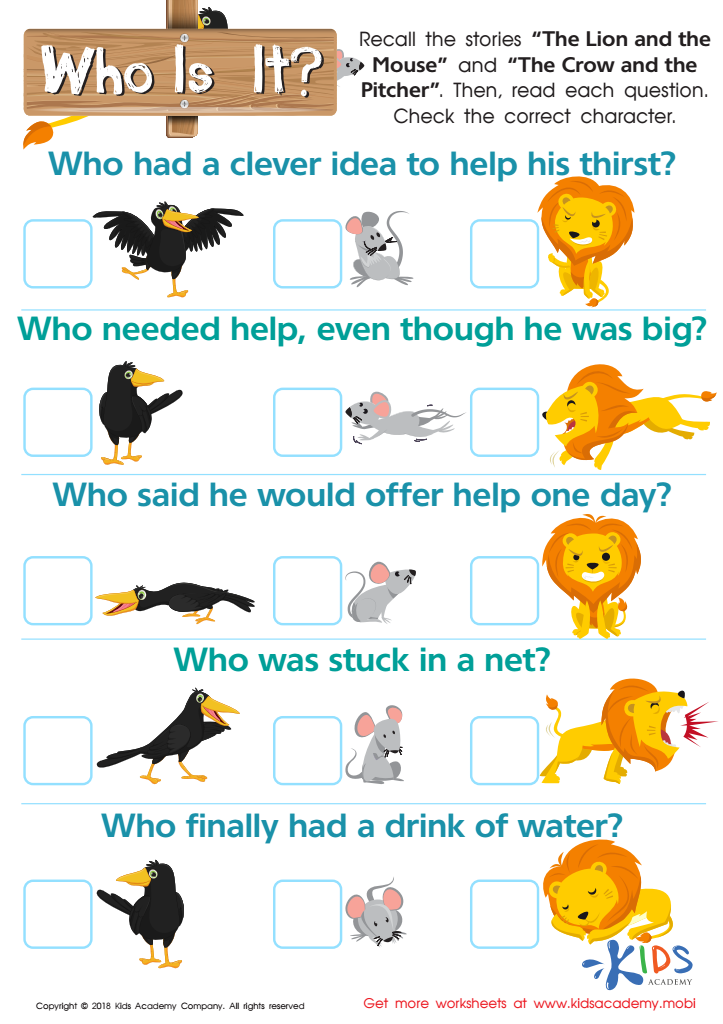
Who Is It? Worksheet
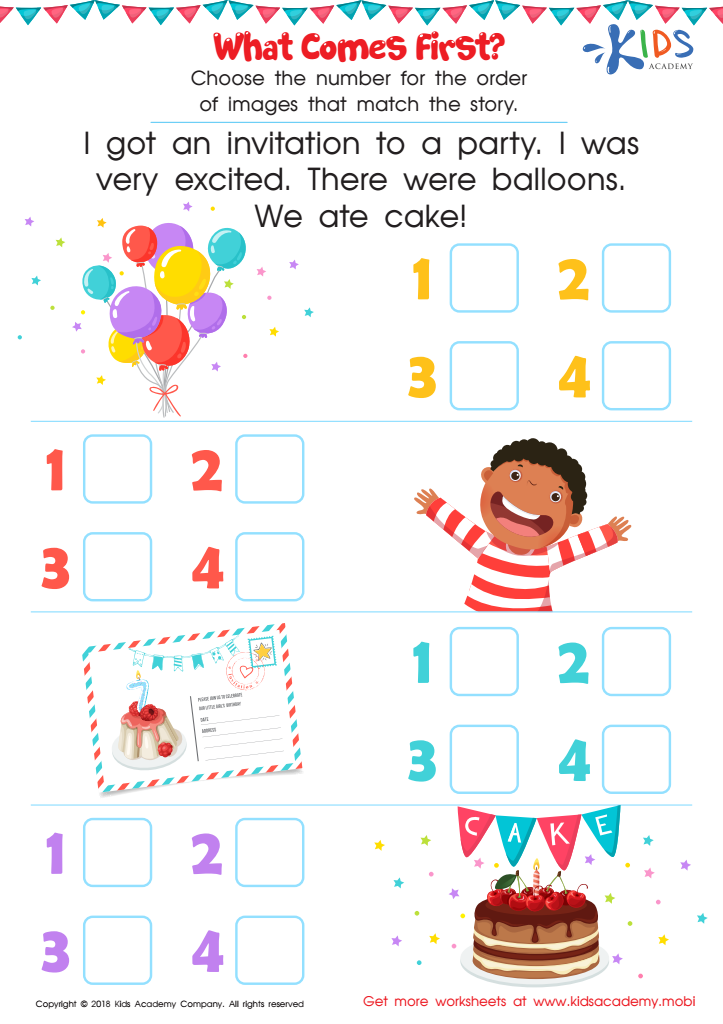
What Comes First Worksheet
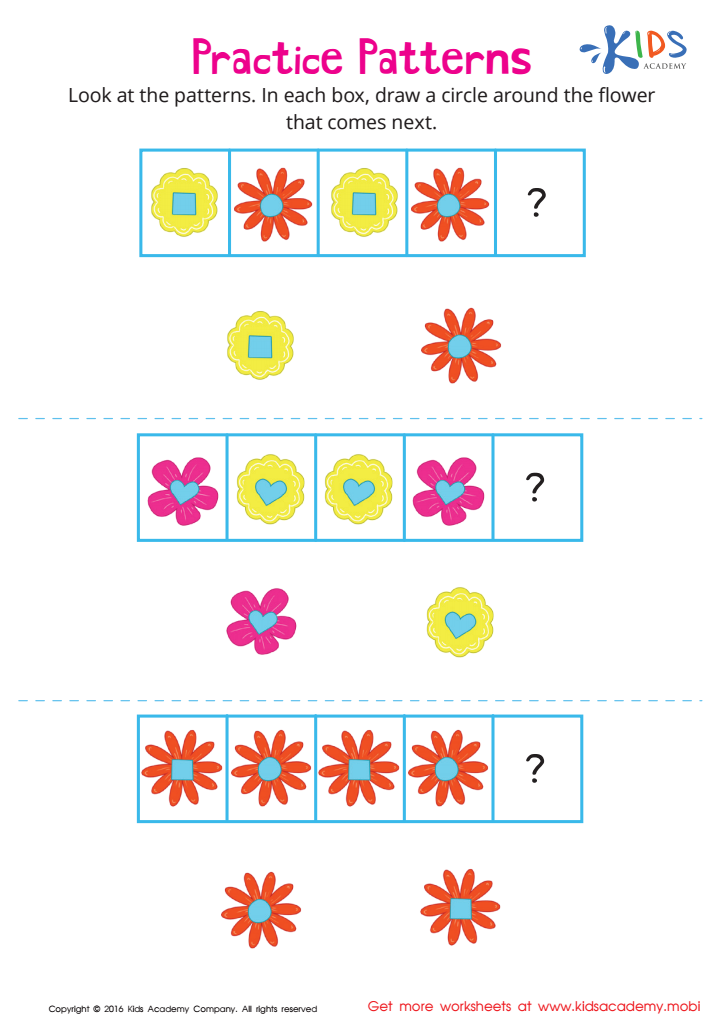
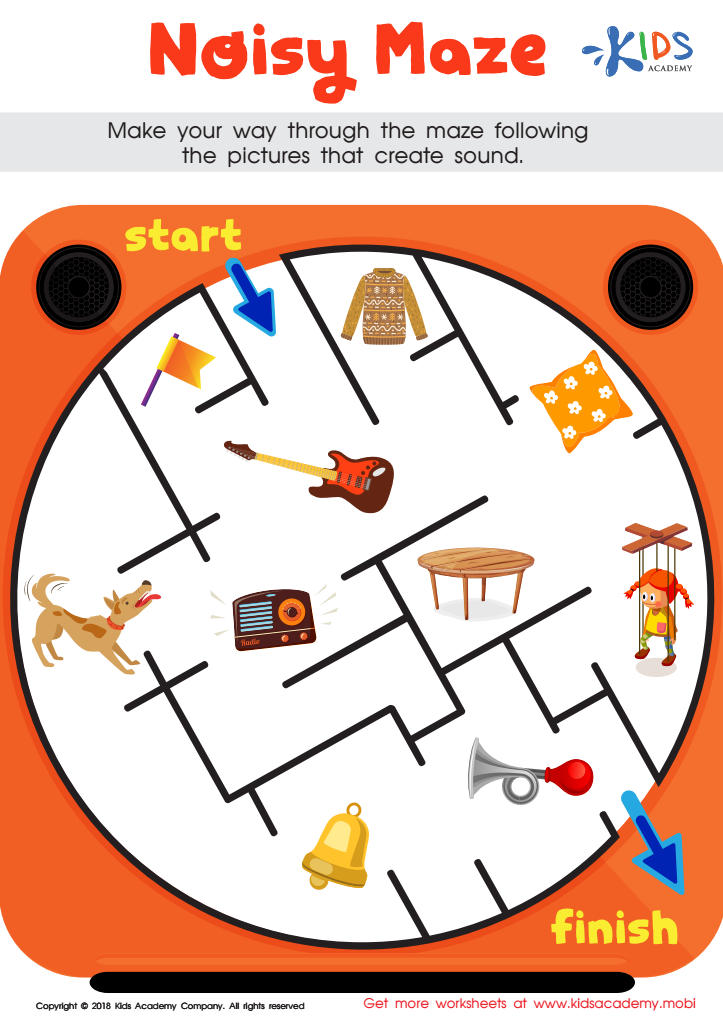
Noisy Maze Worksheet






Parents and teachers should prioritize fostering logical thinking skills in children aged 6-7 because this foundation supports their overall cognitive development and academic success. At this age, children are naturally curious and eager to explore patterns, relationships, and problem-solving. Encouraging logical thinking helps them develop critical skills such as reasoning, analyzing information, and drawing conclusions, which are essential not only in math and science but in everyday decision-making.
Additionally, logical thinking enhances a child's ability to communicate effectively and interact socially. It equips them with the tools to express their ideas clearly and understand the perspectives of others, promoting better collaboration and teamwork. Furthermore, children who engage in logical thinking exercises often display higher levels of creativity, as they learn to think outside the box and approach problems from multiple angles.
Instilling these skills early on prepares children for future academic challenges and builds resilience in tackling life's complexities. Given the increasing emphasis on STEM education and critical thinking in today’s curricula, parents and teachers who cultivate logical thinking will help children navigate their learning journeys with confidence and adapt to an ever-evolving world. Ultimately, supporting logical thinking in young learners prepares them for long-term success in various aspects of life.








