Number identification Normal Worksheets for Ages 6-7
6 filtered results
-
From - To
Discover our engaging "Number Identification Worksheets" designed for children aged 6-7! These normal worksheets provide a fun and effective way for young learners to enhance their number recognition skills. Each worksheet features colorful illustrations and interactive exercises that make learning enjoyable. From tracing and identifying numbers to engaging in stimulating activities, these worksheets cater to various learning styles. Perfect for both classroom settings and at-home practice, our number identification worksheets help reinforce essential math skills while promoting early cognitive development. Empower your child’s learning journey and watch them gain confidence as they master number identification with ease! Download now!
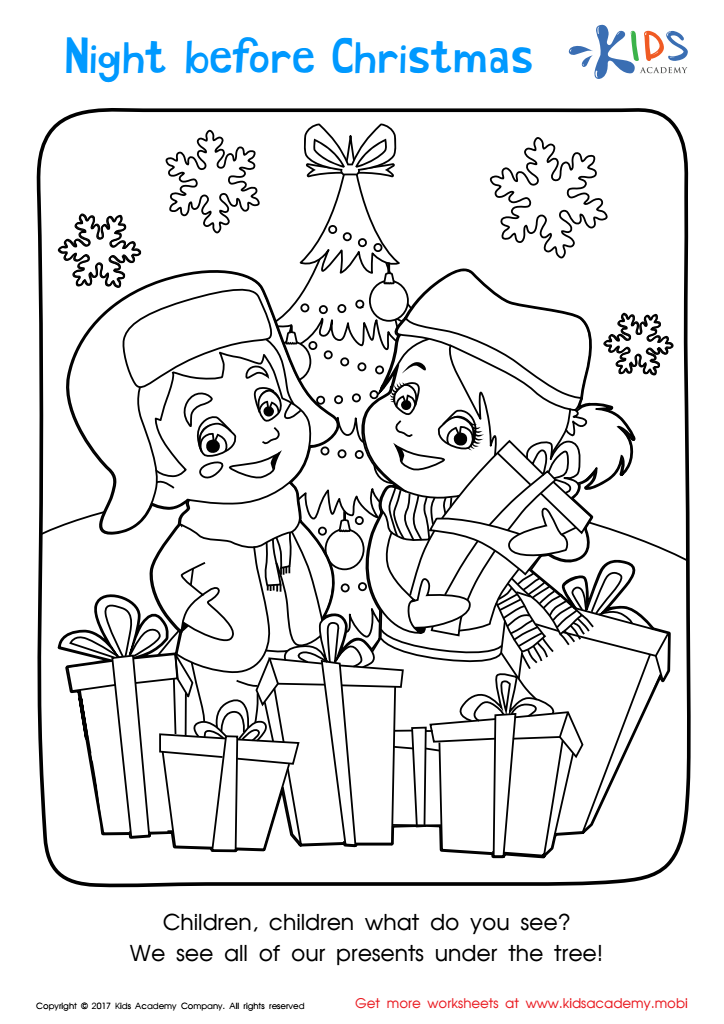
Christmas: Night Before Christmas Printable
 Assign to My Students
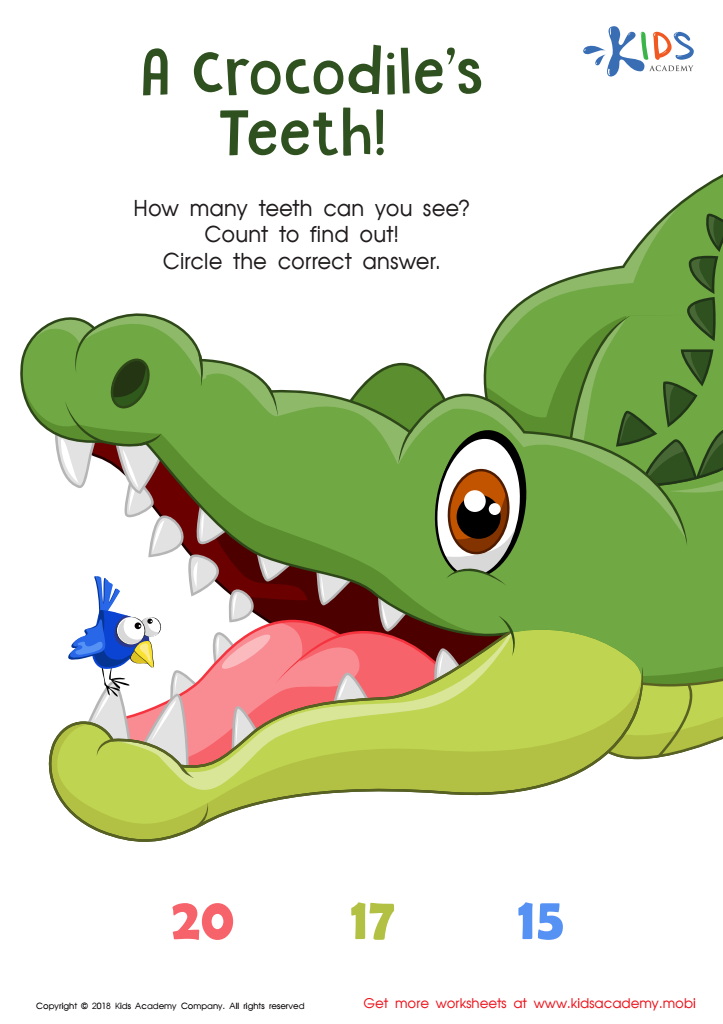
A Crocodile's Teeth Worksheet

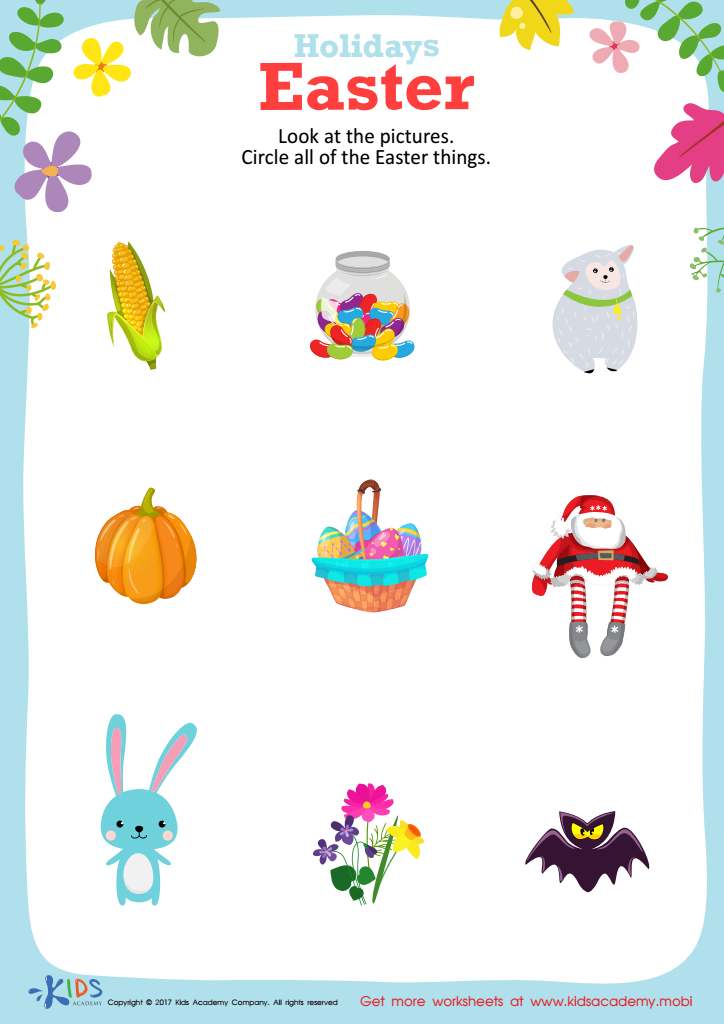
Easter Holiday Printable
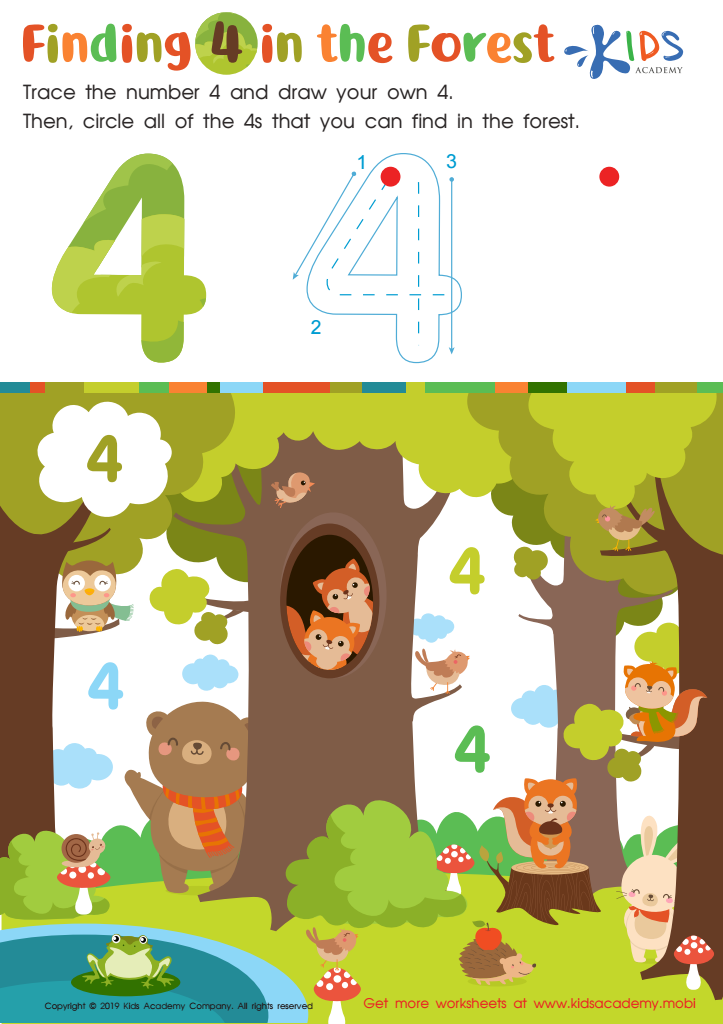
Finding 4 in the Forest Worksheet

Easter: Easter Eggs Worksheet
Assign to My Students







.jpg)
Number identification is a crucial skill for children aged 6-7, forming the foundation for mathematical success. Parents and teachers should care about this developmental milestone for several reasons. Firstly, recognizing numbers enhances children's confidence, laying the groundwork for more advanced mathematical concepts like addition, subtraction, and even problem-solving. When children can identify numbers quickly and accurately, they are more likely to engage positively in math-related activities.
Furthermore, number identification feeds into essential life skills. Everyday tasks such as telling time, managing money, and measuring require an understanding of numbers. By fostering this skill early on, parents and teachers equip children with the tools they need to navigate the world around them successfully.
Socially, proficiency in number identification can influence a child's interactions in group settings or classroom projects, where collaboration often relies on mathematical understanding. Additionally, early mastery can help identify any learning difficulties, allowing for timely intervention and support.
In summary, prioritizing number identification for ages 6-7 not only supports academic growth but also prepares children for practical life applications, all while promoting confidence and collaborative skills. Ultimately, this focus sets a vital precedent for positive educational experiences and lifelong learning.








