Sound recognition Normal Worksheets for Ages 6-7
13 filtered results
-
From - To
Unlock your child's auditory skills with our engaging Sound Recognition Normal Worksheets designed specifically for ages 6-7. These worksheets provide fun and interactive activities that help young learners identify different sounds, enhancing their listening skills and phonetic awareness. Each exercise is crafted to encourage exploration and retention, making it easier for children to connect sounds with letters and words. Ideal for home or classroom use, our resources support early literacy development and nurture a love for learning. Empower your child to recognize familiar sounds in their environment as they build foundational language skills with our expertly designed worksheets!
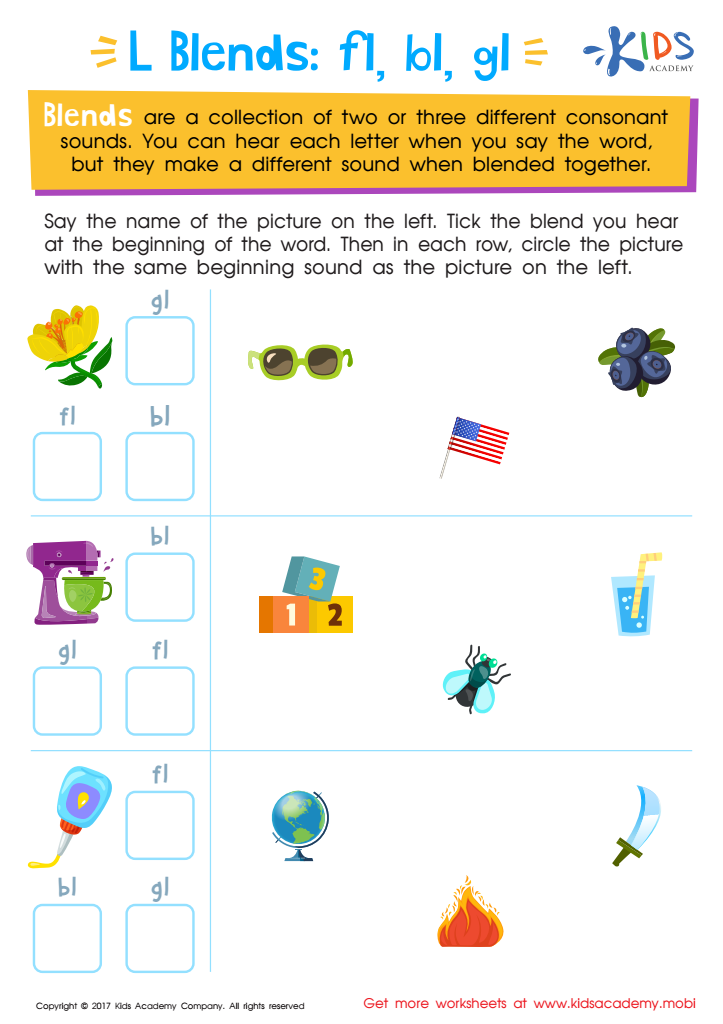
Blending Consonants: "Fl", "Bl" and "Gl" Printable
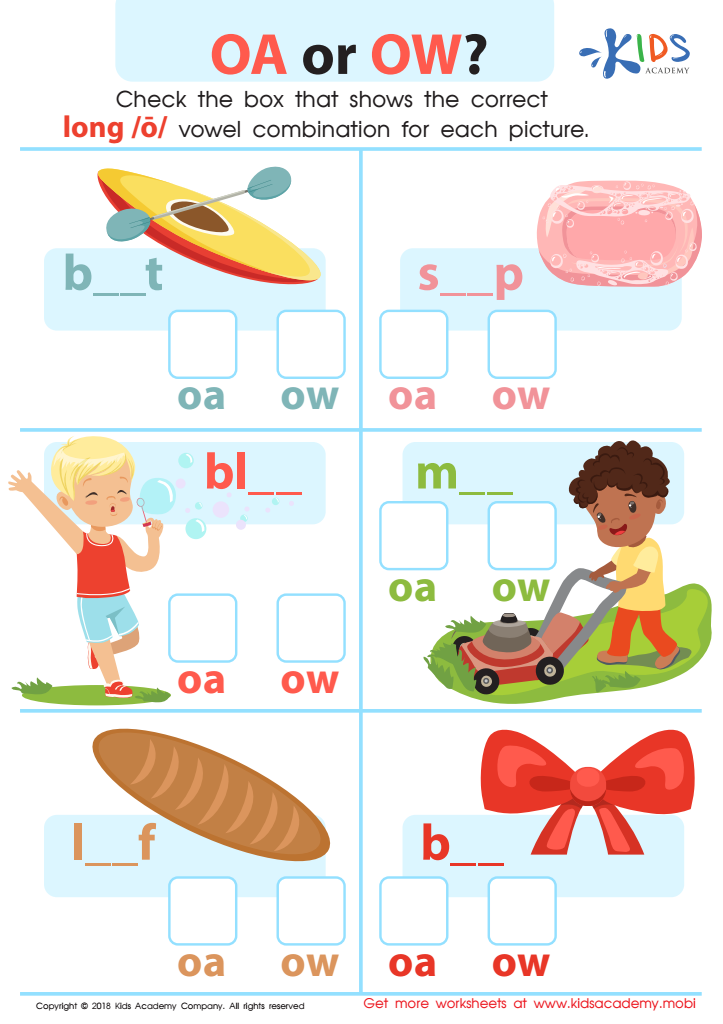
Reading: OA or OW Worksheet
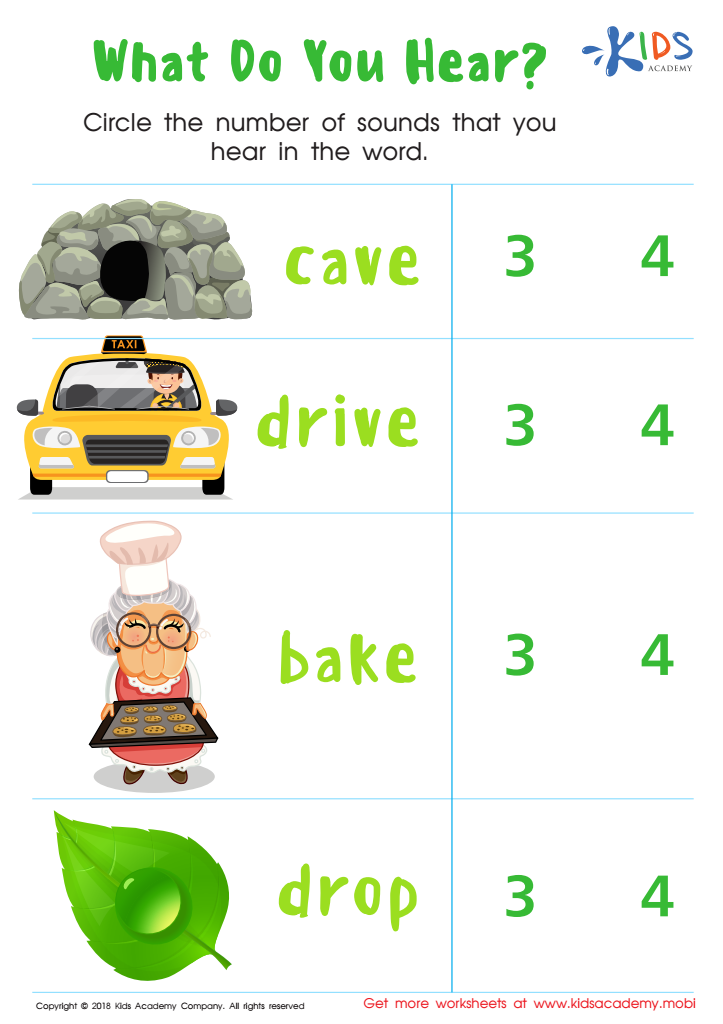
What Do You Hear? Worksheet
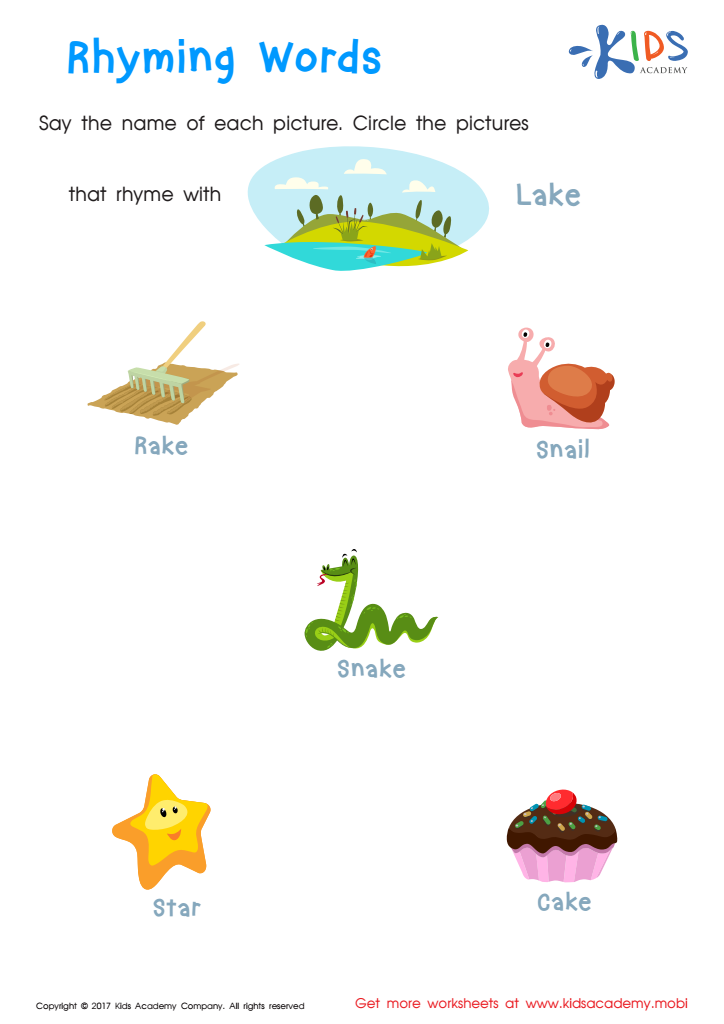
Rhyming Words Rhyming Worksheet
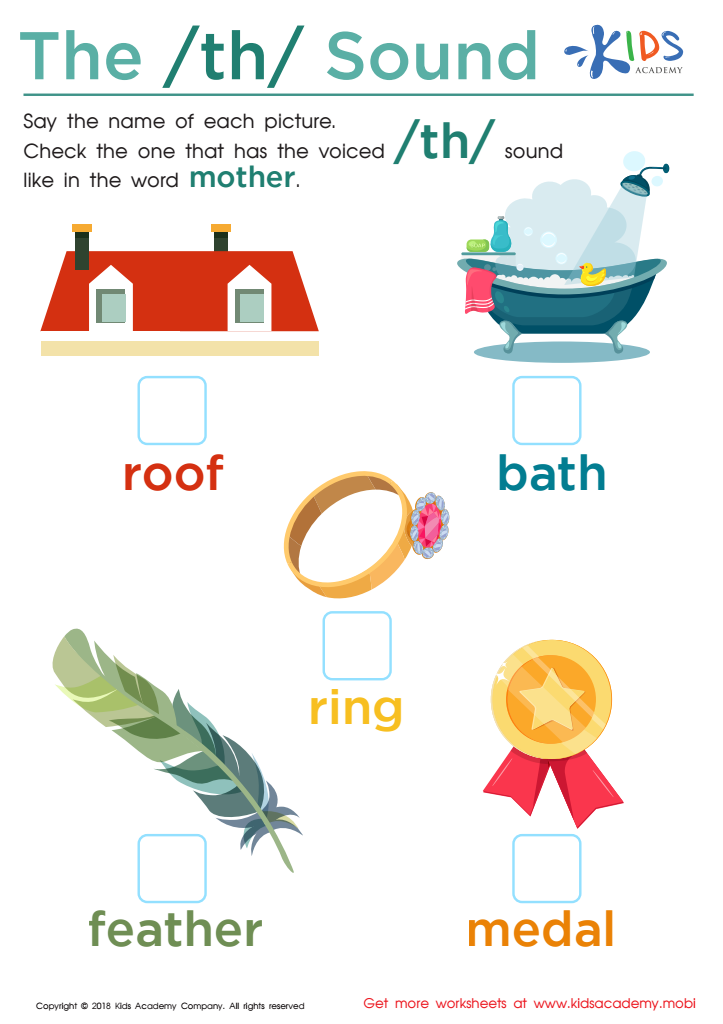
The /th/ Sound Worksheet
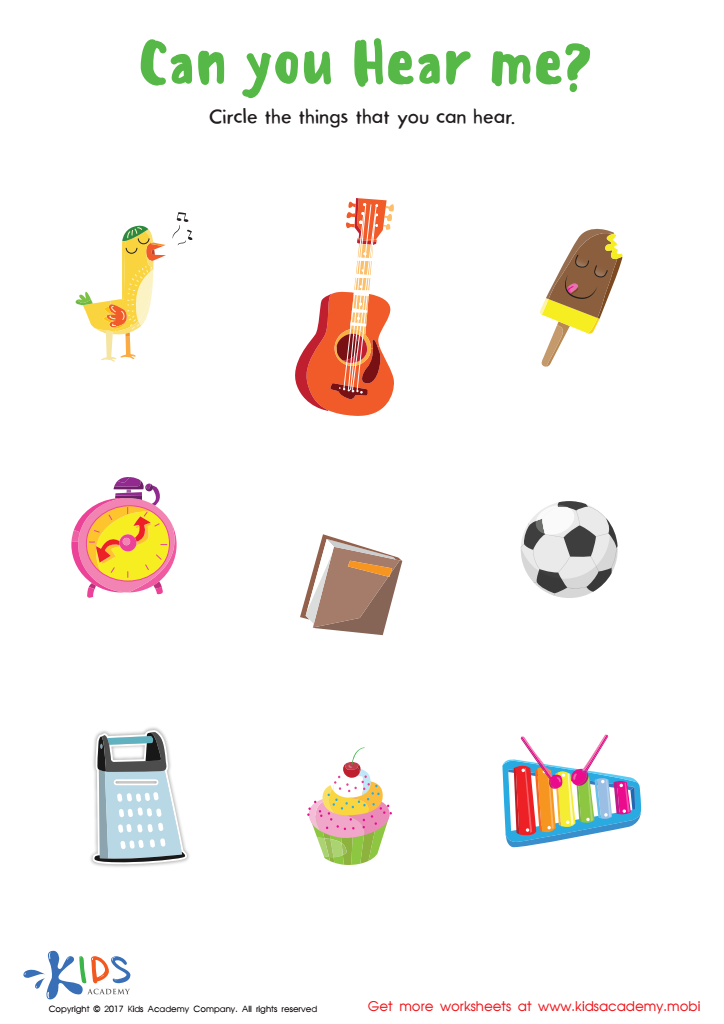
Can You Hear Me Worksheet

Long and Short U Worksheet
 Assign to My Students
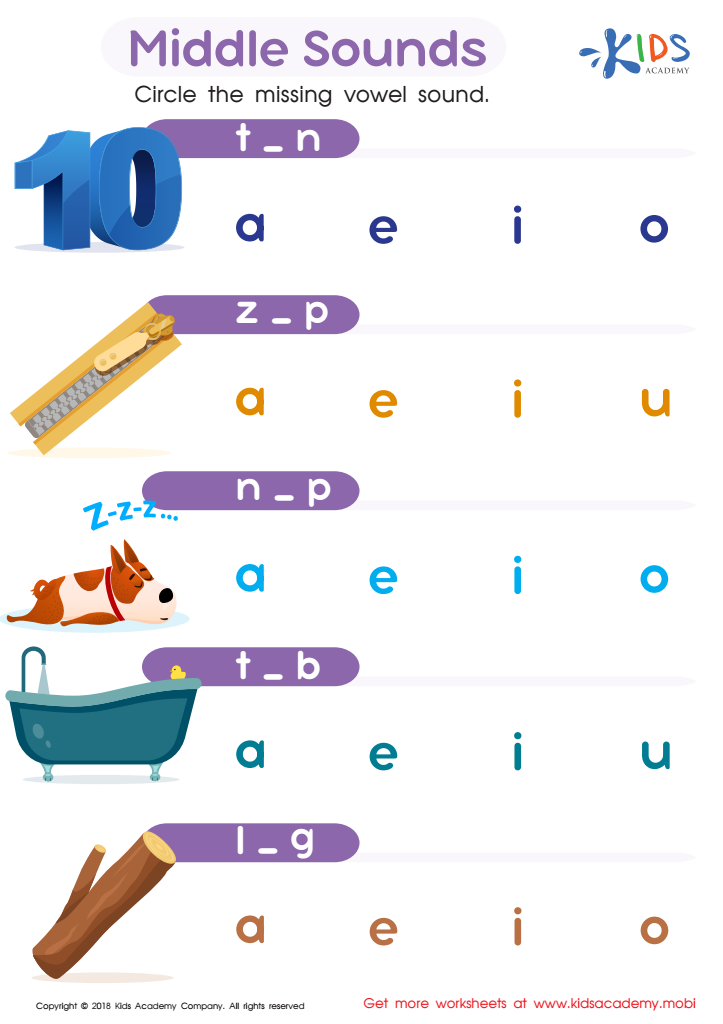
Middle Sounds Worksheet

First Words: Picture Rhymes Worksheet
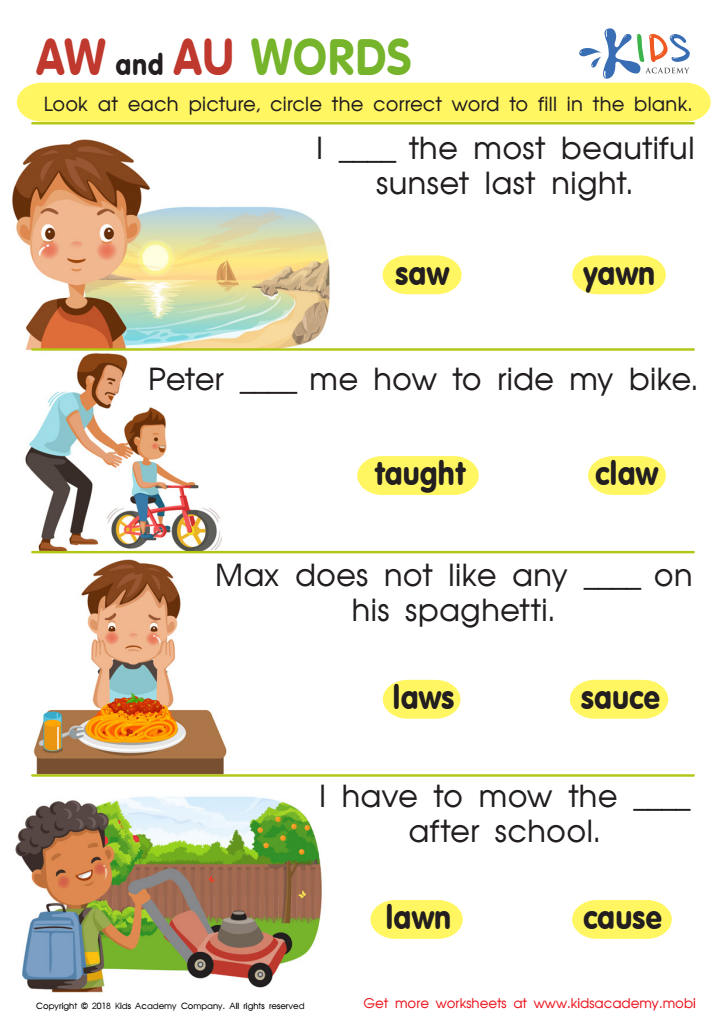
Reading: AW and AU Words Worksheet
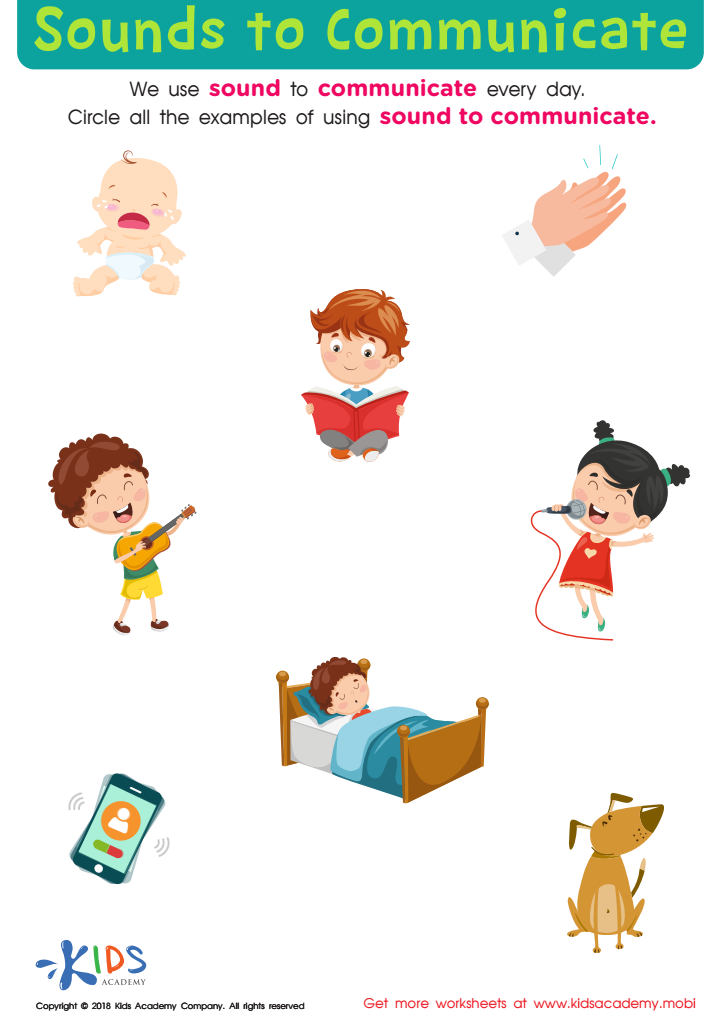
Sounds to Communicate Worksheet
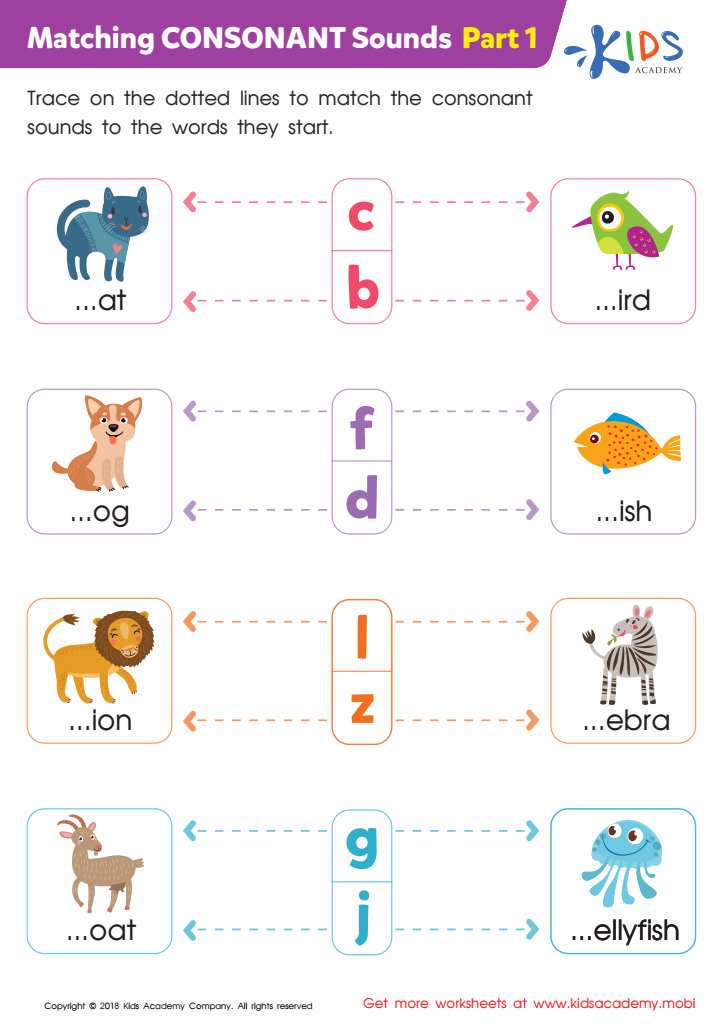
Matching Consonant Sounds: Part 1 Worksheet
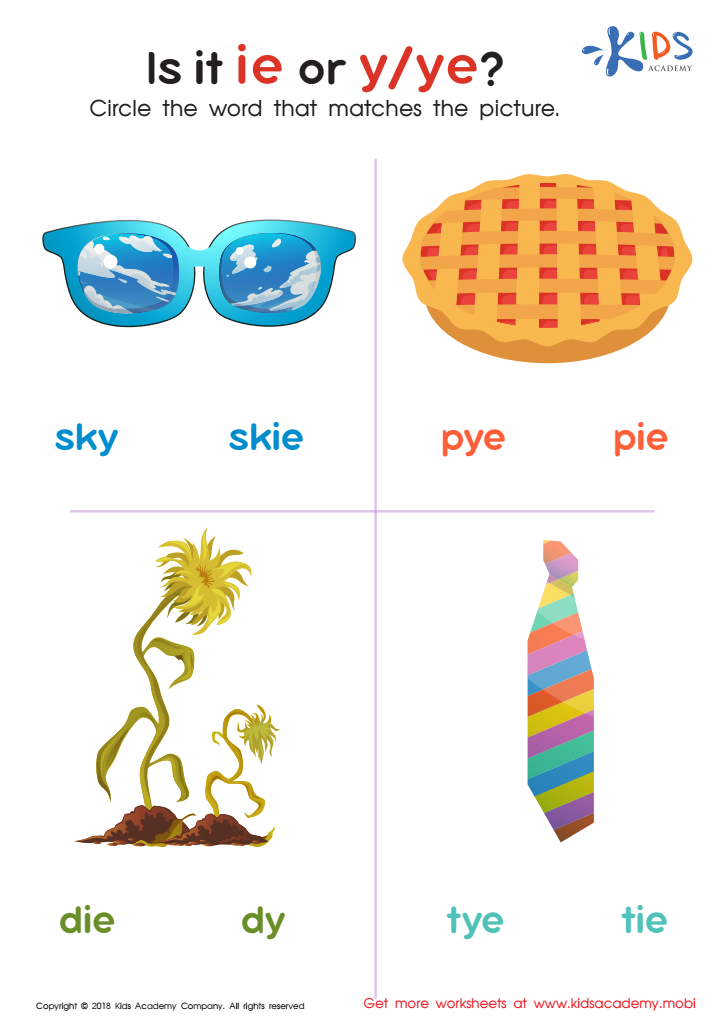
Is It IE or Y/Ye? Worksheet







Sound recognition is crucial for children aged 6-7 as it significantly impacts their literacy development and cognitive skills. At this age, children are transitioning from learning to read to reading to learn, making sound recognition foundational for deciphering phonetic structures in words. Being able to hear and differentiate sounds lays the groundwork for effective decoding and spelling, which are essential skills for academic success.
Moreover, sound recognition influences language acquisition, improving vocabulary and comprehension. Children who can identify and manipulate sounds in words tend to develop stronger communication skills, contributing to their overall confidence and self-expression. Phonemic awareness activities also support critical thinking and problem-solving abilities, fostering a comprehensive cognitive approach that will benefit children across subjects.
For parents and teachers, promoting sound recognition through engaging activities—like rhymes, games, and songs—can create a rich learning environment. It strengthens the home-school connection and encourages collaborative learning. Furthermore, teachers can tailor instructional strategies that meet diverse learning needs, ensuring that all children progress at their suitable pace. With sound recognition at the forefront, both parents and educators play a vital role in shaping a well-rounded literacy foundation for young learners.








