Enhancing critical thinking Normal Math Worksheets for Ages 6-7
5 filtered results
-
From - To
Enhance your child's critical thinking skills with our Normal Math Worksheets designed specifically for ages 6-7. These engaging worksheets encourage young learners to think analytically, solve problems, and explore math concepts in a fun and interactive way. Covering a range of topics, from basic addition and subtraction to pattern recognition and logic puzzles, our worksheets challenge students to approach math creatively. Tailored to align with educational standards, these resources are perfect for both classroom instruction and at-home practice. Help your child build a strong mathematical foundation while fostering essential critical thinking skills that will benefit them in their academic journey.
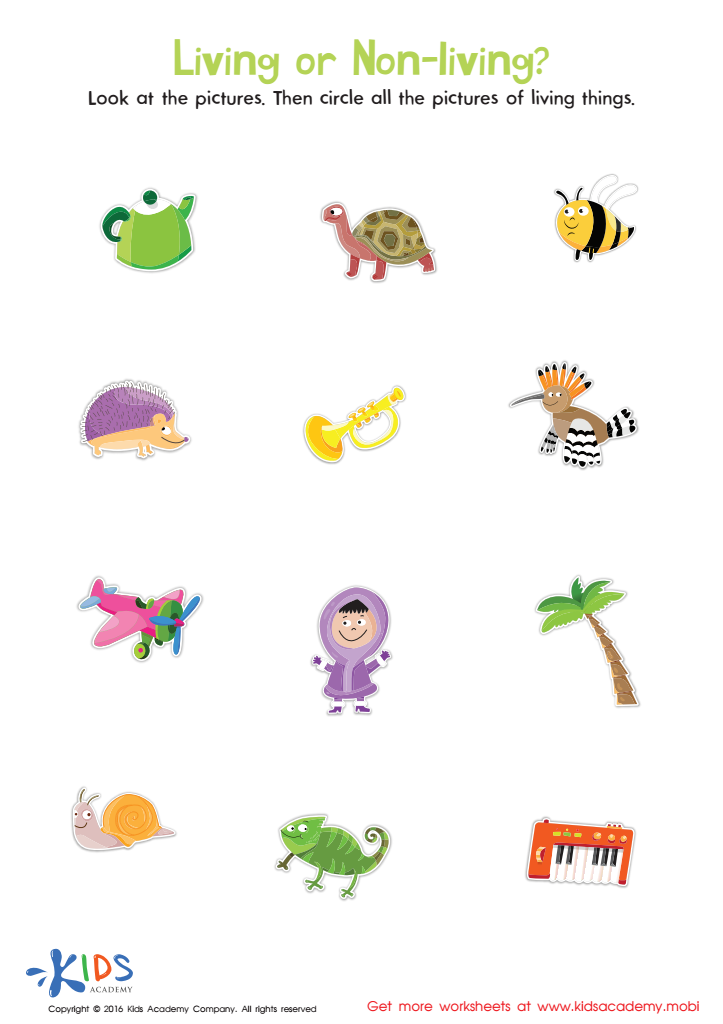
Identifying Living and Non–living Things Sorting Worksheet
 Assign to My Students
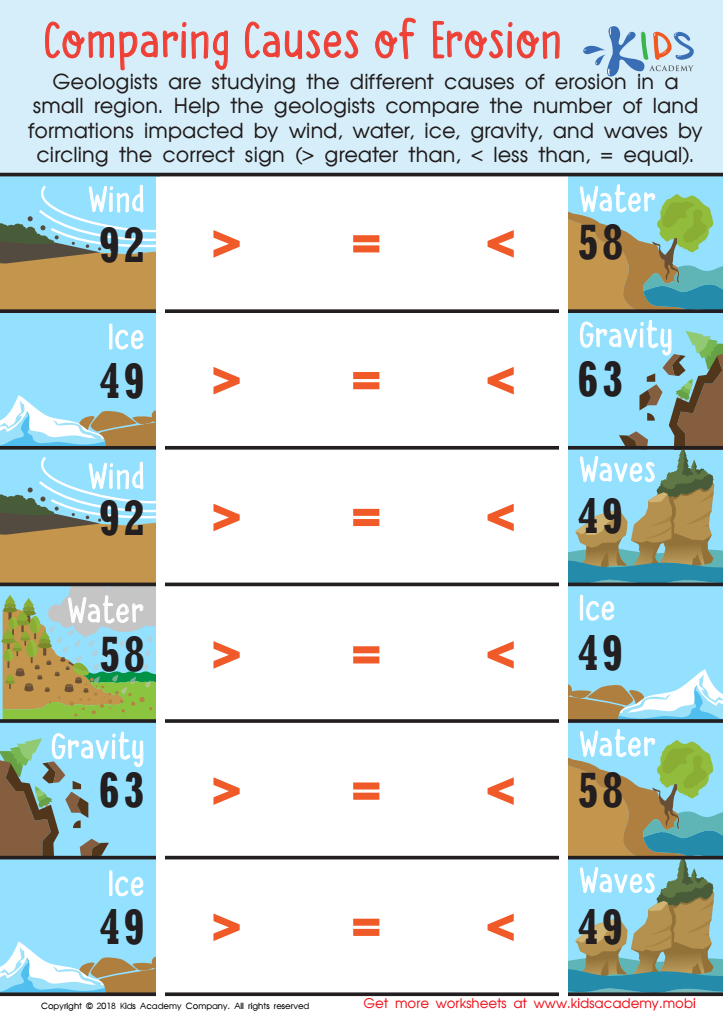
Comparing Causes of Erosion Worksheet
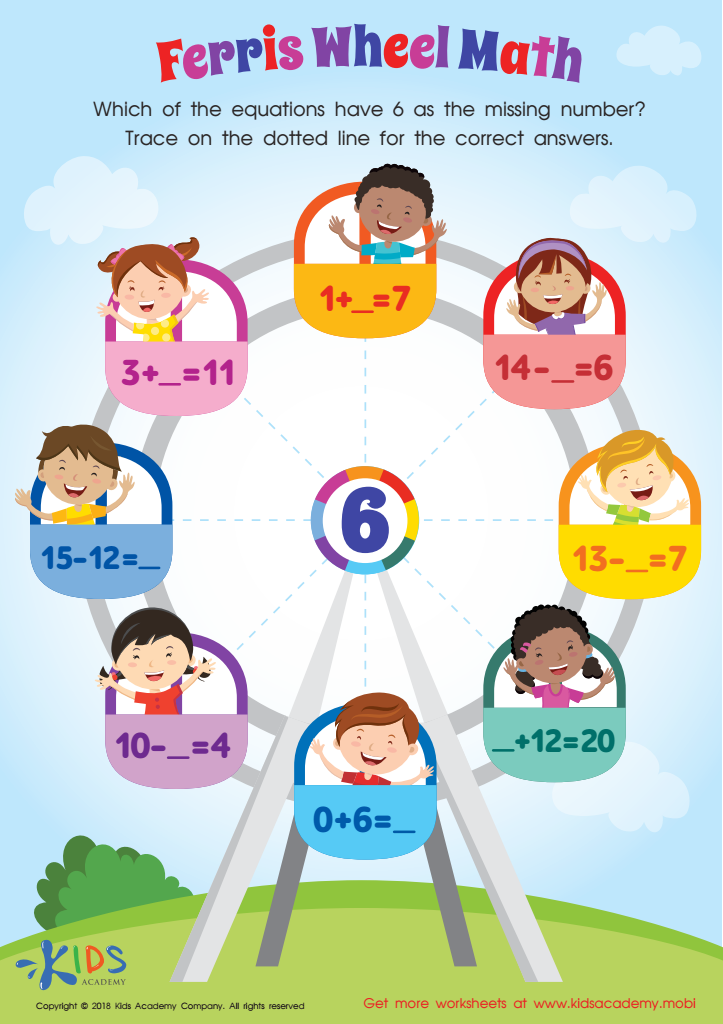
Missing Number: Ferris Wheel Math Worksheet
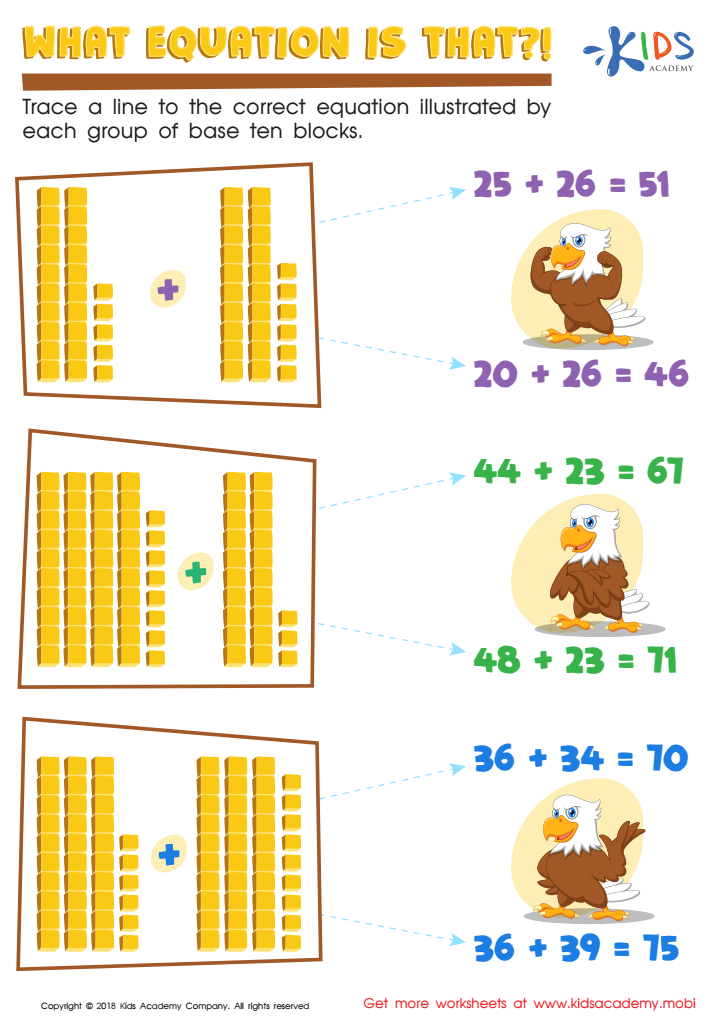
What Equation Is That? Worksheet
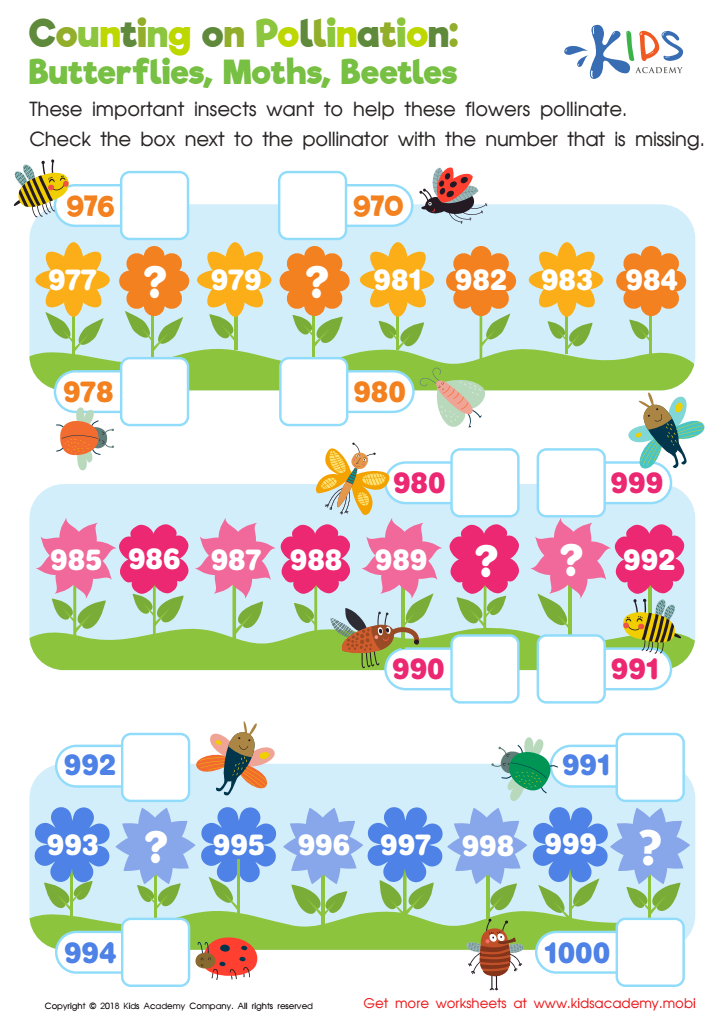
Counting on Pollination: Butterflies, Moths, Beetles Worksheet








Enhancing critical thinking in normal math for children aged 6-7 is essential for their cognitive and social development. At this age, children are developing their problem-solving abilities, and incorporating critical thinking into math lessons helps them learn to approach challenges creatively and rationally. It encourages them to ask questions, analyze situations, and develop logical reasoning skills, which are vital not only in math but across all subjects and real-life situations.
Additionally, fostering critical thinking skills in young learners helps them become independent thinkers. When children are encouraged to explore multiple problem-solving methods or to explain their reasoning, they gain confidence in their abilities and learn to articulate their thoughts clearly. This skill set is crucial for their future education and career success.
Moreover, integrating critical thinking into early math education can make learning more engaging and enjoyable. When children are actively involved in their learning process, they are more likely to develop a love for math that can persist into later years. For parents and teachers, supporting critical thinking in math cultivates a generation of students who are not just good at calculations but are also equipped to navigate complex decisions and challenges throughout their lives.








