Number comprehension Normal Math Worksheets for Ages 6-7
4 filtered results
-
From - To
Boost your child's number comprehension skills with our engaging Normal Math Worksheets designed specifically for ages 6-7. These worksheets offer a fun and interactive approach to mastering essential math concepts. Featuring a variety of exercises that focus on identifying numbers, counting, comparing quantities, and understanding number sequences, these resources will help your young learners build a strong mathematical foundation. Suitable for both classroom use and at-home practice, our worksheets promote independent learning while enhancing critical thinking skills. Encourage confidence and fluency in math as your child progresses through captivating activities that make learning enjoyable and effective!
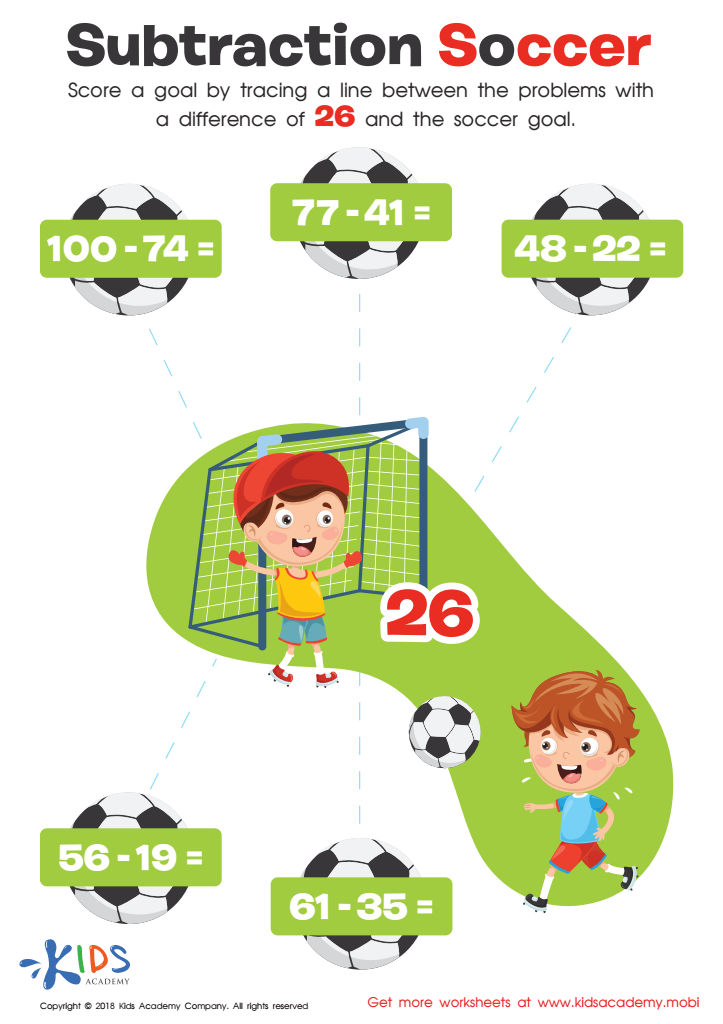
Subtraction Soccer Worksheet
 Assign to My Students
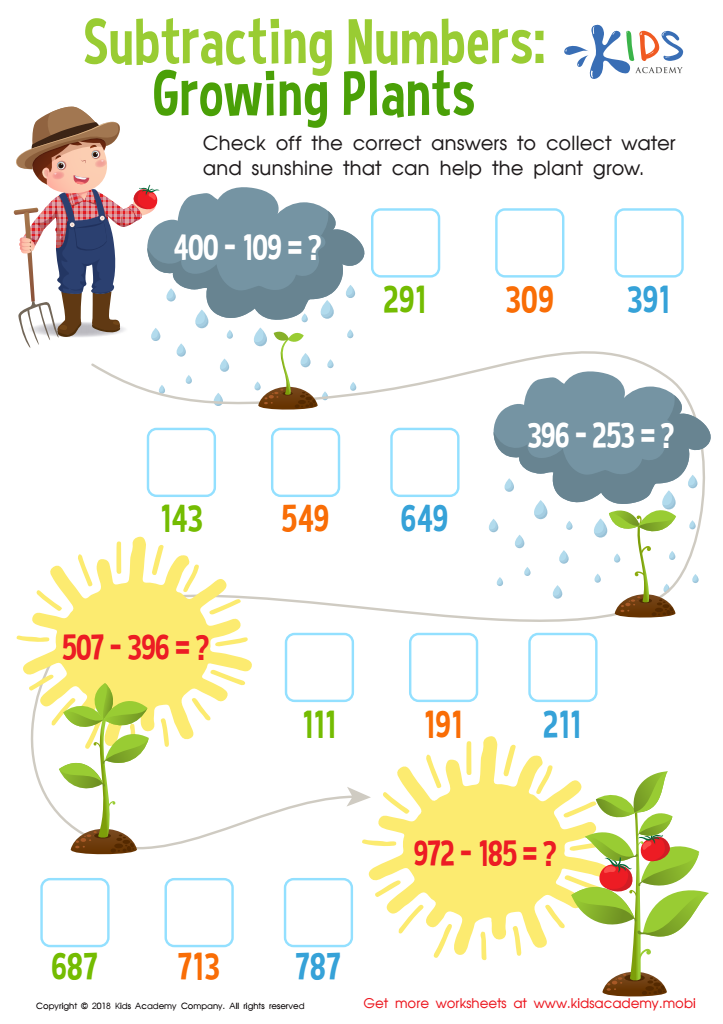
Subtracting Numbers: Growing Plants Worksheet
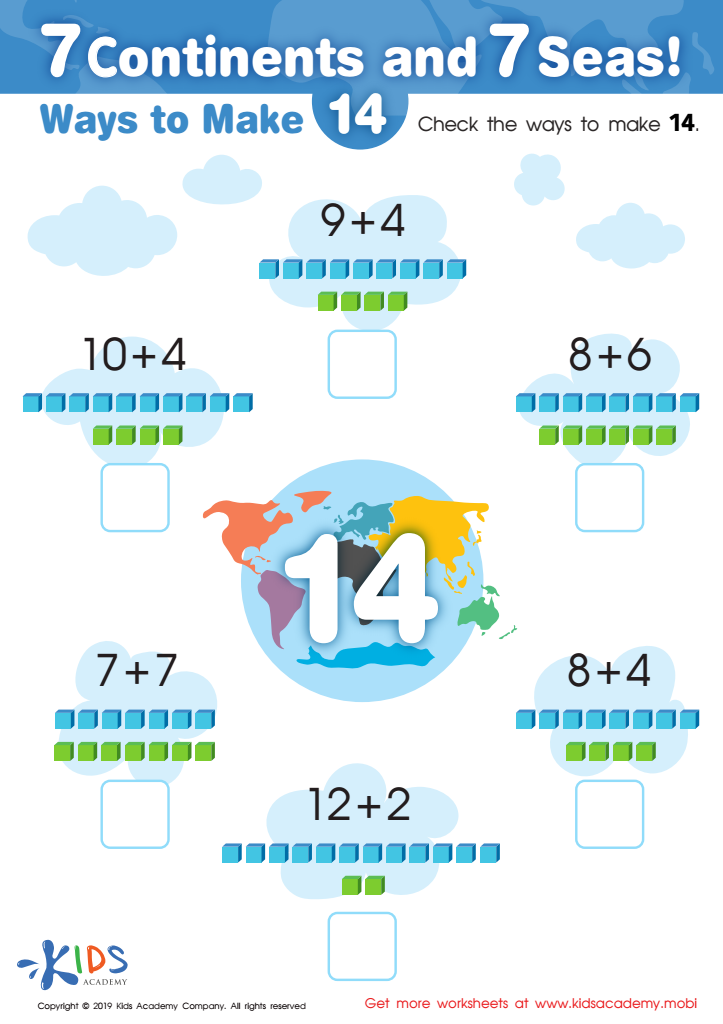
7 Continents and 7 Seas Worksheet
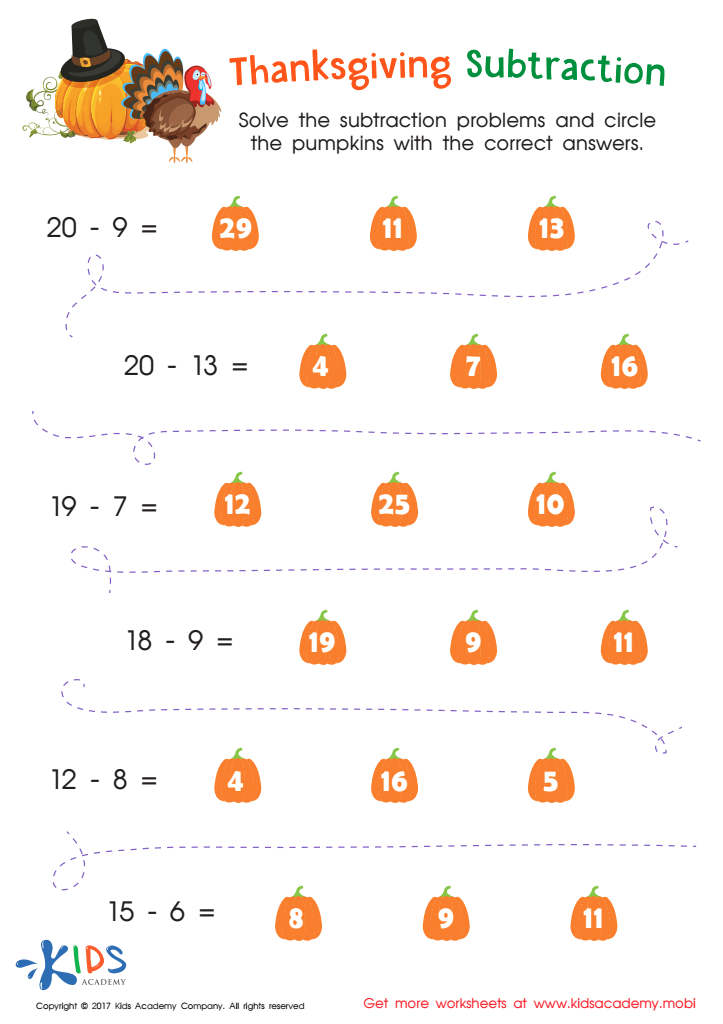
Thanksgiving Subtraction Substraction Worksheet





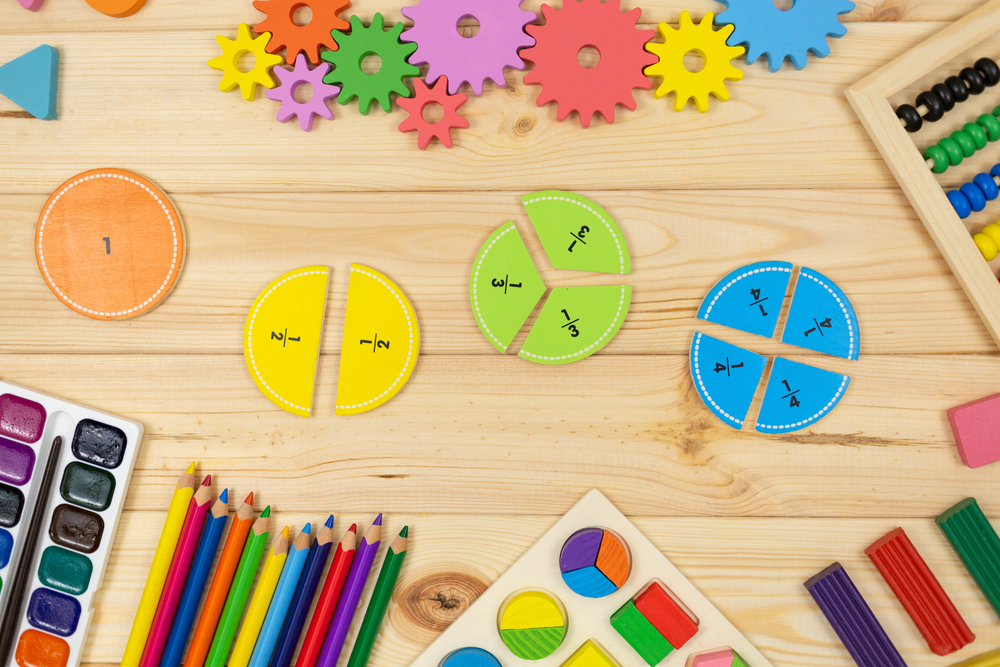


Number comprehension is a foundational skill for children ages 6-7, laying the groundwork for their future mathematical abilities. At this age, students develop their understanding of number concepts, fostering not only basic arithmetic skills but also crucial cognitive processes such as problem-solving, reasoning, and critical thinking.
Parents and teachers should nurture number comprehension because it significantly impacts children's confidence and enthusiasm for learning. A strong grasp of numbers enhances their ability to tackle more complex mathematical challenges later on. Additionally, these skills contribute to a child's overall academic success, influencing proficiency in other subjects like science and technology, where logical reasoning is essential.
Moreover, nurturing number comprehension fosters resilience. Children learn how to approach problems, make mistakes, and persevere through challenges—valuable life skills extending beyond academics. Supporting learning through engaging activities and real-world applications makes mathematics relevant and enjoyable, helping children see its significance in everyday life.
By emphasizing number comprehension at this vital age, parents and teachers can create a positive learning environment that promotes curiosity and a love for math. Ultimately, investing in these early competencies equips children for lifelong success in both academic and everyday contexts.








