Logical Reasoning Normal Science Worksheets for Ages 6-7
5 filtered results
-
From - To
Discover our engaging Logical Reasoning Normal Science Worksheets for ages 6-7, designed to enhance critical thinking and problem-solving skills in young learners. These worksheets are filled with fun activities that encourage exploration and help children make connections between science concepts and everyday life. From puzzling challenges to reasoning exercises, each worksheet promotes cognitive development while teaching essential scientific principles. Perfect for both classroom and home learning, our printable resources make it easy to inspire curiosity and creativity in budding scientists. Foster a love for science and logical thinking with our thoughtfully crafted materials today!
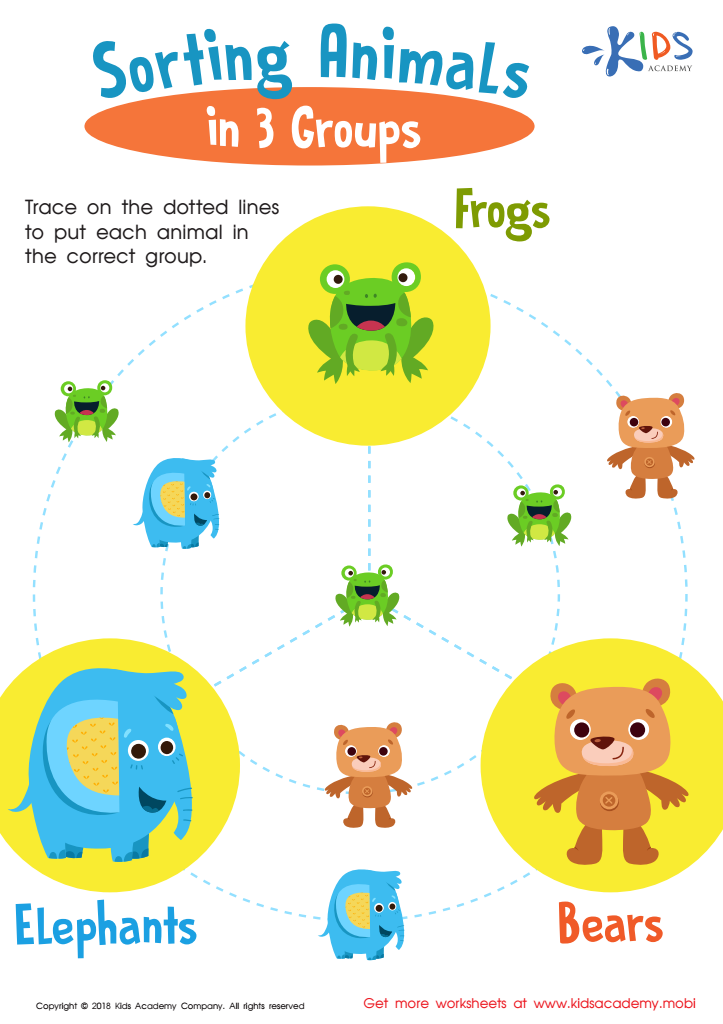
Sorting Animals in 3 Groups Worksheet
 Assign to My Students
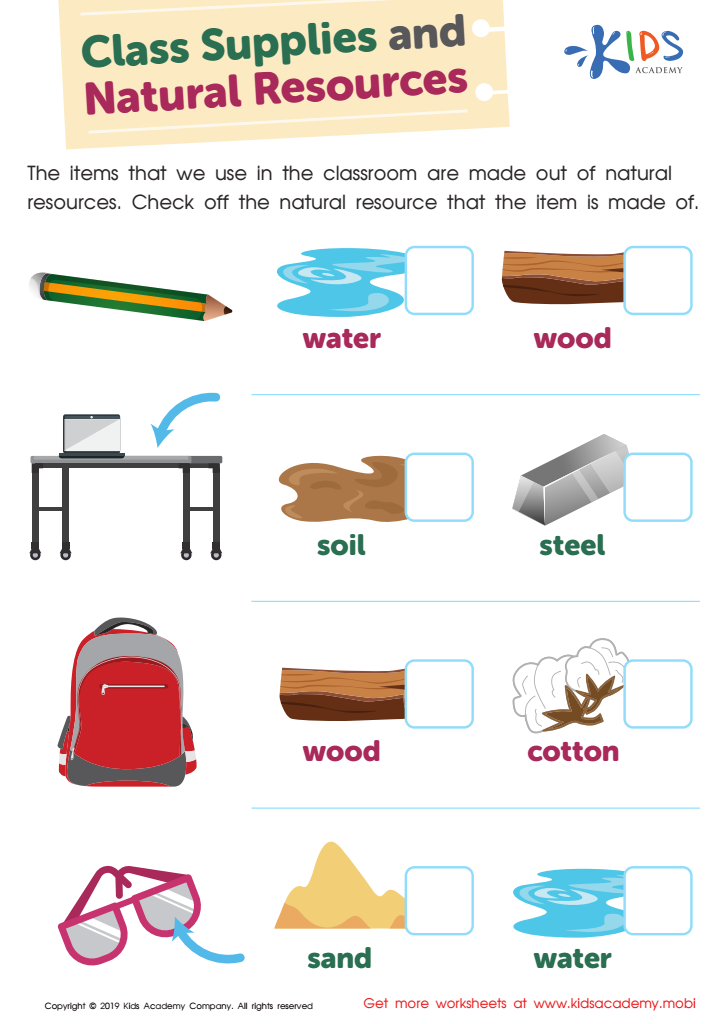
Class Supplies and Natural Resources Worksheet
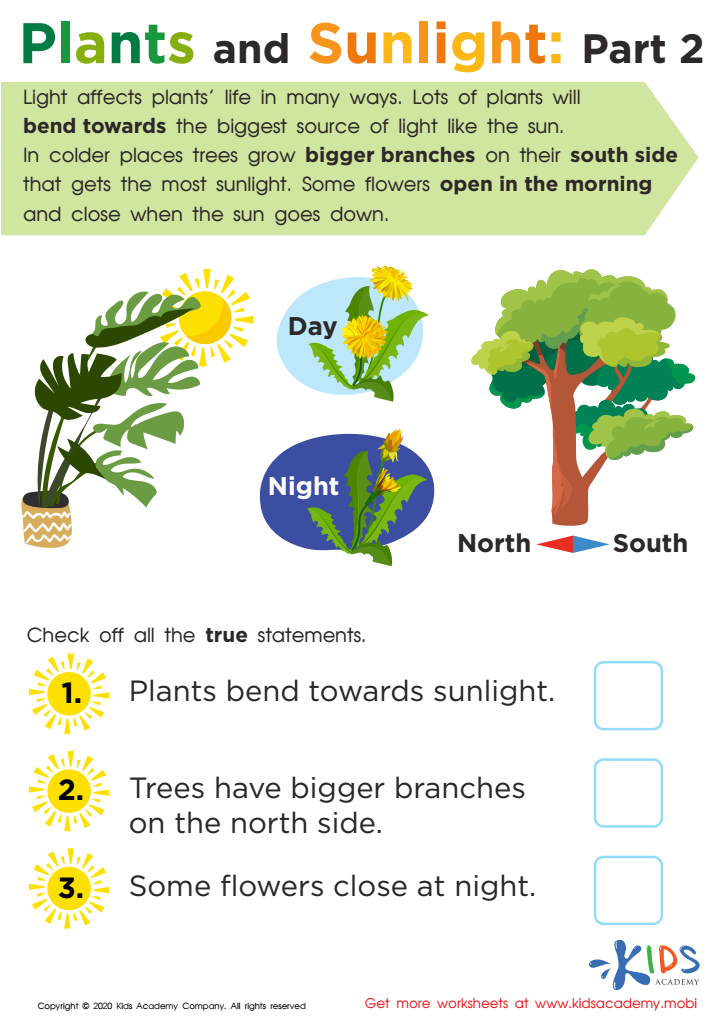
Plants and Sunlight: Part 2 Worksheet
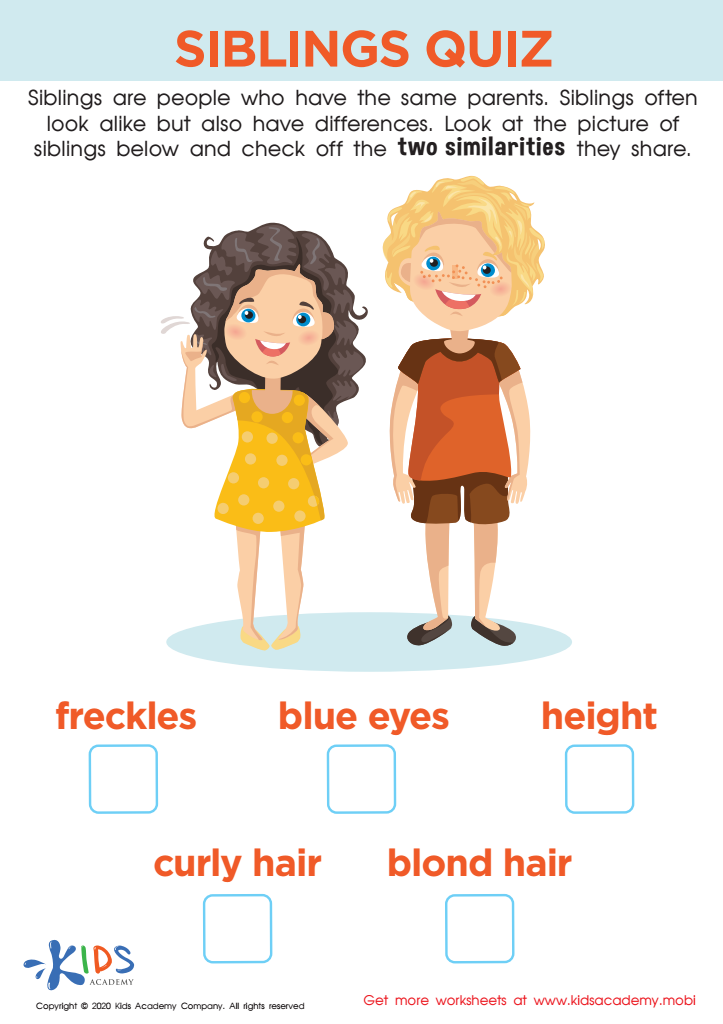
Siblings Quiz Worksheet
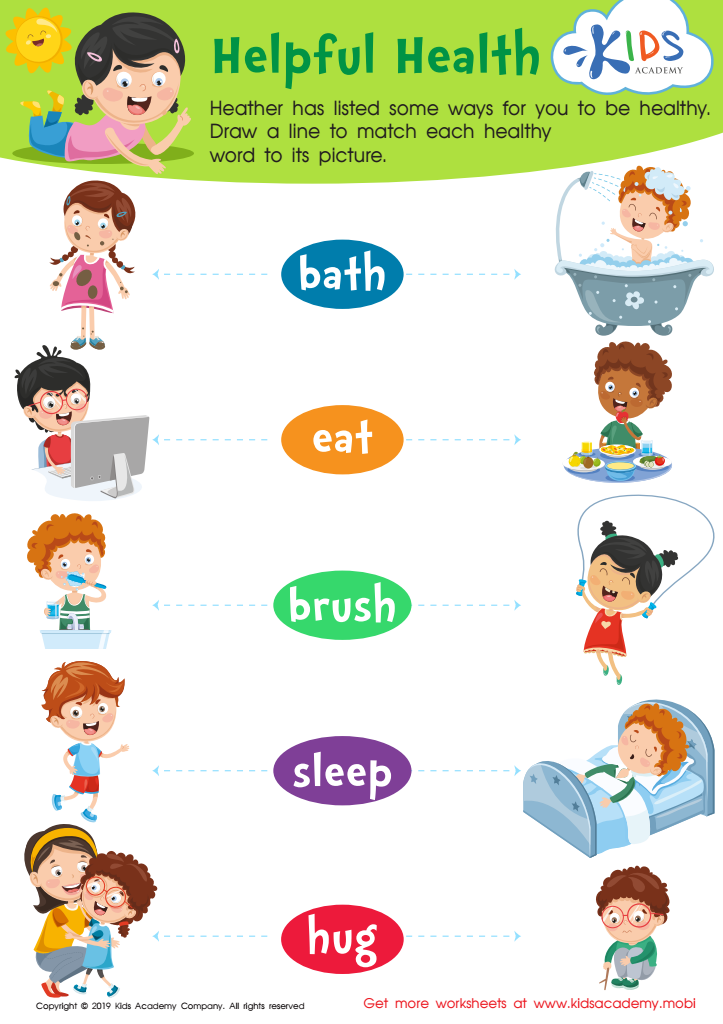
Helpful Health Worksheet



.jpg)



Logical Reasoning Normal Science for ages 6-7 is critically important for both parents and teachers as it lays the foundation for a child's cognitive development. During this stage, children improve their ability to think critically, identify patterns, and make connections in their understanding of the world. Logical reasoning skills enable young learners to analyze situations, solve problems, and draw conclusions based on evidence.
By engaging in logical reasoning exercises, children learn to approach problems systematically, which is essential in all areas of learning. This foundational skill not only fosters academic success in subjects like math and science but also develops essential life skills such as decision-making, reasoning, and effective communication.
Additionally, integrating science into logical reasoning encourages curiosity about the natural world. It invites children to explore, ask questions, and experiment, nurturing their innate inquisitiveness. When parents and teachers prioritize these skills, they are investing in a child's analytical thinking and creativity, creating well-rounded learners prepared for a lifetime of inquiry. Ultimately, instilling a love of logical reasoning and scientific exploration supports children's understanding of complex ideas, equipping them with the tools to navigate an increasingly challenging and information-rich world.







