Understanding directions Normal Science Worksheets for Ages 6-7
4 filtered results
-
From - To
Unlock the wonders of science for your 6-7 year-olds with our "Understanding Directions" worksheets! Specifically designed for young learners, these fun and interactive resources help children grasp essential directional skills while engaging them in scientific concepts. Each worksheet encourages critical thinking and problem-solving abilities through captivating activities and clear instructions. Perfect for classroom or home use, these worksheets provide a solid foundation in following directions, enhancing both learning and retention. Make learning an exciting adventure and empower your child’s ability to process information effectively! Explore our collection and watch them thrive in their scientific journey!
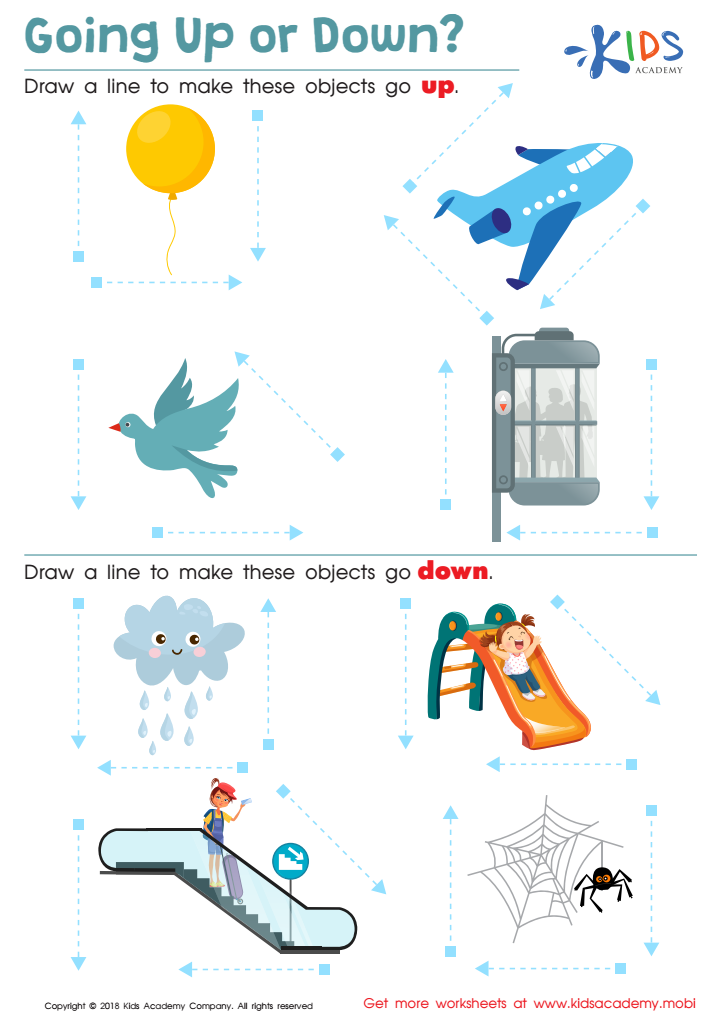
Going up or Down? Worksheet
 Assign to My Students
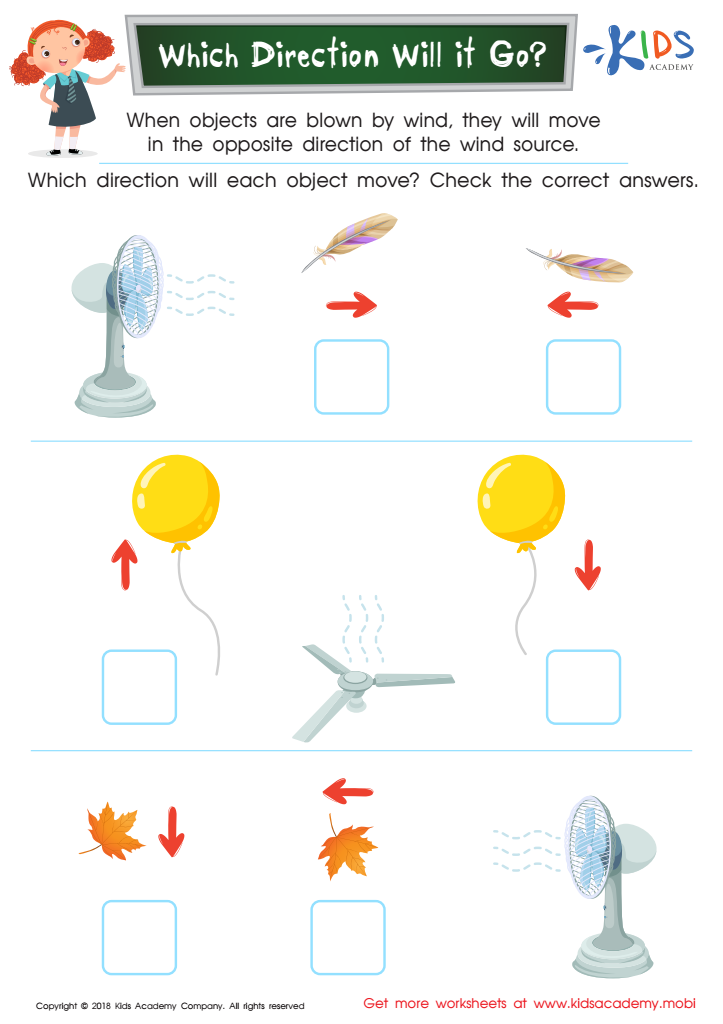
Which Direction Will it Go? Worksheet
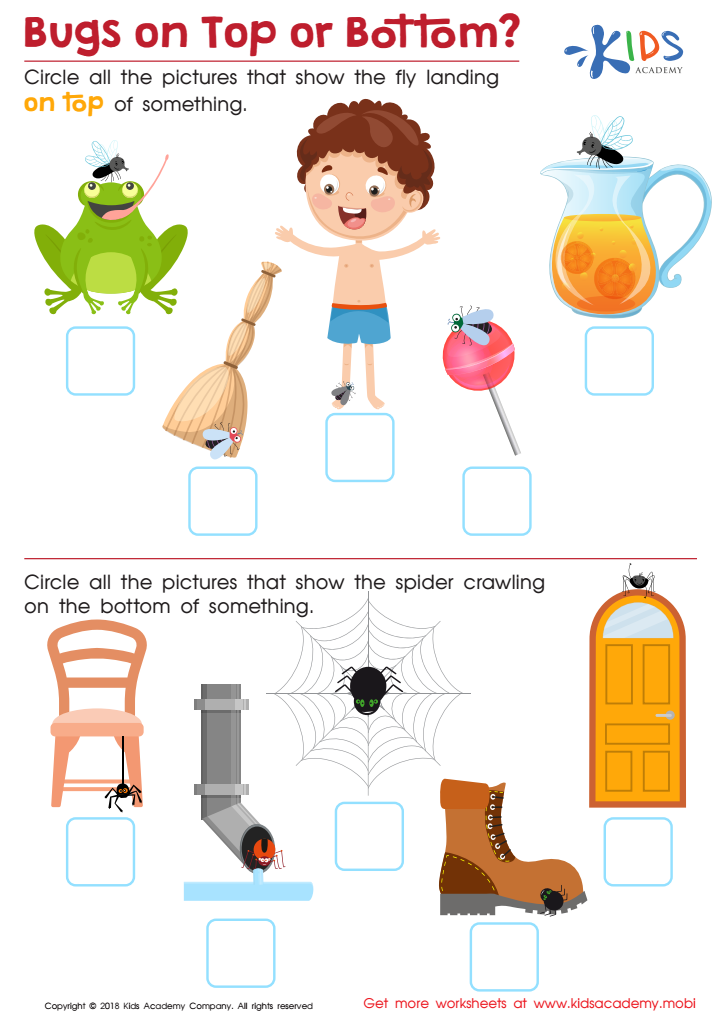
Bugs on Top or Bottom? Worksheet
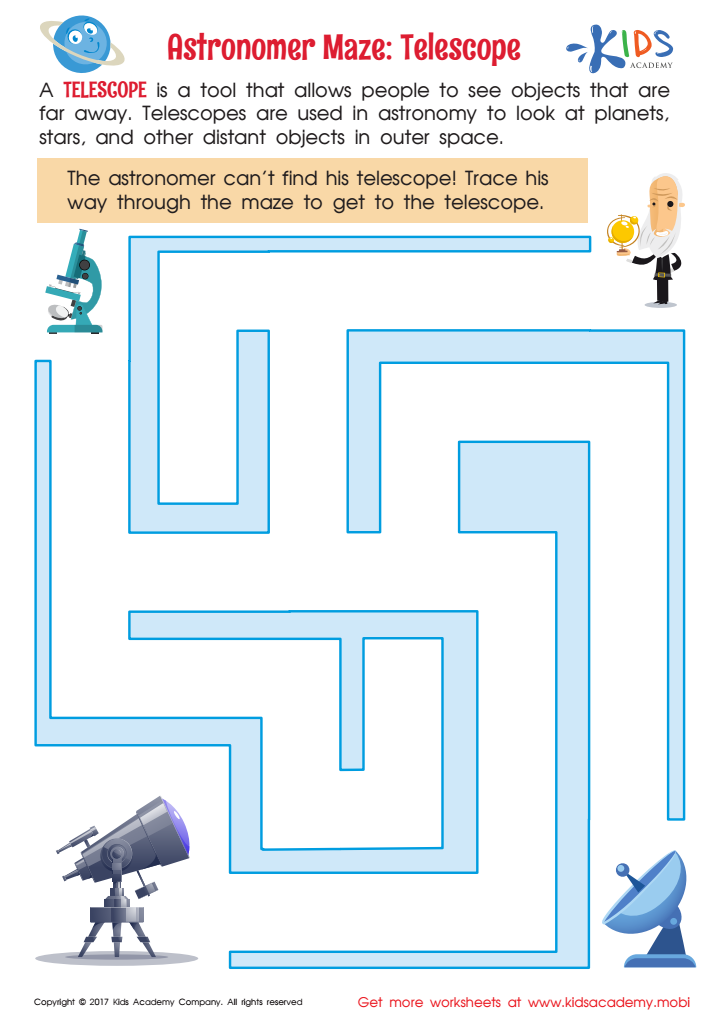
Astronomer Maze: Telescope Worksheet






Understanding directions is crucial for children aged 6 to 7 as it lays the foundation for their cognitive and social development. At this age, children are developing their ability to think critically, follow multi-step instructions, and navigate their environment, all of which are enhanced by comprehension of directional concepts.
For parents and teachers, fostering these skills can significantly impact a child's learning experience. Proper understanding of directions aids in academic success, particularly in subjects like math, science, and reading, where following instructions is key. It helps children in tasks such as solving puzzles, conducting simple experiments, or reading maps, boosting their confidence and independence.
Additionally, mastering direction skills promotes teamwork and cooperation in social settings, such as group activities. Children learning to give and follow directions will better understand social cues and enhance their communication skills. This contributes to a stronger classroom dynamic and positive relationships with peers.
Supporting children in understanding directions also cultivates responsibility and organization, essential life skills as they advance in education. Engaging children in activities that reinforce these concepts prepares them for future challenges, making this an area that deserves focused attention from both parents and educators.







