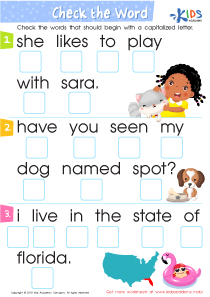
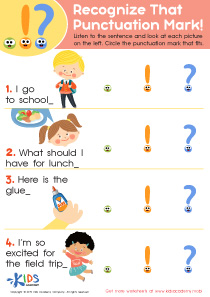
Color recognition Normal Writing Worksheets for Ages 6-7
10 filtered results
-
From - To
Explore our comprehensive Color Recognition Normal Writing Worksheets for Ages 6-7! Designed to blend fun and education, these printable worksheets help young learners master color identification while enhancing their writing skills. Each engaging activity encourages kids to correctly recognize and name colors through various exercises, including matching, tracing, and creative tasks. Perfect for home or classroom use, our worksheets provide a solid foundation for developing vital learning skills. Foster your child's love for learning and strengthen their cognitive abilities with our expertly crafted materials. Download now to give your little ones a colorful educational experience!
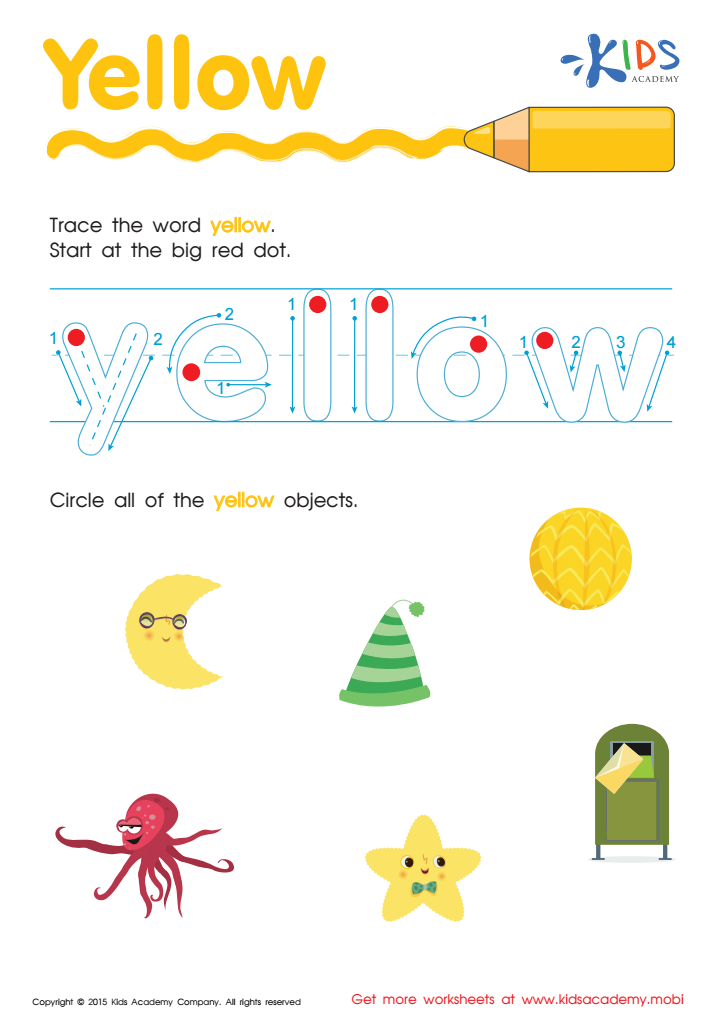
Yellow Tracing Color Words Worksheet
 Assign to My Students
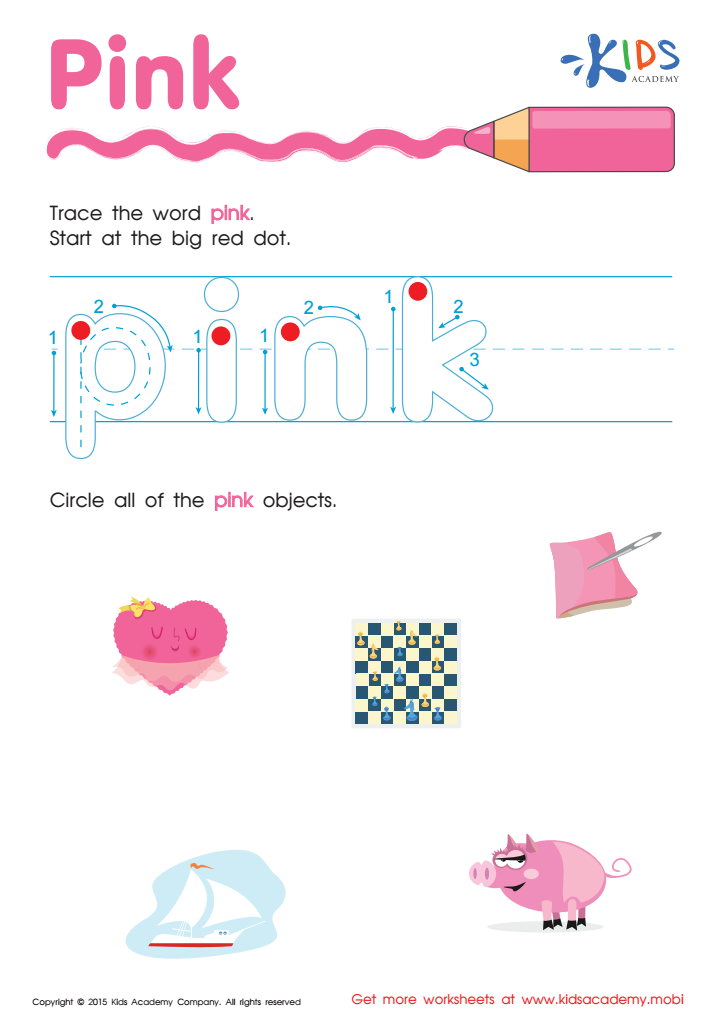
Pink Tracing Color Words Worksheet
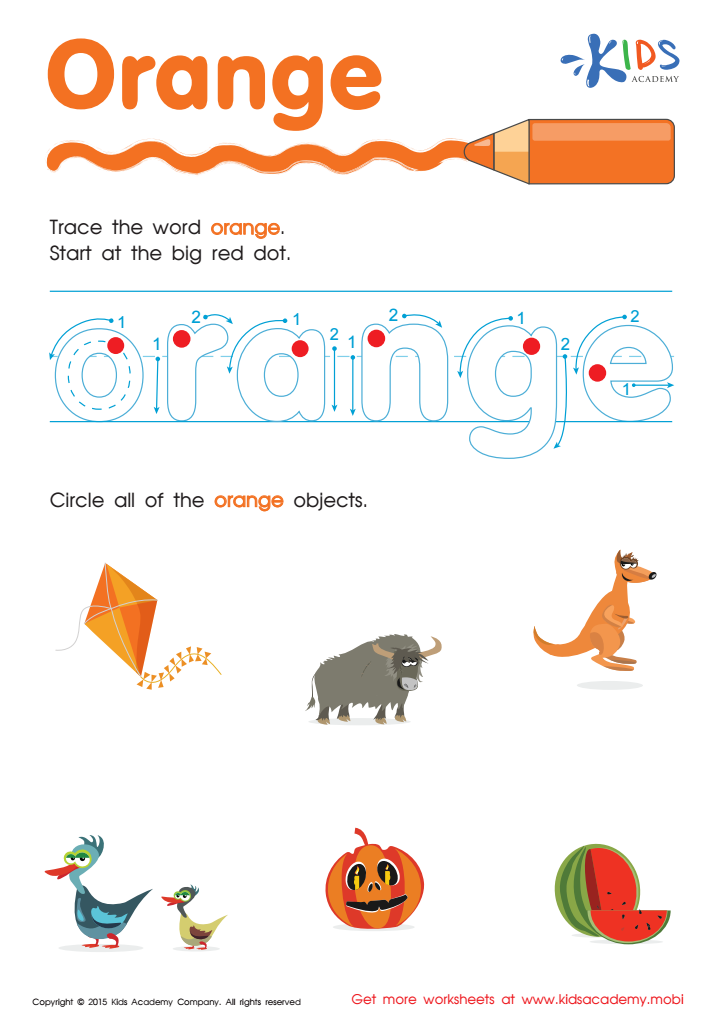
Orange Tracing Color Words Worksheet
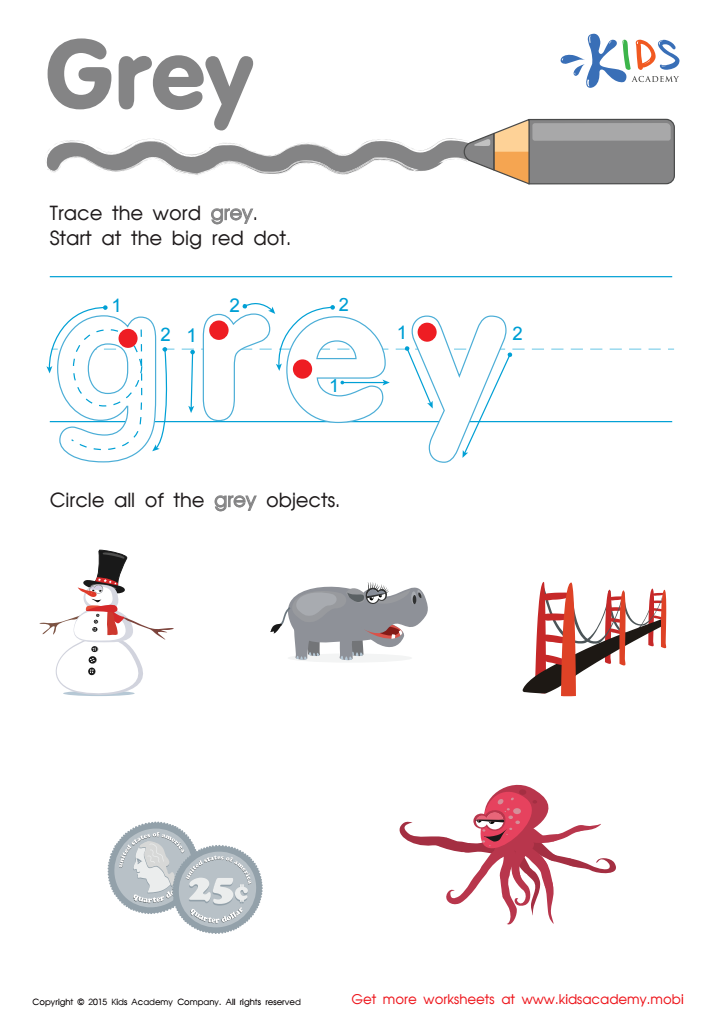
Grey Tracing Color Words Worksheet
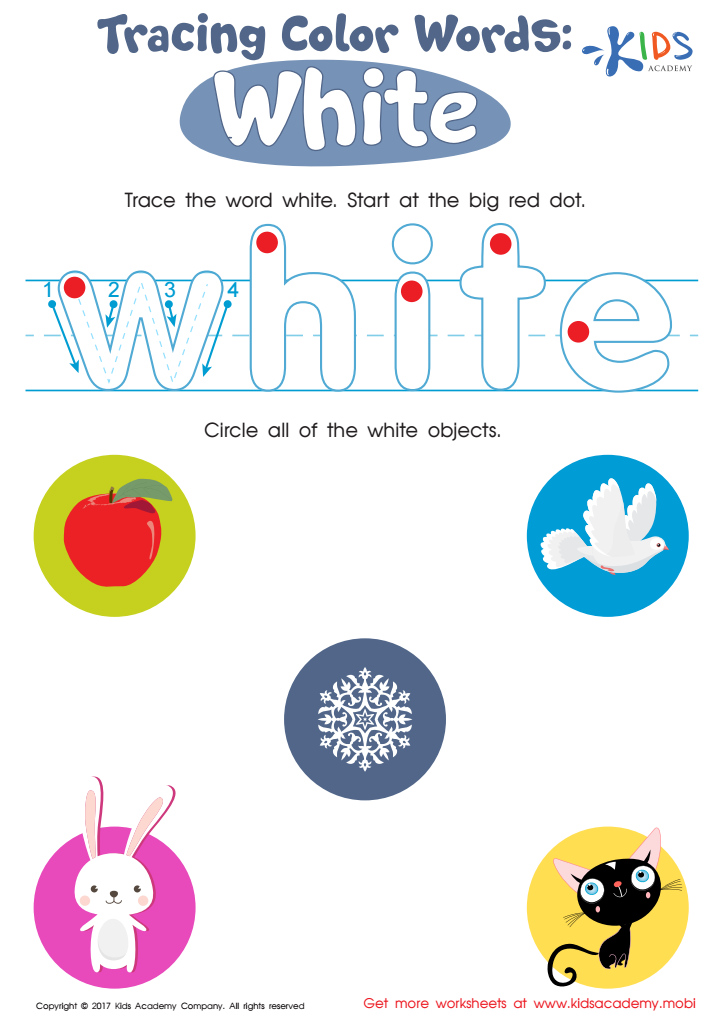
White Tracing Color Words Worksheet
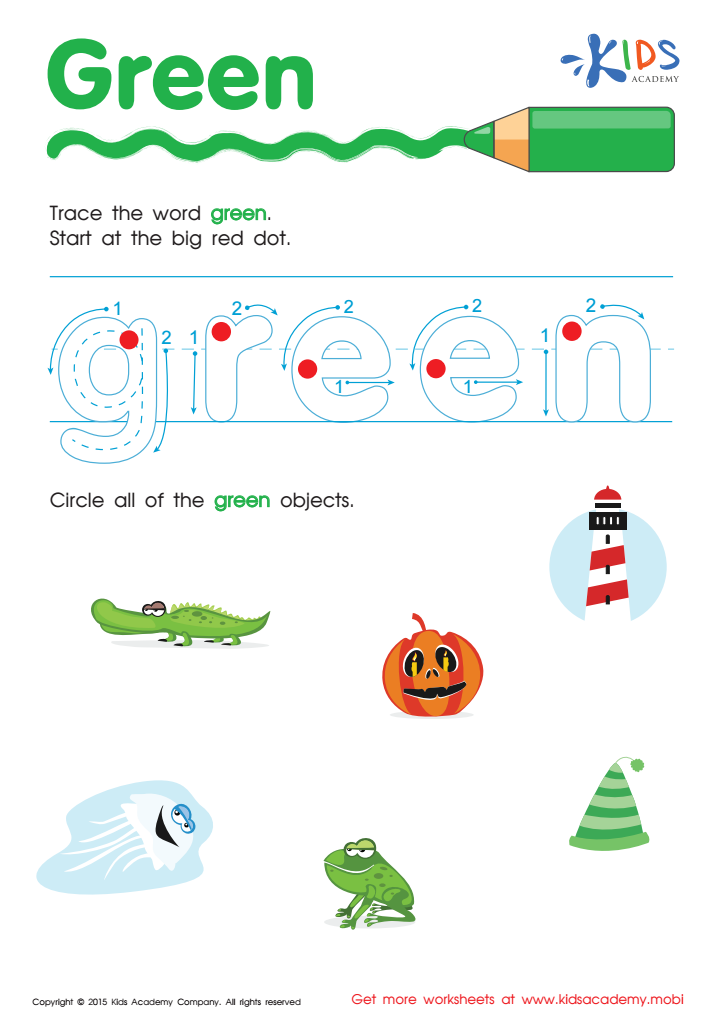
Green Tracing Color Words Worksheet
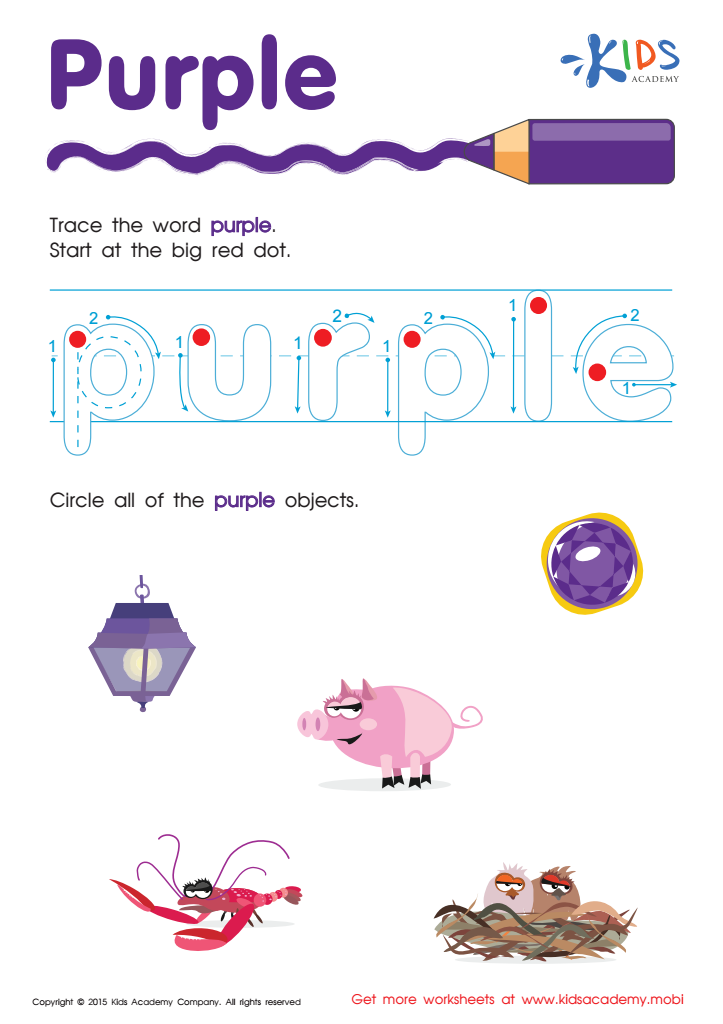
Purple Tracing Color Words Worksheet
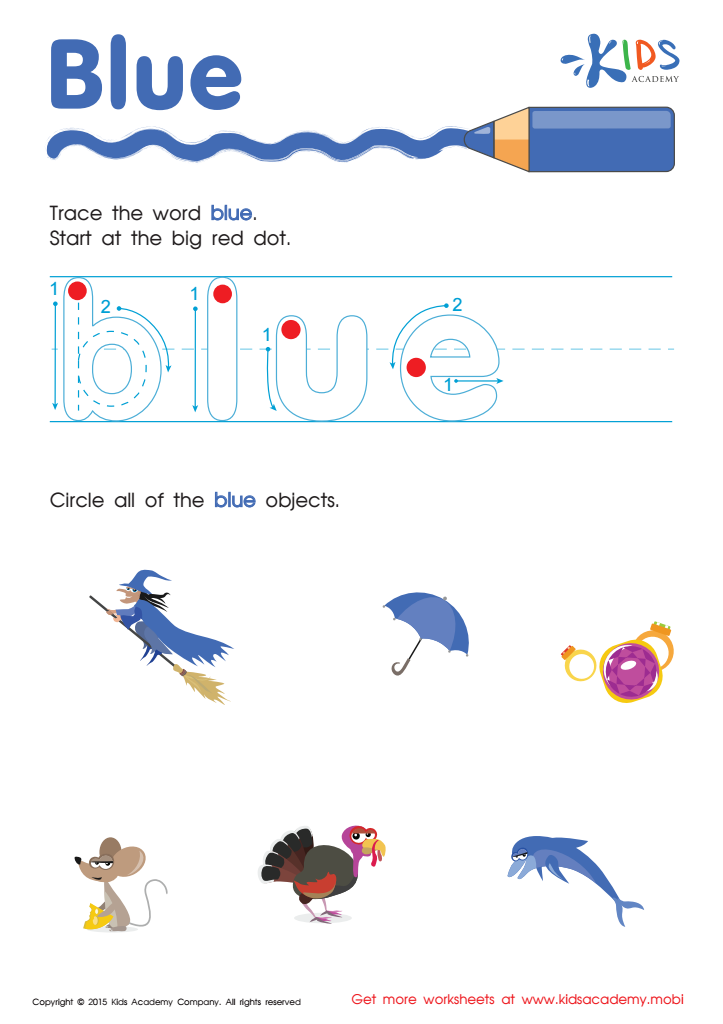
Blue Tracing Color Words Printable
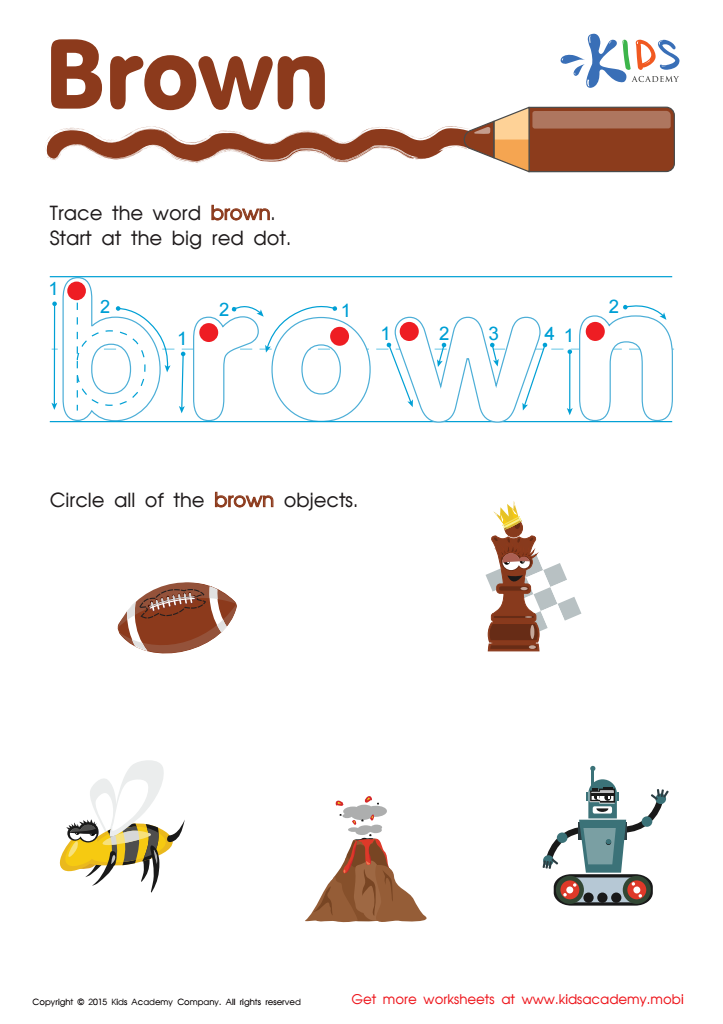
Brown Tracing Color Words Worksheet
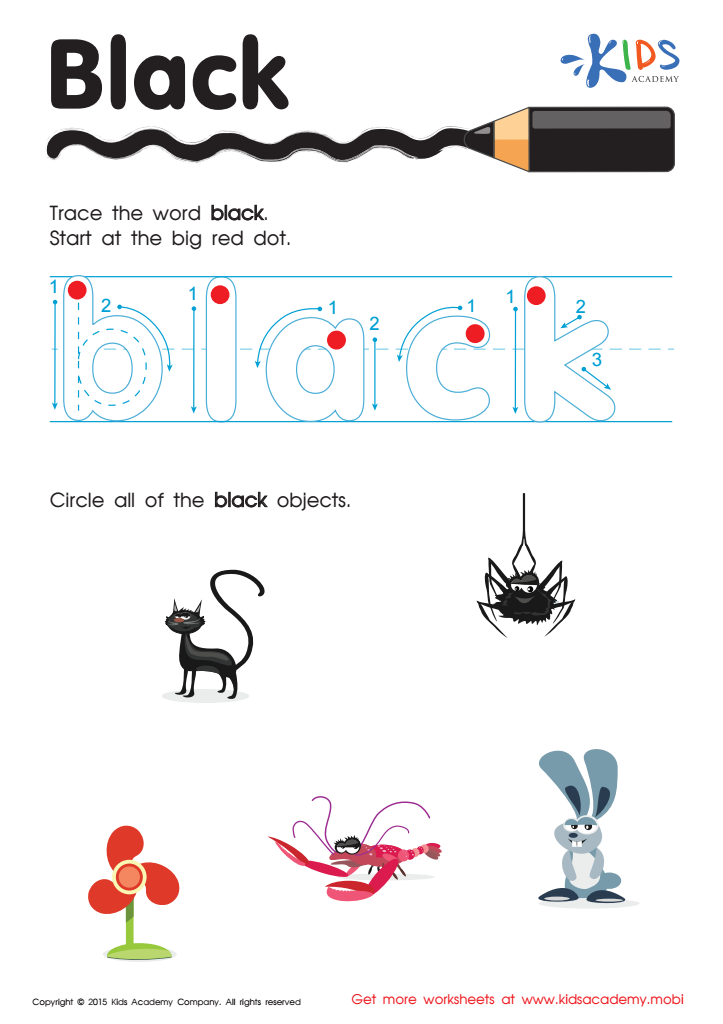
Black Tracing Color Words Printable




.jpg)



Color recognition is a vital skill for children aged 6-7, just as foundational literacy and numeracy are. Parents and teachers should regard color recognition with significance for several reasons. First, the ability to distinguish and name colors enhances a child’s observational skills, aiding in more acute awareness of their surroundings. This awareness can improve safety, as recognizing colors helps children understand traffic lights and other important signals.
In the context of learning, colors can help categorize objects, making it easier for children to organize and recall information. For example, colorful charts, maps, and books can help children grasp complex ideas more readily. Furthermore, understanding colors is closely tied to language development. When children explain or describe things by color, they practice and expand their vocabulary.
Socially and emotionally, color recognition influences a child’s ability to create artworks which boosts creativity and self-expression. Engaging in colorful activities is often more enjoyable, thereby fostering a love for learning. Additionally, studies suggest that certain colors can impact moods and behaviors, making a classroom’s use of color a subtle tool for creating conducive learning environments.
Therefore, ensuring that children grasp color recognition can contribute to their cognitive development, academic success, and overall well-being.