Vocabulary development Normal Worksheets for Ages 6-8 - Page 2
49 filtered results
-
From - To
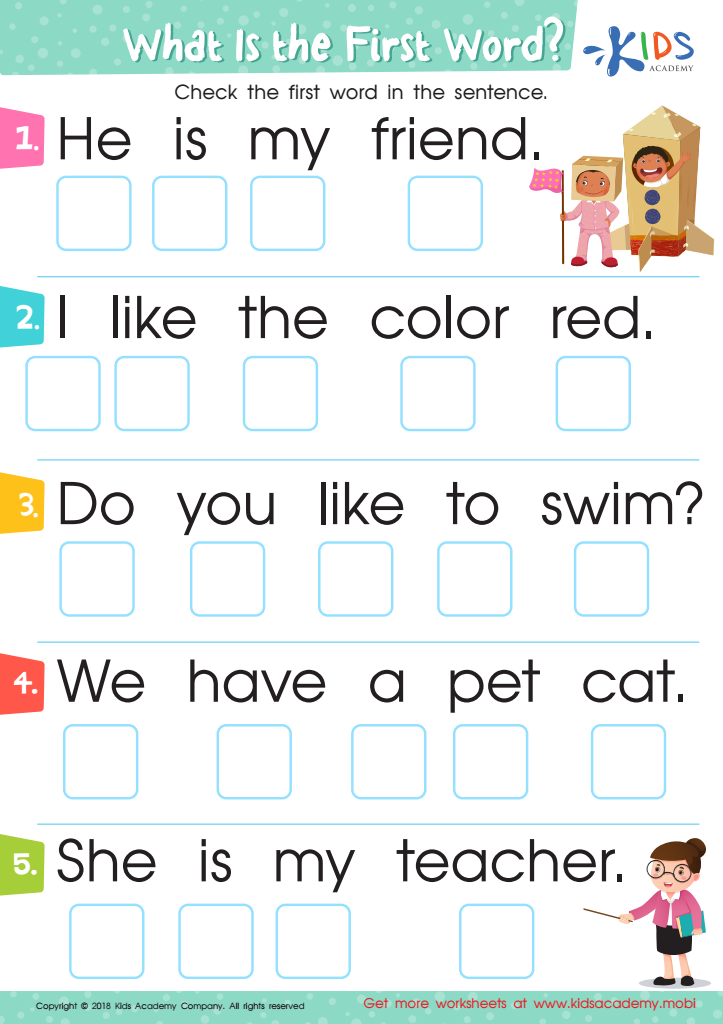
What is the First Word? Worksheet
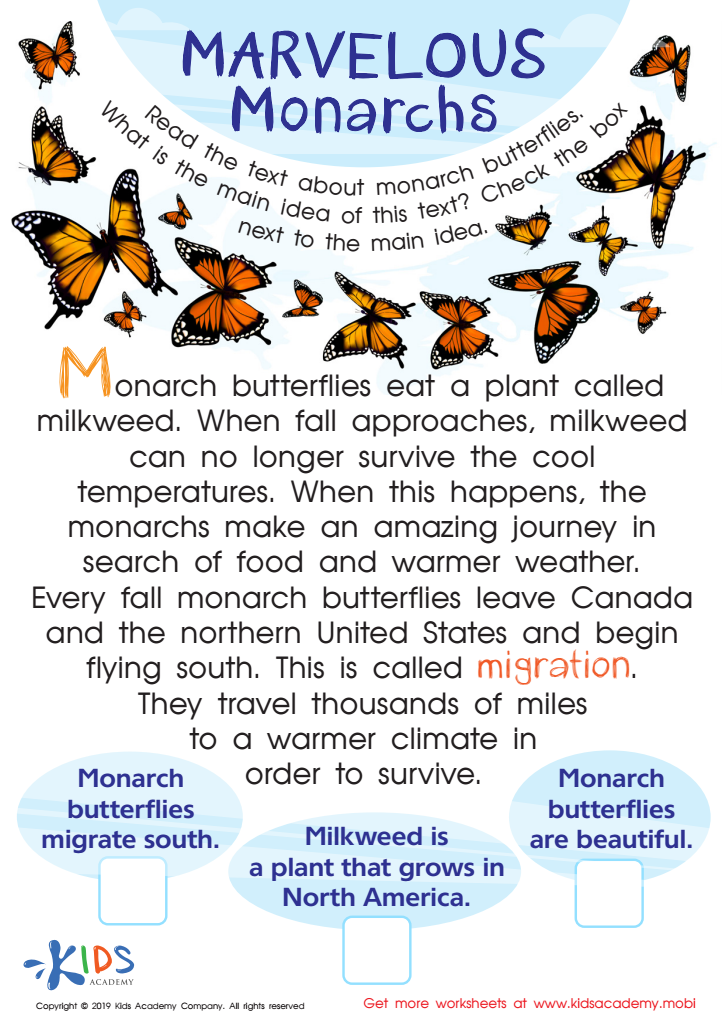
Marvelous Monarchs Worksheet
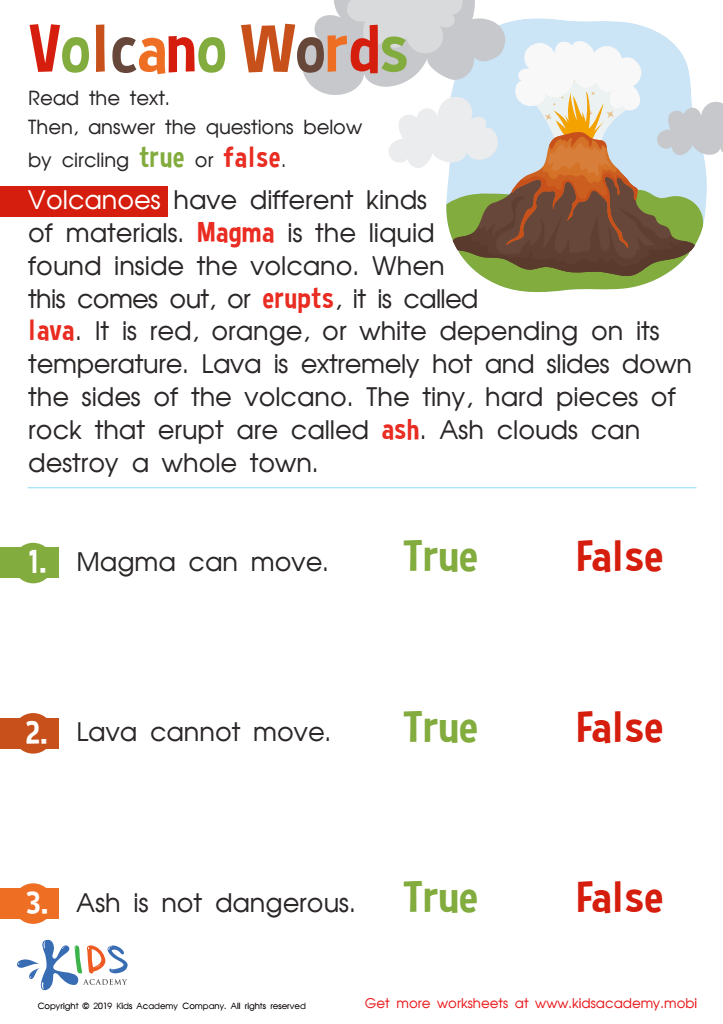
Volcano Words Worksheet

Night Sky Search Worksheet
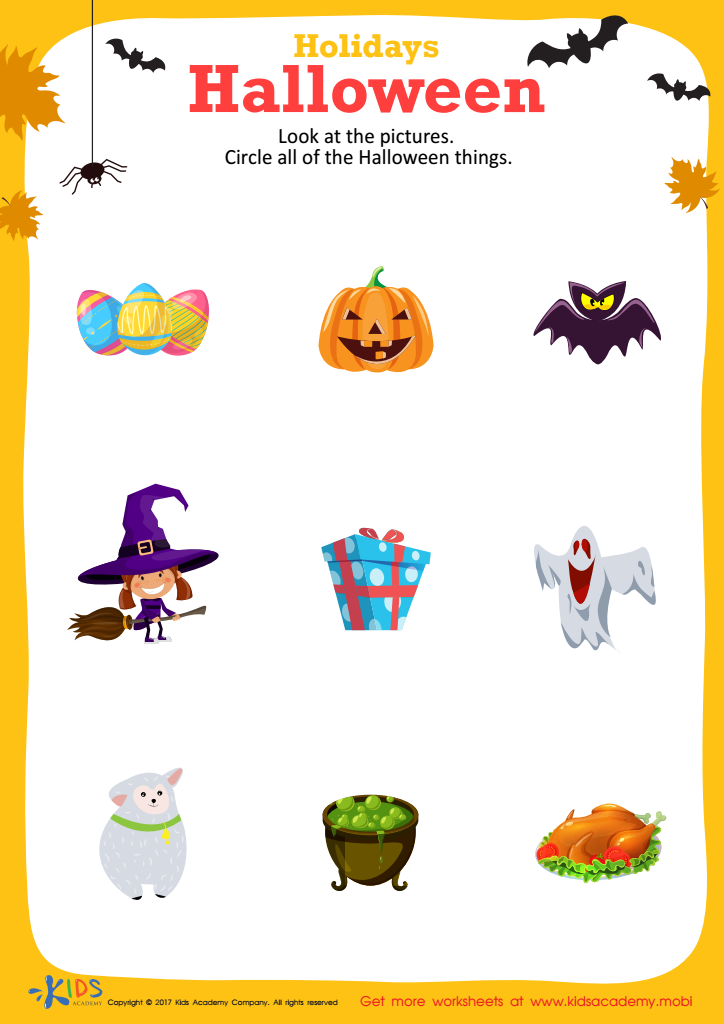
Halloween Holiday Worksheet
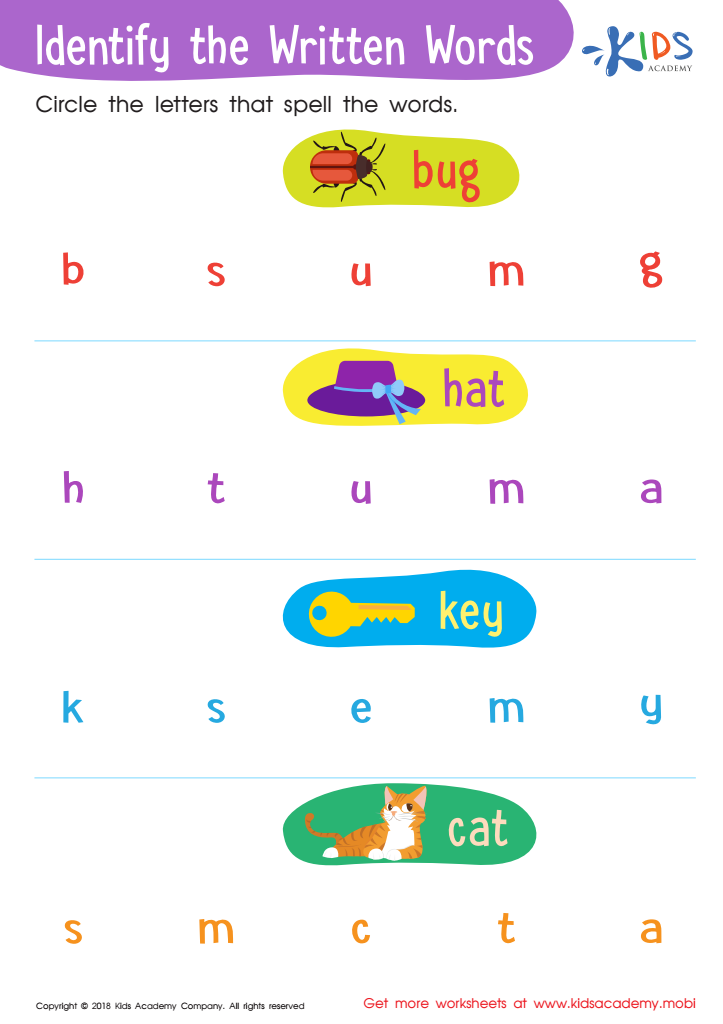
Identify the Written Words Worksheet
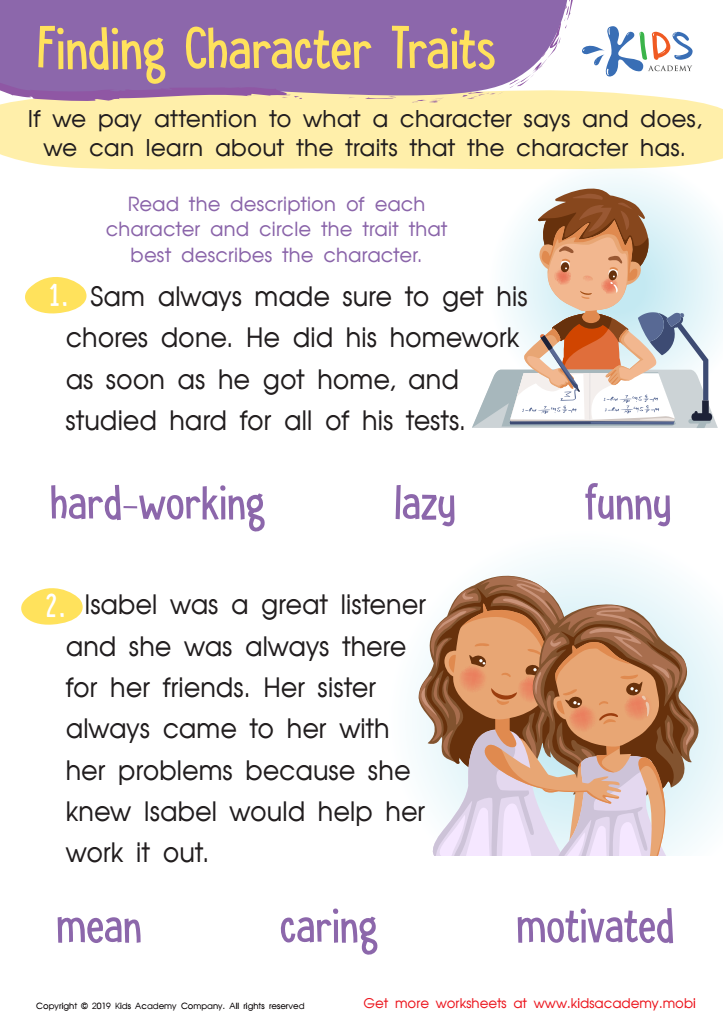
Finding Character Traits Worksheet

Beach Maze: Sun Safe Worksheet
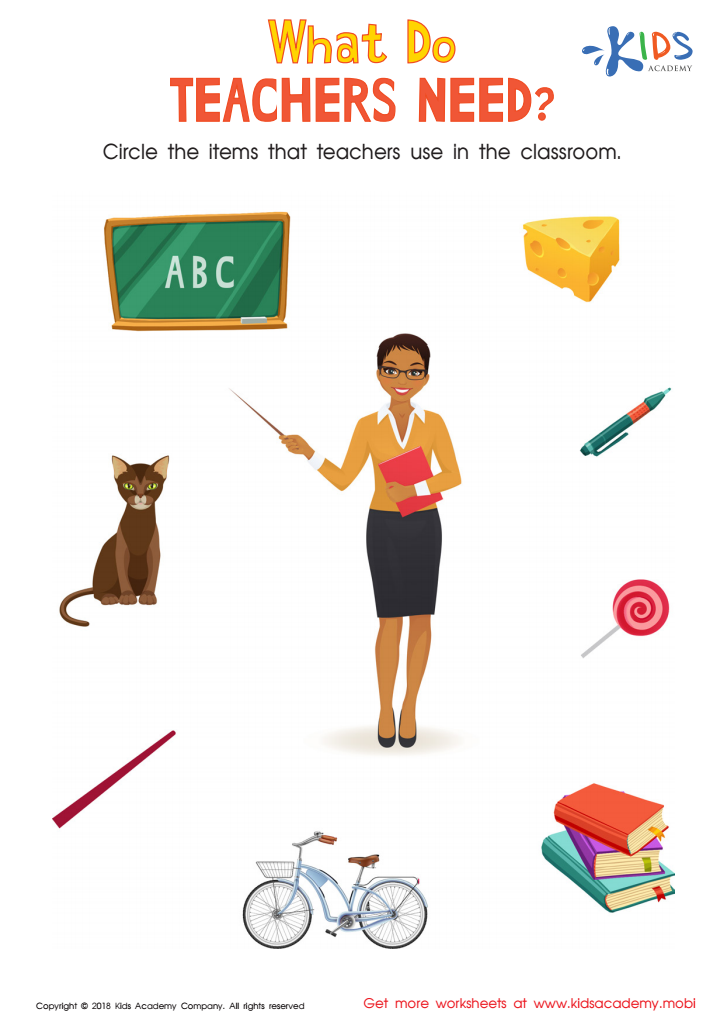
What Do Teachers Need Worksheet
Musical Band Worksheet
 Assign to My Students
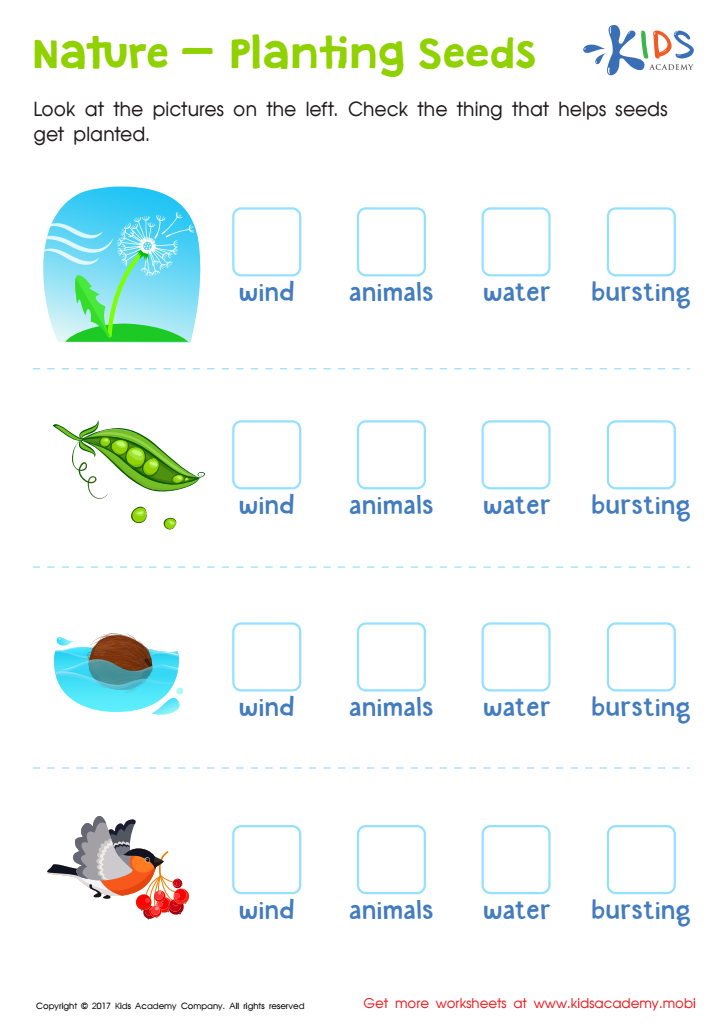
Nature Planting Seeds Worksheet
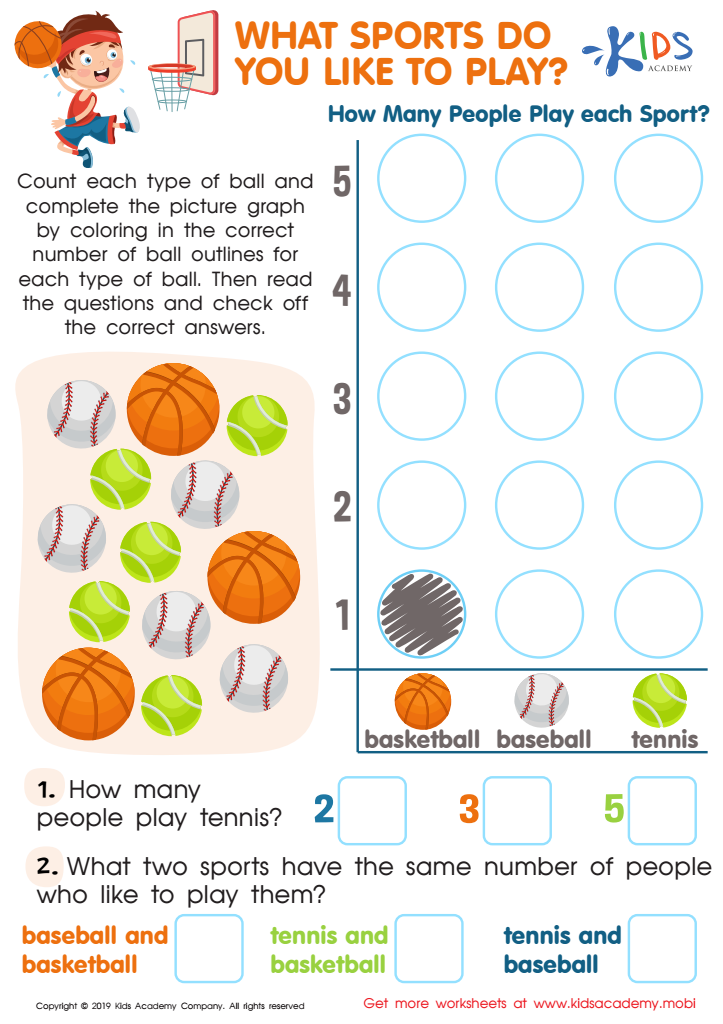
What Sports Do You Like to Play Worksheet
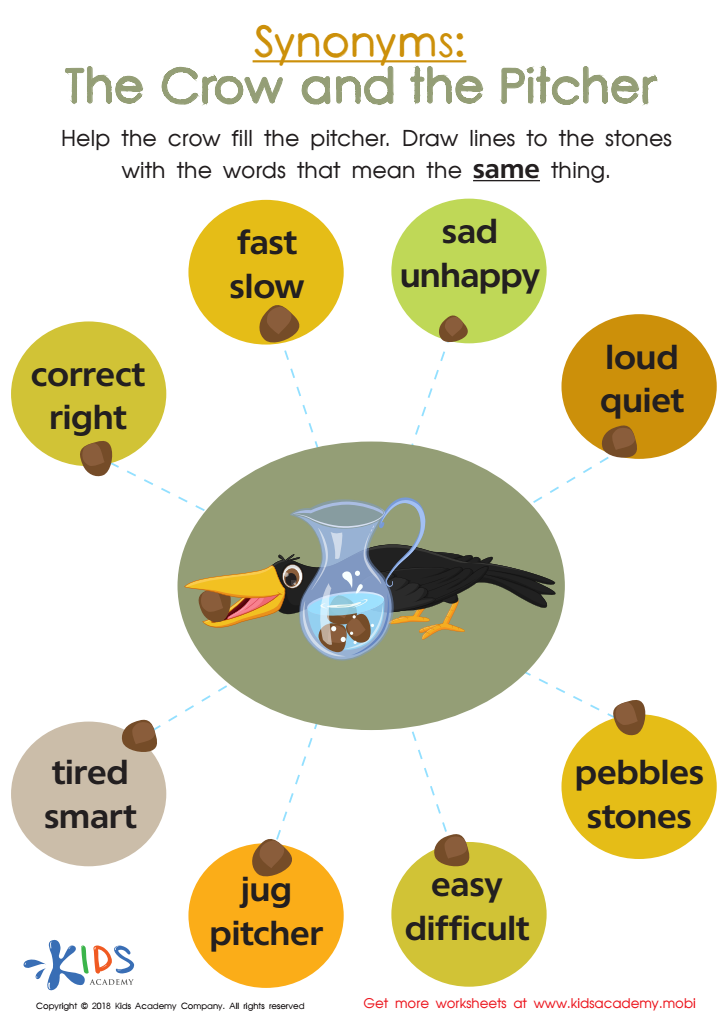
The Crow and the Pitcher Synonyms Worksheet
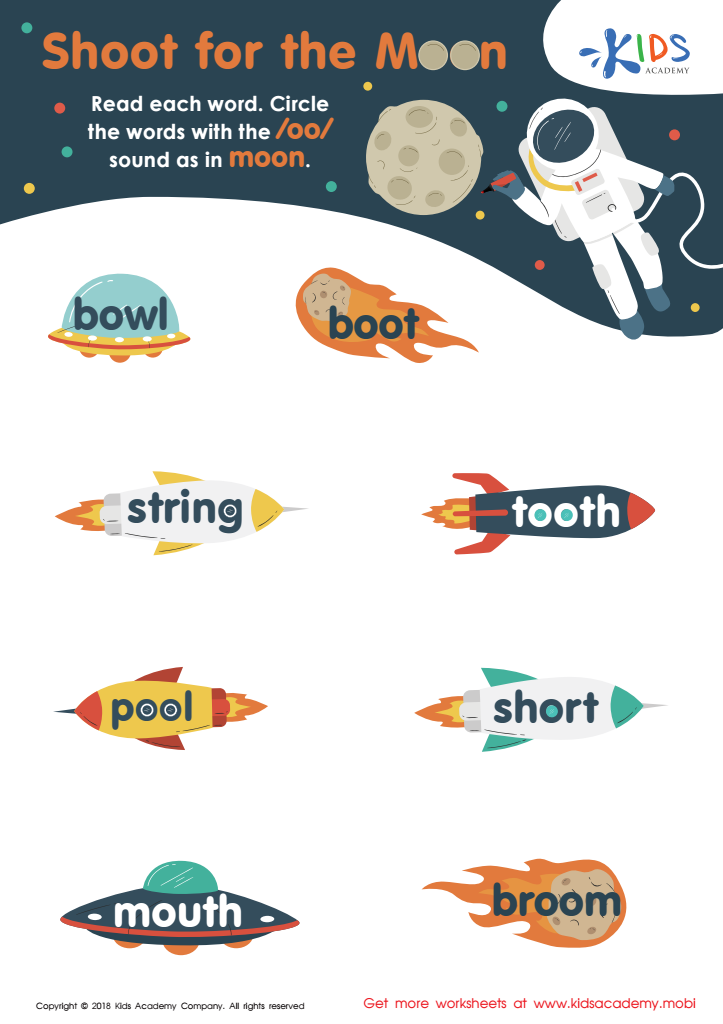
Reading: Shoot for the Moon Worksheet
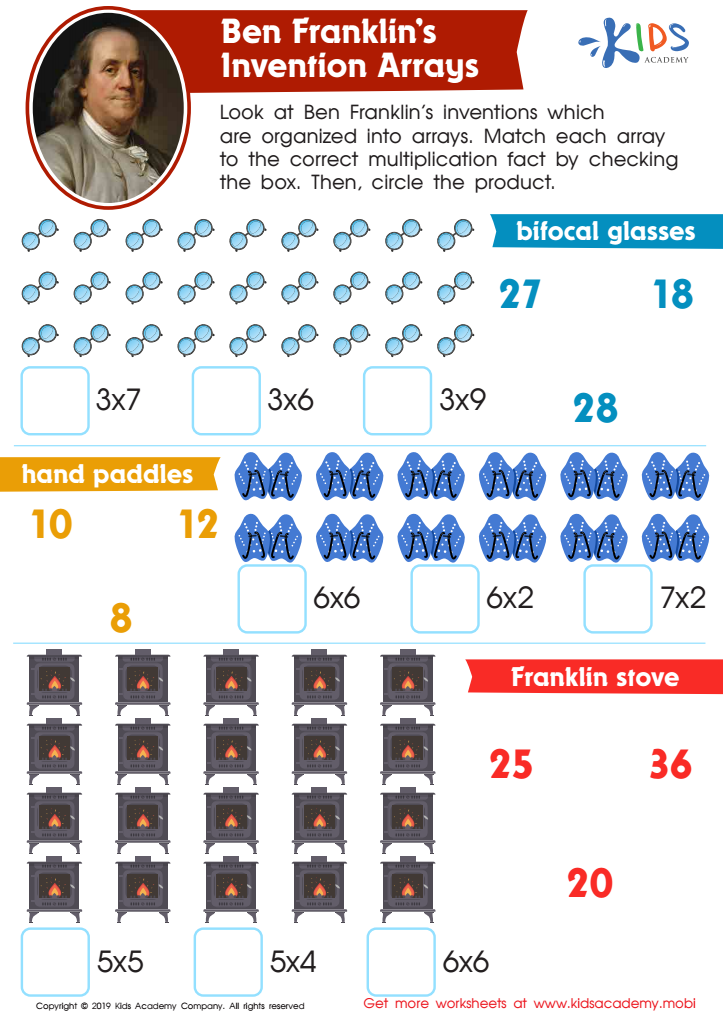
Ben Franklin’s Invention Arrays Worksheet

Turkey Thanksgiving Day Worksheet
Assign to My Students
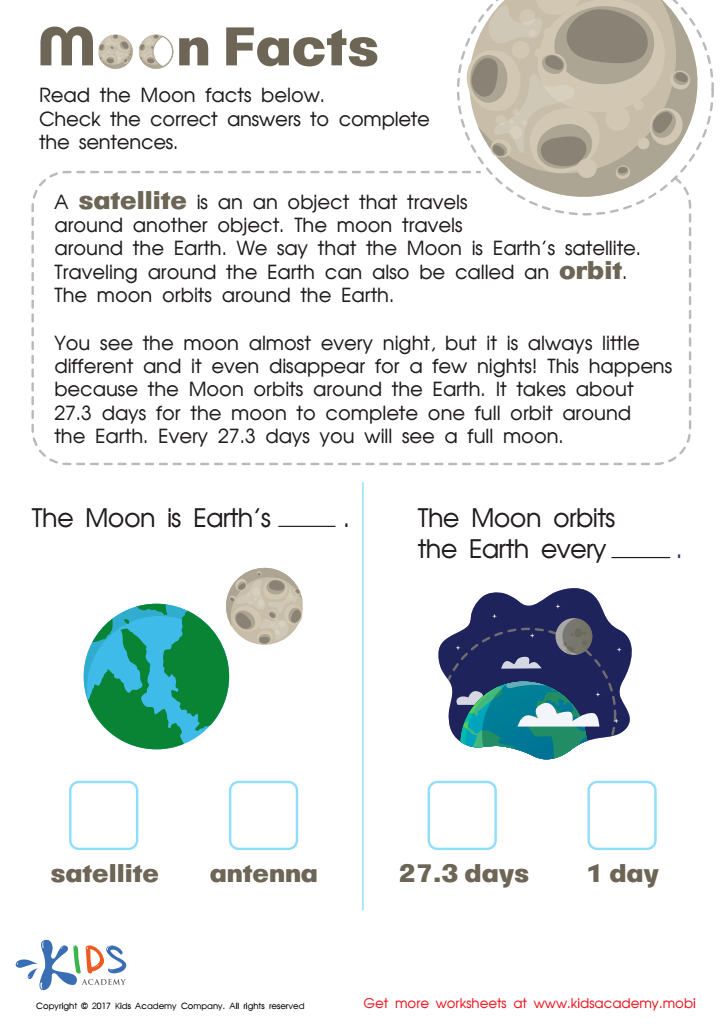
Moon Facts Worksheet
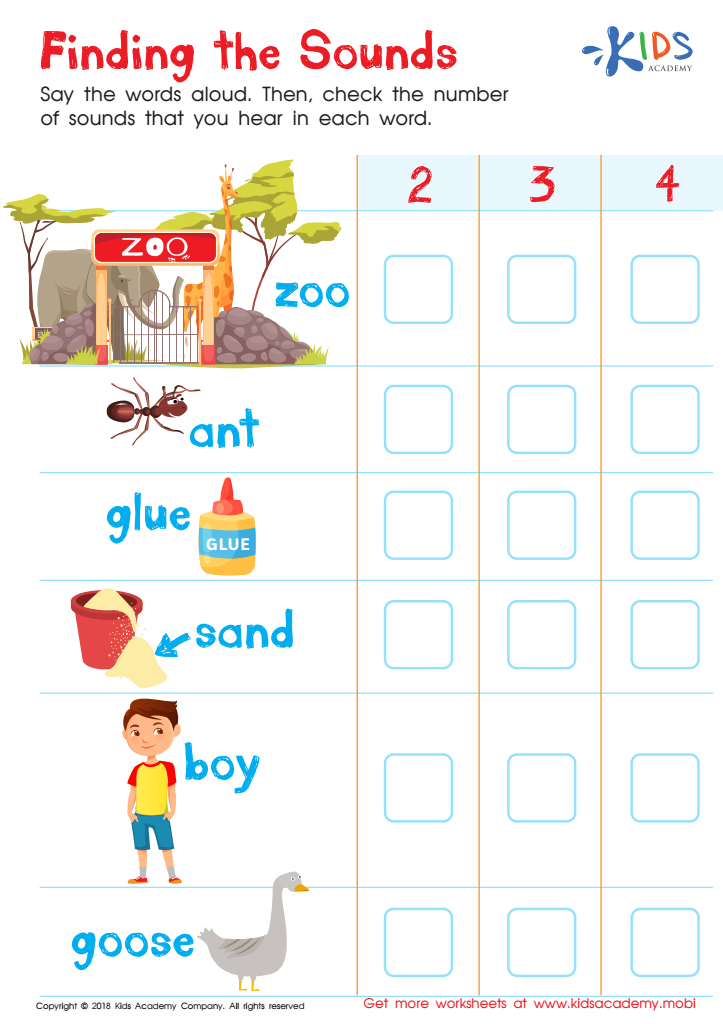
Finding the Sounds Worksheet
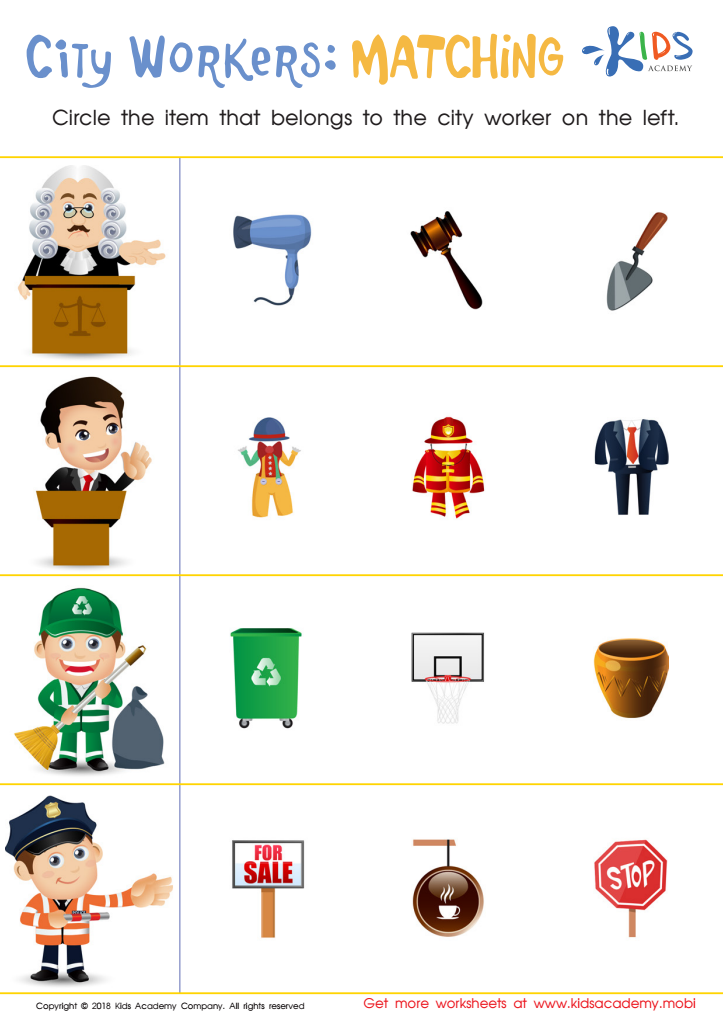
City Workers: Matching Worksheet
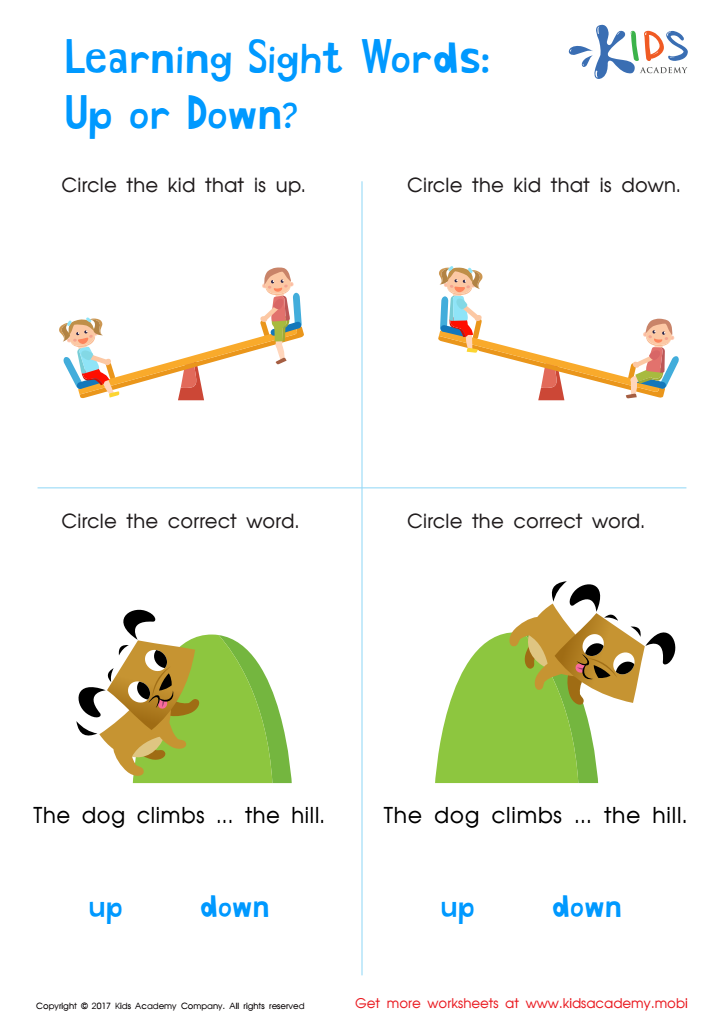
Up or Down Printable Sight Words Worksheet
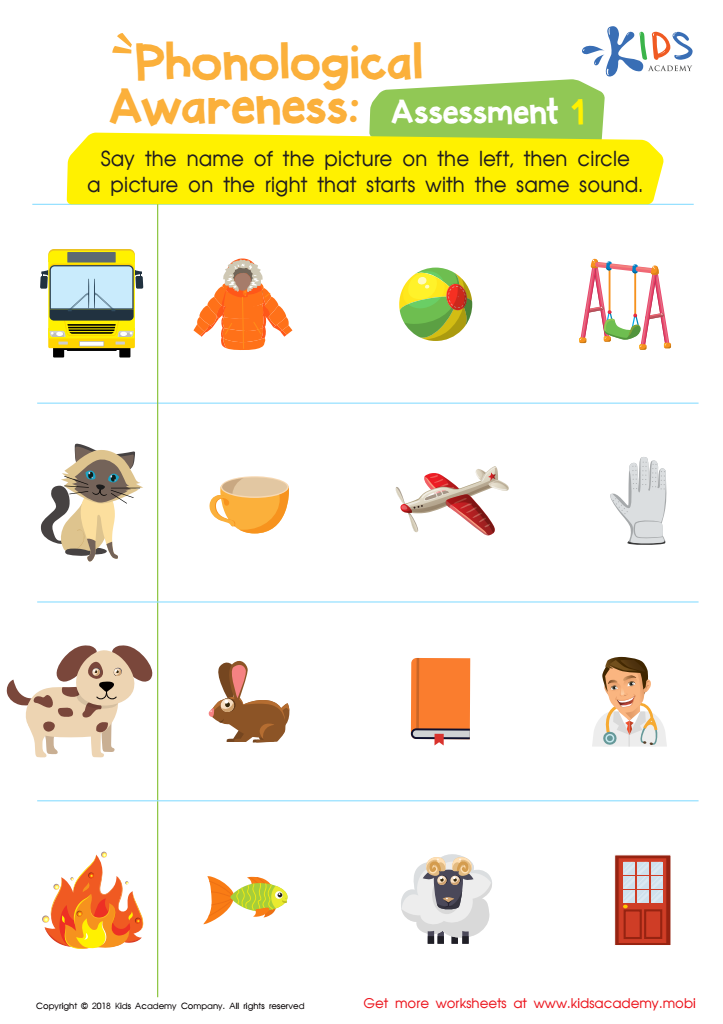
Phonological Awareness: Assessment 1 Worksheet
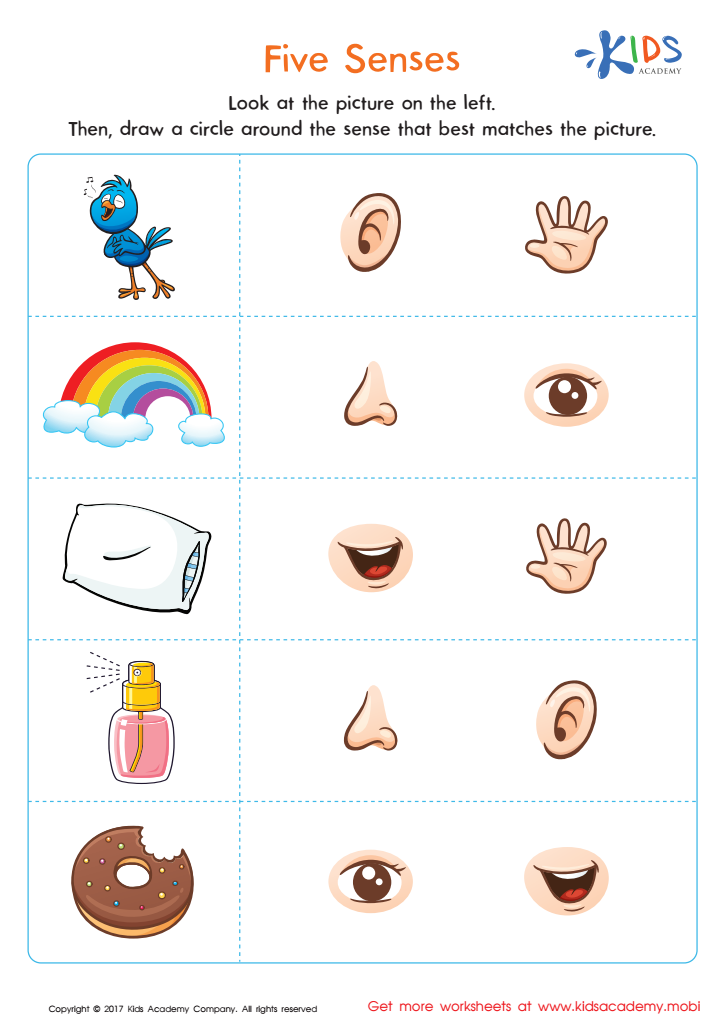
Five Senses Printable
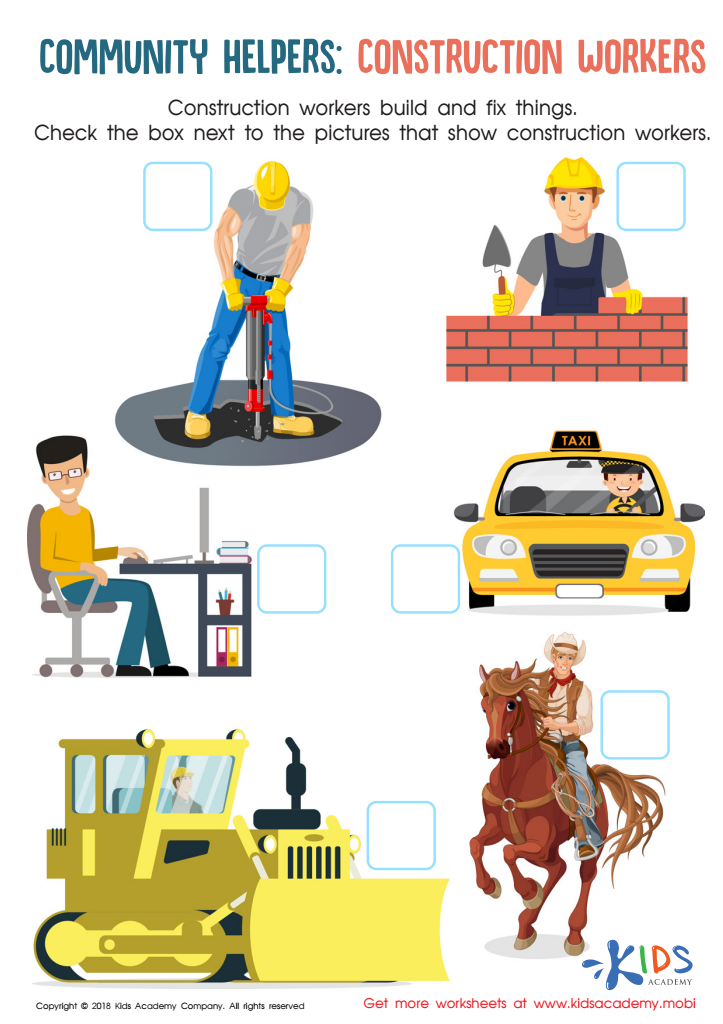
Construction Workers Community Helpers Worksheet







Vocabulary development during the ages of 6-8 is crucial for several compelling reasons. Firstly, it significantly enhances reading comprehension. A rich vocabulary allows children to understand texts more fully, facilitating better learning across subjects. This age range typically corresponds to early elementary school years, where foundational skills in reading are being established. A strong vocabulary helps children decode new words and grasp more complex concepts, thereby fostering greater academic confidence and success.
Secondly, vocabulary development during these formative years is integral to effective communication. As children learn and use a broader range of words, they express themselves more clearly and precisely. This improved communication not only bolsters social interactions with peers and adults but also fuels creative and critical thinking skills.
Moreover, a robust vocabulary is linked to overall cognitive development. Learning new words stimulates curiosity and encourages lifelong learning habits. It also enhances memory and the ability to make connections between different concepts, aiding both academic and personal growth.
Parents and teachers play a pivotal role in this process. By reading with children, engaging in thoughtful conversations, and introducing varied and rich language experiences, they provide the essential scaffolding needed for robust vocabulary development. Therefore, prioritizing this in ages 6-8 lays the groundwork for future academic achievement and effective communication skills.








