Filters

8 filtered results

Clear all filters
Favorites
With answer key
Interactive

8 filtered results

Difficulty Level

Grade


Enhance your child's critical thinking with our "Normal Plants and Animals Worksheets" designed for ages 6-8. These engaging worksheets help young learners explore the fascinating world of plants and animals through fun, thought-provoking activities. Perfect for classroom or home use, our scientifically crafted materials promote observation, comparison, and problem-solving skills. Boost your child's understanding of the natural world while encouraging curiosity and exploration. Make learning an exciting adventure today with our expertly designed critical thinking worksheets. Visit Kids Academy for more educational resources and printables.

Check out this FREE Trial Lesson on Plants and Animals for age 6-8!

Sorting Objects into 3 Categories

Favorites
With answer key
Interactive
  • 6-8
  • Critical Thinking
  • Plants and Animals
  • Normal
Sorting Animals in 3 Groups Worksheet

Sorting Animals in 3 Groups Worksheet

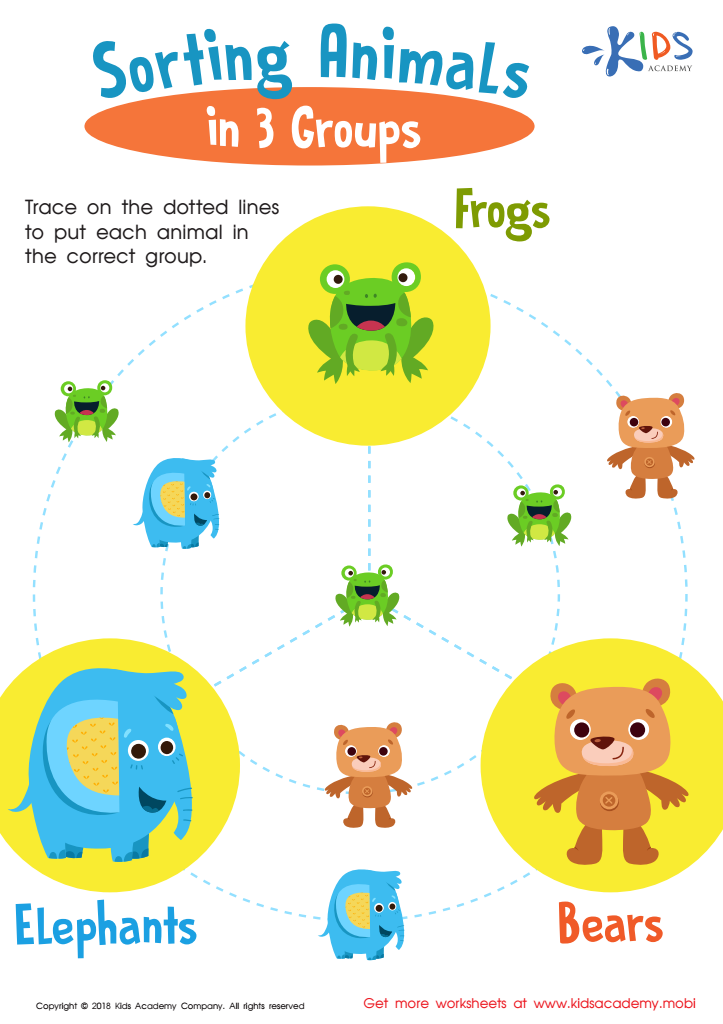
Let your kids practice and build skills for future Venn Diagrams with this PDF worksheet. They'll trace lines to match and group animals, and learn the differences and similarities of animals by categorizing with pictures and words. Plus, it's a great way to develop fine motor skills.
Sorting Animals in 3 Groups Worksheet
Worksheet
Thorns and Spikes Worksheet

Thorns and Spikes Worksheet

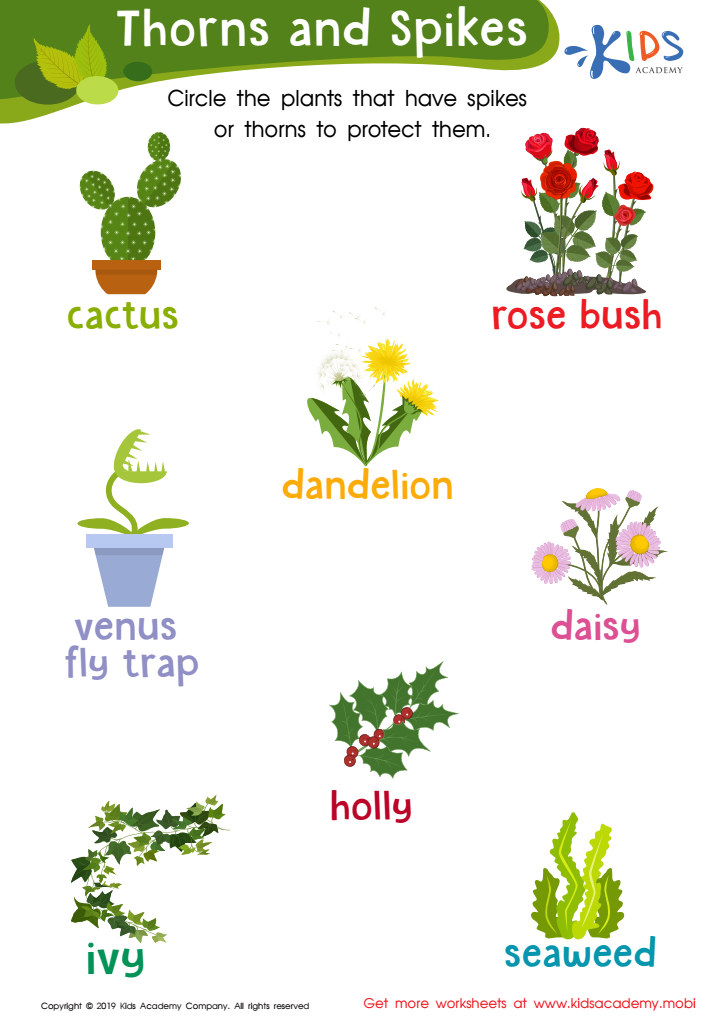
Can your students name and identify the plants and flowers in this worksheet? Ask them to read out the names and circle the ones with spikes or thorns. Help them appreciate nature's beauty and understand how plants protect themselves.
Thorns and Spikes Worksheet
Worksheet
Mountain Animals Worksheet
Mountain Animals Worksheet

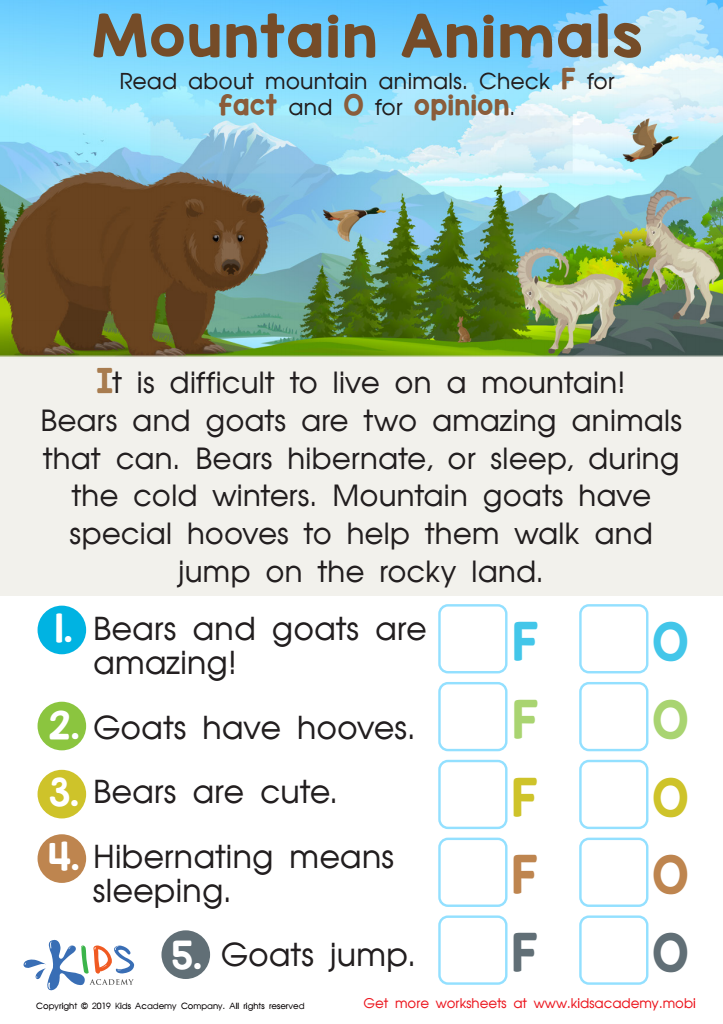
Is mountain wildlife amazing? Fact or fiction? Help your child sharpen critical-thinking skills with this engaging worksheet. Featuring a fun nonfiction passage about animals like bears and goats, your child will read through the text and identify each statement as fact or fiction. Perfect for boosting reading comprehension and analytical abilities!
Mountain Animals Worksheet
Worksheet
Divide up the Garden Worksheet

Divide up the Garden Worksheet

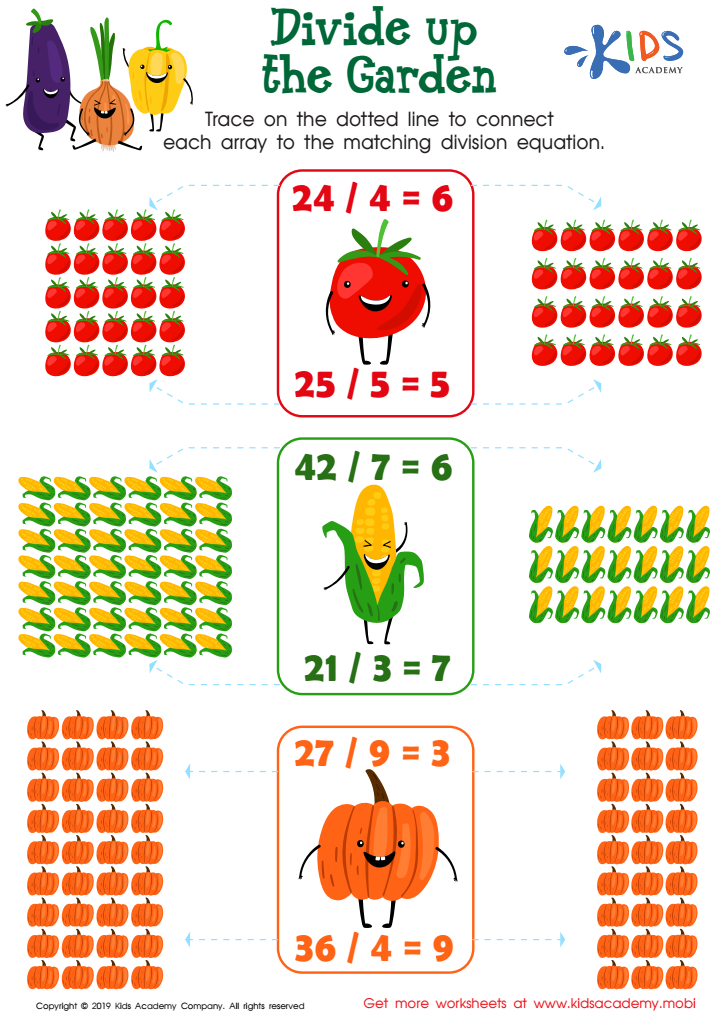
Dividing is simply grouping items into equal sets. This worksheet helps kids see division problems in array form. They'll match each equation with a picture group, using the lines provided. It's a great way for beginners to understand division more concretely.
Divide up the Garden Worksheet
Worksheet
Rainforest animals worksheet

Rainforest Animals Worksheet

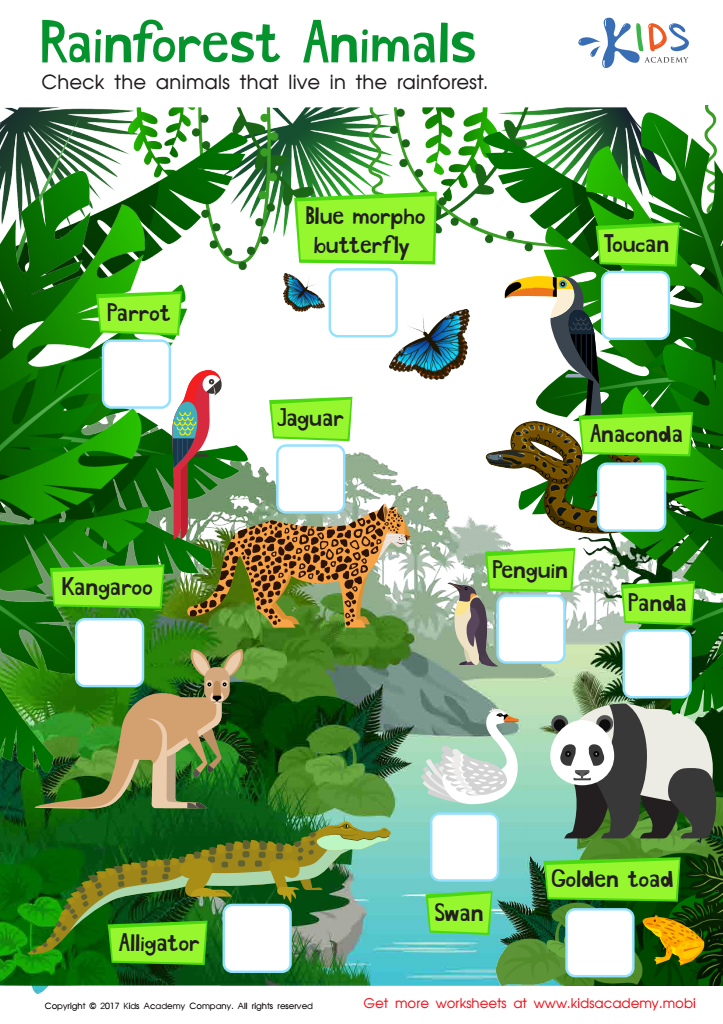
Kids love the bright, vivid pics of rainforest animals in this worksheet. It fuels their interest in life science and brings joy to their learning. It encourages them to study these animals in detail.
Rainforest Animals Worksheet
Worksheet
Arctic World Worksheet

Arctic World Worksheet

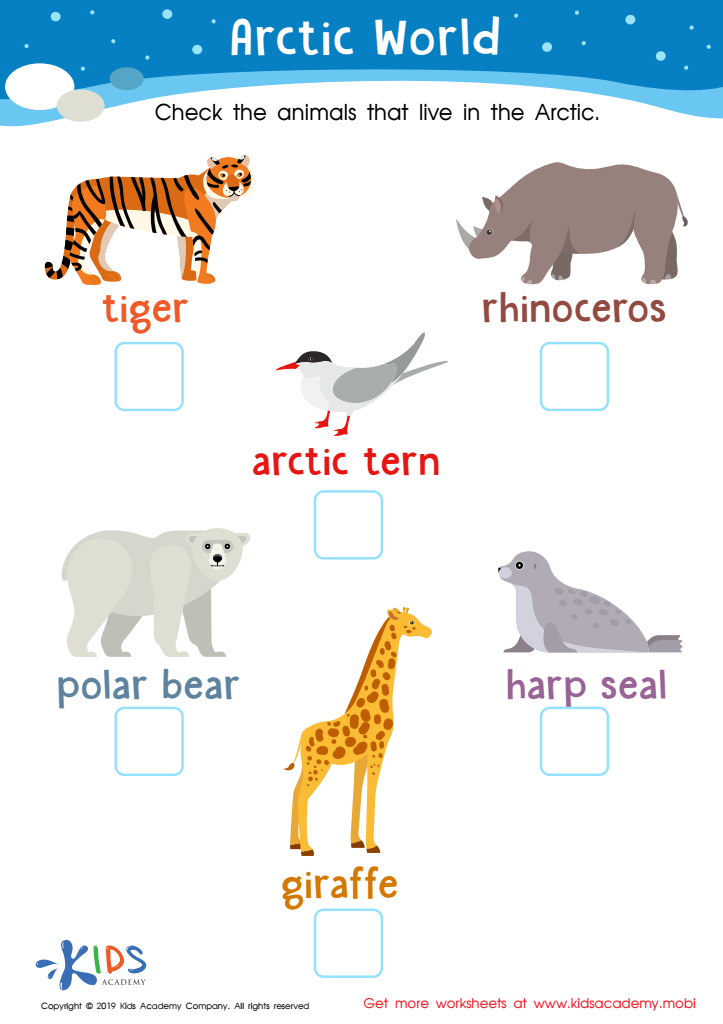
Ask your students if they know where the Arctic is located and what lives there. If not, use a world atlas to show them. The Arctic is very cold and snow-covered; native animals have adapted to survive the harsh conditions. Look at the animals in the worksheet and help your students decide which ones live in the Arctic.
Arctic World Worksheet
Worksheet
Animal Extinction Worksheet

Animal Extinction Worksheet

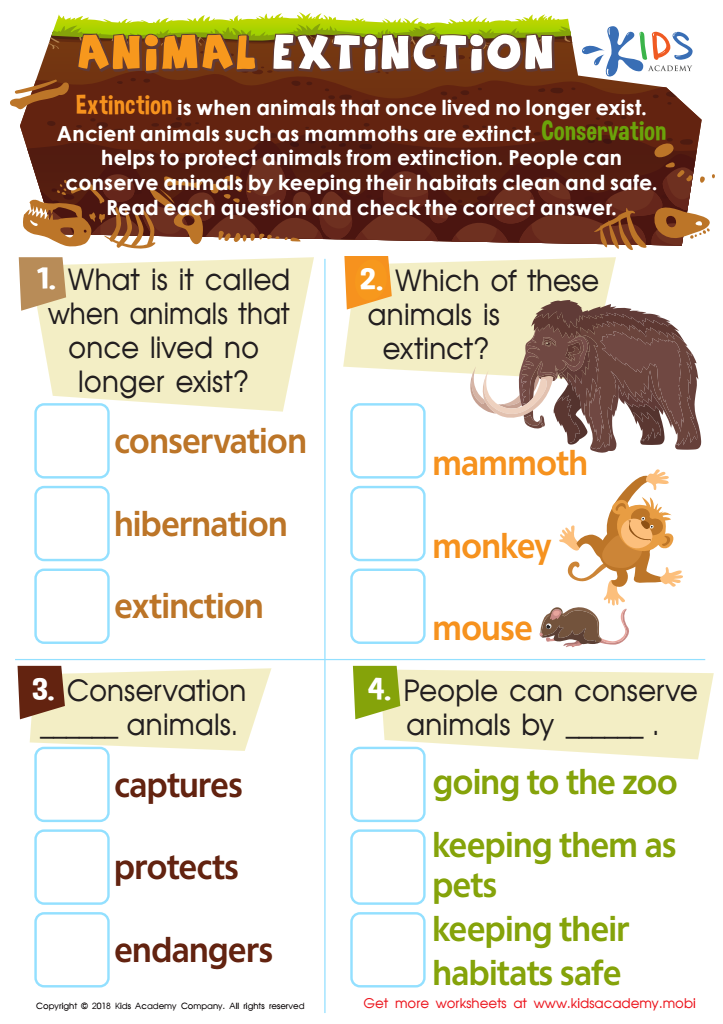
Children can learn how their actions can help endangered animals with this free PDF worksheet. It explains extinction, looks at the mammoth as an example, and poses questions about conservation. Keeping habitats clean and safe is key to protecting animals and keeping them abundant. Learning about this now can make a huge difference for future generations.
Animal Extinction Worksheet
Worksheet
Classifying animals worksheet 2nd grade

Classifying Animals Worksheet

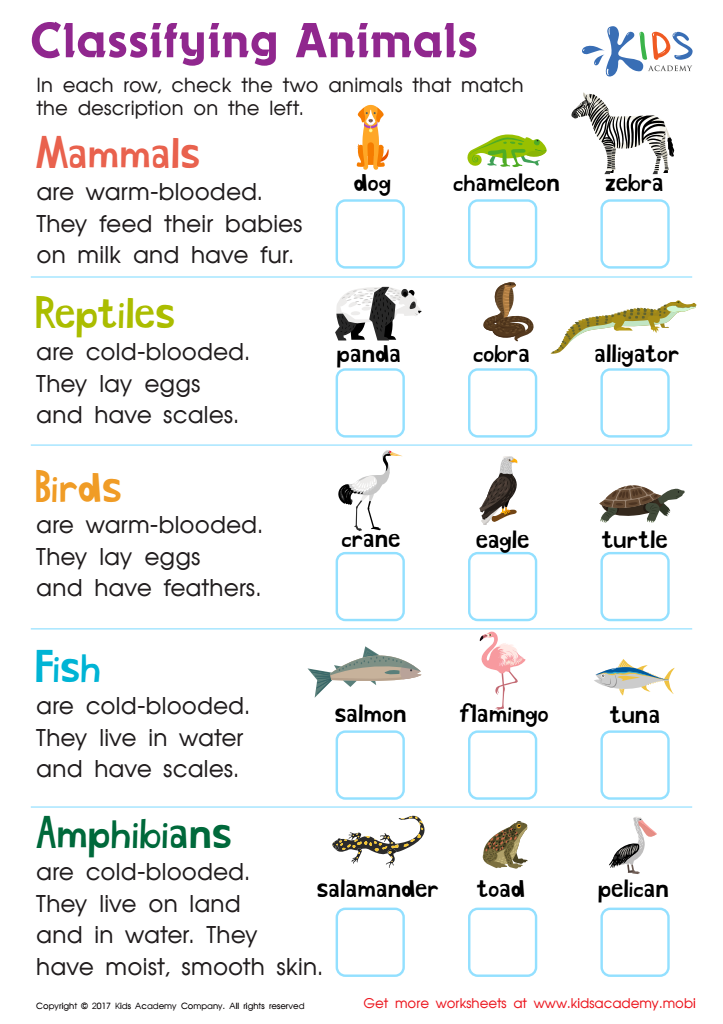
Print the 2nd grade animal classification worksheet and help kids study the differences between mammals, reptiles, birds, fish and amphibians. Let them pick two examples from the options given.
Classifying Animals Worksheet
Worksheet


Introducing critical thinking about normal plants and animals to children ages 6-8 is crucial for fostering a well-rounded education and a deep sense of curiosity about the natural world. During these formative years, children are naturally inquisitive and open to learning. Critical thinking activities help them develop skills such as observation, analysis, and reasoning, which are foundational for lifelong learning and problem-solving.

By encouraging critical thinking about plants and animals, parents and teachers can help children understand the interconnectedness of ecosystems and the importance of environmental stewardship. For instance, when children learn how plants grow or how animals interact in their habitats, they begin to appreciate biodiversity and the delicate balance required to maintain our ecosystems. This awareness instills a sense of responsibility and respect for the environment.

Moreover, engaging with nature and understanding its mechanisms can enhance children’s creativity and imagination. Through interactive activities such as planting seeds, observing insects, or discussing animal behaviors, children can pose questions, formulate hypotheses, and explore natural processes firsthand. This hands-on learning experience also improves scientific literacy, setting a strong foundation for future educational pursuits in science and beyond.

Overall, cultivating critical thinking around plants and animals enriches young minds, empowering them with the tools to explore, question, and appreciate the world around them.