Normal Geography Worksheets for Ages 6-8 - Page 3
51 filtered results
-
From - To
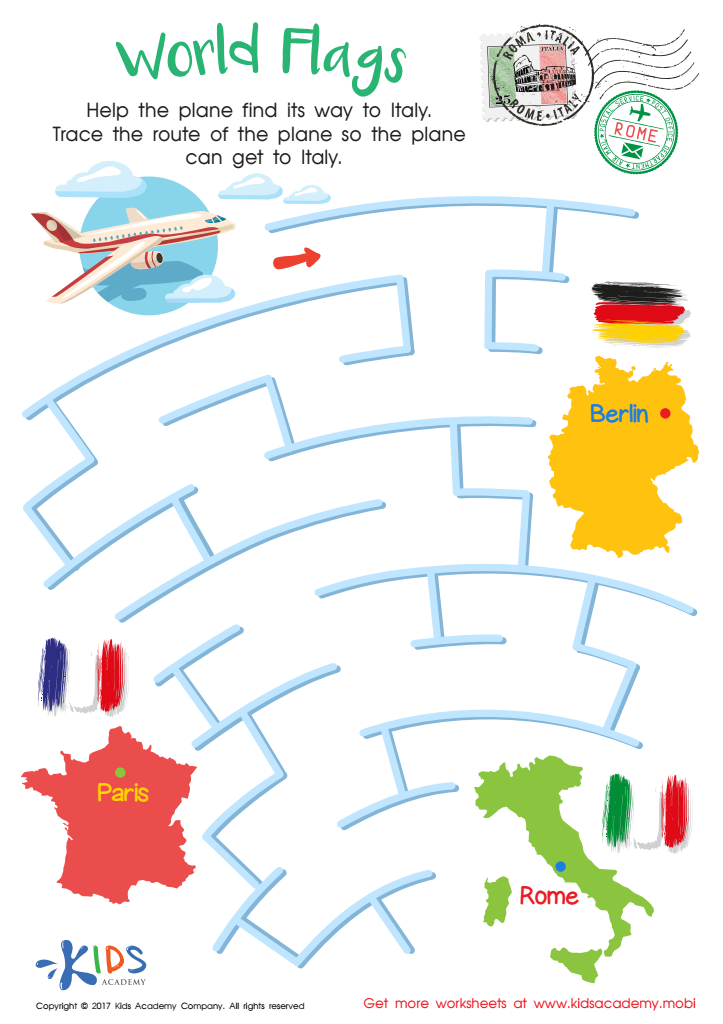
World Flags Maze Worksheet
 Assign to My Students
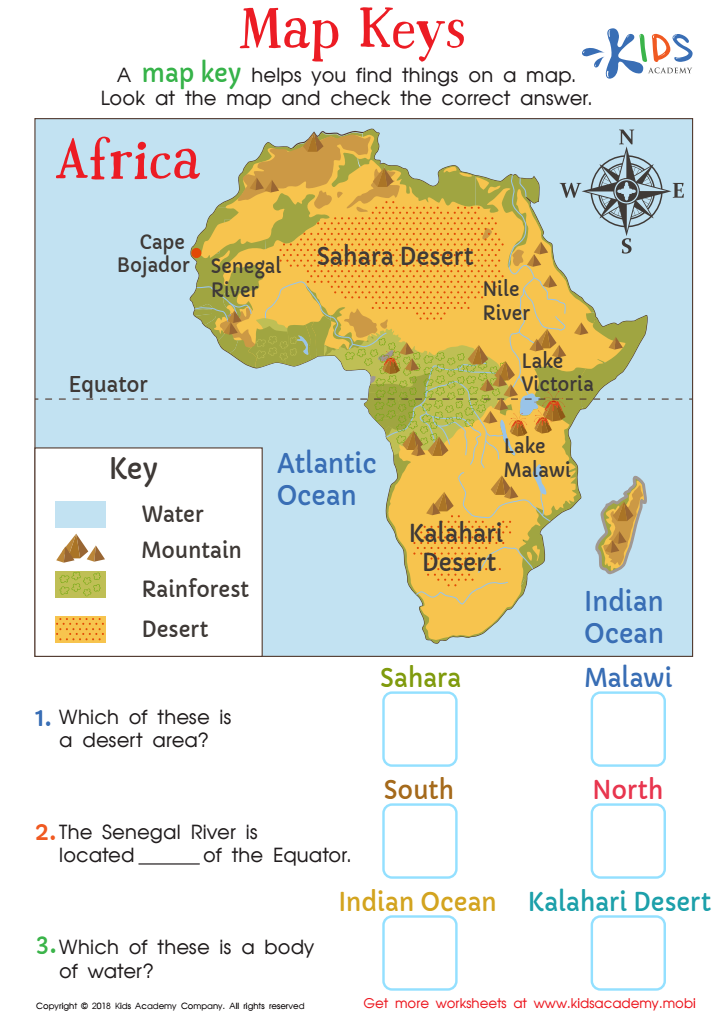
Map Keys Worksheet
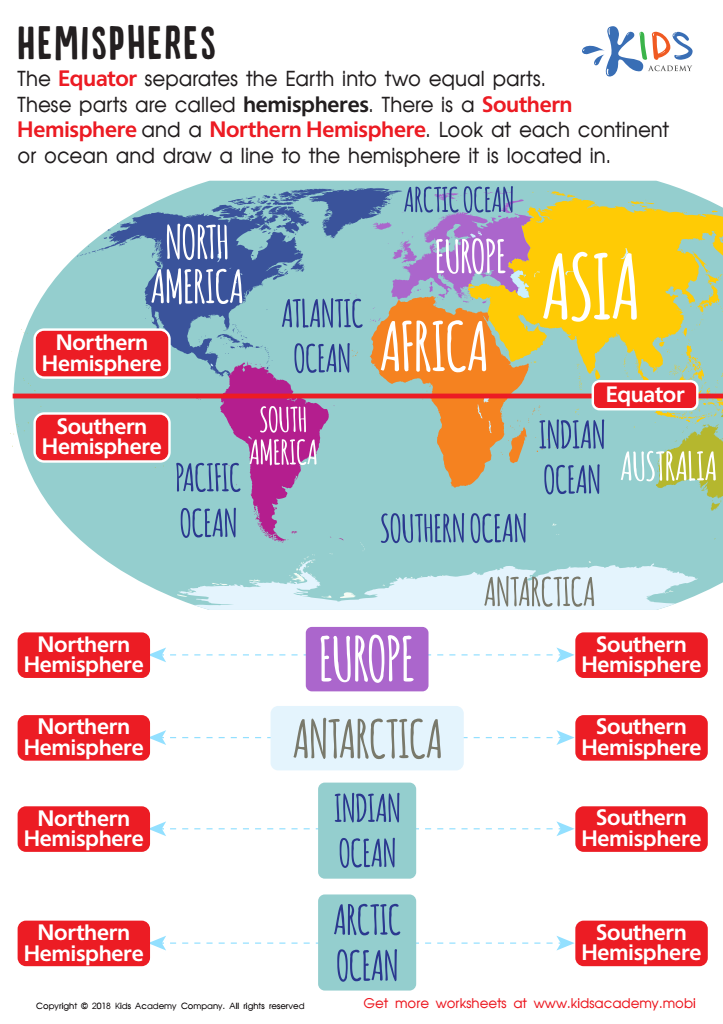
Hemispheres Worksheet






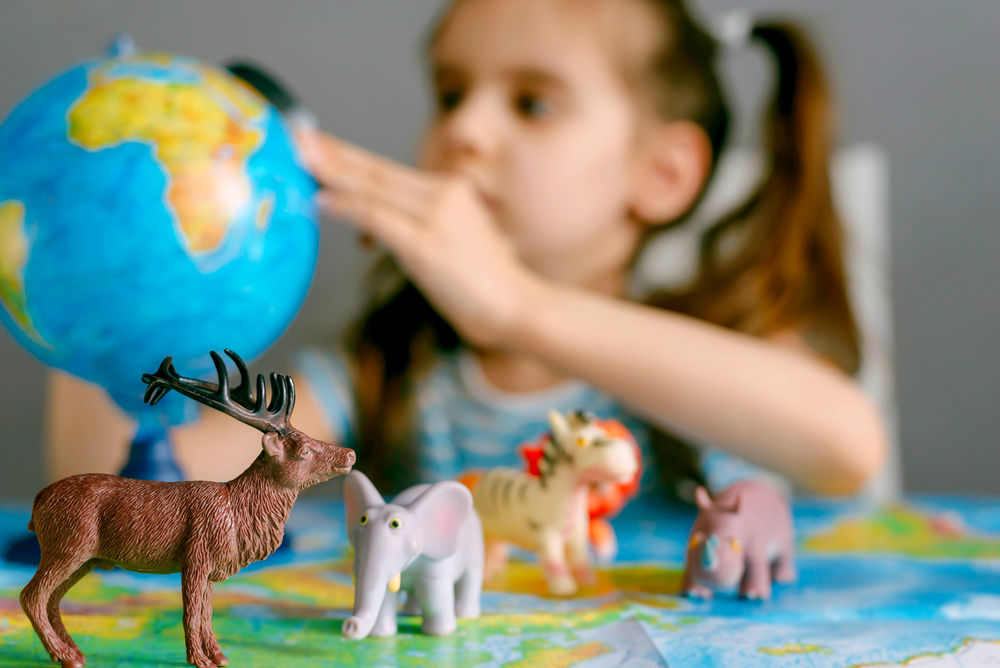
Normal Geography helps young students understand the world, and parents and teachers should definitely care about it. Learning about geography isn't just about knowing countries and capitals; it's a vital step toward developing a child's curiosity and knowledge about different cultures, environments, and the planet they live on.
At ages 6-8, children are naturally curious and their brains are like sponges, ready to absorb new information. Introducing basic geographic concepts helps them contextualize the world. When children learn that other kids live in different countries with varying climates, food, and traditions, it broadens their horizons and promotes empathy and respect for diversity.
Additionally, understanding geography helps to build important cognitive skills such as spatial thinking and problem-solving. It can even enhance their reading and math skills by teaching them to interpret maps and process distances and scales.
Incorporating geography into early education also has the practical benefit of connecting classroom lessons with real-world experience. A trip to a local zoo or a family vacation becomes more educationally enriching when children can relate what they've learned about different regions, animals, or cultures. Ultimately, an early foundation in geography fuels a lifetime of curiosity and informed global citizenship.