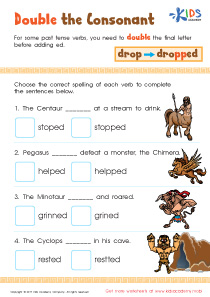
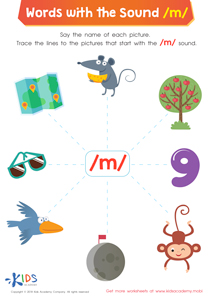
Reading comprehension Normal Consonant Digraphs Worksheets for Ages 6-9
6 filtered results
-
From - To
Enhance your child's reading skills with our engaging "Reading Comprehension Normal Consonant Digraphs Worksheets" designed specifically for ages 6-9. These worksheets focus on improving recognition and understanding of consonant digraphs, helping young learners decode words with confidence. Each activity combines fun reading exercises and interactive questions that challenge students to comprehend texts incorporating digraphs. Our resources are tailored to foster critical thinking and reinforce phonetic awareness, ensuring a solid foundation for literacy. Perfect for home practice or the classroom, these worksheets will cultivate a love for reading while strengthen essential comprehension skills necessary for academic success. Start your child's reading journey today!
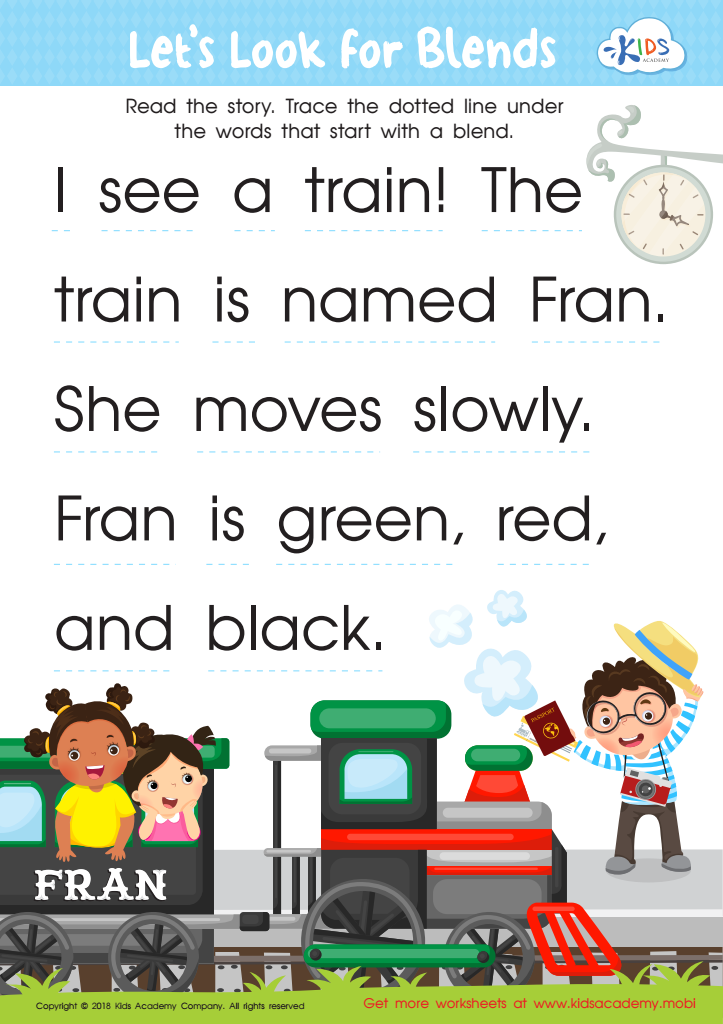
Let's Look for Blends Worksheet
 Assign to My Students
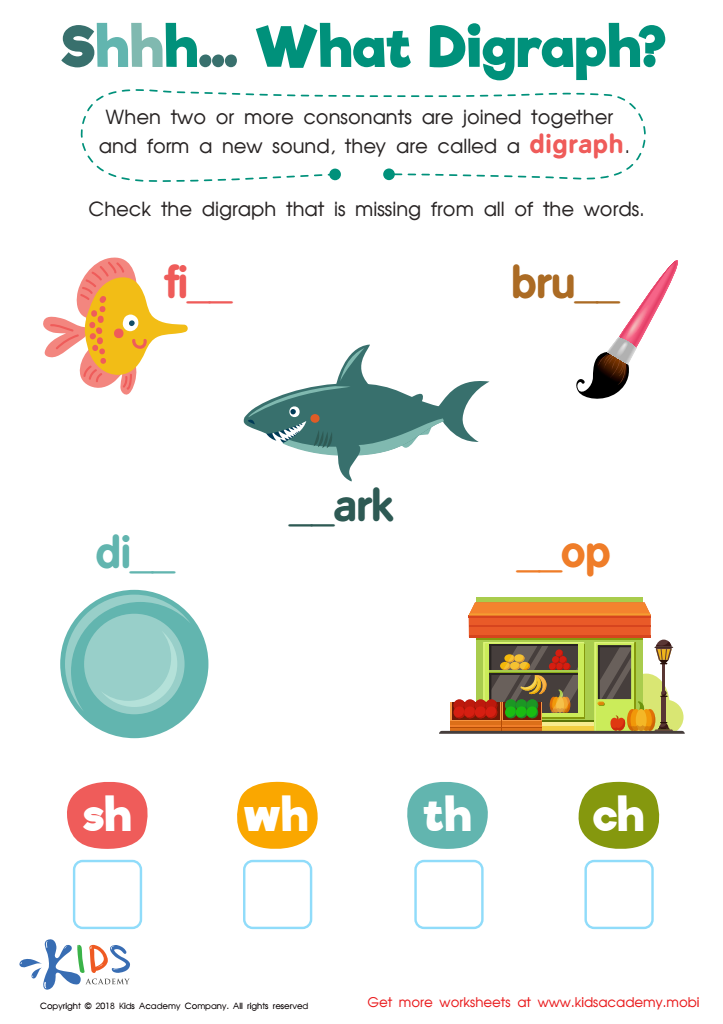
Shhh... What Digraph? Worksheet
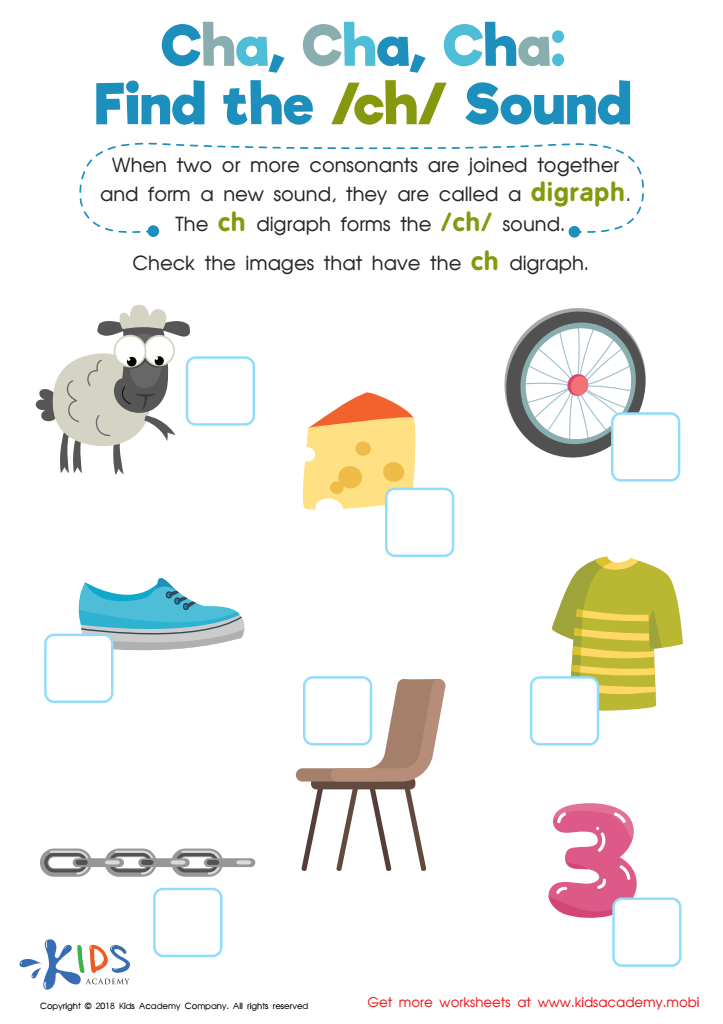
Cha, Cha, Cha: Find the /Ch/ Sound Worksheet
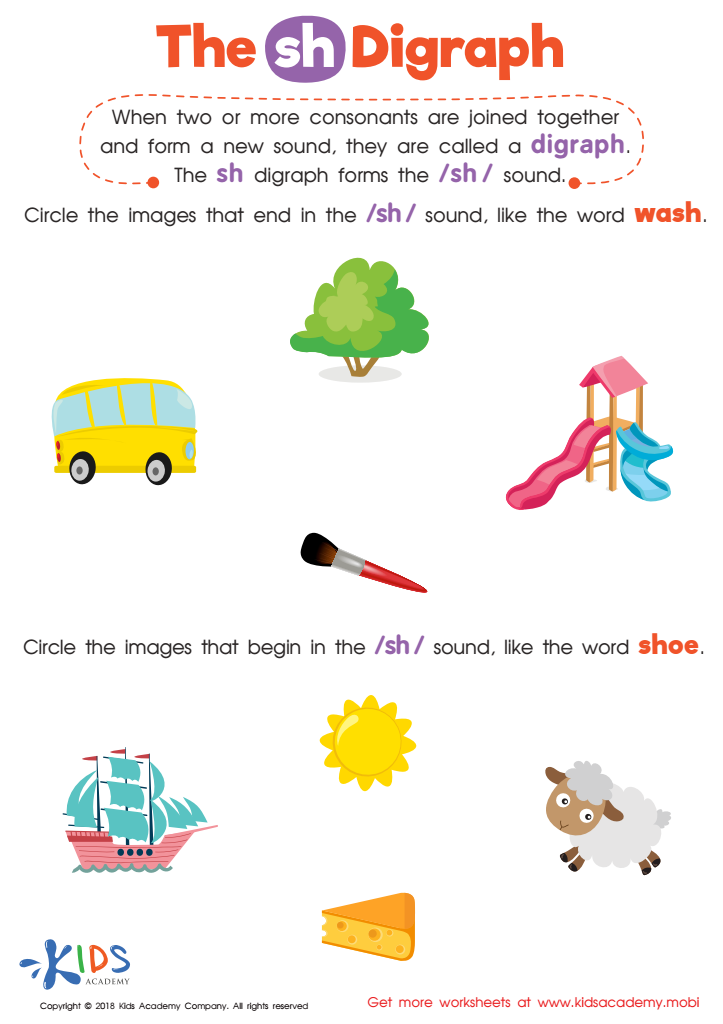
The SH Digraph Worksheet
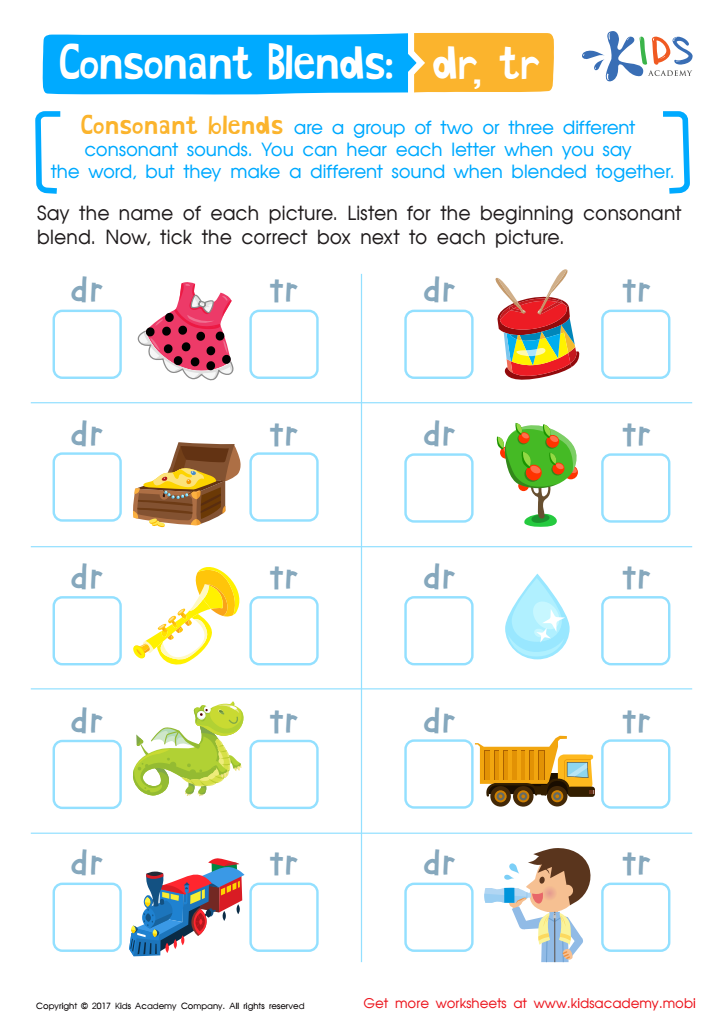
Consonant Blends: "Dr" and "Tr" Printable
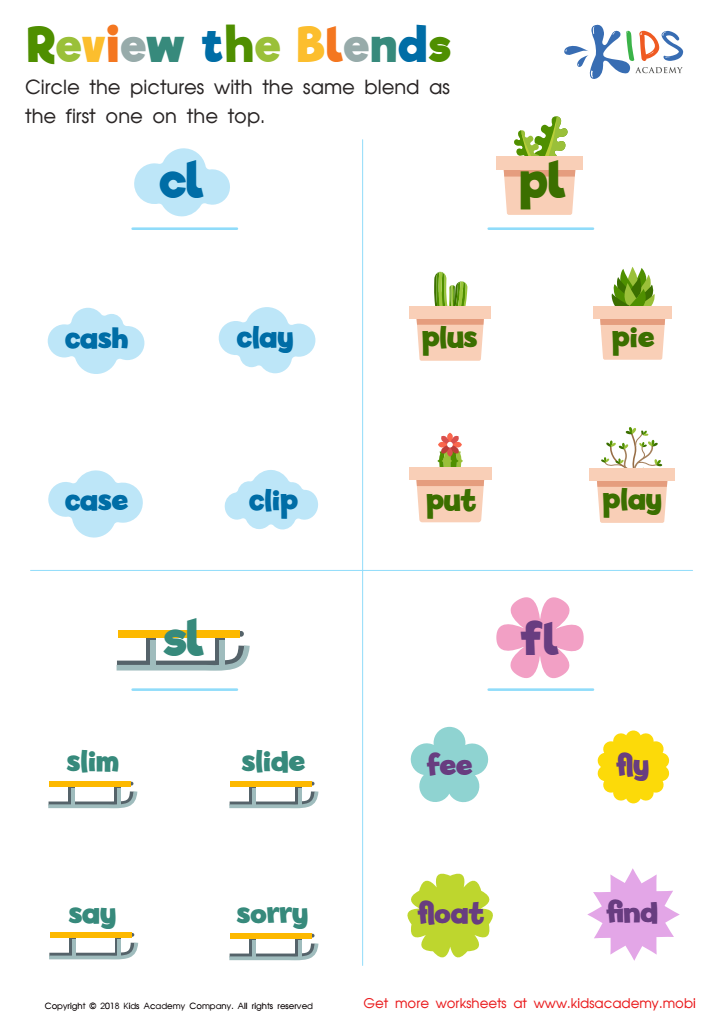
Review the Blends Worksheet


Reading comprehension, particularly through the lens of consonant digraphs, is a crucial area of focus for parents and teachers of children aged 6-9. During these formative years, children are developing essential foundational skills that enable them to decode words and understand meanings. Consonant digraphs, such as "ch," "sh," "th," and "wh," represent two letters that produce a single sound, making their knowledge vital for improving phonetic understanding.
When children grasp consonant digraphs, their confidence and fluency in reading increase, allowing them to tackle more complex texts. This comprehension is not just about recognizing words; it involves interpreting context, enhancing vocabulary, and fostering critical thinking. If parents and teachers prioritize understanding and practicing consonant digraphs, they can help children master key literacy skills sooner, setting the stage for successful reading experiences.
Moreover, proficient reading skills heavily influence academic performance in other subjects, as students who struggle with reading may find it challenging to grasp content in mathematics, science, and social studies. By nurturing these skills during such an influential age, adults can significantly enhance a child’s educational journey and overall love for learning.