Spelling practice Normal Phonics Worksheets for Ages 6-9 - Page 2
45 filtered results
-
From - To
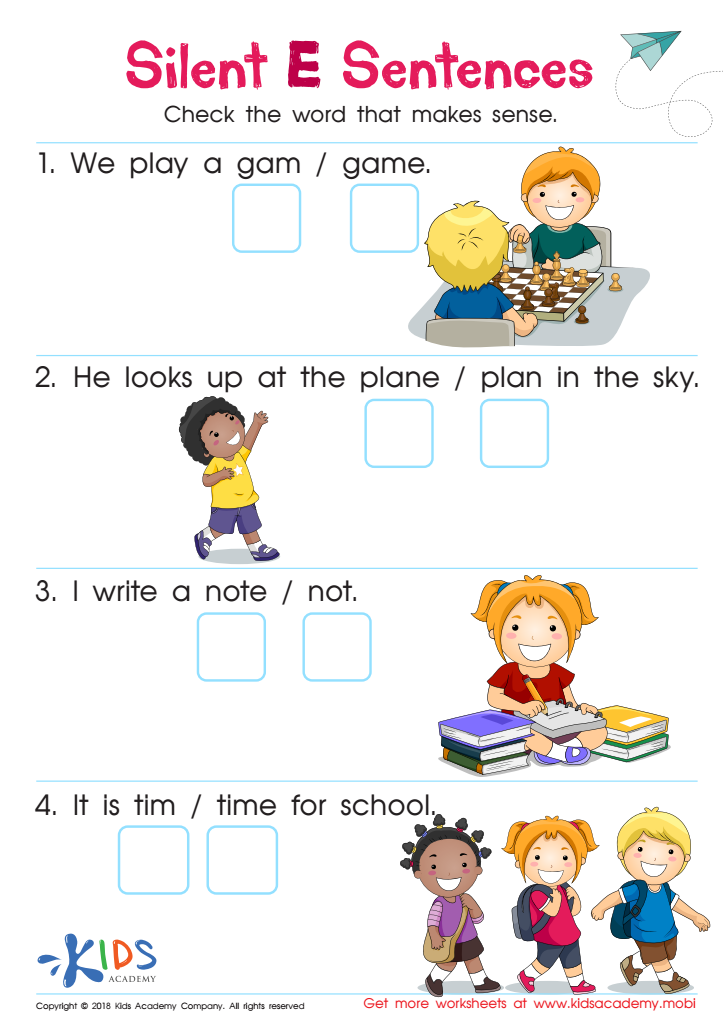
Silent E Sentences Worksheet
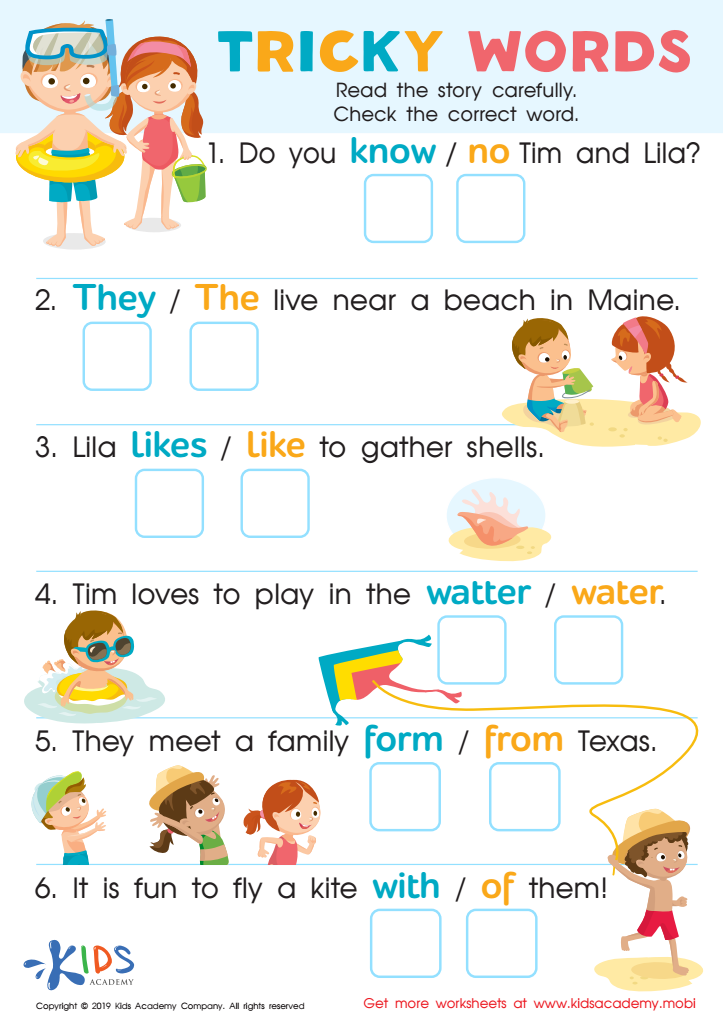
Tricky Words Worksheet
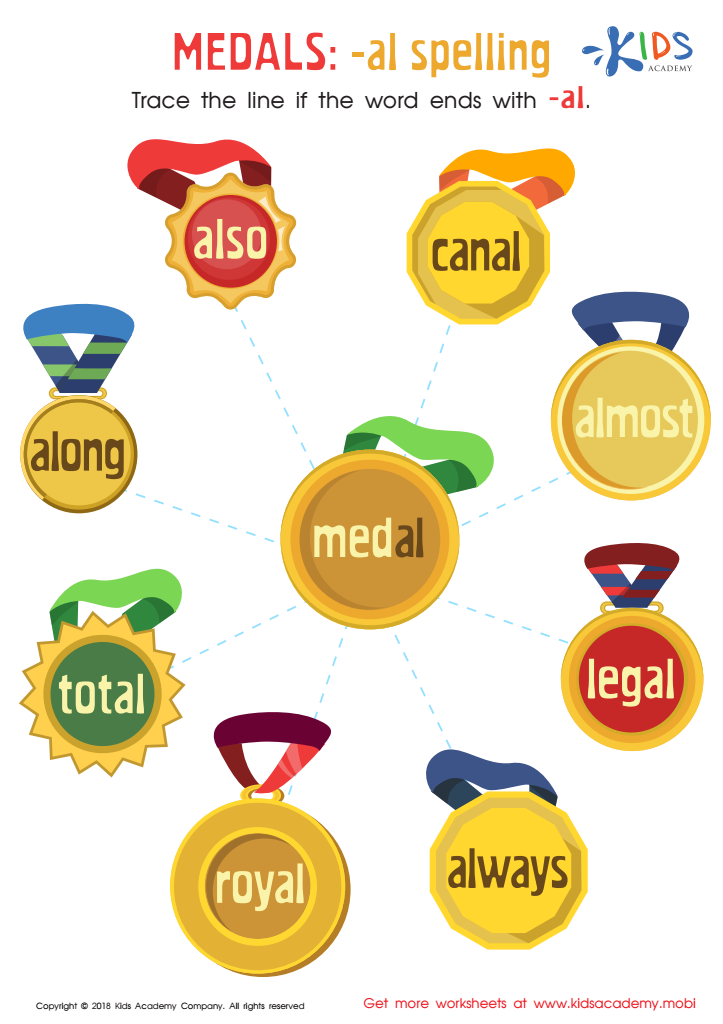
Medals: Al Spelling Worksheet
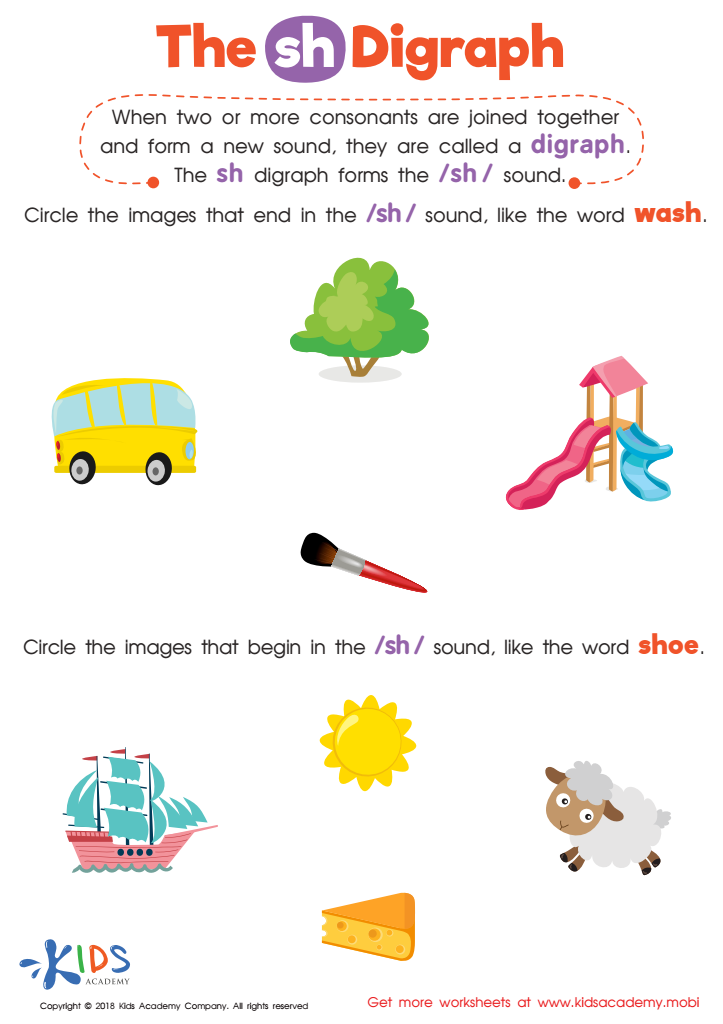
The SH Digraph Worksheet
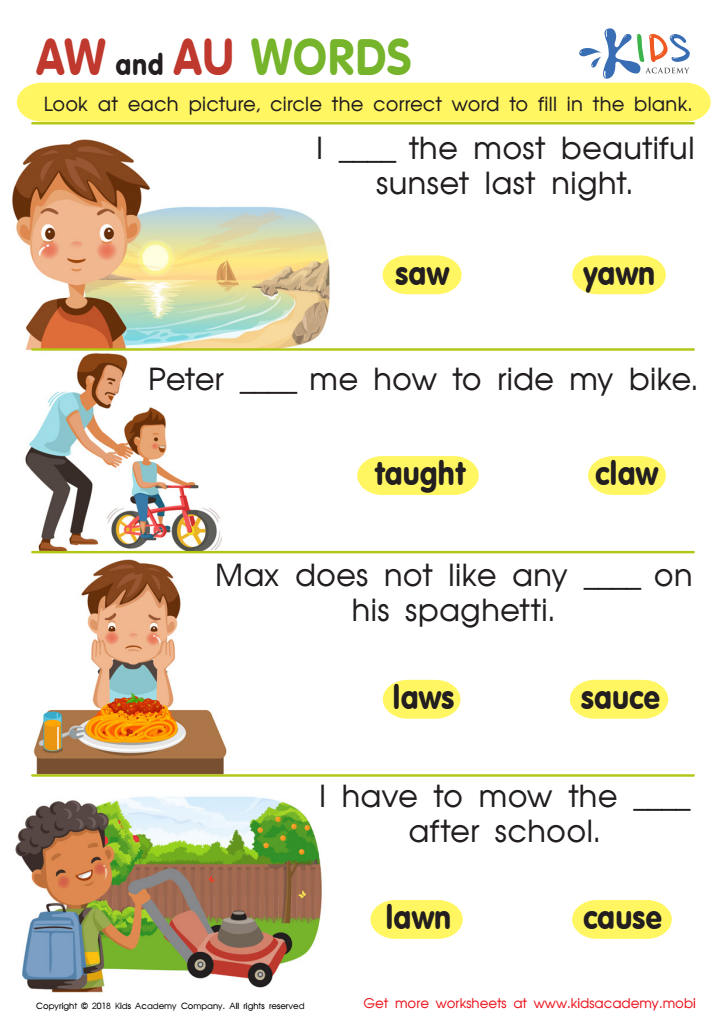
Reading: AW and AU Words Worksheet
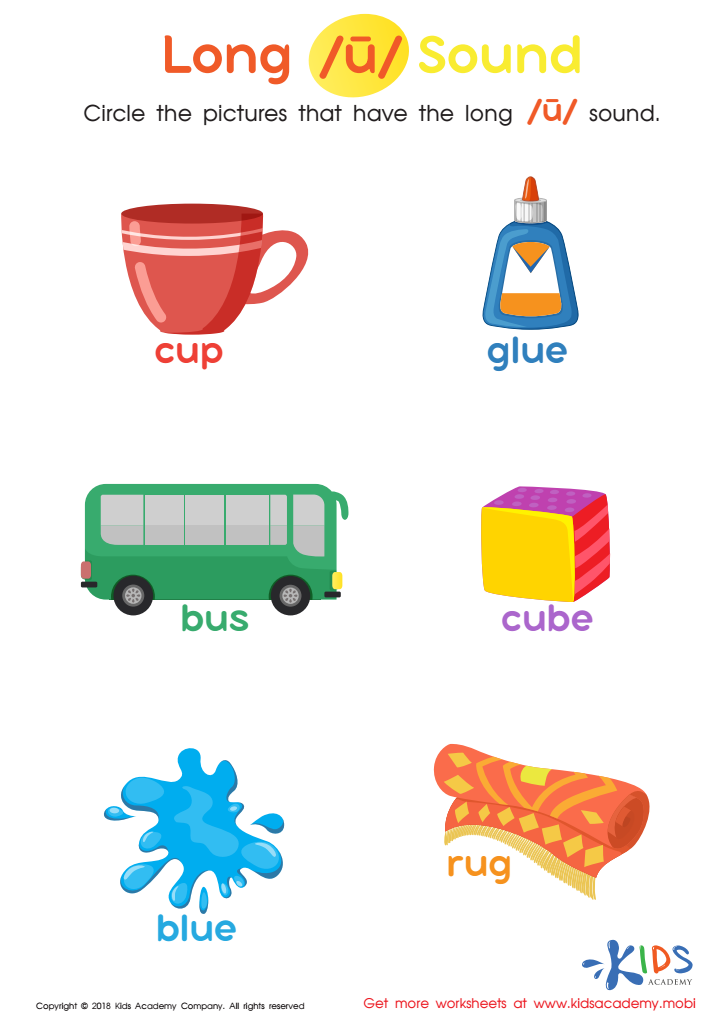
Long «u» Sound Worksheet
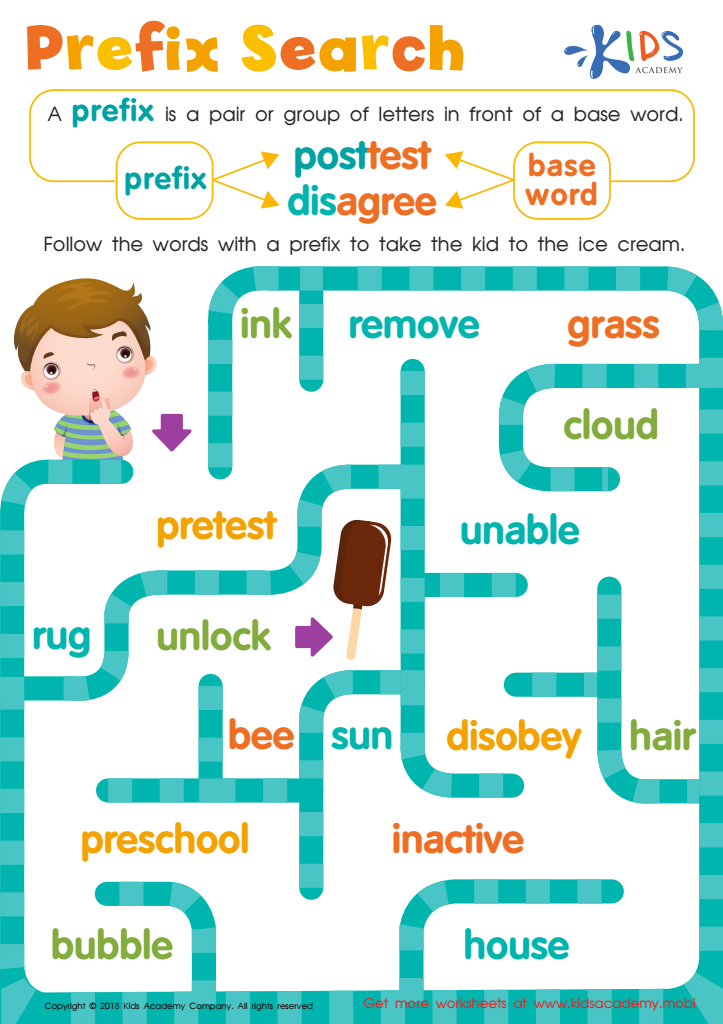
Reading: Prefix Search Worksheet
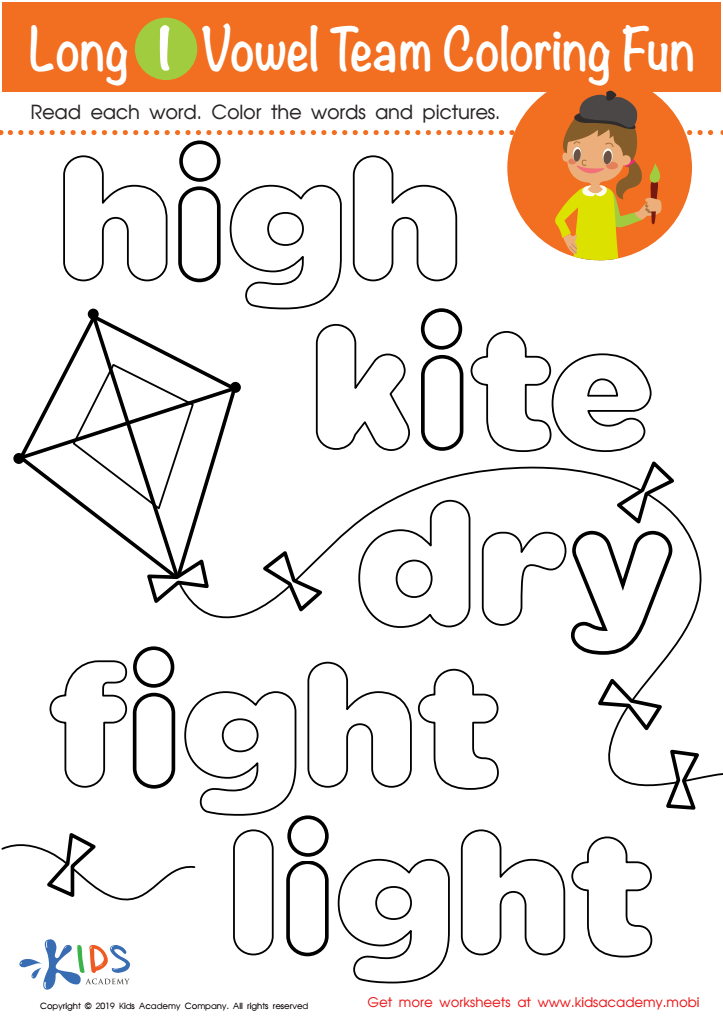
Long I Vowel Team Coloring Worksheet
 Assign to My Students
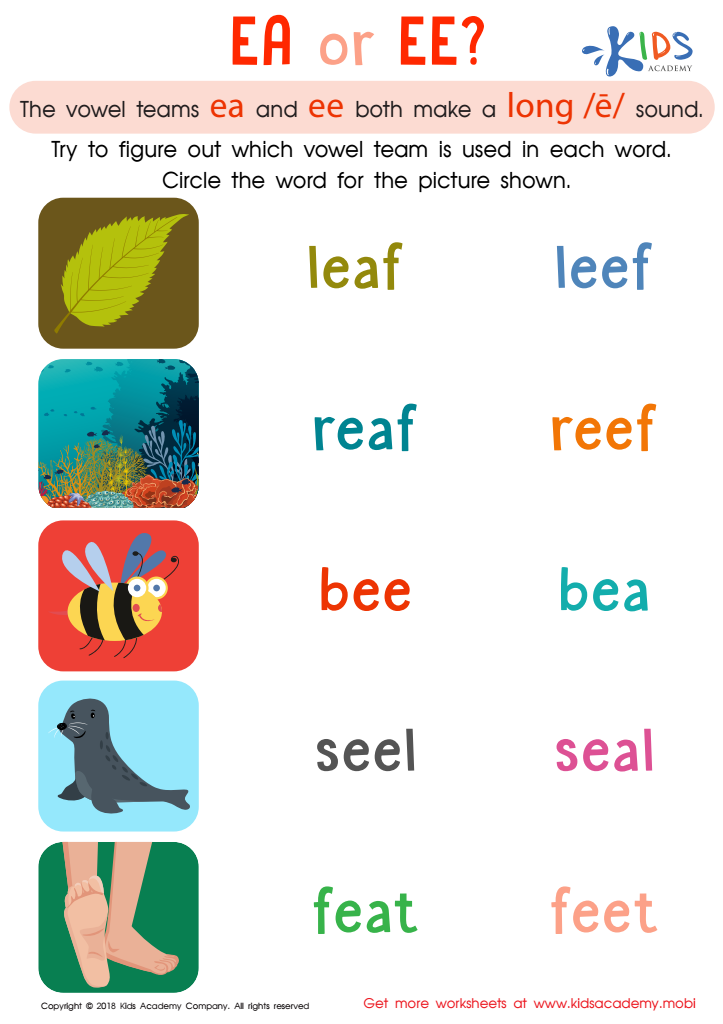
Reading: EA and EE Worksheet
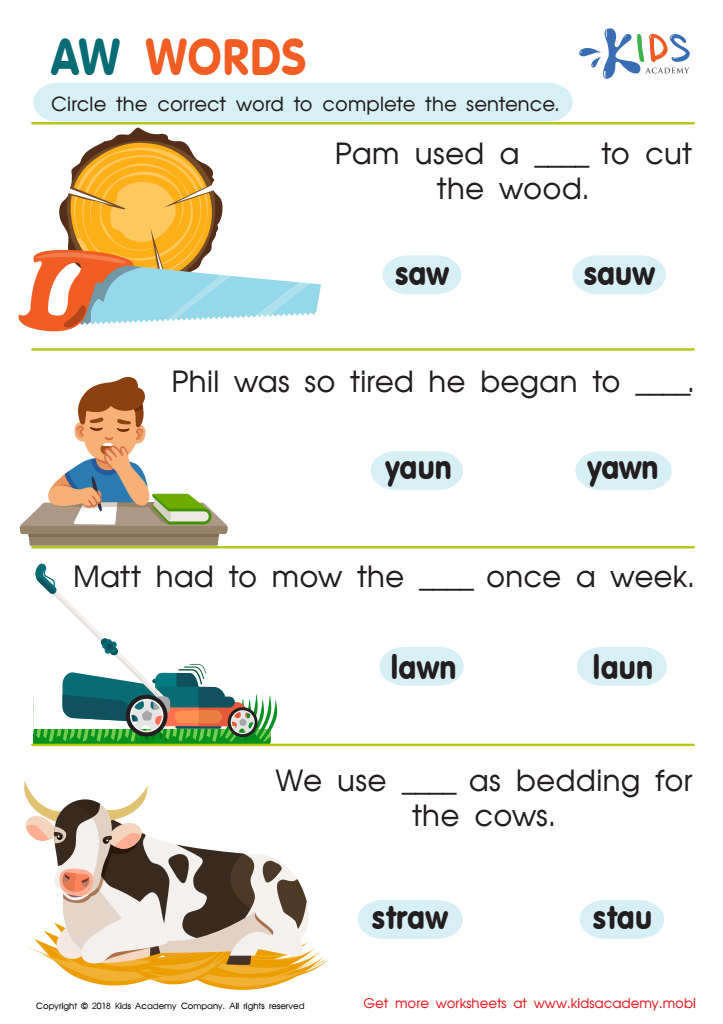
Reading: AW Words Worksheet
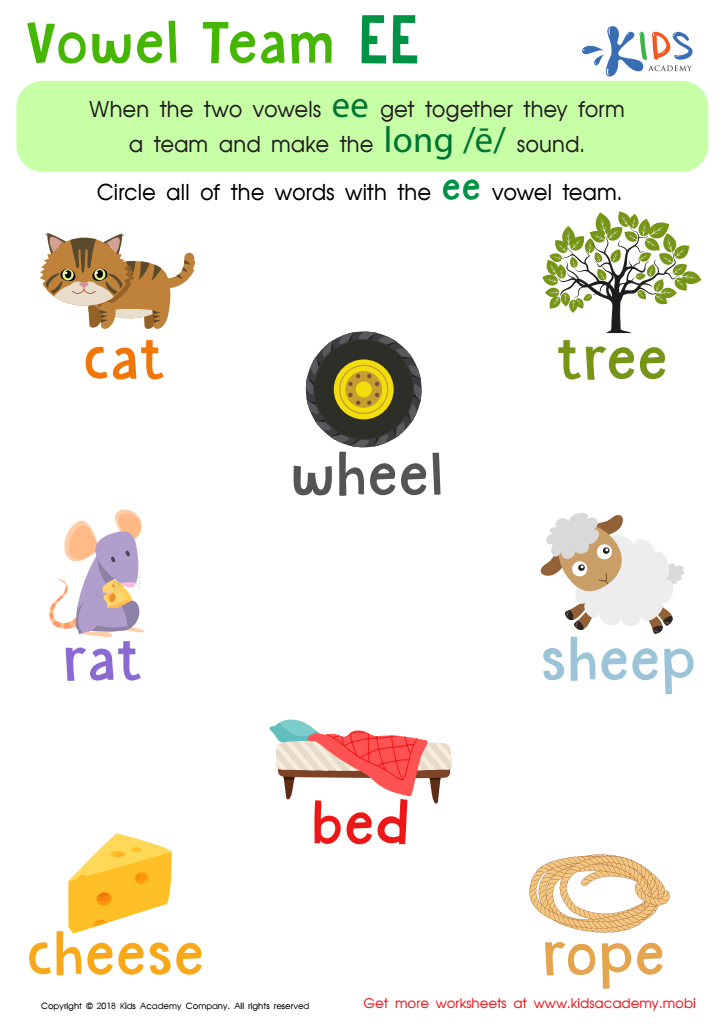
Reading: Vowel Team EE Worksheet
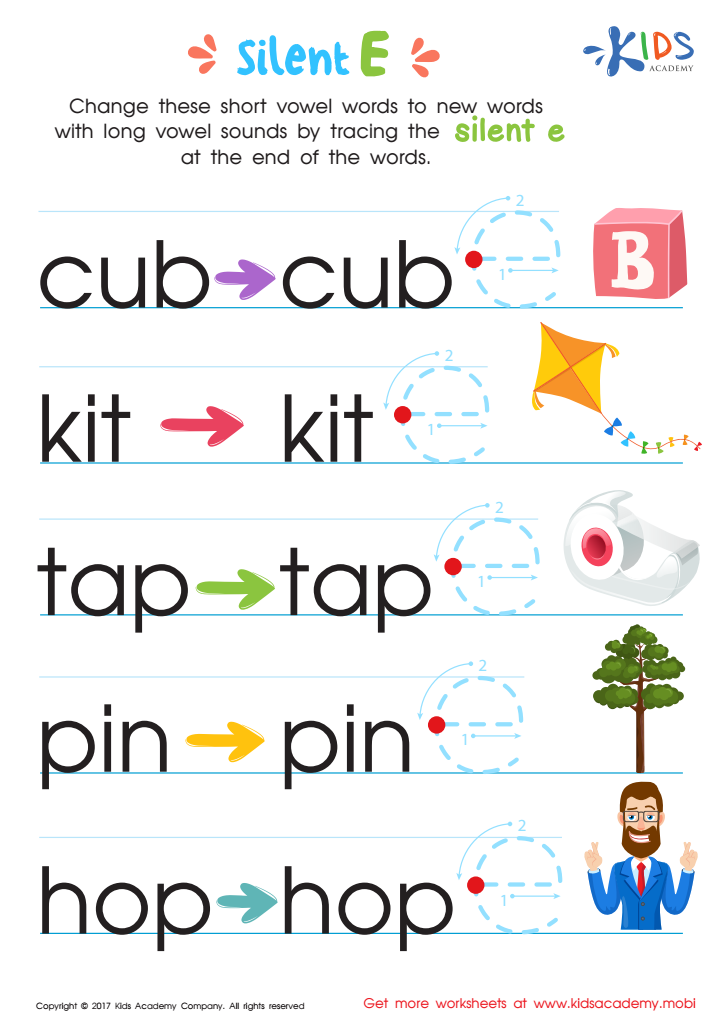
Silent E Words Worksheet
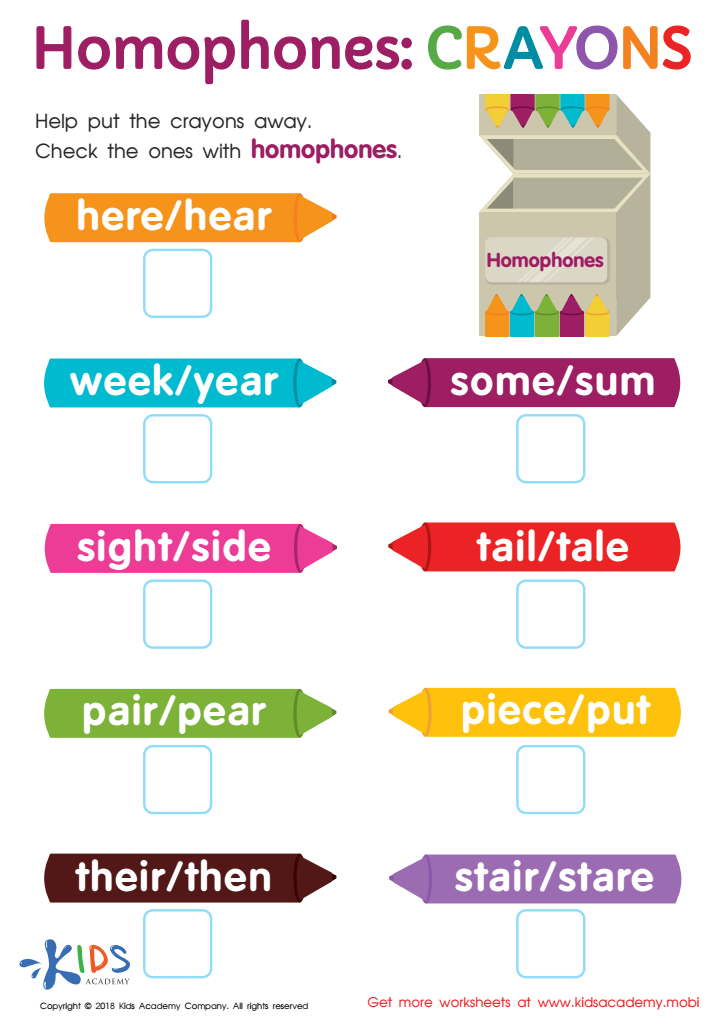
Homophones: Crayons Worksheet
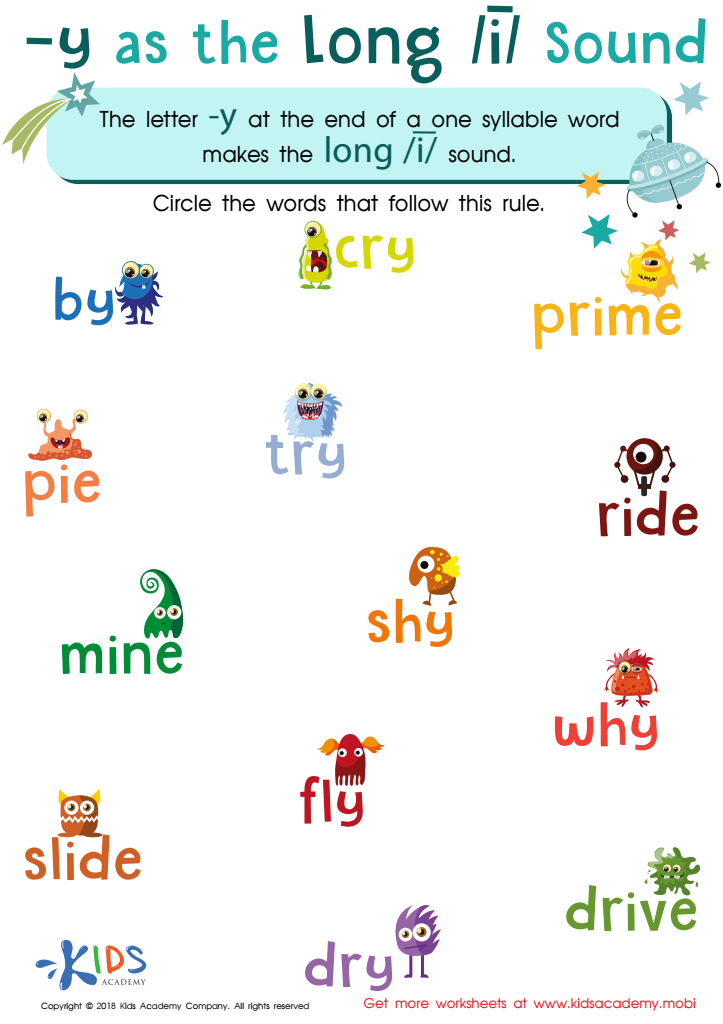
Reading: Y as Long I Worksheet
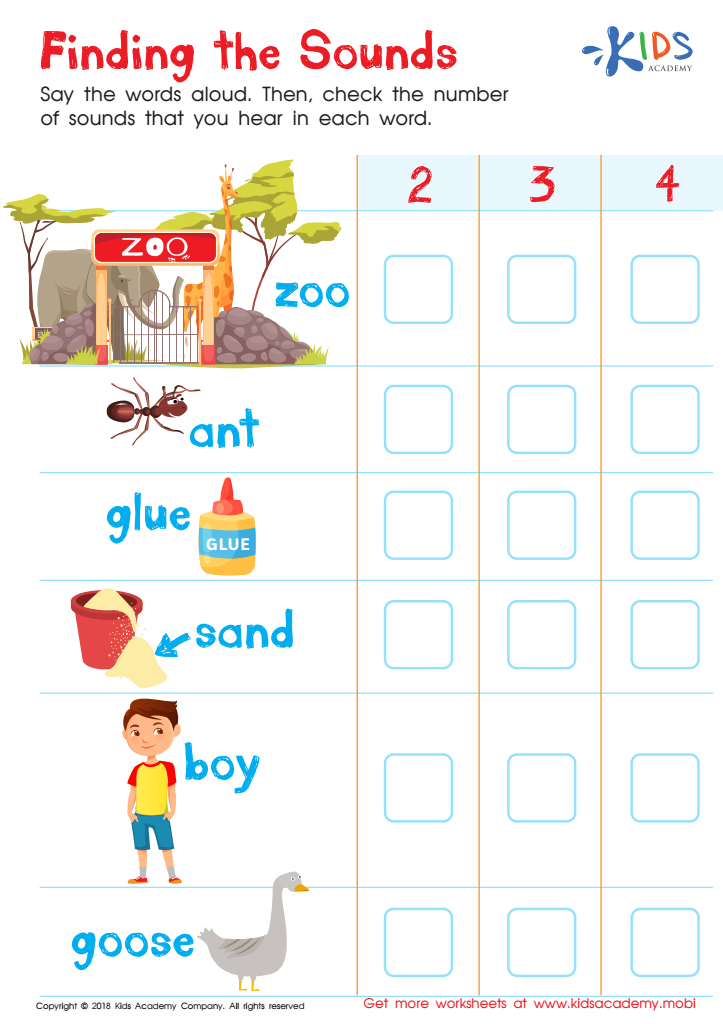
Finding the Sounds Worksheet
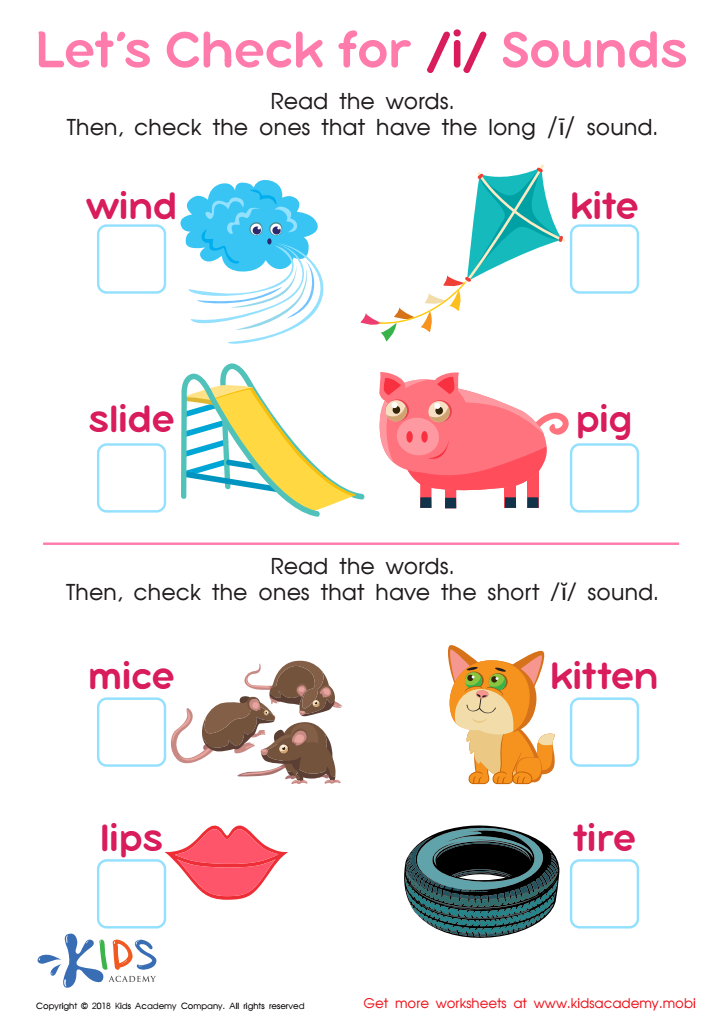
Let's Check for «i» Sounds Worksheet
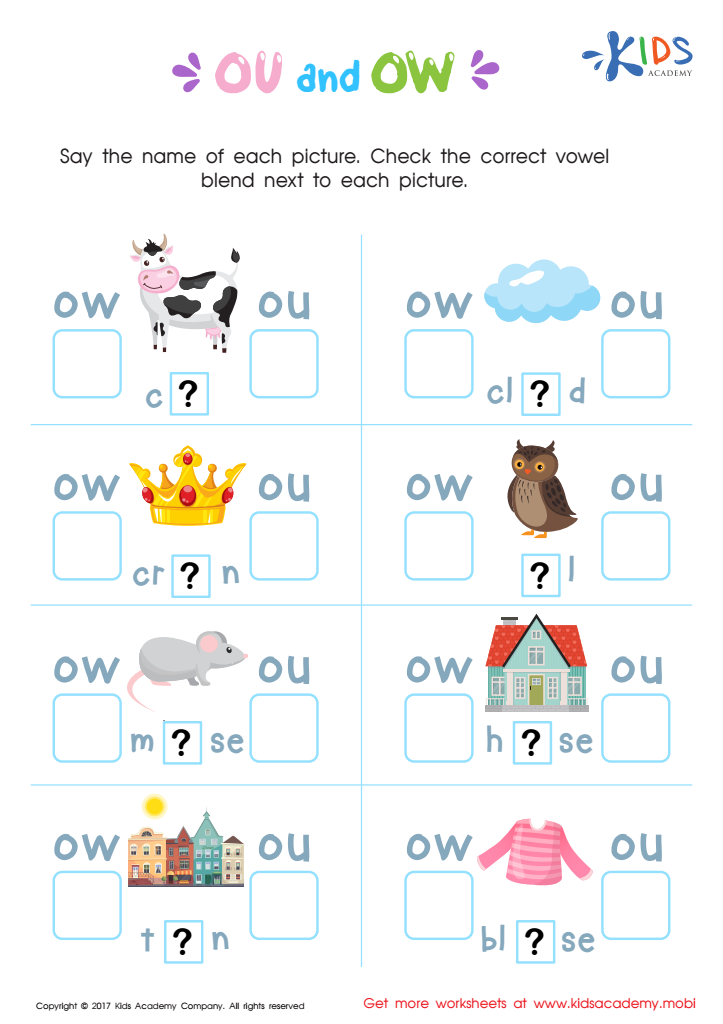
OU and OW Words Worksheet
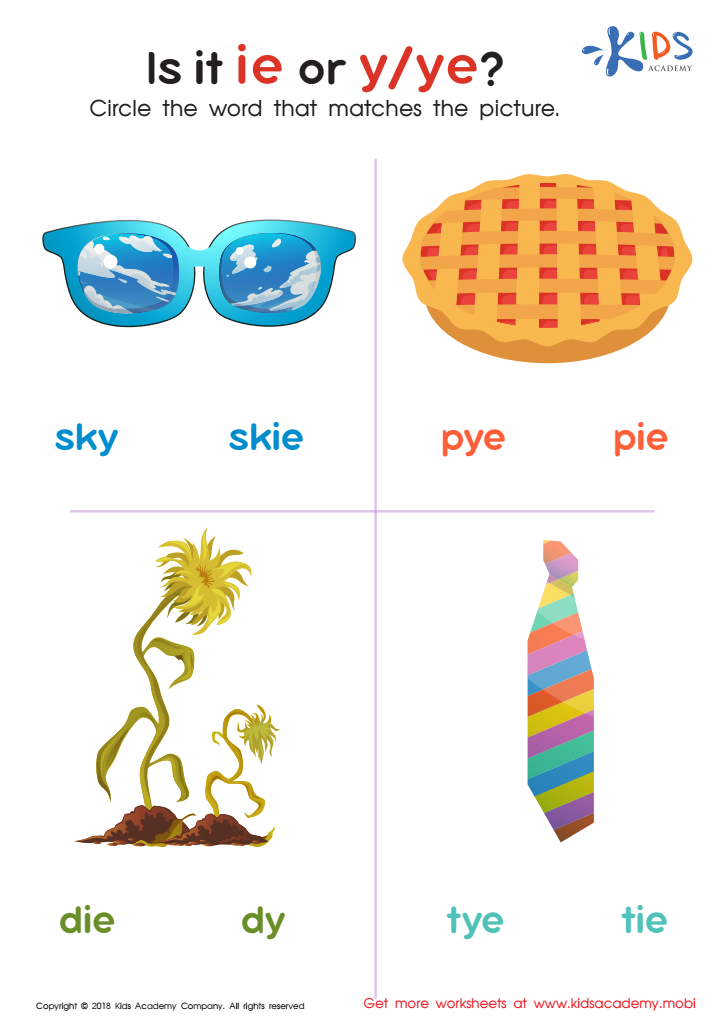
Is It IE or Y/Ye? Worksheet
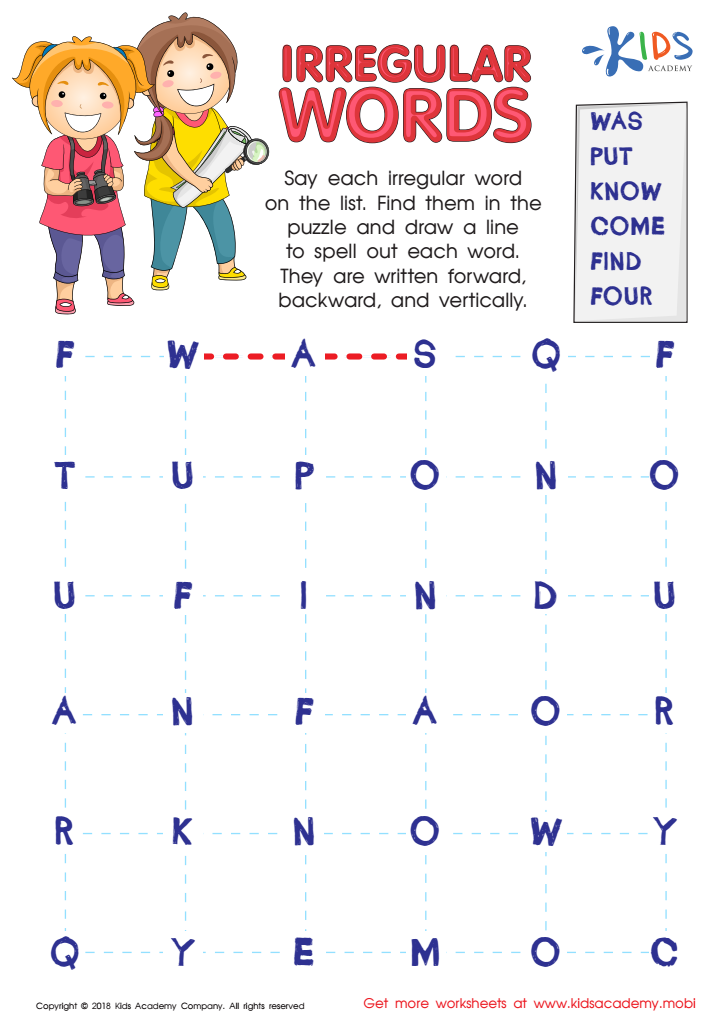
Irregular Words Worksheet
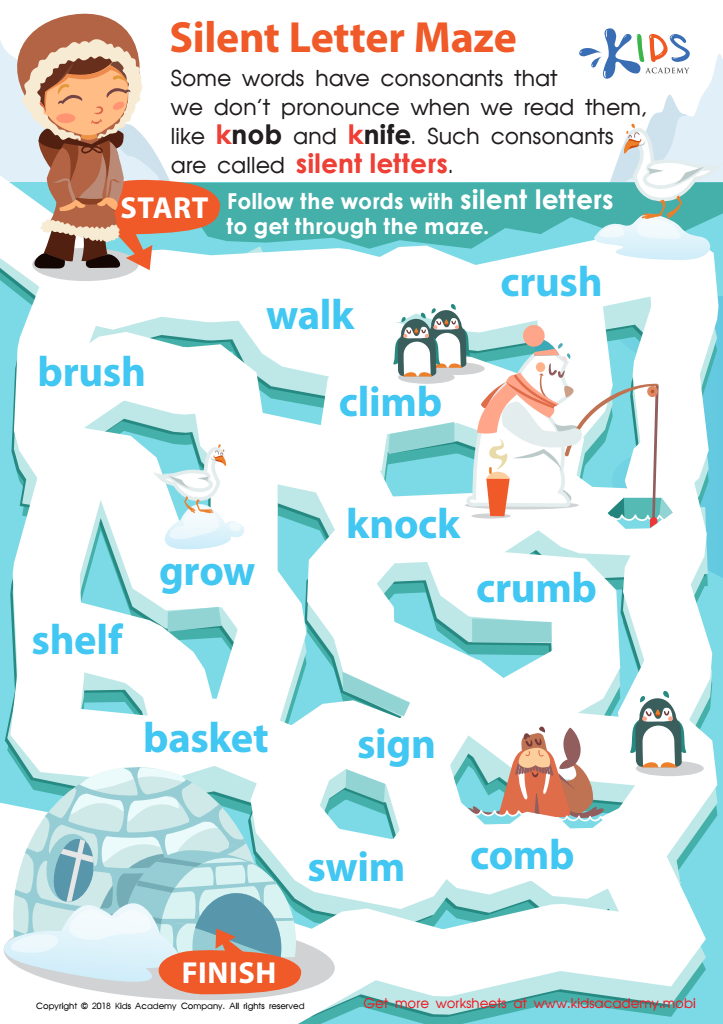
Silent Letter Maze Worksheet
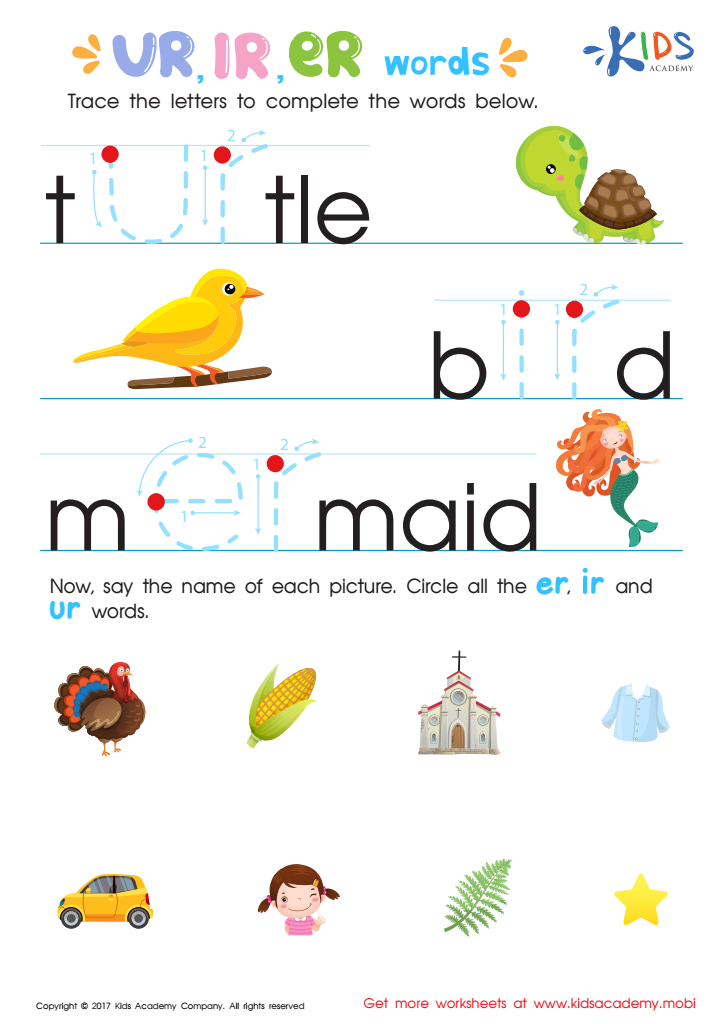
IR UR ER Words Worksheet








Spelling practice through Normal Phonics for ages 6-9 is crucial for developing foundational literacy skills. During this developmental stage, children are rapidly acquiring language, and spelling connects their phonological awareness to reading and writing. By using a structured phonics approach, educators and parents can help children recognize the relationship between sounds and letters, which reinforces sound decoding, aids comprehension, and promotes fluent reading.
Furthermore, strong spelling skills enhance children’s confidence when communicating their thoughts in writing. As they engage in interactive spelling games and exercises, they not only learn the mechanics of spelling but also expand their vocabulary, improving their overall literacy.
Additionally, spelling practice nurtures critical thinking as children explore word patterns and rules, fostering a love for language. Consistent phonics practice provides the necessary repetition and reinforcement, ensuring mastery over time.
For teachers and parents, investing time in spelling practice using Normal Phonics techniques can yield significant long-term benefits, leading to better academic outcomes. Moreover, as children develop proficient spelling skills, they become more self-sufficient learners, contributing to their intellectual and emotional growth. Therefore, prioritizing spelling practice is essential for empowering young learners.







