Developing analytical skills Normal Worksheets for Ages 6-9
10 filtered results
-
From - To
Unlock your child's potential with our "Developing Analytical Skills" worksheets designed specifically for children aged 6-9. These engaging and interactive activities promote critical thinking and problem-solving abilities, essential for academic success. Our worksheets challenge kids to analyze information, recognize patterns, and draw logical conclusions, all while making learning fun! Perfect for home or classroom use, these materials provide a structured approach to building foundational skills in reading comprehension, mathematics, and reasoning. Foster your child’s confidence and curiosity as they navigate through exciting tasks that boost their analytical prowess. Start nurturing their cognitive development today!
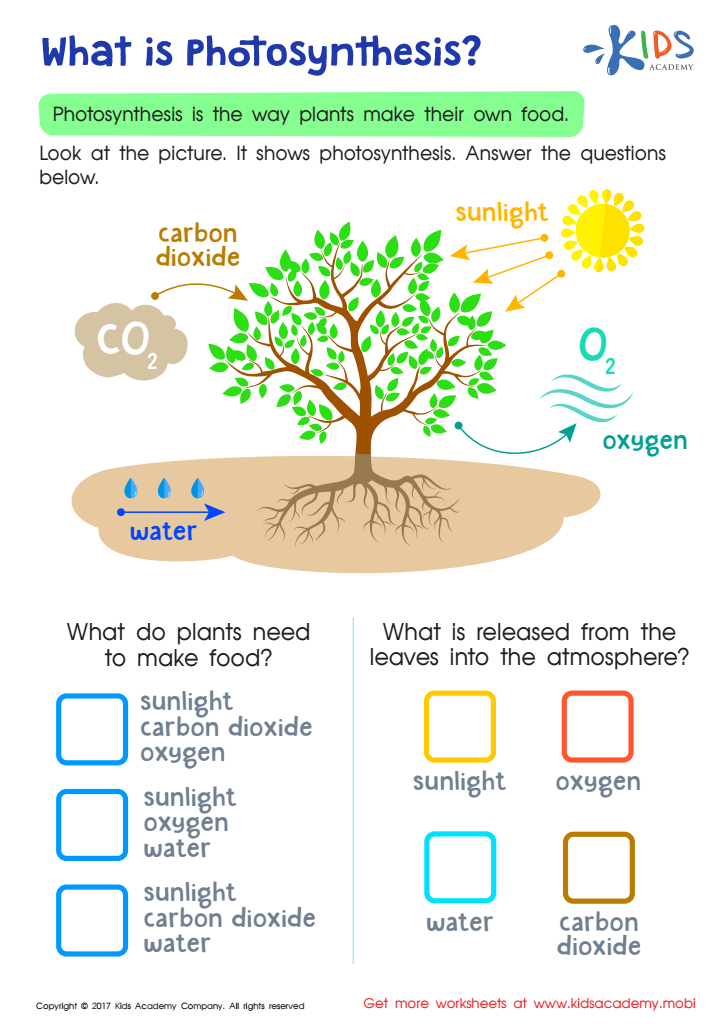
What is Photosynthesis Printable
 Assign to My Students

Author's Purpose Worksheet
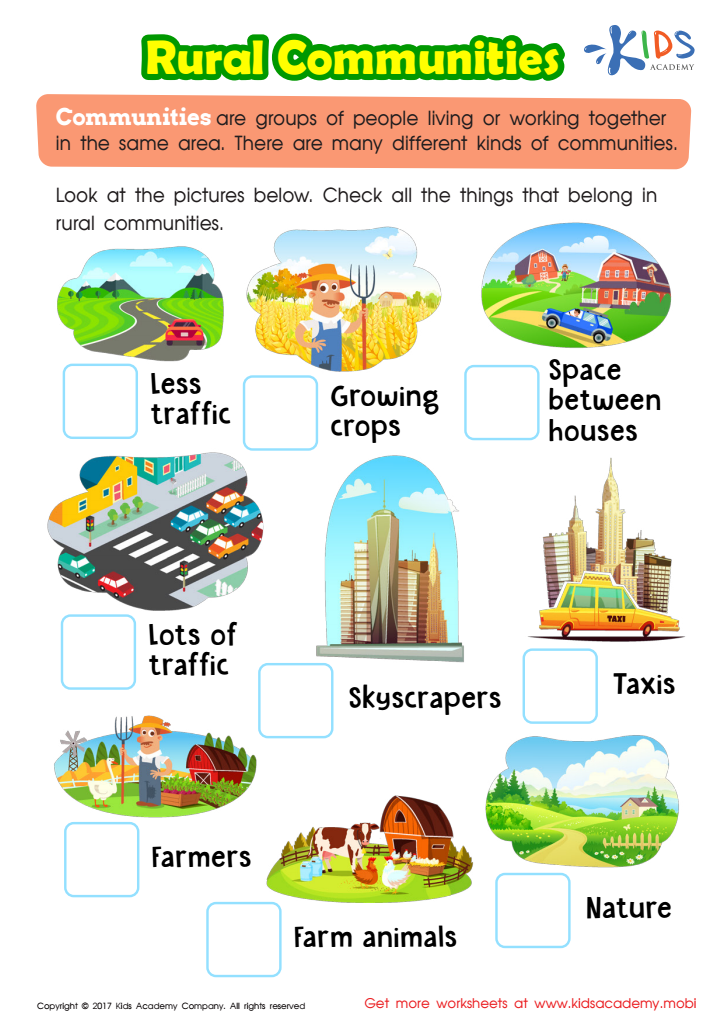
Rural Communities Printable

What Needs Electricity Printable
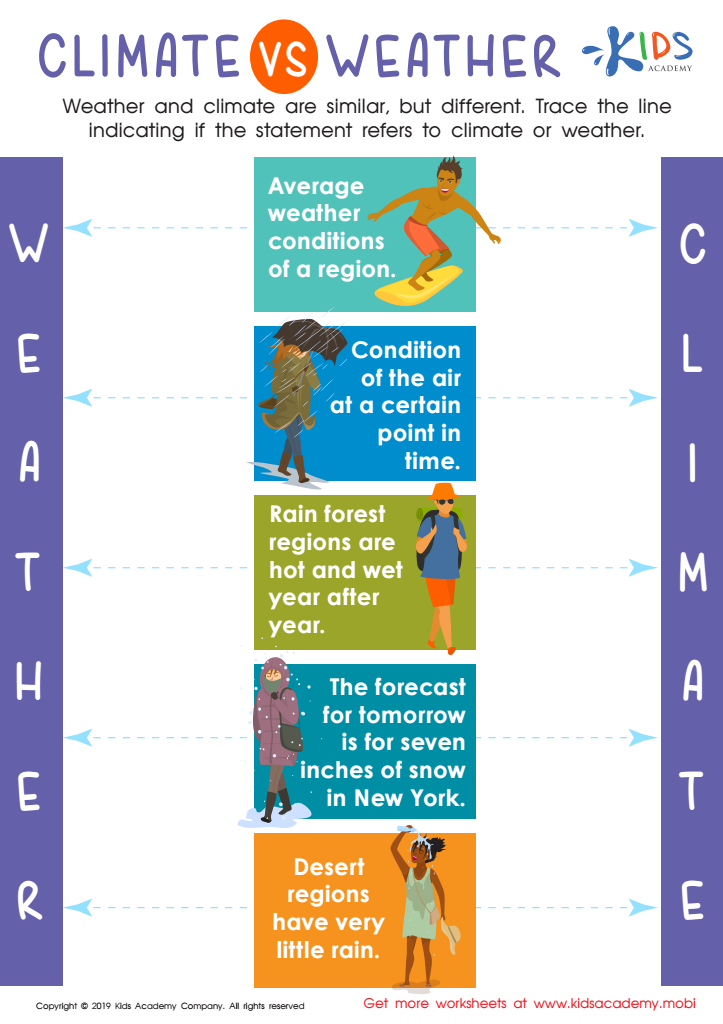
Climate vs Weather Worksheet

Story Structure Worksheet
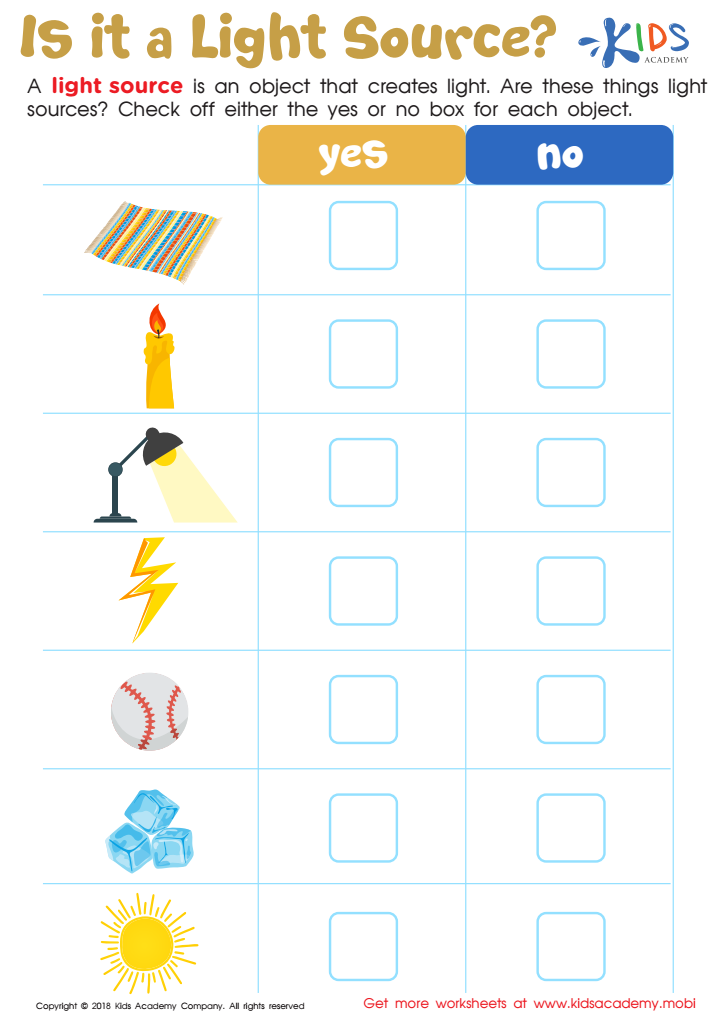
Is It a Light Source? Worksheet
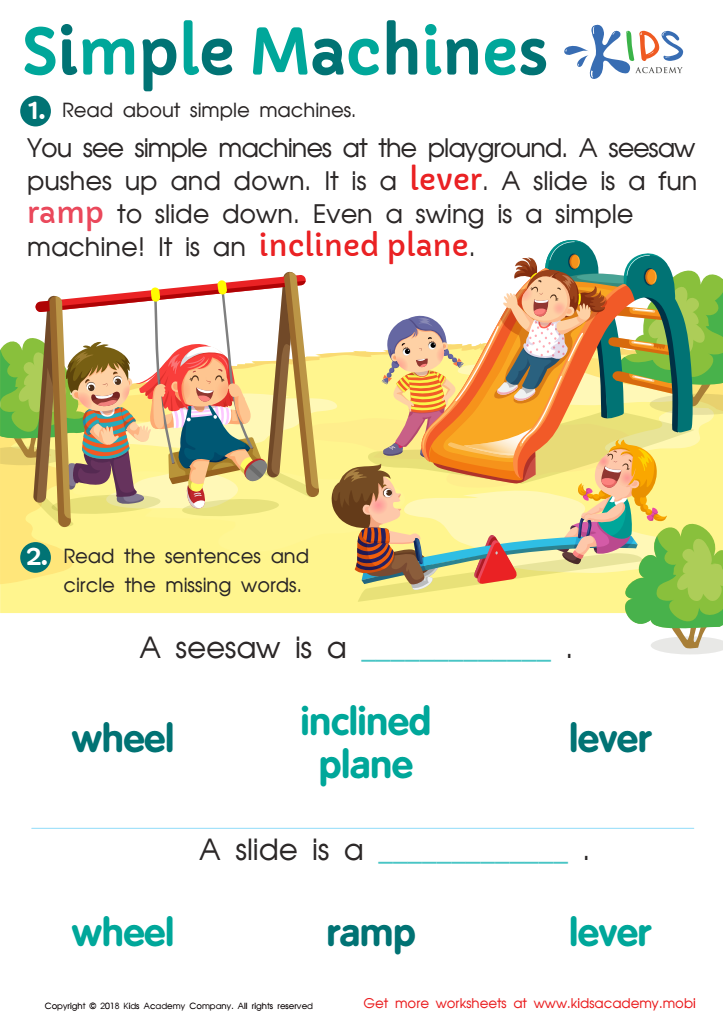
Simple Machines Worksheet
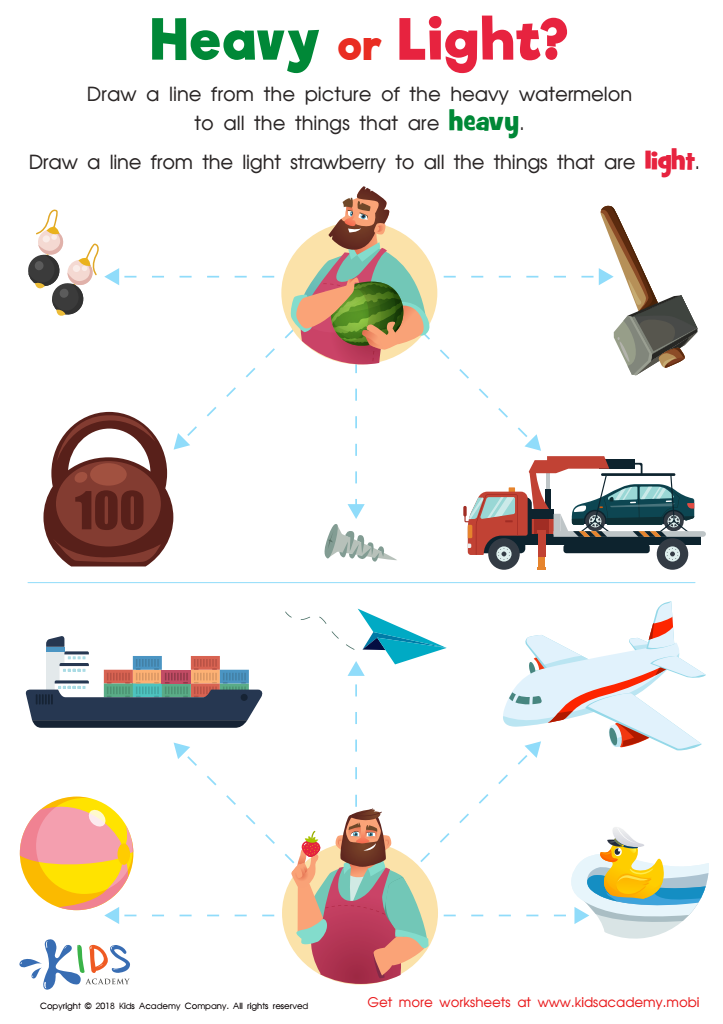
Heavy or Light? Worksheet

How Light Travels Worksheet








Developing analytical skills in children aged 6-9 is crucial as it lays the foundation for critical thinking and problem-solving abilities they will rely on throughout their lives. At this stage, children are naturally curious and eager to learn, making it an ideal time to introduce them to analytical thinking through engaging activities.
Parents and teachers should care about fostering these skills because analytical thinking promotes independence and confidence. It encourages children to ask questions, evaluate information, and make informed decisions, empowering them to navigate their environment effectively. Furthermore, strong analytical skills enhance academic performance across subjects, particularly in math and science, where problem-solving is essential.
Equipping children with these skills also prepares them for future challenges in an increasingly complex world. In everyday situations, children can learn to break down problems into manageable parts, assess alternative solutions, and draw logical conclusions. This ability translates into better resilience when facing difficulties, as they feel more capable of overcoming obstacles. Ultimately, emphasizing analytical skills not only enhances children's cognitive development but also fosters a lifelong love for learning, making it a priority for parents and educators alike.








