Letter recognition Normal Worksheets for Ages 6-9
55 filtered results
-
From - To
Enhance your child's reading skills with our "Letter Recognition Normal Worksheets for Ages 6-9." These engaging activities are designed to help young learners master the alphabet, matching letters to sounds, and recognizing letters in different contexts. Each worksheet focuses on building a strong foundation in letter recognition through fun and interactive exercises that capture children's attention. Perfect for both classroom and at-home learning, our expertly crafted worksheets ensure your child remains motivated and confident in their journey to reading proficiency. Explore our collection to provide educational support tailored to kids aged 6-9.
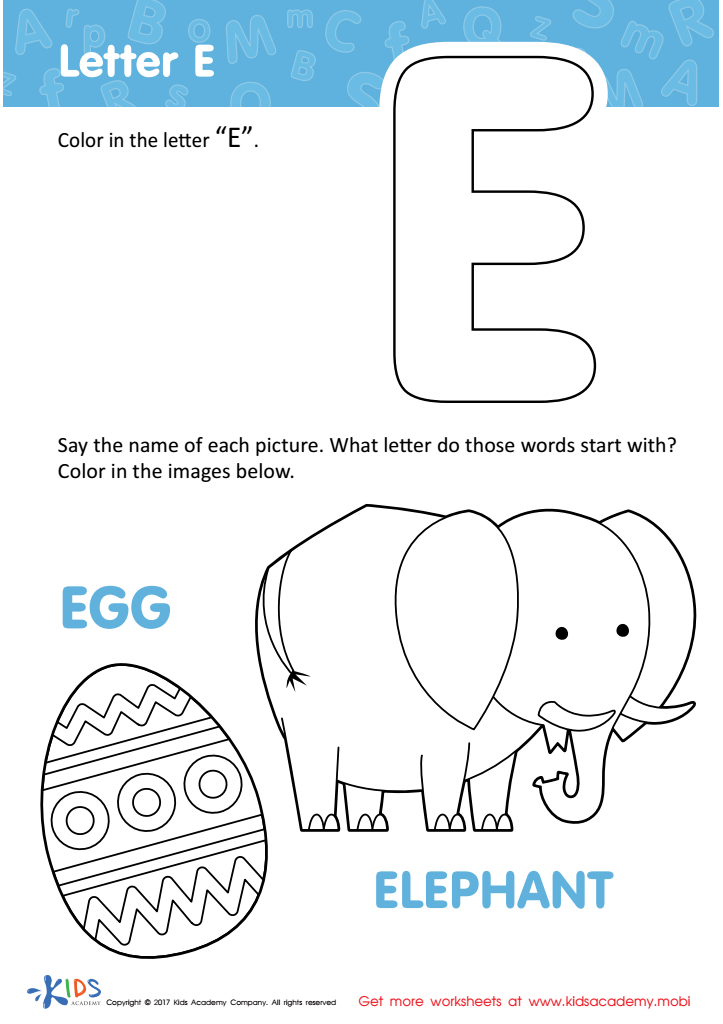
Letter E Coloring Sheet
 Assign to My Students
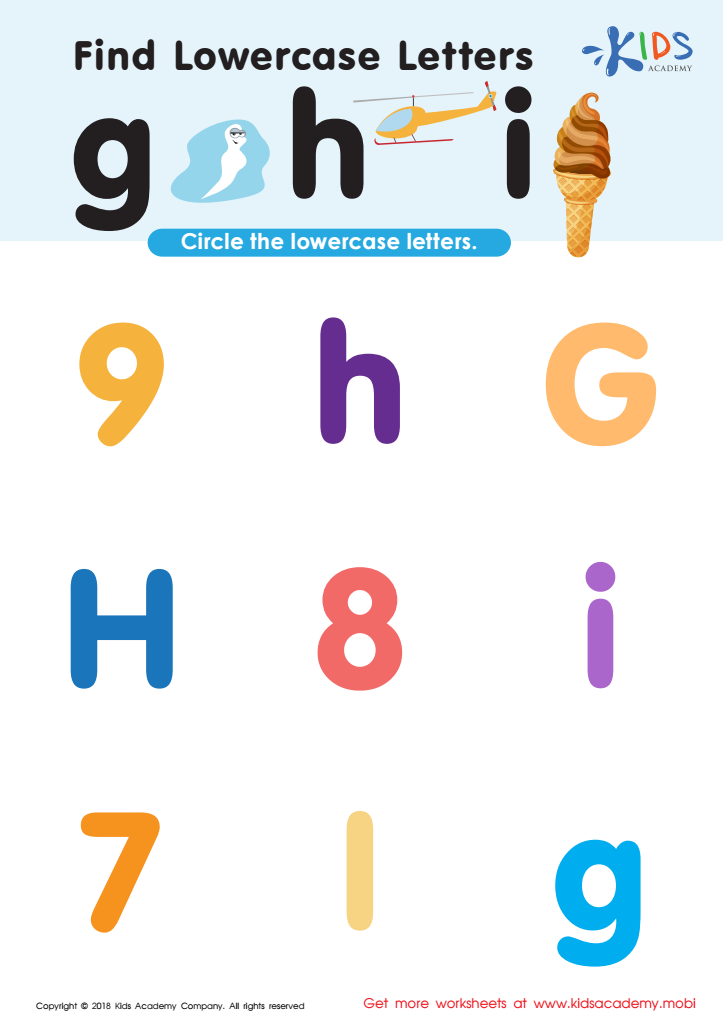
Find Lowercase Letters g h i Worksheet
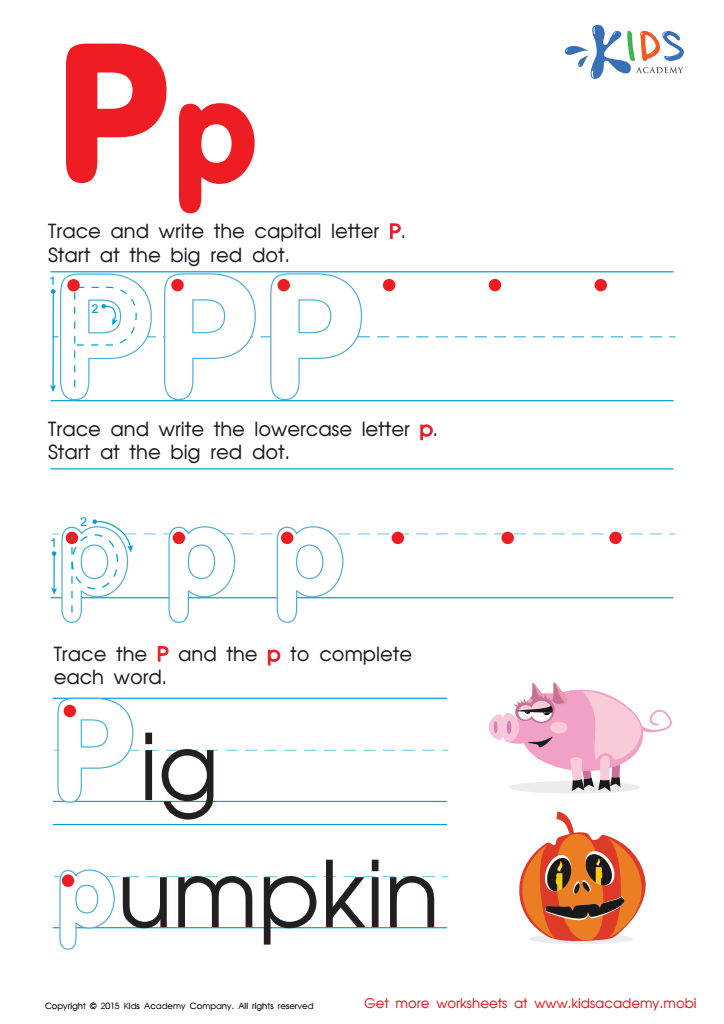
Letter P Tracing Page
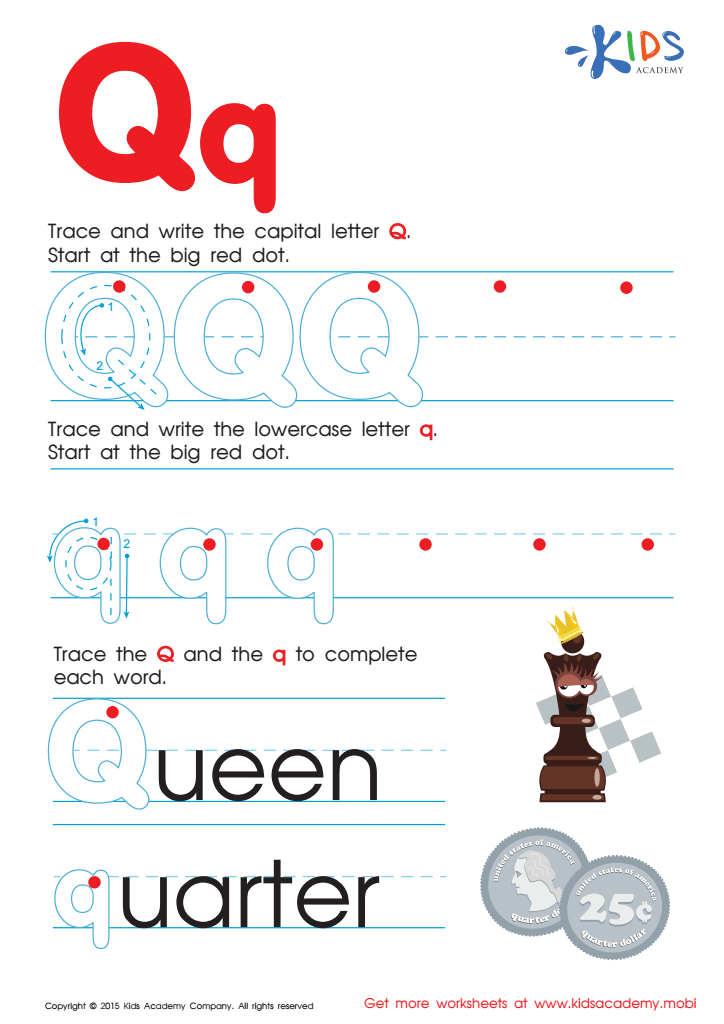
Letter Q Tracing Page
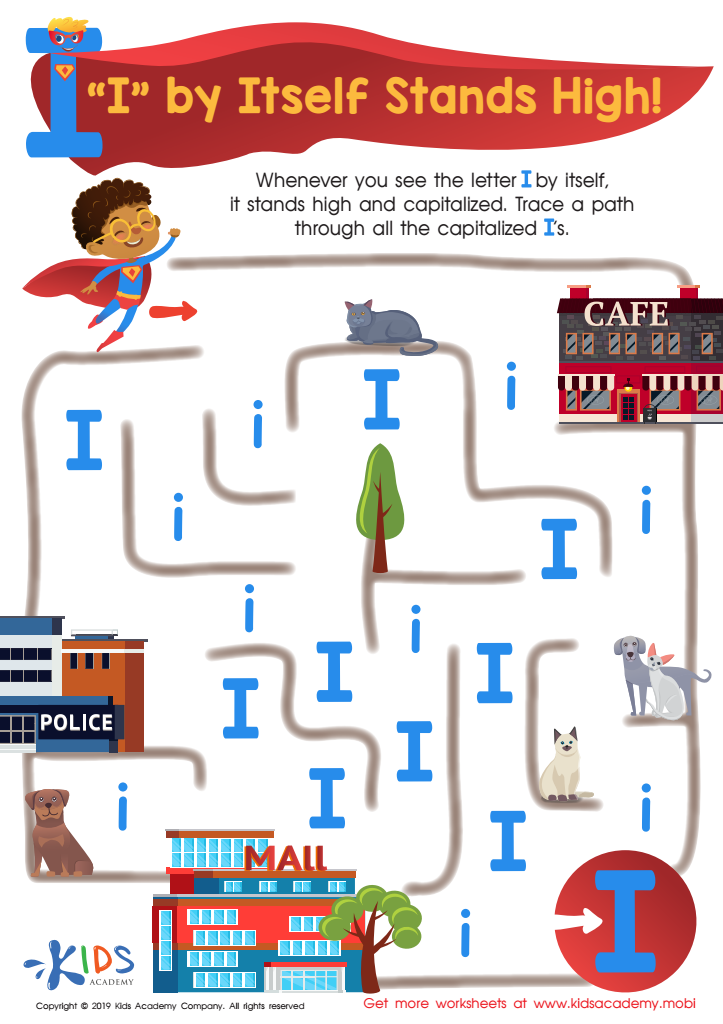
I Stands High Worksheet
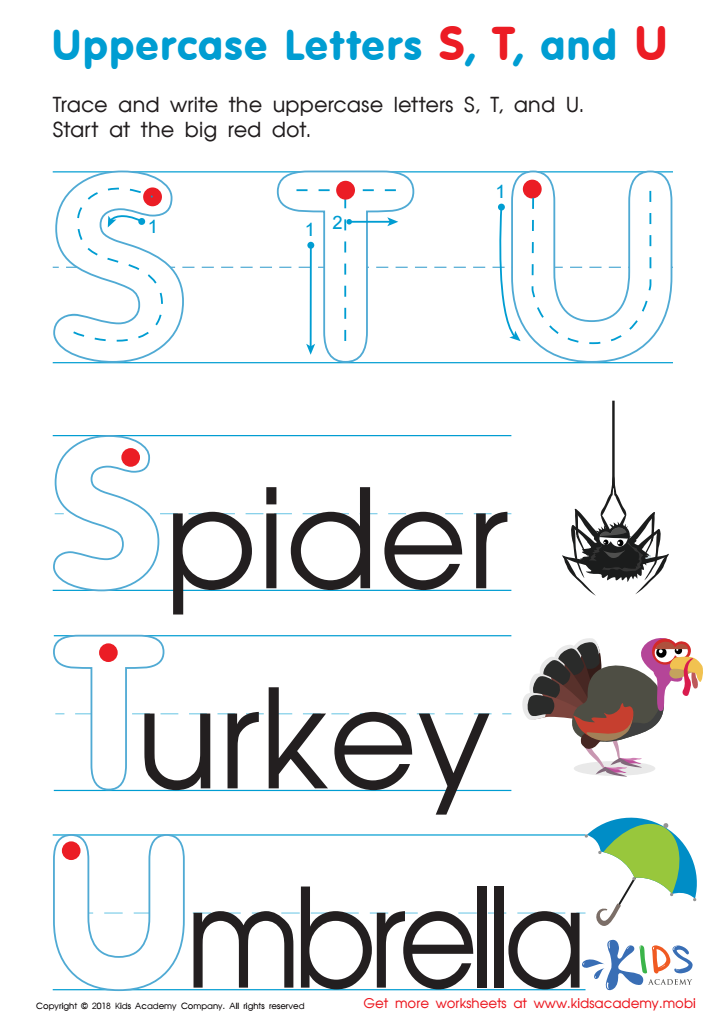
Uppercase Letters S, T, and U Worksheet
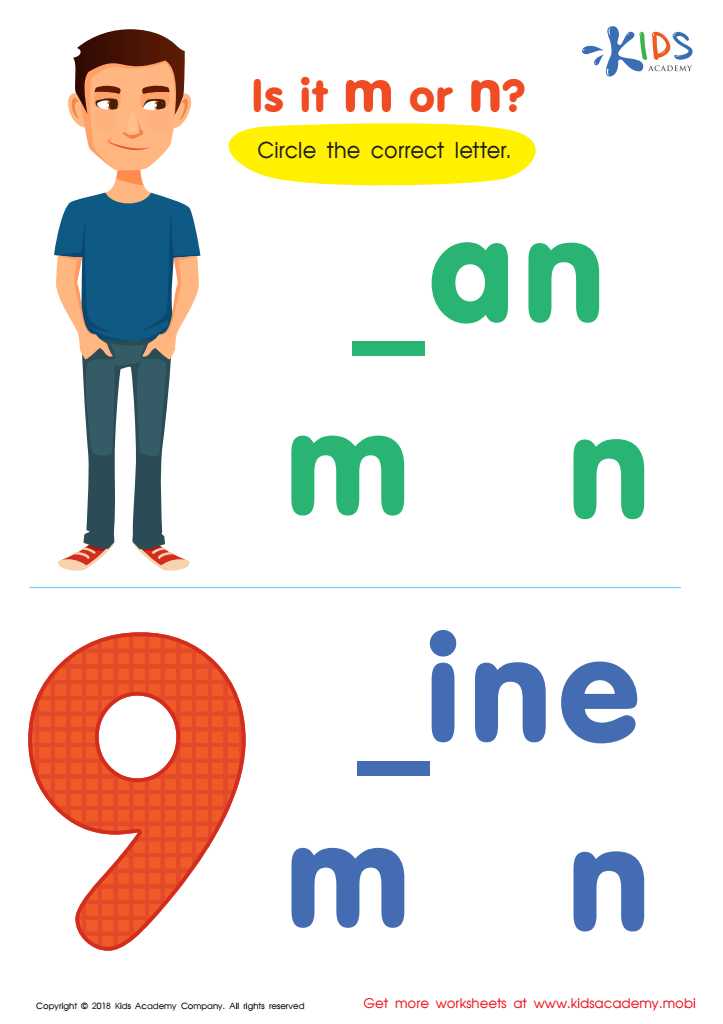
Is It m or n? Worksheet
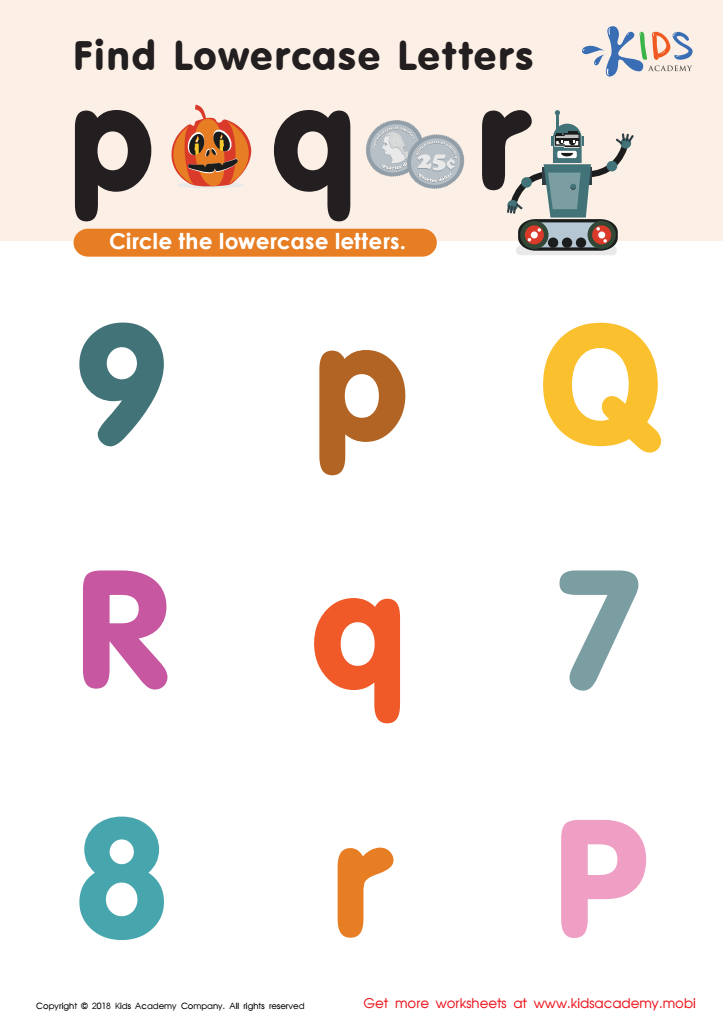
Find lowercase Letters p q r Worksheet
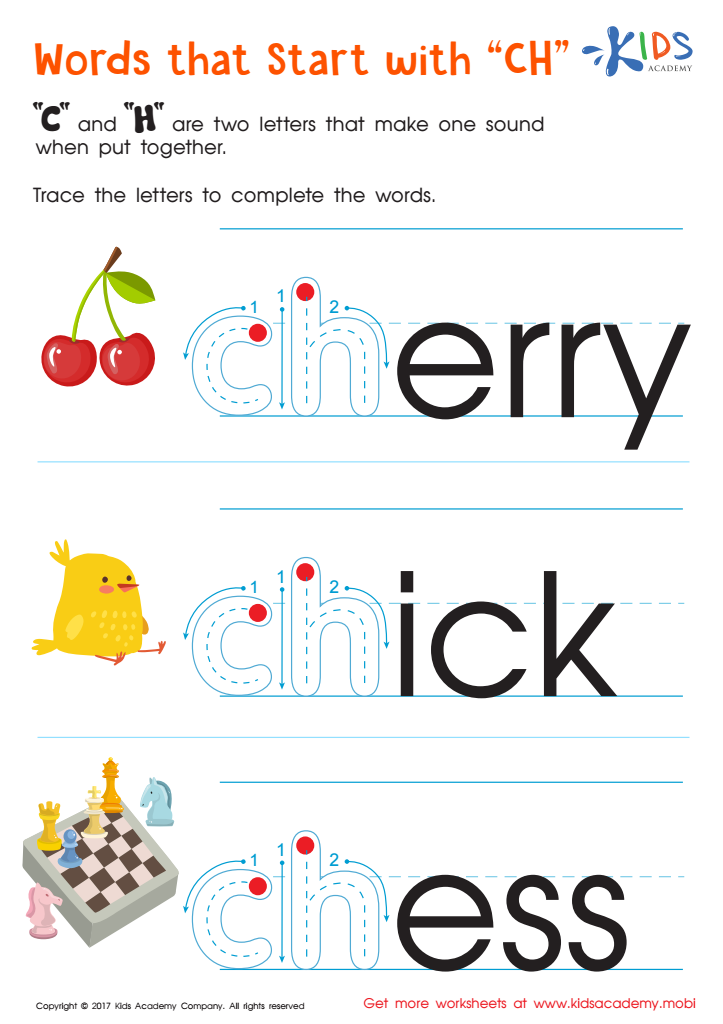
Words That Start with "ch" Spelling Worksheet
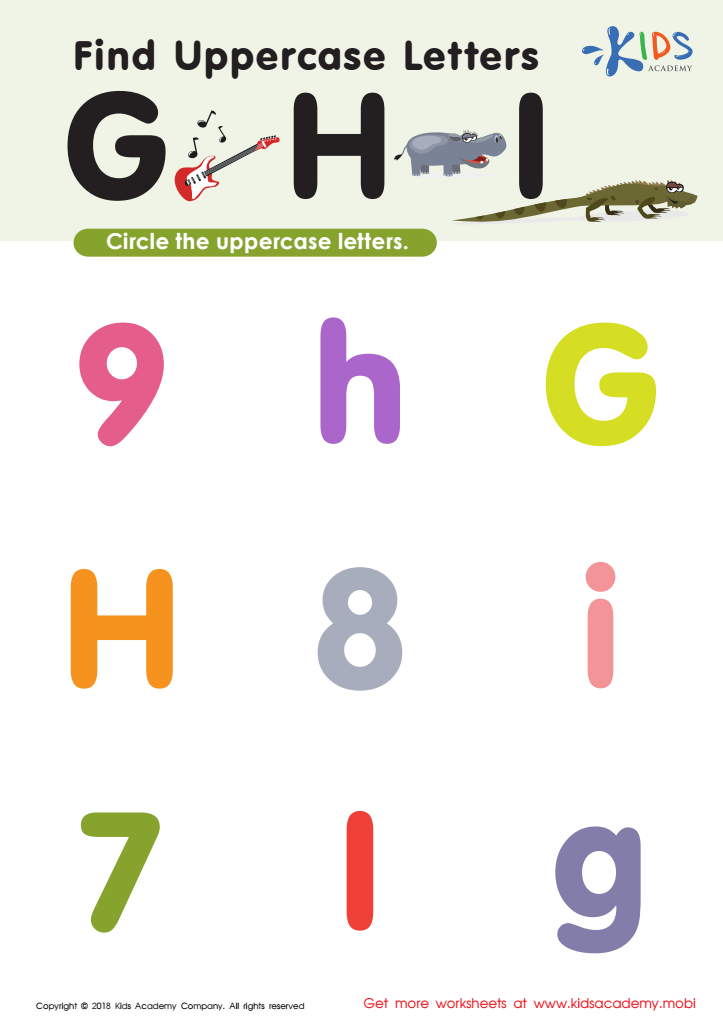
Find Uppercase Letters G, H, and I Worksheet
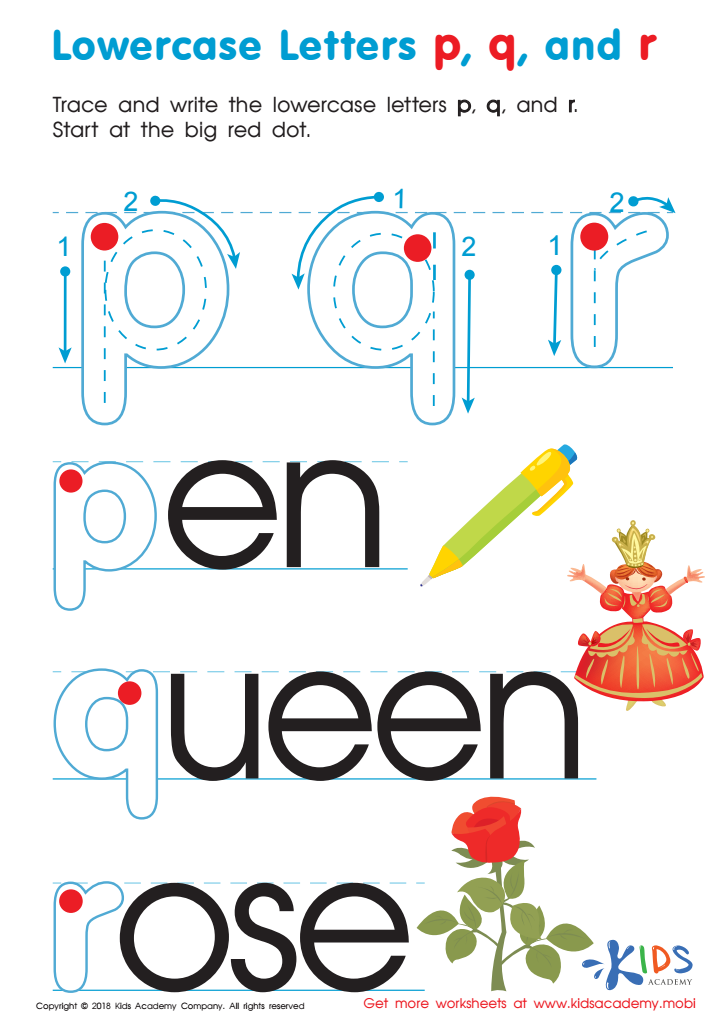
Lowercase Letters p q r Worksheet
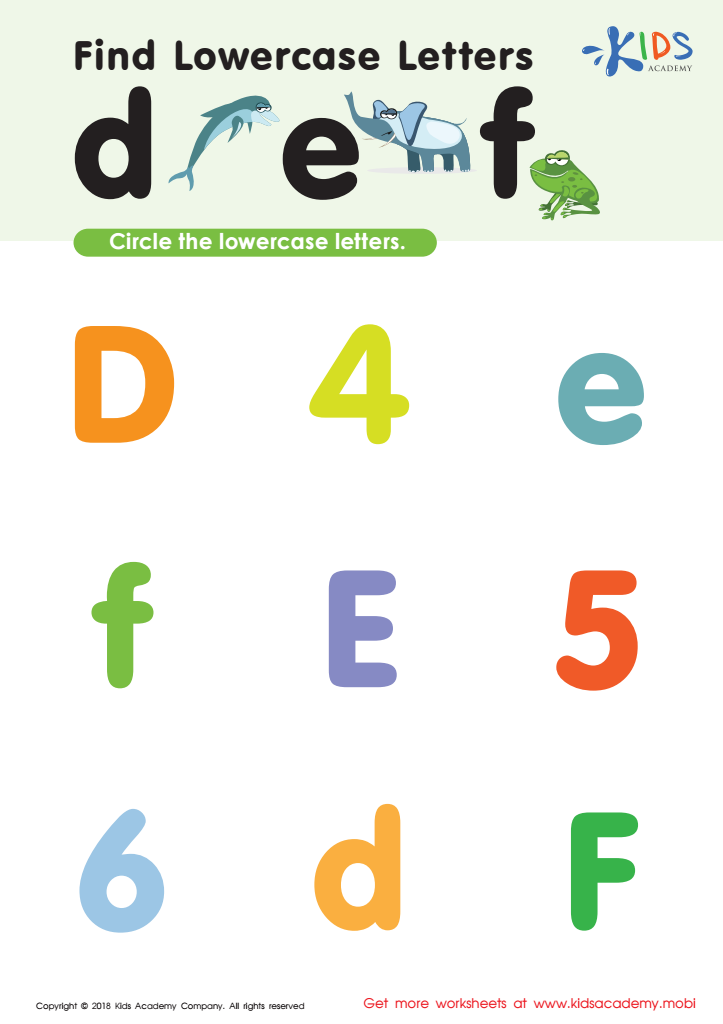
Find Lowercase Letters d e f Worksheet
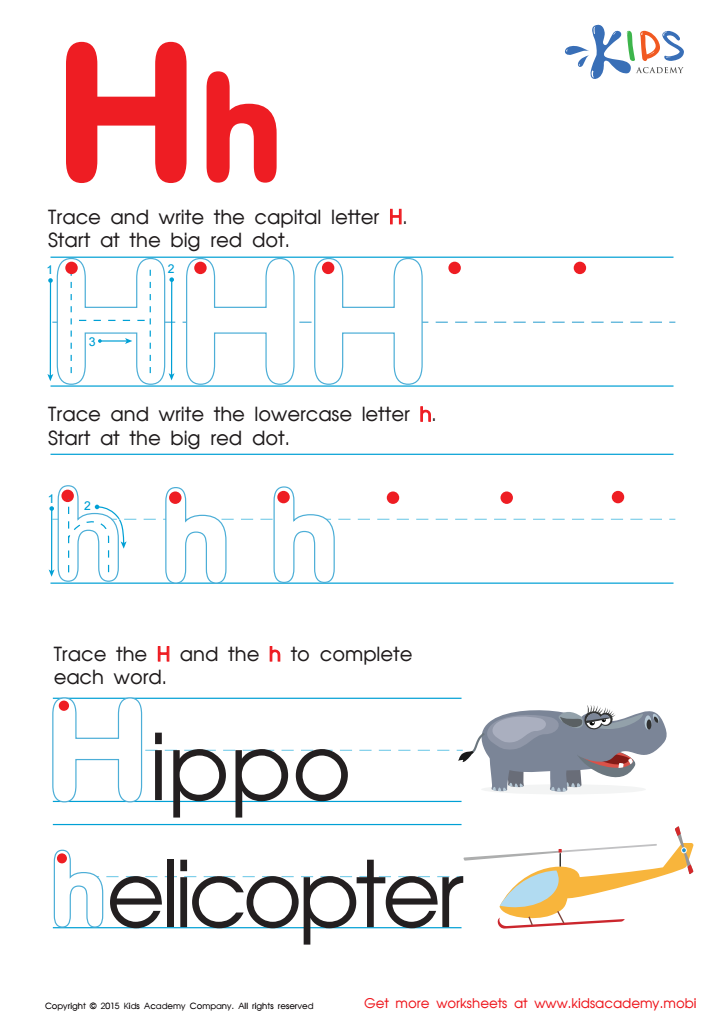
Letter H Tracing Page
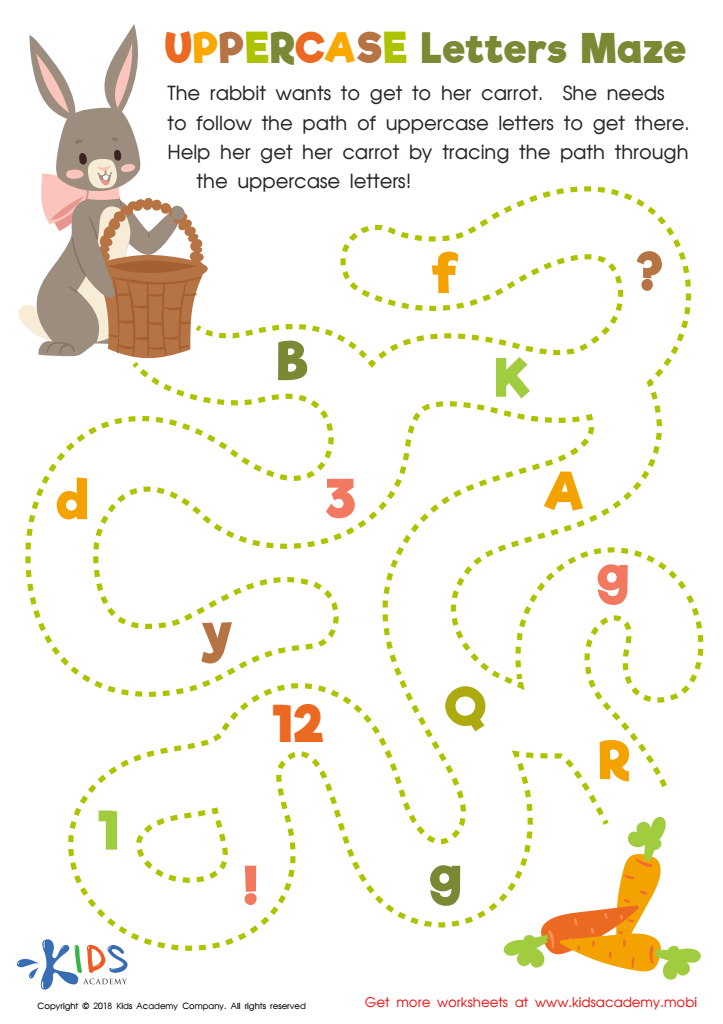
Uppercase Letters Maze Worksheet
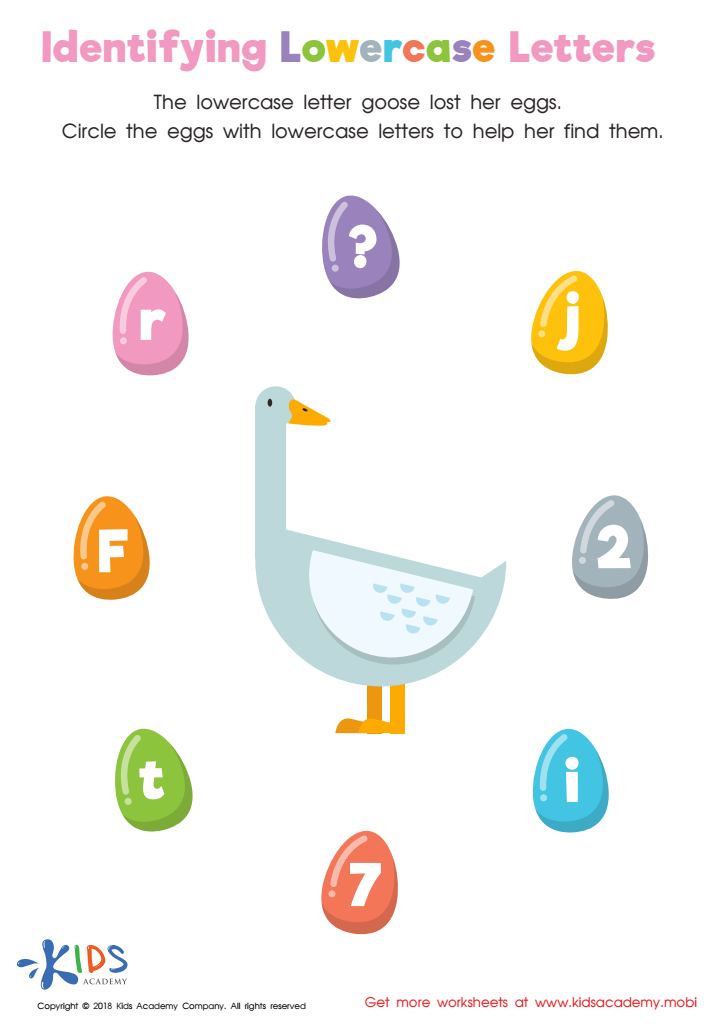
Identifying Lowercase Letters Worksheet
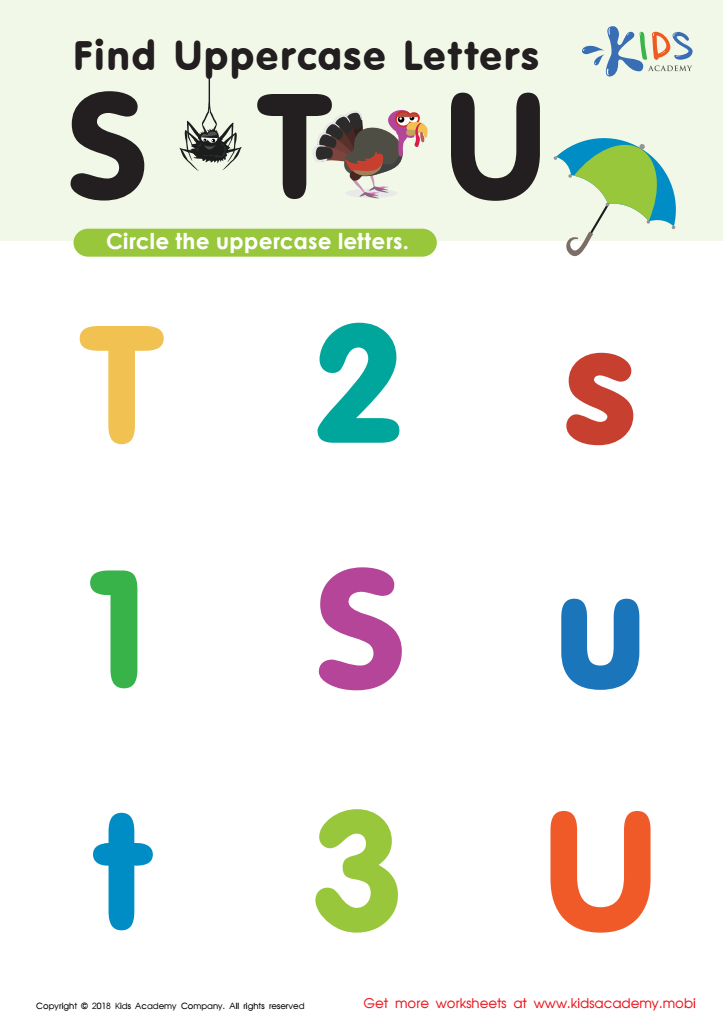
Find Uppercase Letters Worksheet
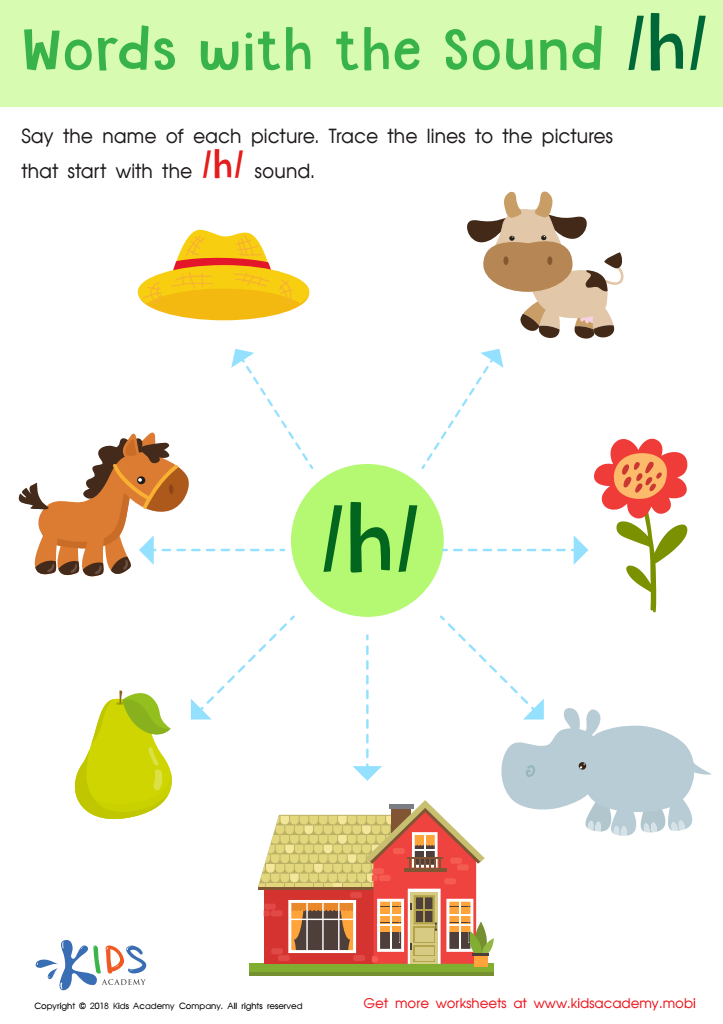
Words with sound h Reading Worksheet
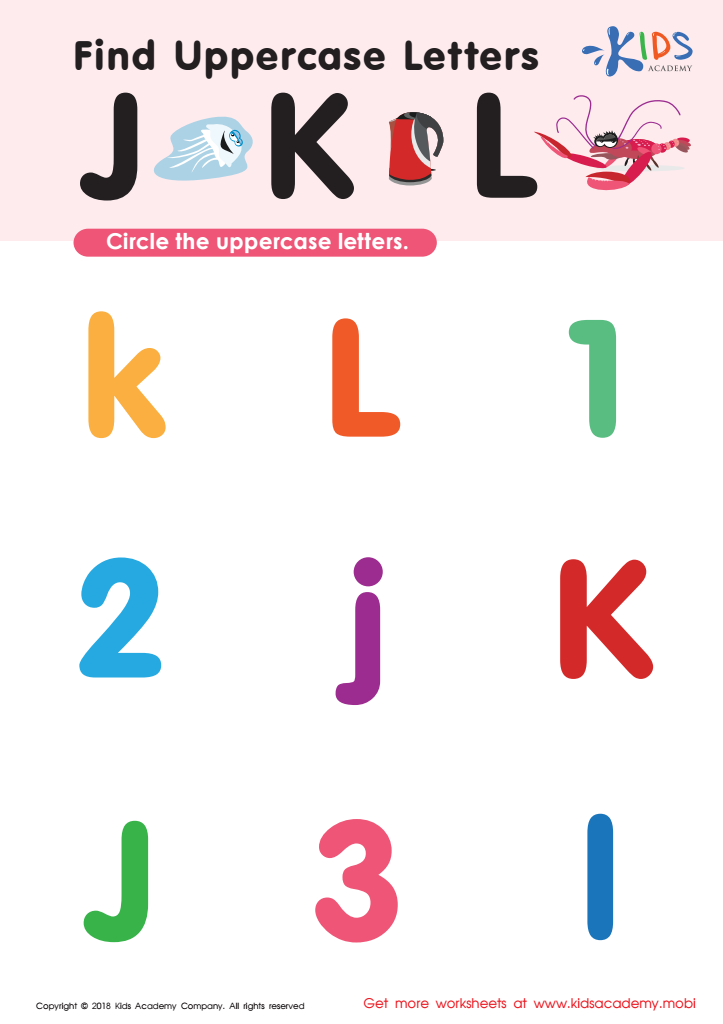
Find Uppercase Letters J, K, and L Worksheet
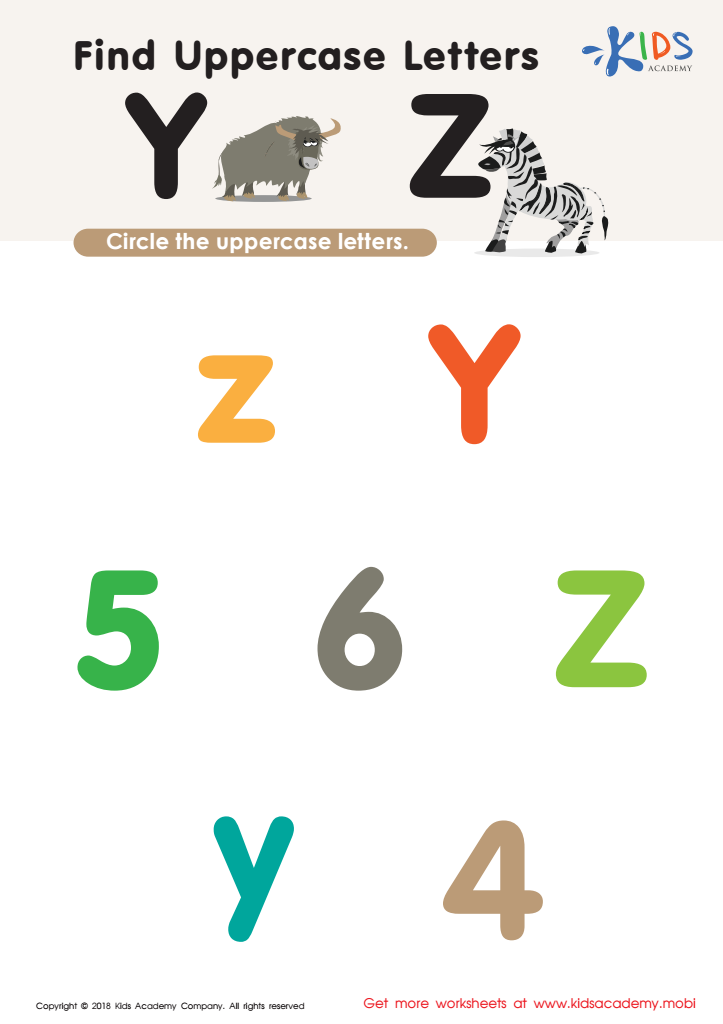
Find Uppercase Letters Y Z Worksheet
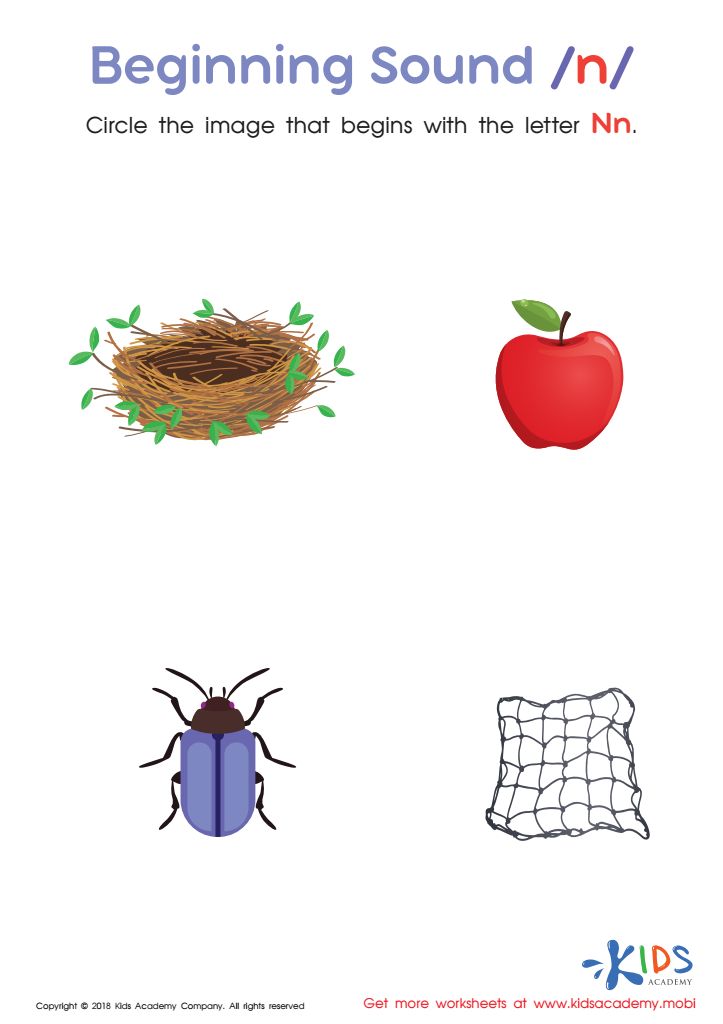
Beginning Sound «n» Worksheet
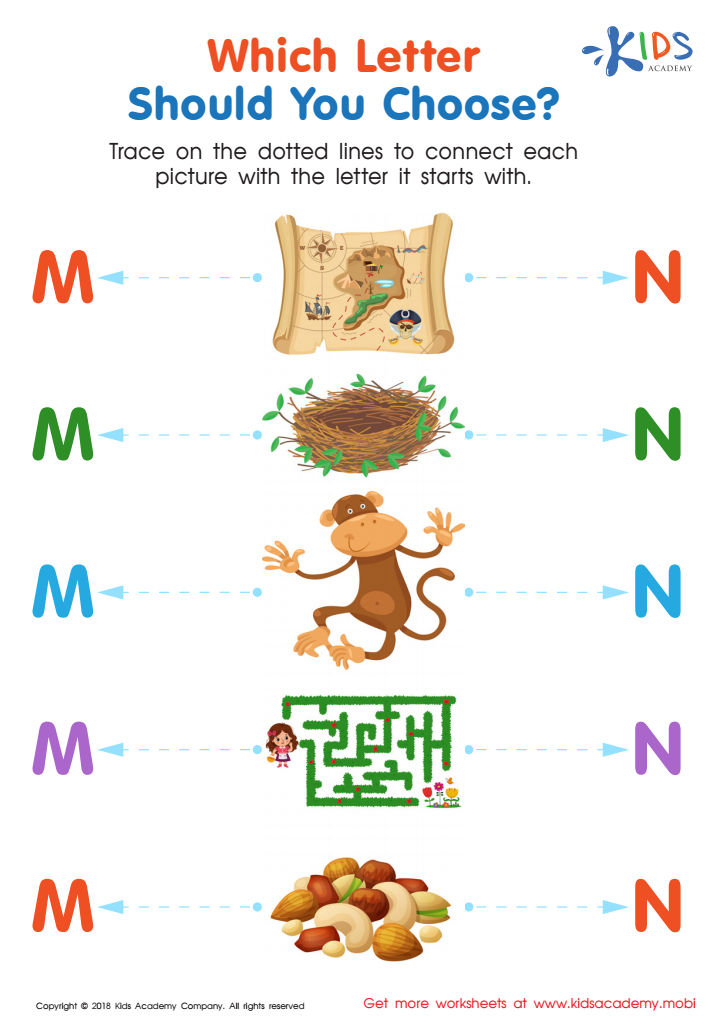
Which Letter Should you Choose? Worksheet
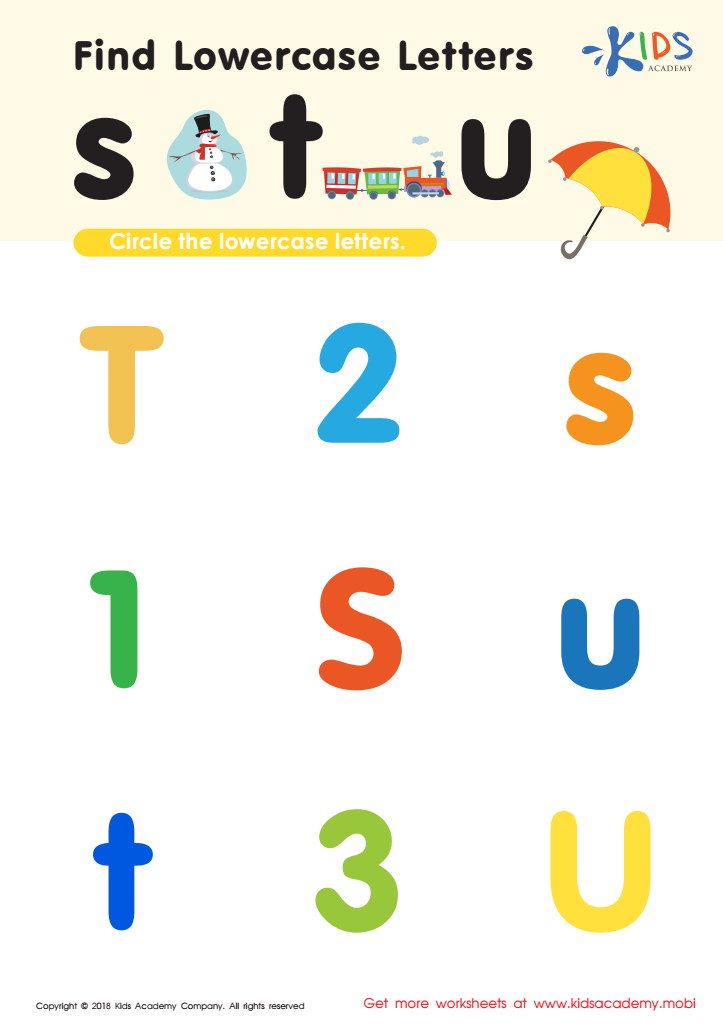
Find lowercase Letters s t u Worksheet

Letter G Tracing Page
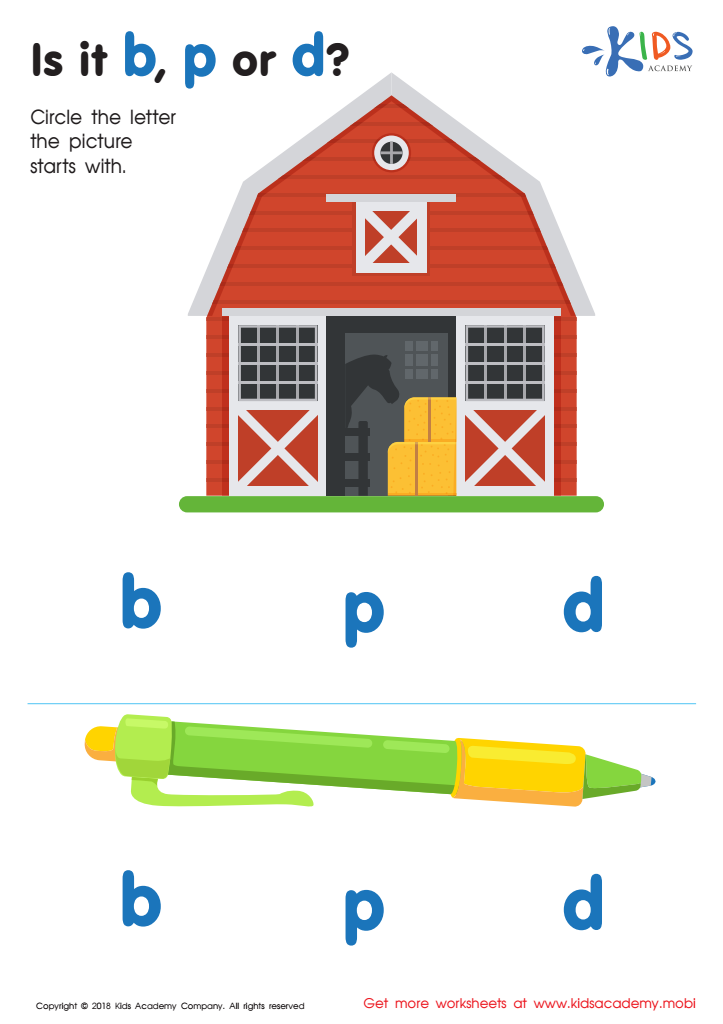
Is it b, p or d? Worksheet








Letter recognition is a fundamental skill that forms the basis for reading and writing, making it crucial for children aged 6-9. At this early developmental stage, children's cognitive and linguistic abilities are rapidly evolving. Parents and teachers who prioritize letter recognition are laying a solid foundation for literacy, which is essential for academic success and overall communication skills.
Mastery of this skill allows children to confidently identify both uppercase and lowercase letters, understand letter-sound relationships, and begin decoding words. This prepares them for more complex tasks such as word recognition, reading fluency, and comprehension. Furthermore, strong letter recognition can minimize future learning difficulties, fostering a lifelong love for reading and learning.
Additionally, achieving age-appropriate letter recognition boosts a child's self-esteem and motivation. When children recognize letters and can interact with printed text, they feel accomplished and more willing to engage in reading activities. Early intervention is key; parents and teachers who observe any struggles can address them promptly through targeted support or specialized programs.
In summary, ensuring normal letter recognition for ages 6-9 equips children with pivotal skills necessary for academic achievement, enhances their confidence, and promotes a positive attitude toward learning. Both parents and teachers play critical roles in nurturing this essential ability.








