Letter-sound association Normal Worksheets for Ages 6-9
6 filtered results
-
From - To
Enhance your child's reading skills with our Letter-Sound Association Normal Worksheets, perfect for ages 6-9. Designed to boost phonemic awareness, these engaging worksheets help children connect letters with their respective sounds, laying a solid foundation for fluent reading. Each worksheet is crafted to make learning fun and interactive, with exercises that encourage recognition, pronunciation, and usage of different letter sounds. Ideal for at-home practice or in-class activities, these printable sheets support grade-level learning standards. Visit Kids Academy to provide your child with the tools they need to succeed in their reading journey!
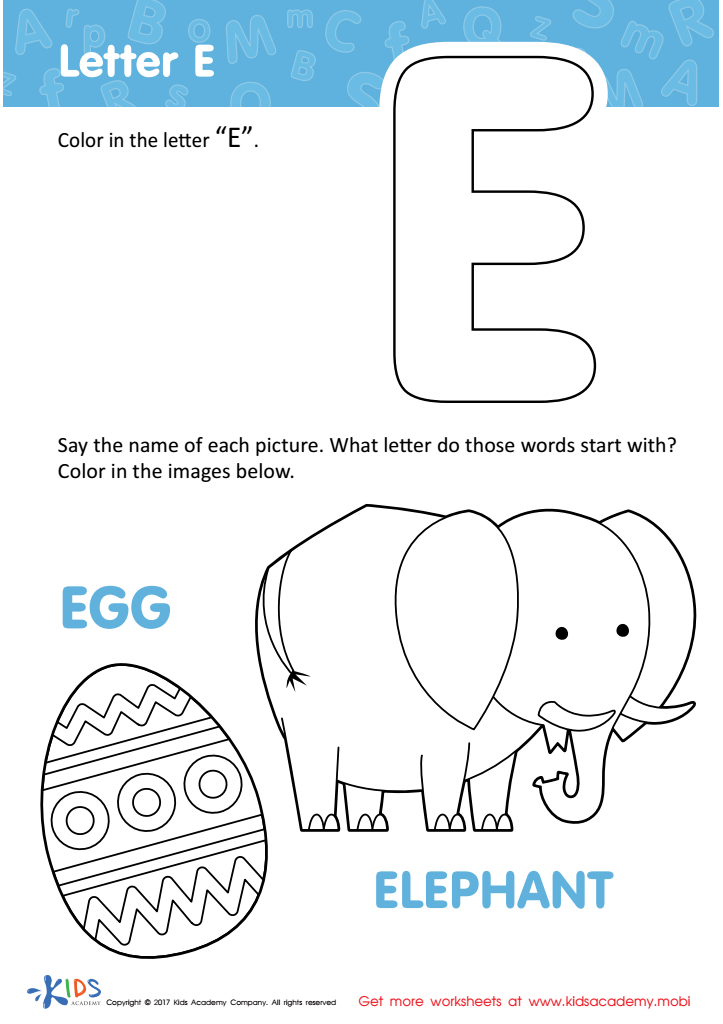
Letter E Coloring Sheet
 Assign to My Students
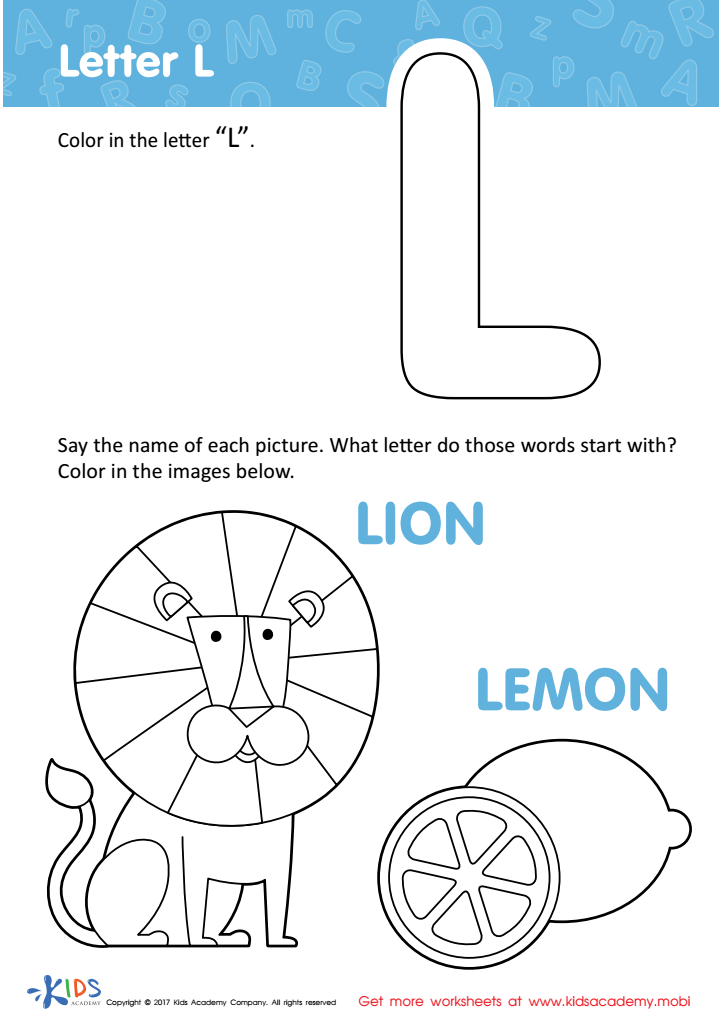
Letter L Coloring Sheet
Assign to My Students
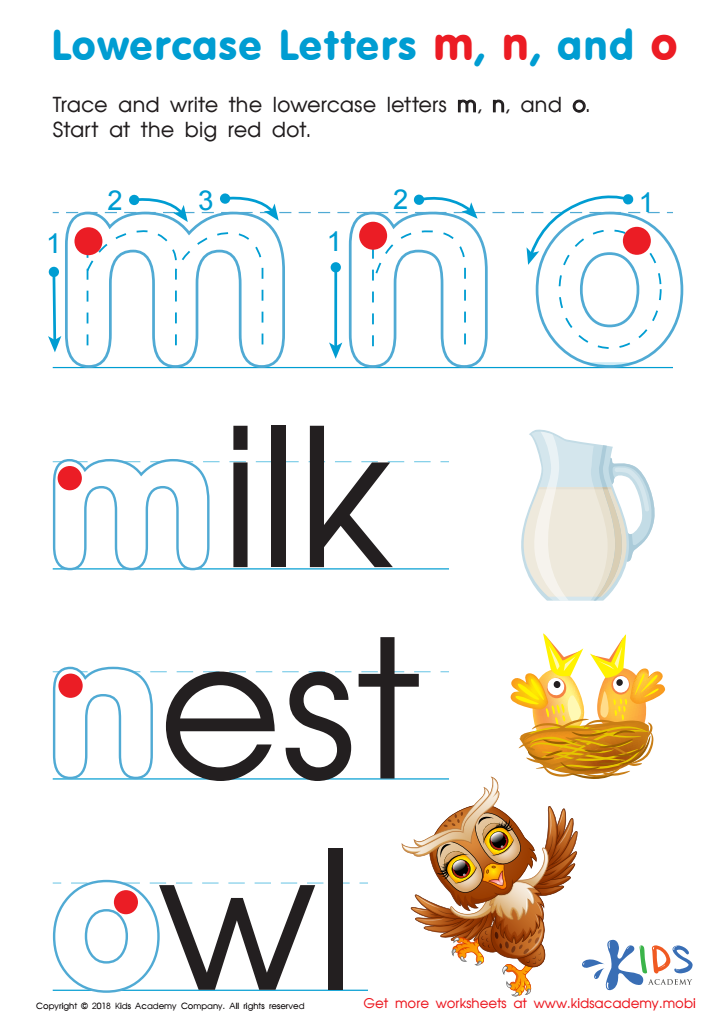
Lowercase Letters m n o Worksheet
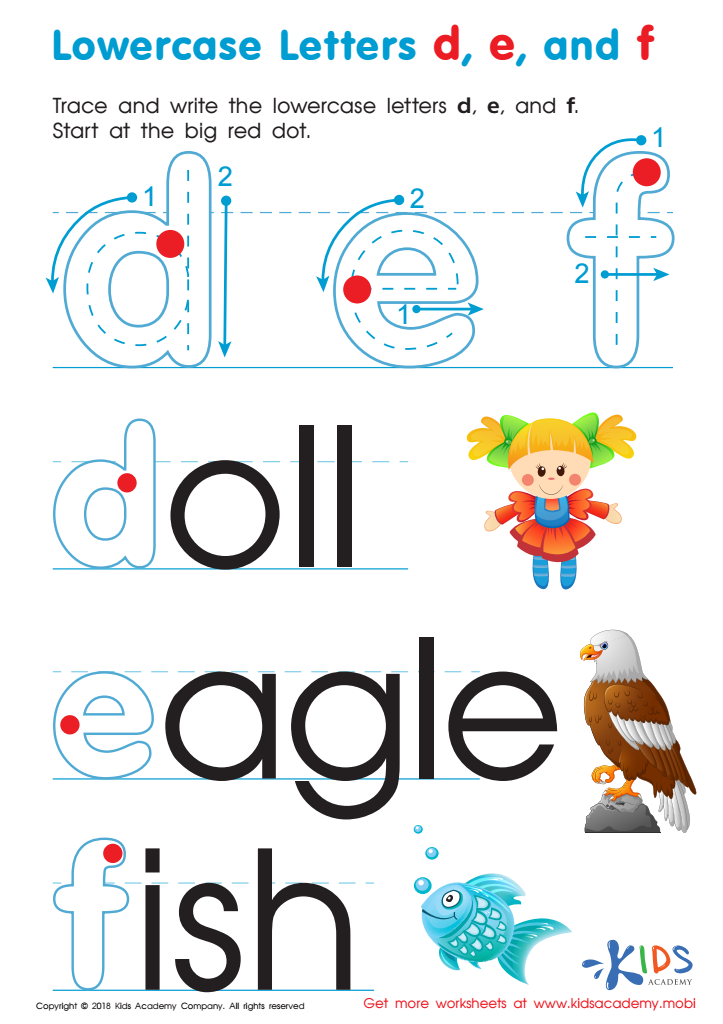
Lowercase Letters d e f Worksheet
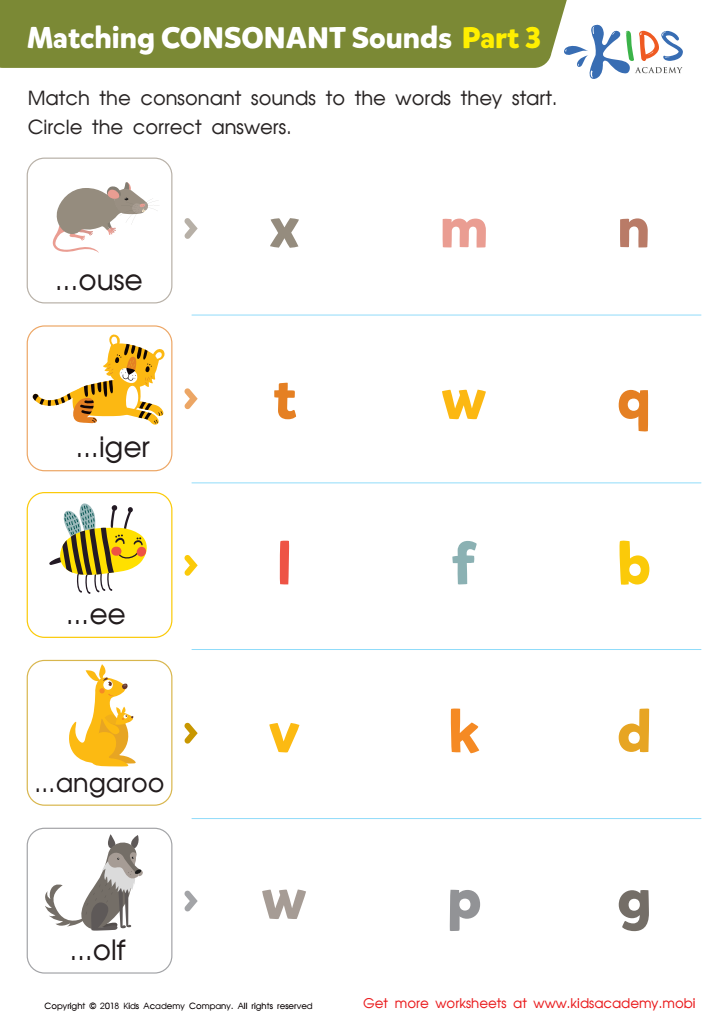
Matching Consonant Sounds: Part 3 Worksheet
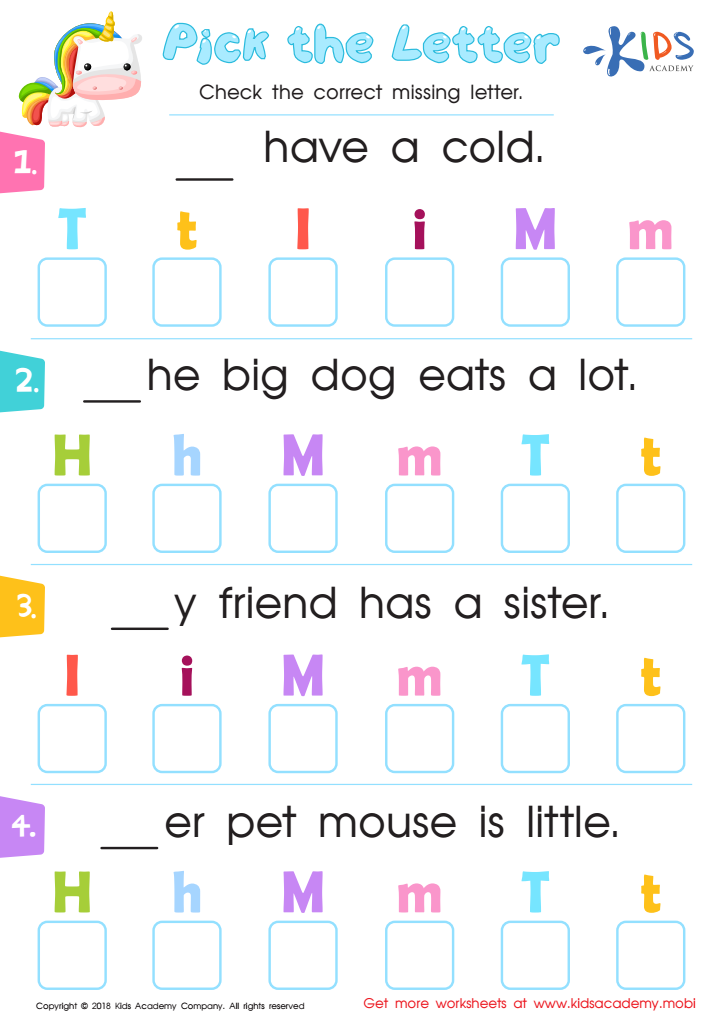
Pick the Letter Worksheet







Letter-sound association, also known as phonics, is a crucial foundational skill for children aged 6-9 as they embark on their journey to become proficient readers and writers. This skill involves recognizing the relationship between letters and their corresponding sounds, which is essential for decoding words and developing fluent reading abilities. Parents and teachers should care deeply about letter-sound association for several reasons.
Firstly, a strong grasp of phonics greatly enhances a child's ability to independently read new words, fostering a love for reading and learning. Secondly, this skill is directly linked to better spelling and writing capabilities, as understanding phonics rules helps children spell words correctly. Additionally, early proficiency in letter-sound association is a predictor of long-term academic success, as reading is a fundamental component of virtually all learning.
Without a solid foundation in phonics, children may struggle with reading comprehension, face difficulties across all subjects, and experience frustration and diminished self-confidence. By supporting children in mastering letter-sound associations, parents and teachers can lay the groundwork for academic achievement, effective communication skills, and a lifelong passion for reading. Active family and classroom engagement in phonics activities, such as reading aloud, phonics games, and targeted exercises, can make this learning process enjoyable and effective.








