Number Sequencing Normal Worksheets for Ages 6-9
13 filtered results
-
From - To
Improve your child's mathematical skills with our engaging Number Sequencing Normal Worksheets tailored for ages 6-9! These interactive worksheets help young learners identify and arrange numbers in the correct order, enhancing their number sense and sequencing abilities. Designed in line with educational standards, these worksheets feature vibrant visuals and varied activities to keep children motivated. Ideal for homeschooling or classroom use, they promote critical thinking and problem-solving as kids practice skip counting, filling in missing numbers, and understanding numerical patterns. Download and print these fun worksheets to support your child's journey toward math proficiency while making learning an enjoyable experience!
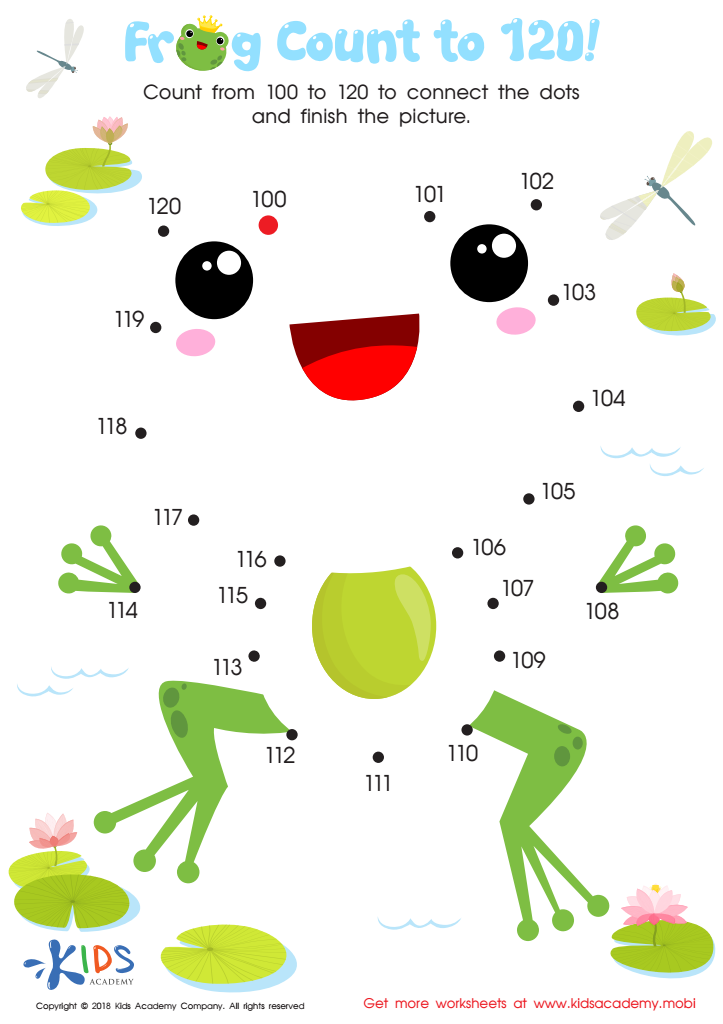
Frog Count to 120 Worksheet
 Assign to My Students
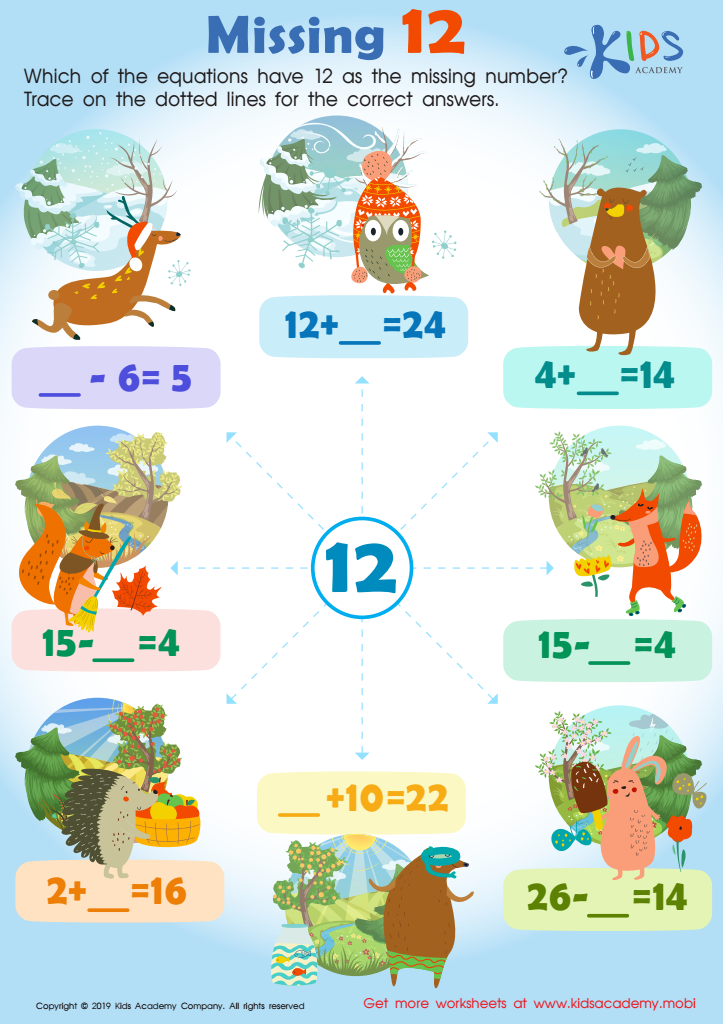
Missing 12 Worksheet
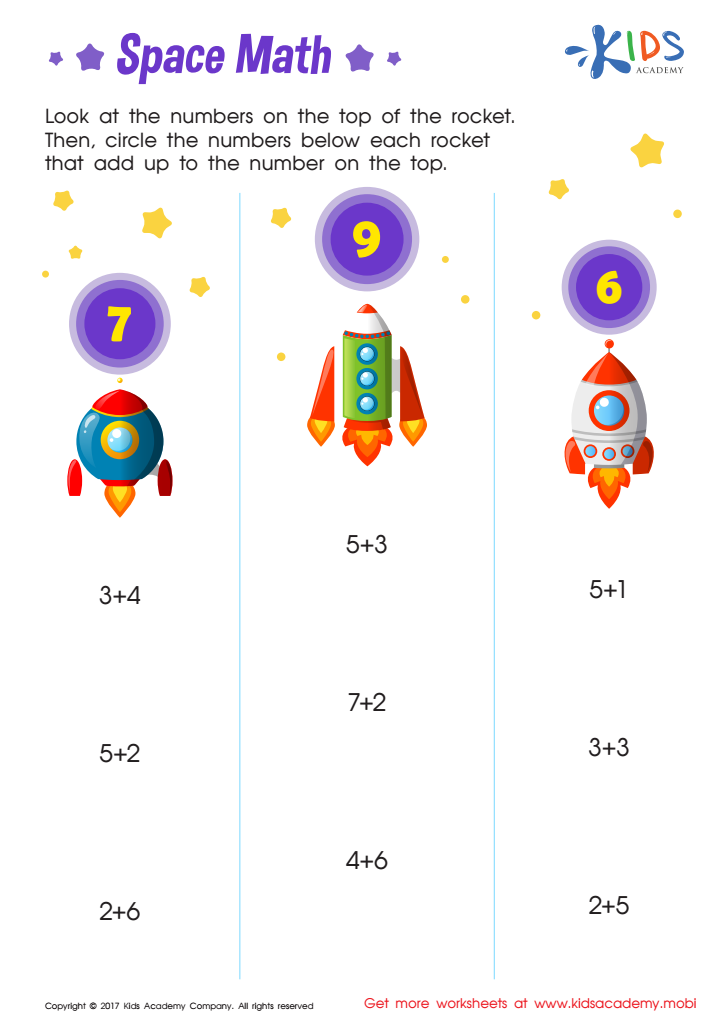
Addition: Space Math Worksheet
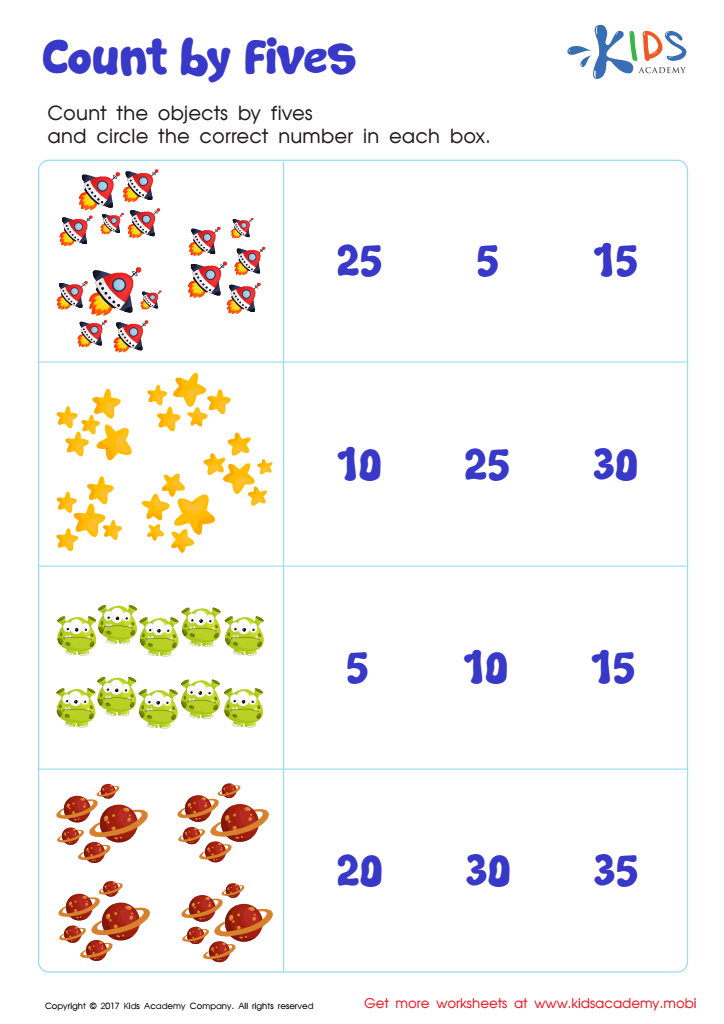
Skip Counting by 5s: Space Math Printable
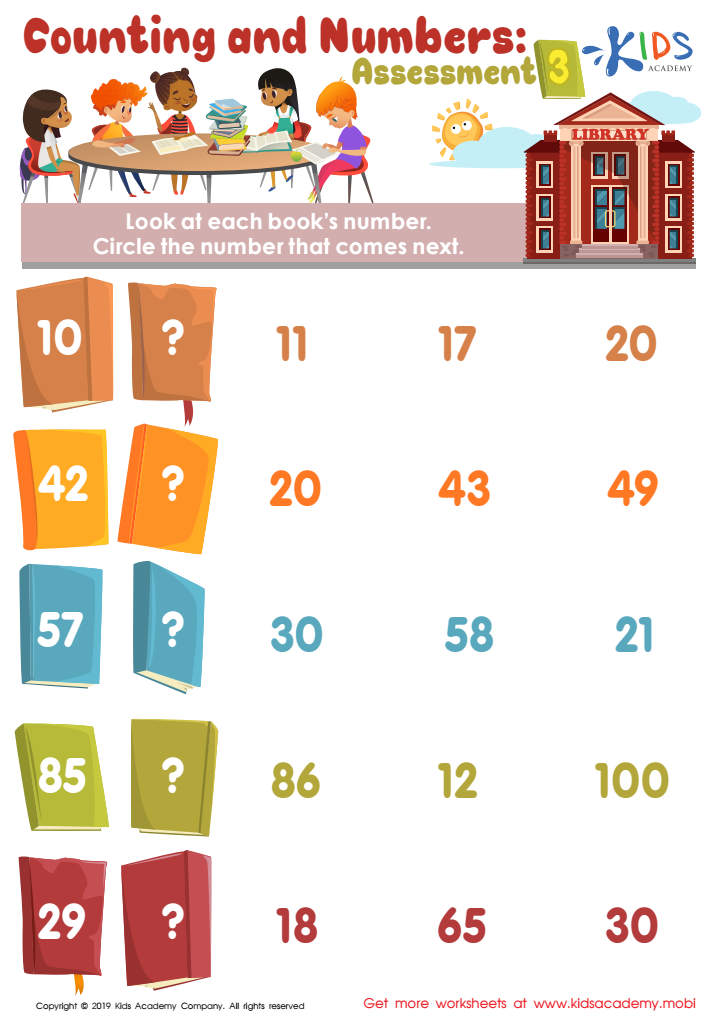
Counting and Numbers: Assessment Worksheet
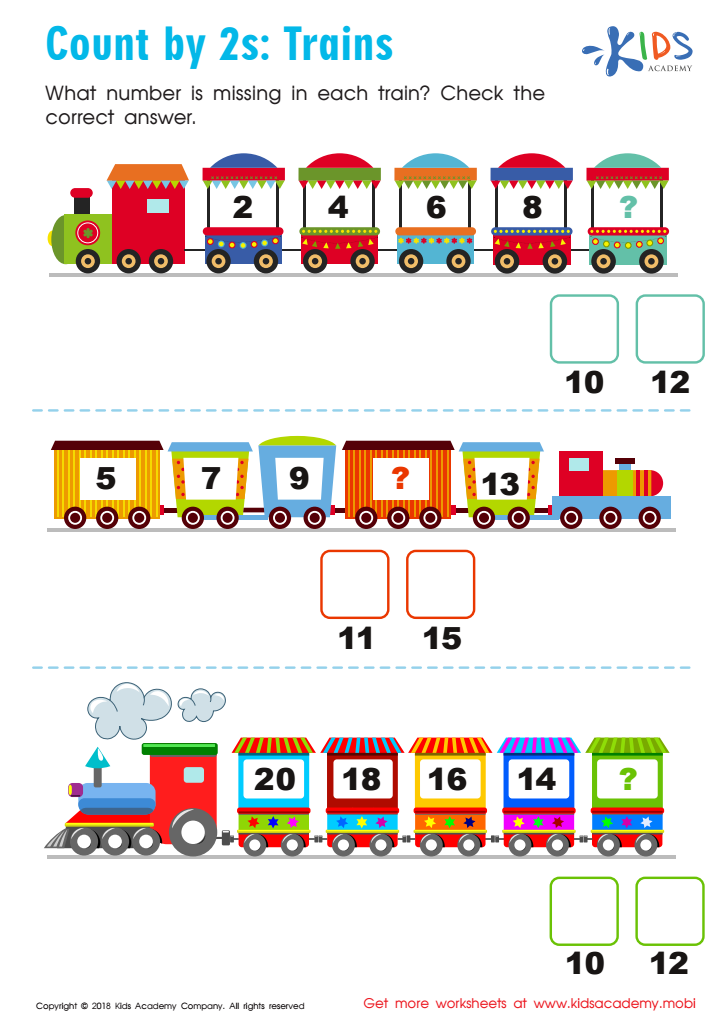
Count by 2's: Trains Worksheet
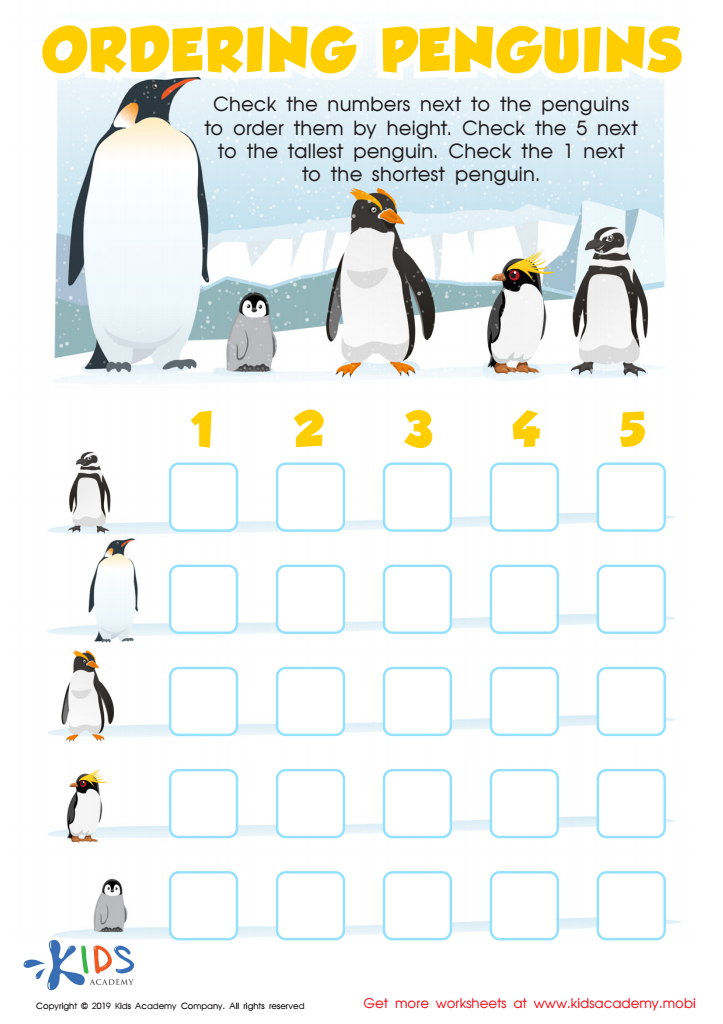
Ordering Penguins Worksheet
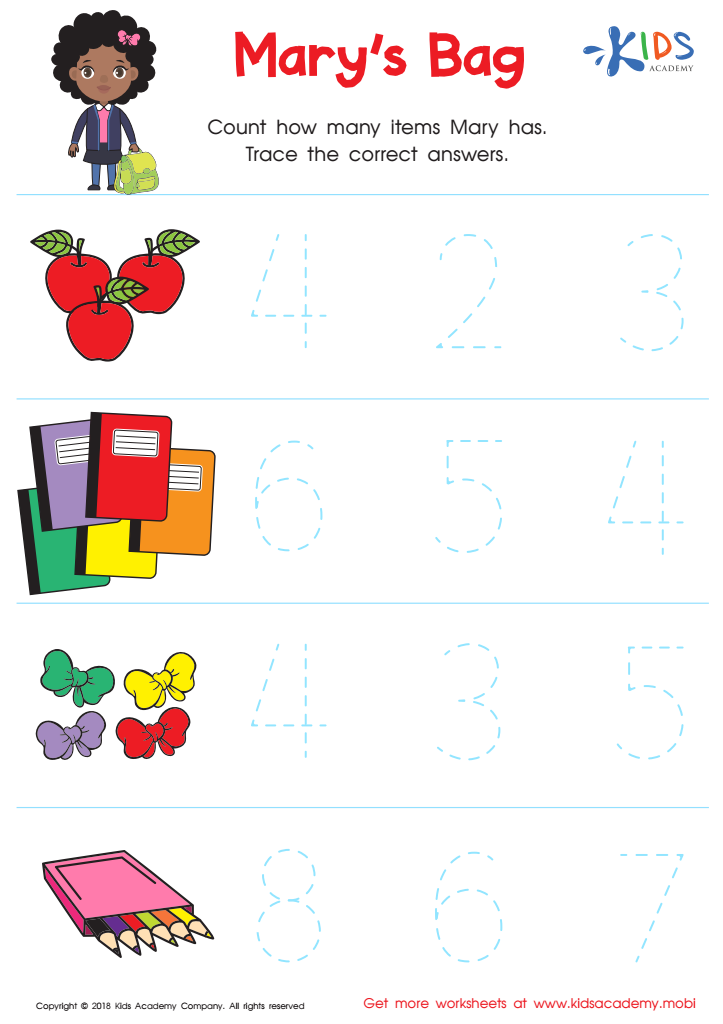
Kindergarten Number Tracing: Mary's Bag Worksheet
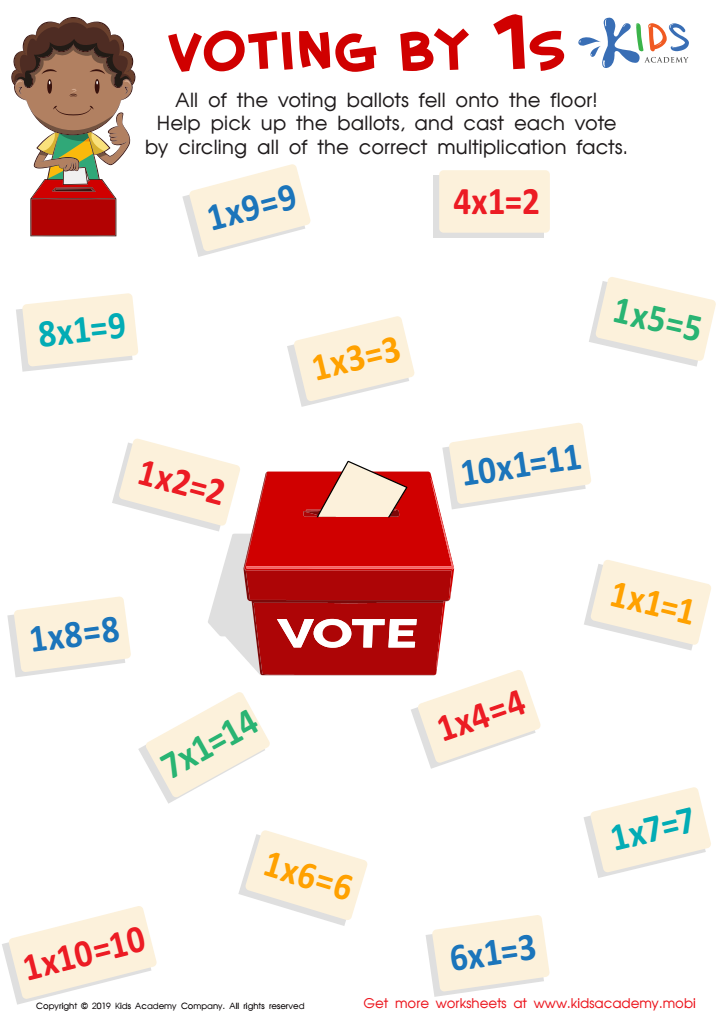
Voting by 1s Worksheet
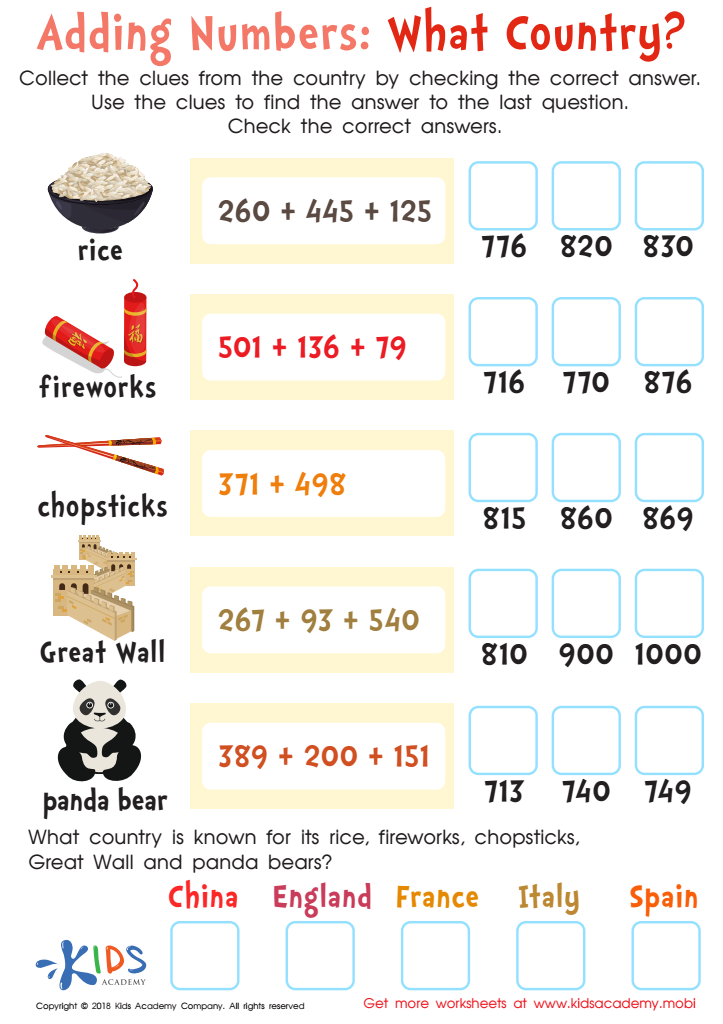
Adding Numbers: What Country Worksheet
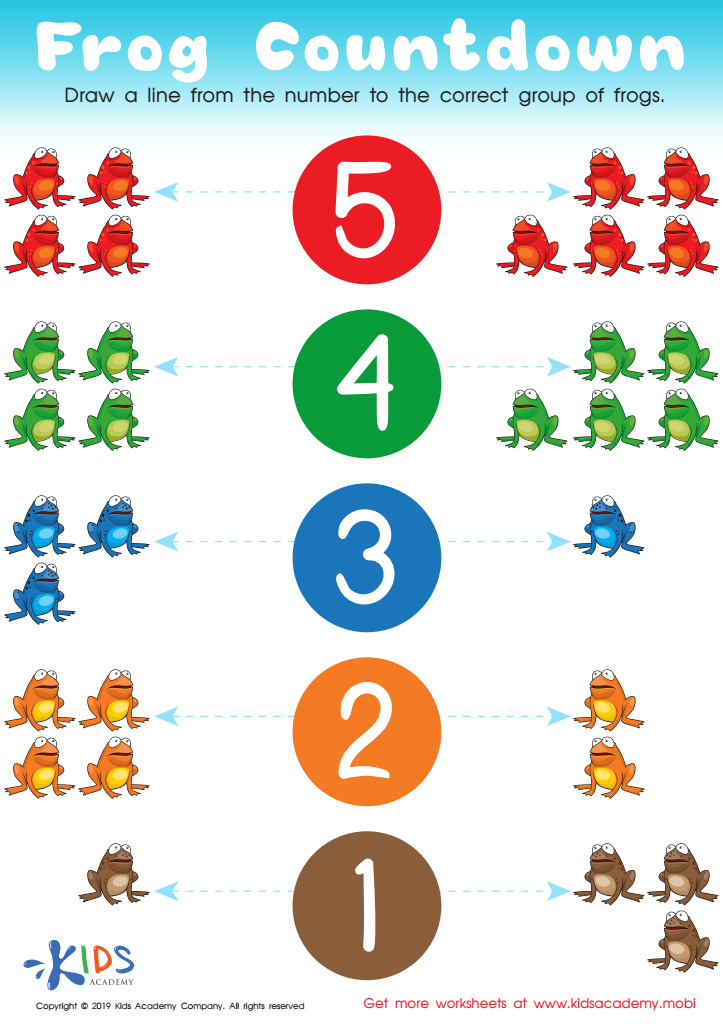
Frog Countdown Worksheet
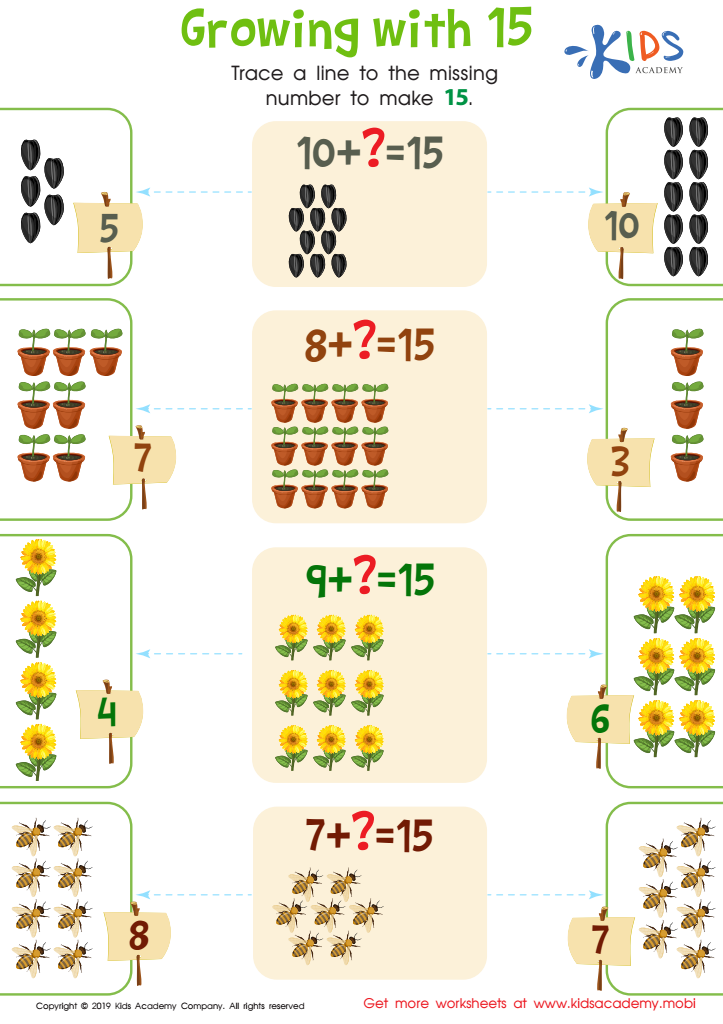
Growing with 15 Worksheet
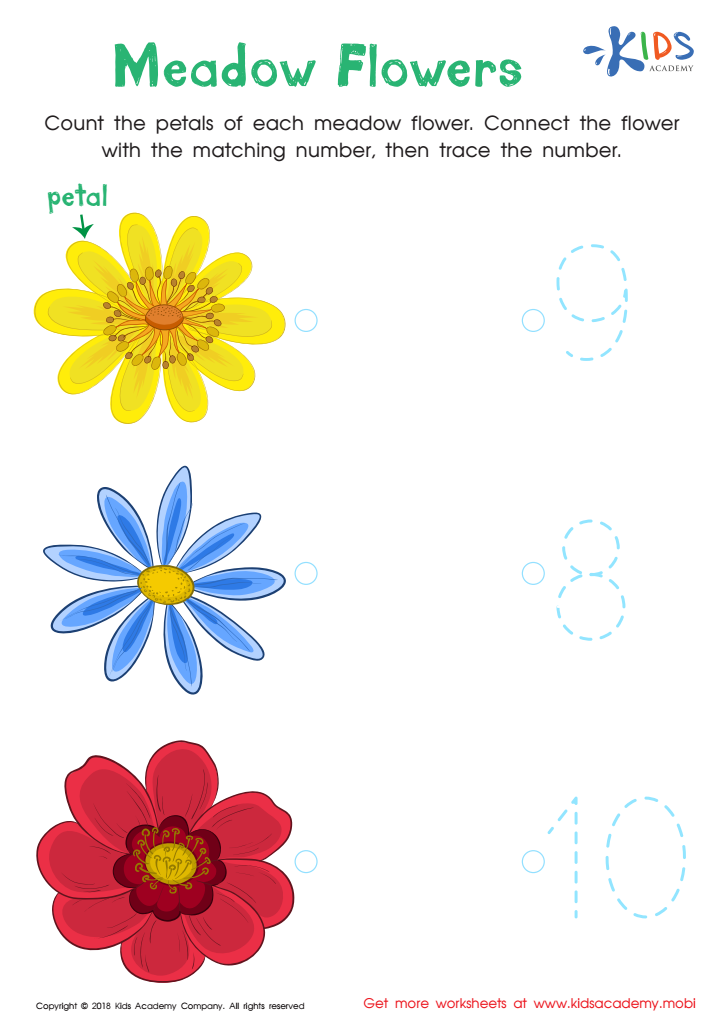
Kindergarten Number Tracing: Medow Flowers Worksheet








Number sequencing is a fundamental math skill that involves arranging numbers in a specific order, either increasing or decreasing. For children aged 6-9, mastering number sequencing is essential for several reasons. First, it lays the foundation for arithmetic, aiding in addition and subtraction since these operations require an understanding of number order. Secondly, sequencing skills enhance problem-solving abilities; as students learn to recognize patterns and relationships among numbers, they become more adept at tackling more complex mathematical concepts.
Moreover, sequencing plays a critical role in developing logical thinking and critical reasoning skills. Children who can manipulate sequences are better equipped to engage with mathematical concepts not only in the classroom but in real-world situations. For instance, organizing items, following steps in a recipe, or budgeting require a grasp of sequencing.
Beyond mathematical proficiency, number sequencing fosters concentration and memory skills. As young learners practice these skills, they improve their overall cognitive development, making them more well-rounded students. Teachers and parents should actively engage children in sequencing activities through games, puzzles, and daily life applications to encourage their interest. By prioritizing these skills, adults are investing in a child's numerical literacy and lifelong learning potential.








