Shape Recognition Normal Worksheets for Ages 6-9 - Page 2
40 filtered results
-
From - To
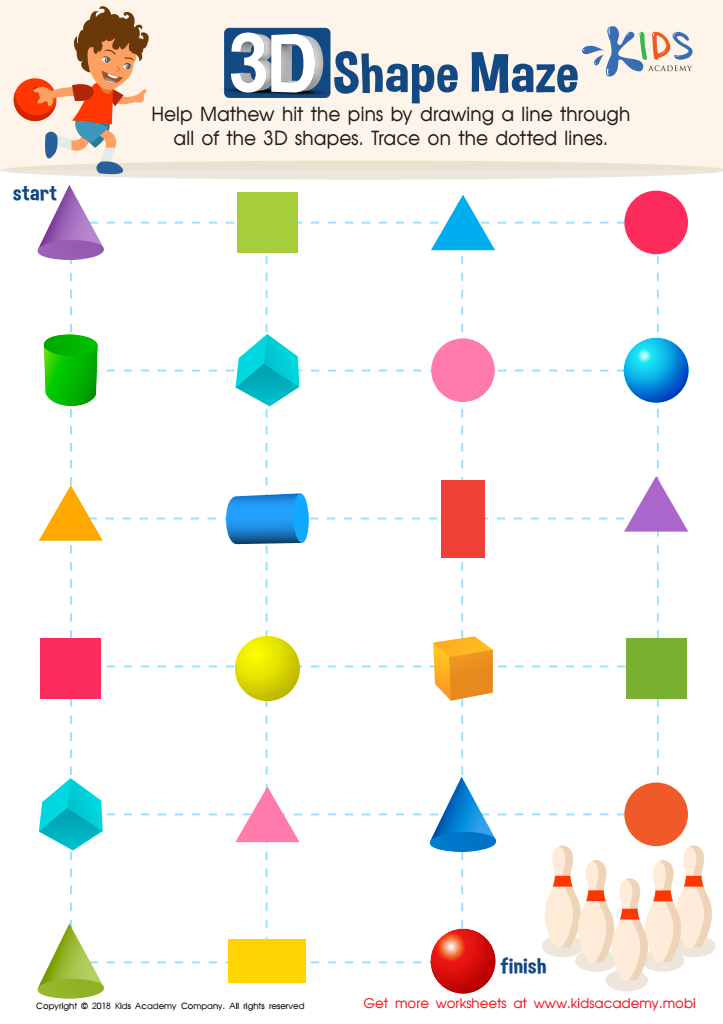
Shapes Maze Geometry Worksheet
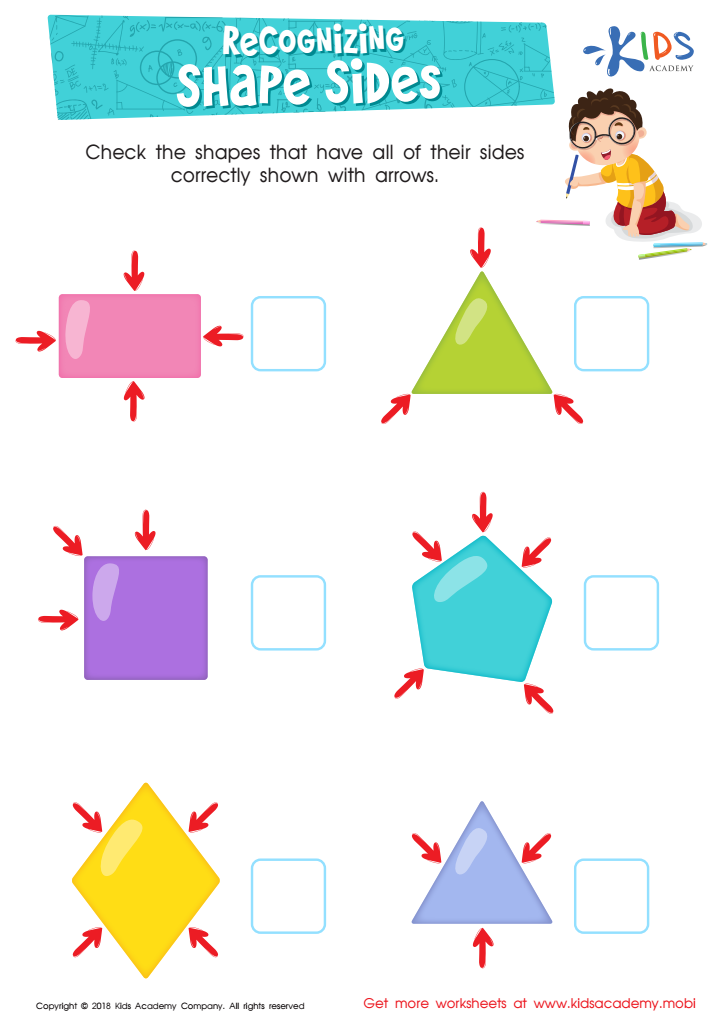
Recognizing Shape Sides Worksheet
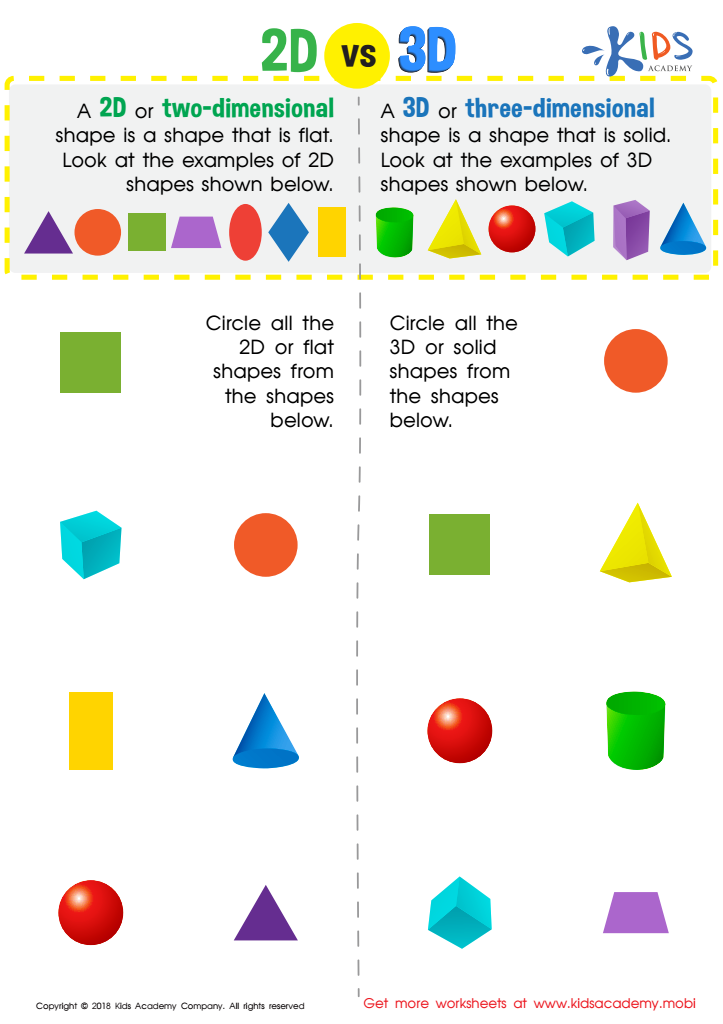
2D vs 3D Shapes Worksheet
Underwater Creatures with Shells Worksheet
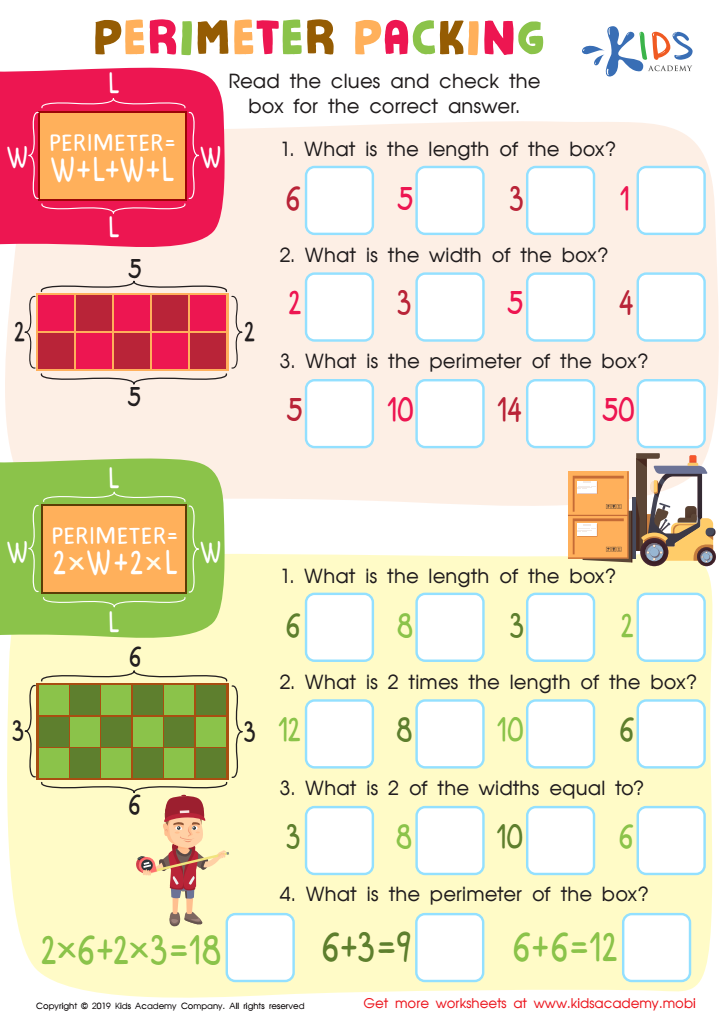
Perimeter Parking Worksheet
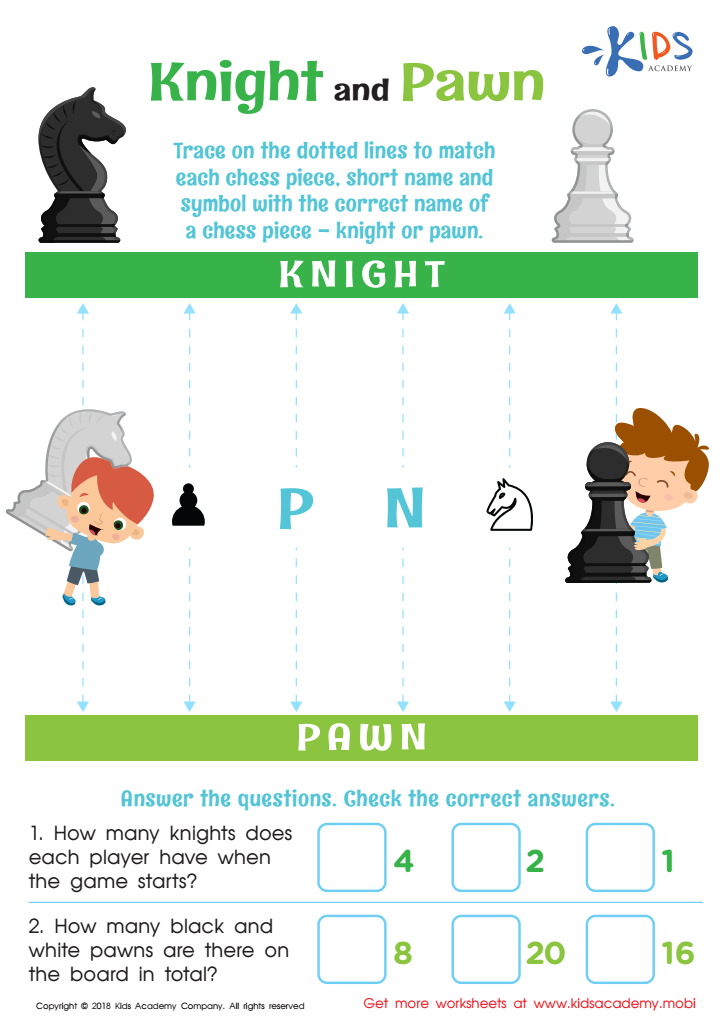
Knight and Pawn Worksheet
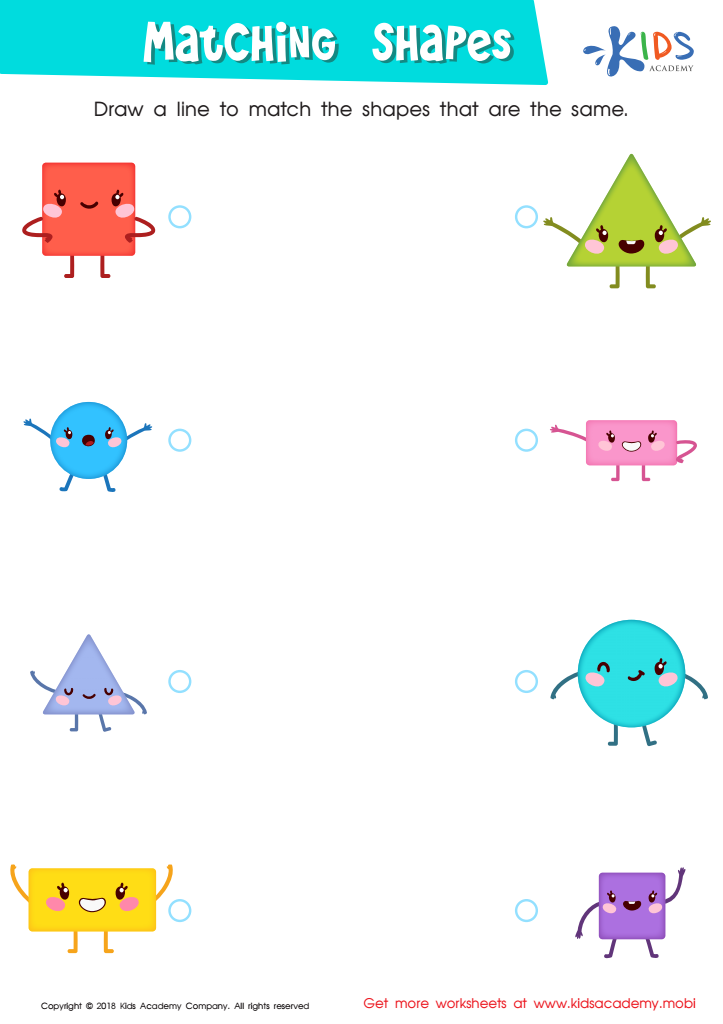
Matching Shapes Worksheet
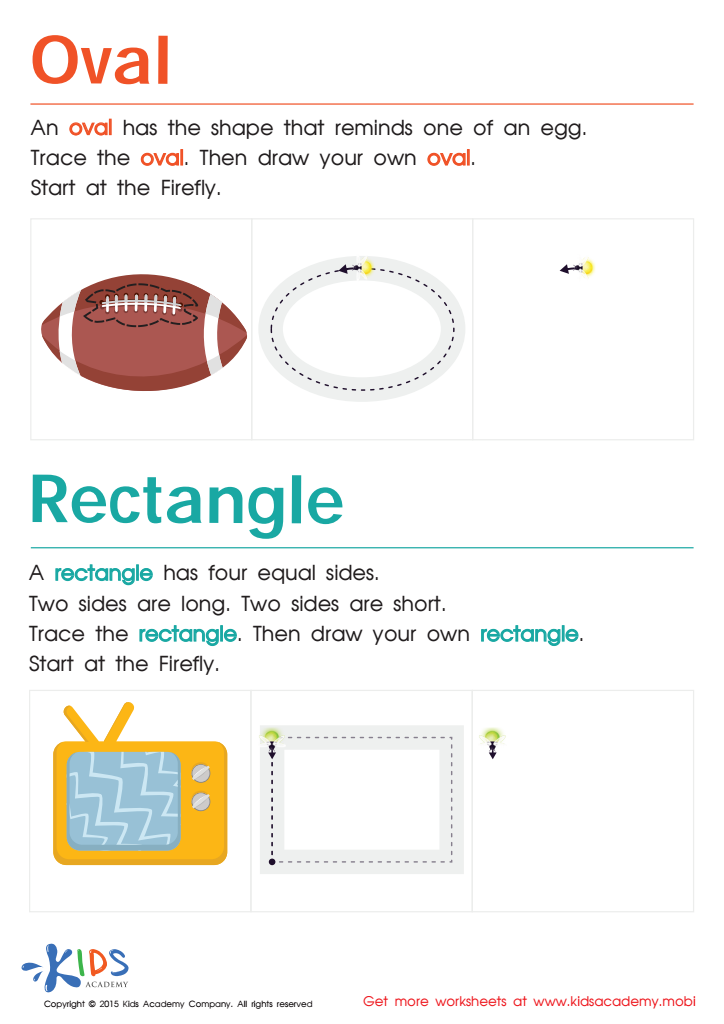
Easy Drawing of Ovals And Rectangles Worksheet
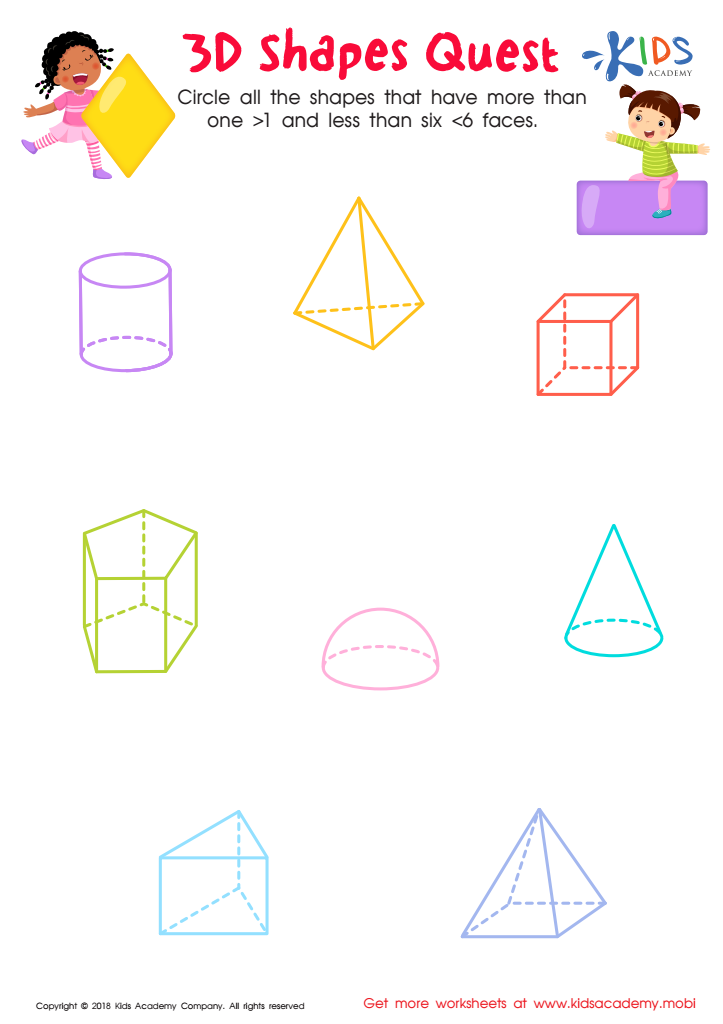
3D Shapes Quest Worksheet
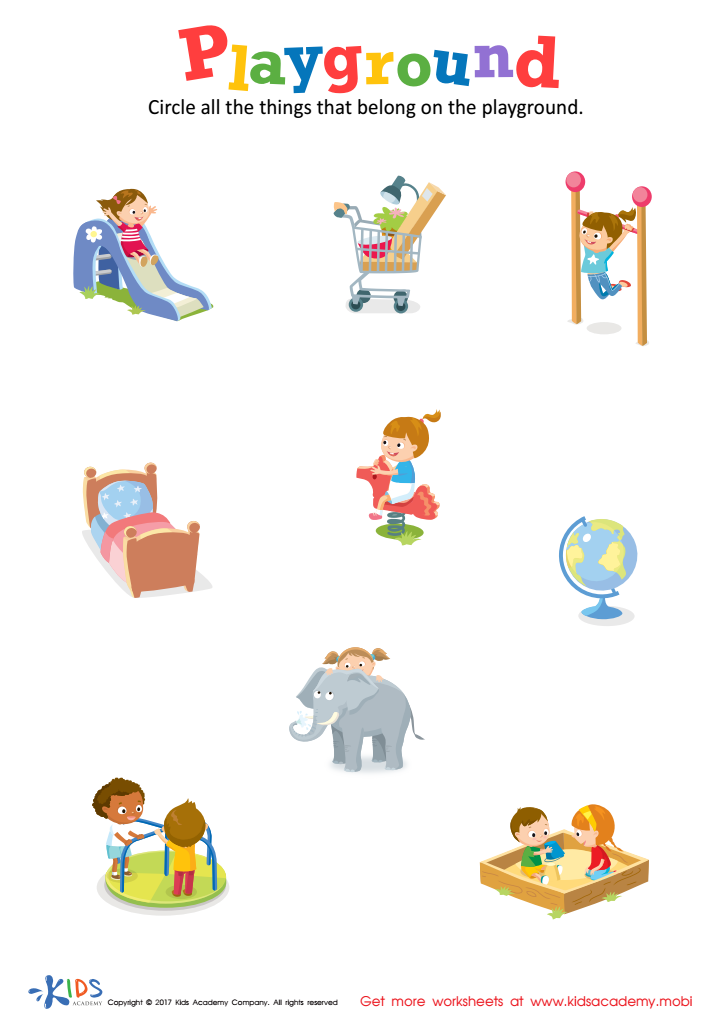
Playground Worksheet
Turkey Thanksgiving Day Worksheet
 Assign to My Students
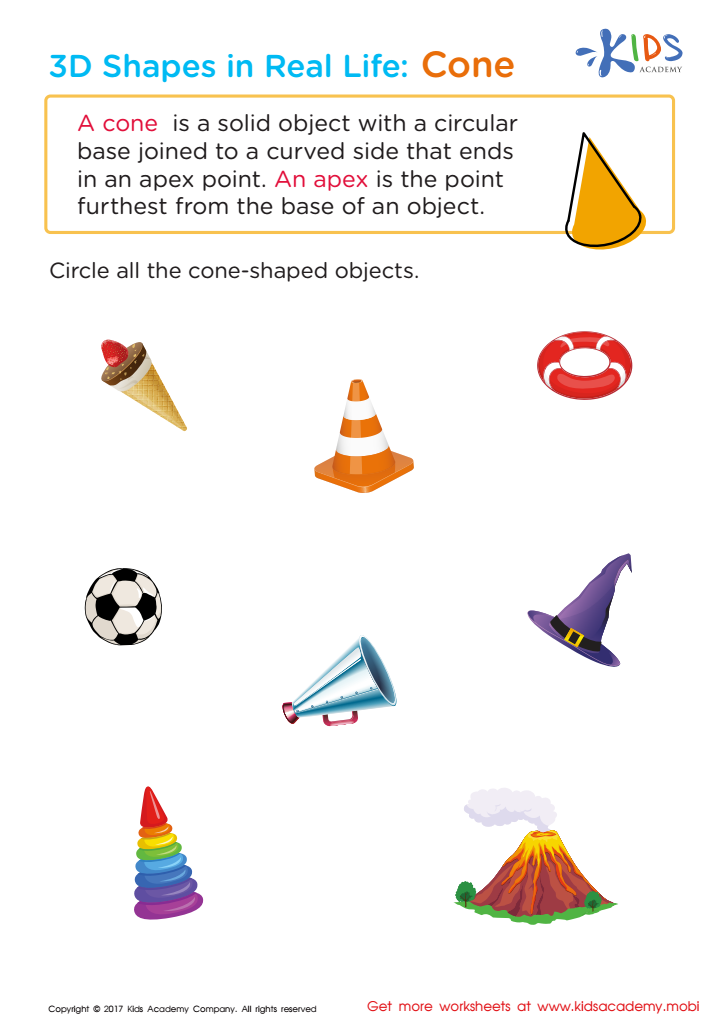
Shapes in Real Life: Cone Worksheet
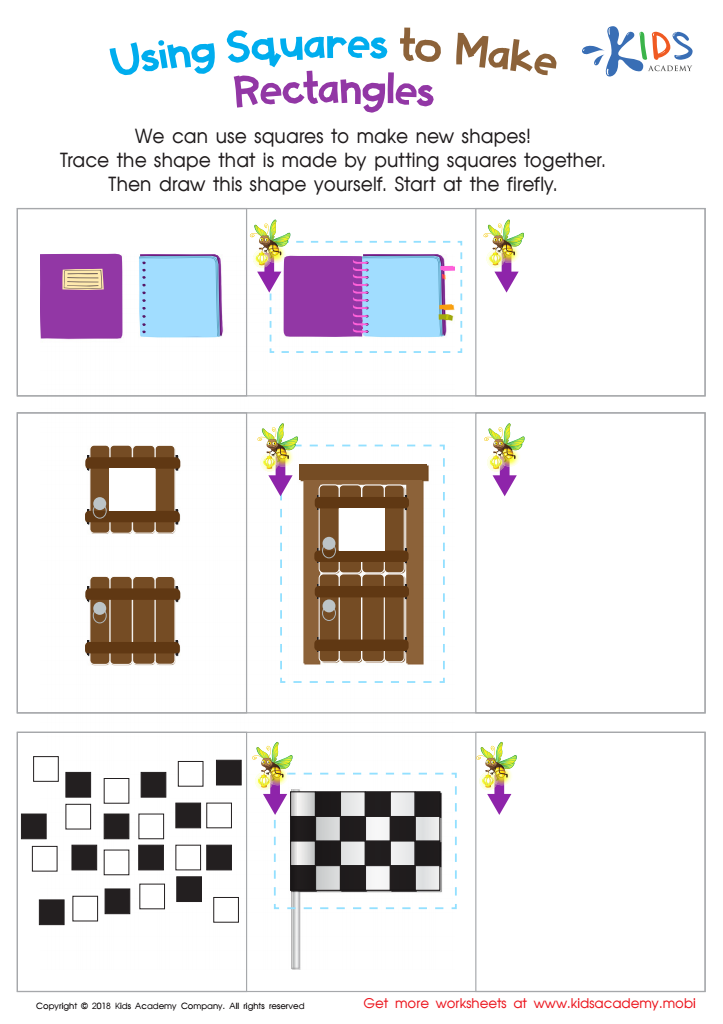
Using Squares to Make Rectangles Worksheet
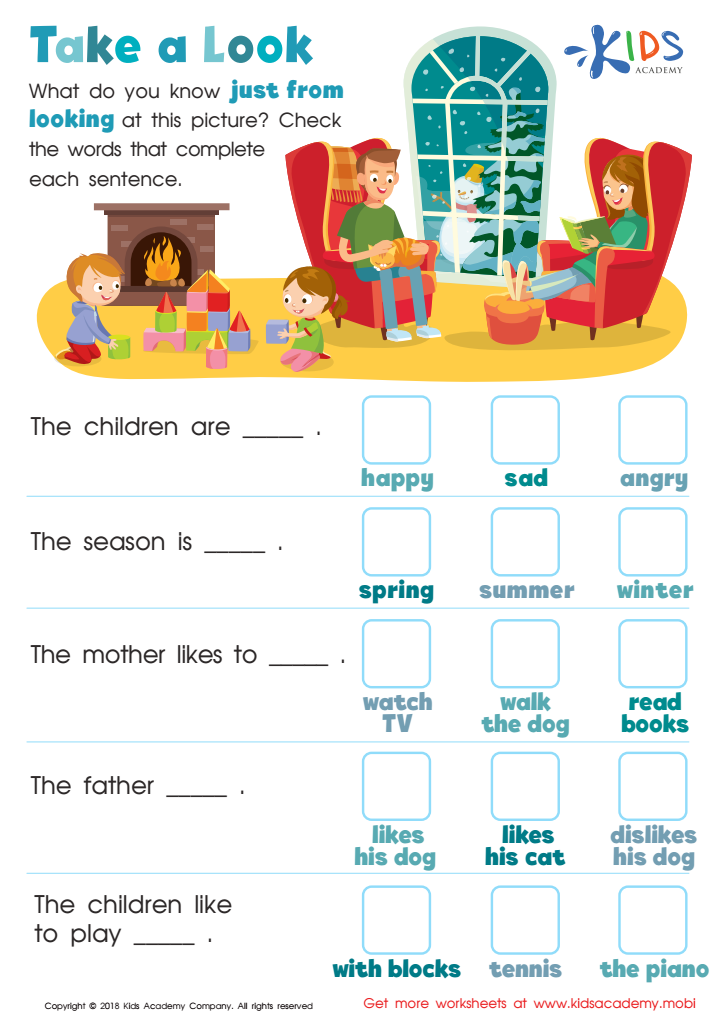
Take a Look - Part 1 Worksheet
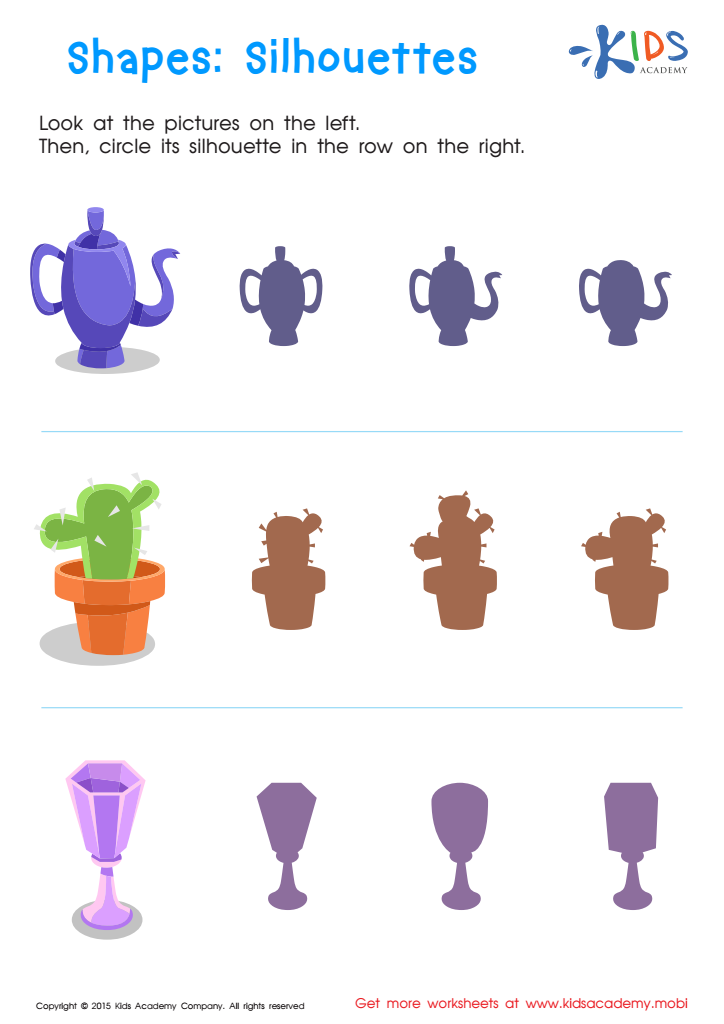
Silhouettes – Shapes Worksheet
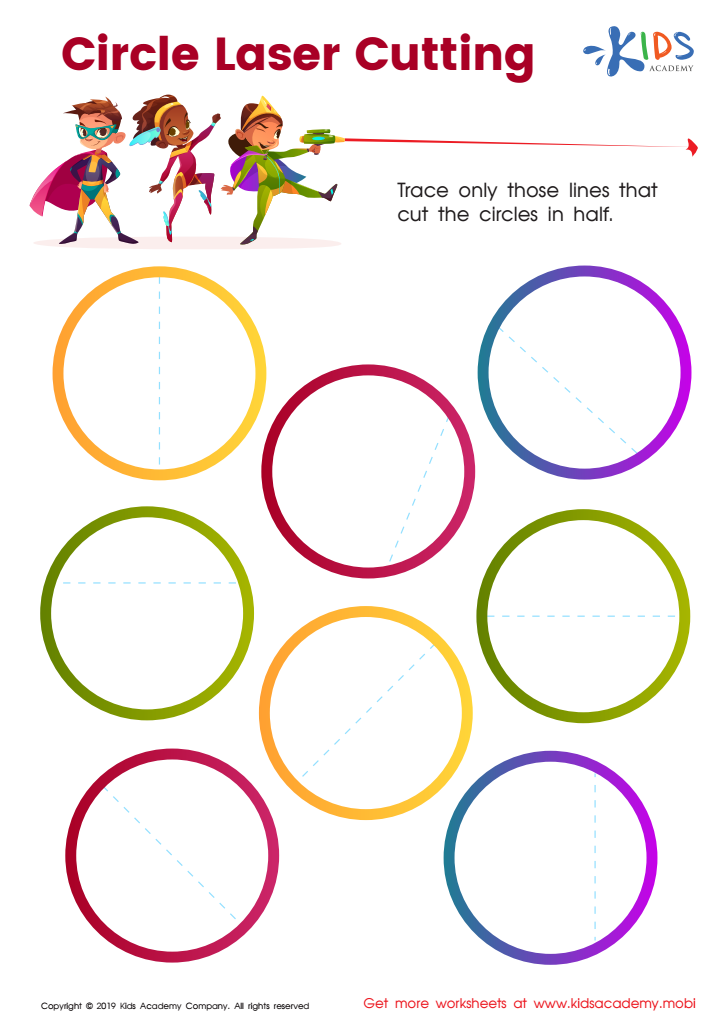
Circle Laser Cutting Worksheet


.jpg)




Shape recognition is a foundational skill that plays a crucial role in the cognitive and mathematical development of children aged 6-9. For parents and teachers, fostering this skill can have far-reaching benefits.
Firstly, shape recognition builds the groundwork for geometry, an essential part of the math curriculum. Recognizing and distinguishing shapes like squares, triangles, and circles helps children understand more complex concepts such as area, perimeter, and volume. This early exposure enhances their spatial awareness, enabling them to grasp how shapes fit together and relate to one another, which is a critical aspect of problem-solving both in academia and everyday life.
Moreover, shape recognition is paramount for development in other subjects. For instance, the ability to identify shapes aids in learning to read and write. Letters themselves are shapes, and distinguishing among them helps children develop literacy skills efficiently. These skills transfer across visual arts and various sciences, supporting a more comprehensive educational experience.
Socially and developmentally, recognizing shapes boosts children's confidence as they interact with and interpret their environment more effectively. Recognizing patterns and shapes contributes to tasks ranging from organizing physical objects to navigating spaces.
In summary, focusing on shape recognition for children aged 6-9 supports holistic educational development, enhances critical thinking, and builds a strong foundation for future academic success.








