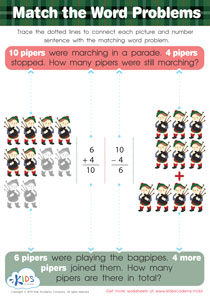
Addition Practice Normal Addition Worksheets for Ages 6-9
13 filtered results
-
From - To
Enhance your child’s math skills with our "Addition Practice Normal Addition Worksheets" designed for ages 6-9. These engaging worksheets offer a variety of exercises that help young learners grasp the fundamentals of addition through fun and interactive methods. Each worksheet is tailored to provide practice in single-digit and double-digit additions, reinforcing essential concepts and boosting confidence. With clear instructions and vibrant illustrations, your child will find joy in mastering addition. Whether for home study or classroom use, these printable worksheets are an excellent resource for cultivating arithmetic skills and preparing students for more advanced math challenges. Start your child's math journey today!
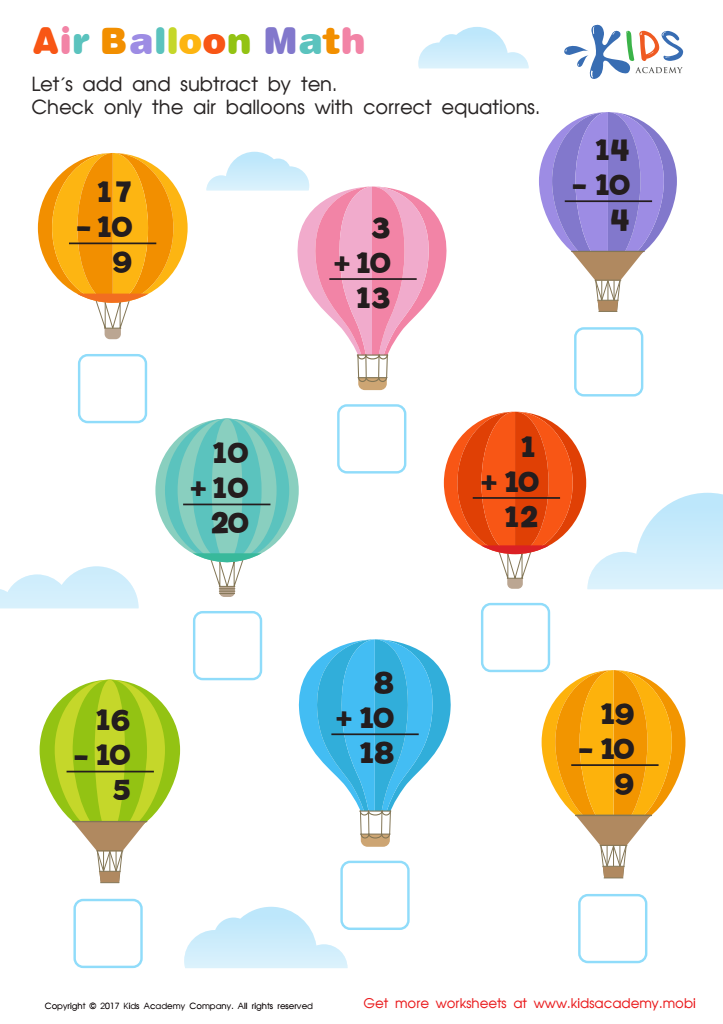
Air Balloon Math Worksheet
 Assign to My Students
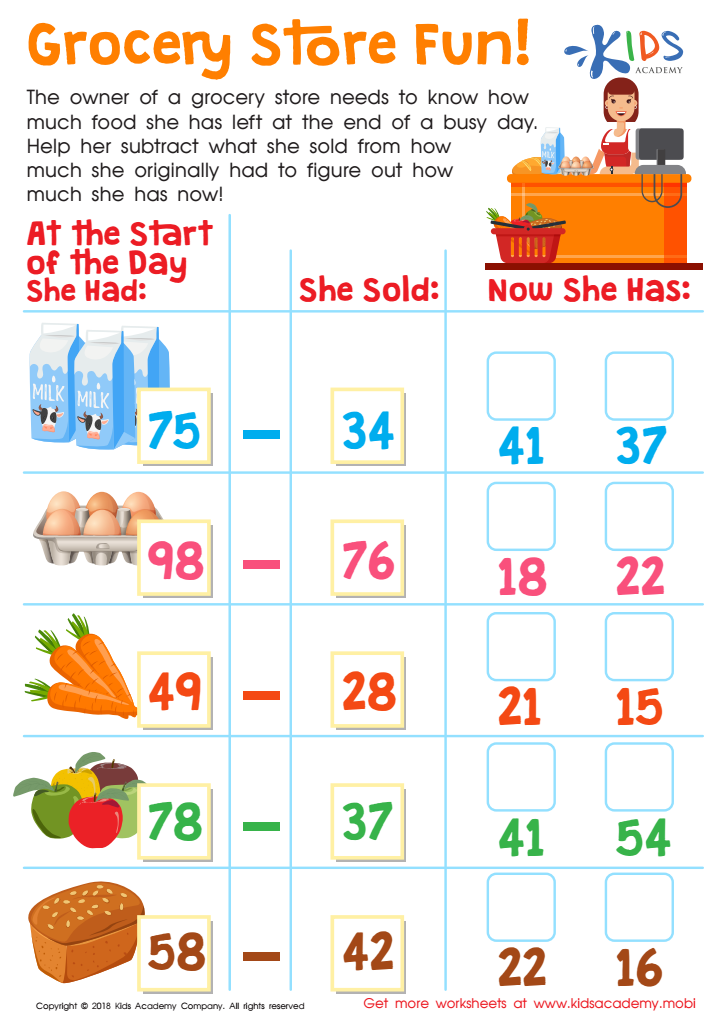
Grocery Store Fun! Worksheet
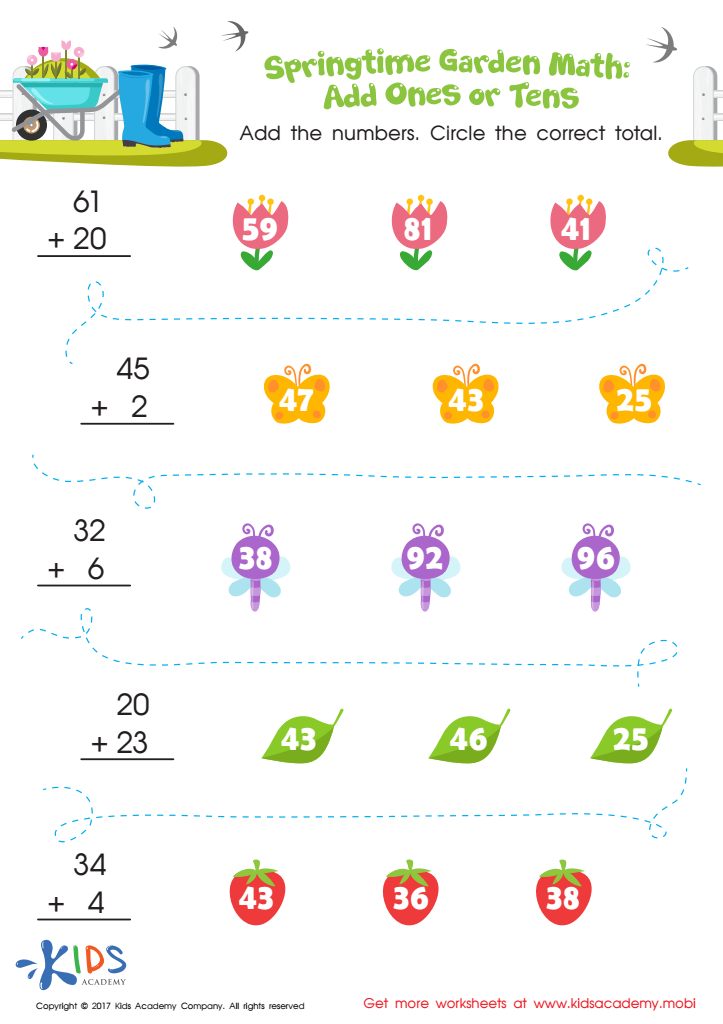
Springtime Garden Math Worksheet
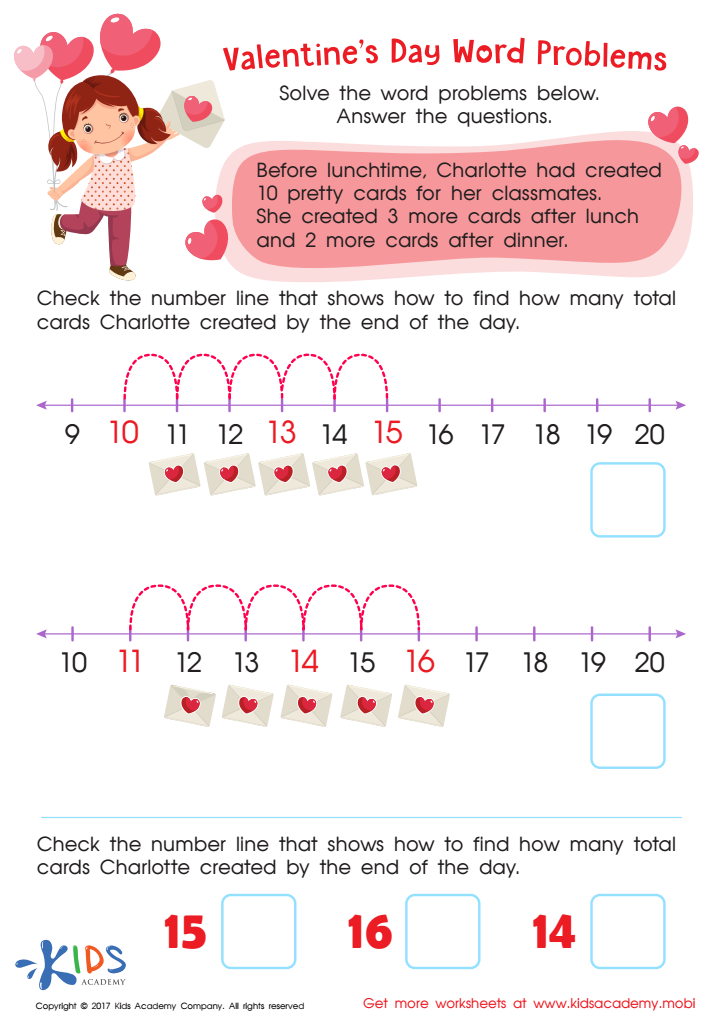
Valentines Day Word Problem Worksheet
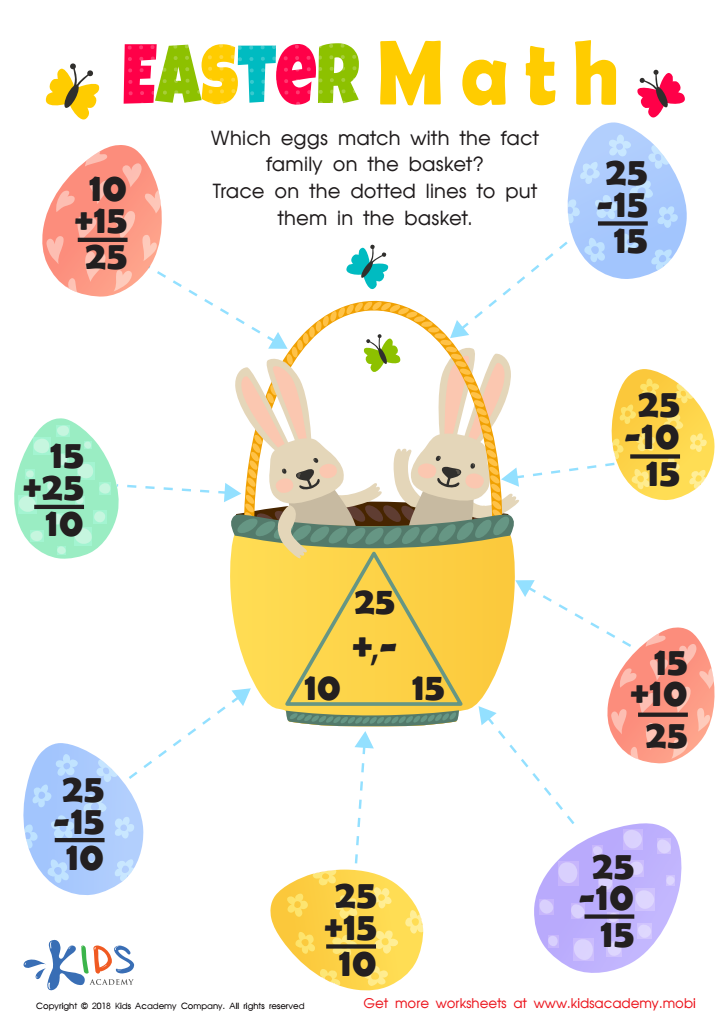
Fact Families: Easter Math Worksheet
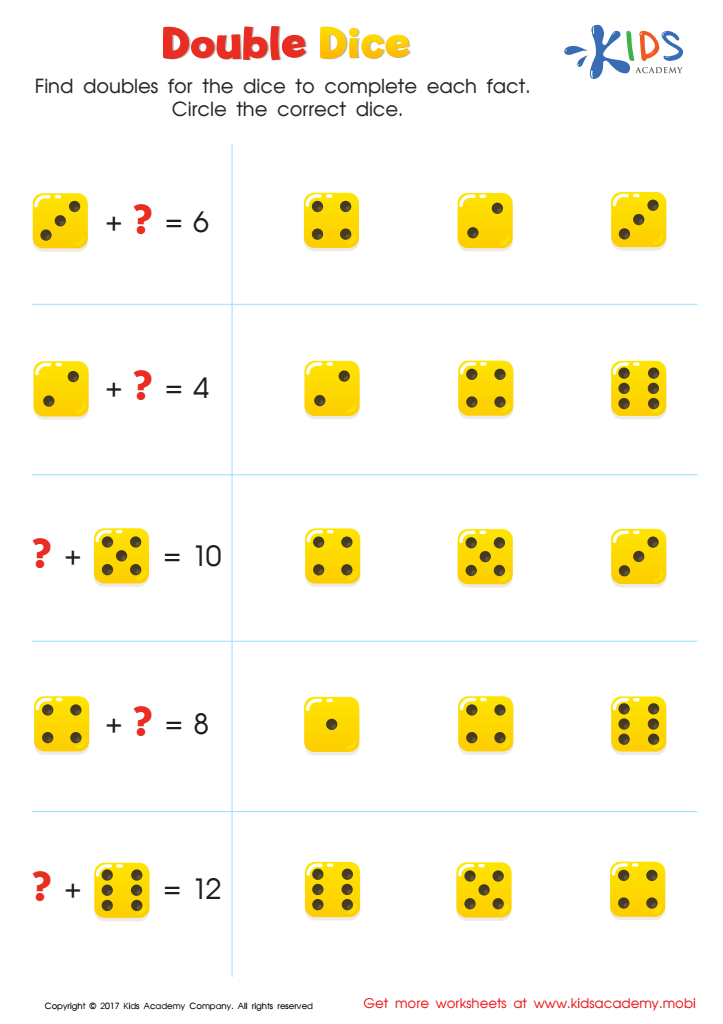
Addition Facts: Double Dice Worksheet
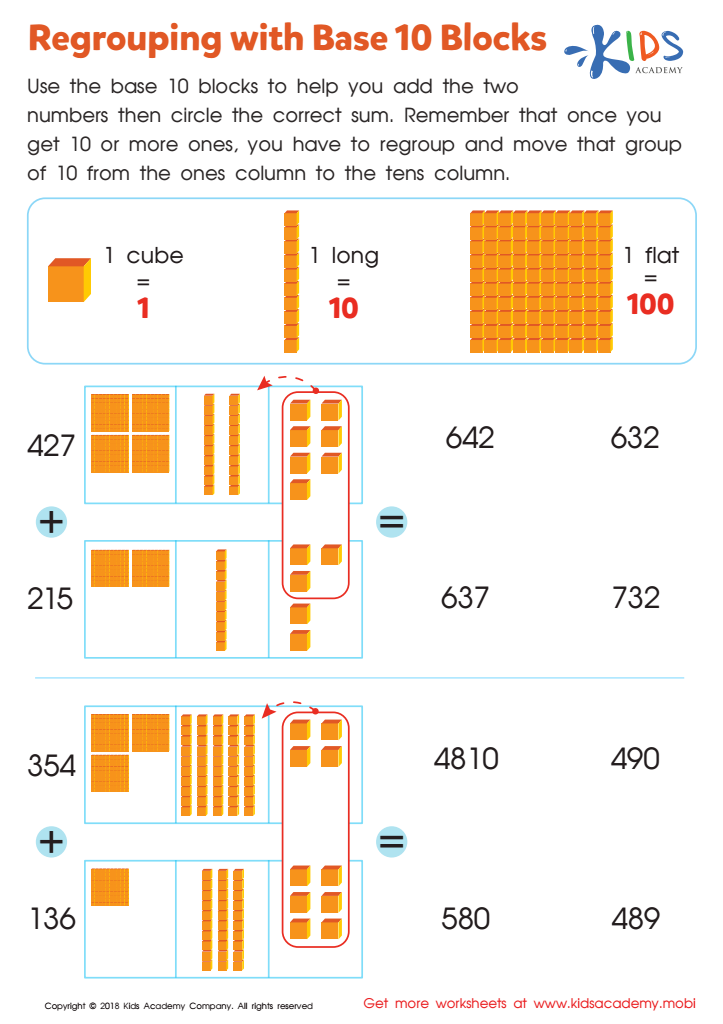
Regrouping with Base 10 Blocks Worksheet
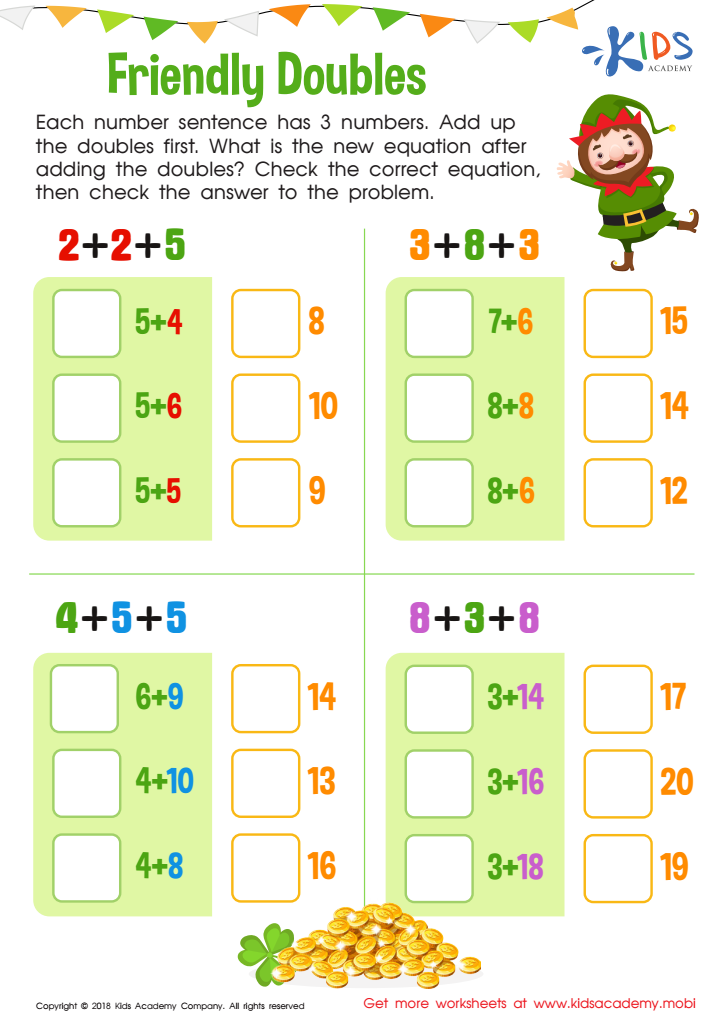
Friendly Doubles Worksheet
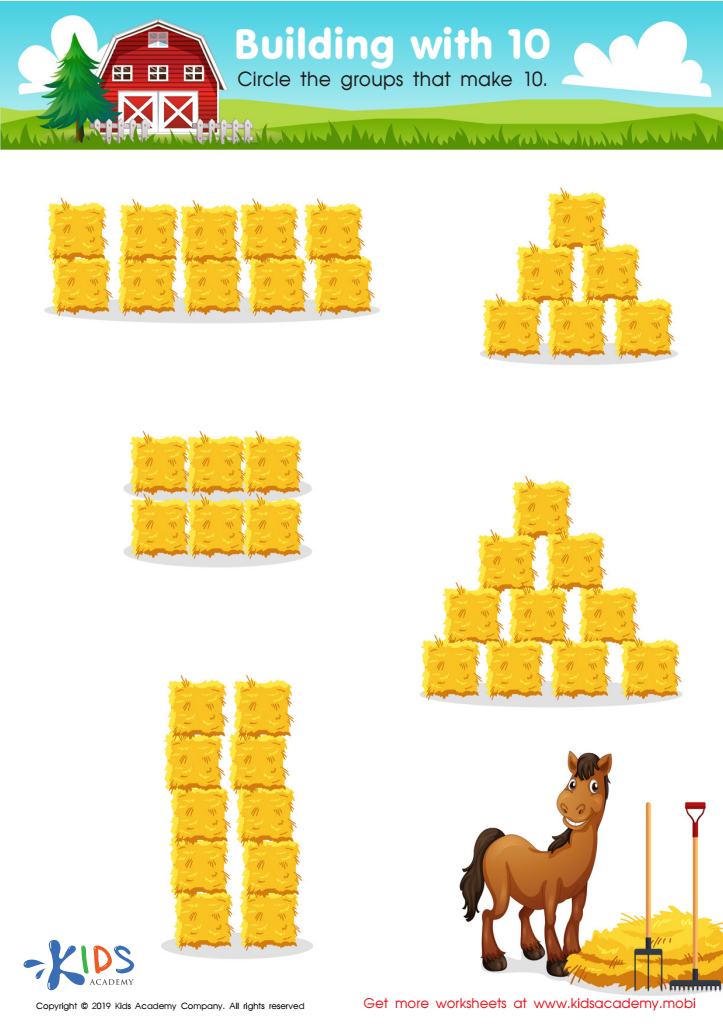
Building with 10 Worksheet
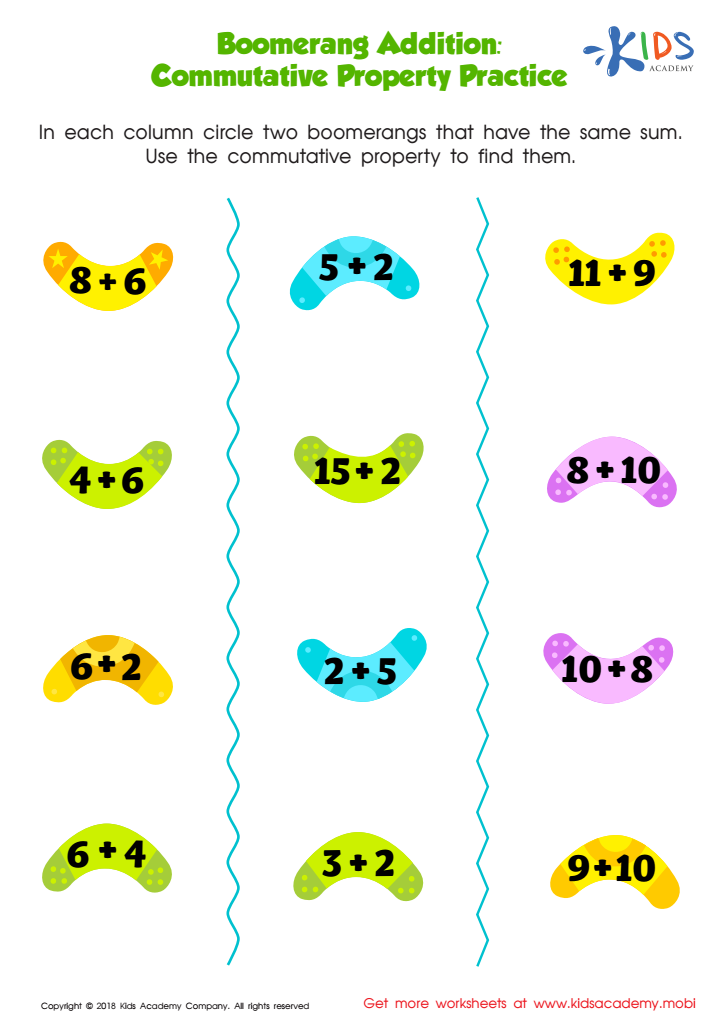
Boomerang Addition Worksheet
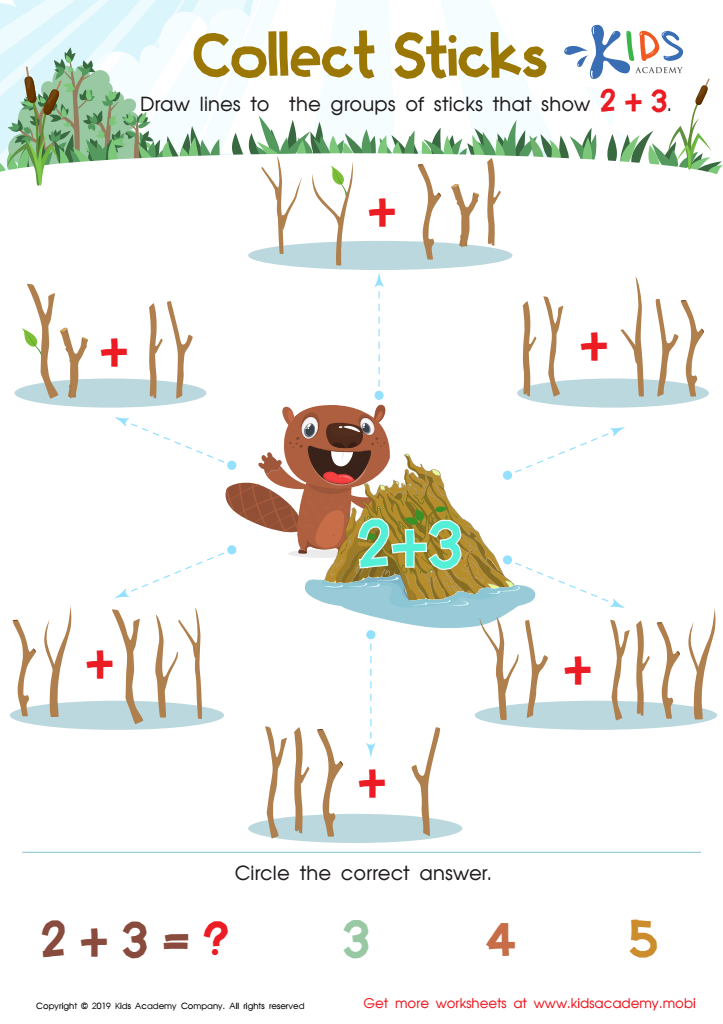
Collect Sticks Worksheet
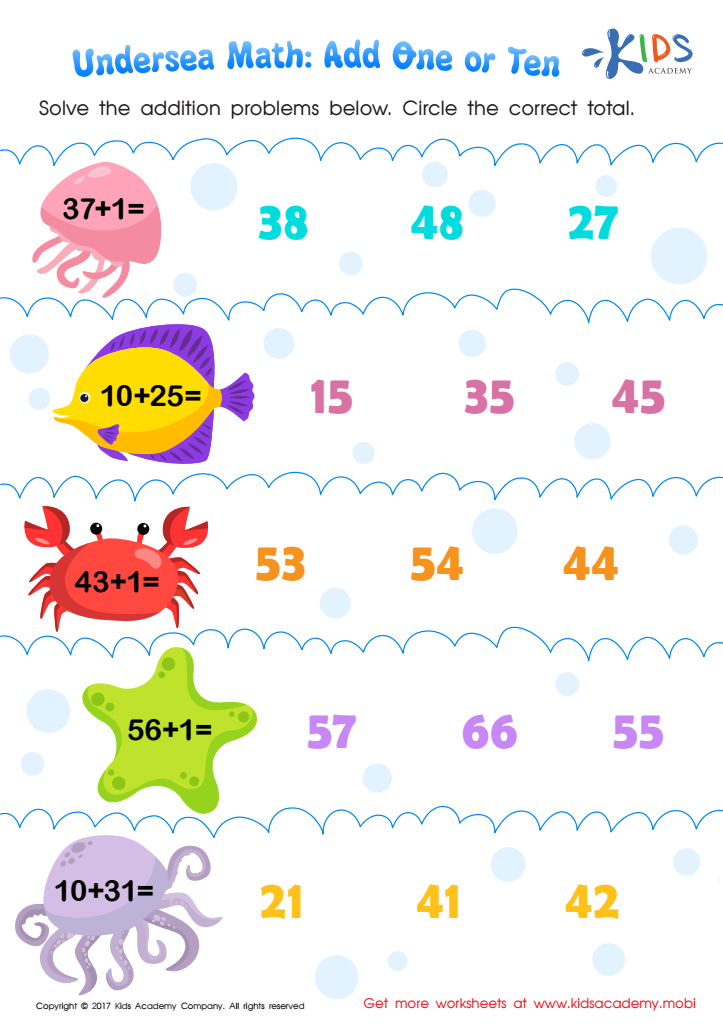
Undersea Math Worksheet
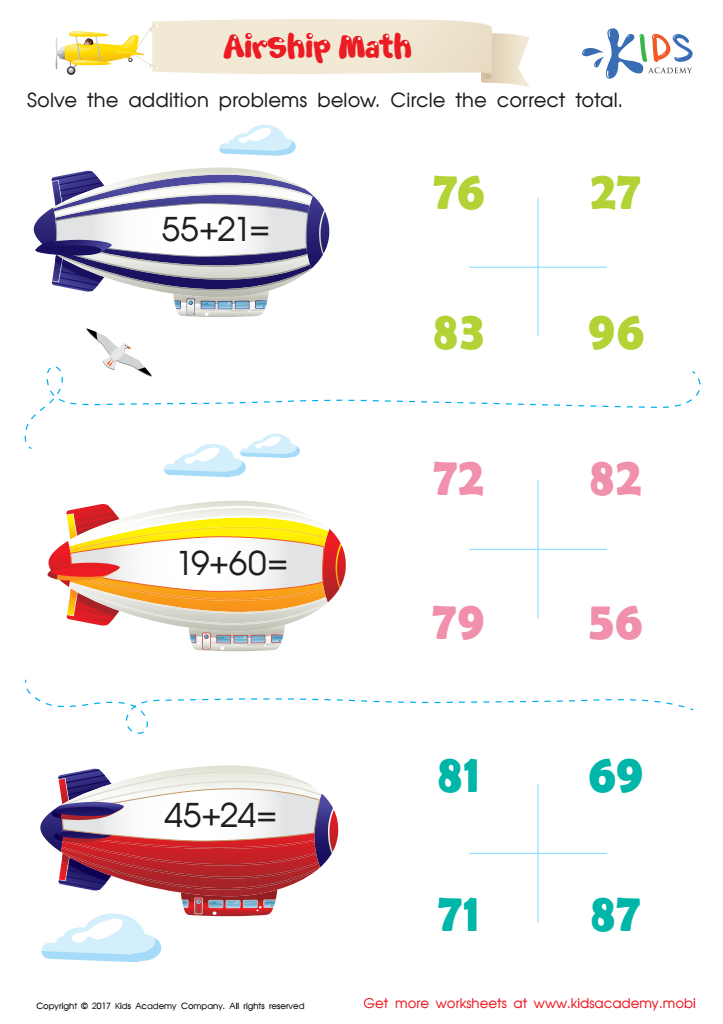
Airship Math Addition Printable








Addition practice is fundamental for children aged 6-9, as it lays the groundwork for their mathematical skills. Engaging in normal addition activities not only strengthens a child's ability to perform basic arithmetic but also enhances their cognitive development. This age is crucial for developing number sense—the ability to understand numbers, their relationships, and how they connect to the world around them.
For parents and teachers, focusing on addition practice helps students develop confidence in their mathematical abilities. Regular practice supports memory retention and allows students to become comfortable with numbers, paving the way for more complex concepts such as multiplication, division, and even broader math skills later on. Additionally, mastering addition can improve problem-solving skills and logical reasoning, essential competencies in various life situations.
Furthermore, consistent practice can lead to heightened engagement and enjoyment in math, reducing anxiety related to the subject. Activities that involve games, interactive tasks, and real-life applications can make learning addition fun and meaningful—appealing to children's natural curiosity. Overall, nurturing a solid foundation in addition will empower children academically and prepare them for future challenges, making it essential for both parents and teachers to prioritize.