Color Identification Normal Math Worksheets for Ages 6-9
9 filtered results
-
From - To
Discover our engaging Color Identification Normal Math Worksheets, designed for children aged 6-9! These fun and interactive worksheets help young learners develop essential skills by incorporating color recognition with basic math concepts. Students will enjoy a variety of activities that combine numbers with vibrant colors, making learning enjoyable and effective. Perfect for both classroom and home use, these worksheets promote creativity while reinforcing critical thinking and math skills. Encouraging hands-on learning, they help children recognize patterns, improve focus, and enhance their ability to think logically. Give your child the tools they need to succeed in math with our exciting color identification worksheets!
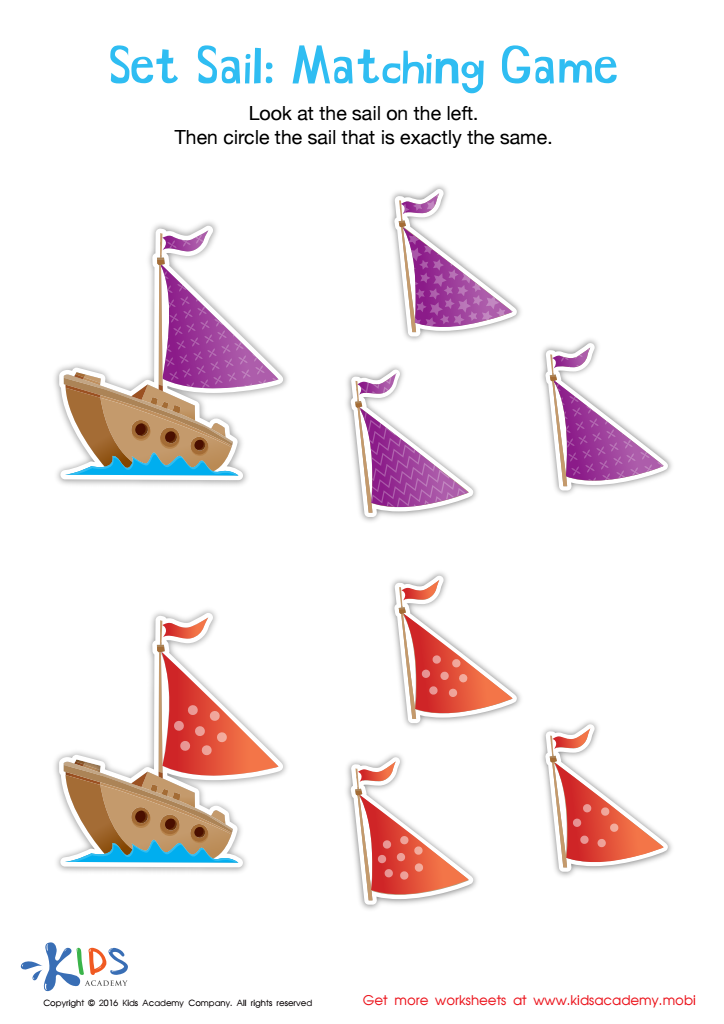
Set Sail Worksheet
 Assign to My Students
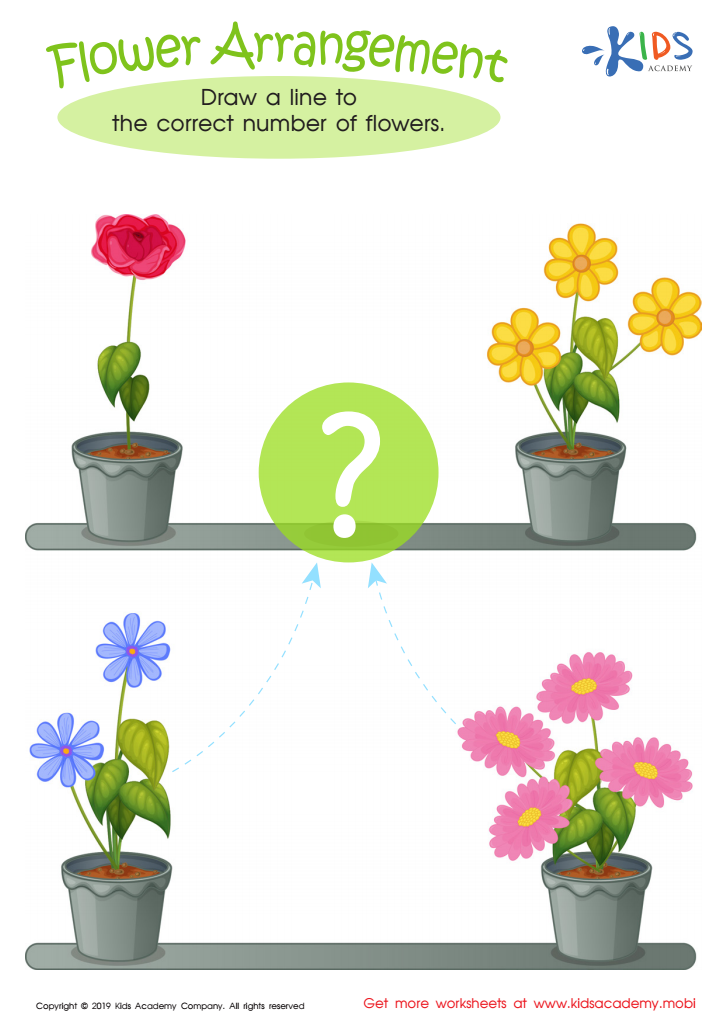
Flower Arrangement Worksheet
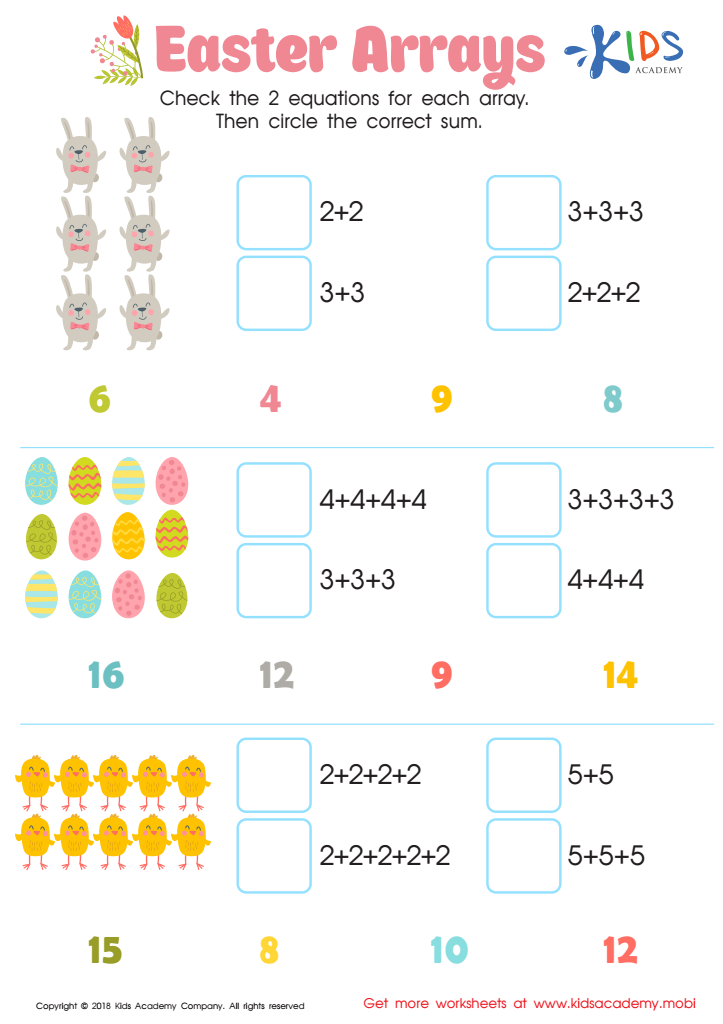
Easter Arrays Worksheet
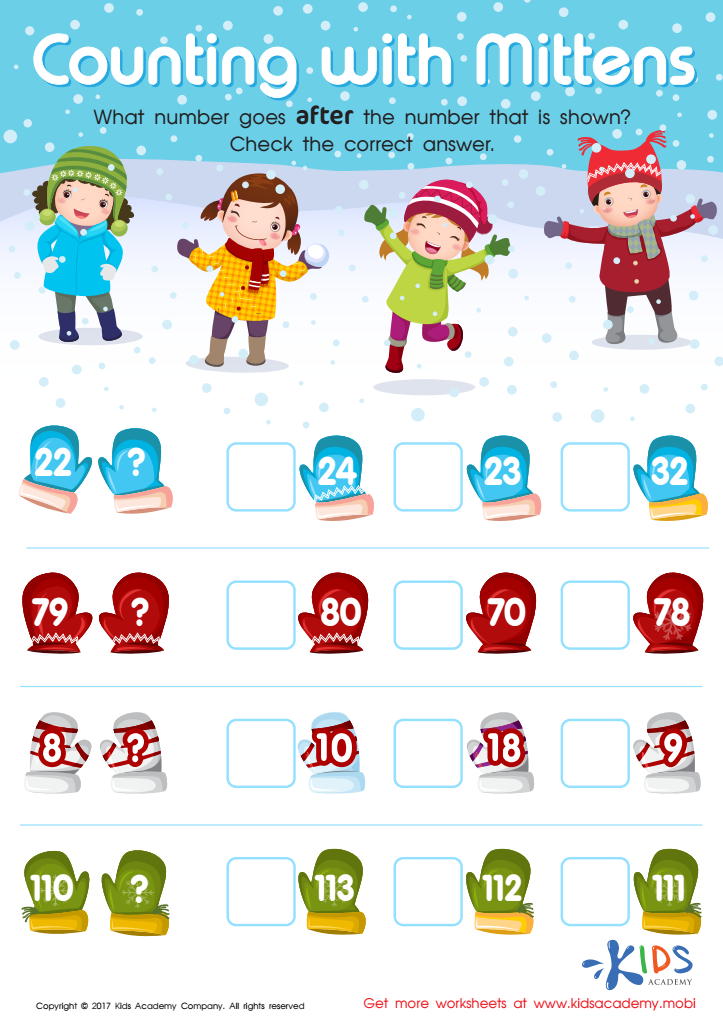
Counting with Mittens Worksheet
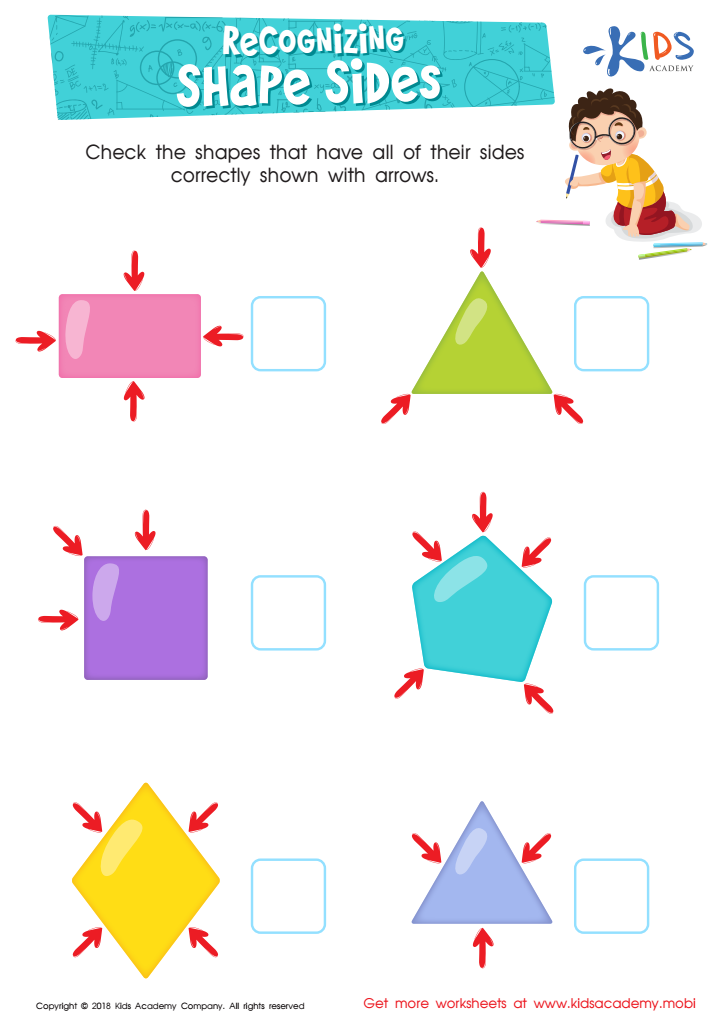
Recognizing Shape Sides Worksheet
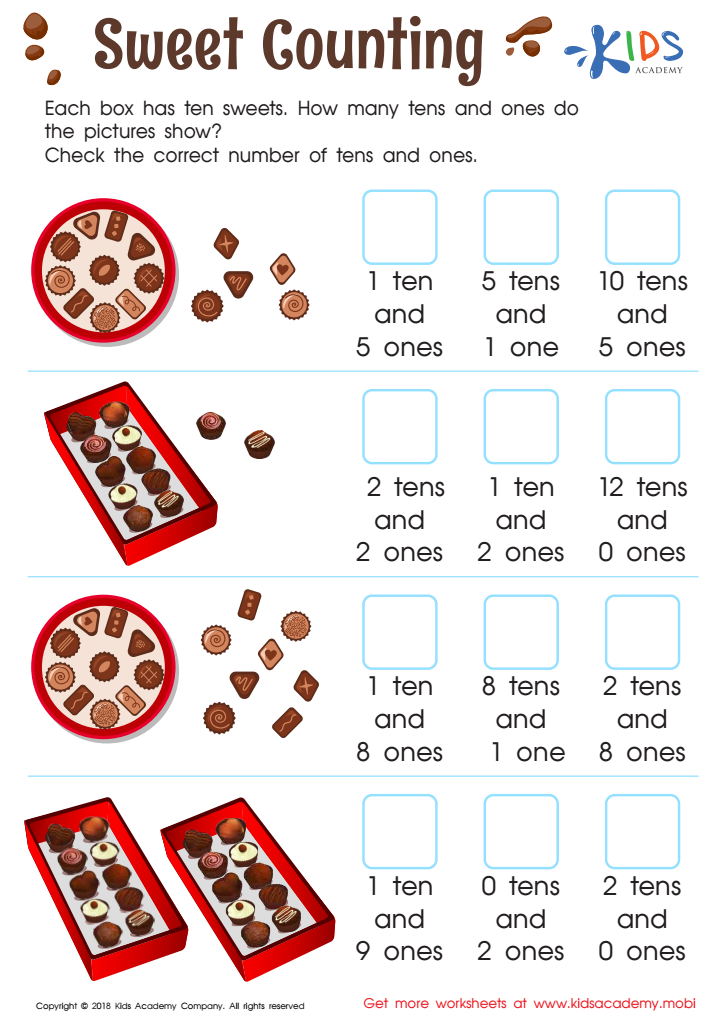
Sweet Counting - Part 2 Worksheet
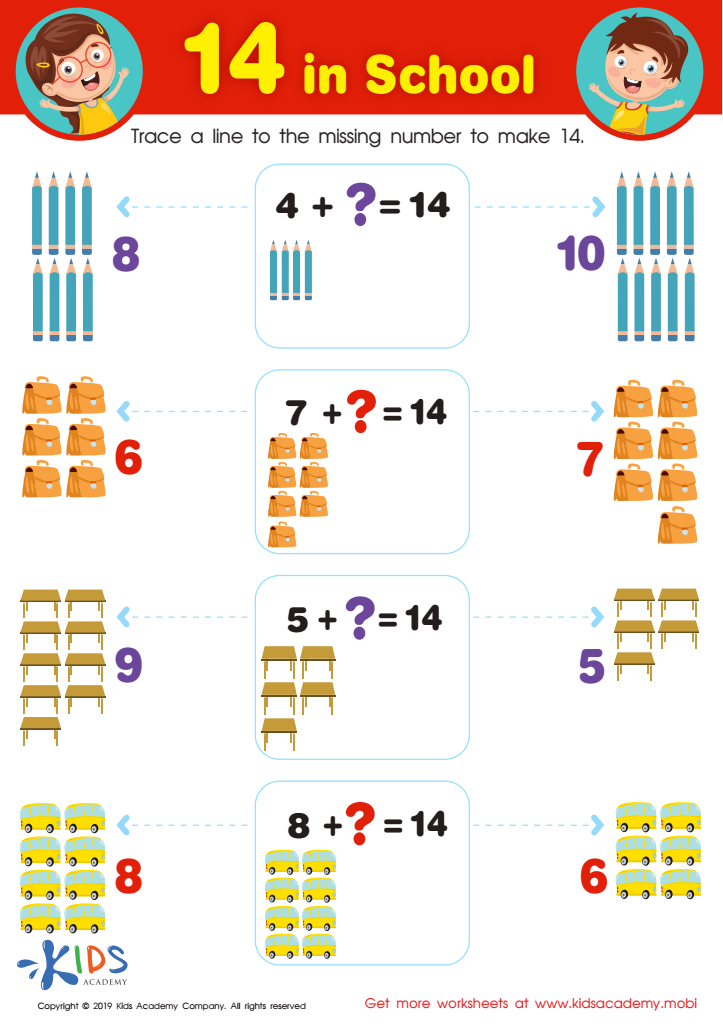
14 in School Worksheet
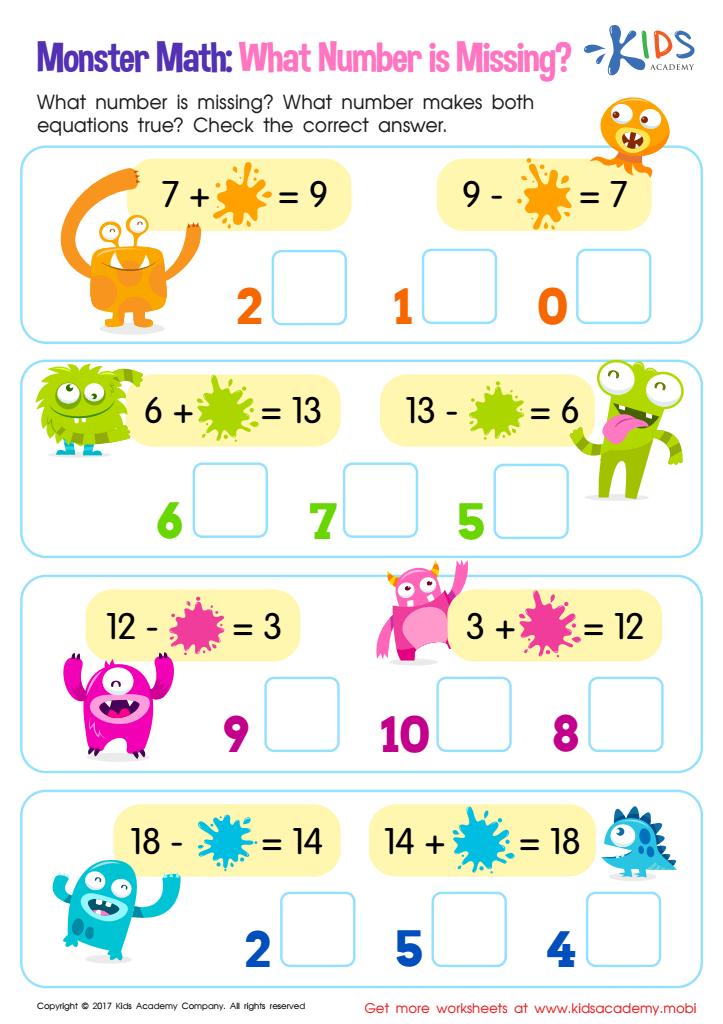
Missing Number: Monster Math Worksheet
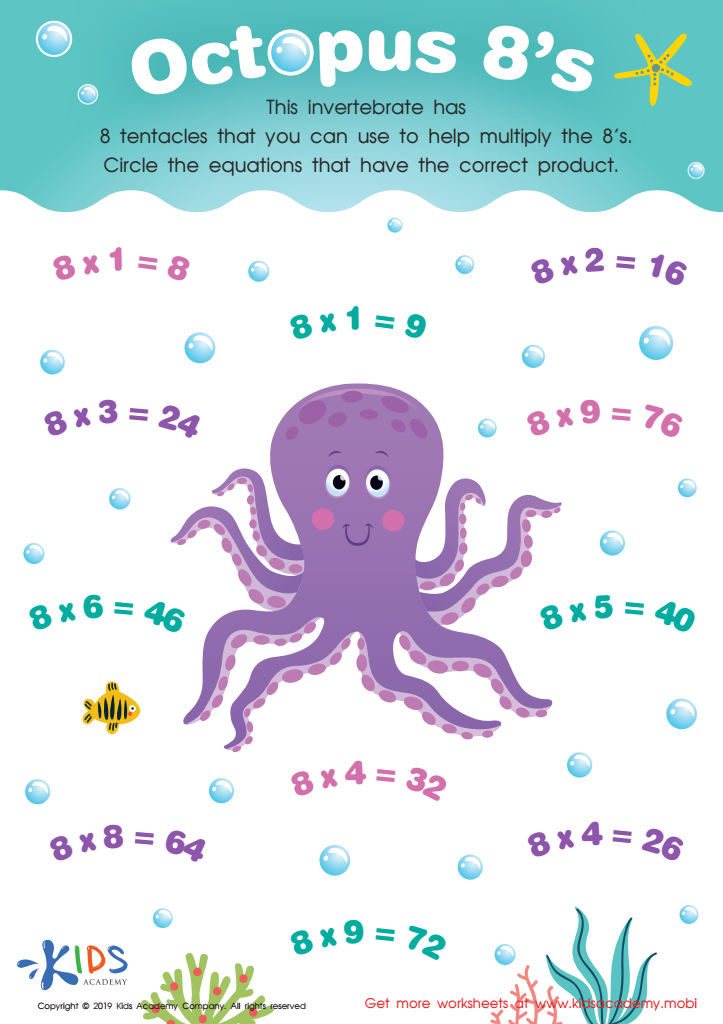
Octopus 8’s Worksheet






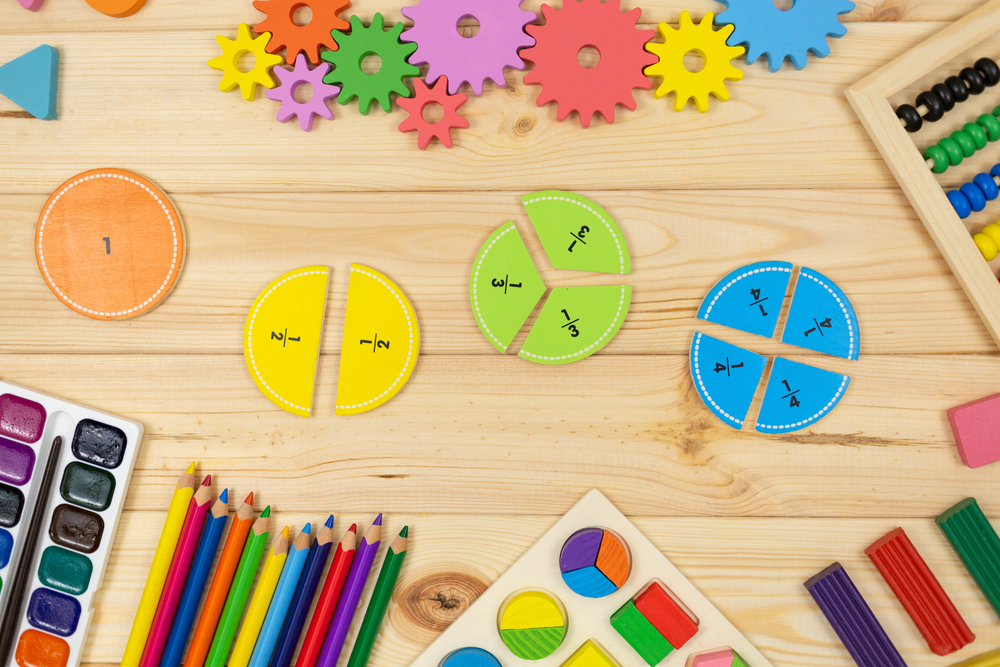

Color identification is a foundational skill that plays a critical role in a child's early development, particularly for ages 6-9. Understanding colors allows children to make sense of their environment and enhances their ability to communicate effectively. By engaging in color identification, children develop important cognitive skills, such as categorization and observation.
For parents and teachers, promoting color identification can significantly enrich mathematical understanding. Colors can be integrated into math activities—like sorting, pattern recognition, and basic counting—transforming abstract concepts into more relatable and visual experiences. This approach not only helps children grasp mathematical ideas but also fosters creativity and critical thinking.
Furthermore, color identification activities in a classroom setting can foster social skills. Collaborative games like "color scavenger hunts" or group art projects encourage teamwork and communication, nurturing a sense of community and belonging among peers.
Additionally, understanding colors can improve language development, as children learn to describe objects, express preferences, and make connections. All these elements contribute to a well-rounded educational experience, setting the stage for future learning. Therefore, parents and teachers should prioritize color identification, as it weaves into various aspects of learning and social interaction, ensuring a holistic developmental approach.








