Counting practice Normal Math Worksheets for Ages 6-9 - Page 2
27 filtered results
-
From - To
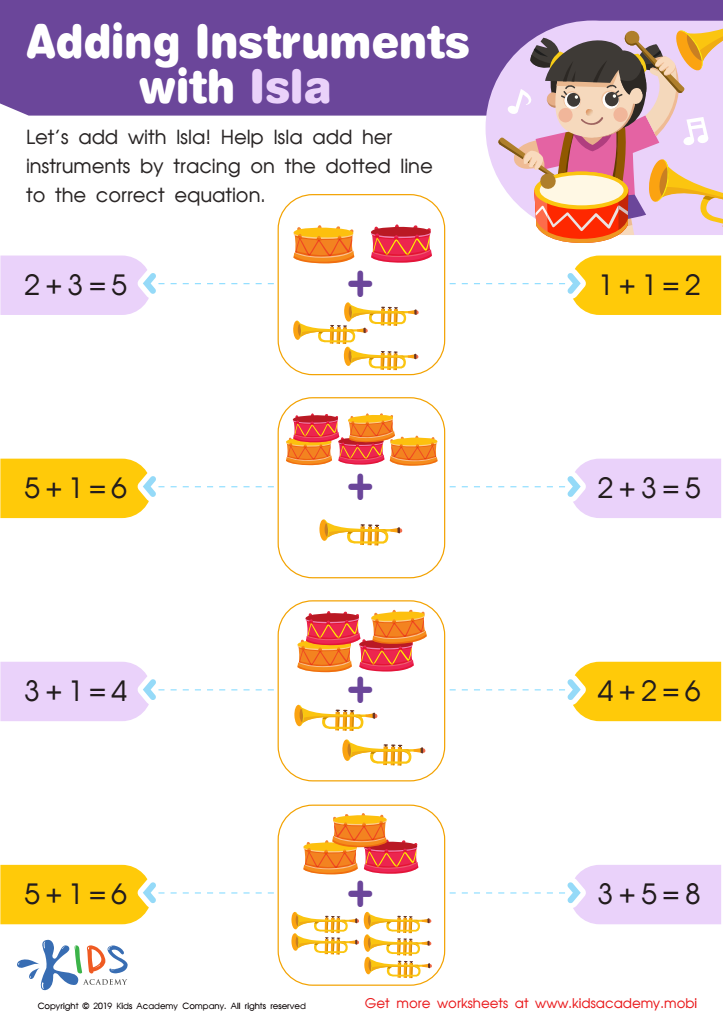
Adding Instruments with Isla Worksheet
 Assign to My Students
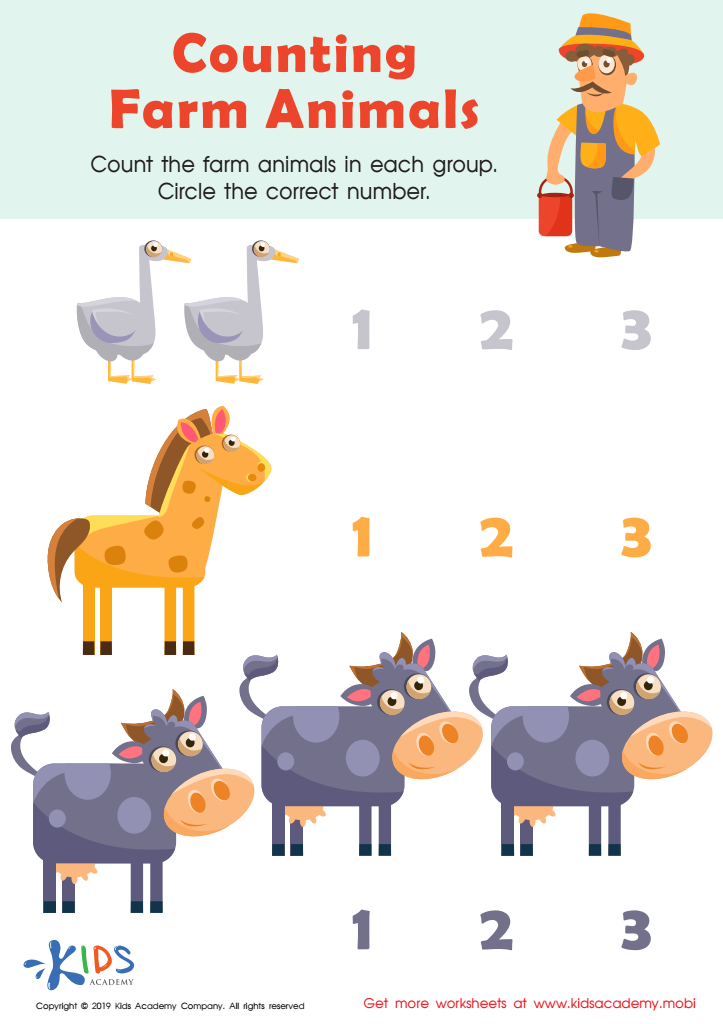
Counting Farm Animals Worksheet
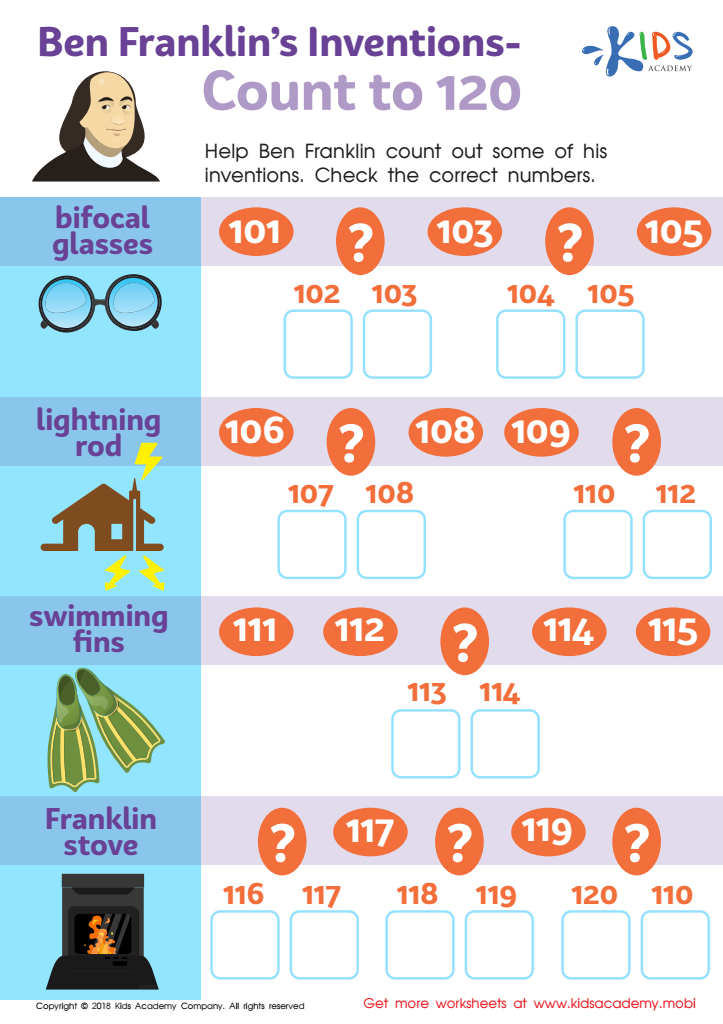
Ben Franklin’s Inventions – Count to 120 Worksheet







Counting practice is a fundamental aspect of mathematics education for children aged 6-9, making it crucial for both parents and teachers to prioritize it. This developmental stage is key for building a strong mathematical foundation, as children learn not only to count but also to understand number relationships, quantities, and basic operations.
Engaging in counting provides numerous cognitive benefits, including the enhancement of problem-solving skills, critical thinking, and memory retention. It also fosters a child's confidence in handling numbers, forming a positive attitude towards math that can last a lifetime. Regular counting practice helps solidify essential skills, such as one-to-one correspondence and recognizing patterns, which are vital for more complex math concepts in later years.
Additionally, counting practice can be made fun through games and interactive activities, thus maintaining children's interest and improving their engagement. When parents and teachers work together to encourage counting at home and in the classroom, it reinforces learning and creates a supportive environment.
Ultimately, prioritizing counting practice during these formative years not only prepares children for academic success in math but also equips them with skills crucial for everyday life, such as budgeting, cooking, and time management.








