Logical thinking Normal Math Worksheets for Ages 6-9
6 filtered results
-
From - To
Enhance your child's logical thinking skills with our engaging Normal Math Worksheets, specially tailored for ages 6-9. These worksheets are designed to boost problem-solving abilities, improve critical thinking, and deepen mathematical understanding through fun activities. Children will enjoy a variety of exercises that challenge their reasoning while reinforcing foundational math concepts. Each worksheet promotes interactive learning, making math enjoyable and accessible. Ideal for home practice or classroom use, our resources cultivate a love for math that sets the stage for future success. Explore our collection and watch your child's confidence and skills grow with every worksheet!
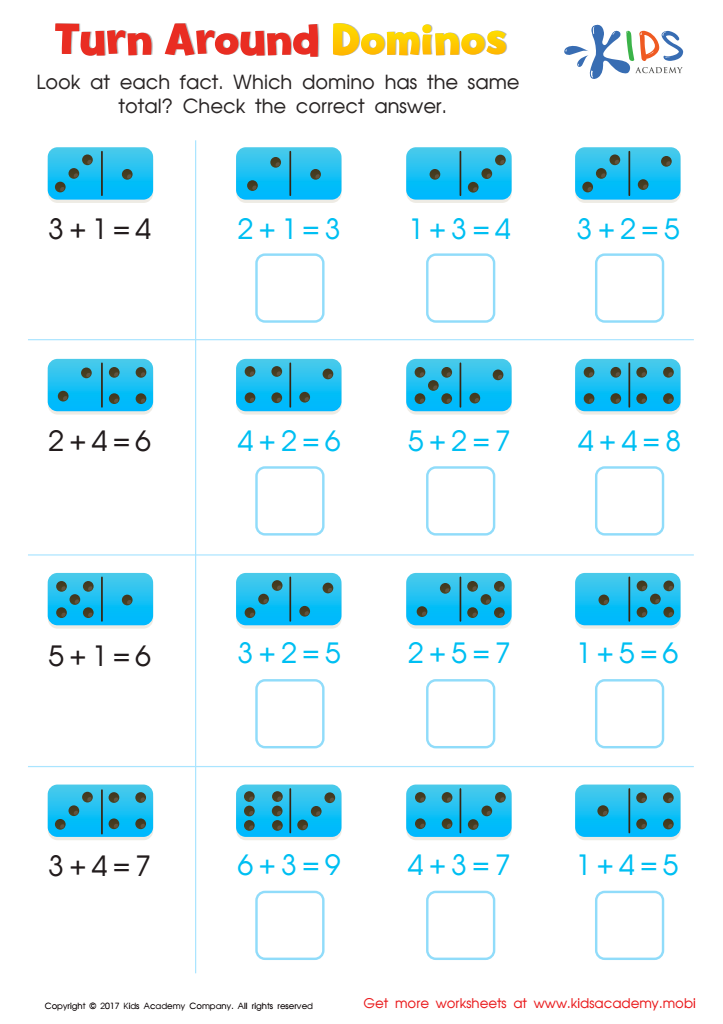
Turn Around Dominos Worksheet
 Assign to My Students
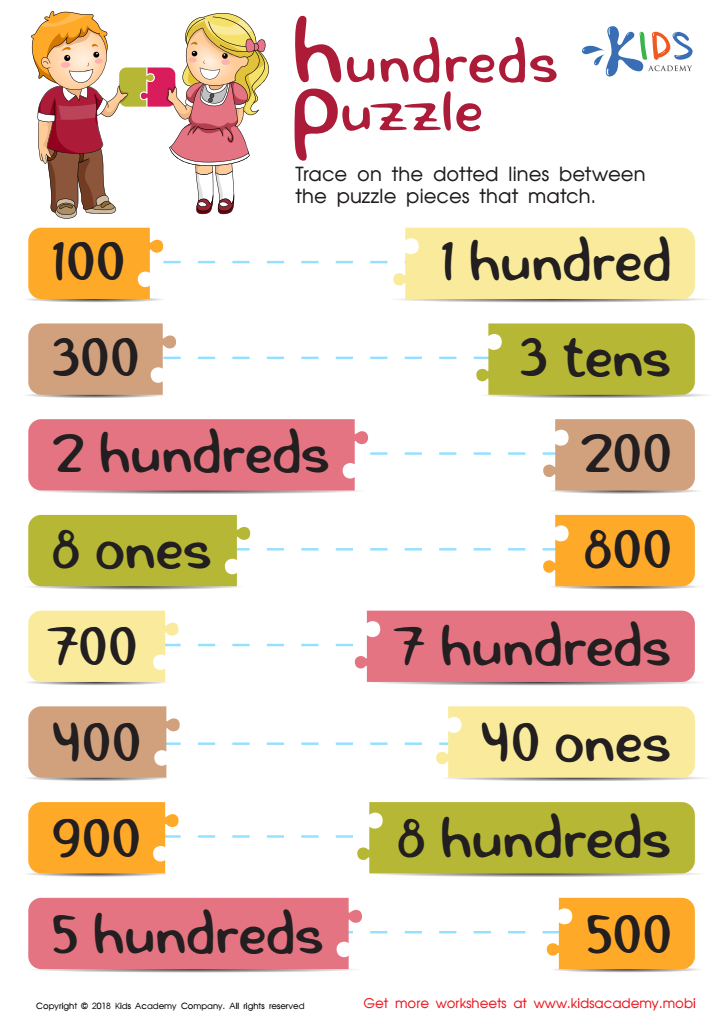
Hundreds Puzzle Worksheet
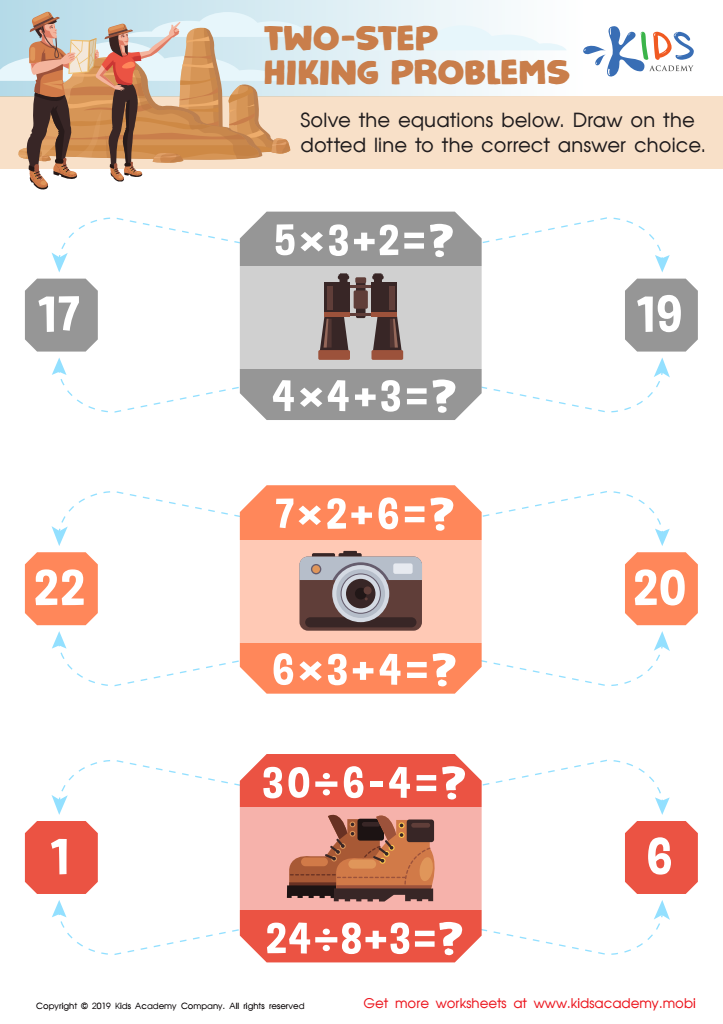
Two-Step Hiking Problems Worksheet
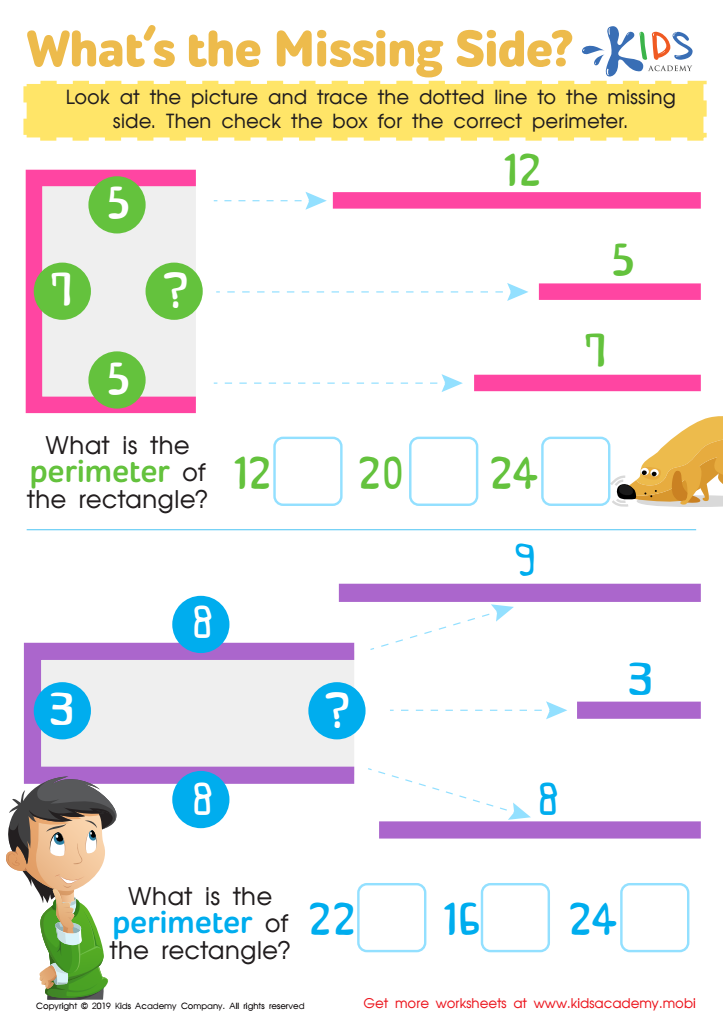
What's the Missing Side Worksheet
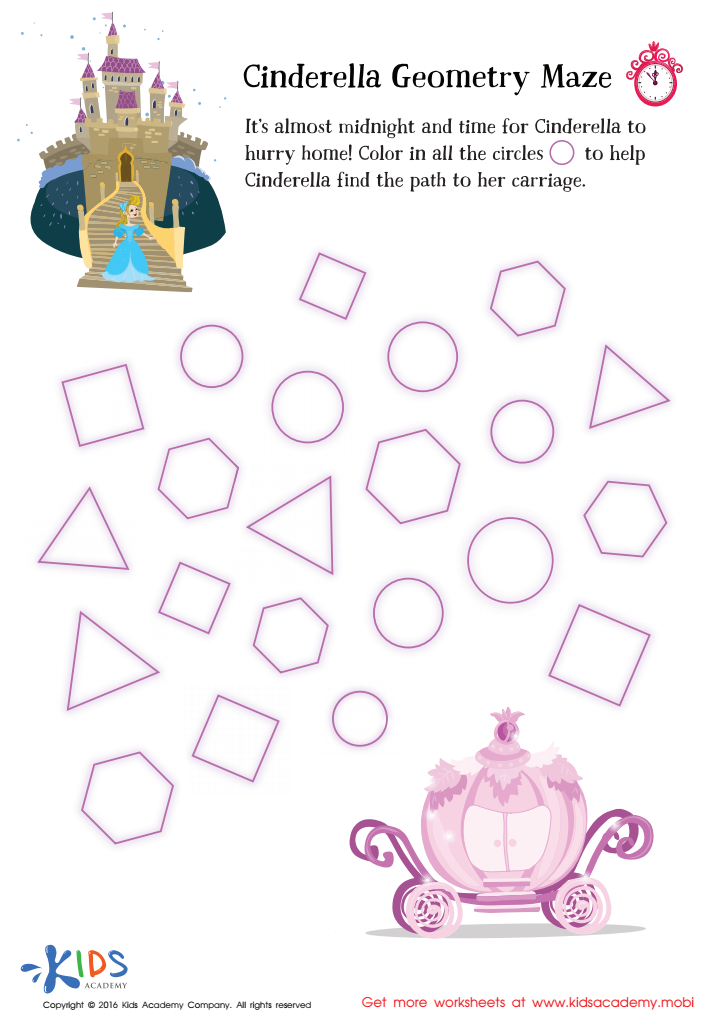
Cinderella Geometry Maze Worksheet
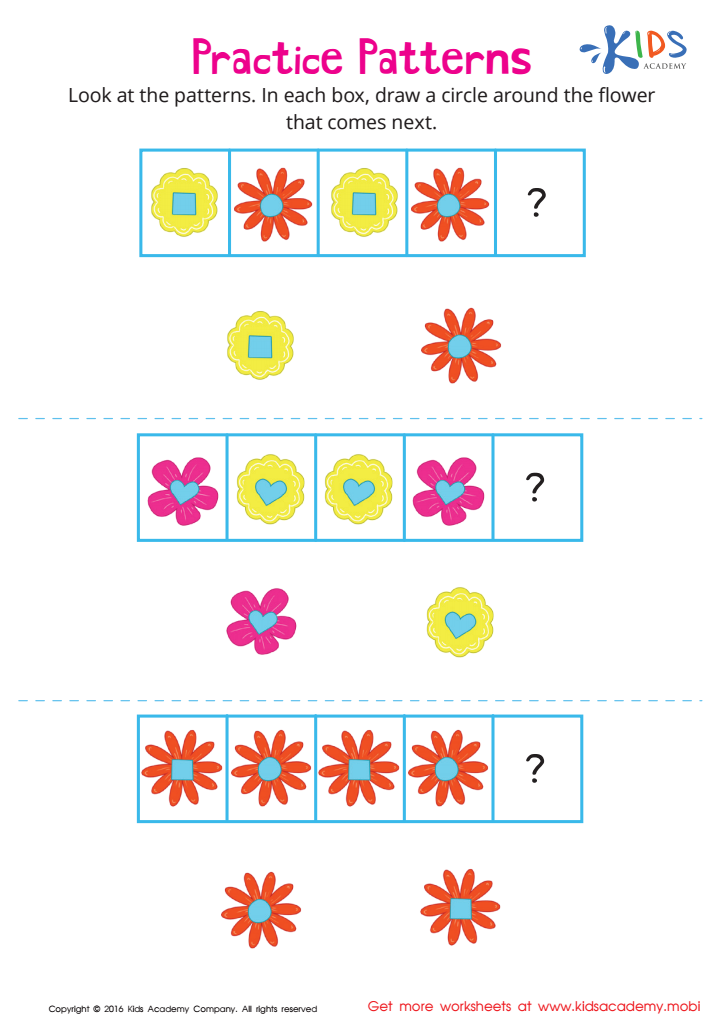








Logical thinking is a crucial component of young learners' cognitive development, especially within the context of mathematics for ages 6-9. During this stage, children are naturally curious and begin to form connections between concepts, so it's essential to harness this ability effectively.
Engaging in logical thinking through normal math activities helps children develop critical problem-solving skills that are vital for everyday life. It encourages them to analyze situations, draw conclusions, and reason systematically. By emphasizing logical thinking in math, parents and teachers can foster a mindset that prepares children for more complex mathematical concepts in the future and nurtures confidence in their abilities.
Moreover, logical thinking promotes persistence and resilience. As children learn to navigate challenges, they embrace failures as learning opportunities rather than obstacles. This mindset is invaluable in both academic pursuits and personal development.
Ultimately, promoting logical thinking through normal math not only enriches children's numerical skills but also equips them with tools they will need throughout their lives—skills like logic, reasoning, and critical analysis that go beyond math into all areas of learning and decision-making. Parents and teachers play a vital role in ensuring that children are provided with experiences that enhance logical thinking during these formative years.








