Normal Nursery Rhymes Worksheets for Ages 6-9
3 filtered results
-
From - To
Explore our engaging "Normal Nursery Rhymes Worksheets for Ages 6-9" designed to enhance literacy skills and spark creativity. These worksheets combine fun and learning, featuring popular nursery rhymes that children adore. Each worksheet includes reading comprehension exercises, vocabulary building activities, and imaginative prompts, ensuring that kids not only enjoy the rhythm and rhyme but also grasp meaningful insights. Ideal for home or classroom use, our resources support early literacy development while fostering a love for storytelling. Download and print these exciting worksheets to make learning a joyful experience for your little ones! Perfect for engaging discussions and creative writing exercises!

Twinkle Twinkle Little Star Coloring Page
 Assign to My Students
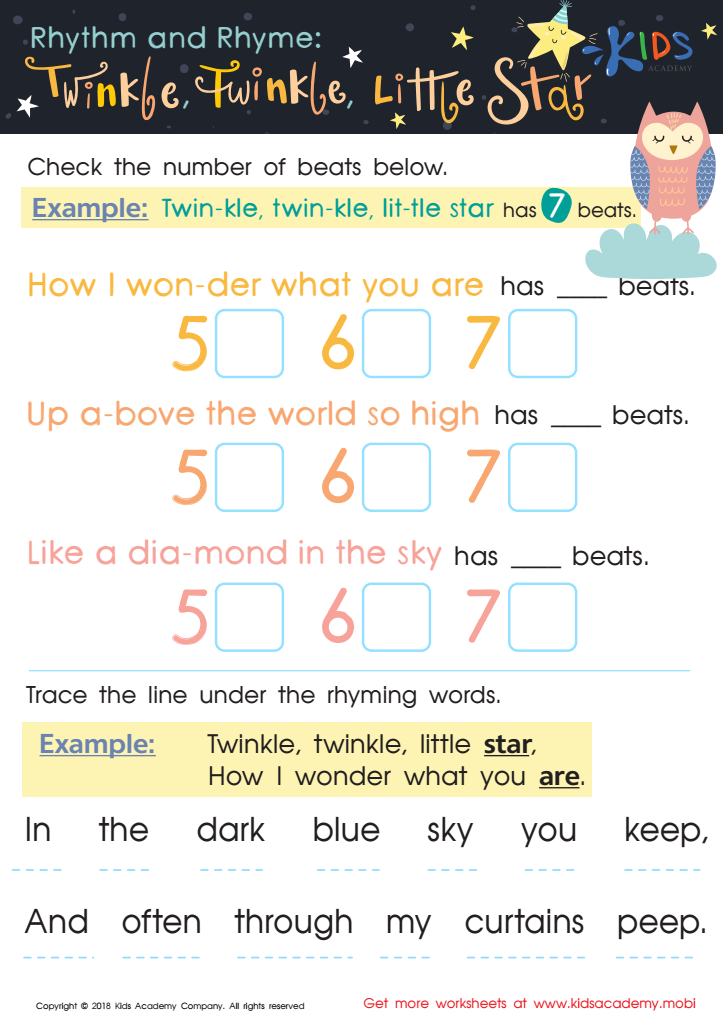
Rhythm and Rhyme: Twinkle, Twinkle, Little Star Worksheet
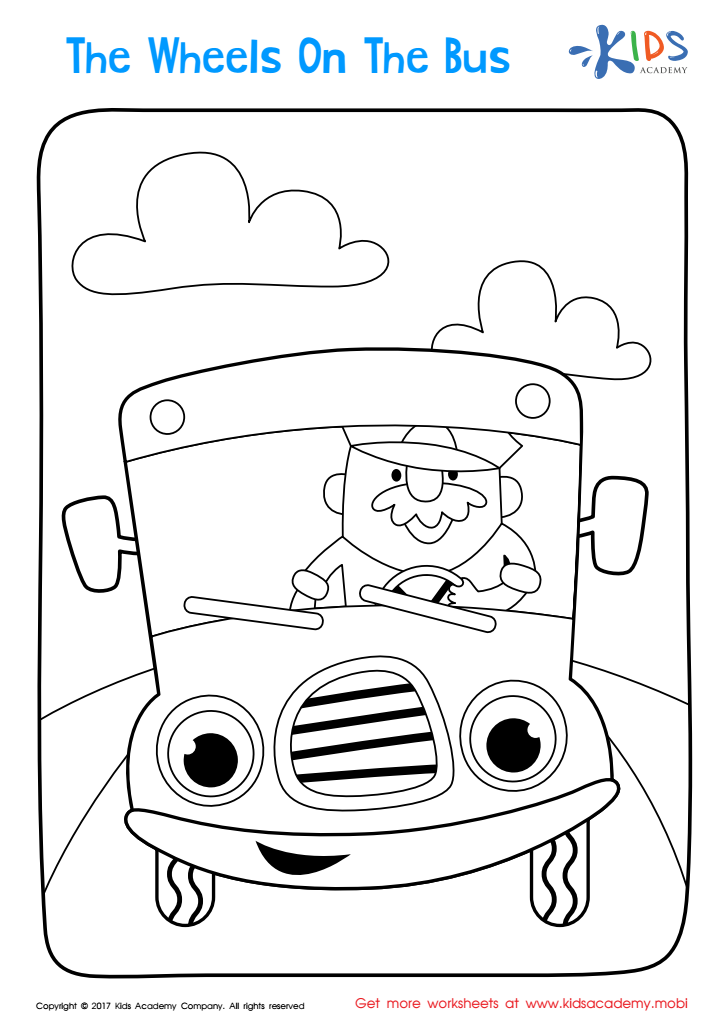
The Wheels on the Bus Coloring Page
Assign to My Students








Parents and teachers should be attentive to nursery rhymes for ages 6-9 because they serve as a foundational tool in language development, literacy skills, and cultural understanding. Nursery rhymes enhance vocabulary through repetition and rhyme, making new words more accessible and memorable. This early exposure to language also supports phonemic awareness, a critical component for reading success.
Additionally, nursery rhymes often convey social values and lessons. They engage children in storytelling, fostering imagination and creativity. Rhymes can stimulate discussions about emotions, relationships, and moral choices, allowing for effective moral and social education in a relatable context.
Furthermore, these simple, rhythmic texts are often enjoyable and promote a love for reading. When parents and teachers incorporate nursery rhymes into learning, they create a sense of familiarity and comfort, building confidence in young learners as they explore language. By encouraging children to memorize and recite these rhymes, they not only enhance fluency but also facilitate memory retention and improve listening skills.
In summary, nursery rhymes are a significant tool for fostering developmental skills. Engaging with them can have lasting positive impacts on children's language skills, emotional intelligence, and social understanding—crucial components for their overall growth and learning success.