Cognitive Development Normal Worksheets for Ages 7-9 - Page 2
37 filtered results
-
From - To
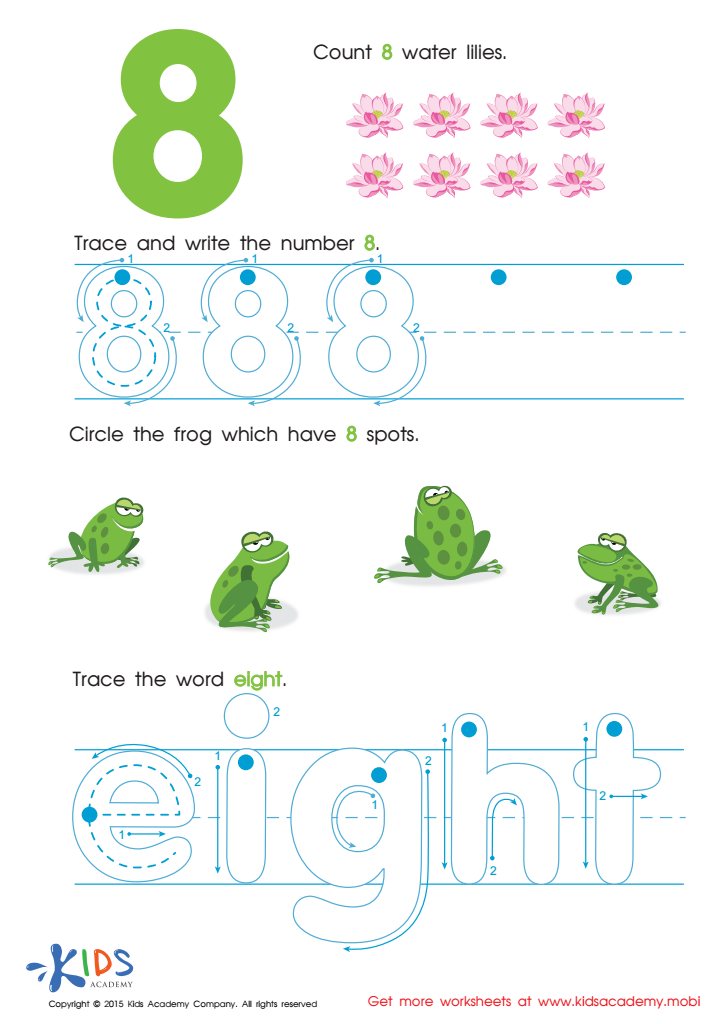
Learn Number 8 Easily Worksheet
 Assign to My Students

Traditional Dance Printable
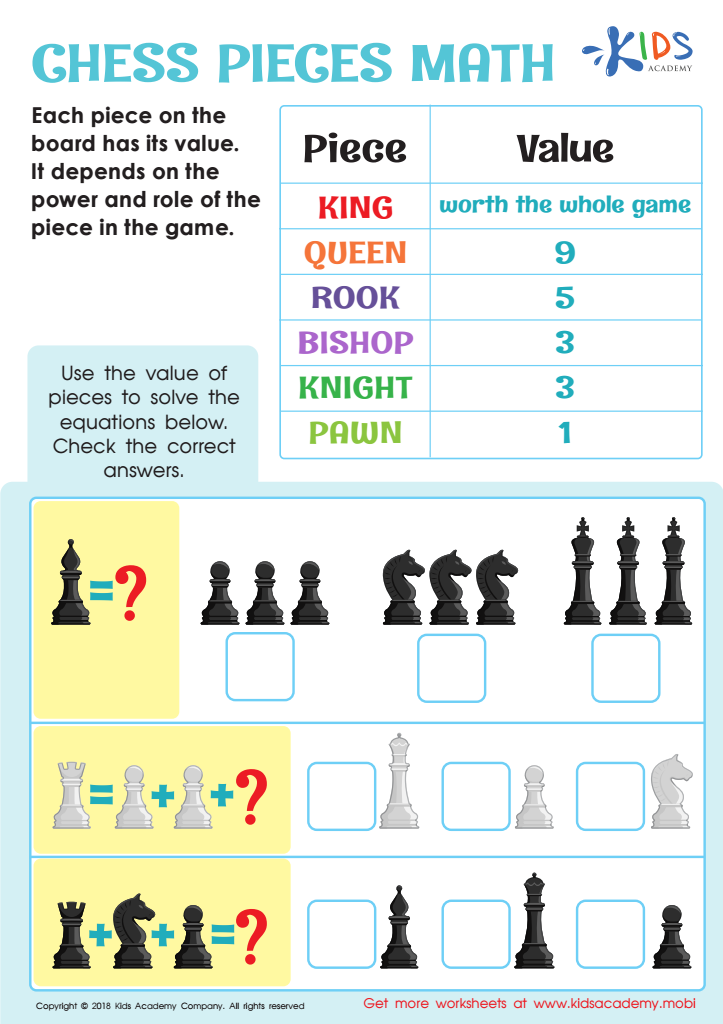
Chess Pieces Math Worksheet
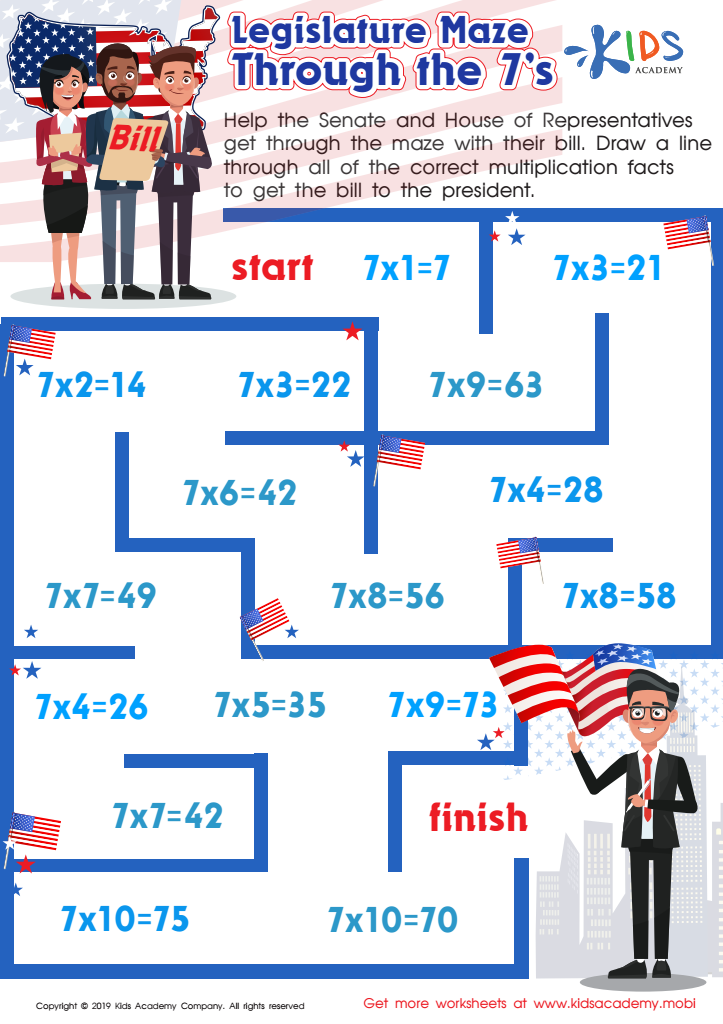
Legislature Maze Through the 7’s Worksheet

Light Sources and Shadows Worksheet

Seasons Match Worksheet

Arctic Animals Worksheet
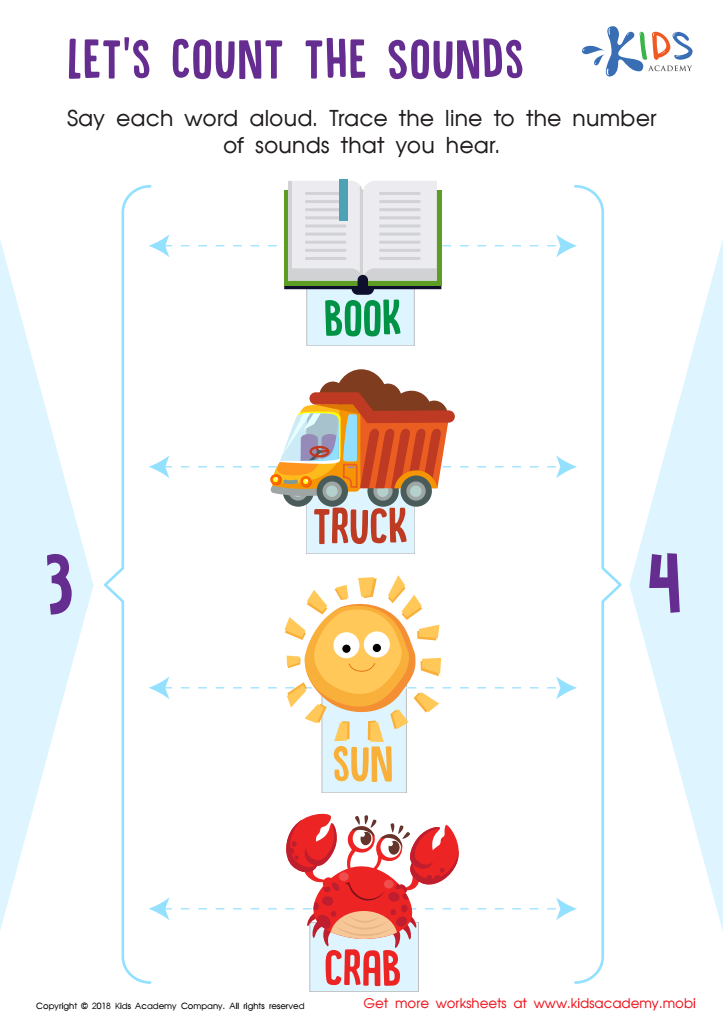
Let's Count the Sounds Worksheet
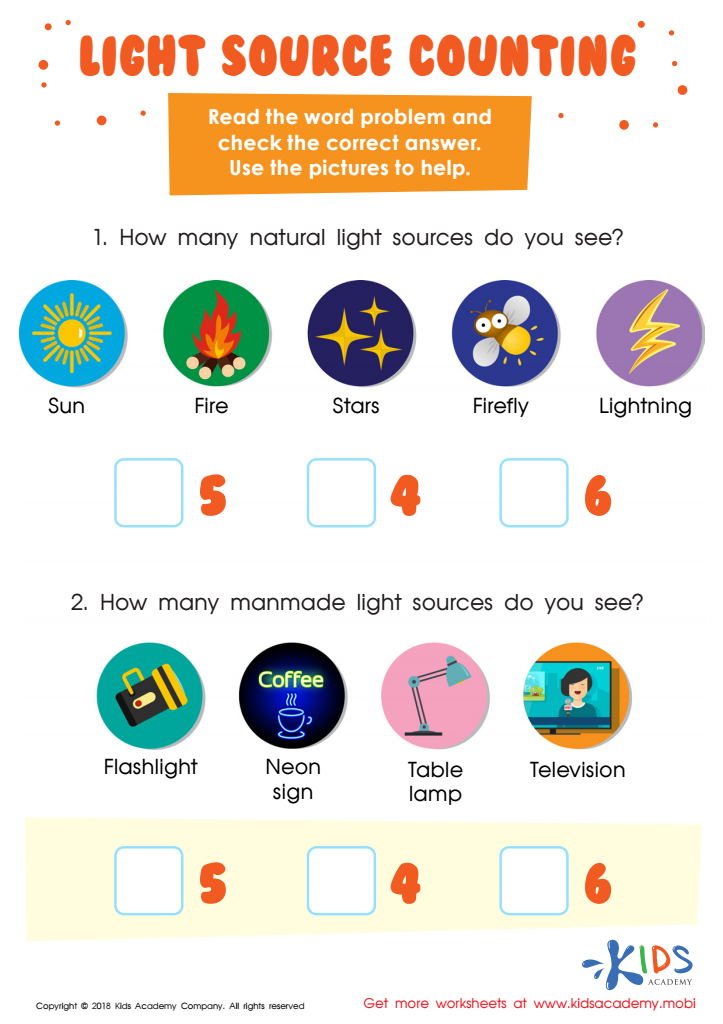
Light Source Counting Worksheet
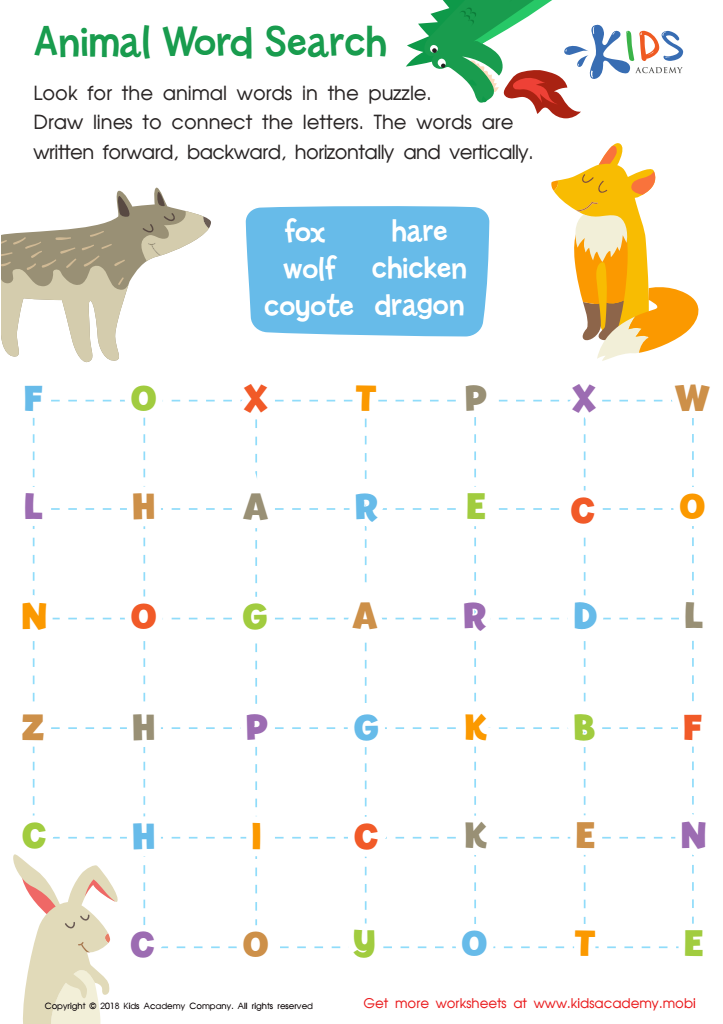
Animal Word Search Worksheet
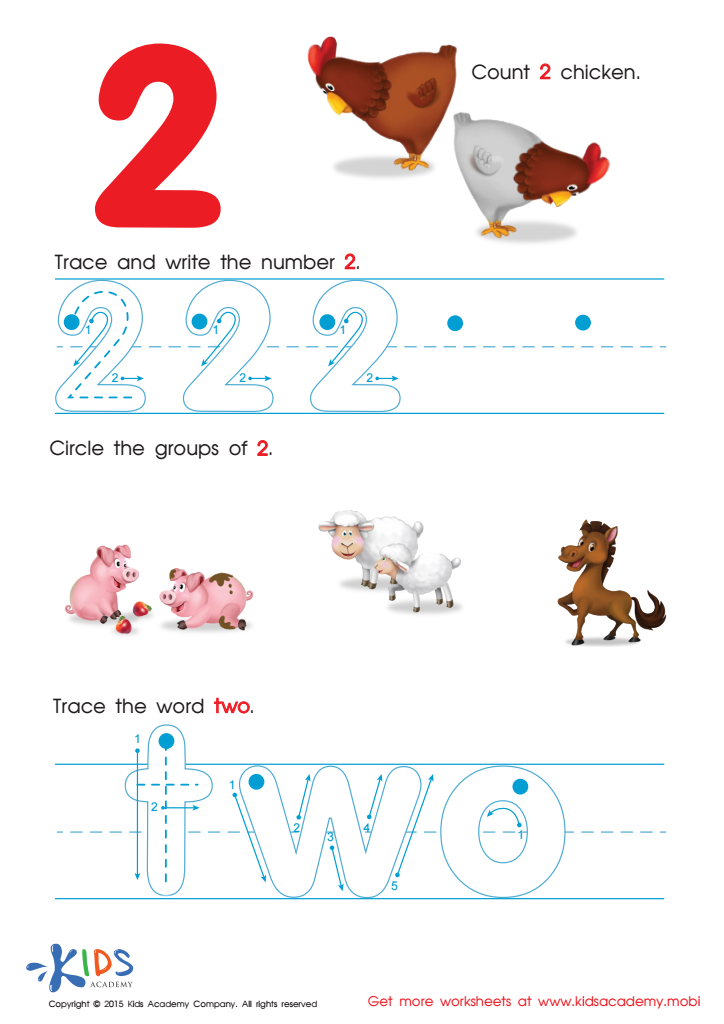
Learn to Write the Number 2 Worksheet
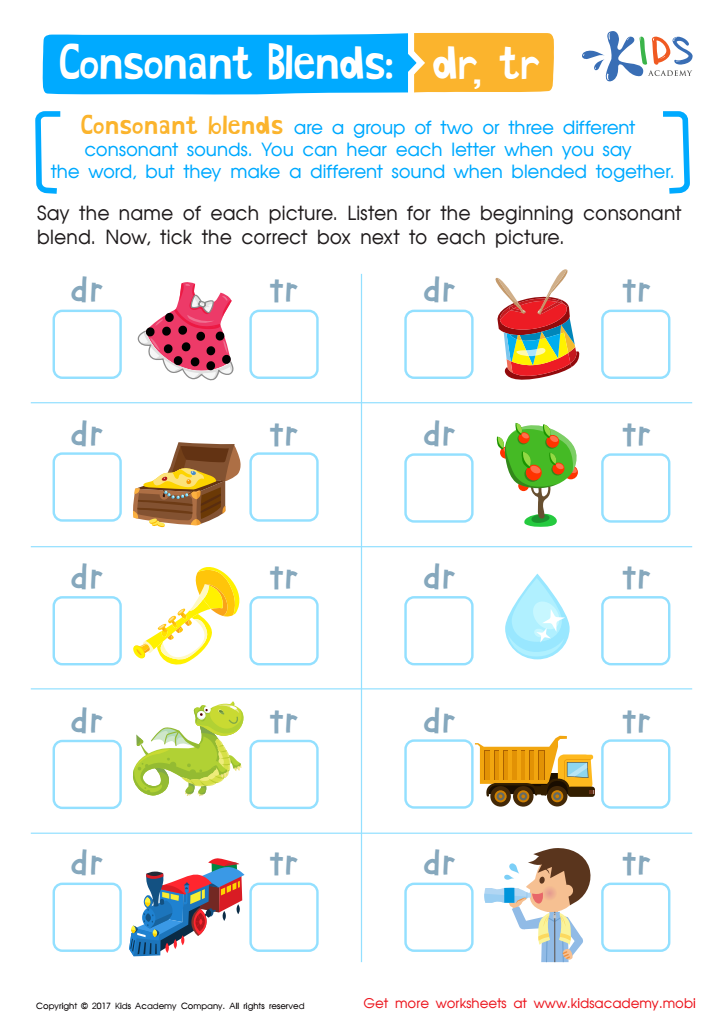
Consonant Blends: "Dr" and "Tr" Printable







Cognitive development in children aged 7 to 9 is a crucial phase characterized by significant advancements in thinking abilities, reasoning, and understanding the world. Parents and teachers should care deeply about this period because it lays the foundation for lifelong learning and adaptive functioning.
During these years, children move from concrete operational thinking to more complex problem-solving skills. They begin to grasp abstract concepts and improve their logical reasoning, which impacts academic performance across subjects such as math, science, and literacy. A child's ability to focus, strategize, and process information evolves, affecting their engagement in educational activities and social interactions.
Moreover, cognitive development during this stage is closely linked with emotional and social growth. Children learn to regulate their emotions, work collaboratively, and engage in critical thinking. Supportive environments that foster cognitive growth can enhance their self-esteem and motivation.
By understanding the normal milestones for cognitive development, parents and teachers can better support children in enacting educational goals, address any developmental challenges early on, and provide stimulating activities that cater to their evolving capabilities. Investing in cognitive development at this age is vital for creating capable, confident, and well-rounded individuals.








