Fine Motor Skills Normal Worksheets for Ages 7-9 - Page 2
80 filtered results
-
From - To

Fireman Worksheet
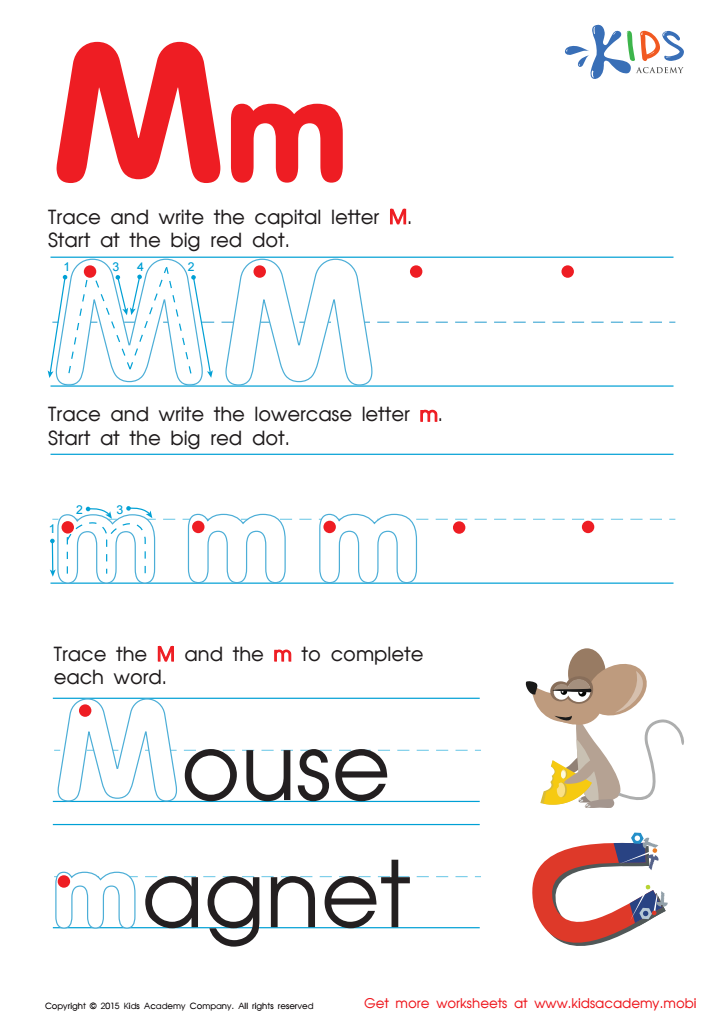
Letter M Tracing Page
Halloween: A Funny Monster Worksheet
 Assign to My Students

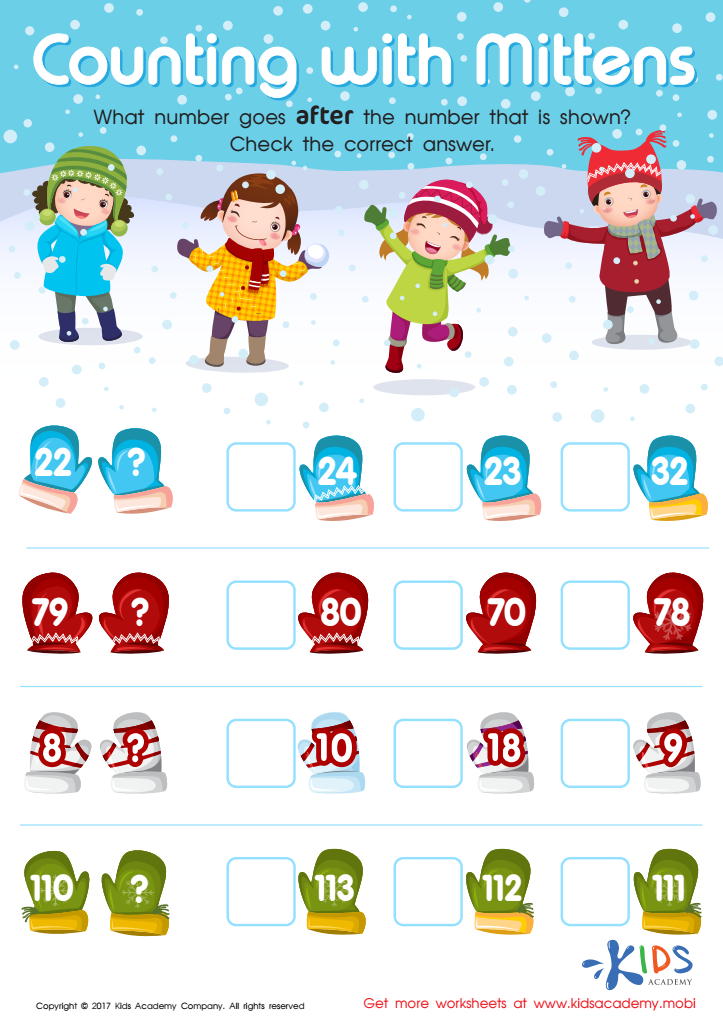
Counting with Mittens Worksheet
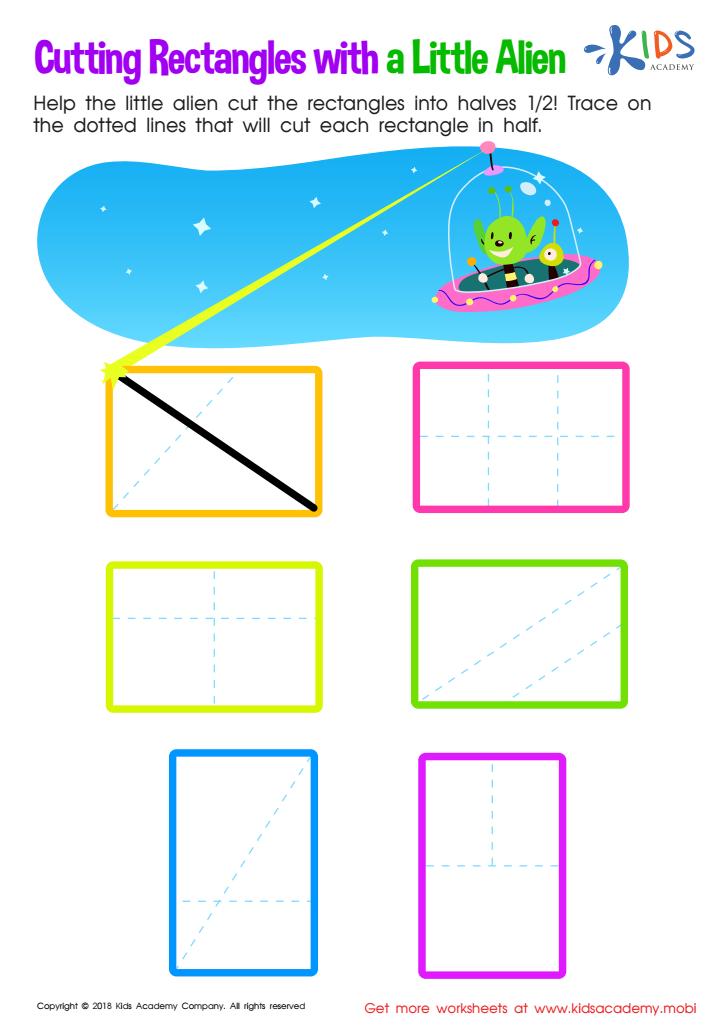
Cutting Rectangles with Alien Worksheet
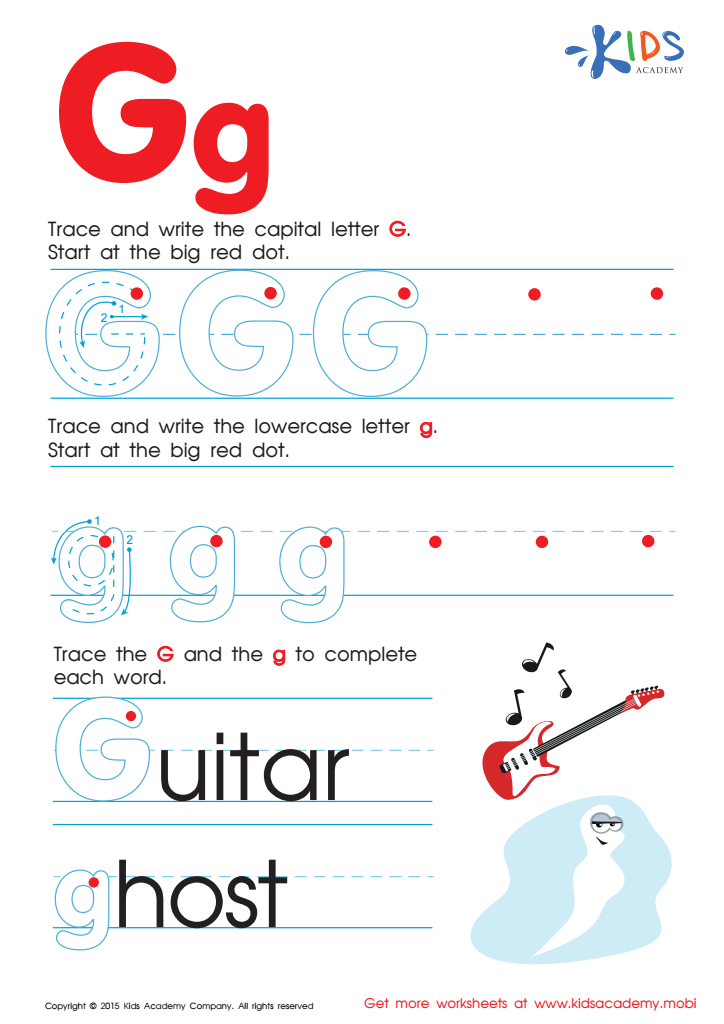
Letter G Tracing Page

Easter Holiday Printable
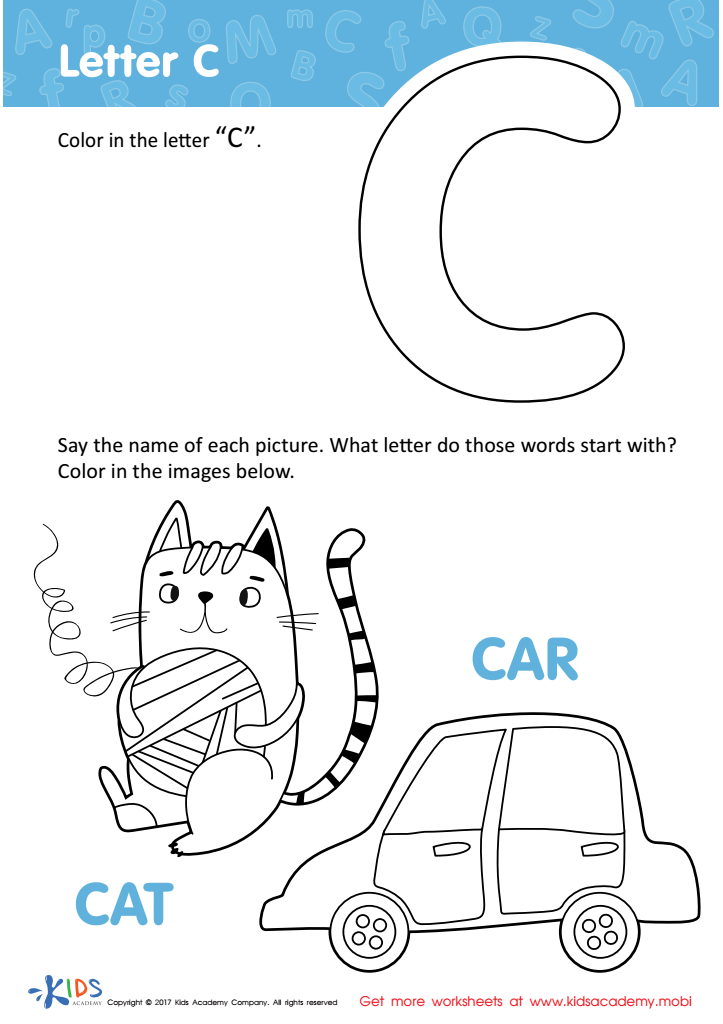
Letter C Coloring Sheet
Assign to My Students

Sea Horses Printable
Assign to My Students
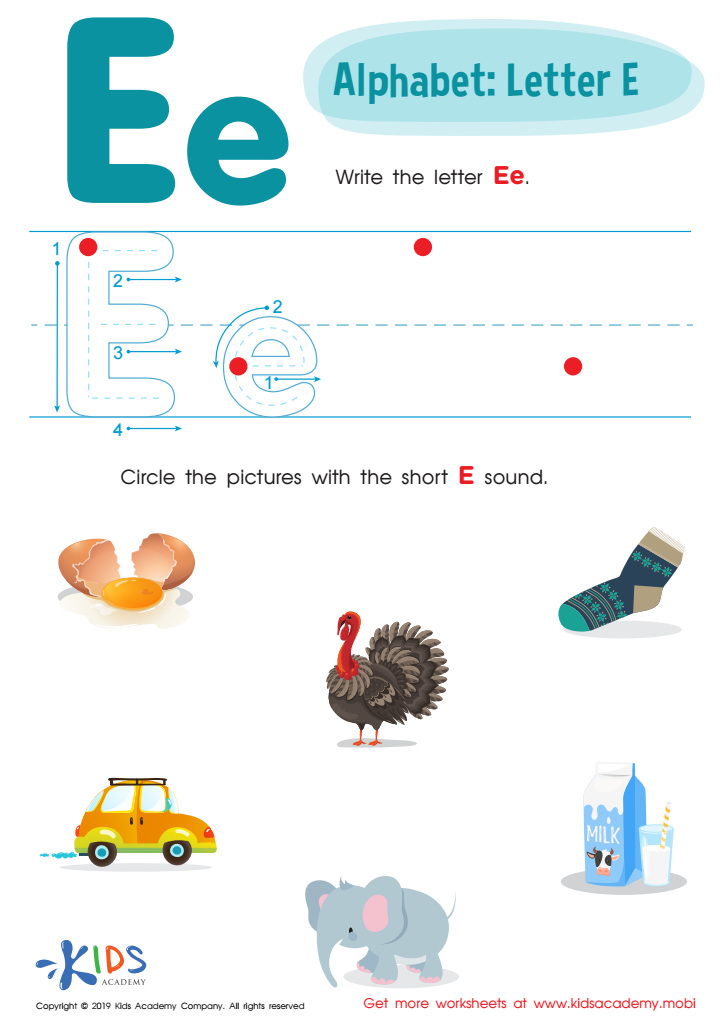
Letter E Tracing Worksheet
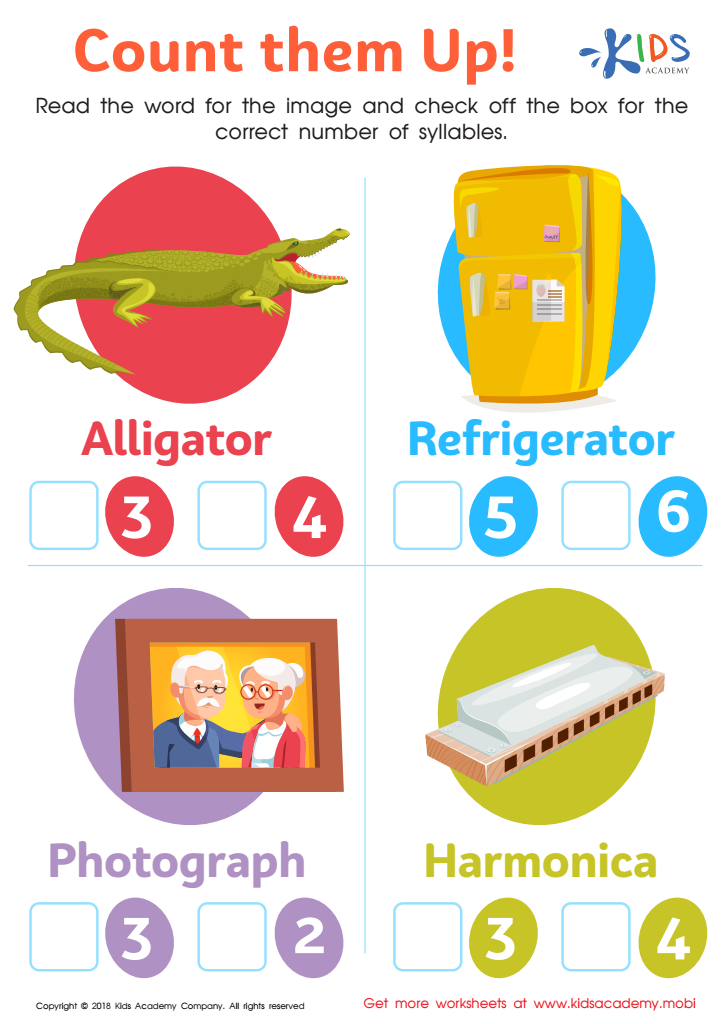
Count Them Up Worksheet
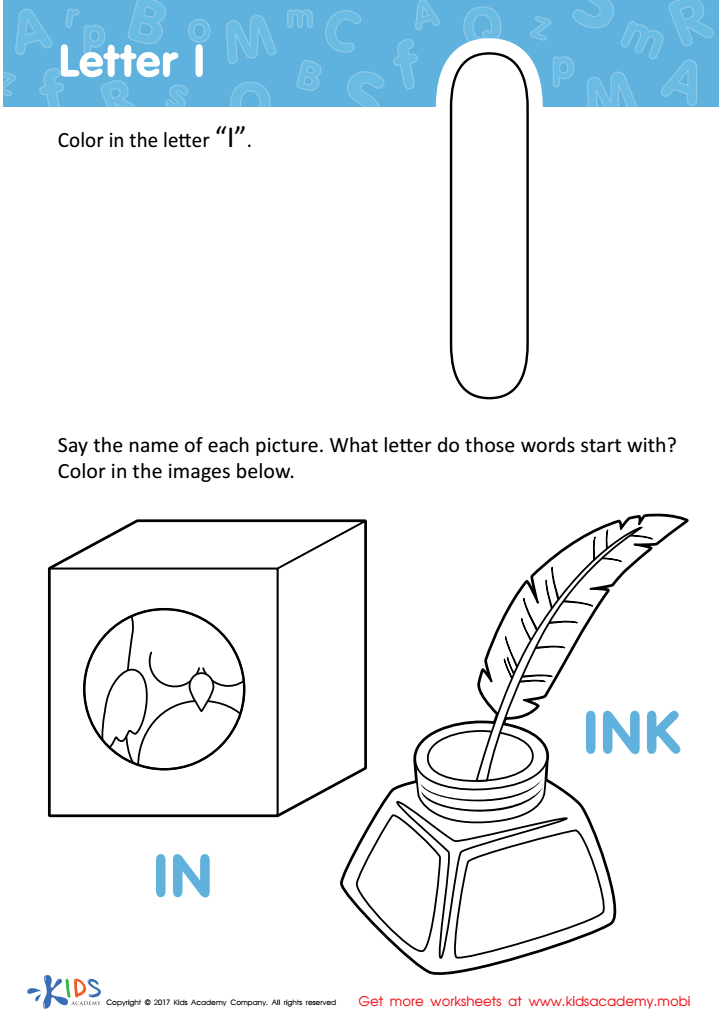
Letter I Coloring Sheet
Assign to My Students

Native American Coloring Page Worksheet
Assign to My Students

Long and Short U Worksheet
Assign to My Students
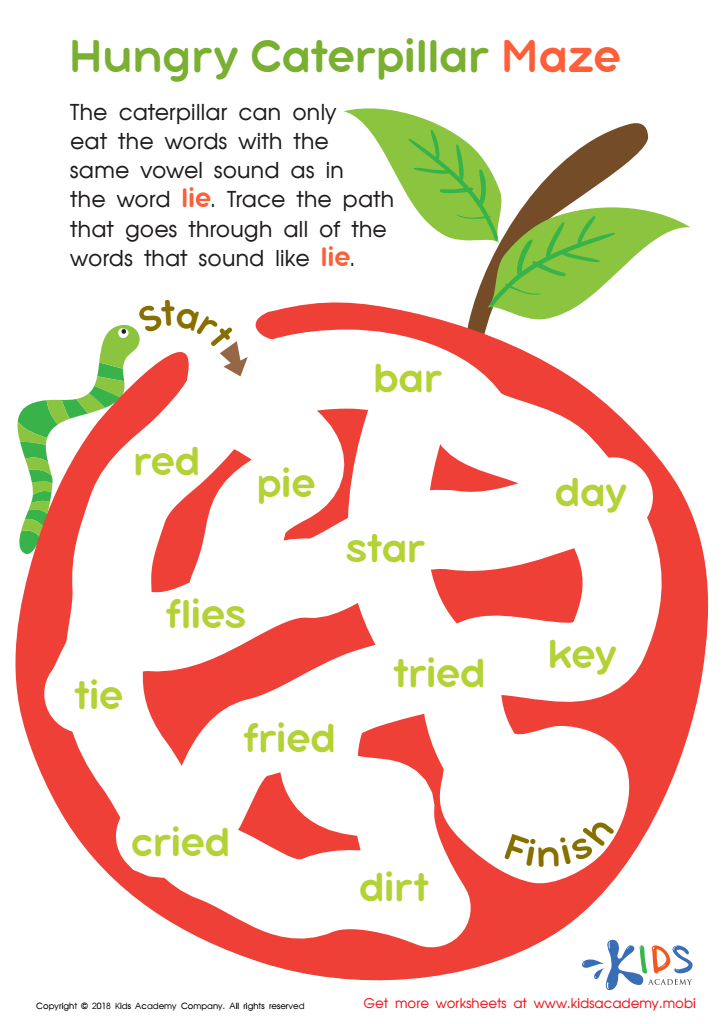
Hungry Caterpillar Maze Worksheet
The Wheels on the Bus Coloring Page
Assign to My Students
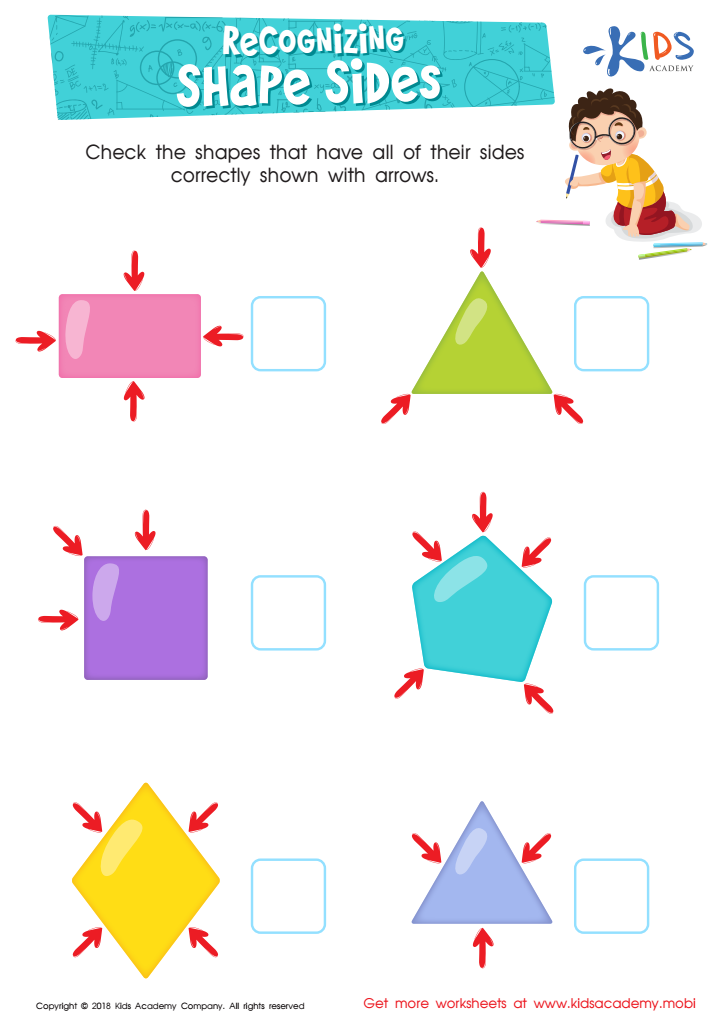
Recognizing Shape Sides Worksheet
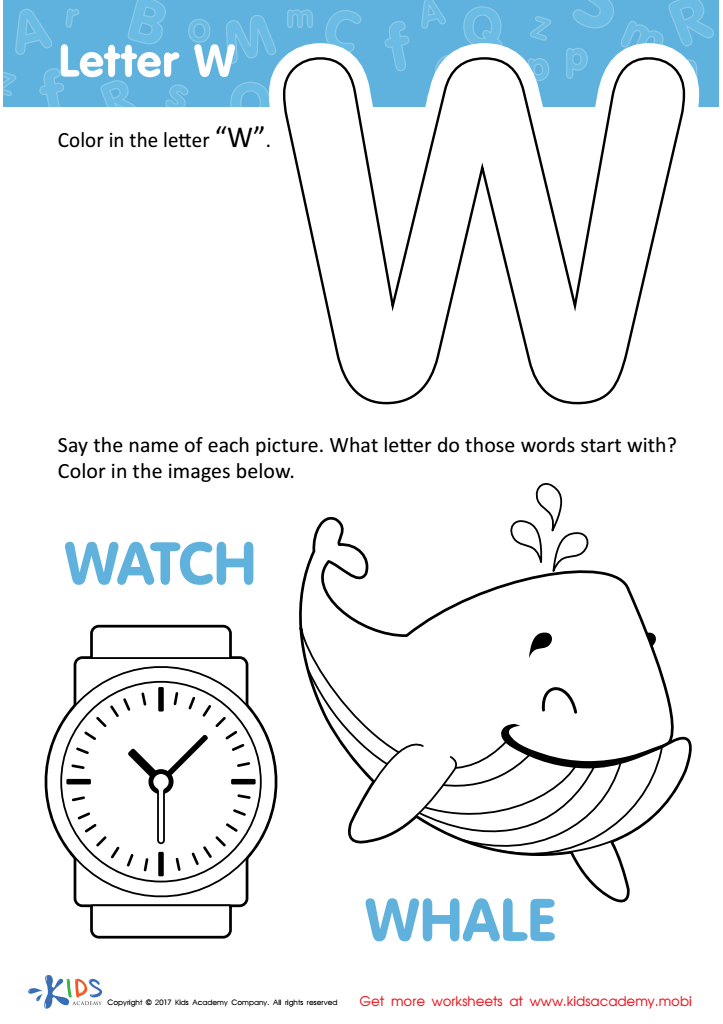
Letter W Coloring Sheet
Assign to My Students
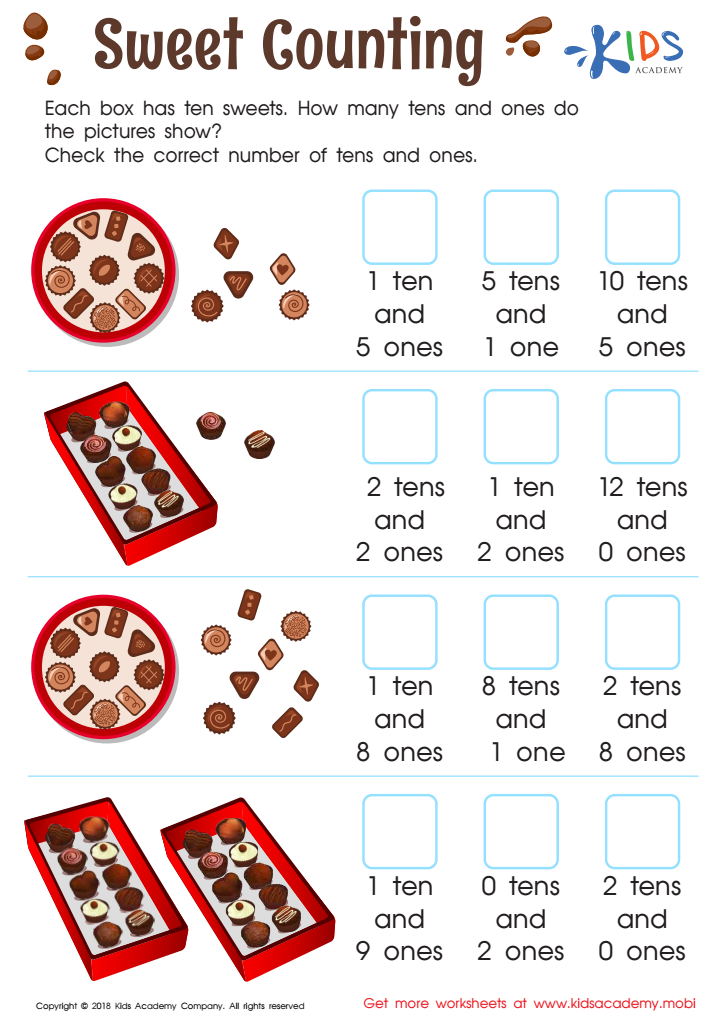
Sweet Counting - Part 2 Worksheet
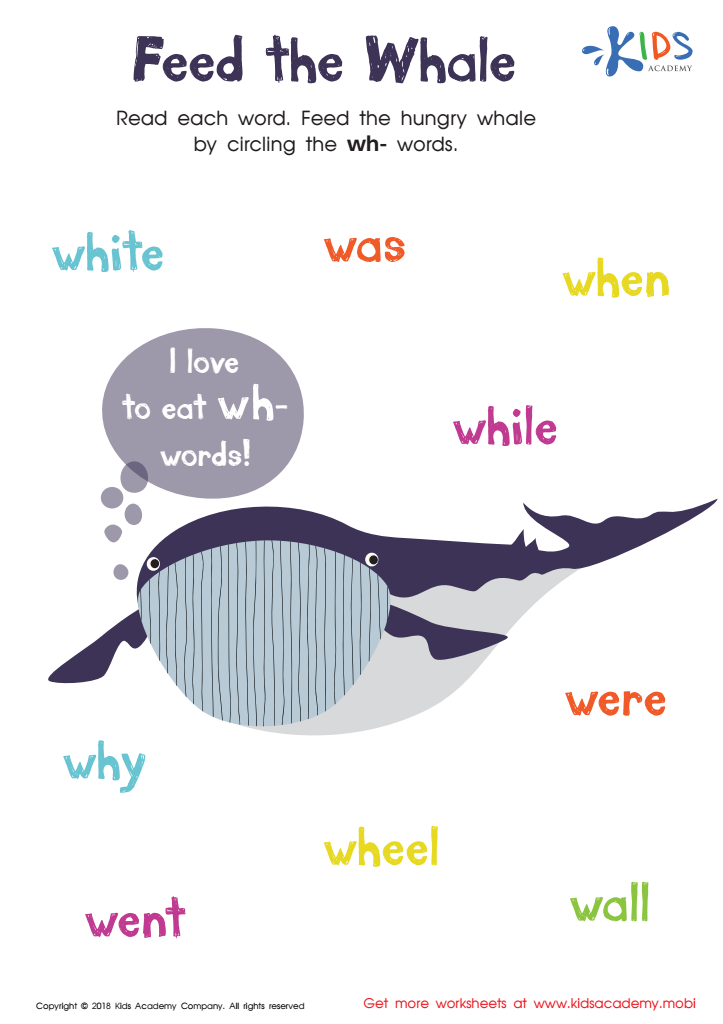
Feed the Whale Worksheet
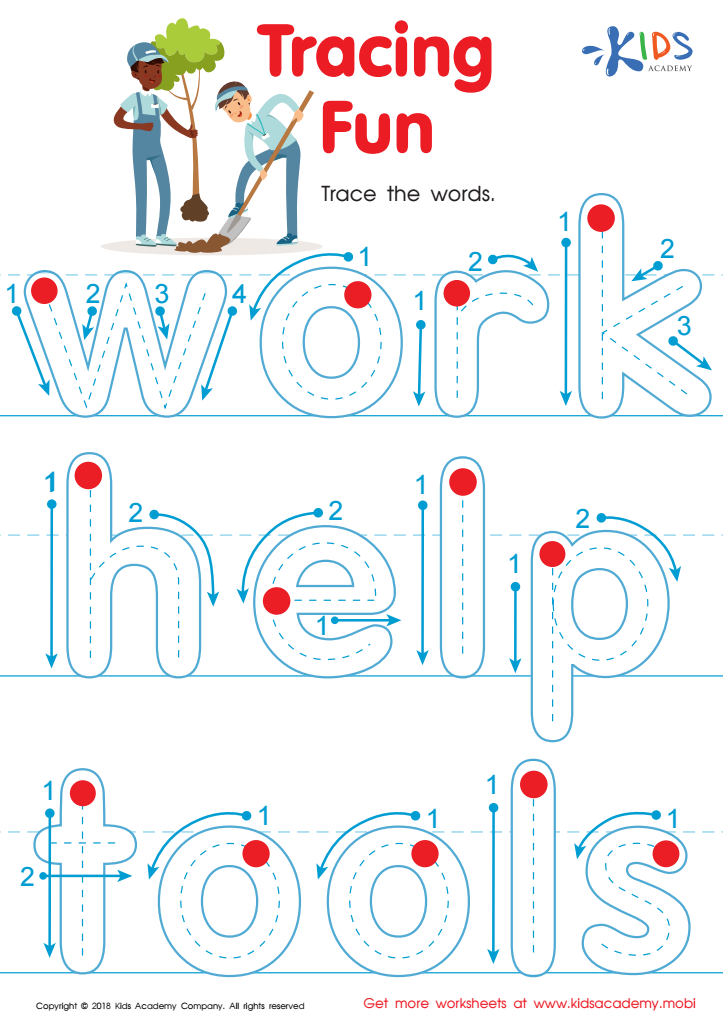
Tracing Fun Worksheet

Red Riding Hood Coloring Page
Assign to My Students

Letter N Tracing Page







Fine motor skills refer to the coordination of small muscles, particularly those in the hands and fingers, with the eyes. For children aged 7-9, developing fine motor skills is crucial, and parents and teachers should be invested in fostering these abilities for several reasons.
Firstly, fine motor skills are essential for academic success. At this age, children are expected to engage in activities such as writing, cutting with scissors, and manipulating objects. Proficient fine motor skills facilitate legible handwriting, effective use of tools, and the completion of intricate projects, all of which are critical components of the primary school curriculum.
Secondly, fine motor skills contribute to a child's independence and self-esteem. Everyday tasks like buttoning clothes, tying shoelaces, or using utensils become more manageable, allowing children to perform activities without constant adult assistance. This autonomy fosters a sense of accomplishment and builds confidence.
Additionally, developing these skills has broader cognitive and developmental benefits. Engaging in activities that require fine motor precision can enhance a child’s attention to detail, problem-solving abilities, and spatial awareness. This holistic development supports overall cognitive growth and sets a foundation for complex tasks as they progress in their education.
Therefore, parents and teachers should prioritize activities that enhance fine motor skills, understanding that they play a significant role in a child’s immediate academic tasks and broader developmental milestones.








