
Letter recognition Normal Worksheets for Ages 7-9
25 filtered results
Difficulty Level
Grade
Age
-
From - To
Subject
Activity
Standards
Discover engaging Letter Recognition Normal Worksheets designed specifically for children ages 7-9! These interactive worksheets help young learners enhance their reading and writing skills through fun activities that cultivate letter identification and sound recognition. Our carefully crafted exercises cater to various learning styles, making it easier for kids to grasp important literacy concepts. With colorful illustrations and appealing formats, these worksheets turn learning into an enjoyable experience. Perfect for classroom use or at-home practice, our letter recognition worksheets promote confidence in budding readers. Start exploring today to help your child build a strong foundation in literacy!
Favorites
With answer key
Interactive
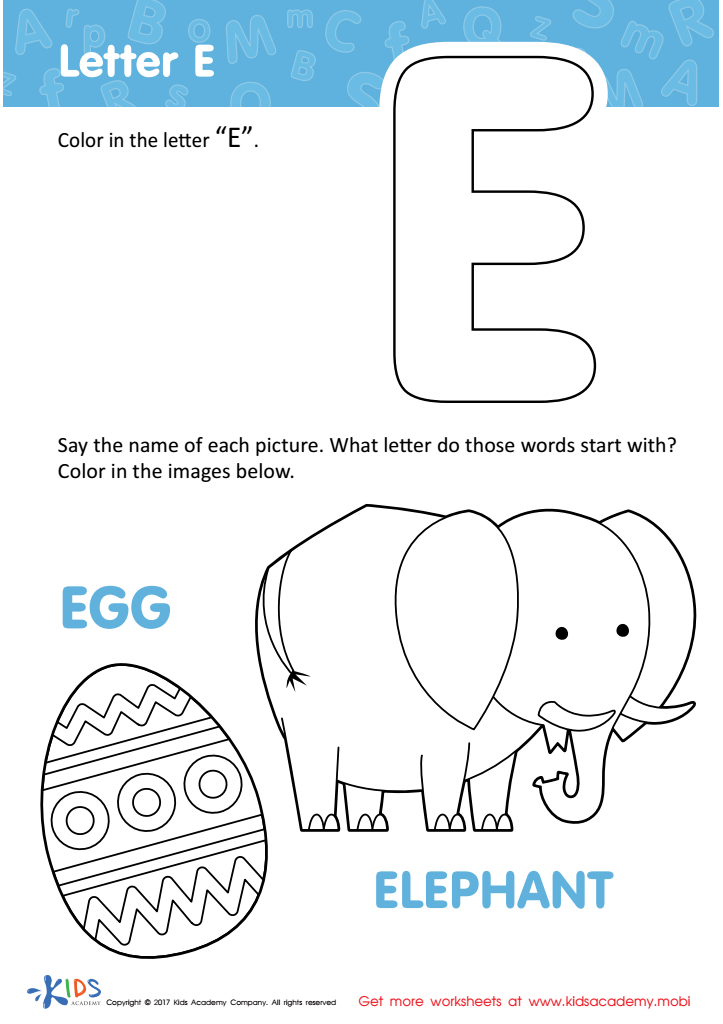
Letter E Coloring Sheet
Coloring pages are great for teaching kids the alphabet and words! This "E" page features a cute elephant and Easter egg. Kids will love it and learn the letter "E" at the same time. 80 words
Download (PDF)
 Assign to My Students
Assign to My Students
Letter E Coloring Sheet
Worksheet
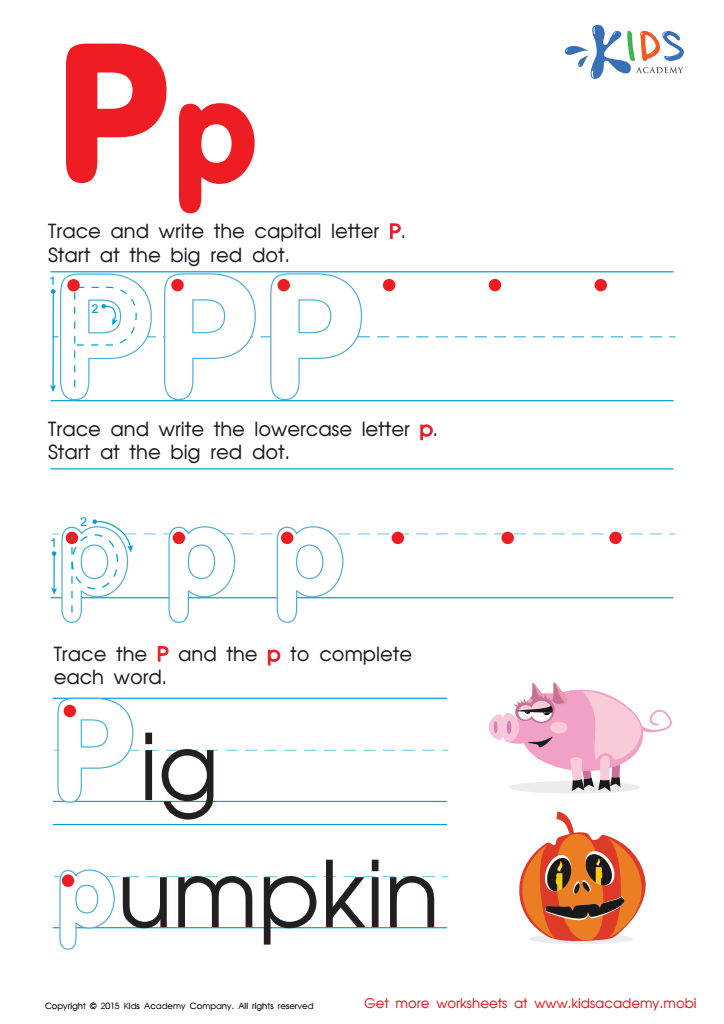
Letter P Tracing Page
Trace the lines from the red dot to learn to write "P"! Then practice this letter with the fun activities: complete the word "Pig" and "Pumpkin". Check out Kids Academy to get more free ABC worksheets.
Letter P Tracing Page
Worksheet
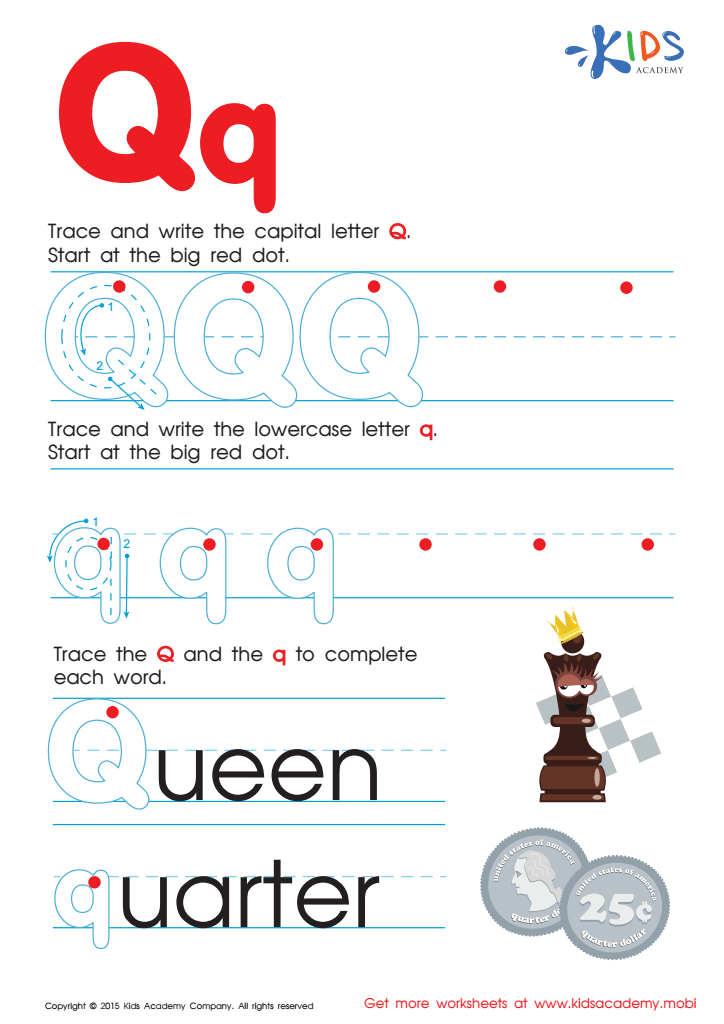
Letter Q Tracing Page
Learn the letter "Q"! Trace and write it a few times in upper and lowercase. Then help the Queen by writing her initial letter. Finally, write "quarters" and practice with more alphabet worksheets.
Letter Q Tracing Page
Worksheet
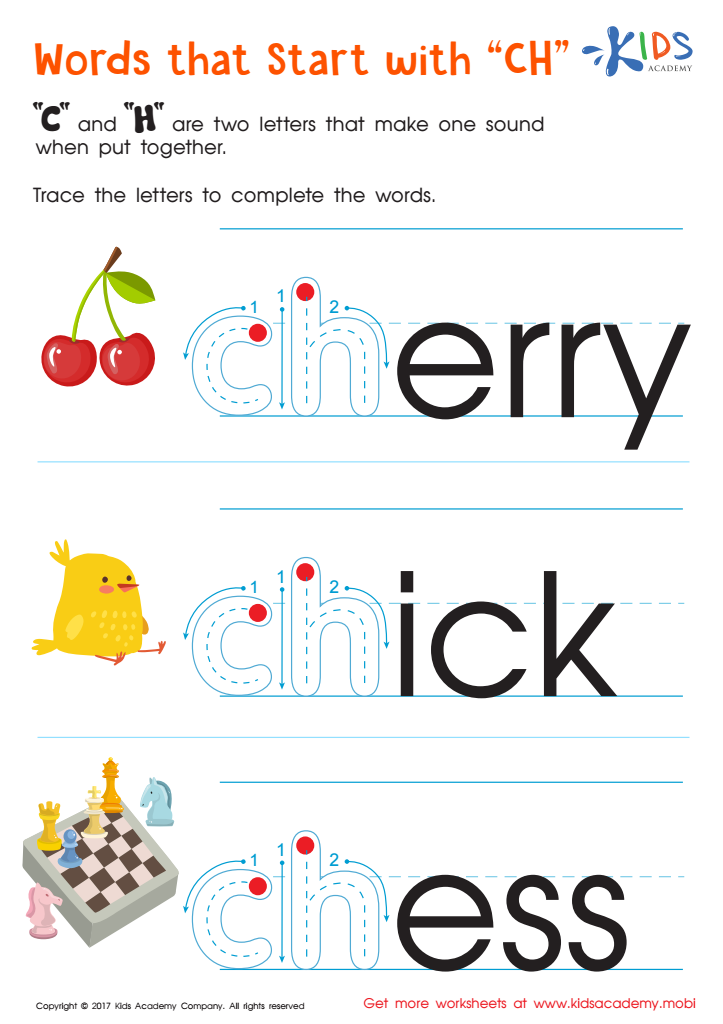
Words That Start with "ch" Spelling Worksheet
With Kids Academy, learning phonics and spelling has never been easier.
Kids Academy's "ch" tracing worksheet makes it easy for your little one to learn phonics and spelling. It features cute, brightly colored images to help them trace familiar words, making learning fun and enjoyable.
Words That Start with "ch" Spelling Worksheet
Worksheet
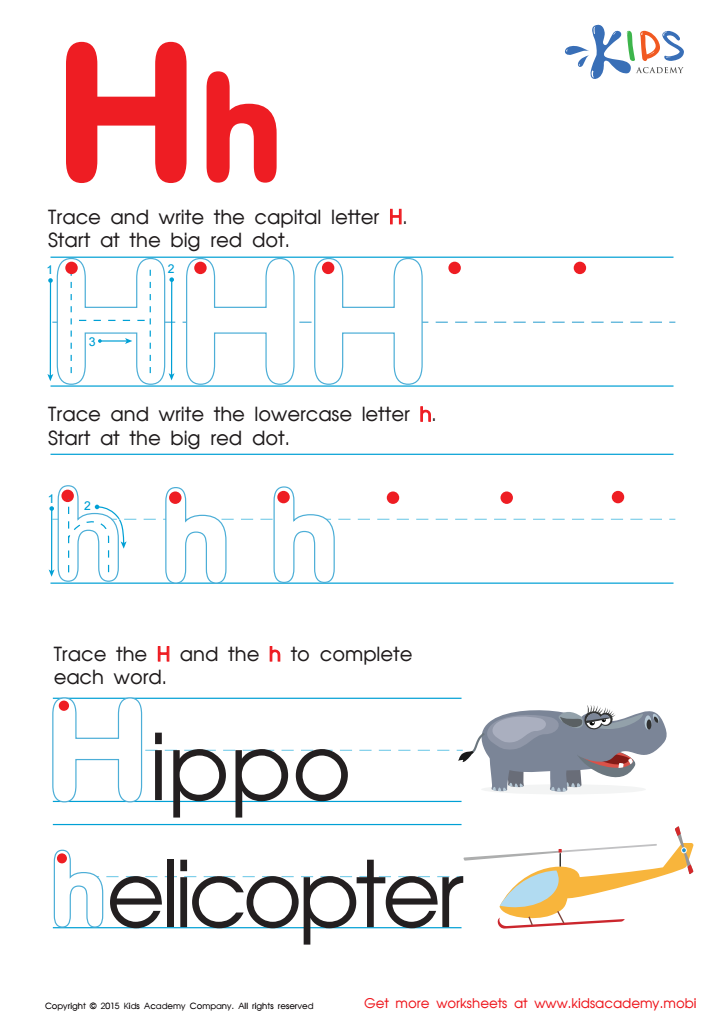
Letter H Tracing Page
Trace the letter "H", then practice writing its lowercase form. Finally, choose your favorite form of transport and ride away! Get our worksheets to make learning fun and easy.
Letter H Tracing Page
Worksheet
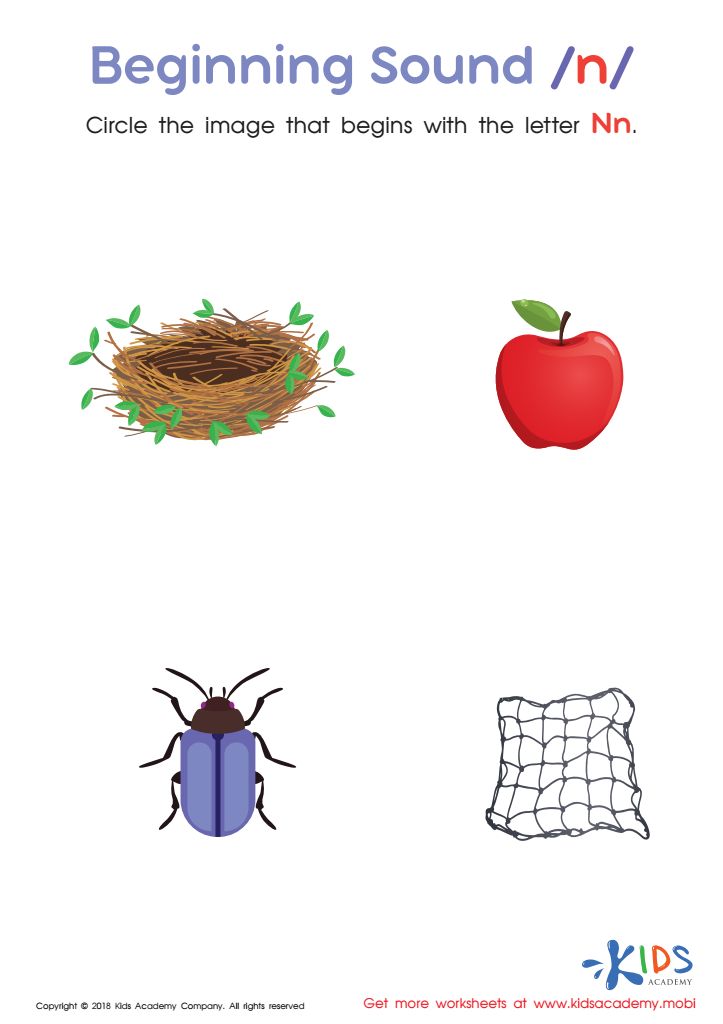
Beginning Sound «n» Worksheet
Help your emerging reader learn the initial «n» sound with this free PDF worksheet! Strengthen fine motor skills by tracing circles around words beginning with «n». Pictures are clear and engaging, giving beginning Phonics learners the right amount of practice and the confidence to succeed.
Beginning Sound «n» Worksheet
Worksheet

Letter G Tracing Page
Get ready to trace the letter "G" – with a big red spot as the starting point, trace the lines and watch the letter appear. Uppercase and lowercase letters are both easy and fun to write. Give it a go and finish the word "go". Play the guitar and say "hello" to a funny ghost!
Letter G Tracing Page
Worksheet
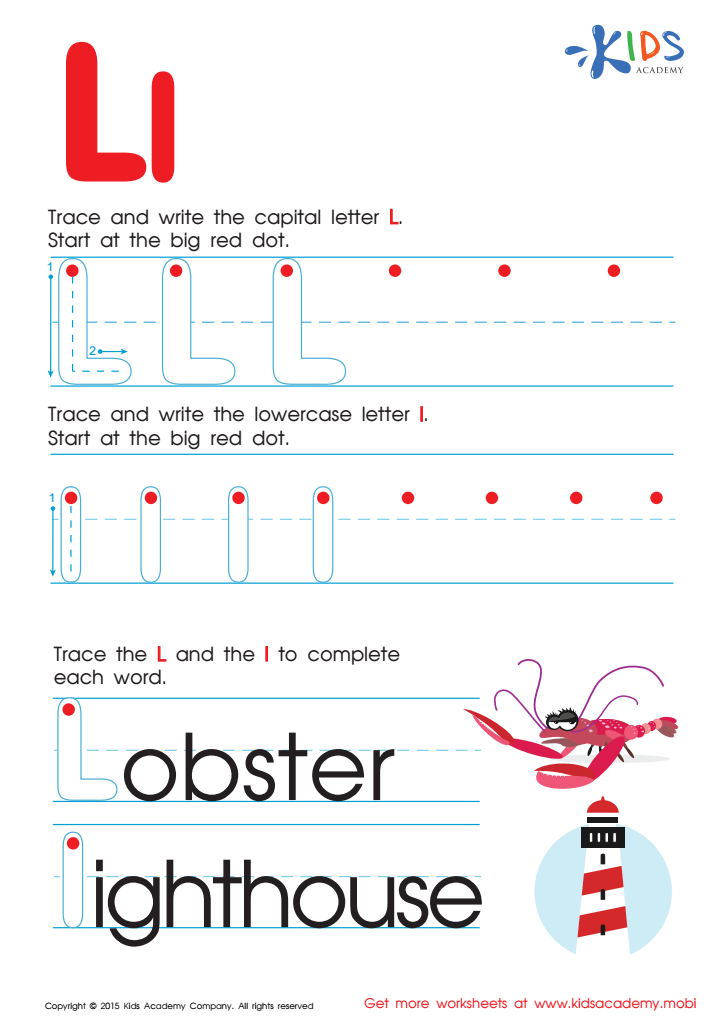
Letter L Tracing Page
Trace uppercase and lowercase letters to practice writing. Pay attention to the lowercase letters, like the "L", that are not as tall as an uppercase "I" or as short as a lowercase "i". Words like "lobster" and "lighthouse" are waiting to be completed. Enjoy!
Letter L Tracing Page
Worksheet
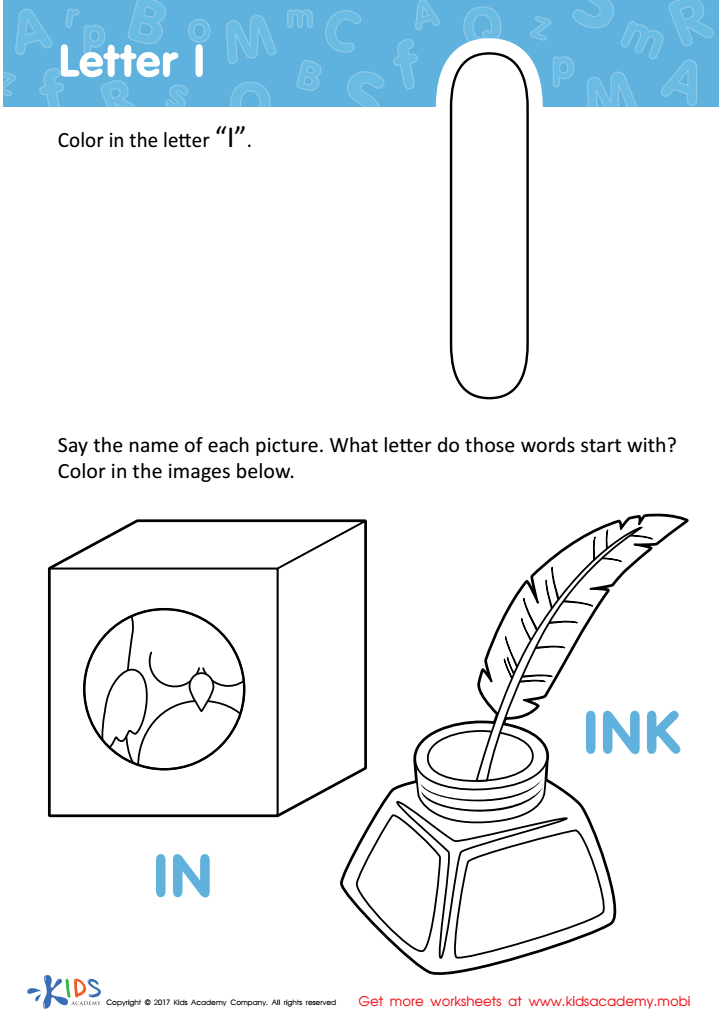
Letter I Coloring Sheet
This coloring page helps your child recognize the letter "I" and the positional word "in". It also introduces them to sight words, enhancing language skills. It's great for teaching parts of speech and boosting your little learner's confidence!
Download (PDF)
Assign to My Students
Assign to My Students
Letter I Coloring Sheet
Worksheet

Long and Short U Worksheet
Revised: Spice up your lesson on long and short vowels with this fun printout! Kids read the words "tube" and "tub," then reinforce the sound by coloring in the words and pictures. It's a great way to make phonics class enjoyable!
Download (PDF)
Assign to My Students
Assign to My Students
Long and Short U Worksheet
Worksheet
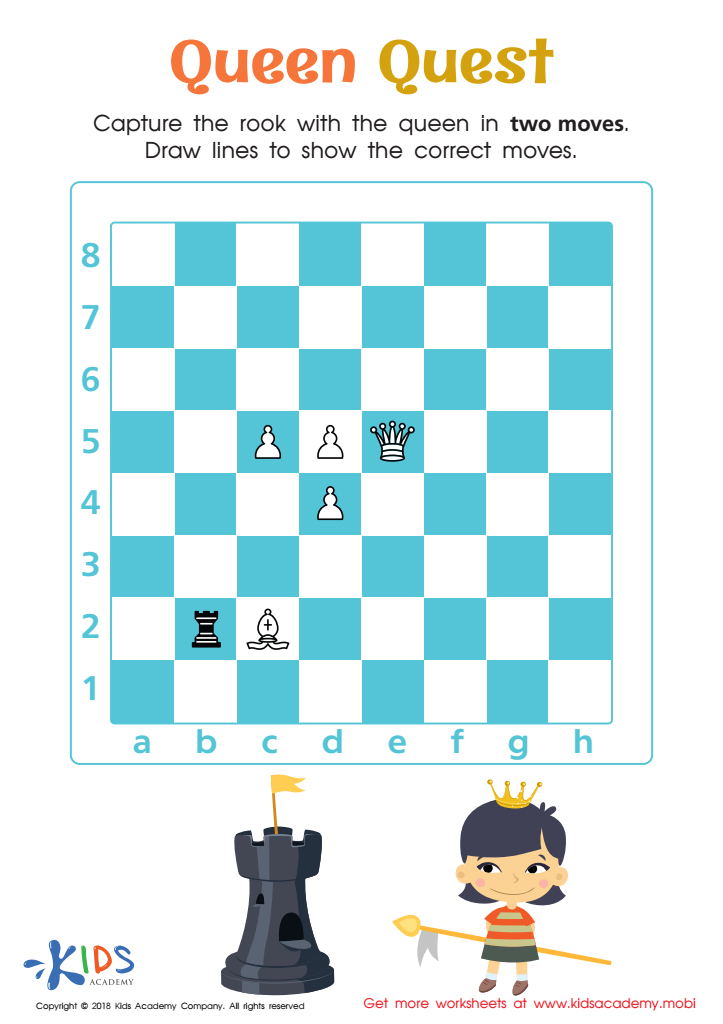
Queen Quest Worksheet
Want to test your child's chess skills? See if they know how the queen, king, knights, rooks, and pawns move. This worksheet challenges your young one to capture a rook with the queen in two moves. Draw lines to show the queen's moves to complete the task.
Queen Quest Worksheet
Worksheet
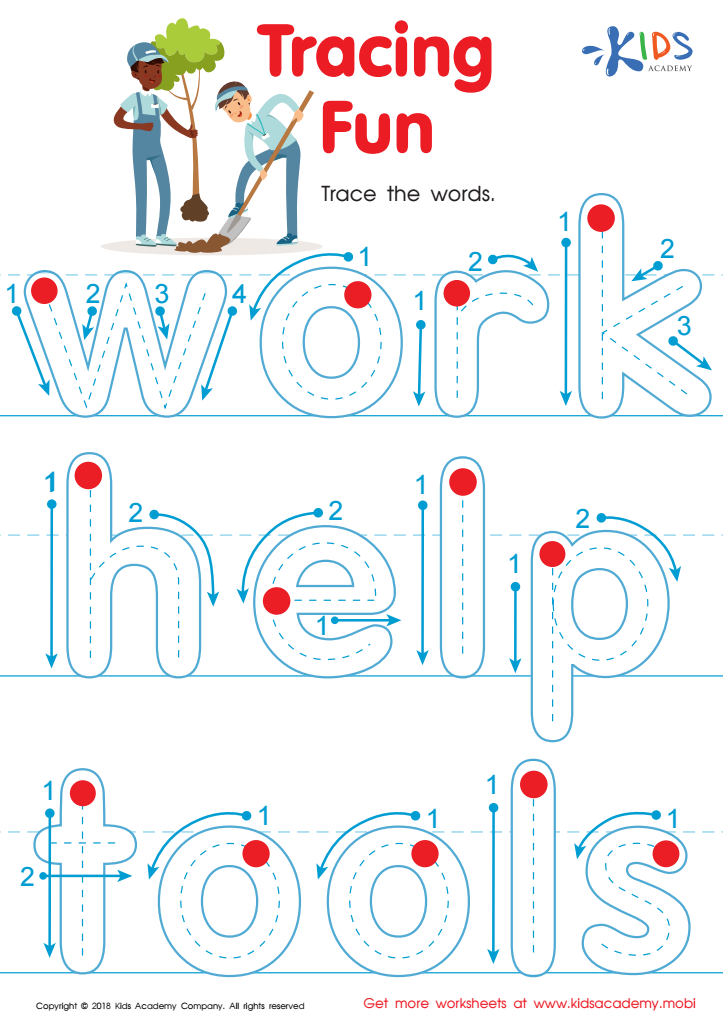
Tracing Fun Worksheet
Believe it or not, good handwriting helps with reading! Starting at the top left and writing legibly builds reading skills. This free worksheet helps little learners practice basic sight words. Red dots show them where to start and the words provide reinforcement without them realising. An enjoyable way to boost their reading and writing.
Tracing Fun Worksheet
Worksheet
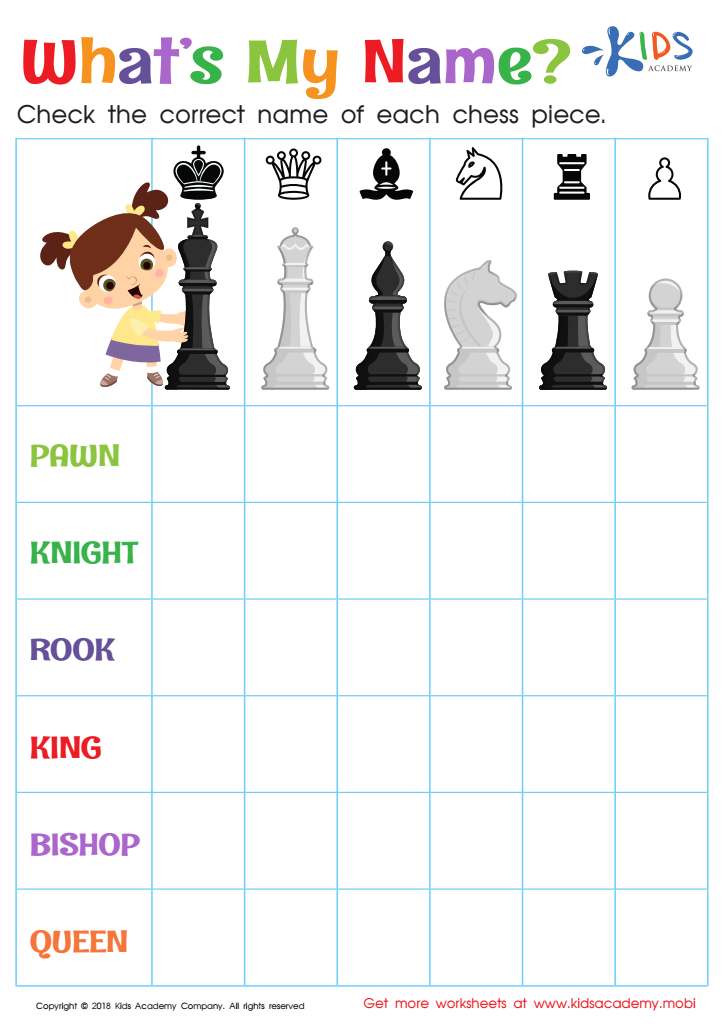
What's My Name? Worksheet
Test your child's chess knowledge with this colorful worksheet! There are six pieces lined up with names underneath. Ask your child to name each piece, then check if it's correct. Help them succeed by brushing up on the different pieces and their names.
What's My Name? Worksheet
Worksheet
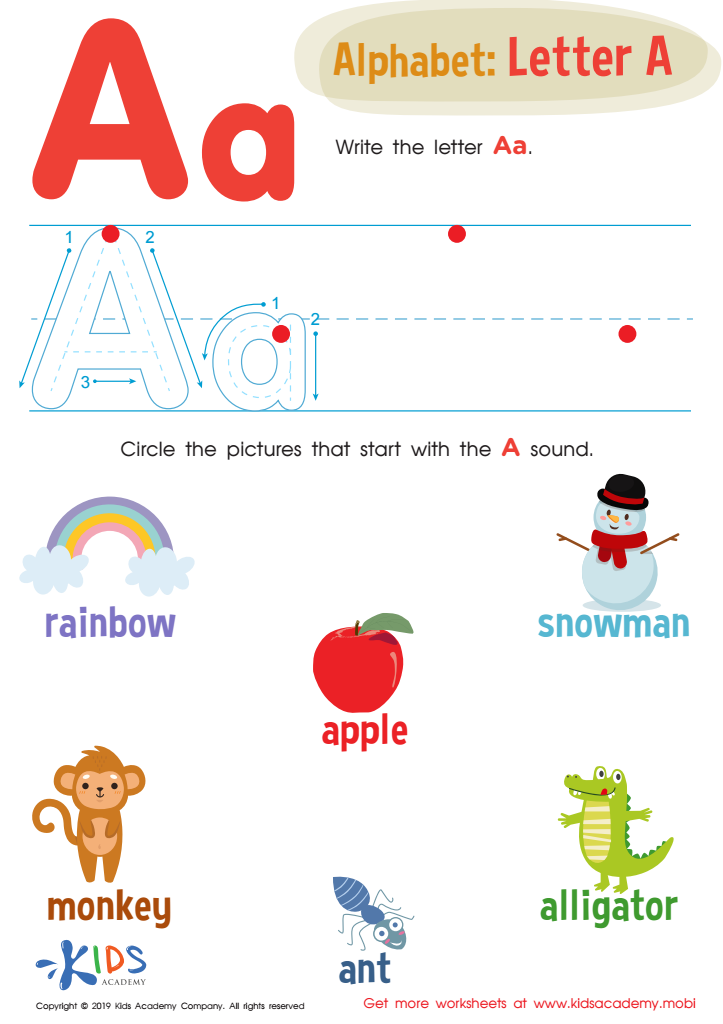
Letter A Tracing Worksheet
Learning the letter "A" is essential. This worksheet helps kids trace and write it, boosting their skill. They also circle pictures with the "A" sound, with both the word and picture provided. This helps them learn how to pronounce words like "apple" correctly.
Letter A Tracing Worksheet
Worksheet
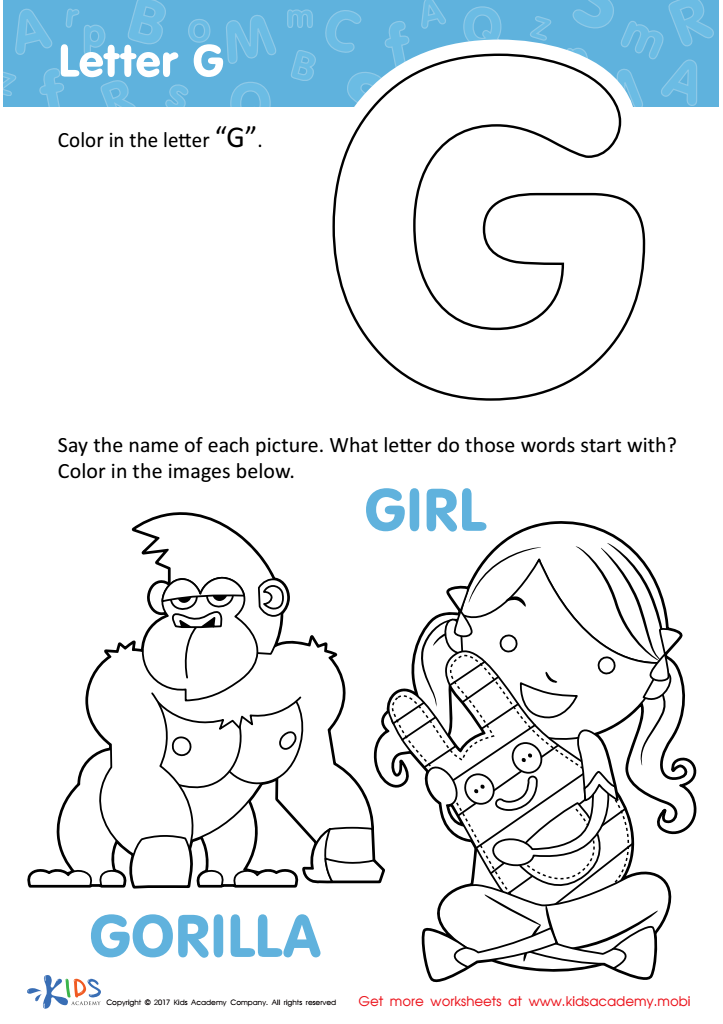
Letter G Coloring Sheet
This "G" coloring page encourages creativity and teaches kids the letter "G" sound. With its fun visuals and familiar words, it's sure to excite your child. Plus, you can talk about the letter’s sound with the pictures given.
Download (PDF)
Assign to My Students
Assign to My Students
Letter G Coloring Sheet
Worksheet
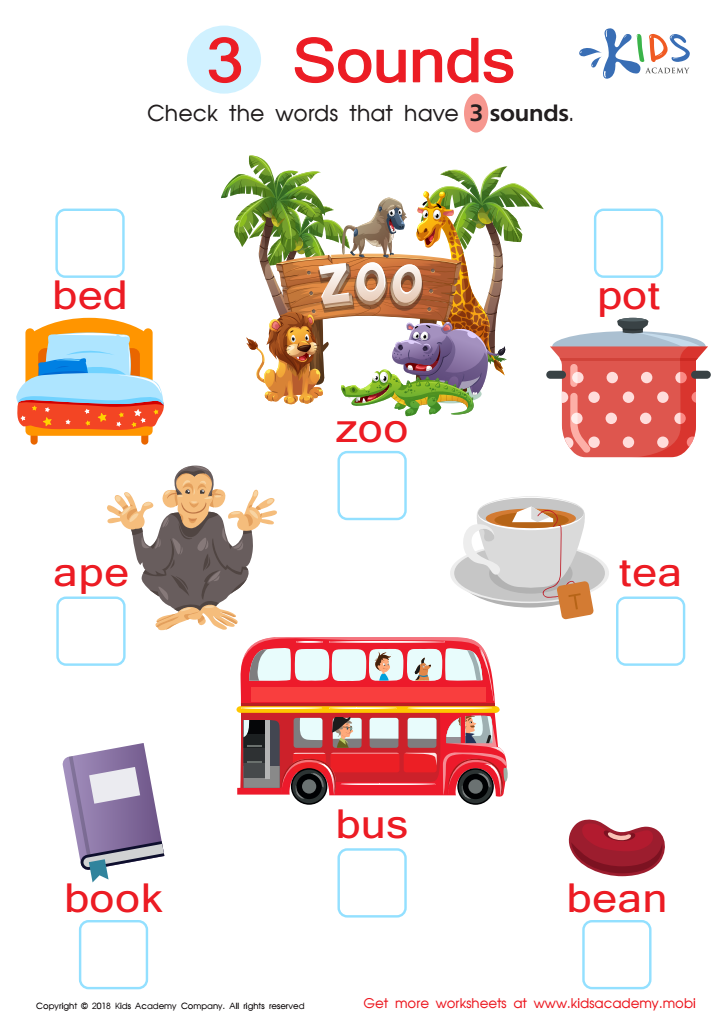
3 Sounds Worksheet
Kids will love learning with this free, colorful worksheet. It's full of familiar words they can name and sound out with three distinct sounds. This helps build decoding skills, plus they get to check off words they read. It's a fun way to teach children to identify and use sounds.
3 Sounds Worksheet
Worksheet
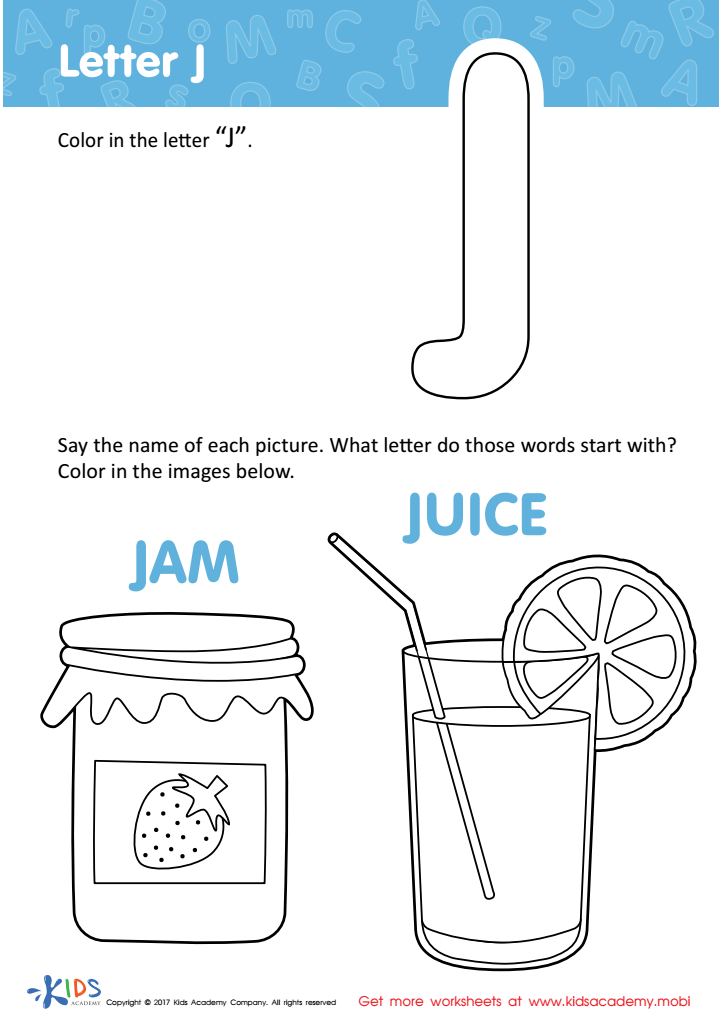
Letter J Coloring Sheet
Practice the letter 'J' with your little one with this fun coloring page! Pictures of jar, juice, jam and jelly make it an enjoyable experience for kids. Learning the letter and coloring is fun for even the youngest learners.
Download (PDF)
Assign to My Students
Assign to My Students
Letter J Coloring Sheet
Worksheet
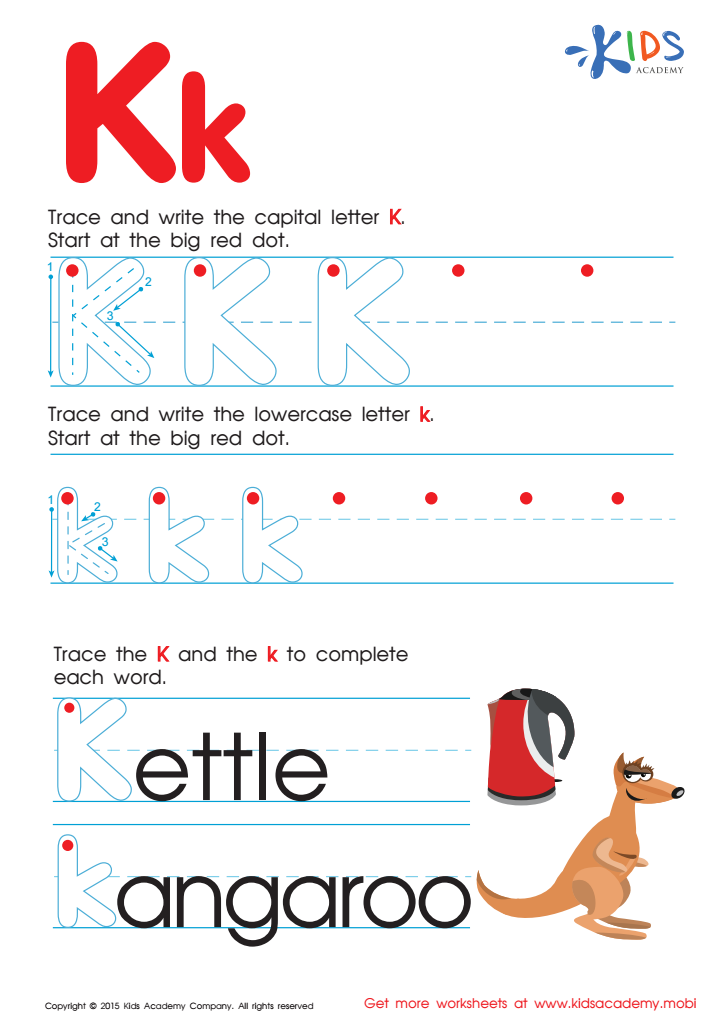
Letter K Tracing Page
Trace and write the letter K; start at the big red dot. Use it to complete words like "Kettle" and "Kangaroo". Visit Kids Academy for more free alphabet worksheets for kindergarten.
Letter K Tracing Page
Worksheet
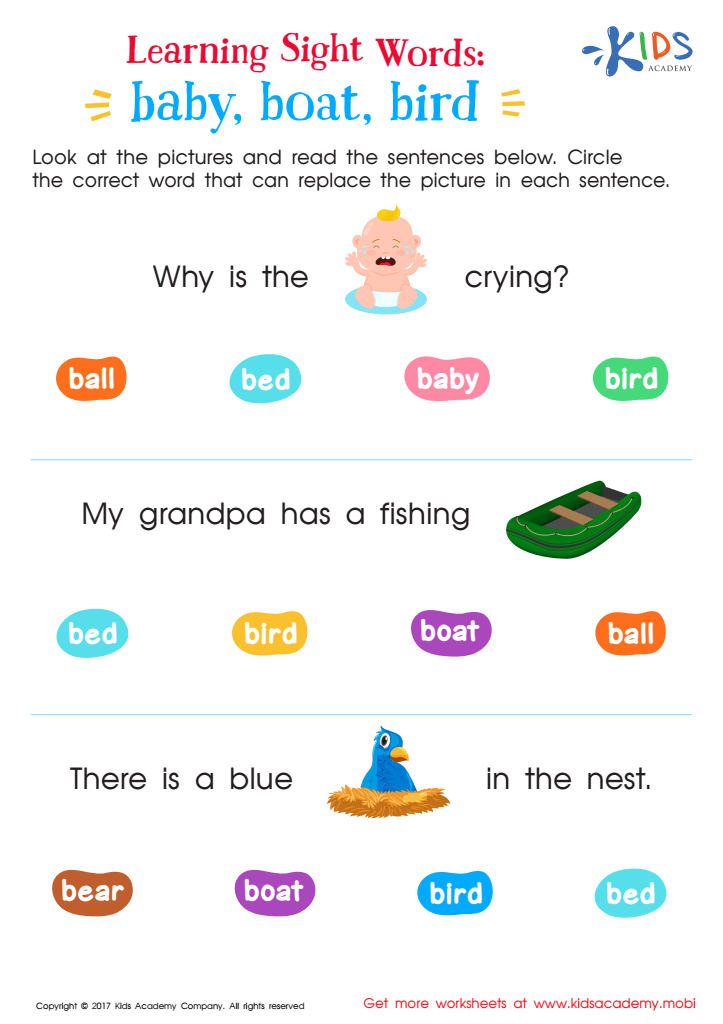
Baby, Boat, Bird Worksheet Sight Words Worksheet
Sight words are an essential part of fluency; help kids build it by writing and reading them. This worksheet is a great way to start.
Baby, Boat, Bird Worksheet Sight Words Worksheet
Worksheet
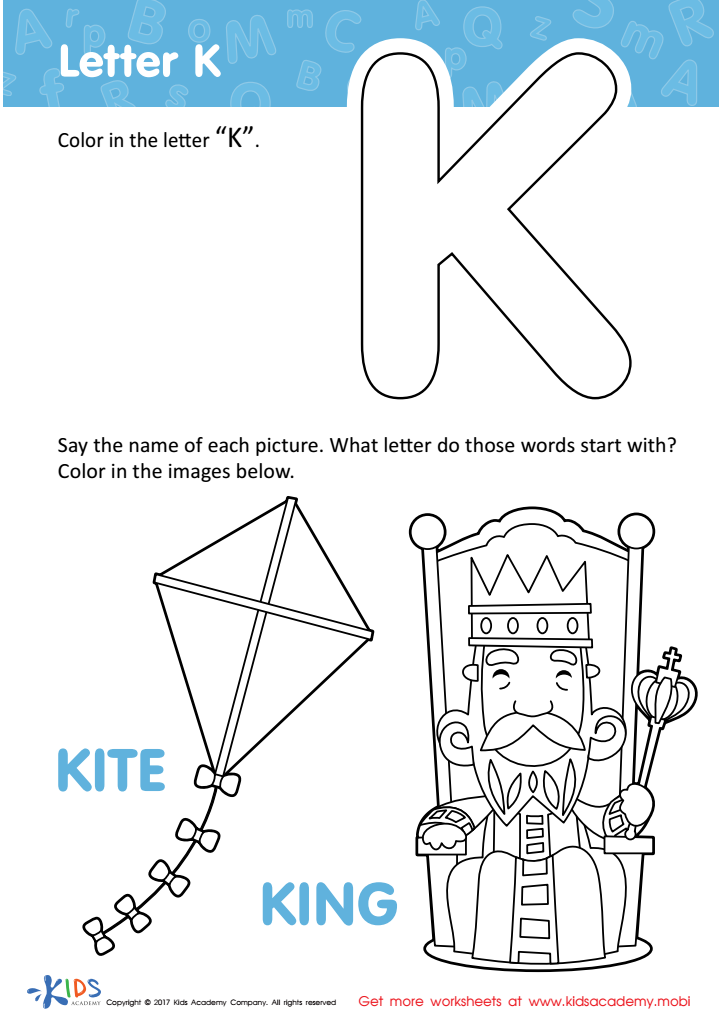
Letter K Coloring Sheet
This letter K coloring page captivates your child's creativity while learning the letter! Showcasing a king and kite, common words for their age group, it's sure to spark their imagination.
Download (PDF)
Assign to My Students
Assign to My Students
Letter K Coloring Sheet
Worksheet

Letter F Tracing Page
Trace "F" with your pencil! Start at the red dot and draw lines — it's fun! Check it out — it looks great! Keep practicing to make it even better. Then, try completing words. Help out the broken fan and funny frog! Get free alphabet worksheets and activities for your kids. Come see our new tracing pages!
Letter F Tracing Page
Worksheet
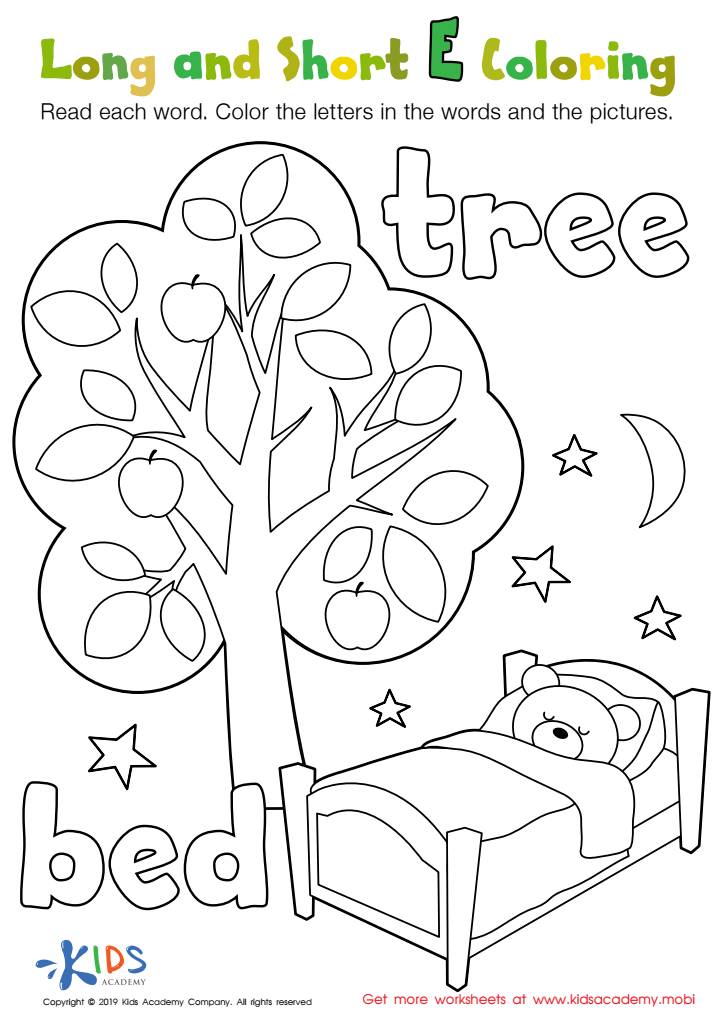
Long and Short E Worksheet
This fun printout makes learning phonics enjoyable for Grade 3 students. Get them to read the words “tree” and “bed” to recognize the different sounds of the letter “E”. After hearing the words they can color the words and the pictures to understand differences between long and short vowels.
Download (PDF)
Assign to My Students
Assign to My Students
Long and Short E Worksheet
Worksheet
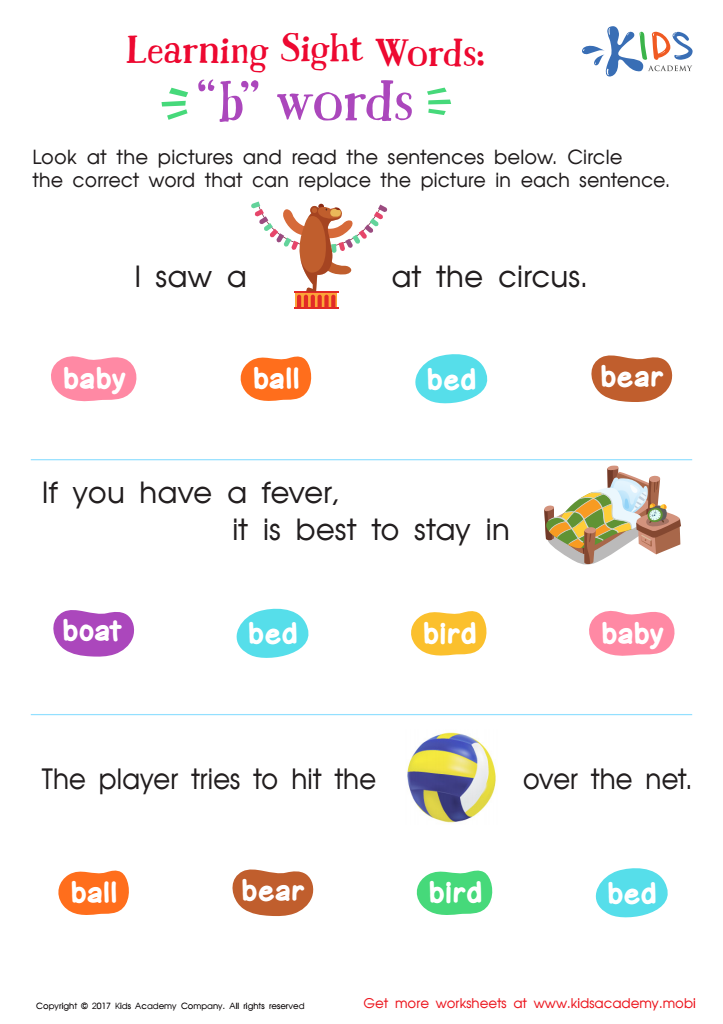
"B" Words Printable Sight Words Worksheet
Kids will learn sight words quickly with this fun worksheet! "B" Words offers guided practice with simple sentences and pictures. Build your child's reading confidence with this helpful worksheet and watch them become a master!
"B" Words Printable Sight Words Worksheet
Worksheet

Letter N Coloring Sheet
Let your child get creative and learn the alphabet with this letter "N" coloring page! It's a fun way to recognize the letter, featuring a body part all kids know. Coloring and reinforcing recognition of "N" will help your child have fun while learning!
Download (PDF)
Assign to My Students
Assign to My Students
Letter N Coloring Sheet
Worksheet
Join Kids Academy for Free
Who is primarily going to use this learning content?



.jpg)




Letter recognition is a fundamental skill crucial for children aged 7 to 9, as it serves as the foundation for future reading, writing, and overall literacy development. At this age, students are transitioning from learning to read to reading to learn, making proficiency in letter recognition essential. Parents and teachers should prioritize this skill to ensure children can identify letters quickly and accurately, facilitating smoother reading experiences and building confidence.
Strong letter recognition contributes to phonemic awareness—the ability to hear, identify, and manipulate sounds—which is vital for phonics and spelling. Without a solid grasp of letter recognition, children may struggle with basic reading skills, leading to potential difficulties in more advanced literacy tasks. Additionally, early intervention can prevent these struggles from exacerbating as they progress in school.
Furthermore, mastery of letter recognition can enhance a child's enjoyment of reading. When learners can recognize letters and words effortlessly, they are more likely to engage with texts, cultivate a love for reading, and develop their comprehensive cognitive skills. In essence, fostering letter recognition in this critical developmental stage helps ensure children have the necessary tools for academic success and lifelong literacy. Parents and educators play an essential role in supporting and nurturing this skill.








