
Pronoun identification Normal Worksheets for Ages 7-9
3 filtered results
Difficulty Level
Grade
Age
-
From - To
Subject
Activity
Standards
Introducing our Pronoun Identification Worksheets designed for ages 7-9! These engaging and educational worksheets help young learners understand and identify pronouns in fun and interactive ways. Each worksheet is crafted to enhance a child's core grammatical skills, aiding in the proper use and recognition of pronouns within sentences. With a focus on interactive learning, children can enjoy practical exercises that make grammar both interesting and accessible. Ideal for classroom use or homeschooling, our worksheets offer a balanced mix of challenge and fun, ensuring kids build a strong foundation in language arts. Transform learning into an exciting adventure with our expertly designed tools!
Favorites
With answer key
Interactive
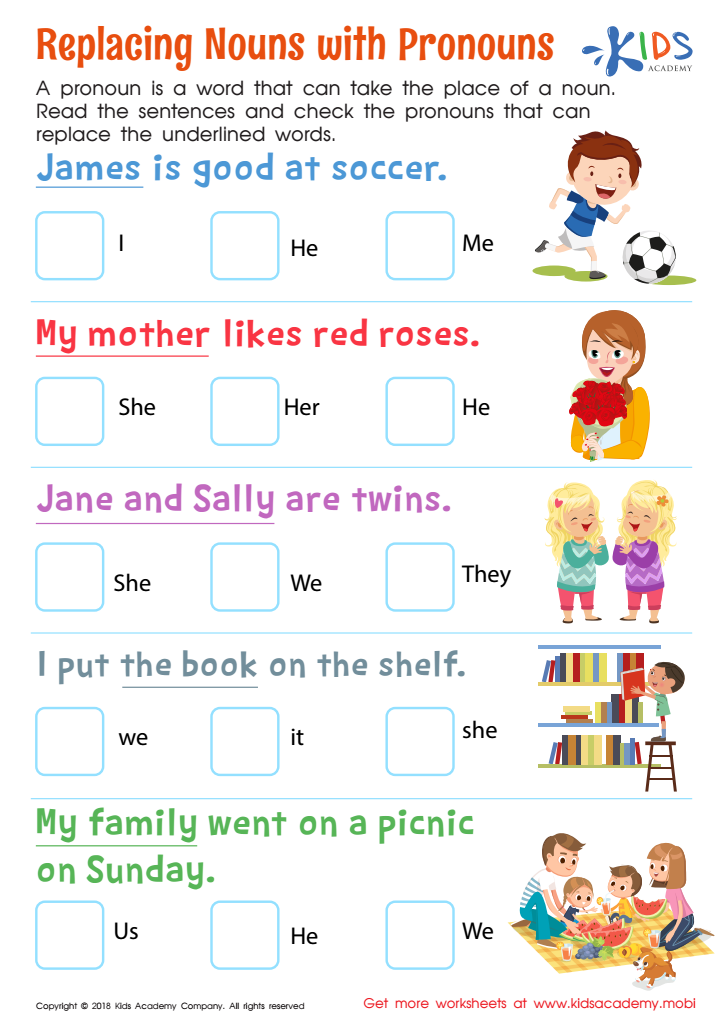
Replacing Nouns with Pronouns Worksheet
This colorful worksheet helps kids grow their writing skills by replacing nouns with pronouns. Read each sentence and select a pronoun for the underlined phrase. Then read the sentence again with the new pronoun.
 Assign to My Students
Replacing Nouns with Pronouns Worksheet
Worksheet
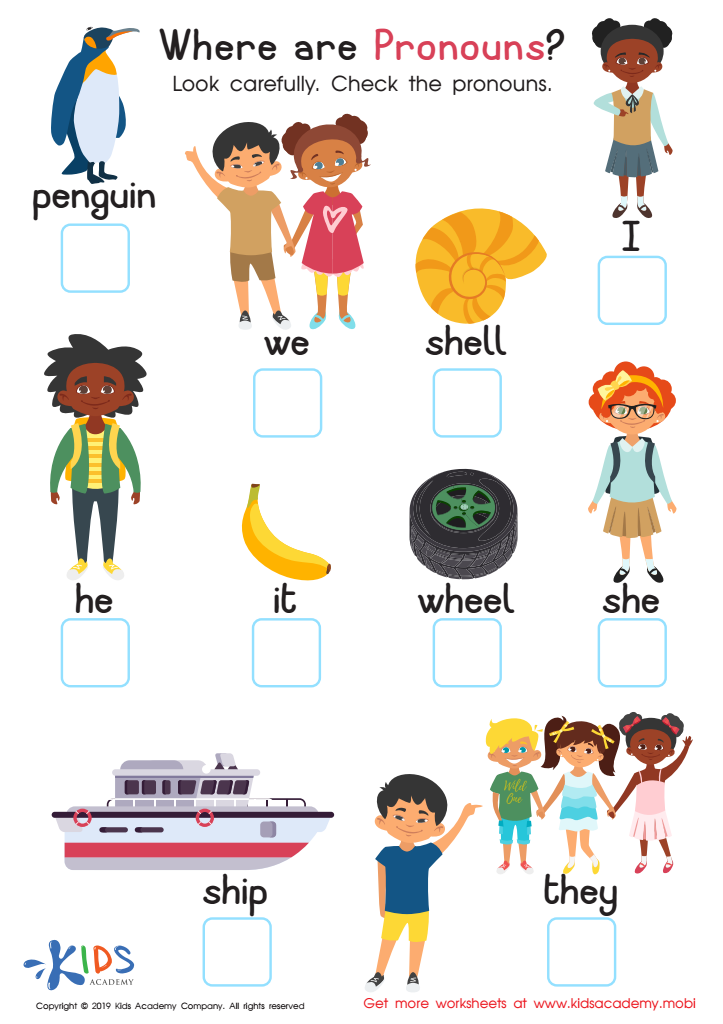
Where Are Pronouns? Worksheet
Pronouns make language flow, substituting "he" or "she" for names. Kids know and use them in their speech, but identifying pronouns in grammar helps build writing skills. This worksheet challenges kids to pick out pronouns from other nouns. Go through the worksheet, view the pictures and read the words. Ask kids to check boxes in front of pronouns to mark answers.
Where Are Pronouns? Worksheet
Worksheet
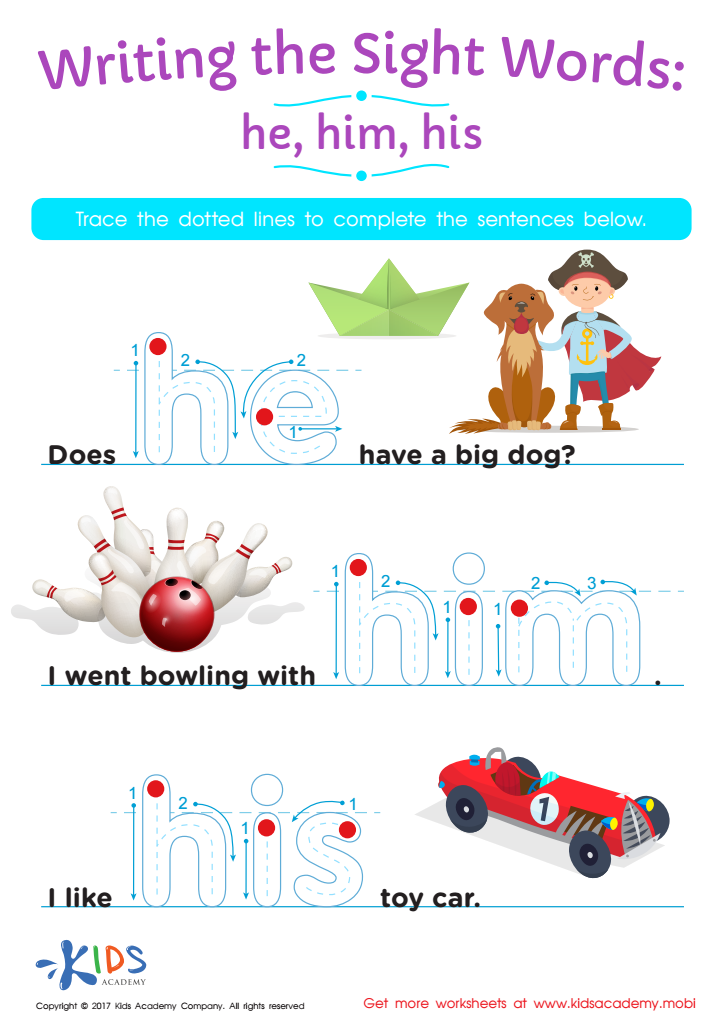
He, Him, His Printable Sight Words Worksheet
He, Him, His worksheet includes colorful pictures, simple sentences, and lots of fun. Guaranteed to engage and make learning enjoyable!
He, Him, His Printable Sight Words Worksheet
Worksheet
Join Kids Academy for Free
Who is primarily going to use this learning content?




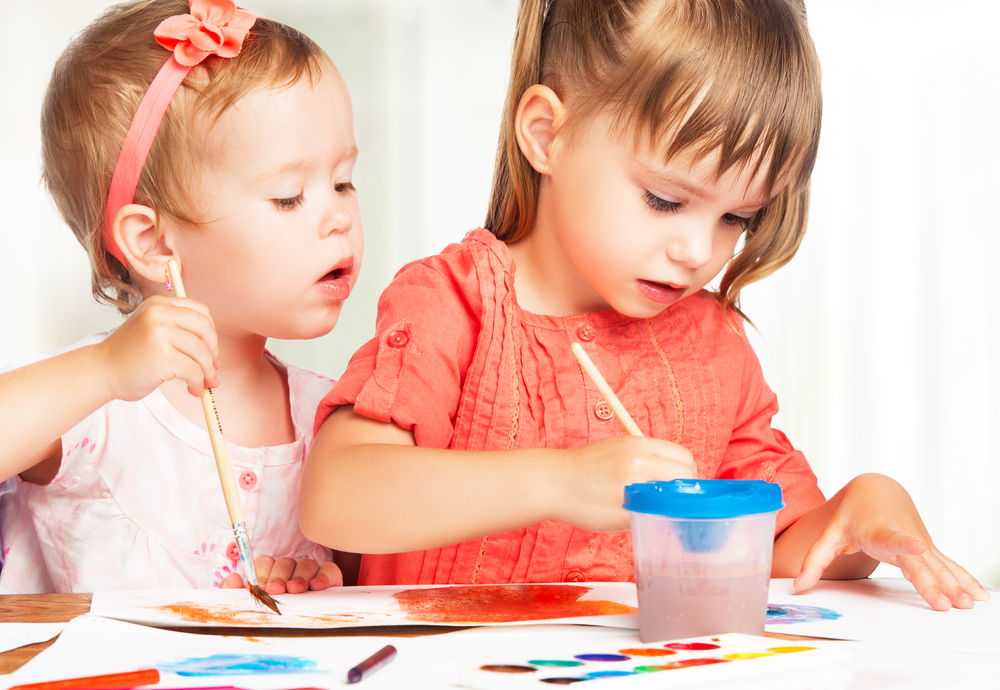


Pronoun identification is fundamental for children aged 7-9 because it lays the groundwork for their linguistic development and overall communication skills. At this stage, children transition from basic word recognition to more complex sentence structures. Understanding pronouns helps them make sense of their surroundings and communicate more clearly. For instance, pronouns like "he," "she," "it," "they," and "we" simplify language, avoid repetition, and make conversation smoother, promoting better comprehension.
Moreover, correct pronoun usage is closely linked to reading and writing proficiency. When children recognize and appropriately use pronouns, their sentences become coherent and more expressive. This skill enhances their ability to follow stories, understand plots, and maintain the flow in writing, which are crucial for academic success across subjects.
Social development is another reason to focus on pronoun identification. Proper pronoun use aids in forming relationships and navigating social interactions. Understanding how to refer to others respectfully and correctly is essential in fostering empathy, inclusiveness, and kindness.
Overall, emphasizing pronoun identification not only supports linguistic competence but also contributes positively to a child's academic prowess and social-emotional growth. It’s an integral part of their journey toward becoming articulate and empathetic individuals.








